
Greater Tokyo

See & Do

reset
Snow Peak KANUMA Campfield & Spa

Snow Peak KANUMA Campfield & Spa

"Snow Peak KANUMA Campfield & Spa" is a camping ground consisting of 91 sites. It caters to various needs and camping styles, and offers rental of all necessary camping equipment, allowing you to enjoy camping without bringing your own gear. You can also enjoy open-air baths and sauna at the hot spring facility, as well as use the wooden deck and grassy area where you can eat meals purchased for takeout. Indulge in shopping at our store, where you can find locally sourced products and Snow Peak gear, and savor freshly-ground, hand-made soba noodles at "Kaminanma Soba Ryugai," a restaurant serving up delicious local ingredients.

Nikko kaido Oshu kaido TOCHIGI
Dining Room “Mizunara” (Chuzenji Kanaya Hotel)

Dining Room “Mizunara” (Chuzenji Kanaya Hotel)

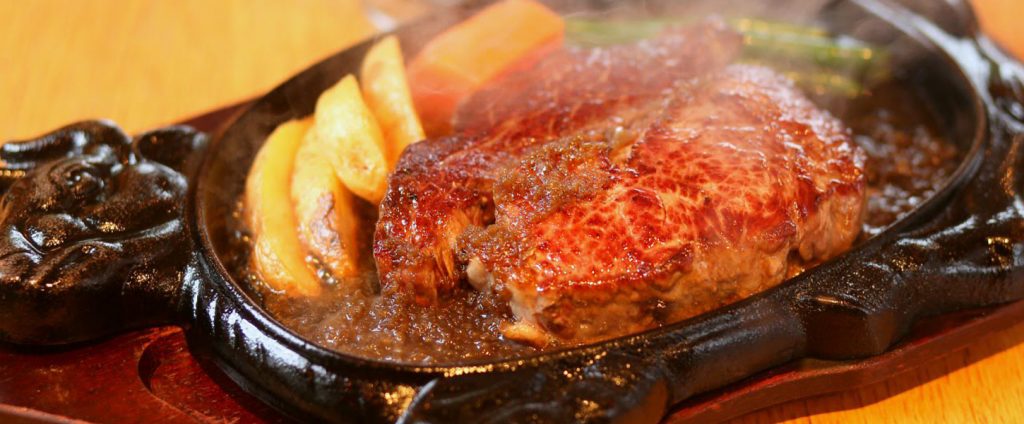
The dining room Mizunara at Chuzenji Kanaya Hotel features large windows overlooking the lake. Wooden pillars and the floor give the dining room a warm tone. Beyond the mizunara oak trees outside, there is Lake Chuzenji. In all seasons, guests can enjoy food cooked with fresh ingredients produced in Tochigi with a view of the nature and wild birds of Okunikko. The restaurant offers a range of dishes that enable local production and local consumption, including Hyakunen Curry Rice prepared based on the 100-year-old recipe of the signature dish of our sister hotel Nikko Kanaya Hotel, Special Tochigi Lunch using locally produced Premium Yashio Trout and locally produced wagyu beef, and Nasunogahara Wagyu Beef Steak Lunch. Have a wonderful time at this open restaurant that feels like a resort.

Nikko kaido Oshu kaido TOCHIGI
Jazz Town Utsunomiya

Jazz Town Utsunomiya

Utsunomiya City in Tochigi Prefecture is the hometown of world famous jazz musicians such as Sadao Watanabe and Haruhiko Takauchi. To make Utsunomiya a Jazz Town, various musical events are taking place throughout the year. New jazz-related groups are being created owing to the efforts of jazz lovers as well as owners of clubs and music houses that have a connection to jazz music. One such group is the Utsunomiya Jazz Association, and its member clubs are hosting live jazz performances where you can feel the vibes of Jazz Town Utsunomiya. If you are a first-timer, no problem! You will be warmly welcomed by regulars and staff members in a bright atmosphere. Enjoy a wonderful night in Jazz Town Utsunomiya.

Nikko kaido Oshu kaido TOCHIGI
Nakamura Hachimangu Shrine Grand Festival

Nakamura Hachimangu Shrine Grand Festival

Hachimangu Shrine and the Samurai's Origin Nakamura Hachimangu Shrine is one of the eight shrines enshrining the god Hachiman in the Northern Kanto region. It is said that the Hachiman is is the guardian deity of the Minamoto clan warriors, so a legendary samurai called Minamoto no Yoshiie, the common ancestor of the shoguns of Minamoto no Yoritomo and Ashikaga Takauji, came here to pray for his victory.   After the establishment of the Kamakura Shogunate by Yoritomo, he attacked the Fujiwara clan of Oshu, which was then in northeastern Japan. Nakamura Munemura, the lord of the Nakamura County, fallowed Yoritomo's army, was rewarded to be the lord of the Date County of Oshu. Munemura has been seen as the ancestor of Date Masamune. The birth of Yabusame ceremony In 1736, Date Yoshimura, the 5th Daimyo of  Sendai Domain, just ended his "Sankin-kotai (alternate attendance)" and prepared to go back to his domin. Before he arrived in Sendai, Yoshimura came here and donated his horse to the god. In order to commemorate this event, the Yabusame Ceremony is held every year at the Annual Grand Festival.   Archers dress in samurai's hunting attire and ride on horseback, then shot at the target on the left on their horses. The whole ceremony is accompained by the thumping sound of taiko, which makes the ceremony very energetic.

Nikko kaido Oshu kaido TOCHIGI
Rinnoji Temple’s Gohan-shiki (rice-forcing) Festival

Rinnoji Temple’s Gohan-shiki (rice-forcing) Festival

A Dramatic Ceremony Draws Laughter and Gasps The Gohan-shiki is a unique ceremony that has been handed down only in Nikko area. Nikko was opened as a sacred mountain for the syncretization of Shintoism and Buddhism, and mountain asceticism by mountain ascetics flourished, with the ascetics bringing back offerings made to the main deity in the mountain and sharing them with people in the village.   The entire ceremony consists of approximately three parts: the "Santen Gogyo Ku" and "Saito Daima Gomaku," the "Gohan Gonyo Ceremony," and the "Garamaki".   After the "Santen Gogyo Ku" and "Saito Daima Gomaku,"the hall becomes bright, the recipients line up on the platform, and the "ceremony of receiving rice with strength" begins. The ceremony proceeds in the following order: "Gojinshu (sacred wine)," "Prayer," "Gohan (rice)," "Naseen (rice dishes)," "Kinko (food)," and "Koyo (offering). One of the most spectacular parts of the ceremony is when a monk dressed in a mountain priest costume presents three heaping piles of rice to a kamishimo-dressed recipient, who is told to "eat 75 bowls of rice without leaving any leftovers". The comical sight of the recipient being forced to eat the rice and having it placed on his head is sure to draw laughter from the audience.   After successfully completing this ceremony, the recipients will conclude the ceremony by sowing the blessings they have received in the ceremony to the general public, in accordance with the Buddhist teaching of "not keeping the blessings for oneself but sharing them with others.   In the Edo period, only feudal lords of 100,000 koku or more could serve as a recipient, and the Tokugawa shoguns and other famous feudal lords from all over the country were named as recipient as an "honor for my clan".

Nikko kaido Oshu kaido TOCHIGI
Mamada Kumihimo Braid-making Experience

Mamada Kumihimo Braid-making Experience

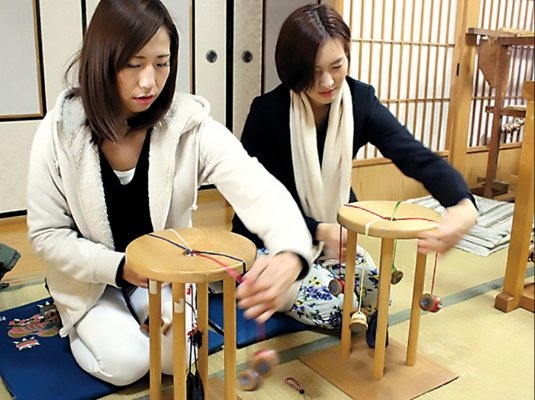
Mamada Kumihimo is a traditional Japanese cord created by hand braiding. The cords were used in the armour of Samurai warriors long ago. Today the silk woven cords have a wide range of uses such as bolo ties, obi-himo ties used to secure the obi of women’s kimonos and haori-himo ties in the men and women wear short coats over their kimonos. Try your hand at making your own strap with the vegetable-dyed, pure silk threads made from domestically grown cocoons at a traditional Mamada cord shop.

Nikko kaido Oshu kaido TOCHIGI
Coco Farm and Winery

Coco Farm and Winery

Coco Farm and Winery offers tours of the winery, a fine selection of wines and food prepared with freshly picked local vegetables. Enjoy lunch at the restaurant with an incredible view of the vineyards. Stroll up to the hill top with a glass of wine in hand and sit back and relax under white parasols to enjoy sunshine! The stylish bottles available in the shop are perfect for souvenirs. Or why not stay overnight at one of the local Ashikaga hotels after a day of exploring?

Nikko kaido Oshu kaido TOCHIGI
Nagamine Park

Nagamine Park

One of Japan's top 100 urban parks, the famous azalea viewing place in Kanto City, North Kanto City, about 5,000 azaleas in full bloom here, and every year in May will be held “azalea festival”, swarming with many people.   From early April to mid-May (the peak season for cherry blossoms and azaleas), the park is illuminated at night, and the dreamlike flower scene makes people linger.   There are also lawn parks and amusement facilities in the park, which are suitable for family picnics. On a clear day, you can see Mt. Takahara and Mt. Nikko from the observatory in the park.  

Oshu kaido Nikko kaido TOCHIGI
TERAYAMA KOSEN (Terayama Hot Spring)

TERAYAMA KOSEN (Terayama Hot Spring)

Toji-ba is a place where people stay for extended periods to undergo therapeutic treatments using hot spring baths. In Japan, this has long been cherished as a traditional method of promoting health and wellness. "Terayama Hot Spring" is said to have healing powers for various ailments. The high-quality spring water, rich in iron, is known as the "Miracle Bath" and comes highly recommended even by medical professionals. When consumed, it is effective in treating anemia, gastrointestinal diseases, and constipation. When used for bathing, it improves blood circulation, promoting detoxification and relieving various types of pain. Furthermore, the meals at the inn are prepared with the intention of "eating healthy and safe food to become energized," and they use organic vegetables grown without pesticides and local wild mountain vegetables. Please visit according to your travel style, whether it's a day trip or an overnight stay.   【About the Hot Spring】 Water color: Reddish brown (after heating) Quality: Ferruginous spring Therapeutic effects: Drinking: Anemia, gastrointestinal diseases, constipation, etc. Bathing: Neuralgia, rheumatism, gastrointestinal diseases, gynecological diseases, diabetes, atopic dermatitis, etc.

Nikko kaido Oshu kaido TOCHIGI
Mamada Jaga Maita

Mamada Jaga Maita

There is a strange festival which conveys faith in the dragon god called ""Mamada-no Jaga Maita (popularly known as the ""Snake Demon Festival"" that is designated as a national important intangible folk culture asset in Mamada. This event is held before the rice planting to pray to the gods and Buddha for moderate winds, as well as a bumper harvest and the elimination of plagues.   ""Jaga Maita, Jaga Maita, Jaga Maita of April 8!"" These yells echo around the town on the day of the event. This event features 15-meter dragon-head and snake-body animals decorated with fern leaves on the snake body made from bamboo and straw also paraded around the town.   The seven snakes of each district first gather at Mamada Hachimangu Shrine. The snake gathering and purification rites ceremony then takes place. After that, the water of Benten Pond is drunk to the heart's content of the participants before they go around the town again.   This festival was once held on April 8 in Japan's old calendar. However, because the bearers of the event are children of junior high school age and younger, it is now held on May 5 (Children's Day) when the schools are closed.

Nikko kaido Oshu kaido TOCHIGI
Michi-no-Eki Yunishigawa

Michi-no-Eki Yunishigawa

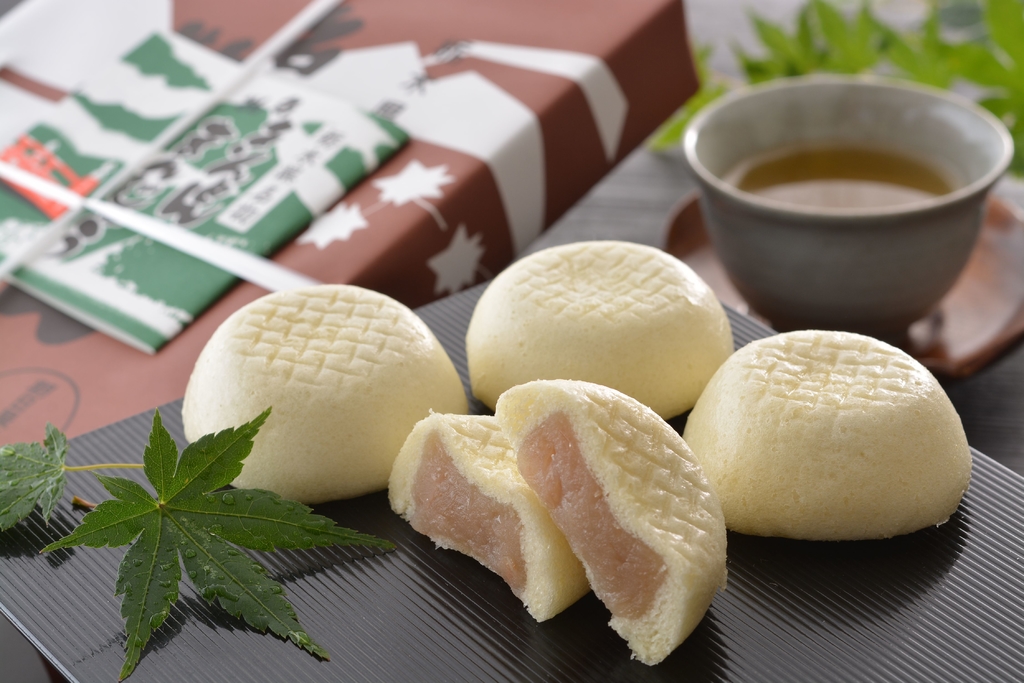
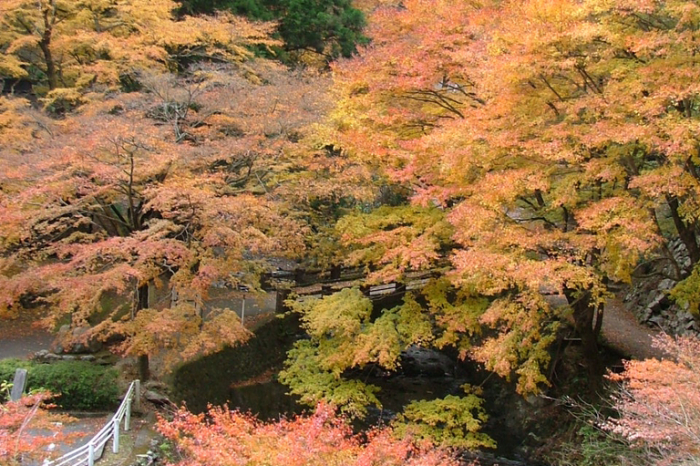
Michi-no-Eki Yunishigawa is a roadside station located in the north of Nikko, about 300 metres from the former Aizu-nishi highway (Route 121). It offers natural hot springs and a stone sauna, and local delicacies such as smoked salamander, strawberry buns and Bandai-mochi rice cake (not available in winter). The cafeteria serves uniquely dam-shaped rice and curry as well as locally produced soba noodles. Look out for Kurippa here, a local mascot based on a folk tale of the mythological creature Kappa. Accommodation can be arranged at the information desk. The car park has rapid charging points for electric vehicles. Located 600 metres above sea level, the location offers fine views of the natural surroundings. Enjoy the seasonal beauty of verdant greens, autumn leaves and snowy winter scenes.

Nikko kaido Oshu kaido TOCHIGI
Kirifuri-kogen Highland (Kirifuri-kohgen)

Kirifuri-kogen Highland (Kirifuri-kohgen)

These highlands, situated 1,200 metres above sea level, are a paradise of alpine plants and are well-known for the “Nikko Kisuge”. With 260,000 Nikko Kisuge blooming from late June to mid-July, the grasslands are carpeted in these bright yellow lilies. Walking paths through the fields are available. Enjoy azaleas in spring, autumn colours and skiing in winter! There are selections of restaurants, accommodations and leisure facilities to satisfy couples and families.

Nikko kaido Oshu kaido TOCHIGI
Izurusan Manganji Temple

Izurusan Manganji Temple

Izurusan Manganji Temple was founded in the year 767, approximately 1200 years ago.  This Shingon Buddhist Sect Chizan School Temple in Tochigi City is dedicated to the Thousand-Hand Kanzeon Bodhisattva. It is known as being a powerful spiritual location surrounded by forests and water with perpetual services offered for the deceased, zen meditation, and waterfall meditation. Nestled in nature with towering trees and fresh crisp air, the main temple, Omido, was built in 1368 and was reconstructed in 1764 after the great fire of 1740. The main temple hall has been designated a Prefectural Cultural Property whereas the Deva gate has been designated a City Cultural Property and the Izuru limestone caverns have been designated as City Natural Monument."

Nikko kaido Oshu kaido TOCHIGI
Tenpyo-no-Oka Park

Tenpyo-no-Oka Park

The vast grounds of Tenpyo-no-Oka Park consist of pristine forest containing a number of historic sites. A great number of visitors come to the Tempyo flower festival held in mid to late April when the 450 double-flowered cherry trees bloom. Enjoy strolling through the woods and travel back in time with a visit to one or more of the various museums in the park. The “Botchan Bus” departs from in front of the folklore museum for a 15-minute circumnavigation of the park – popular for families and perfect for sightseeing. A popular sight is the stone-walled keyhole-shaped ancient tomb of Kunimiyama. Clap your hands under the stairs in the ring-shaped area of the tomb, and hear the echoing sounds of a roaring dragon reverberate back from the large stone above. On the first Sunday of November the Tenpyo Imoni Festival is held here serving home-style Imoni soup to 3,000 guests. The soup is made with local produce including dried gourd strips, taro roots and leeks in a huge pot measuring 2.5 metres across. ☆

Nikko kaido Oshu kaido TOCHIGI