Kuroiso Street Stroll
Find fabulous goodies in a popular fashion district that is home to famous cafes, flower shops, jewelry and accessories shops, knitting shops, leather studios, and more.
Total: 1715 items
Find fabulous goodies in a popular fashion district that is home to famous cafes, flower shops, jewelry and accessories shops, knitting shops, leather studios, and more.
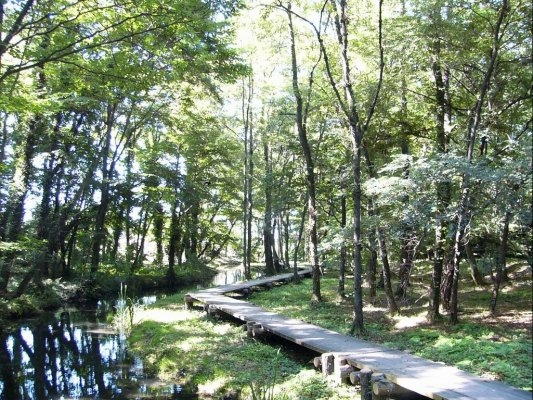
Isokawa Ryokuchi Park is a promenade built on a tree lined road along a natural riverbank, which allows visitors to get in touch with nature.The promenade is approx. 1.4km which takes about 30 minutes to walk, so even families with small children can easily enjoy the moderate length hike. There are arbors in 2 locations within the park where visitors can eat packed lunches they bring with them and have a "mini-hiking" experience."
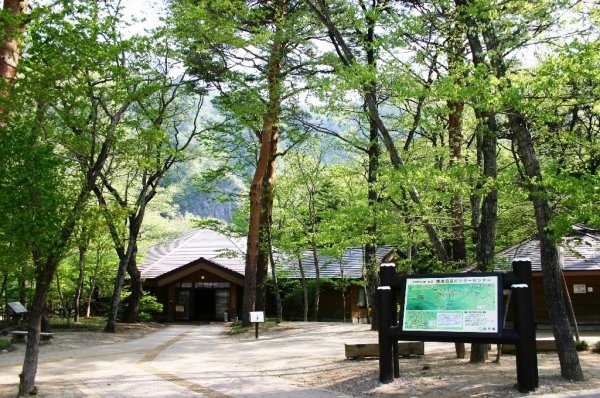
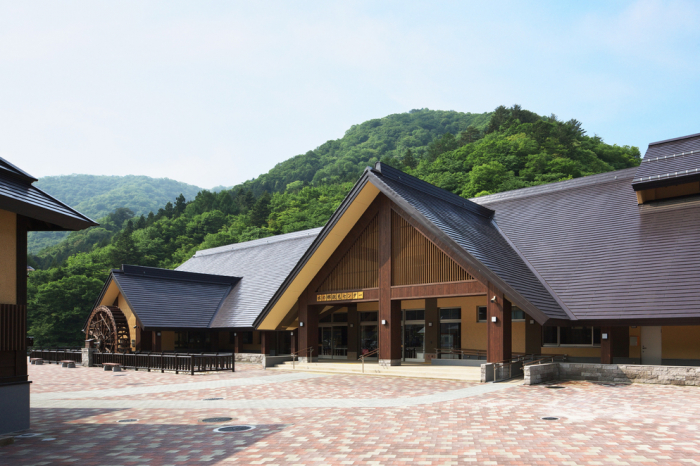
This tourist information center located in Nasushiobara City, Tochigi Prefecture provides explanations and guidance for the nature and promenade in Shiobara, and operates various walking plans. For example, it coordinates nature walking plans corresponding to the season and members, hikes with park conductors and nature learning activities. In addition, the visitor center has a rest corner where you can rest yourself after walking."
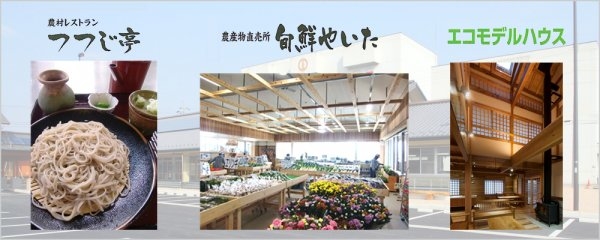
Roadside Station Meiji no Mori/Kuroiso was opened as a roadside station when improvements were made to the Aoki Nasu Bettei second home on a 7.5-hectare lot. This roadside station is located on the side of the Kuroiso-Tajima Route (Prefectural Route 369), which runs through Nasushiobara City, Tochigi Prefecture. It features farmer's market that offers fresh produce, local eggs, and dairy products,restaurant, a bakery, and more. It is located adjacent to the Former Aoki Family Nasu Villa. This villa that belonged to Aoki Shuzo is a nationally-designated Important Cultural Property."
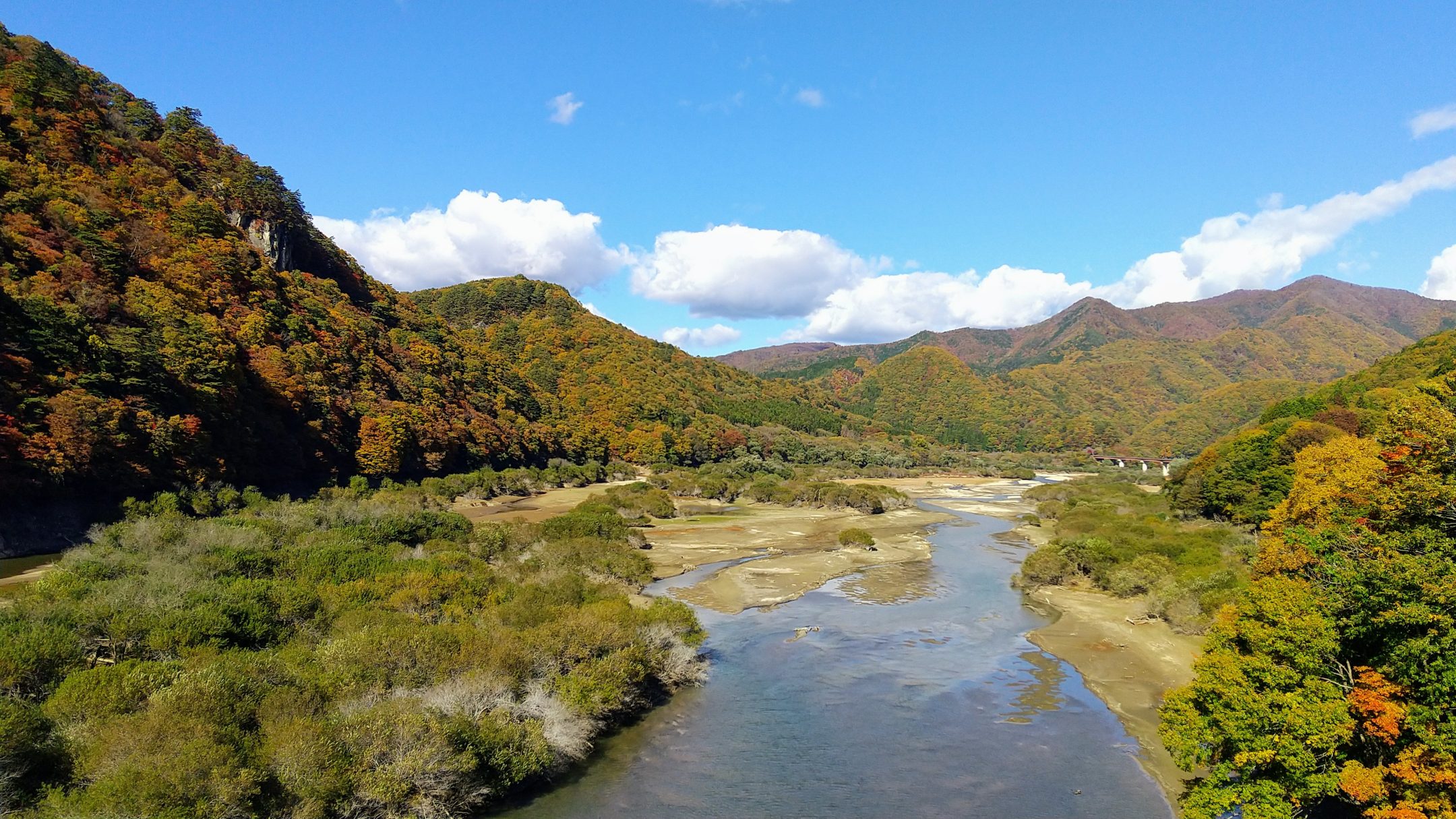
Lake Ikari is a reservoir on the Ojikagawa River, downstream of Yunishigawa Dam.The lake's name, which means ""50 'ri' lake,"" is derived from the fact the lake is located 50 'ri' from Nihonbashi in Edo. During the fall foliage season from mid-October to early November, the lake and the fiery leaves of the trees on its shore create a beautiful contrast, attracting large numbers of visitors. Around May 5th each year, koinobori carp streamers can be seen ""swimming"" as they are flown from the top of Ikari Dam.""
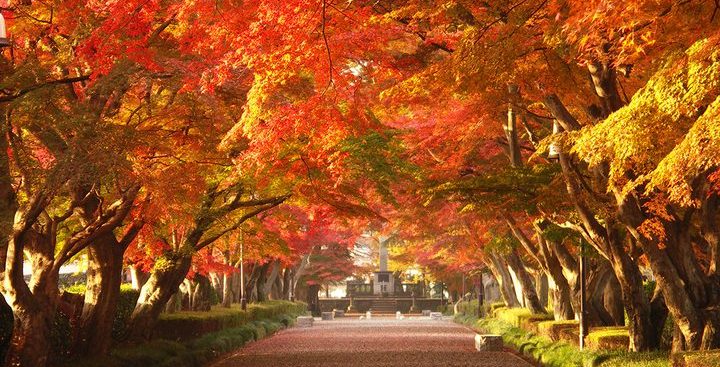
This is road lined with maple trees approximately 90 years old that were planted on approach to Oyama Gensui Graveyard. The best time to see the magnificent fall leaf tunnel is from mid to late November in a normal year. It is located about 5 minutes on foot from JR Nishi-Nasuno Station, so please stop by when you visit Shiobara.
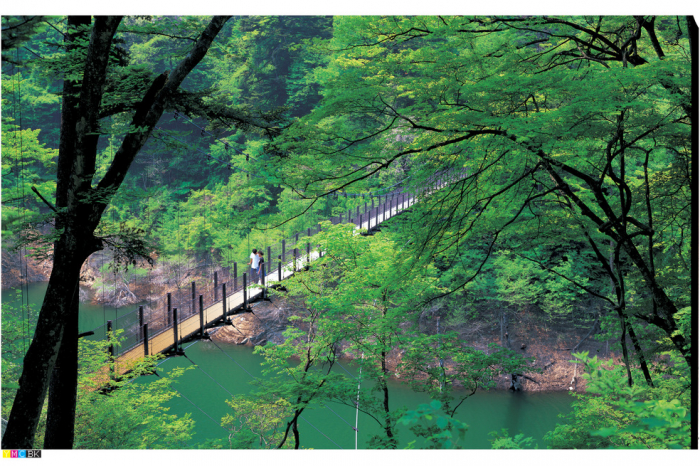
Built in 1987, Mikaeri Suspension Bridge stretches 100 metres across and 30 metres over Shiobara Gorge. The bridge is known as the starting point of the Shiobara Gorge walking trail and has a charm unique from the magnificent neighbouring Momijidani Suspension Bridge. Cross the Mikaeri Suspension Bridge and walk a further 10 metres to the observation deck for incredible views of Mikaeri Falls.
Pete-Dye Golf Club is a masterpiece 18-hole course designed on the land of Nikko by the genius Pete Dye. It is named after the golf course architect Pete Dye. The course is flat but long and tough, and is one of the best championship courses in Tochigi Prefecture. The course will make you play seriously and let you find your true skill level. The course also features an authentic and classy clubhouse.
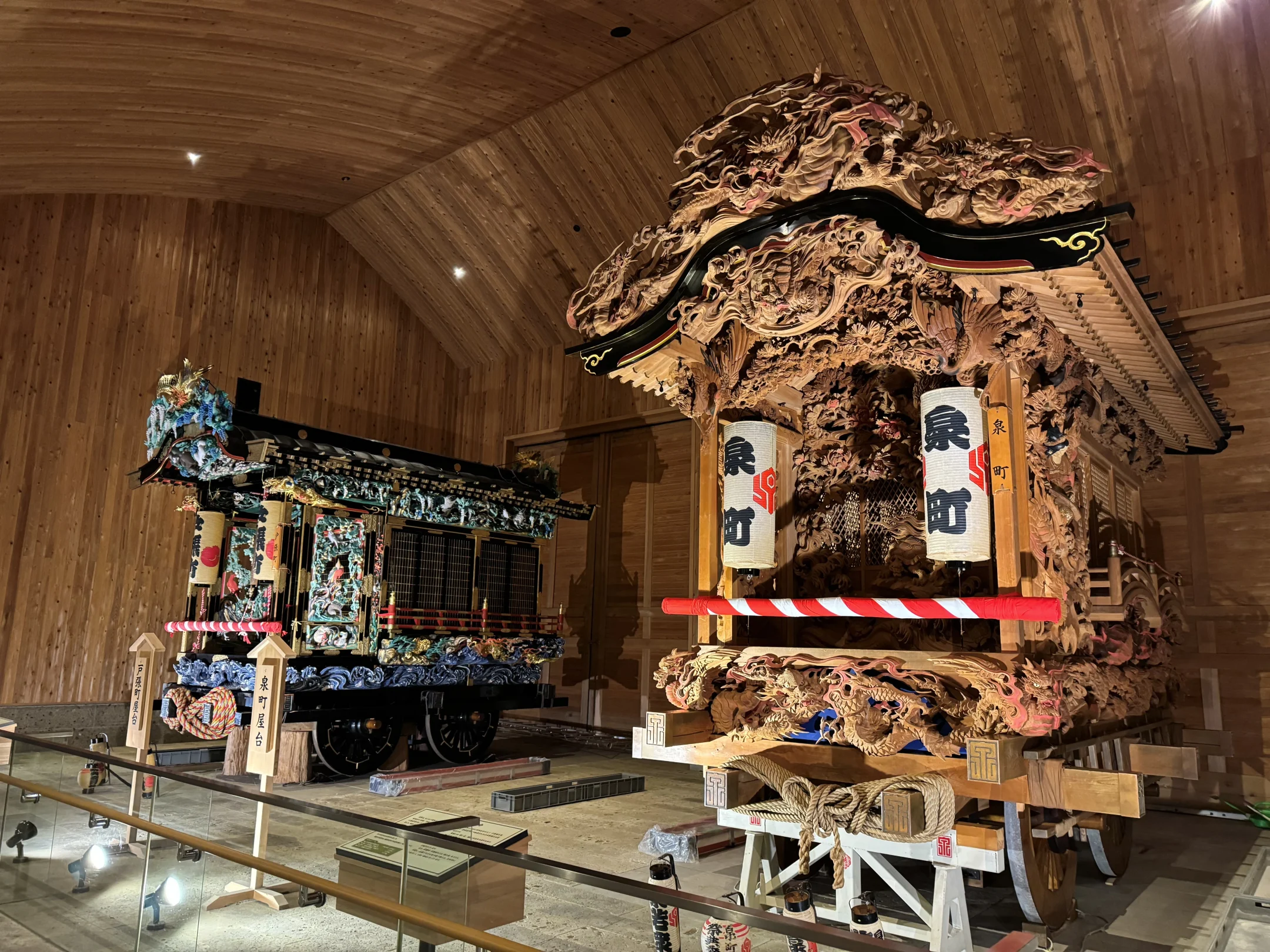
The Local History Exhibition and Reference Room displays valuable artifacts related to the history and culture of Kanuma City, including the carved floats that are the pride of Kanuma City. In the Carved Floats Exhibition Room, there are two carved floats on display which are used in the Kanuma Imamiya Shrine Festival Yatai Event. They are UNESCO Intangible Cultural Heritage and nationally designated Important Intangible Folk Cultural Property.
This recently-opened facility boasts everything Yunishigawa has to offer — an open-air bath fed with free-flowing spring water, unforgettable food, and great souvenir shops. Enjoy an extensive menu including Yunishigawa specialties such as handmade soba and other local dishes.
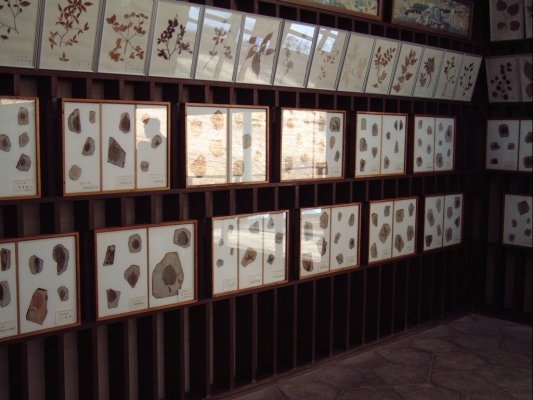
This outdoor science museum is located in Nasushiobara City, Tochigi Prefecture. First opened in 1905, the museum preserves and displays the fossils that have been excavated on its grounds. The exhibit room displays a wide variety of fossils and minerals collected from around the world, mostly notably the many fossils produced locally in the Shiobara area. "
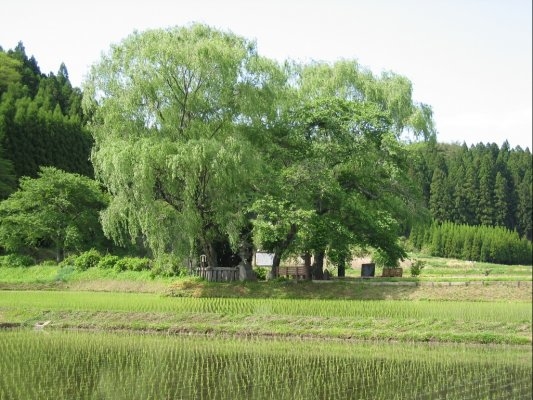
A huge willow tree standing amidst a tranquil, rural landscape. The renowned poet Saigyo spied willow while on a journey and wrote a haiku about standing in its shade on the side of the road amidst the pure waters flowing through the surrounding rice paddies. Later, the playwright Kanze Nobumitsu wrote a play based on this poem, making the willow famous. The famed poet Basho also wrote about this willow in his “Narrow Road to the Interior,” described its moving beauty. Monuments inscribed with poems by Saigyo, Basho, and Buson have been placed next to the tree."
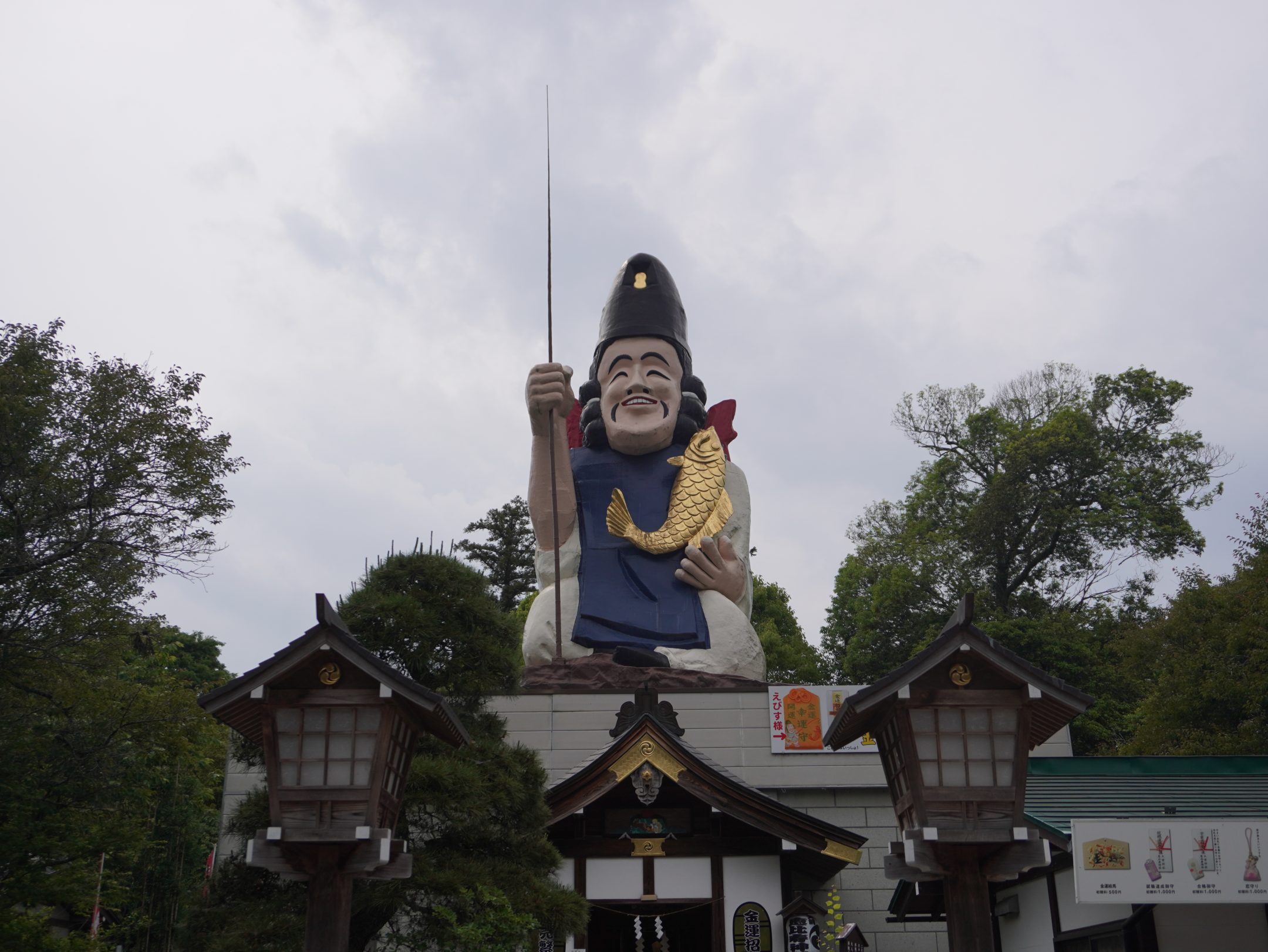
An ancient shrine rebuilt in the Nara era and included in the Engi-Shiki (set of ancient Japanese governmental regulations), it is also a famous place in Kanto for the first shrine visit of the New Year (hatsumode). The main shrine building, which is a prefectural cultural property, is a masterwork of Genroku-era carpenter Sezaemon Sakurai and sculptor Entetsu Shimamura.
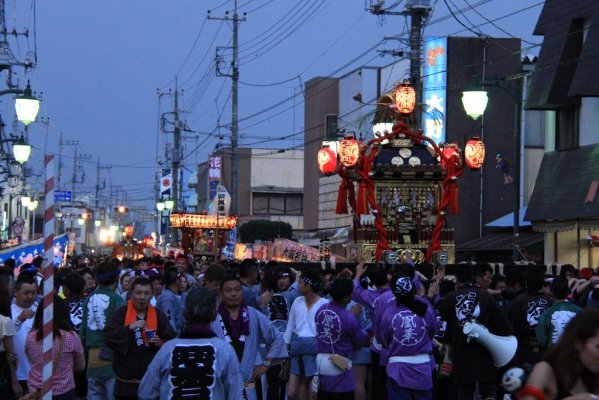
A traditional event that has been passed down in the Kugeta area since 1873. Chokai mikoshi for town associations and children's mikoshi go forth to fill the streets with excitement.
Koedo Tochigi, where Edo atmosphere still lingersDuring the Edo period, Tochigi City flourished as a lodging town along the Nikko Kaido highway and as a hub of river transport. Preserving much of its Edo-period charm, it is often referred to as “Koedo” (Little Edo), alongside Kawagoe and Sawara. A fusion of tradition and innovation – Tochigi Edo CuisineTo let visitors enjoy the unique taste of Edo-style dishes, experts have been researching recipes from the Edo period since 2015, adapting them by blending with local ingredients and techniques. The result is “Tochigi Edo Cuisine,” a modern yet traditional dining experience. On your next visit to Tochigi’s Kurano-machi (Warehouse District), in addition to sightseeing and enjoying a boat ride that recalls the Edo atmosphere, you can also savor Tochigi Edo Cuisine, offering a refined taste of history. For a list of restaurants serving Tochigi Edo Cuisine: https://tochigi-edo.jp/shop
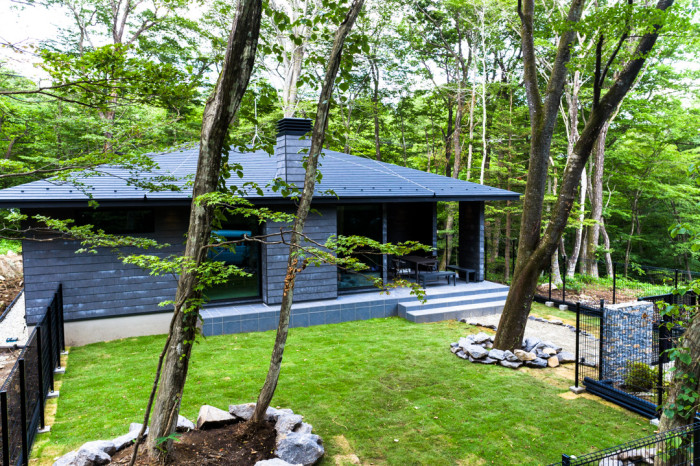
If you’re staying overnight in Nasu Highland (Tochigi Prefecture), stay at Nasu Highland TOWA PURE COTTAGES. Everything including fun, relaxation, and food is found amid the great outdoors of Nasu Highland at this cottage-style hotel where you can relax to your heart’s content. Each cottage has a fireplace made in Northern Europe and a rich variation of living rooms offering a comfortable setting with a spacious feel that promises an all-out resort lifestyle. Pet-friendly guest rooms allow you to sleep with your pets so you can spend the entire restful time with your furry friend. After experiencing the magnificent nature of Nasu, you can choose from a Western-style, Japanese-style, or barbecue dinner meticulously prepared with local ingredients by the chef. In addition, the large bath and open-air bath with natural, free-flowing hot spring water will gently envelop you in soft hot water for a full-body experience that soothes and promotes beautiful skin. As the official cottages for the neighboring Nasu Highland Park, there are a variety of perks, including being able to enjoy Nasu Forest Sky Athletic NOZARU, one of Japan’s largest adventure courses, as well as a dog run, tennis, karaoke, and glamping. The swaying of the trees and tranquil experience unique to a resort provide the ultimate in relaxation that can’t be experienced in the metropolis. Glamping is also available The word ‘glamping’ is a combination of the words ‘glamorous’ and ‘camping.’ The setting lets you fully enjoy the great outdoors even if you are new to outdoor activities such as camping. Not only is there a bed and sofa inside the tent, but a refrigerator, electric power, and other furnishings necessary for a comfortable experience are also included. Meals can be eaten at the hotel restaurant. Guests can choose from Japanese-style meals, Western-style meals, or a barbecue. The barbecue can be eaten out on the terrace, so you can enjoy the delicious food in comfort while immersed in the nature of Nasu. Don’t miss viewing the thrilling starry sky and fireflies in summer, experiences you could never have in the big city. Glamping can provide a unique hands-on experience that ordinary camping can’t, such as spending precious time with a special someone and creating family memories to look back on.

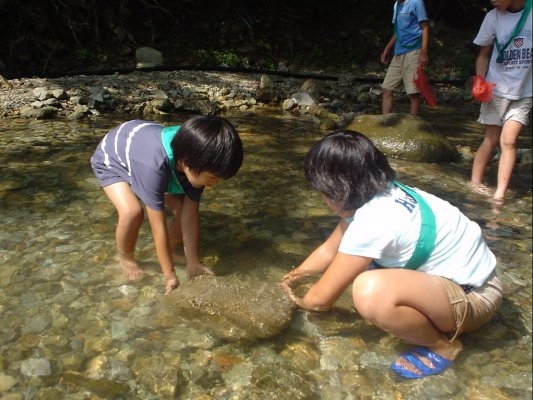
You can experience grabbing freshwater fish by hand in the clear waters of the Ojikagawa rivers and Kinugawa Park. The fish you catch can then be cooked for you and eaten at your ryokan.