
The Hot Spring of Mizunuma
Opened in April 2025, Mizunuma no Yu offers more than just a bathing experience; it offers fabulous views of Mount Kojin.
Total: 151 items
Opened in April 2025, Mizunuma no Yu offers more than just a bathing experience; it offers fabulous views of Mount Kojin.
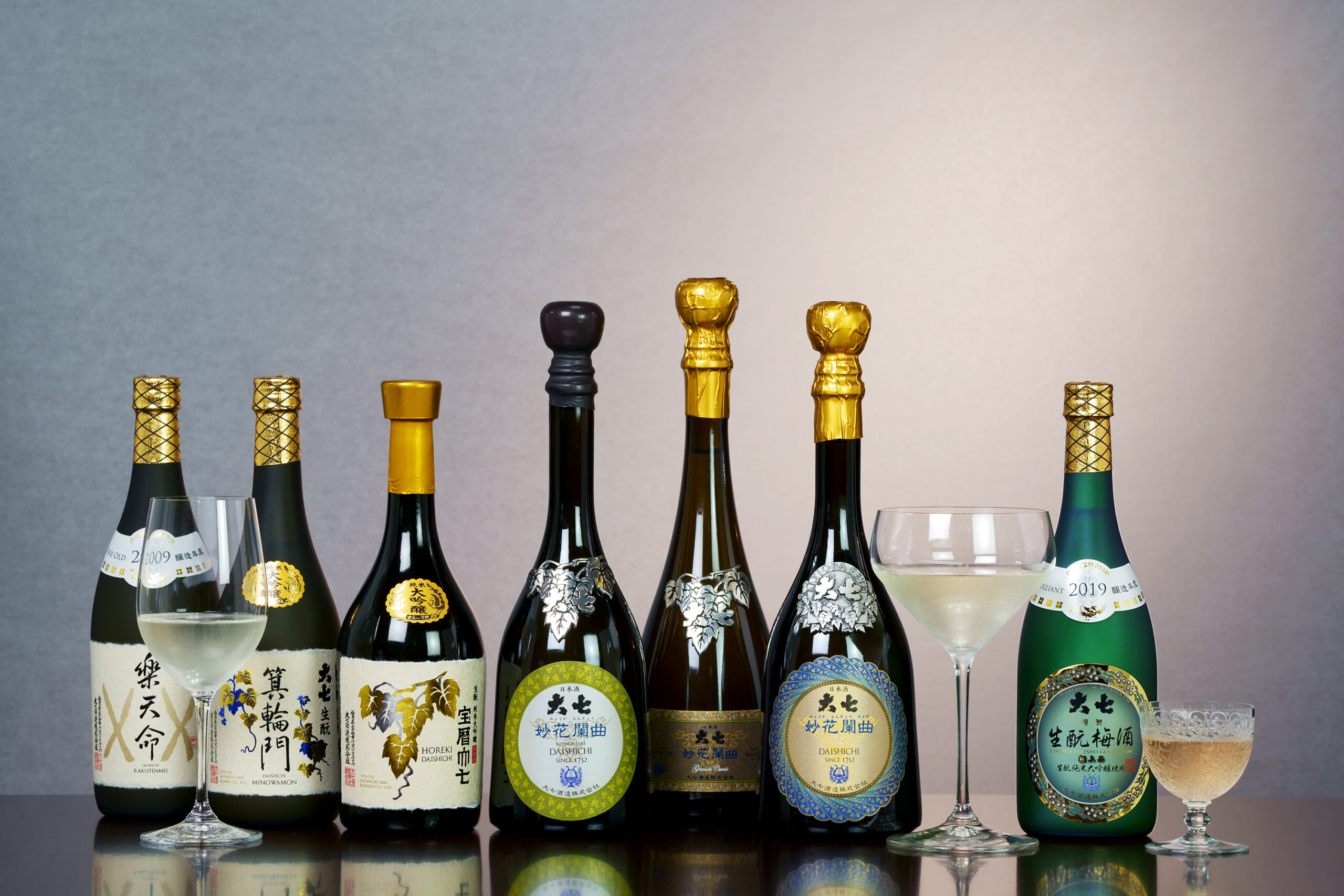
Combining time-honored tradition with modern innovations, Daishichi produces world-renowned sake.
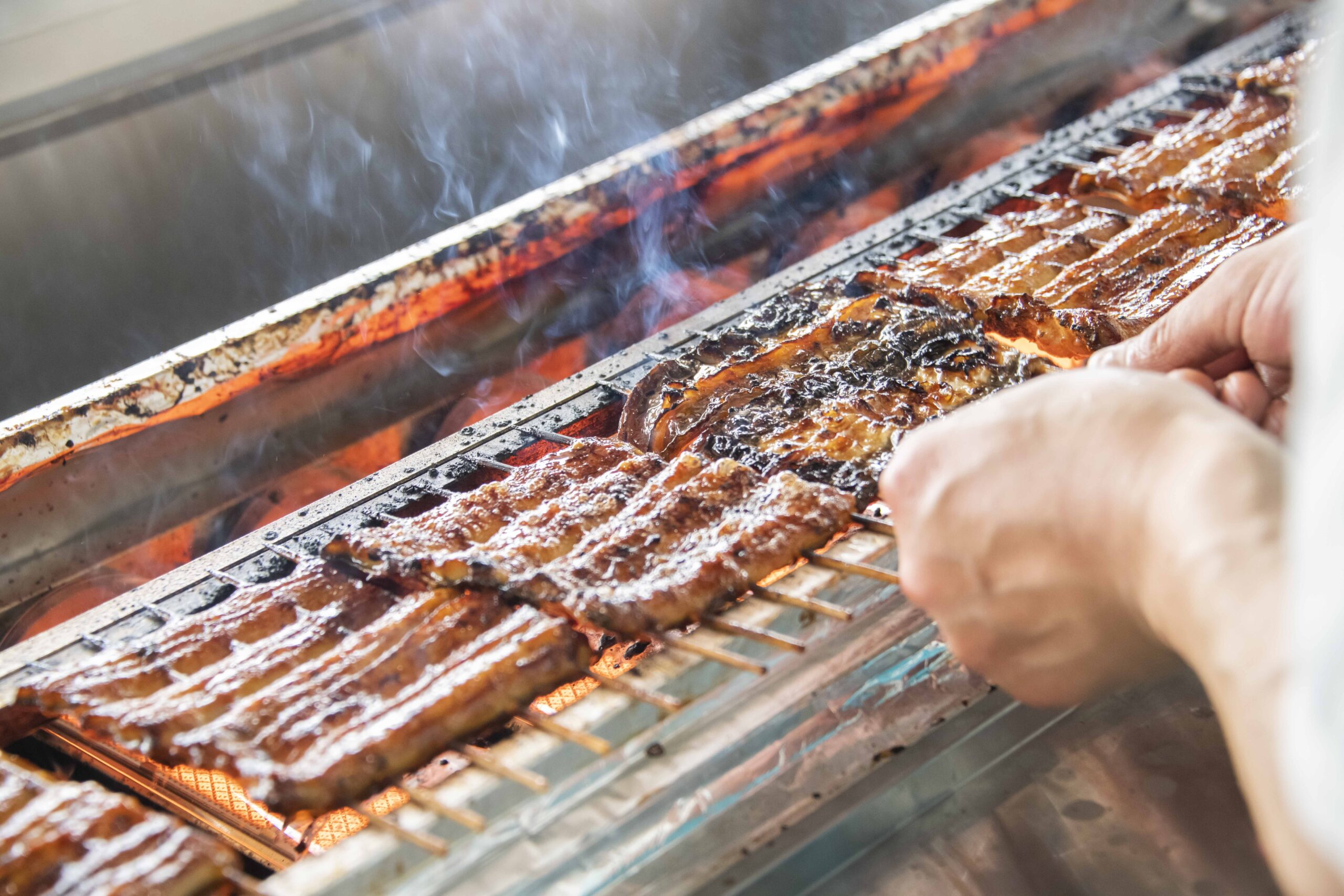
Taste Japan's finest eel at Tomurakawauoten, an approximately 130-year-old specialty shop in Katori City, Chiba Prefecture.
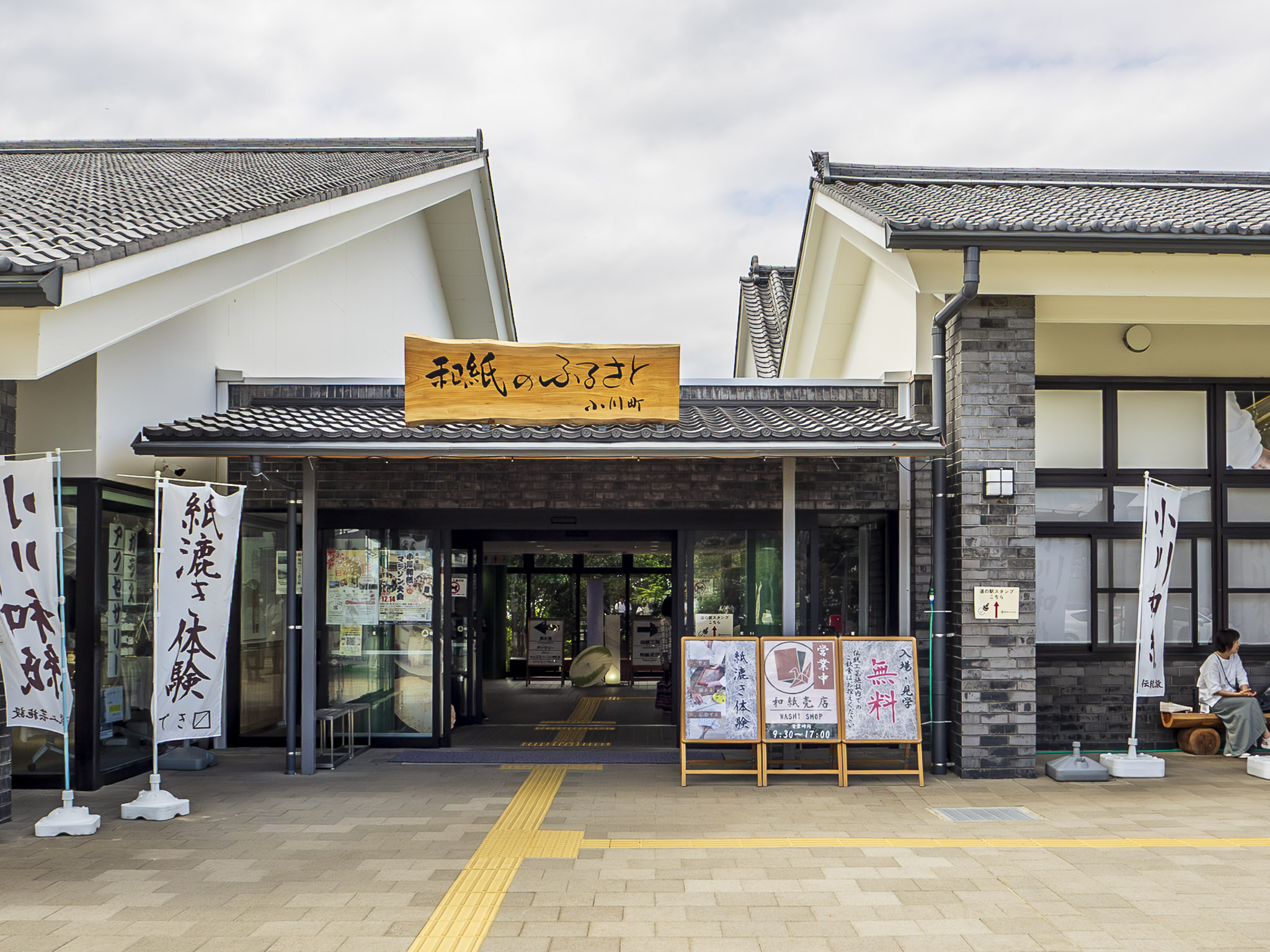
Experience the rich traditions of handmade Japanese paper and organic cuisine at Roadside Station Ogawamachi, a newly reopened cultural hub in Saitama Prefecture that celebrates over 1,300 years of papermaking heritage.
Immerse yourself like a true Chichibu resident as you traverse the steps of this traditional town.
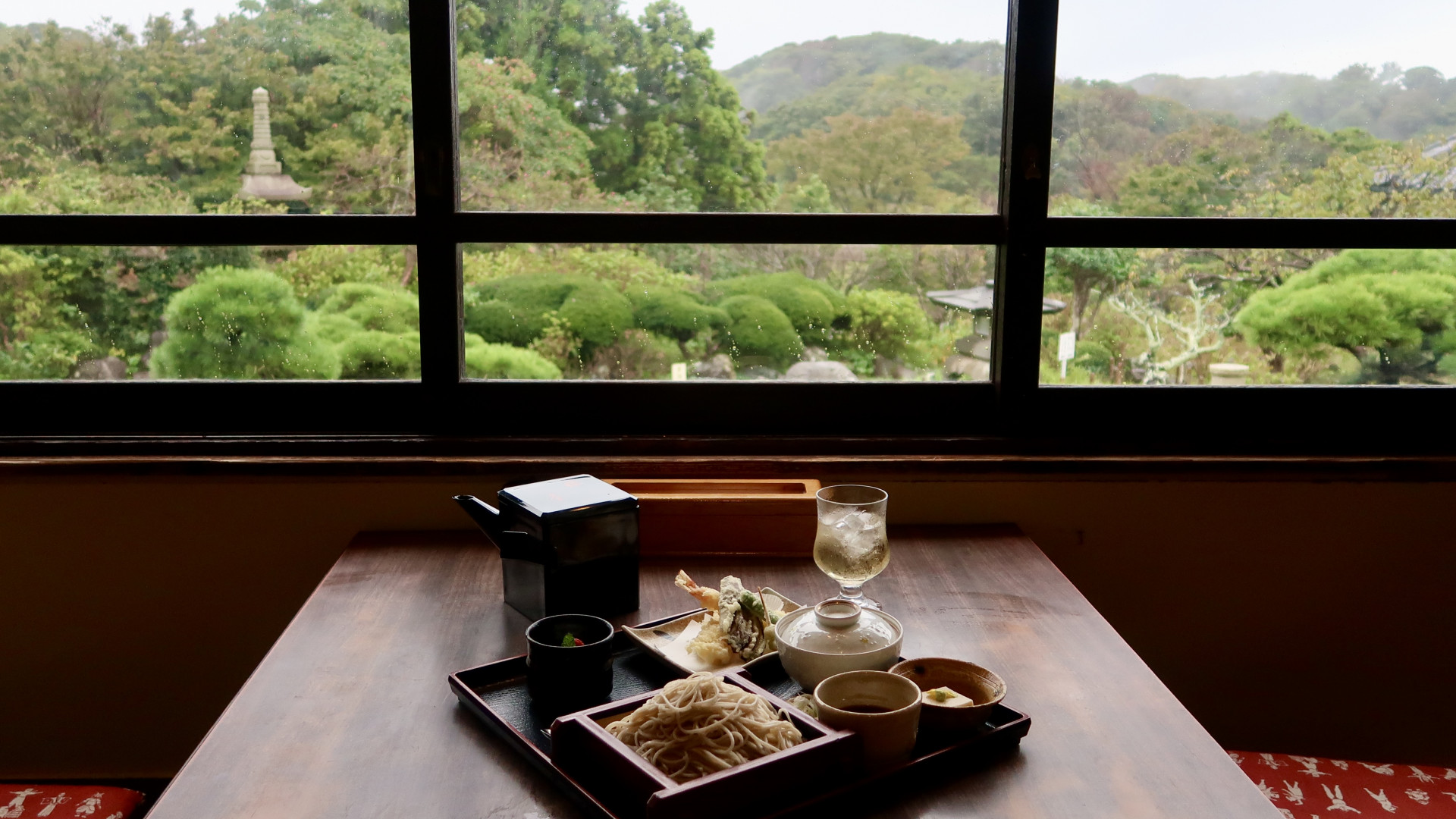
Perched near Odawara Castle, Seikantei—once the villa of Marquis Nagashige Kuroda—now offers a refined setting where architecture, landscape, and dining meet.
Step into a harmonious blend of history and modern café culture at Hikawa Satei, a beautifully renovated rest spot within the grounds of Musashi Ichinomiya Hikawa Shrine. Unwind in a serene escape North of Tokyo, in a place offering visitors creative drinks and a well-deserved pause during their shrine visit.
Created in 1801 under Sadanobu’s ideal of shared enjoyment, Nanko Park remains a tranquil historic landscape where nature, culture, and daily life harmonize.
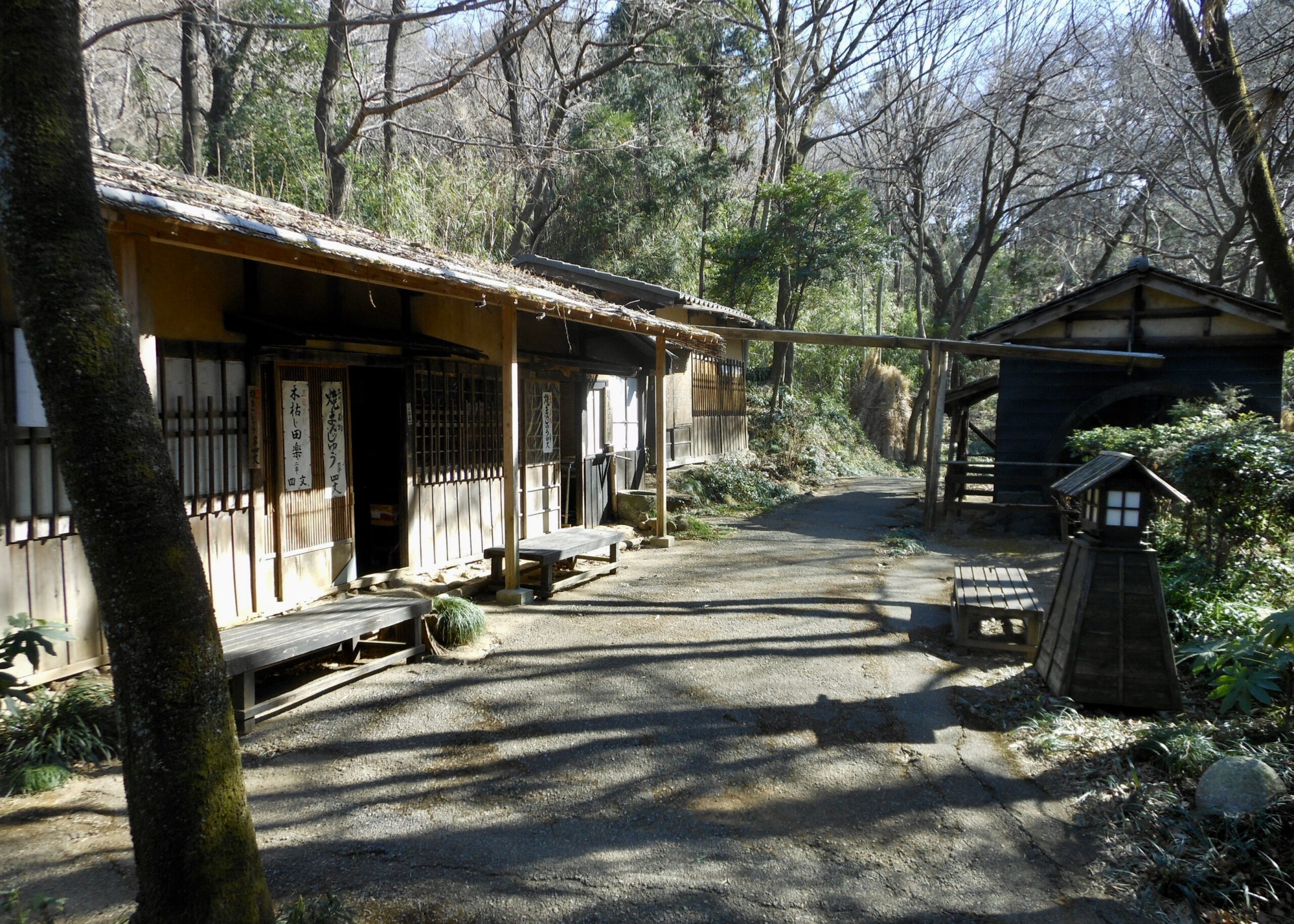
Mikazuki Village recreates the world of old Japan through a lively streetscape inspired by period dramas and regional legends
Oginoya is a restaurant and bento store specializing in kamameshi, a seasoned rice dish topped with various local ingredients. Kamameshi toppings at the Yokokawa store include Gunma-raised chicken, as well as mushrooms, bamboo shoots, burdock, and other mountain produce. The large facility is popular with individual travelers and group tours alike.
A dining bar in a guest house where guests can enjoy a hot-spring bath in water straight from the source 24 hours a day. The bar is also open to visitors who are not staying at the guest house. With many guests coming from overseas, it’s a great place to mingle with foreigners.
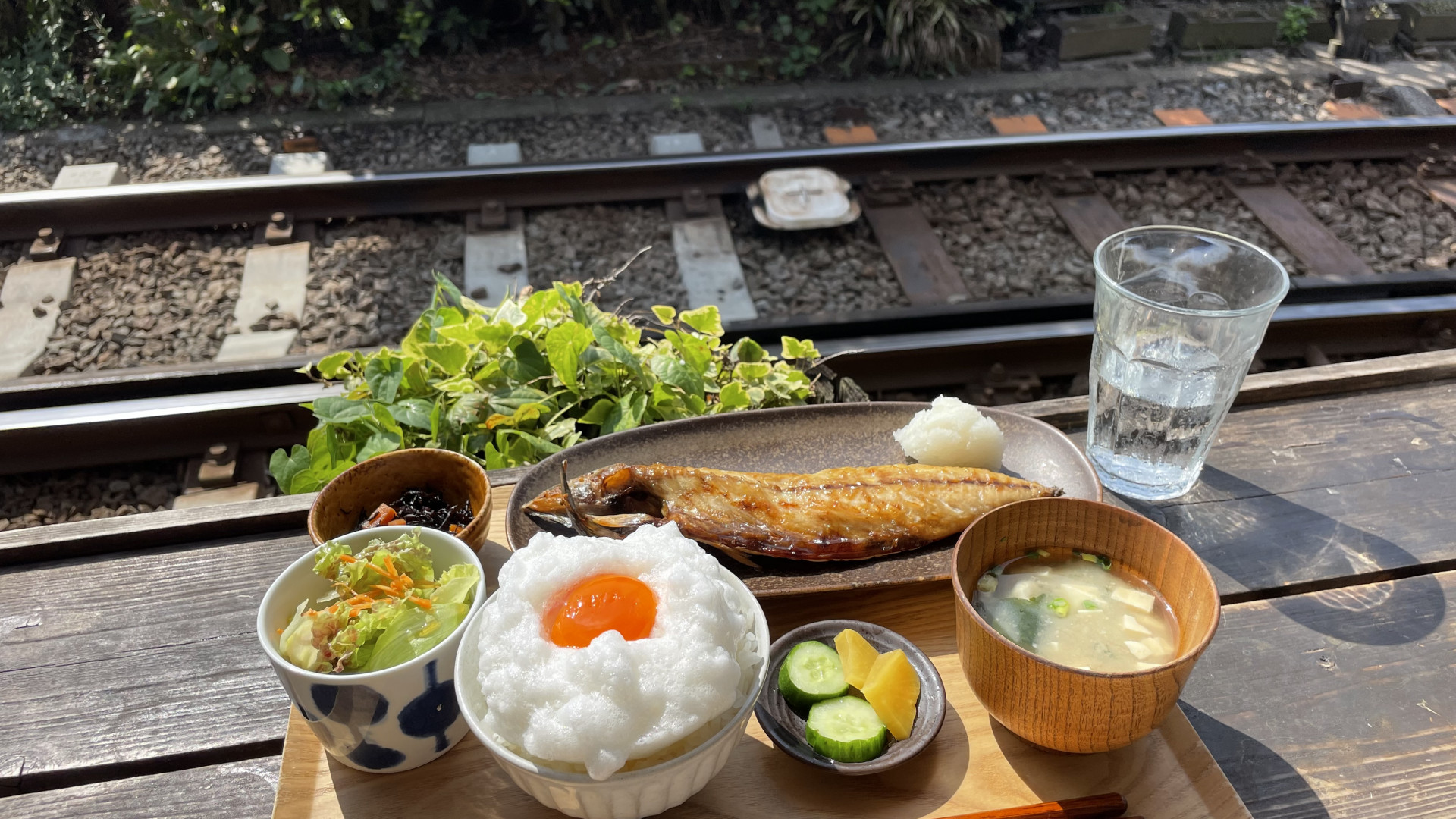
Located about a four-minute walk from the scenic Inamuragasaki Park, Cafe Yoridokoro is a cozy eatery that aims to share the extraordinary moments of daily life in Kamakura. The wooden building features a welcoming interior filled with natural tones, soft lighting, and plant life—making it a perfect representation of the area’s quaint vibes. The restaurant is also popular for its unique position along the Enoden Line and offers tableside views—inside and outside—of the retro electric train. In terms of food, Cafe Yoridokoro serves breakfast, lunch, and cafe cuisine from 7am–6pm (LO 5:30pm). The meals are simply prepared with delicious ingredients. The restaurant’s speciality is dried fish paired with rice, miso soup, pickles, and a small side dish. For the cafe menu, you can savor freshly brewed coffee, lattes, or espresso paired with ice cream, homemade cheesecake, and more! Thanks to the restaurant’s unique setting and deliciously crafted cuisine, Cafe Yoridokoro is a perfect addition to your Kamakura itinerary.
Established in Meiji 40, 1907. Serve you fresh original menu according to your concept. It is located in front of Hasedera. With the relaxing atmosphere of this restaurant, many cultural figures loved their dining. You are able to use this restaurant as ceremony or memorial meetings.
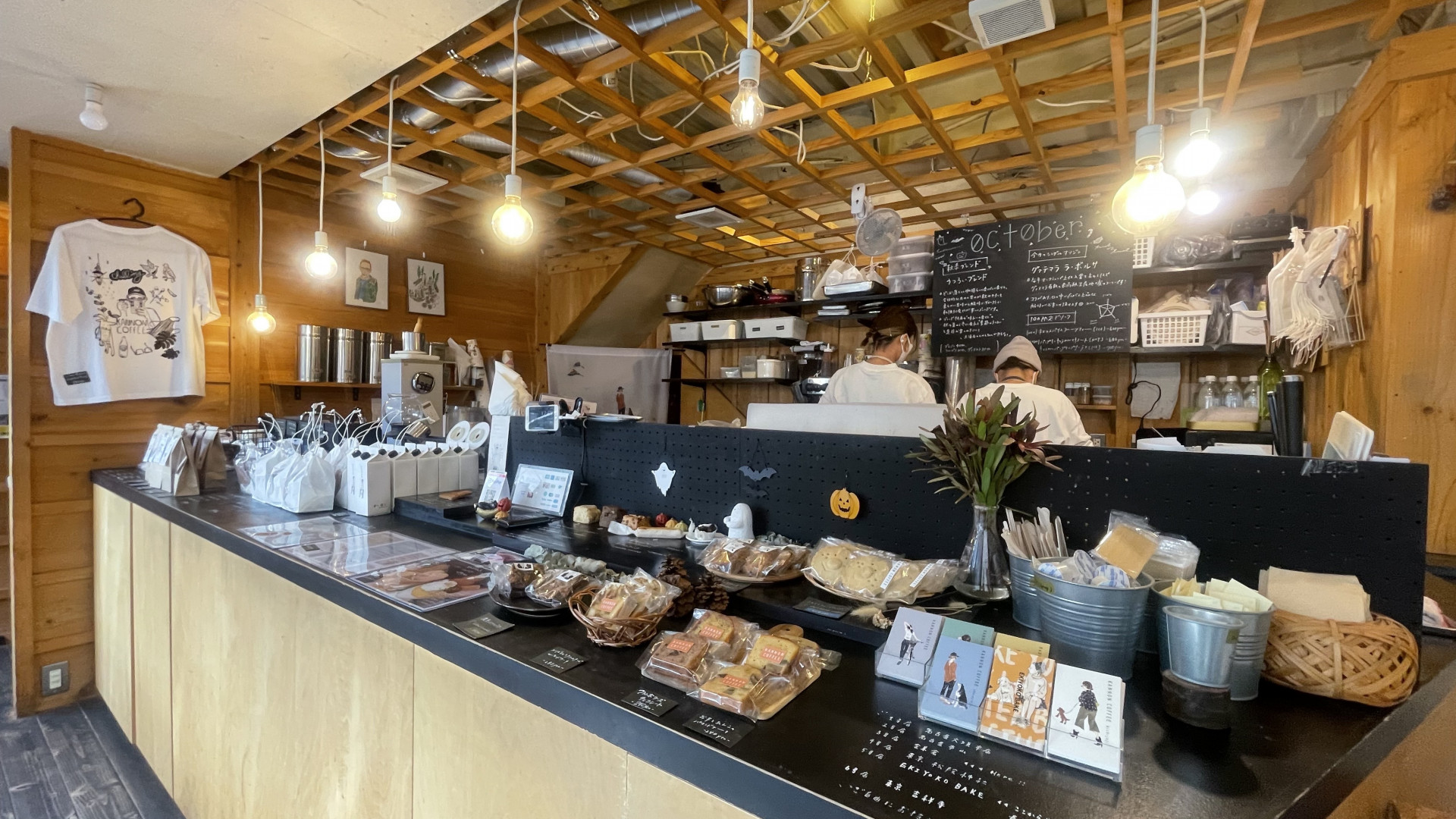
Kannon Coffee opened in 2017, as the second branch of this chain originally from Nagoya. This small cozy cafe, inside a renovated former kimono shop, offers great hand drip coffee alongside a delectable sweets selection. They’re known for their miniature Big Buddha biscuits, which top the menu’s crepes and parfaits which come in seasonal varieties too.There are always at least 5 types of coffee prepared, including a seasonal blend and monthly single origin speciality coffee. For teas, they use leaves direct from Shizuoka’s Sasama region for their Hojicha Latte, Matcha Latte, and Japanese Black Tea.Its proximity to Hase-dera Temple and Kotoku-in (home to Kamakura’s Great Buddha) make it an excellent refueling point after any visit to one of these nearby attractions. The affiliated Ekiyoko Bake is also just minutes away in the direction of Hase Station.
The Yokohama Chinatown is a Chinatown located in Yamashita-cho, Naka-ku, Yokohama. Along with Kobe Nankinmachi Chinatown and Nagasaki Shinchi Chinatown, it is known as one of the three major Chinatowns. Its scale is overwhelming, making it the largest Chinatown in Japan and East Asia with more than 600 stores lined up in an area of about 500m squared. There are alleys with place names such as Shanghai Road, Zhongshan Road, and Fujian Road intersect, as well as many signs with Chinese characters. Cantonese, Beijing, Shanghai, and Sichuan cuisine, steamed buns, gyoza dumplings, dim sum, and many other delicious Chinese dishes fill the streets. The many gate structures, the Guantei Temple, the Mazu Temple, the glamorous shops, and the liveliness of Chinese spoken in the alleys will invigorate you.In Yokohama's downtown heart, bustling Chinatown is home to over 500 shops and restaurants. Buy some souvenirs, grab a steamed bun from a food stand, or feast on a ten-course banquet, then visit one of the two colourful temples. The annual Chinese New Year celebrations are a riot of noise and energy, with lion dancers bursting into restaurants to perform for startled diners.Bars in Japan originated from Yokohama Chinatown and neighboring areas. There are many long-established bars that offer a laid-back and leisurely time for adults.Start your Chinatown exploration with a variety of breakfast items ranging from Chinese rice porridge to ramen, set dishes to dessert and soft drinks.
Visitors can enjoy drinks served in Kamakurabori lacquerware at a cafe and experience how it feels to use real lacquerware in daily life. The shop offers a variety of Kamakurabori that you may want to use in your daily life as well as items that go well with lacquerware. In the gallery, the various works of Kamakurabori artists along with other artists are displayed.
A tea stand and store type Japanese tea select store based on the concept of "Japanese tea entertainment" to be enjoyed in a new style. The shop offers Japan's first draft tea, which is brewed directly from beer servers, using single origin tea selected from all over Japan. Visitors can also enjoy workshops where they can learn the basics of Japanese tea and how to brew it, as well as experience making tea and syrups.