Greater Tokyo

See & Do

reset
Kamakura Museum of Literature

Kamakura Museum of Literature

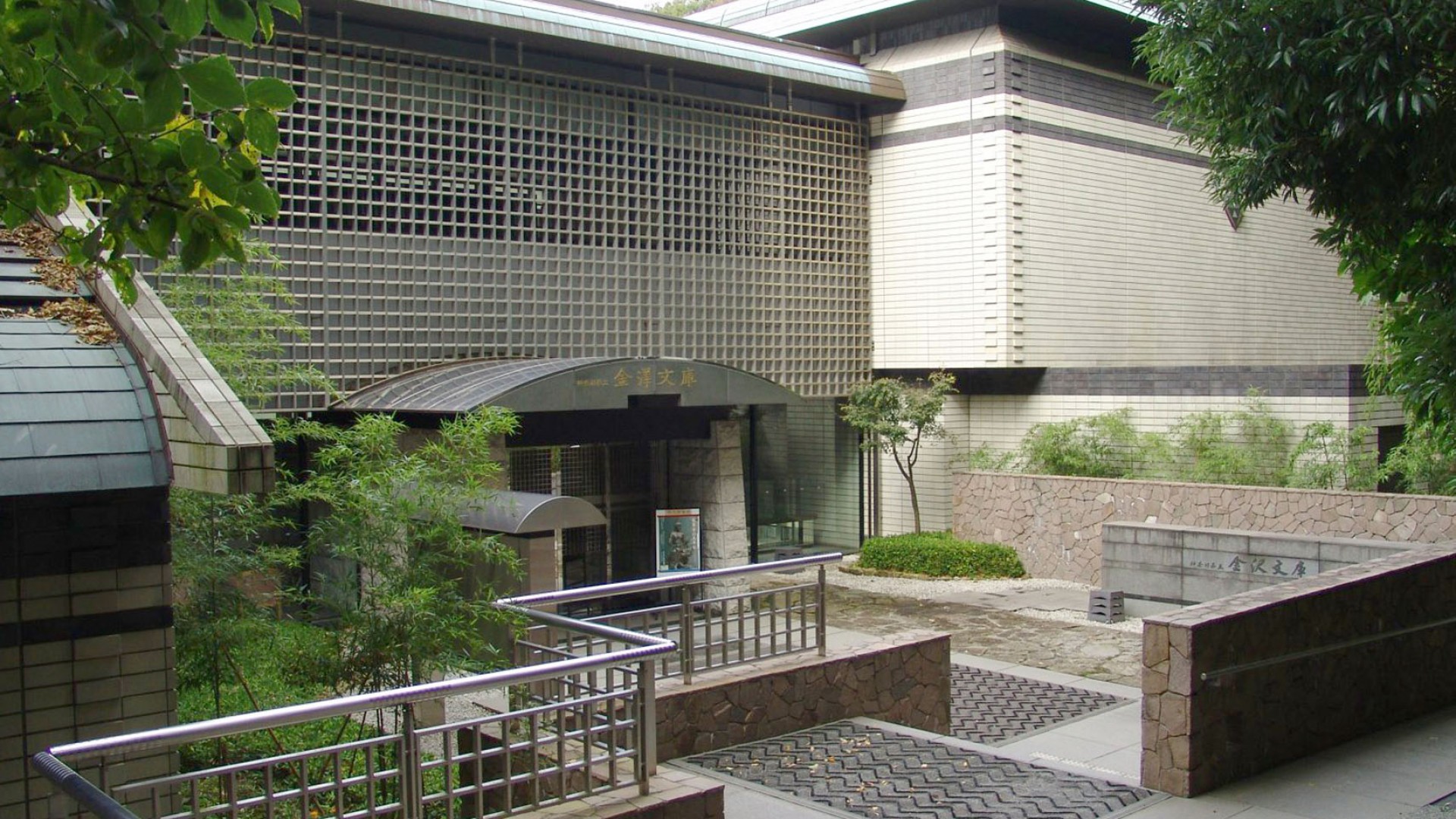
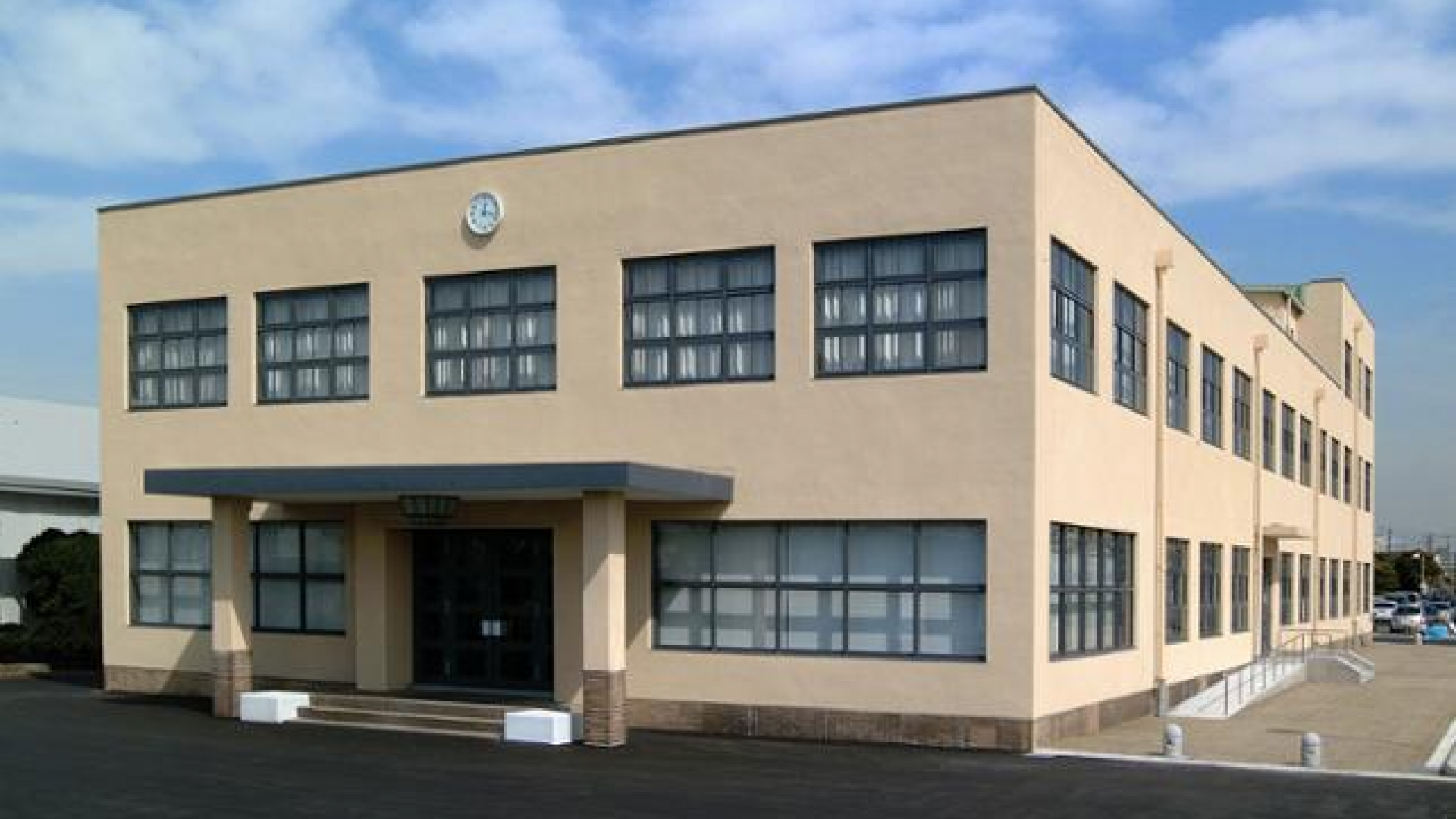
This place is temporarily closed. Please check the official website on reopening, operational information and more.The Kamakura Museum of Literature was built in 1936 (Showa 11) as the former Kamakura villa of Maeda Marquis family. You can view the rooms reminiscent of the past, with marble fireplaces and stained glass, as well as the important resources inside from related authors such as Yasunari Kawabata. In the garden filled with greenery, some 250 shrubs of roses bloom in Spring and Autumn. This building is the model for the villa in Yukio Mishima’s novel, “Spring Snow”.The grounds and rose garden are quite beautiful, but there is not a lot of English support available inside the museum.

Culture & Arts Tokaido Koshu kaido KANAGAWA
Cosmo Clock 21

Cosmo Clock 21

Standing at 112.5 meters, Cosmo Clock 21 Ferris Wheel is considered the symbol of Yokohama. It’s located in the Wonder Amuse Zone of the urban amusement park, Yokohama Cosmo World. Cosmo Clock 21 is the world’s largest ferris wheel with a clock function and can hold up to 480 people. From the 15-minute ride on this attraction, you can enjoy a stunning panorama in the daytime and see the city lights sparkling like jewels at night.

Experience & Activities Tokaido Koshu kaido KANAGAWA
Tsurugaoka Hachimangu

Tsurugaoka Hachimangu

Alongside Usa and Ishimizu, Tsuruoka Hachimangu Shrine is one of the major Hachimangu shrines in Japan. In the 6th year of the Kouhei Era (1063), Minamoto no Yoriyoshi returned after subduing the Oshu region and entered Kamakura, where he secretly transferred Ishimizu Hachimangu Shrine to another shrine in Yui Township Tsuruoka near the coast and called it Tsuruoka Wakamiya Shrine. Later in the 4th year of the Jisho Era (1180), Minamoto no Yoritomo entered Kamakura and relocated the shrine to Kitayama in Kobayashi Township (the current site). In the 2nd year of the Kenkyuu Era (1191), the shrine pavilion was built on the hillside of the Mount Daijinyama, and the current spectacular upper and lower palaces were built. Since then, the shrine has been the head of the Kamakura Shogunate's religious order and has been revered as the deity of the Minamoto clan and the guardian deity of the warrior class. The present main shrine was rebuilt in 1828 by Ienari Tokugawa, the 11th shogun of the Edo Shogunate, and is designated as a National Important Cultural Property along with the regent shrine Wakamiya. Deities: Emperor Ojin, Himejin, and Empress Jingu. Regularly held festival day: September 15. The shrine has a Wakamiya regent shrine, Takeuchi Shrine, Maruyama Inari Shrine, Shirahata Shrine, Soreisha Shrine, Hatagami Benzaiten Shrine, and an Imamiya Shrine and Yui Wakamiya Shrine outside of the shrine grounds.An imposing shinto shrine founded in 1063, Tsurugaoka Hachimangu is the spiritual center of Japan's ancient capital Kamakura, so important that the city was built around it. In spring, the 1.8 km approach from the station is lined with vibrant pink cherry blossoms.The best time to visit a shrine is in the morning, so start your day with a visit and breathe in the crisp morning air.

Temples & Shrines Tokaido Koshu kaido KANAGAWA
Kamakura Museum of History and Culture

Kamakura Museum of History and Culture

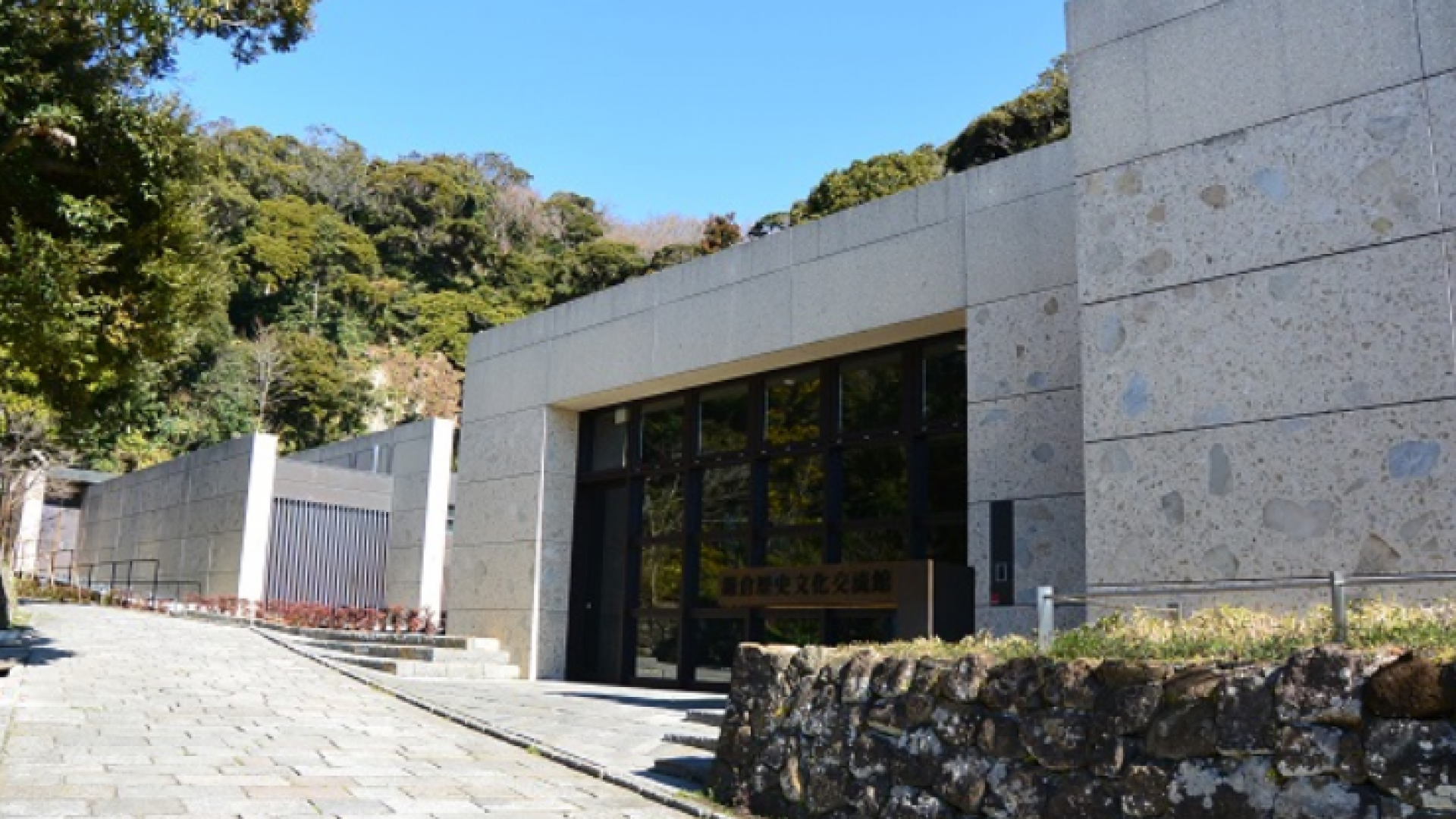
The museum opened in May 2017 as a place where children and adults alike can learn about, experience, and interact with Kamakura's historical and cultural heritage. The history of Kamakura, from primitive and ancient to modern times, is displayed, centering on artifacts excavated in Kamakura. The museum utilizes buildings designed by Foster + Partners, represented by the world-famous architect Norman Foster. Even first-time visitors can enjoy learning about Kamakura through diorama projection mapping and the latest video exhibitions, such as VR. From the special building materials to the medieval landscape garden and the sea view, there is plenty for you to enjoy.

Culture & Arts Tokaido Koshu kaido KANAGAWA
Kanazawa Zoological Gardens

Kanazawa Zoological Gardens

Herbivorous animals such as koalas, elephants, and giraffes are raised here, as well as rare animals such as rhinos and Arabian oryx. Our gray kangaroo walk-through exhibit allows visitors to walk through and observe them up close. At the "Familiar Life Museum," we preserve the natural environment in and around the lush garden, a place where children and adults alike can learn about animals, from insects to small mammals. The adjoining Kanazawa Nature Park has a 100m roller slide which is popular with children, and a BBQ area.The zoo will extend its opening hours on Saturdays, Sundays, and holidays in August, and will hold a special summer evening event where the zoo will open to the public at night, an experience otherwise unavailable to the public. The zoo will be decked out with projection mapping and bamboo lanterns, and visitors will be given a chance to experience a view of the animals at night, more active than in the daytime!

Experience & Activities Tokaido Koshu kaido KANAGAWA
Omaru Onsen (Omaru Onsen Ryokan)

Omaru Onsen (Omaru Onsen Ryokan)

Located at the foot of Mt. Chausu at an altitude of 1,300 meters, Omaru Onsen Ryokan has been preserved by generations of innkeepers for over 200 years. Rich in metasilicic acid, the spring water is known for its moisturizing properties and is often called “Bijin-yu” (Beauty Hot Spring). The historic Kawa-no-Yu bath draws its water directly from the river source, where hot spring water gushes from the mountainside to form an open-air bath along the river. Here, guests can soak while listening to the gentle murmur of the stream, enjoying the secluded charm of this hidden onsen. Omaru Onsen’s water, abundant in metasilicic acid, has long been treasured for its skin-beautifying effects. The ryokan features mixed open-air baths such as Shirakaba-no-Yu, Ajisai-no-Yu, and Azami-no-Yu, making it a great choice for families. The on-site restaurant serves local Nasu vegetables, Tochigi Wagyu beef shabu-shabu, and “Nasuhikari” rice produced in Tochigi. Sake enthusiasts can also try shochu diluted with hot spring water. During the Meiji period, General Nogi Maresuke visited Omaru Onsen every year for convalescence. The ryokan’s lobby still displays valuable artifacts, including his clothing, diaries, and letters.

Nikko kaido Oshu kaido TOCHIGI
Sano Ramen Noodles

Sano Ramen Noodles

Home to one of Japan’s most famous local ramen noodles, Sano City is in the south of Tochigi. Sano Ramen is made with water of the finest quality listed in the 100 best spring waters in Japan, and wheat especially suited for noodle-making. Beaten by a green bamboo stems, these noodles are aerated for good thermal conductivity. As a result, they are cooked in a second and maintain a chewy but smooth texture. The clear broth, having a taste of soy sauce and a rich flavour, is distinctive and never boring for its simplicity. Sano Ramen has admirers of all ages.

Nikko kaido Oshu kaido TOCHIGI
Kamakura Prince Hotel

Kamakura Prince Hotel

The Kamakura Prince Hotel is located on a small hill. Here you can enjoy evening views of Sagami Bay, Enoshima, and Mt. Fuji. There are plenty of sunny days from December to March. The air is clear, and you can see the forms of Mt. Fuji, Enoshima, the Izu Peninsula appearing during the sunset. If you have dinner at the Restaurant Le Trianon during sunset time, you can indulge in this spectacular view with a glass of wine in your hand. Sunset colors and French food make for a great combination. You can also have a slow breakfast in the morning while watching the horizon spread out in front of you.

Onsen & Stay Tokaido Koshu kaido KANAGAWA