Greater Tokyo

See & Do

reset
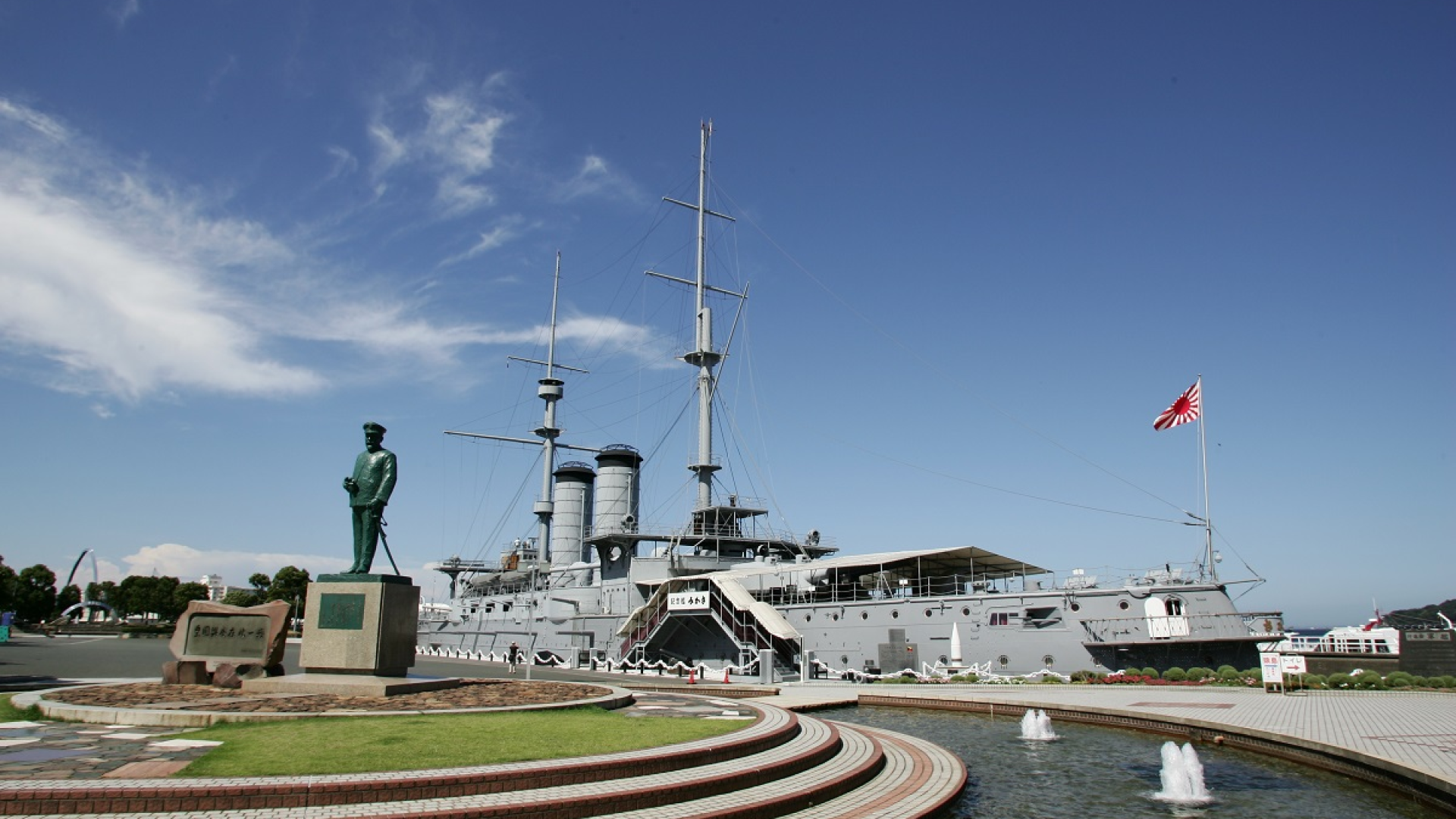
Mikasa Historic Memorial Warship

Mikasa Historic Memorial Warship

Memorial Ship MIKASA is a battle ship that was built in England 1902 (Meiji 35). In 1905 (Meiji 38), MIKASA was led by Admiral Heihachiro Togo, Commander-in-Chief of the Combined Fleet, and battled as a Falg ship of the Combined Fleet in the Battle of Tsushima. Japan won an overwhelming victory in the battle against Baltic Fleet of Russia. Japanese are proud of MIKASA's unsurpassed accomplishment, and the ship is the symbol of our pride.Listed as one of the worlds three great memorial ships, Mikasa was used defensively to defeat the Russian Baltic fleet during the Japanese-Russo War. Below deck is a great museum filled with excellent presentations about the ship's history.

Culture & Arts Tokaido Koshu kaido KANAGAWA
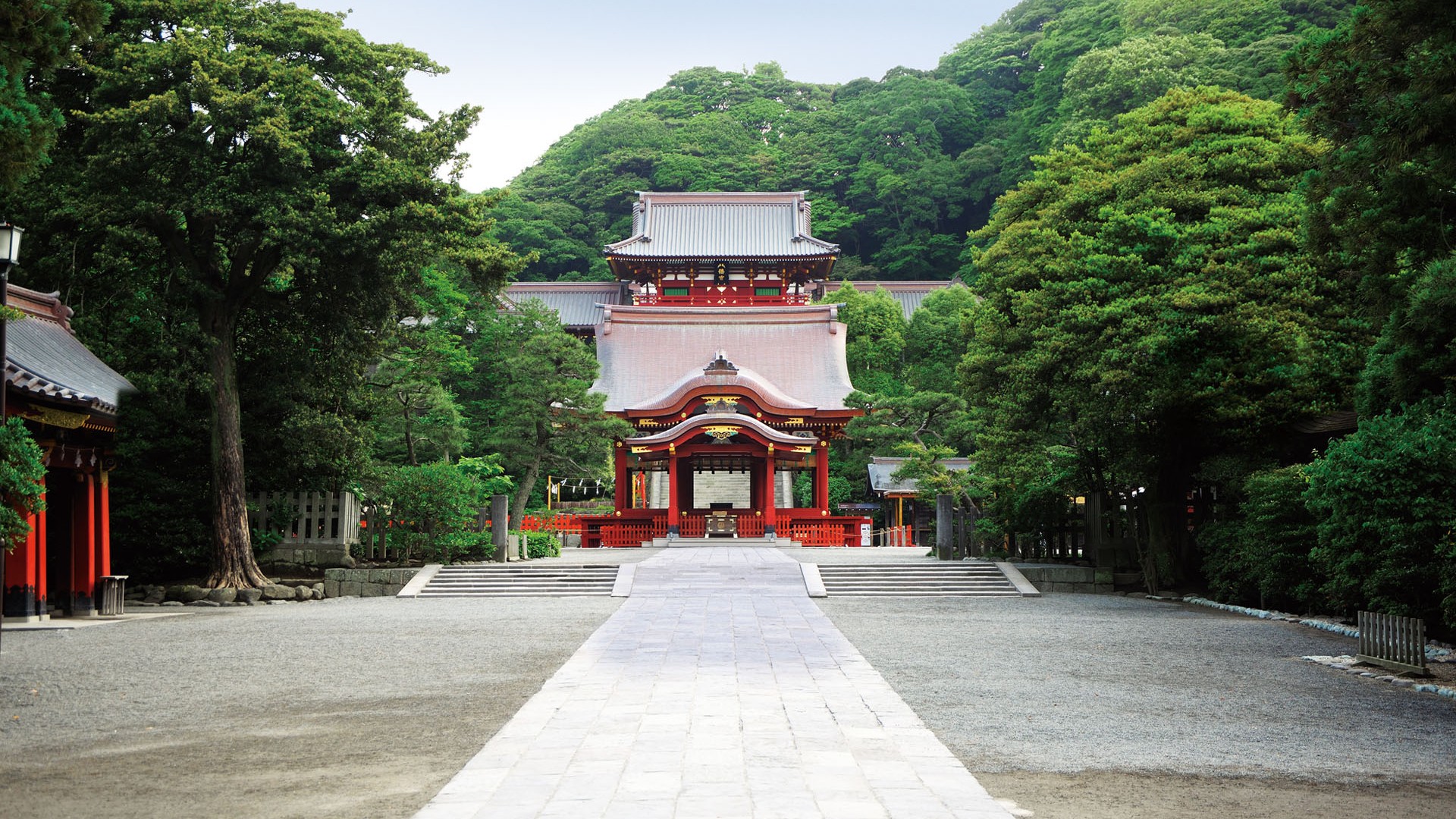
Tsurugaoka Hachimangu

Tsurugaoka Hachimangu

Alongside Usa and Ishimizu, Tsuruoka Hachimangu Shrine is one of the major Hachimangu shrines in Japan. In the 6th year of the Kouhei Era (1063), Minamoto no Yoriyoshi returned after subduing the Oshu region and entered Kamakura, where he secretly transferred Ishimizu Hachimangu Shrine to another shrine in Yui Township Tsuruoka near the coast and called it Tsuruoka Wakamiya Shrine. Later in the 4th year of the Jisho Era (1180), Minamoto no Yoritomo entered Kamakura and relocated the shrine to Kitayama in Kobayashi Township (the current site). In the 2nd year of the Kenkyuu Era (1191), the shrine pavilion was built on the hillside of the Mount Daijinyama, and the current spectacular upper and lower palaces were built. Since then, the shrine has been the head of the Kamakura Shogunate's religious order and has been revered as the deity of the Minamoto clan and the guardian deity of the warrior class. The present main shrine was rebuilt in 1828 by Ienari Tokugawa, the 11th shogun of the Edo Shogunate, and is designated as a National Important Cultural Property along with the regent shrine Wakamiya. Deities: Emperor Ojin, Himejin, and Empress Jingu. Regularly held festival day: September 15. The shrine has a Wakamiya regent shrine, Takeuchi Shrine, Maruyama Inari Shrine, Shirahata Shrine, Soreisha Shrine, Hatagami Benzaiten Shrine, and an Imamiya Shrine and Yui Wakamiya Shrine outside of the shrine grounds.An imposing shinto shrine founded in 1063, Tsurugaoka Hachimangu is the spiritual center of Japan's ancient capital Kamakura, so important that the city was built around it. In spring, the 1.8 km approach from the station is lined with vibrant pink cherry blossoms.The best time to visit a shrine is in the morning, so start your day with a visit and breathe in the crisp morning air.

Temples & Shrines Tokaido Koshu kaido KANAGAWA
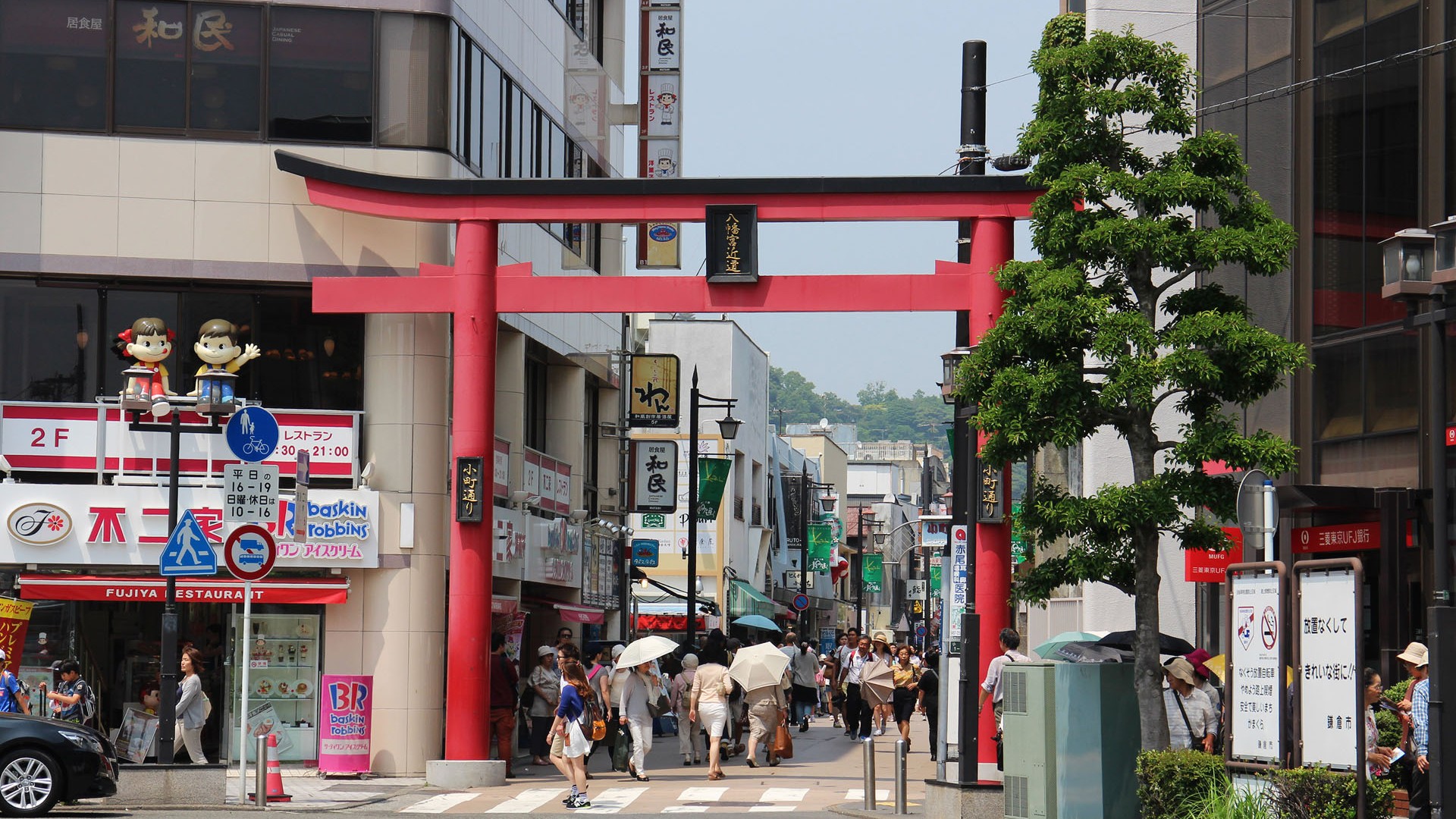
Komachi Street

Komachi Street

This street is one of the most famous shopping street in Kamakura, Japan. It has been featured in some TV programs and magazines. There are about 250 shops. Come and see various shops while you stroll the town.Starting next to Kamakura station, Komachi-dori is a long shopping street that's fun to explore. Shop for souvenirs such as kimonos, traditional knives, or ceramics and chopsticks; then grab a snack to eat on the street or sit down for a bowl of the local specialty: shirasudon, whitebait on rice.

Shopping Tokaido Koshu kaido KANAGAWA
Kamakura Museum of Literature

Kamakura Museum of Literature

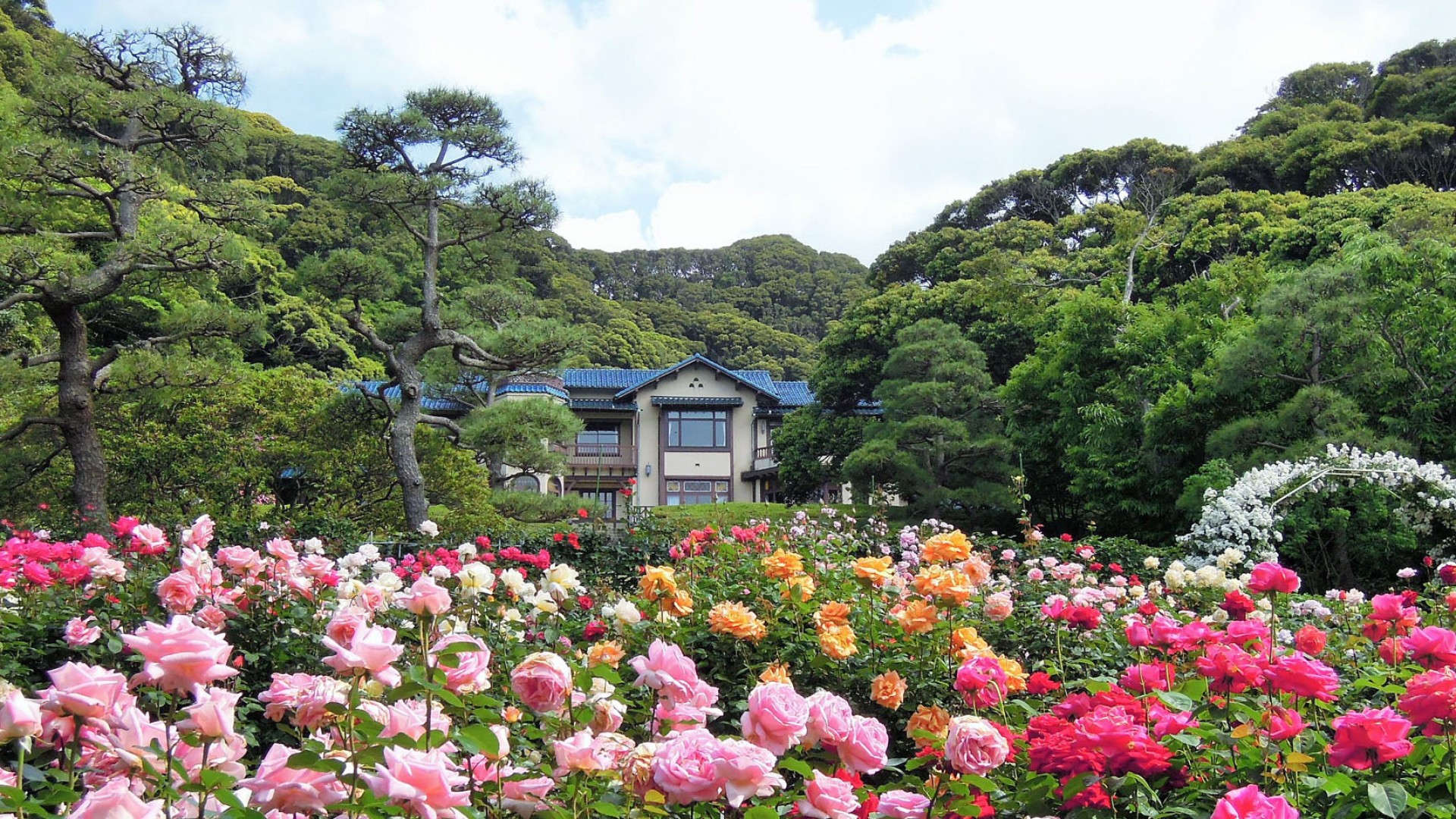
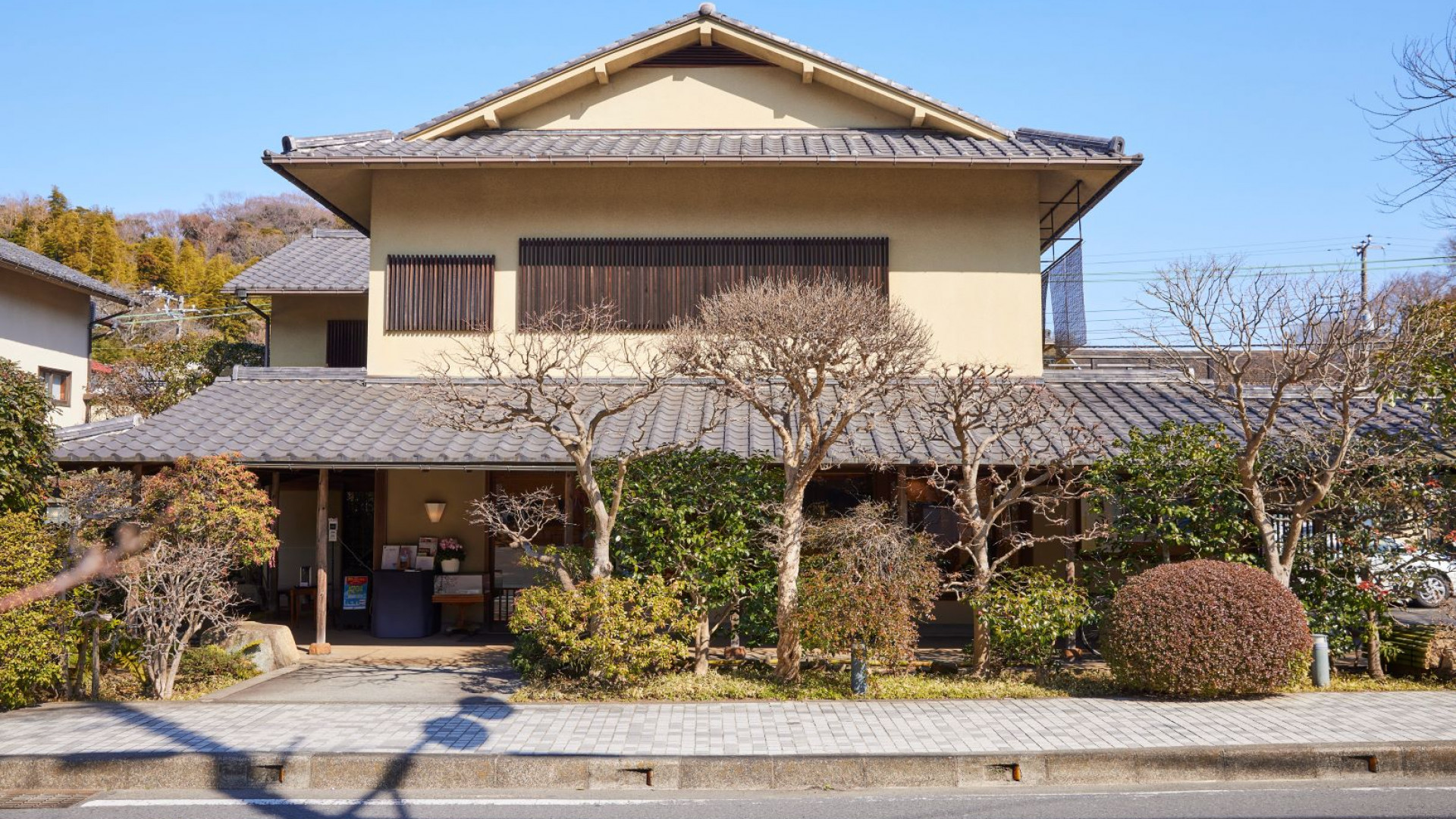
This place is temporarily closed. Please check the official website on reopening, operational information and more.The Kamakura Museum of Literature was built in 1936 (Showa 11) as the former Kamakura villa of Maeda Marquis family. You can view the rooms reminiscent of the past, with marble fireplaces and stained glass, as well as the important resources inside from related authors such as Yasunari Kawabata. In the garden filled with greenery, some 250 shrubs of roses bloom in Spring and Autumn. This building is the model for the villa in Yukio Mishima’s novel, “Spring Snow”.The grounds and rose garden are quite beautiful, but there is not a lot of English support available inside the museum.

Culture & Arts Tokaido Koshu kaido KANAGAWA
Grand Mall Park

Grand Mall Park

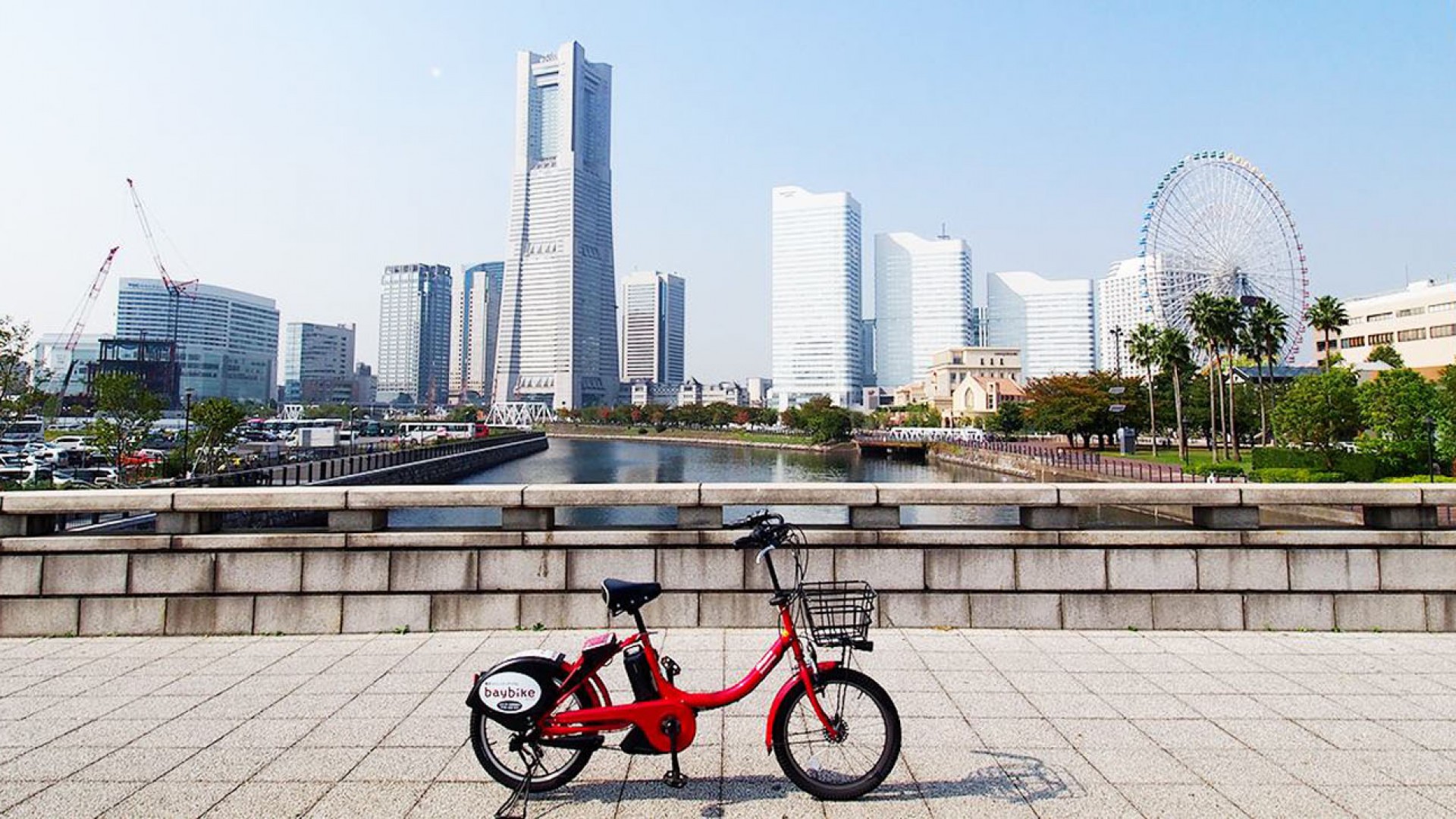
As a park located on the waterfront, we developed a design based on the theme of "the sea" to create a facility that enhances the appeal of the Minato Mirai 21 district. Art furniture (benches) with a nautical motif were installed under a row of zelkova trees, where the sun shines through the trees. At night, a luminous sea pavement in front of the art square creates a new nightscape of Minato Mirai with illusory light reminiscent of luminous insects drifting among the waves of the sea.

Nature & Views Koshu kaido Tokaido KANAGAWA
Shonan Beach Park

Shonan Beach Park

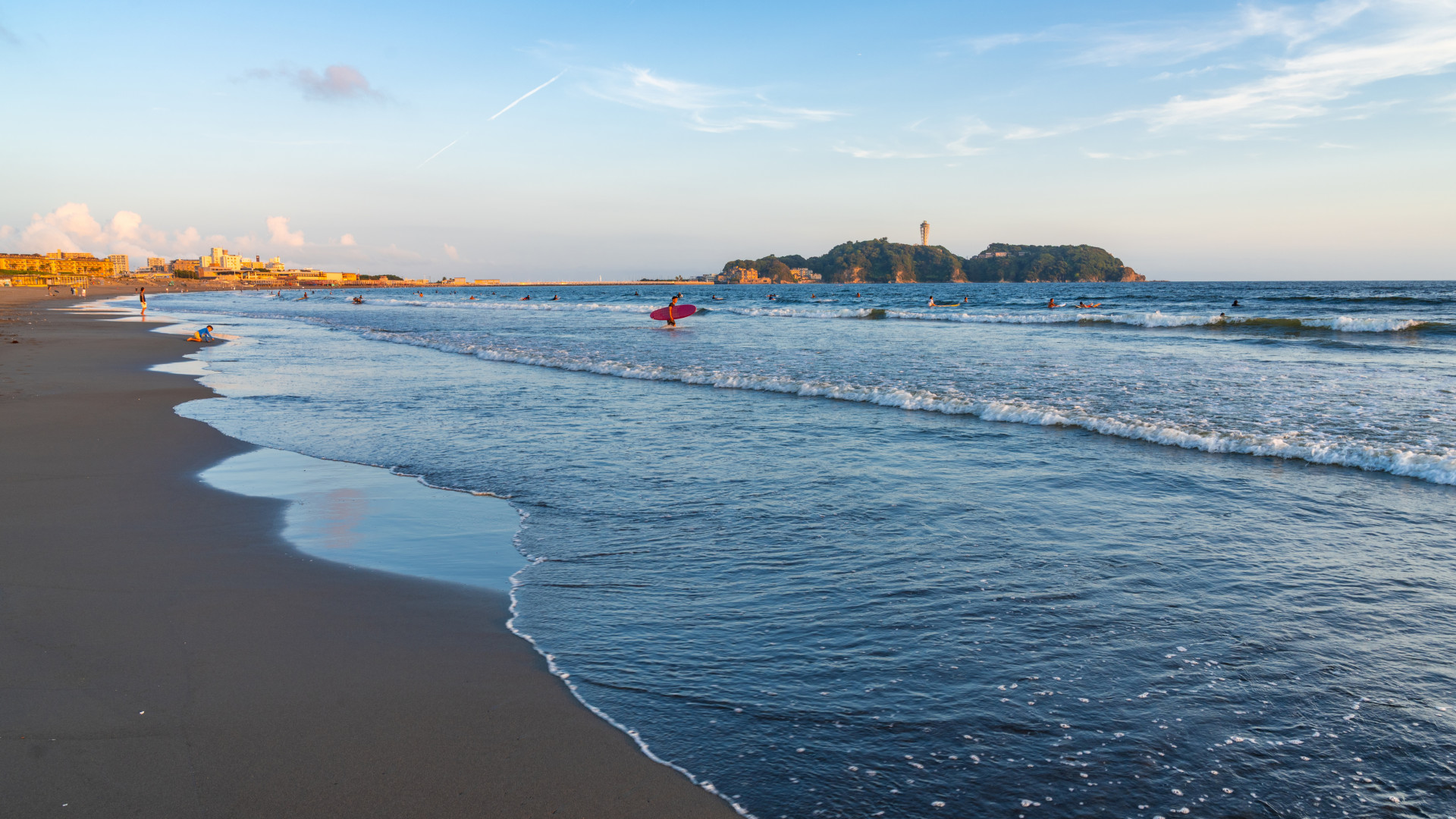
Shonan Beach Park is a gigantic park stretching about 2 km along the Kugenuma and Katase Coasts. The spacious 17-hectare grounds of Shonan Beach Park contain a surf village, which is bustling with surfers and people playing marine sports throughout the year. There is also a kids' space with big playground equipment and a sandbox, and a green lawn with palm trees that overlooks the ocean. The park is fully equipped for all purposes and is loved by visitors in summer as well as the local people.

Nature & Views Tokaido Koshu kaido KANAGAWA