

Greater Tokyo

See & Do

reset
Oyama Afuri Shrine

Oyama Afuri Shrine

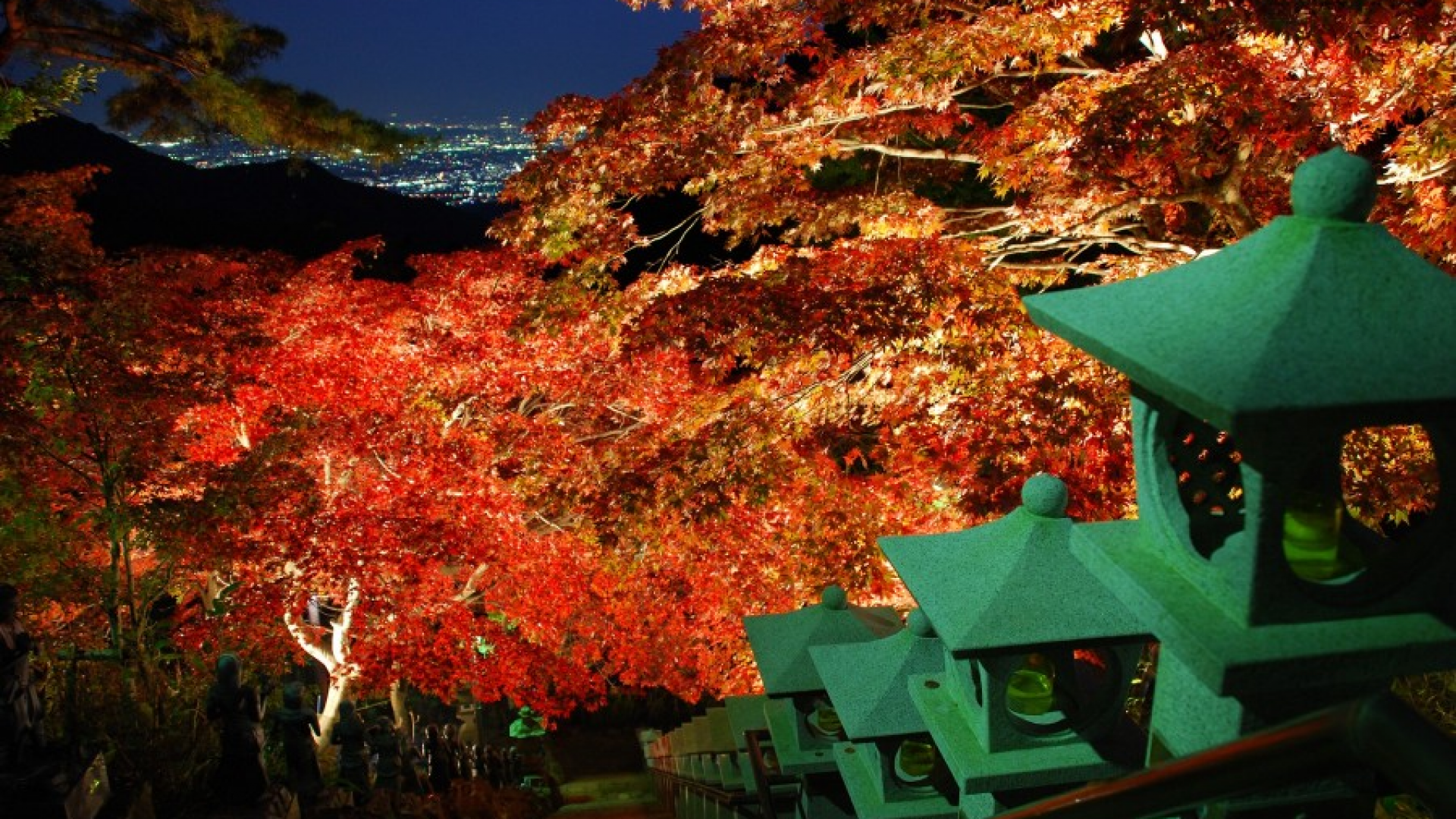
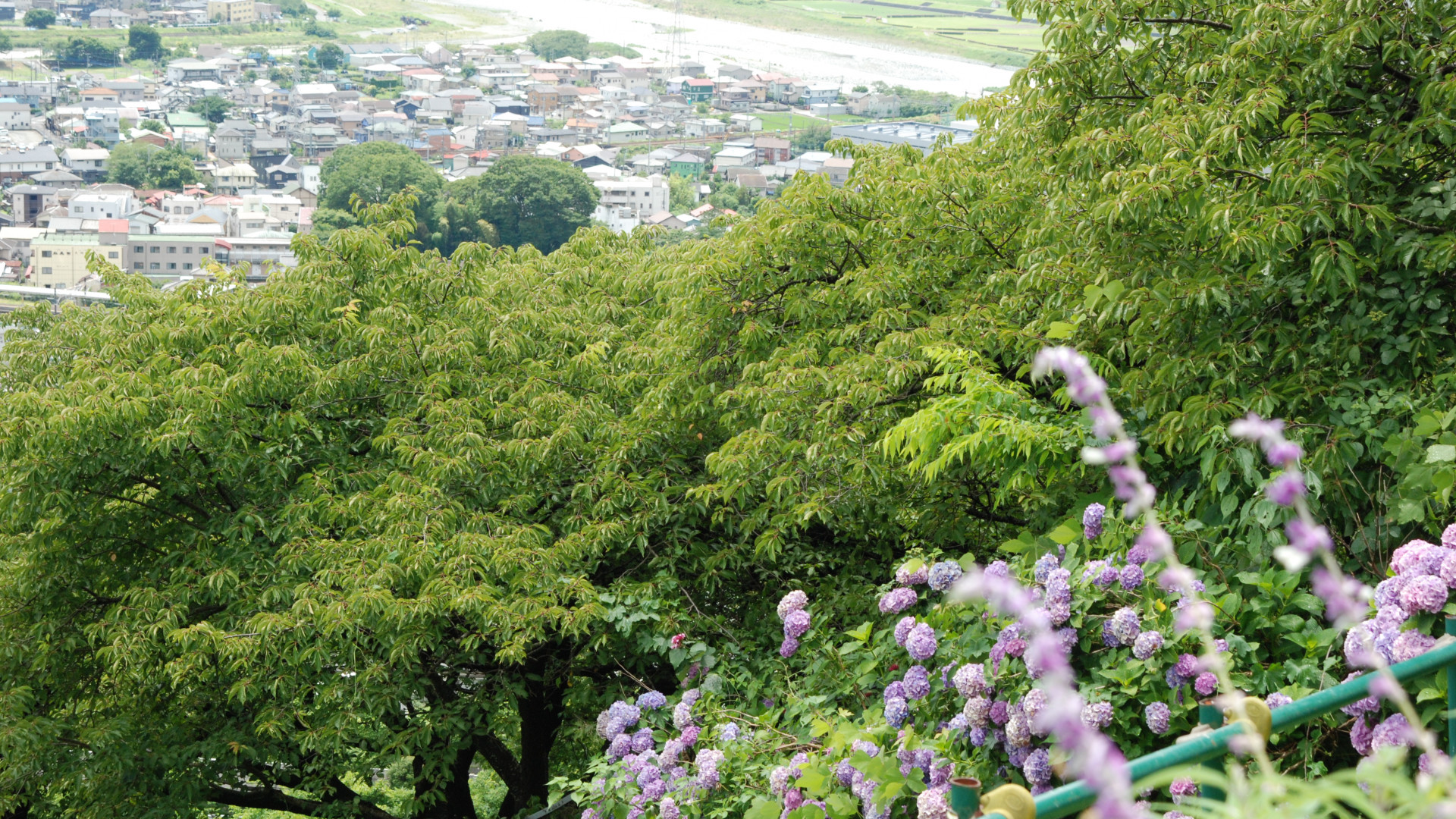
This ancient shrine is said to have been built over 2,000 years ago. As a sacred site revered by many warlords, such as those who partook in rainmaking rituals, and pilgrimages to the shrine became very popular during the Edo period. In the 28th year of the Heisei period (2016), the pilgrimage to Mount Oyama was recognized as a piece of important Japanese heritage, and the view from Afuri Shrine became a two-star Michelin-starred site.Admire the Shonan plains with views stretching as far as Sagami Bay and Enoshima on the horizon — rated two-stars by the Michelin Guide.Just inside the tori gate entrance is one of Japan's three greatest lion statues, Oyama-Shishi.This beautiful teahouse was designed by Yasushi Horibe and constructed by the shrine's own architect, Yukio Uchida. Enjoy the terrace seating with stunning views as far as Sagami Bay while enjoying their green tea tirmasu or other treats.

Temples & Shrines Koshu kaido Tokaido KANAGAWA
Kanagawa Prefectural Kanazawa-Bunko Museum

Kanagawa Prefectural Kanazawa-Bunko Museum

The Kanazawa Bunko was a samurai library built by Hojo Sanetoki, a member of the Hojo clan (Kanazawa Hojo) in the middle of the Kamakura period (1185-1333). The collection covers a wide range of subjects, including politics, literature, and history, and the policy of collecting books was continued by three successive generations of the Hojo family: Akitoki, Sadaaki, and Sadamasa, further enriching the collection. The Kanazawa-Hojo clan shared the same fate with the fall of the Kamakura shogunate, and the collection was administered by the adjacent family temple, Shomyoji Temple, which has continued to manage it into the modern era. The present Kanazawa Bunko was restored as a Kanagawa Prefecture facility in 1930, and since 1990, it has been a museum of history. The Prefectural Kanazawa Bunko is dedicated to preserving for future generations the valuable cultural assets that have handed down the legacy of the Kamakura period, exhibiting the results of its research and studies, and providing public access through lectures and other programs.

Culture & Arts Tokaido Koshu kaido KANAGAWA
Scene of the Namamugi Incident and Monument

Scene of the Namamugi Incident and Monument

This is the scene of the Namamugi Incident in 1862, where British merchants were slashed when they interrupted the procession of Shimazu Hisamitsu, the feudal lord of Satsuma. As revenge, the British bombarded Kagoshima, resulting in the Anglo-Satsuma War. However, as a result of the war, ties between Satsuma and Britain were strengthened, encouraging modernization. These Anglo-Satsuma ties became the centre of the Meiji Restoration.

Culture & Arts Tokaido Koshu kaido KANAGAWA
Terugasaki Coast

Terugasaki Coast

Terugasaki Coast is designated as a natural monument of Kanagawa Prefecture as the "Aobato (white-bellied green pigeon) Group Flyover Site in Oiso Terugasaki”. When the Oiso Hills are covered in green, they can also be observed at Mount Koraizan and Shonandaira. Early in the morning around May to November, you can view the aobato that fly in from the mountains and forests to drink seawater. Drinking seawater is said to provide salt and minerals. It is worth seeing the aobato risking their lives to come and drink seawater while avoiding the waves crashing onto the reefs.From May to November, admire the green pigeons that fly in from the mountains and forests to drink seawater during the early morning. It is said that they drink seawater to replenish salt and minerals. Avoiding the waves breaking on the reefs, the green pigeons risk their lives to come here. It is well worth watching.

Nature & Views Tokaido Koshu kaido KANAGAWA

YOKOHAMA MINATO MIRAI HALL

YOKOHAMA MINATO MIRAI HALL

This concert hall is located in the Minatomirai area of the Nishi ward of Yokohama City. Since its opening in 1998, the concert hall has been well known as a "concert hall with a view of the sea" not only to the citizens of Yokohama but also to artists from Japan and abroad. It has a large hall (2020 seats) with a large pipe organ, a small hall (440 seats) suitable for chamber music concerts, and a reception room for parties and small-scale presentations.

Culture & Arts Tokaido Koshu kaido KANAGAWA