
Greater Tokyo

See & Do

reset
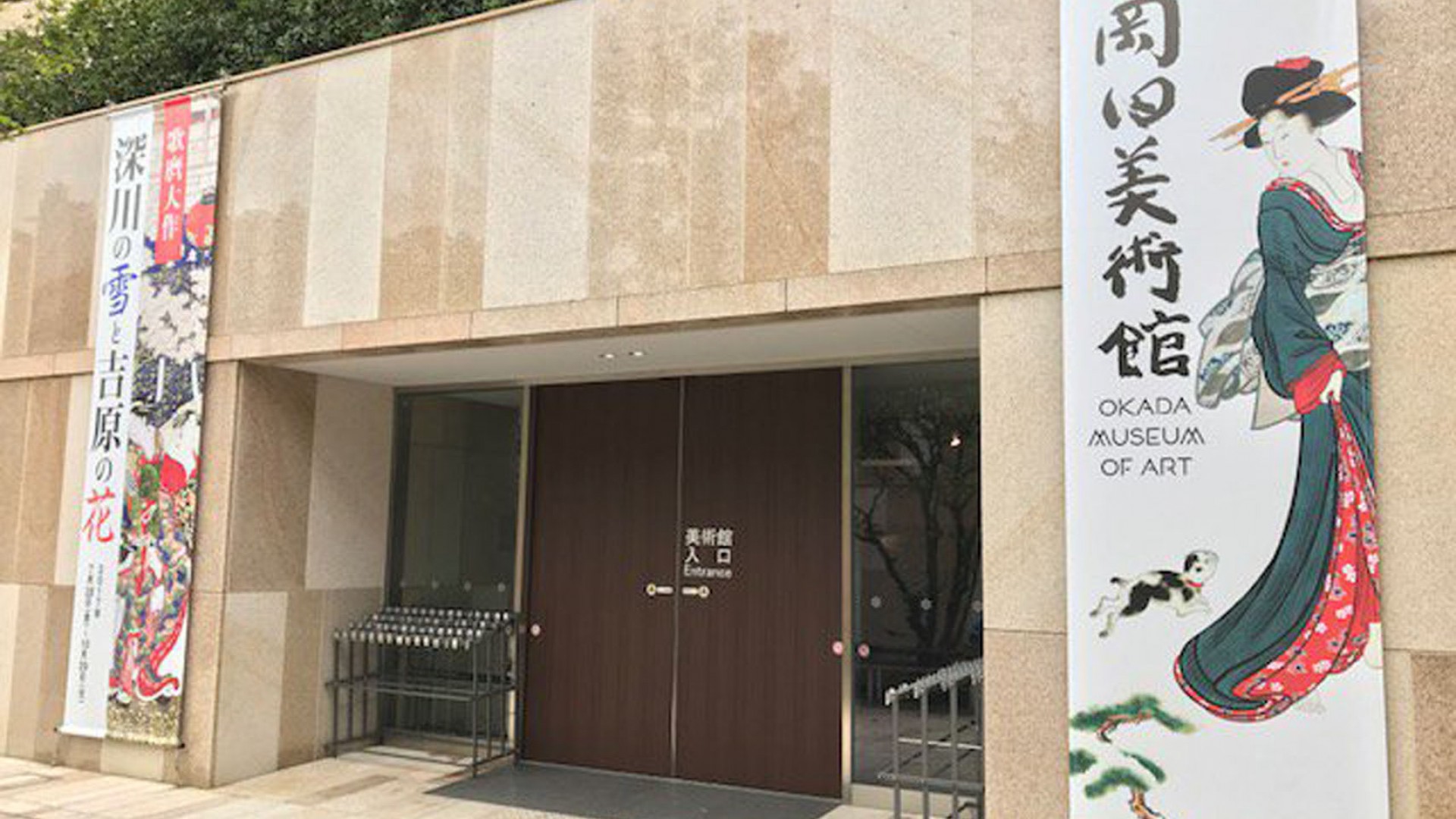
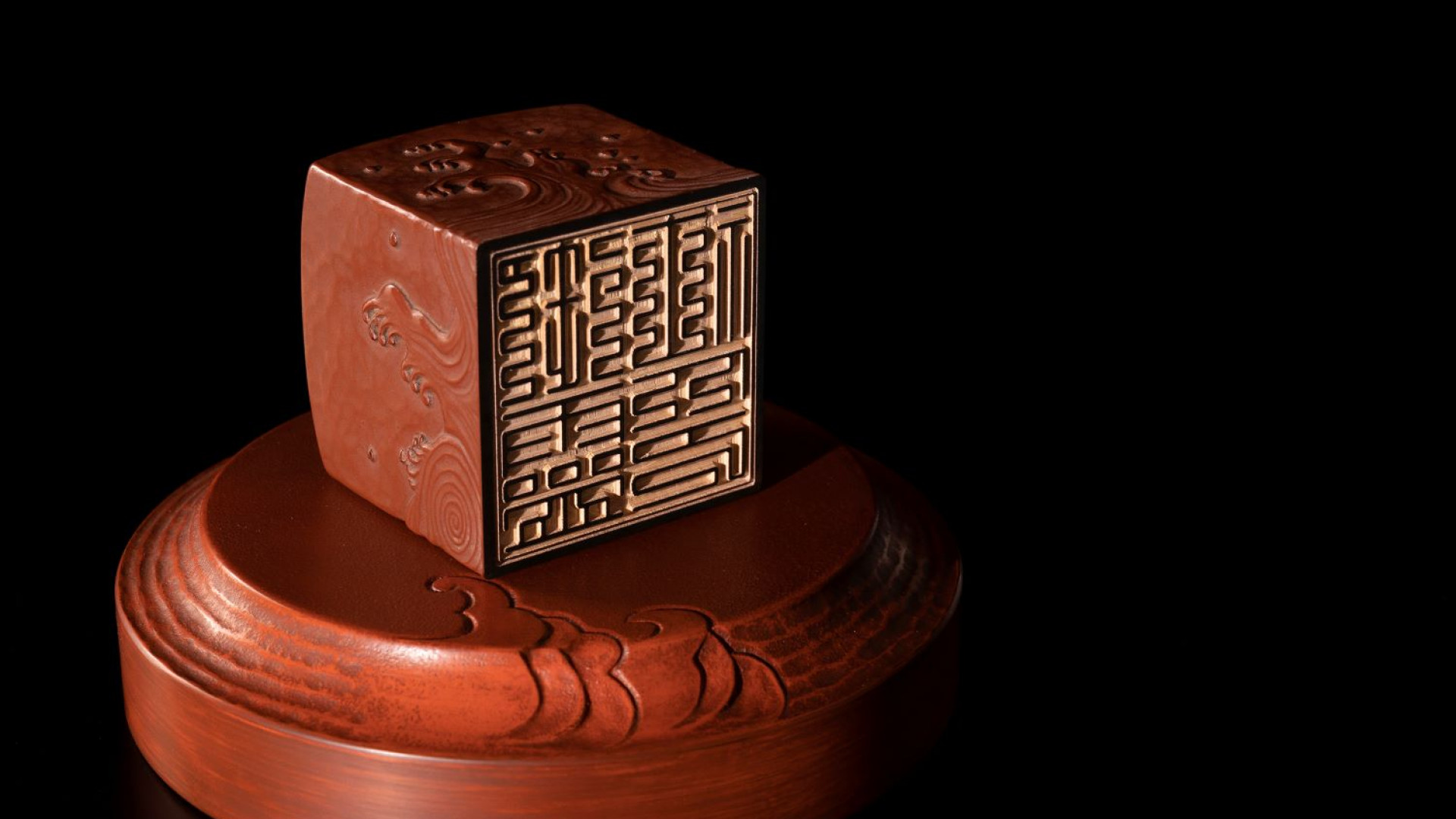
Okada Museum of Art

Okada Museum of Art

The museum was built on the former site (about 6,300㎡) of the Kaikatei Hotel, a hotel for Westerners of the Meiji period. The total floor space of the 5 story building is about 7,700㎡ and the exhibition area is about 5,000㎡. Ancient and modern art, centered around Japan, China, and Korea, that were collected by Kazuo Okada, honorary director, are on exhibition at the large venue.This 12m-high by 30m-wide mural adorns the museum facade. “Wind/Time” by Fukui Kotaro shows two guardian deities of Hakone soaring through the air in this decorative masterpiece reminiscent of the Rimpa school.Opposite the "Wind/Time" mural, sip while you dip in 100% natural hot spring water at this relaxing footbath cafe.After arriving at the museum, please try the footbath and enjoy a private tour of the back room of Kaikatei, where an overview of the museum and highlights of the special exhibition will be given. After the museum closes, experience a private gallery talk by the curator, followed by free time to view the exhibition on your own.Luxury in Kanagawa

Culture & Arts Tokaido Koshu kaido KANAGAWA
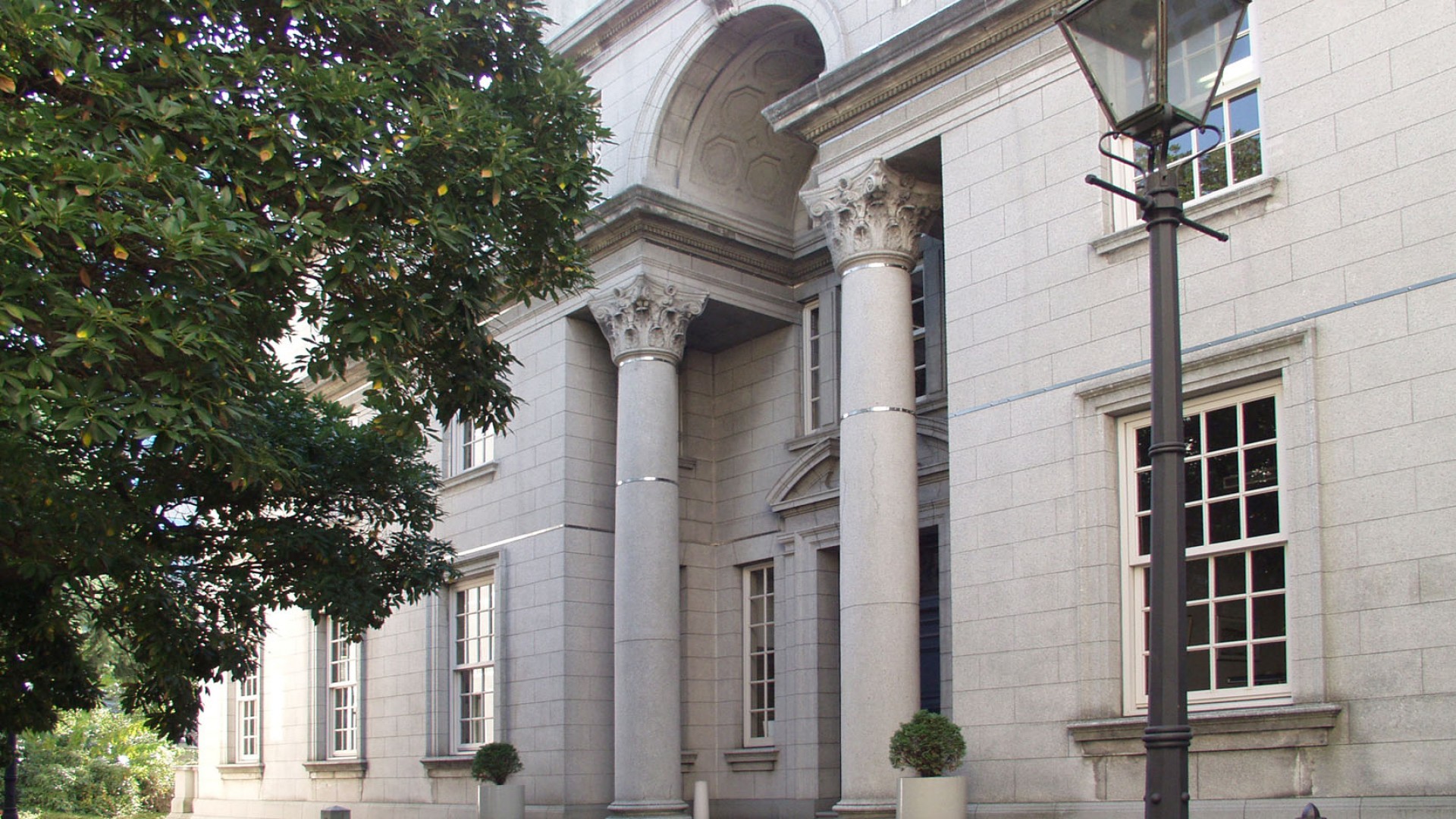
Yokohama Archives of History

Yokohama Archives of History

Displays materials on Yokohama history from the end of the Edo period/Opening up of the port period to the beginning of the Showa period. The building was formerly used as the British consulate until 1972. There is a historical camphor tree in the courtyard. *Includes a cafe.Learn the fascinating history of how a small fishing village became the second largest city in Japan. It starts with the landing of Commodore Perry and his black ships.

Culture & Arts Tokaido Koshu kaido KANAGAWA
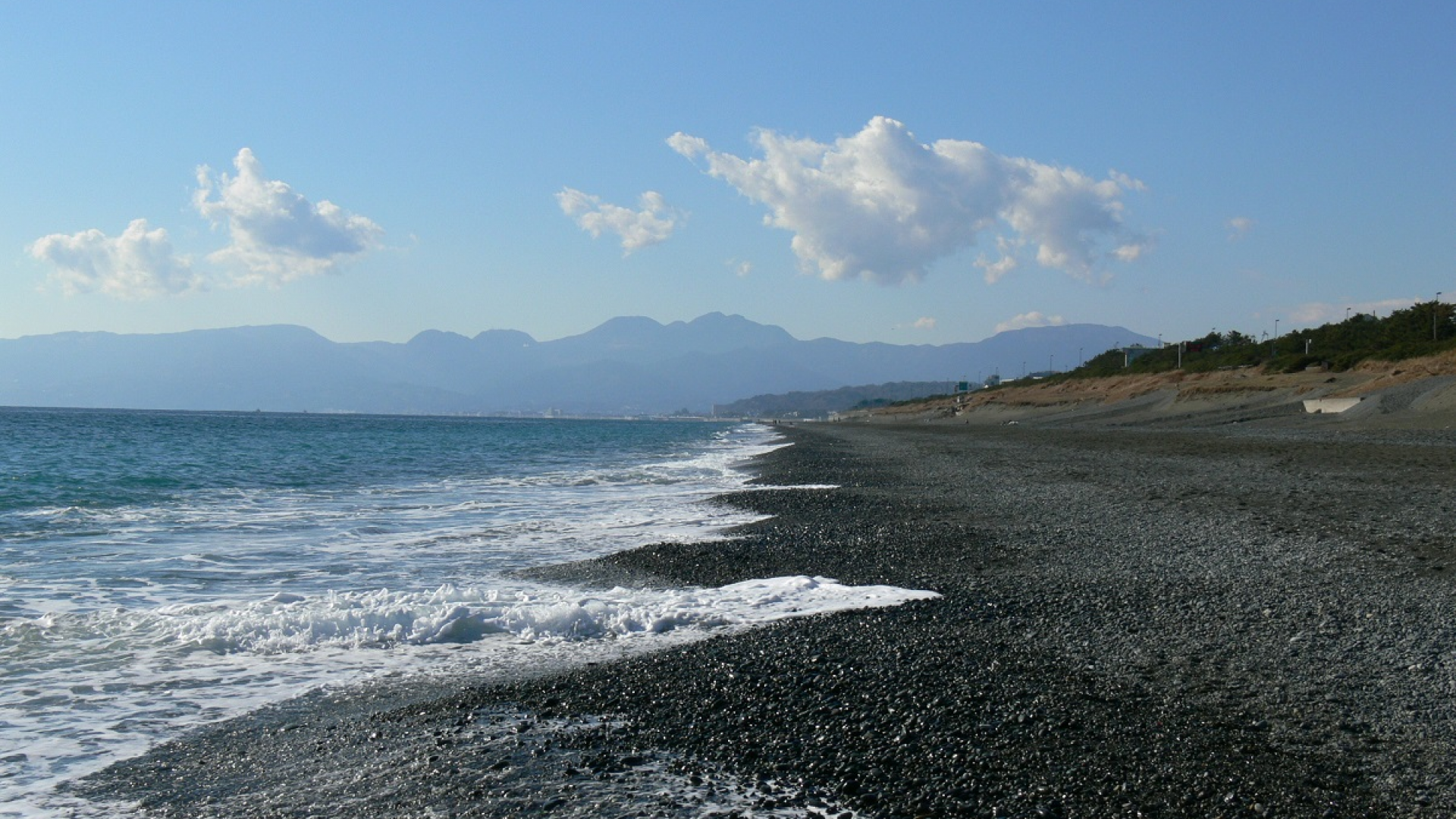
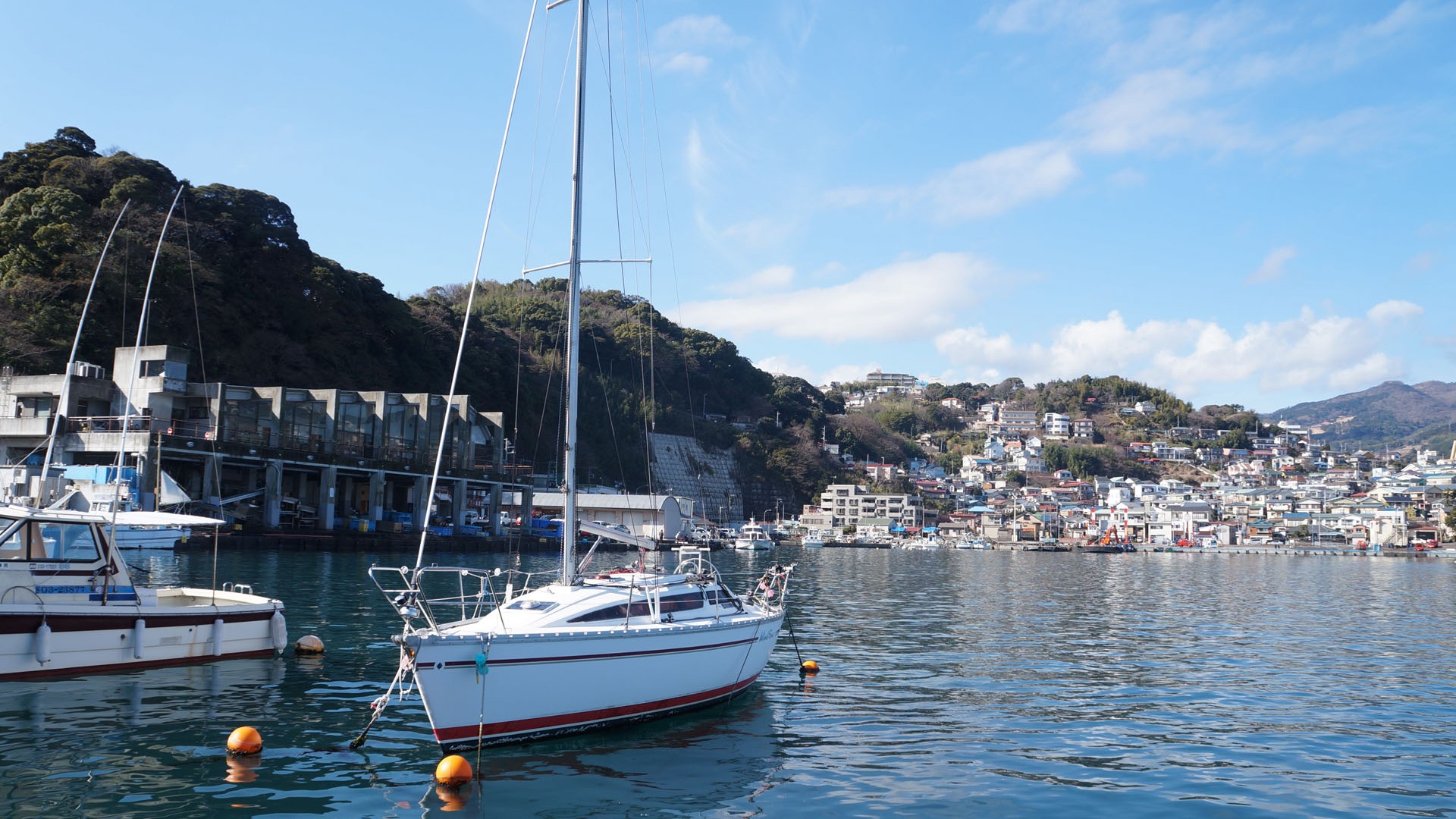
Manazuru Port

Manazuru Port

This port is a base for the local industries in Manazuru, fishing boats, cargo ships carrying stone materials, and so on. Besides that, there is a fish market nearby where the catch of the day is sold. The Kaijo Togyo (shrine procession in the sea) of the Kibune Festival, an important intangible folk cultural property of Japan, is also held here at the Manazuru Port.There is a fish market nearby that sells the fresh catch of the day. Sales end as soon as the fish is sold out, so going early in the morning is recommended.

Nature & Views Tokaido Koshu kaido KANAGAWA
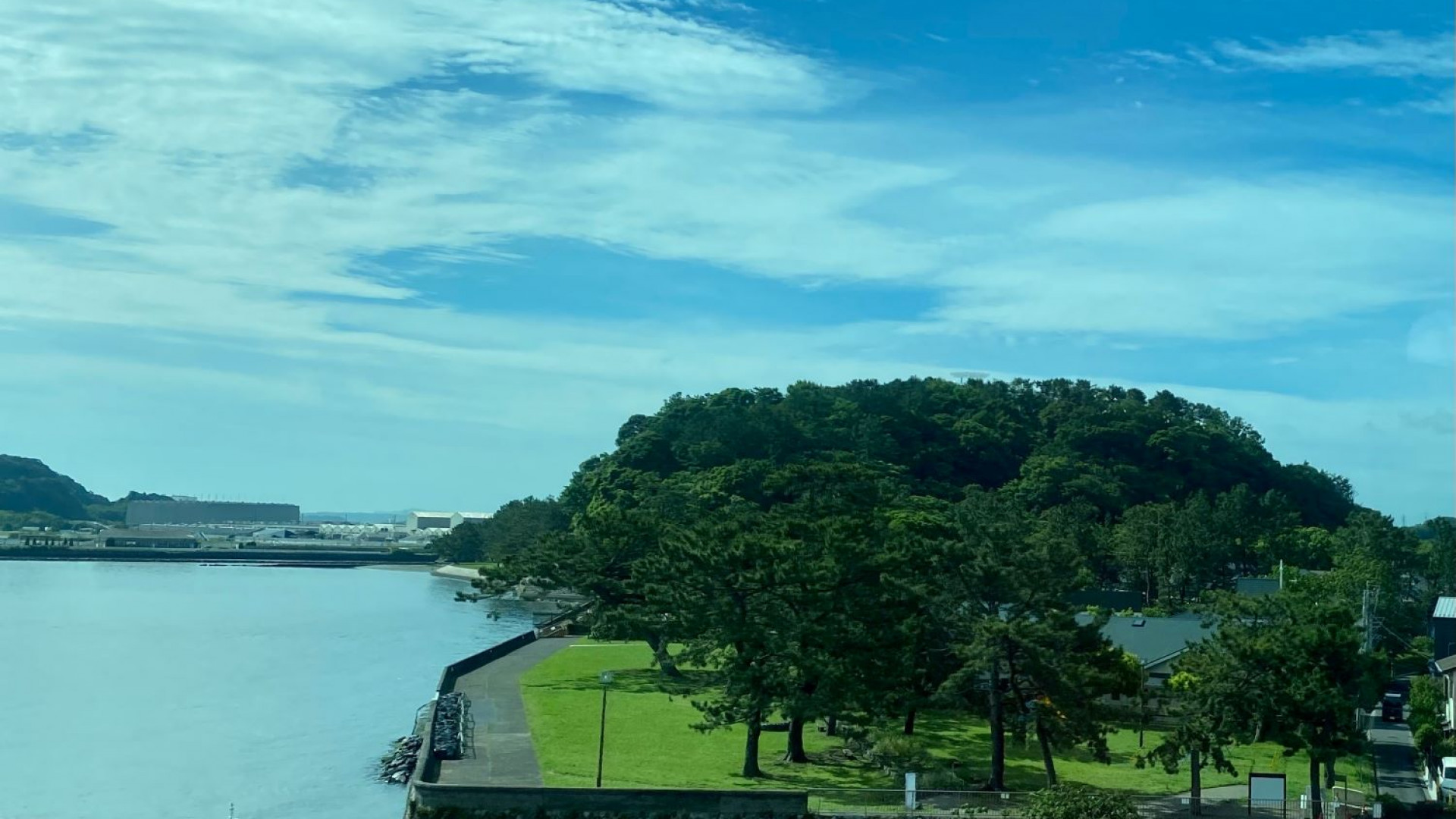
Nojima Park

Nojima Park

The park is located on an island called Nojima at the entrance to Hirakata Bay in the southernmost part of Yokohama City. The area is famous for "Nojima no Sekisho" (a brocade picture depicting a sunset over the fishing village of Nojima)—part of the "Kanazawa Hakkei" (Eight Famous Views of Kanazawa) collection painted by Hiroshige Utagawa, an ukiyoe artist active in the late Edo period. Centered on Mount Nojima, 57m above sea level, the park features a number of facilities such as an observatory, barbecue area, campground, and baseball field, and from the observatory, you can see the sea of Yokohama, Boso Peninsula, and Mount Fuji. Other historical spots include the former Kanazawa residence of Ito Hirobumi, a Yokohama City-designated Tangible Cultural Property, and the Nojima Shell Mound.

Nature & Views Tokaido Koshu kaido KANAGAWA
Sengokuhara Susuki Grass Fields

Sengokuhara Susuki Grass Fields

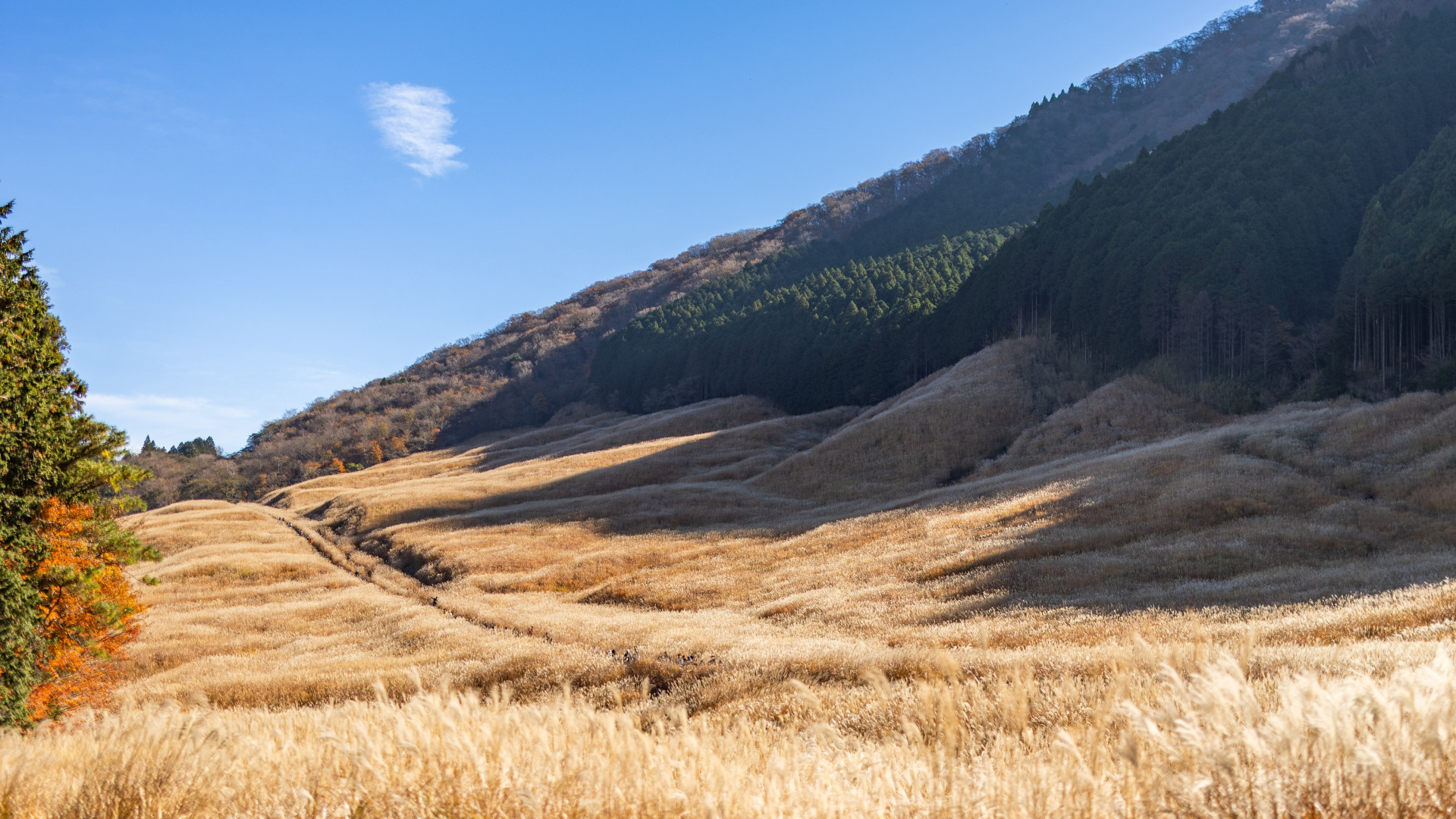
The Sengokuhara Silver Grass Plains is prided as one of the best in the Kanto Region. Stretching until the vicinity of the southern foot of Mount Kintoki and the northwestern foot of Mount Daigatake, the glimmering Silver Grass Plant Community is one of the sceneries representing Hakone in autumn. It is listed as one of the “Top 50 Scenic Spots in Kanagawa” and “Top 100 Flower Places in Kanagawa” and attracts many tourists every year.During the afternoon hours, when the sun is hidden behind the mountains, the silver grass is illuminated by the sun, creating a golden meadow. There is also a light up event for a limited time. For more information, please check the Hakone Town website.

Nature & Views Tokaido Koshu kaido KANAGAWA
KAMAKURABORI MUSEUM

KAMAKURABORI MUSEUM

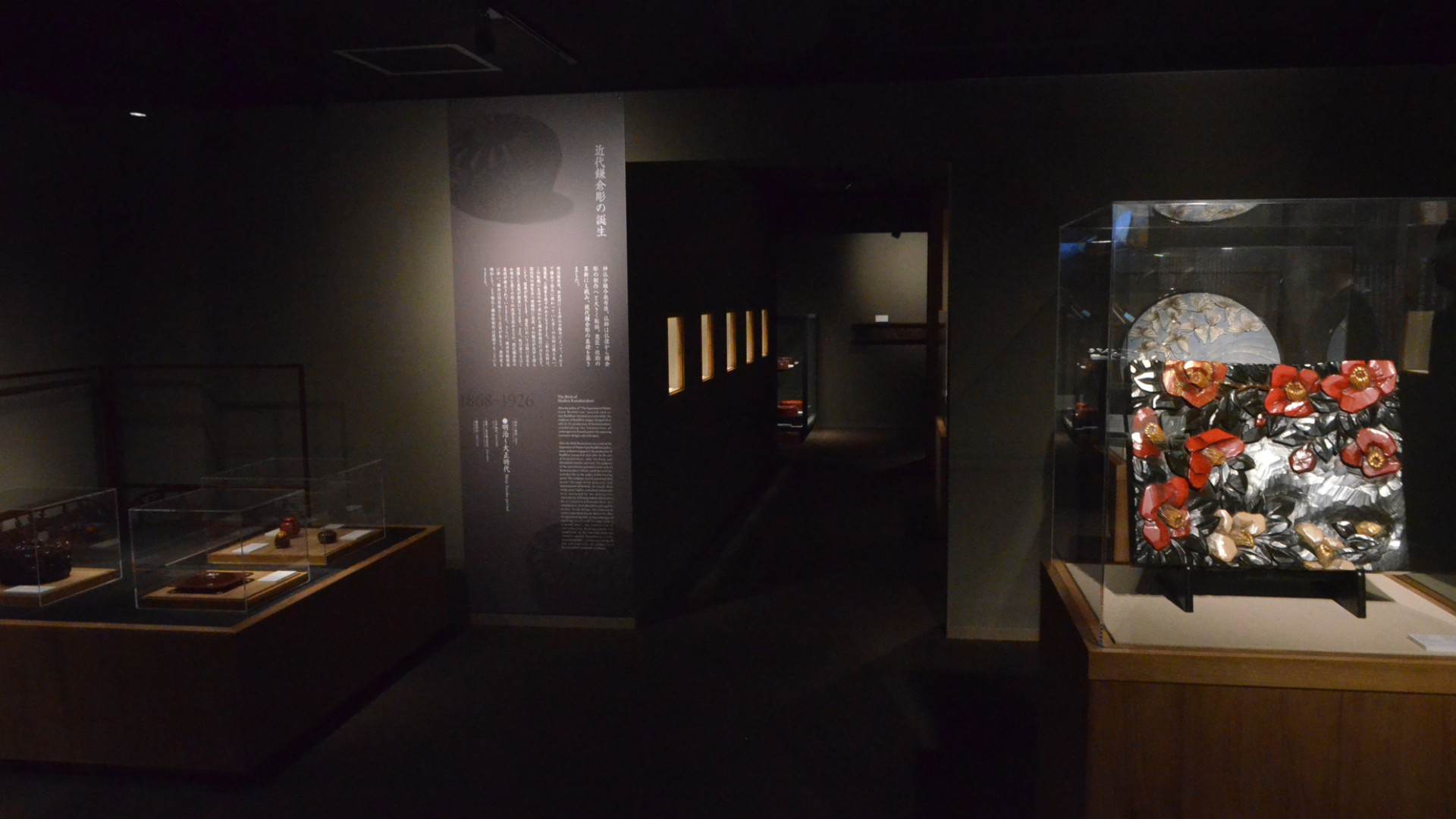
The Kamakurabori Museum, on the 3rd floor of the Kamakurabori Kaikan, is the only museum that introduces the history and works of Kamakurabori (a form of Japanese lacquerware). This museum is used by many people as a place for history and culture, experience, and exchange. About 50 works and materials of Kamakurabori, a traditional craft boasting a history of about 800 years, are on display in the permanent exhibition. Relax and enjoy masterpieces from the Muromachi period (1336-1573) to the present while learning about the production process and its history. In the two-hour hands-on class, you can experience Kamakurabori making under the careful guidance of a full-time instructor. It is a program that even beginners can easily enjoy.

Culture & Arts Tokaido Koshu kaido KANAGAWA
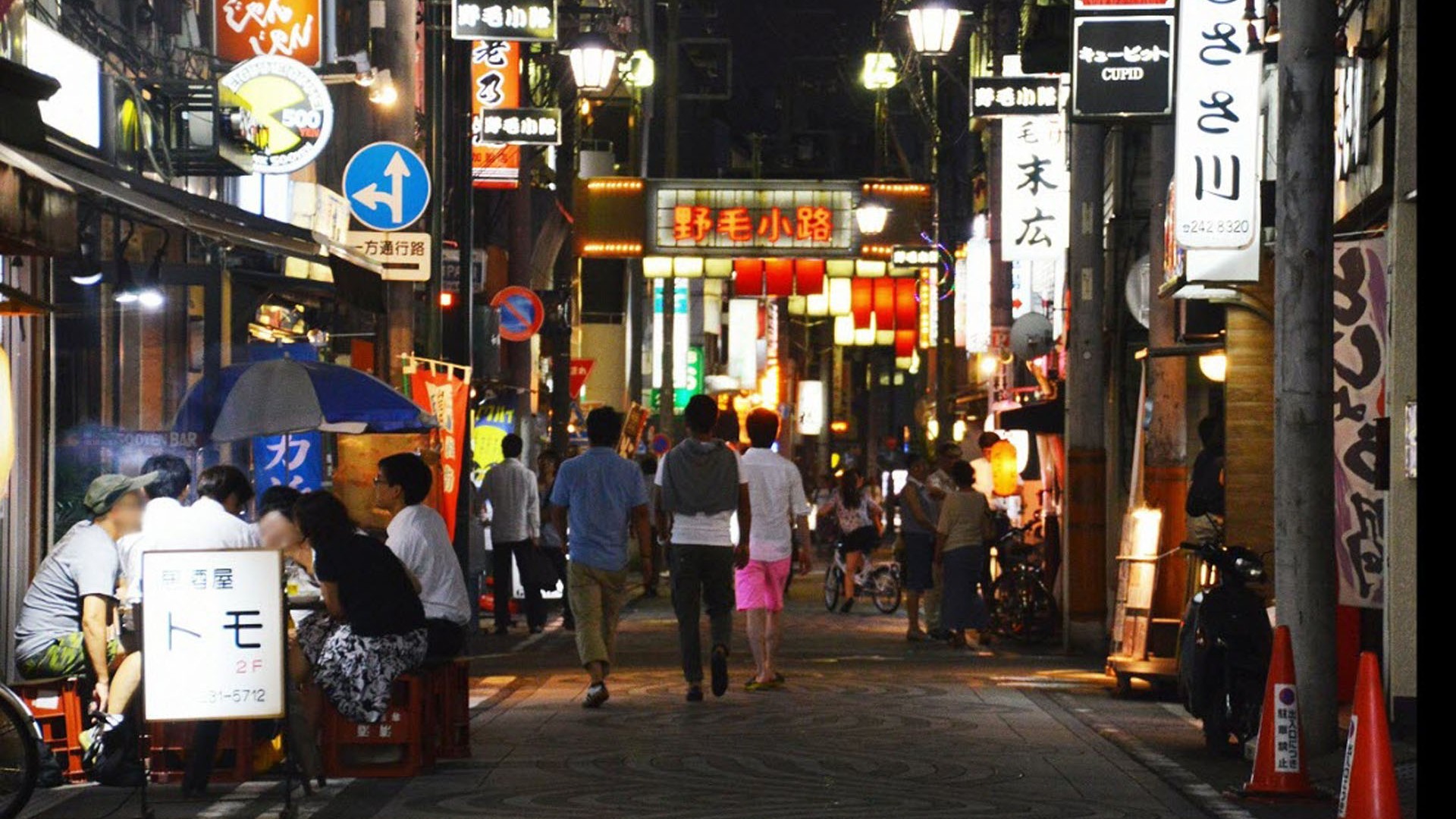
Noge Area

Noge Area

The town had a black market during the postwar period and was crowded with people since it was said they had everything. Now, various bars and restaurants are increasing, like Spanish bars and bistros.This is Yokohama’s most famous and deep-seated drinking district. From working-class taverns to quirky bars, a variety of drinking establishments crowd this small area. These Noge-Tegata (vouchers) can be used at bars and restaurants in the Noge area. A set of two including deals on services costs ¥1,500. Check the official website for purchase locations and service details.

Eat & Drink Tokaido Koshu kaido KANAGAWA
Yokohama English Garden

Yokohama English Garden

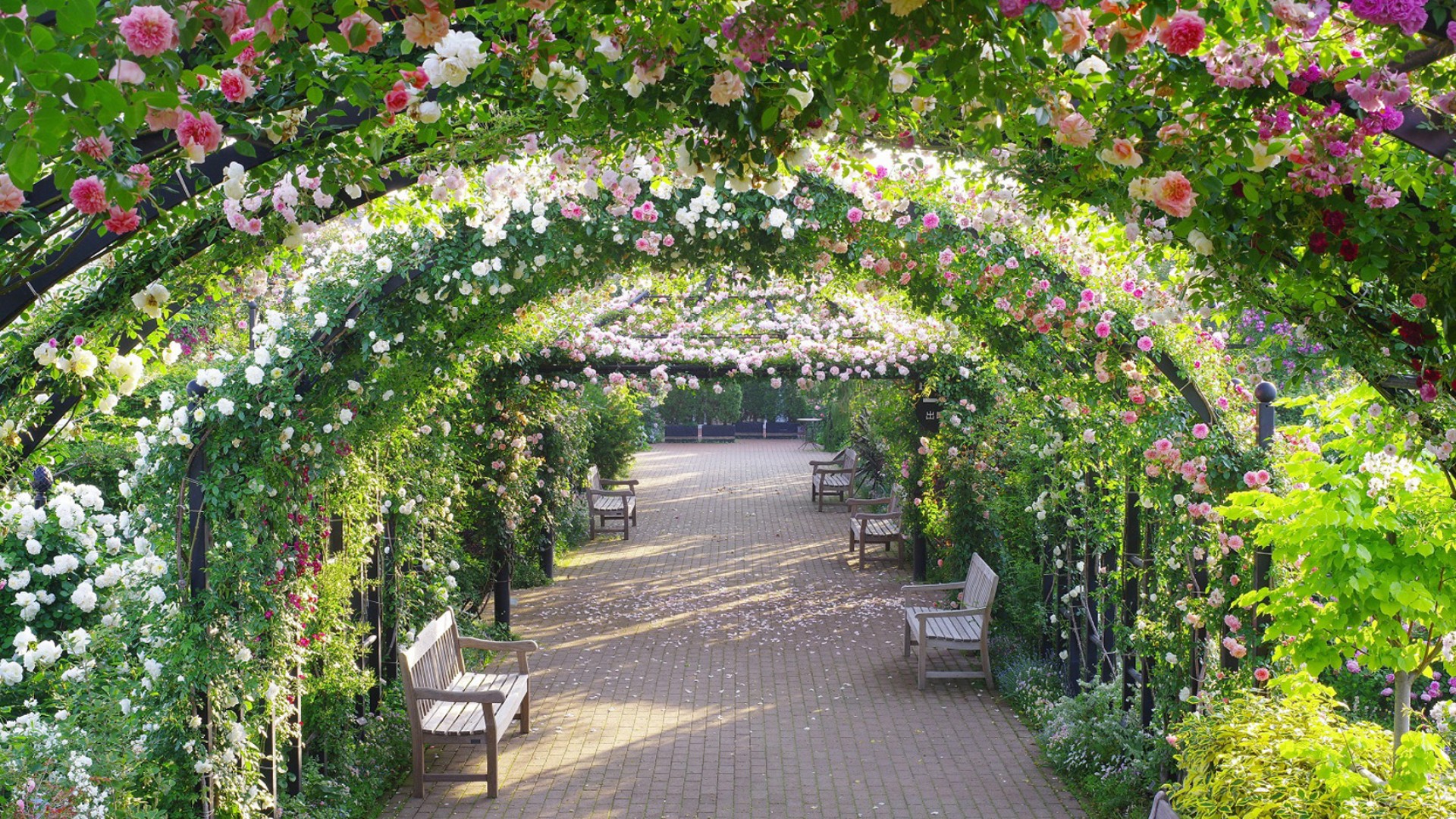
The Yokohama English Garden is an English-style garden decorated with a variety of flowers, trees, and plants, with roses, the flower of Yokohama City, as a main motif. From late April to May, 2,800 roses of around 2,200 varieties bloom, with the 50m-long rose tunnel being a sight to behold. Come enjoy near 300 varieties of hydrangeas bloom in June, more than 30 varieties of cherry blossoms in spring, and the garden's signature roses in autumn.

Nature & Views Tokaido Koshu kaido KANAGAWA
Jochi-ji

Jochi-ji

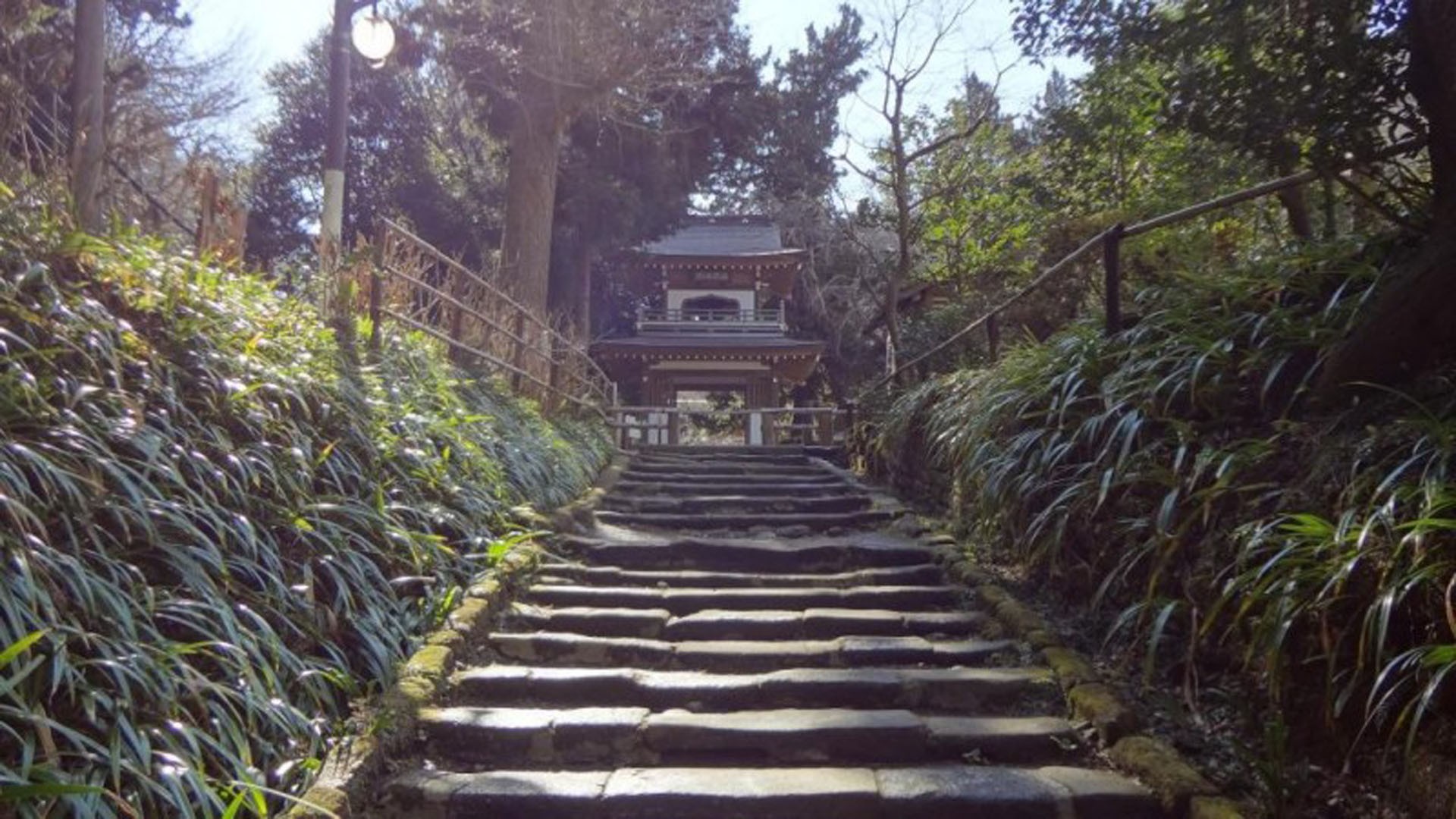
Wife and son, Morotoki, of Shogun Hojo Munemasa built this temple in 1281. In this temple there is a 'Kanro no I (well)' , one of the 10 Kamakura Wells. This temple ground is designated as a historic spot of Japan.The Donge-Den houses the Three Statues of Buddha. The leftmost statue represents the past, the center the present, and the right the future (as seen from the main entrance).Built in 1924, the thatched-roof Shoin offers a beautiful view of the gardens throughout the seasons.

Temples & Shrines Tokaido Koshu kaido KANAGAWA
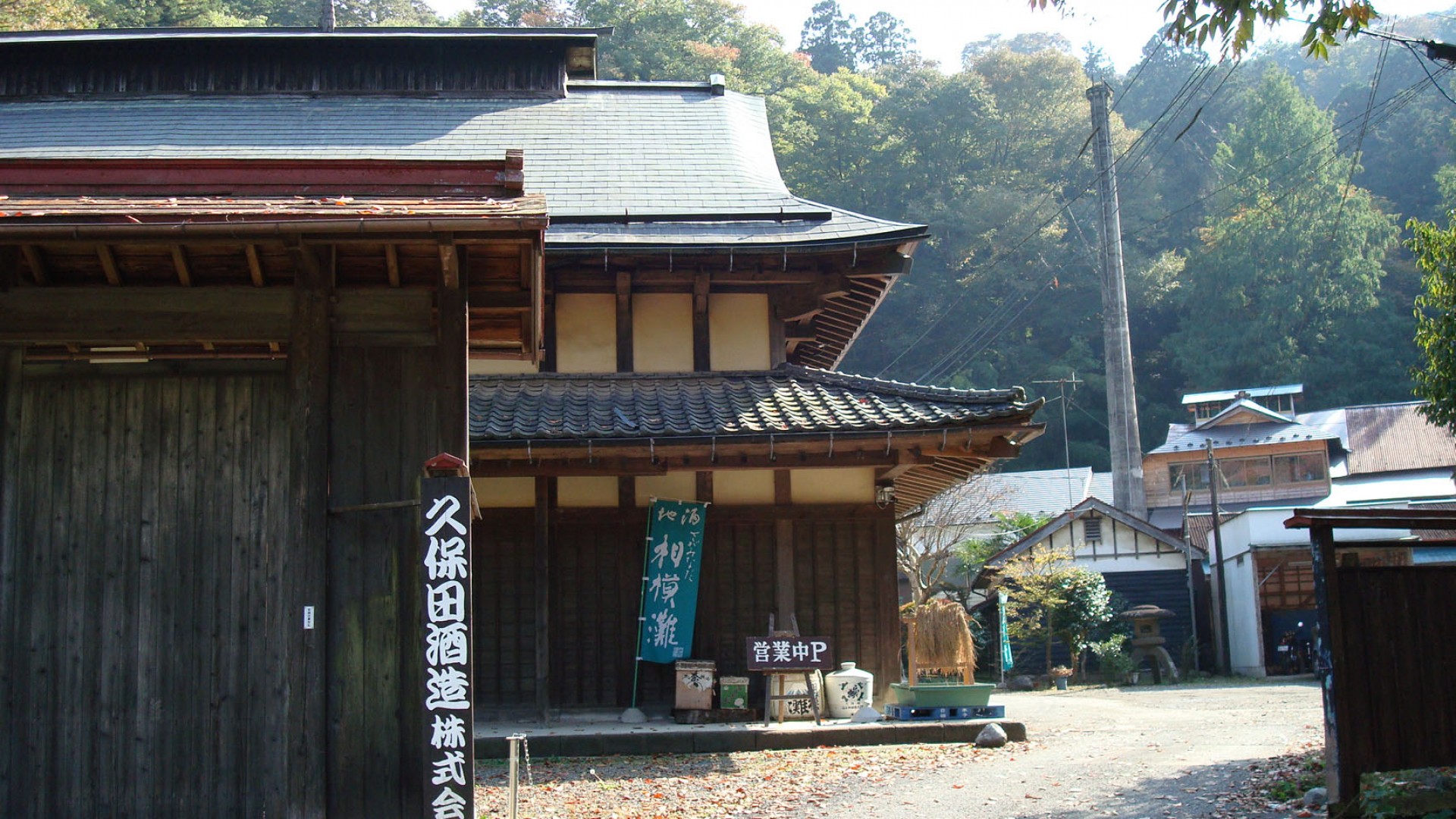
Tokaido BEER Kawasaki Factory

Tokaido BEER Kawasaki Factory

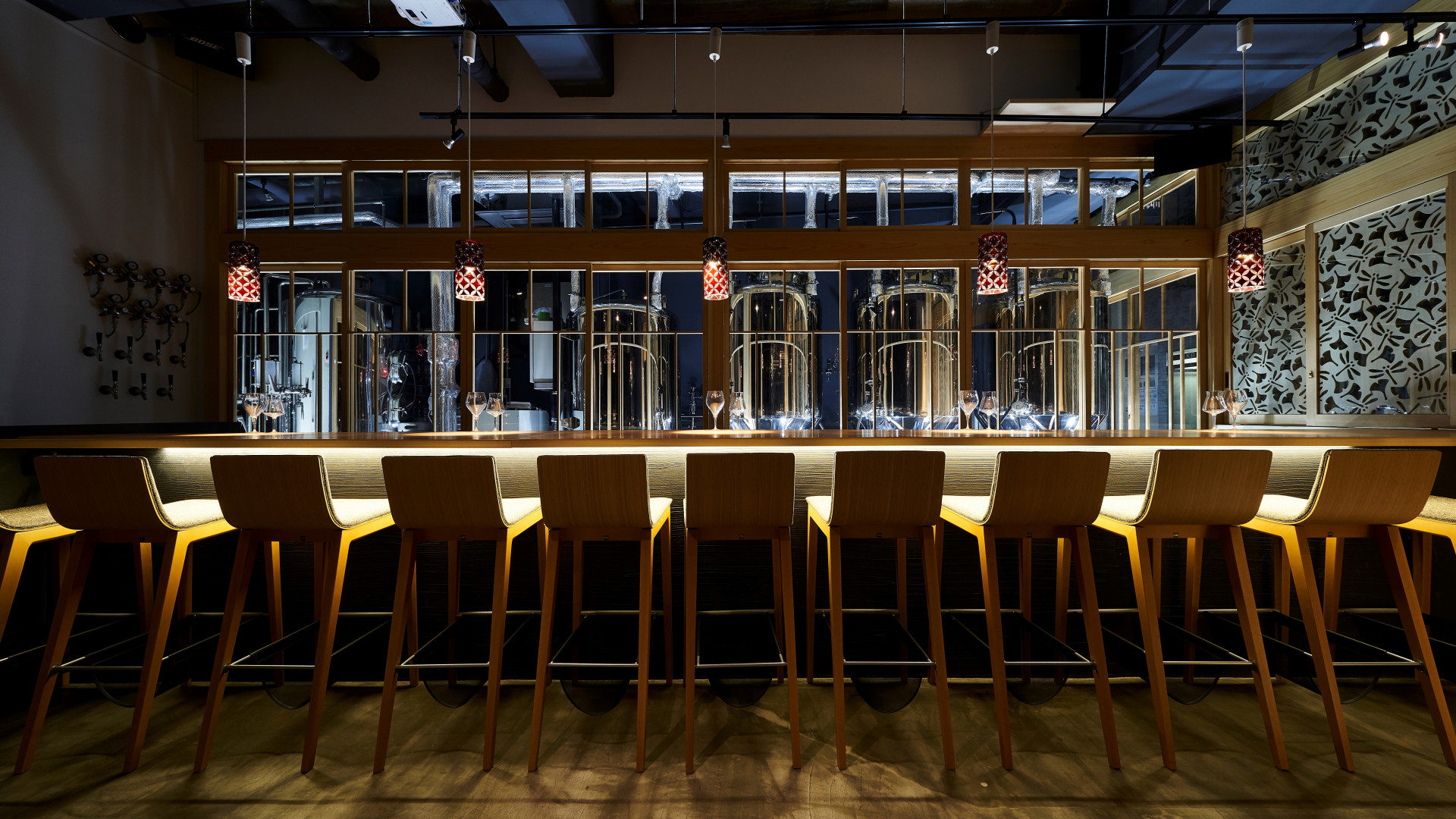
Only a 7-minute walk from Kawasaki Station on the Keihin Electric Express Railway line, this beer brewery and beer bar stands majestically on the former site of the Kawasaki-juku on the Tokaido road. This hideaway-like space for adults was selected for the Japan Space Design Award, and from the counter seats equipped with beautiful Edo Kiriko lighting you can enjoy 14 types of beer, from standard to seasonal, while overlooking fermentation tanks that resemble the night view of Kawasaki's factories.Located near Kawasaki Station, this brewery and beer bar is quietly nestled within the former site of Kawasaki-juku on the Tokaido road. Enjoy freshly brewed craft beer from the counter seats, beautifully lit with Edo Kiriko glass that was selected for the Japan Space Design Award, while gazing at beer fermentation tanks that resemble the night view of Kawasaki factories.

Sake & Breweries Tokaido Koshu kaido KANAGAWA