Pottery Experience @ Pottery Fuwari
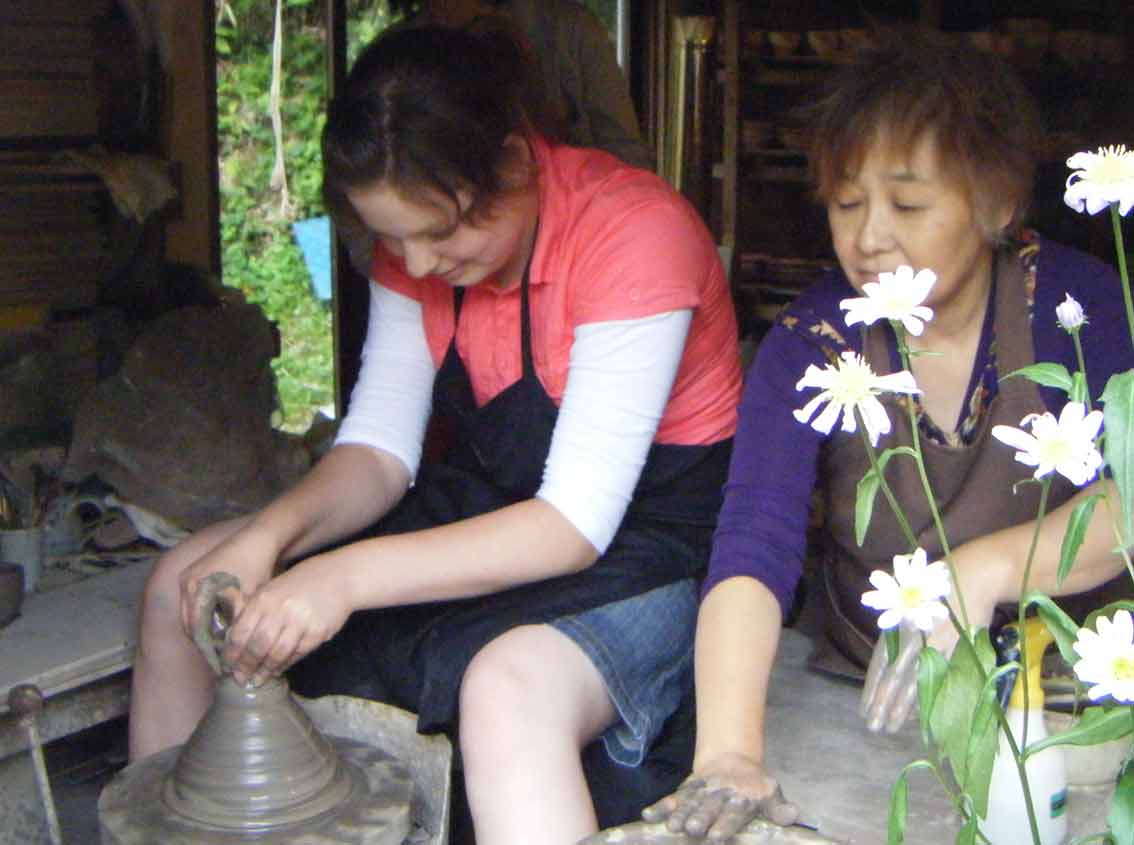
Try your hand at hand building and wheel-throwing with guidance in English. Lessons are offered to one group at a time, ensuring the ultimate private pottery experience.(Please make reservations via our website)
Total: 1727 items
Try your hand at hand building and wheel-throwing with guidance in English. Lessons are offered to one group at a time, ensuring the ultimate private pottery experience.(Please make reservations via our website)
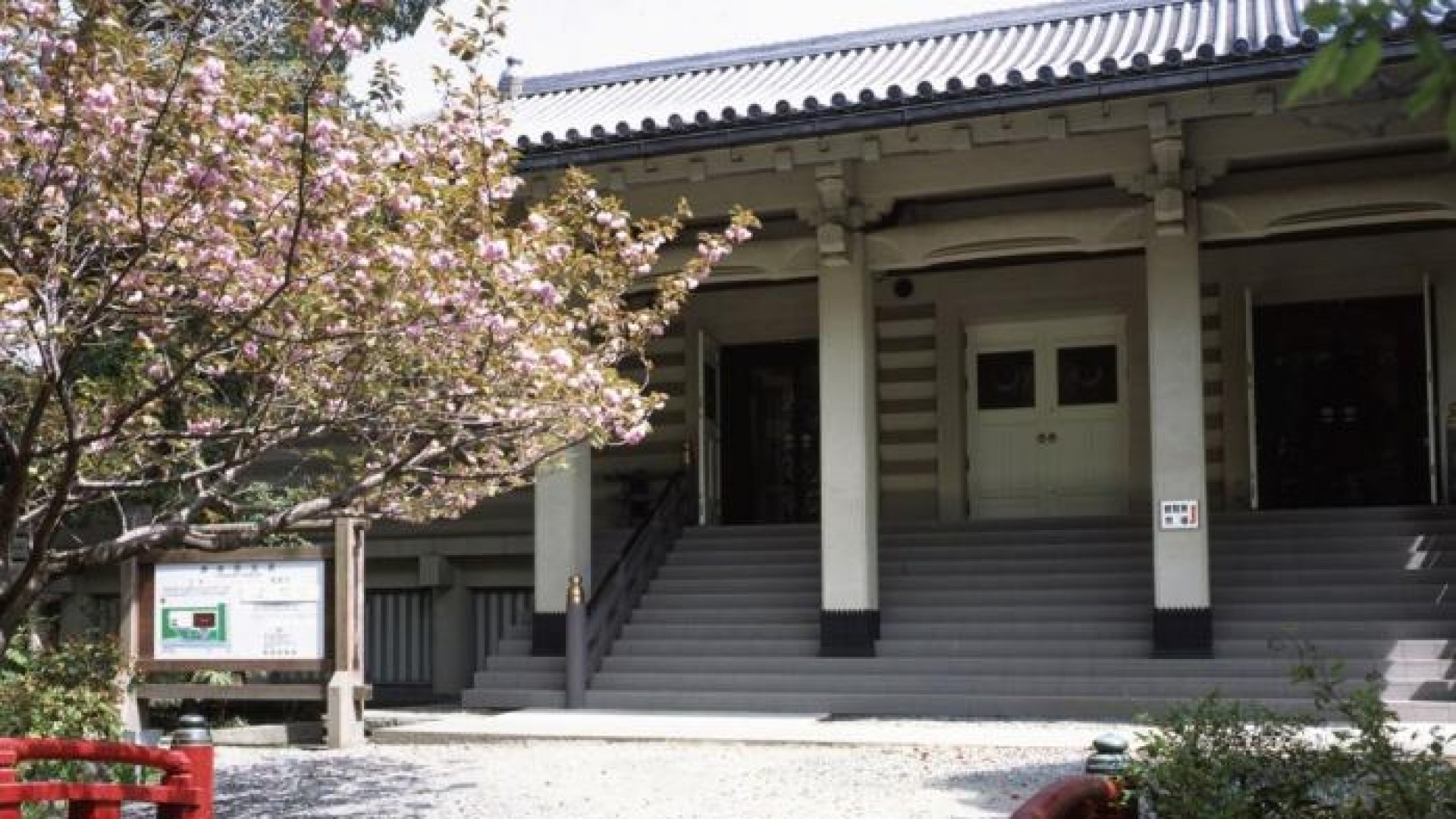
Opened on April 3, 1928, Kamakura Kokuhoukan is a museum of history and art. It displays and preserves a variety of cultural properties such as sculptures, paintings, artifacts, calligraphy, ancient documents, and archeological materials, which have been donated to the museum by temples and shrines in Kamakura City as well as in the neighboring areas.
This shrine was close to the Gongoro family, who had ruled Kamakura for three years. Every year on September 18th, the shrine holds a famous procession with masks that are preserved shrine treasures.
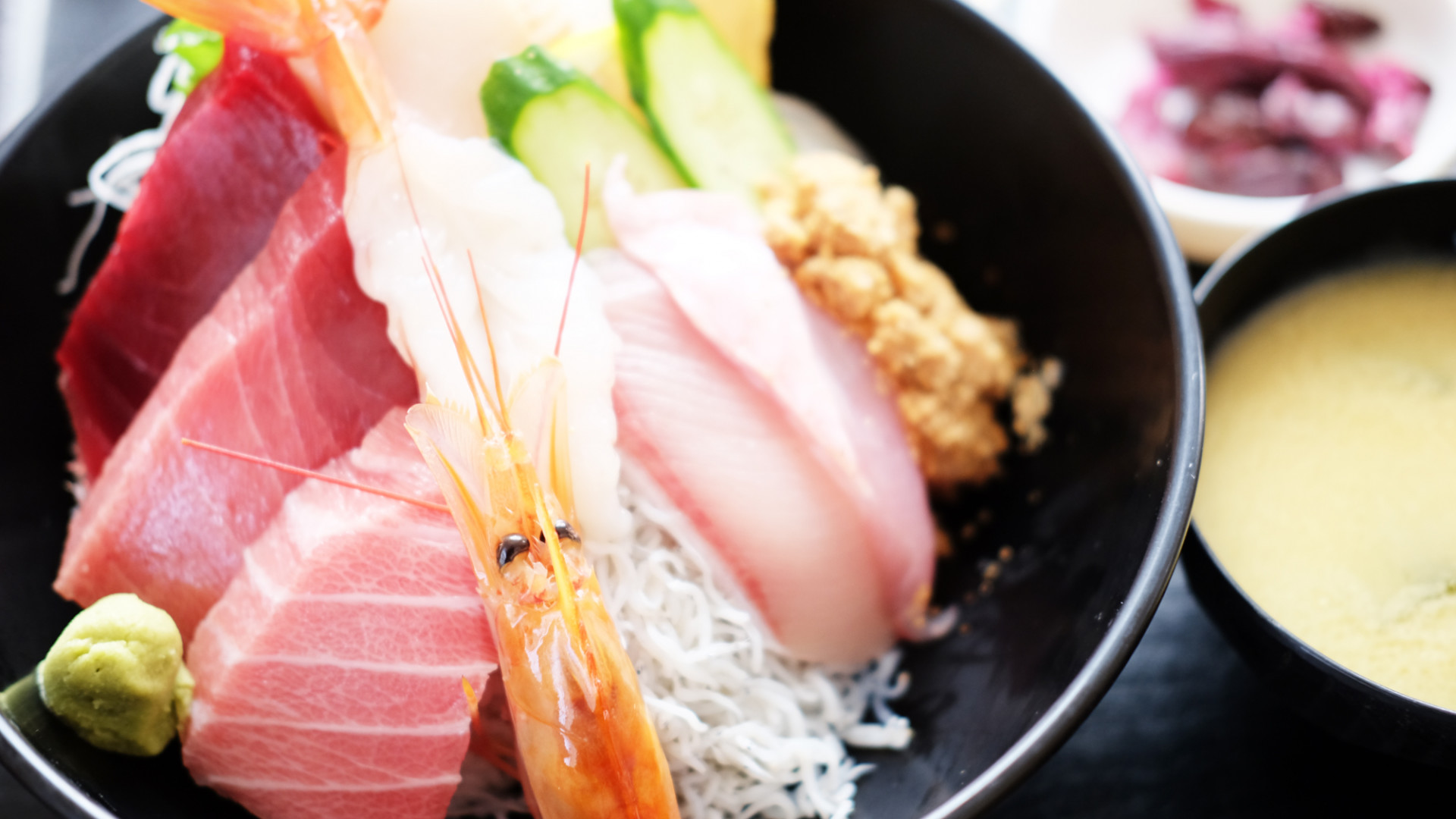
Enjoy Misaki tuna, wild bluefine tuna, and other fresh seafood delivered straight from the market! Experience authentic fishing port cuisine as deliciously reasonable prices!
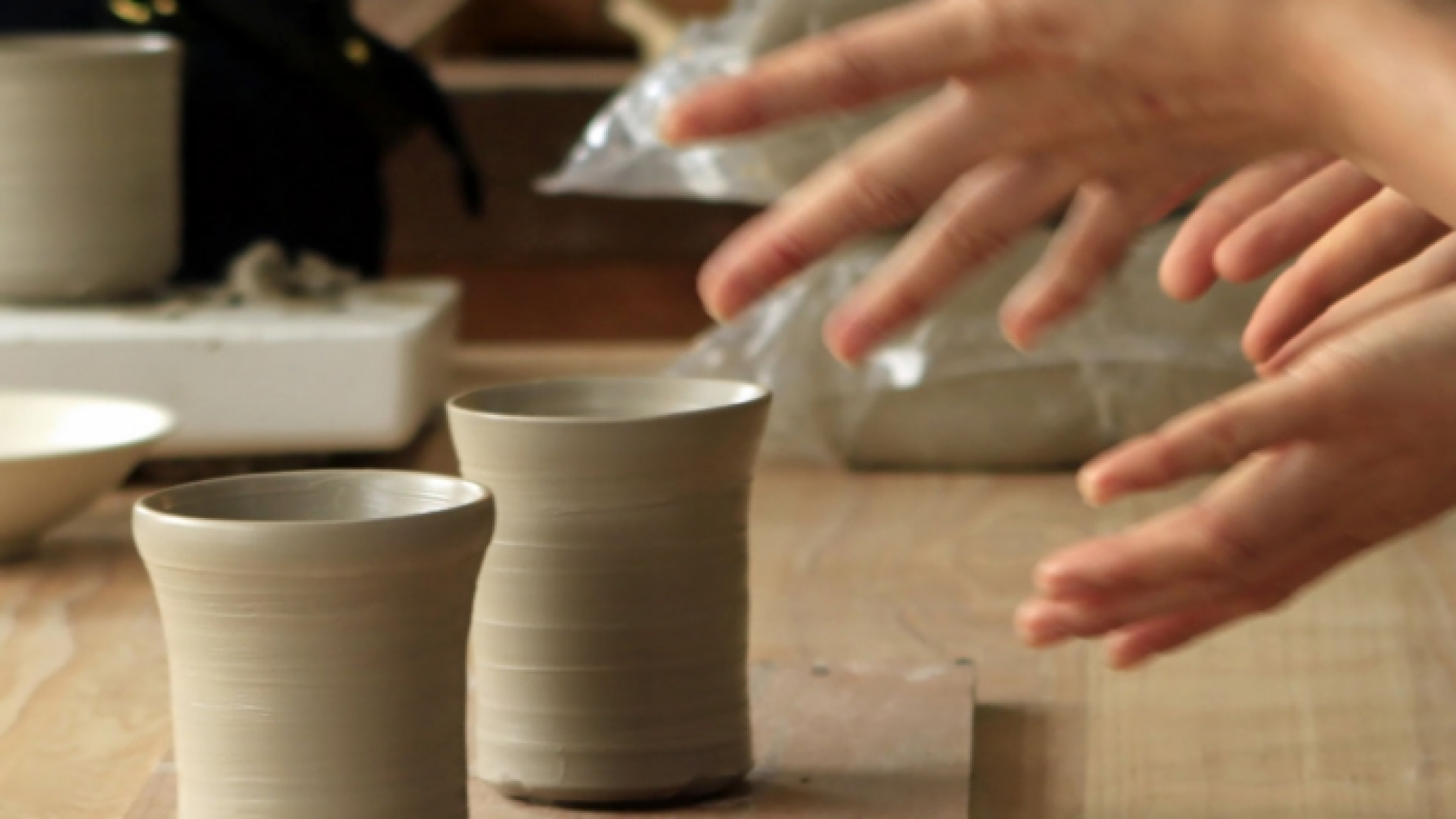
The Hase Ceramics Workshop gives you the valuable experience of using an electric potter's wheel in an authentic workshop. Even beginners will be able to make their own original piece in about an hour with the help of an instructor, who will teach you how to use the potter's wheel and how to shape your pottery into your desired form. Your finished piece will be sent to you by post after it has been dried and fired.
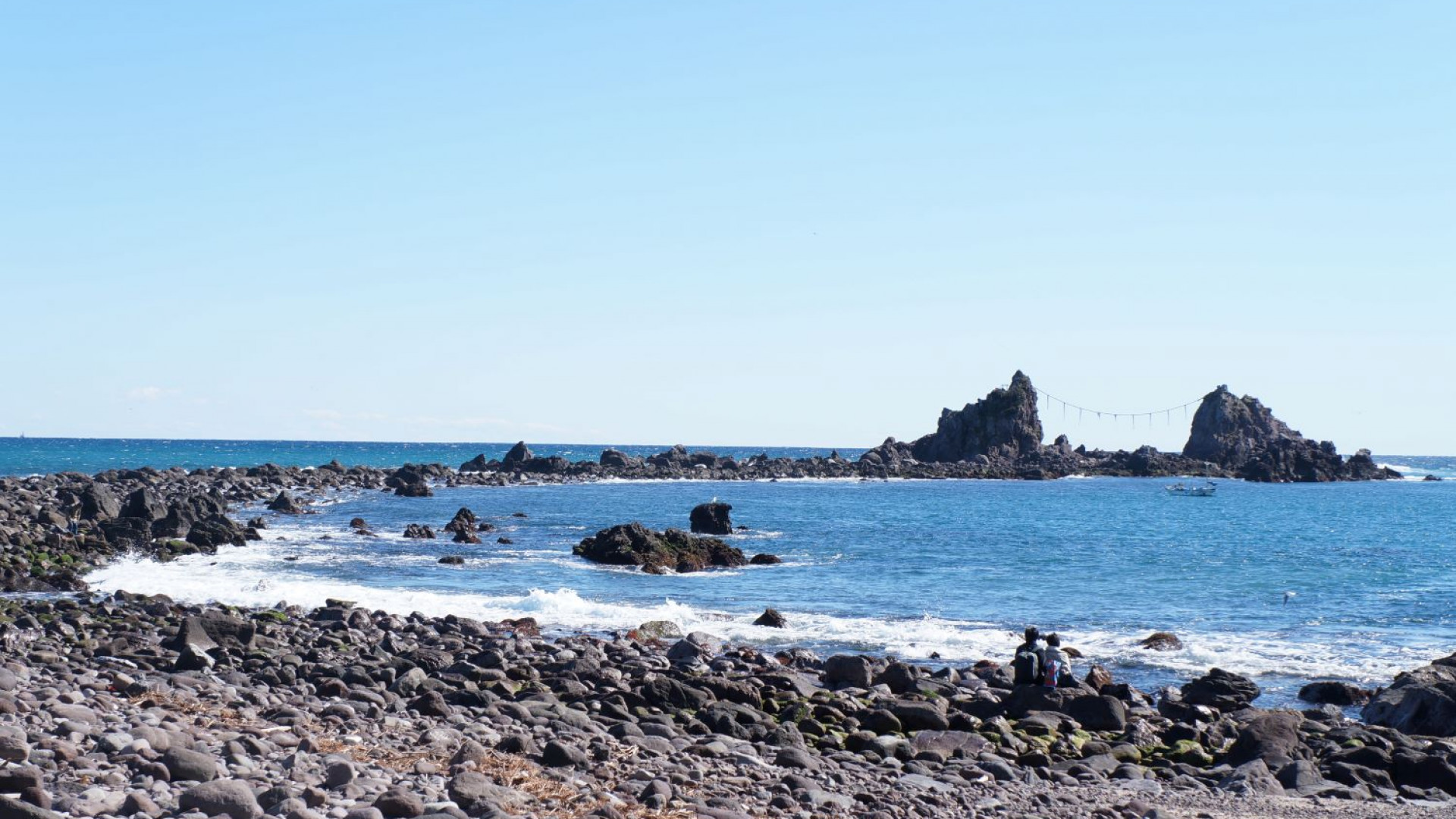
Manazuru point is jut into Sagami Bay. It is the designated "50 most beautiful Kanagawa sceneries" because the view from the edge of the point is so wonderful. You can walk down to the Mituishi beach down below.
The park is located on an island called Nojima at the entrance to Hirakata Bay in the southernmost part of Yokohama City. The area is famous for "Nojima no Sekisho" (a brocade picture depicting a sunset over the fishing village of Nojima)—part of the "Kanazawa Hakkei" (Eight Famous Views of Kanazawa) collection painted by Hiroshige Utagawa, an ukiyoe artist active in the late Edo period. Centered on Mount Nojima, 57m above sea level, the park features a number of facilities such as an observatory, barbecue area, campground, and baseball field, and from the observatory, you can see the sea of Yokohama, Boso Peninsula, and Mount Fuji. Other historical spots include the former Kanazawa residence of Ito Hirobumi, a Yokohama City-designated Tangible Cultural Property, and the Nojima Shell Mound.
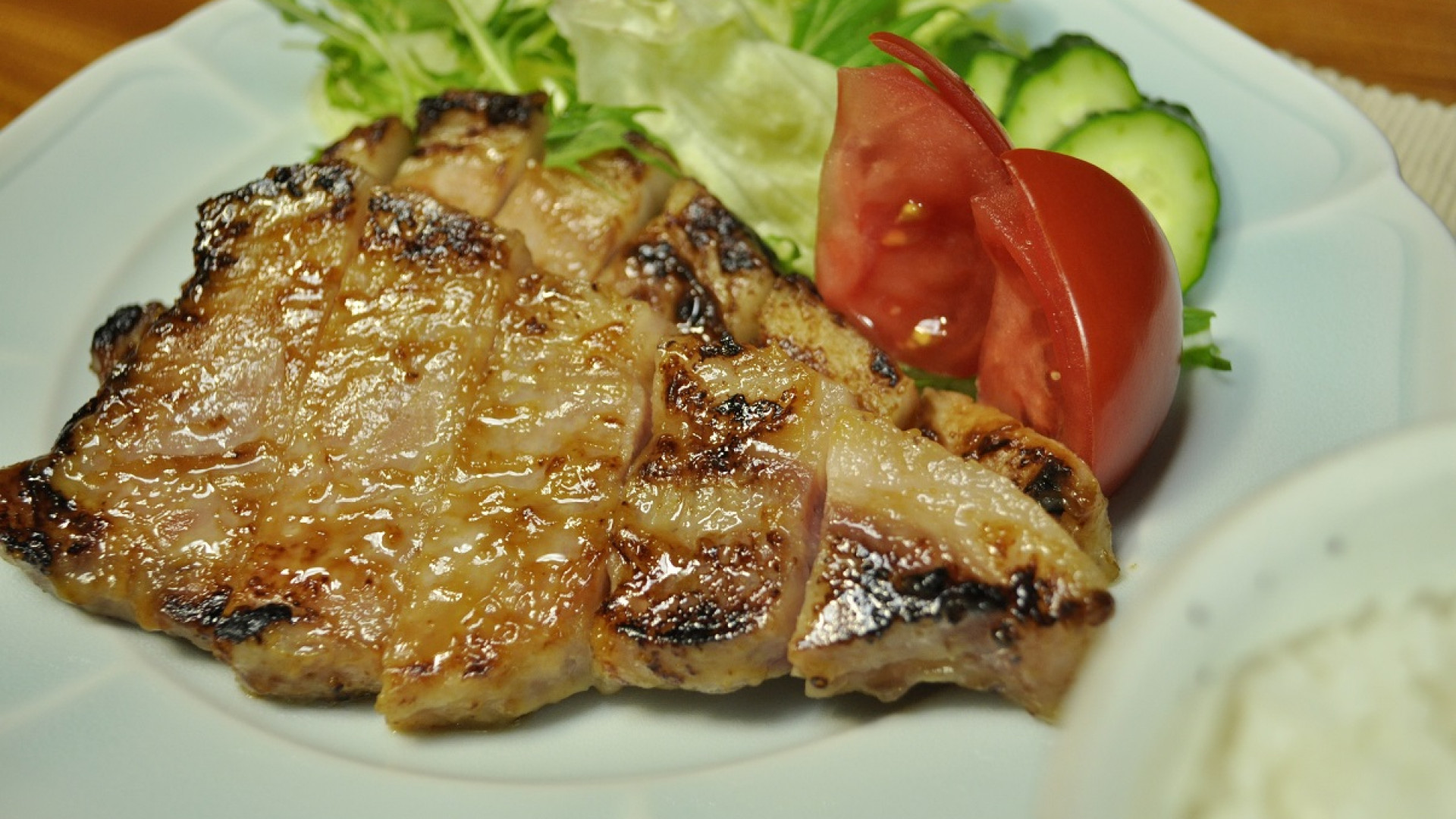
Marinated miso pork brings out the sweetness and umami flavor of the meat, while also bringing the depth in flavor of miso. This particular shop prides themselves on making pork their centerpiece and they’re particular about their ingredients.
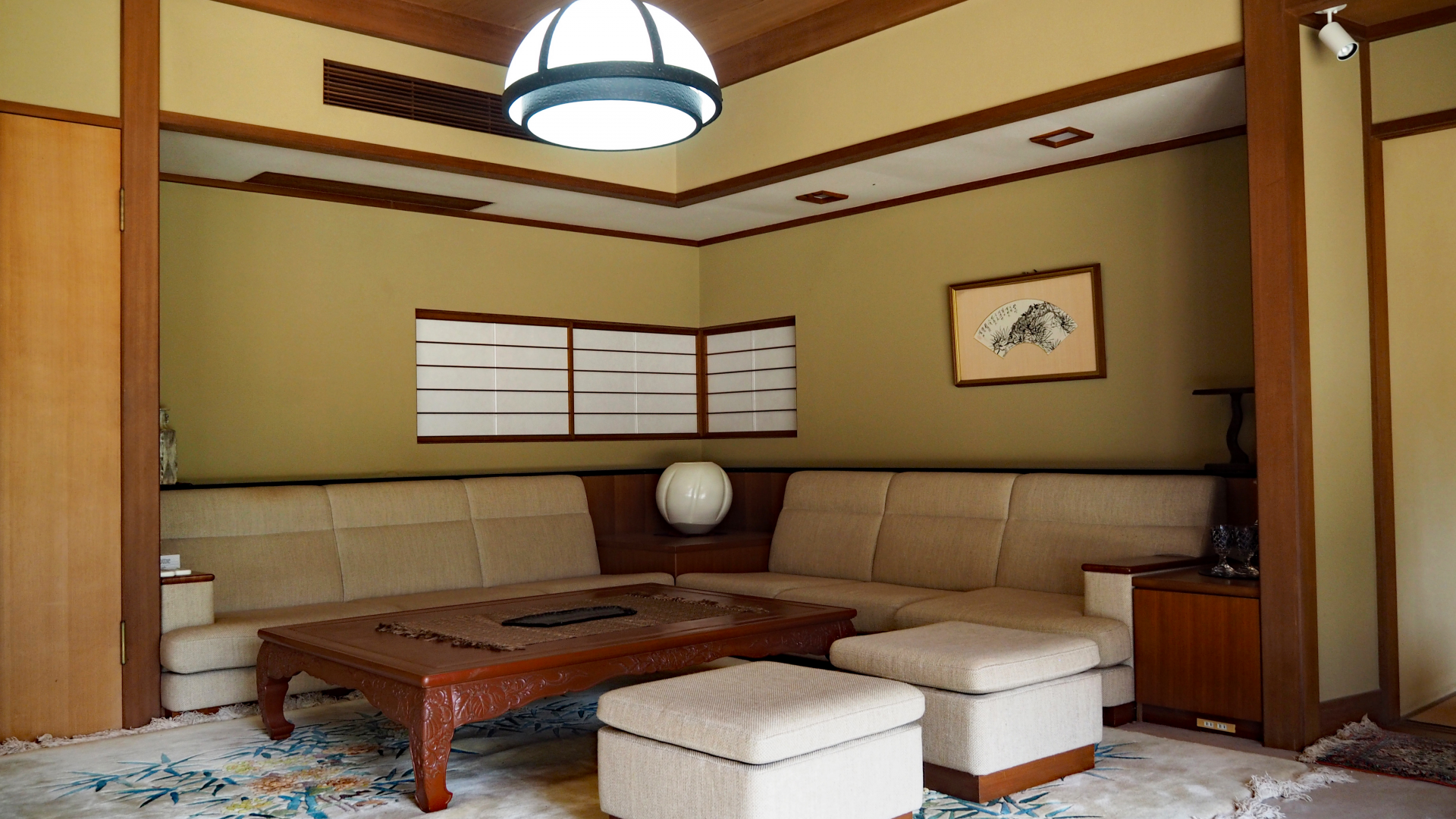
Built around 30 years ago, this residence is situated almost halfway between the Great Buddha of Kamakura and Hase Kannon. An expansive lawn garden enclosed by dignified fences and gates occupies an area of around 1,300 square meters. It can be used for experiencing Japanese culture and staging dinner parties, garden parties, and so on.
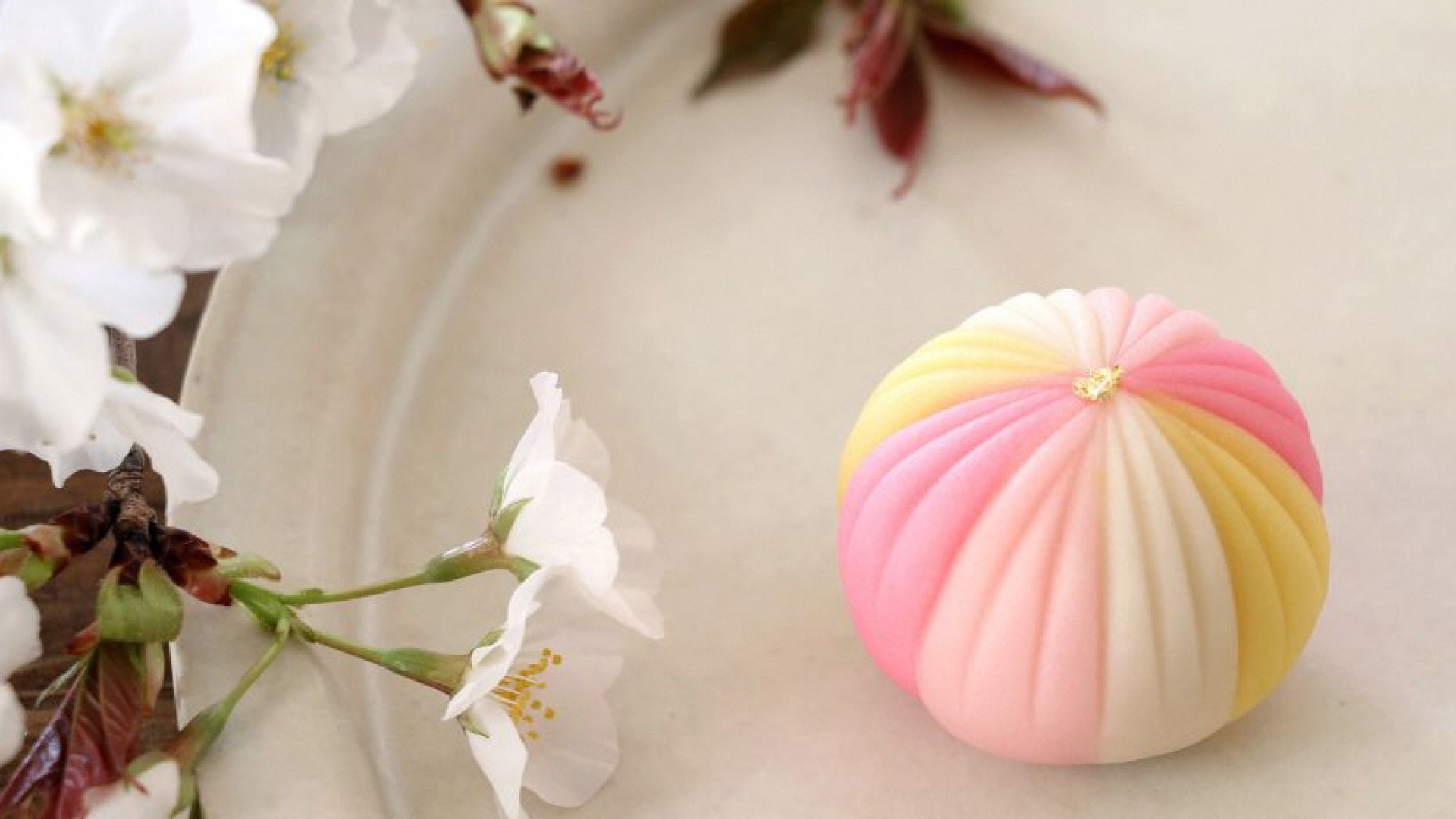
Wagashi contains appreciation, awe and respect for nature that have been nurtured by Japanese people. Making beautiful and delicious wagashi will promote understanding of those values.
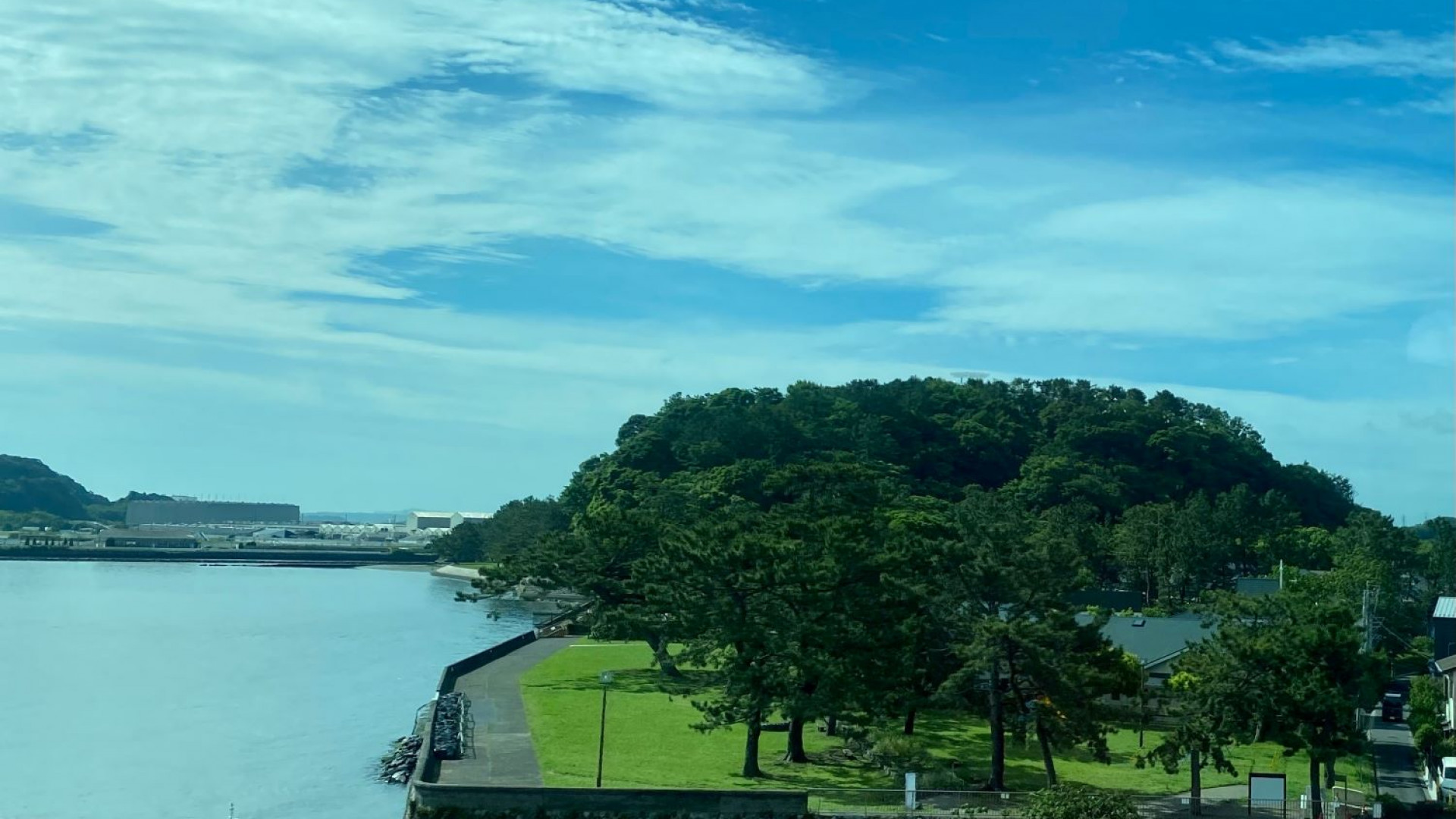
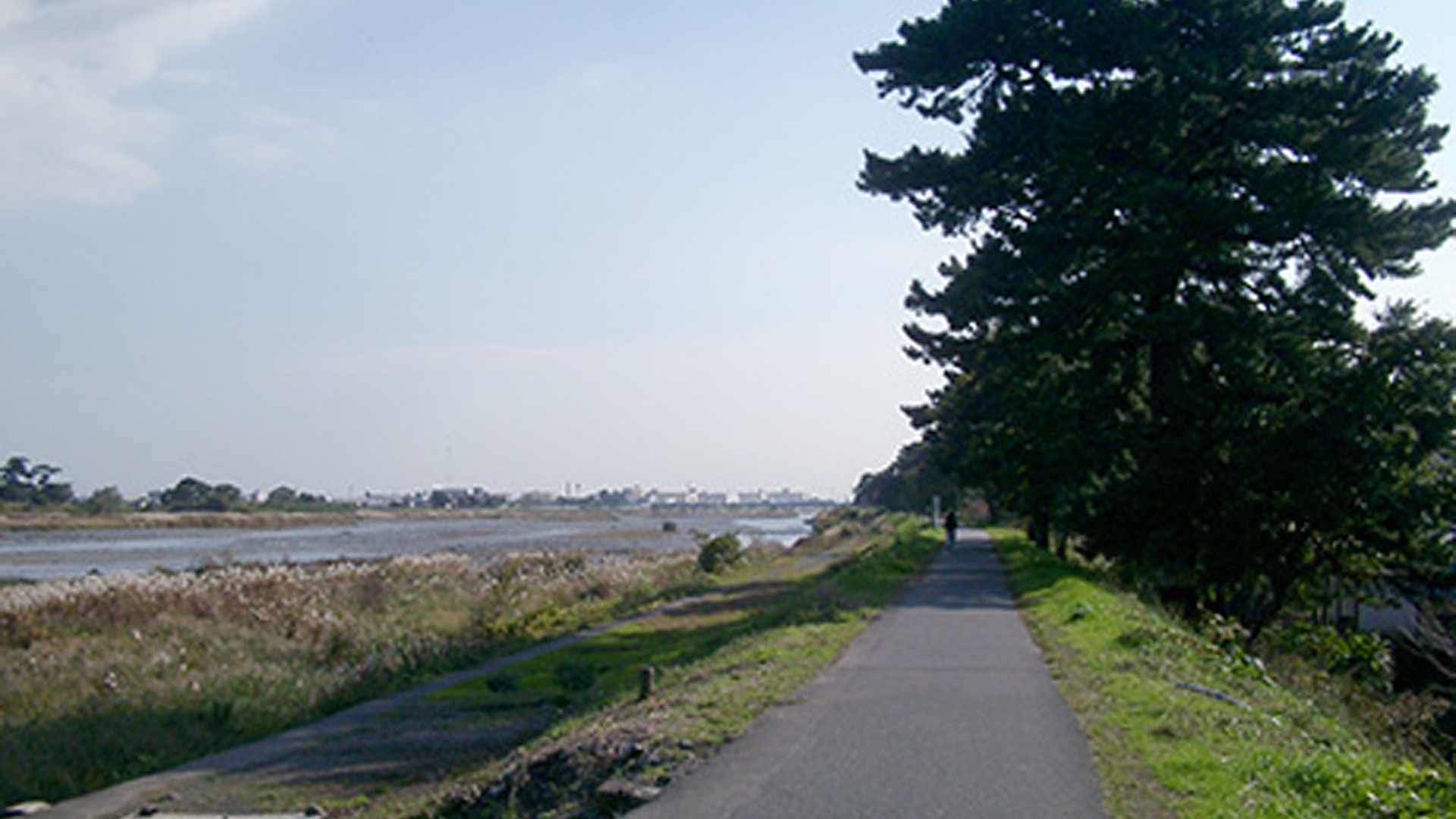
It is said that the 400 black pines by the levee up to the estuary were planted by Ninomiya Sontoku, an agricultural leader of the Edo era, with money he received as rewards from his nursemaid.
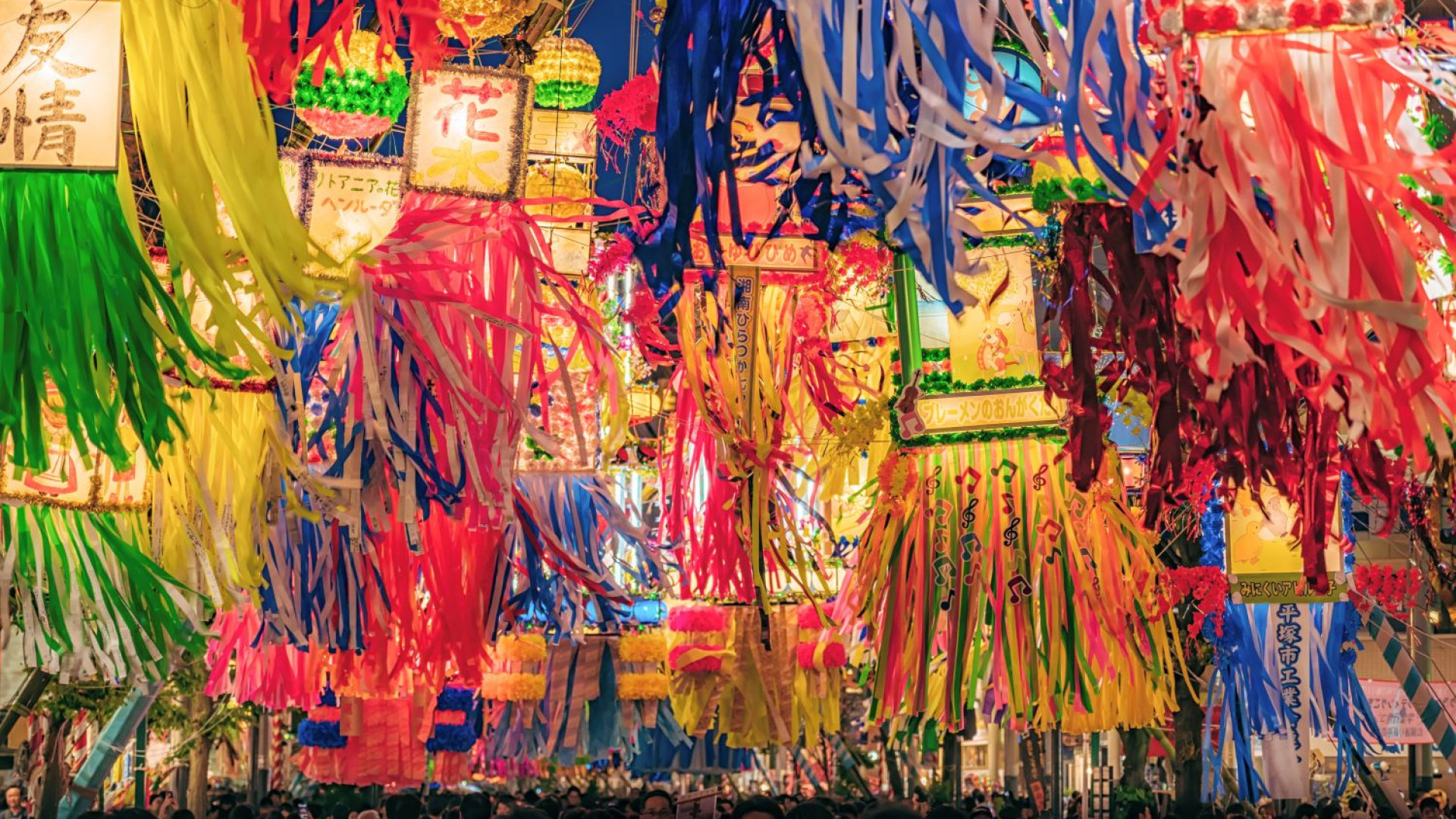
The Shonan Hiratsuka Tanabata Festival was started as a postwar commercial revitalization initiative, and is characterized by the vibrance of its Tanabata decorations, said to be the most lavish in Japan, made possible by the city's commercial power. Approximately 300 ornaments fill the streets of the city center, centered in the main venue, Shonan Star Mall, with gorgeous decorations, some reaching over 5 meters in height! In the evening, the decorations are lit up, creating an even more beautiful and impressive sight. During the festival, various events are held, including a Tanabata decoration competition and a parade. The festival has developed into one of Japan's most representative summer traditions, with the Shonan Hiratsuka Orihime, chosen through a contest, participating in various events, such as parades and visits to the city, further livening up the Tanabata festival.Held every July, Tanabata is a vibrant festival celebrating the one annual meeting of two celestial lovers. The bright colours of the decorations around the city and the night-time illuminations are rivaled by the beautiful kimonos worn by visitors.The Tanabata Festival, which announces the arrival of summer in Shonan, is one of the largest in Japan, along with the Sendai City Tanabata Festival in Miyagi Prefecture. About 500 gorgeous decorations are presented in the center of Hiratsuka, and at night, they are lit up to create a magical atmosphere. A parade and more than 400 stalls—selling a wide variety of things, such as Shonan gourmet foods—make the festival even more exciting.

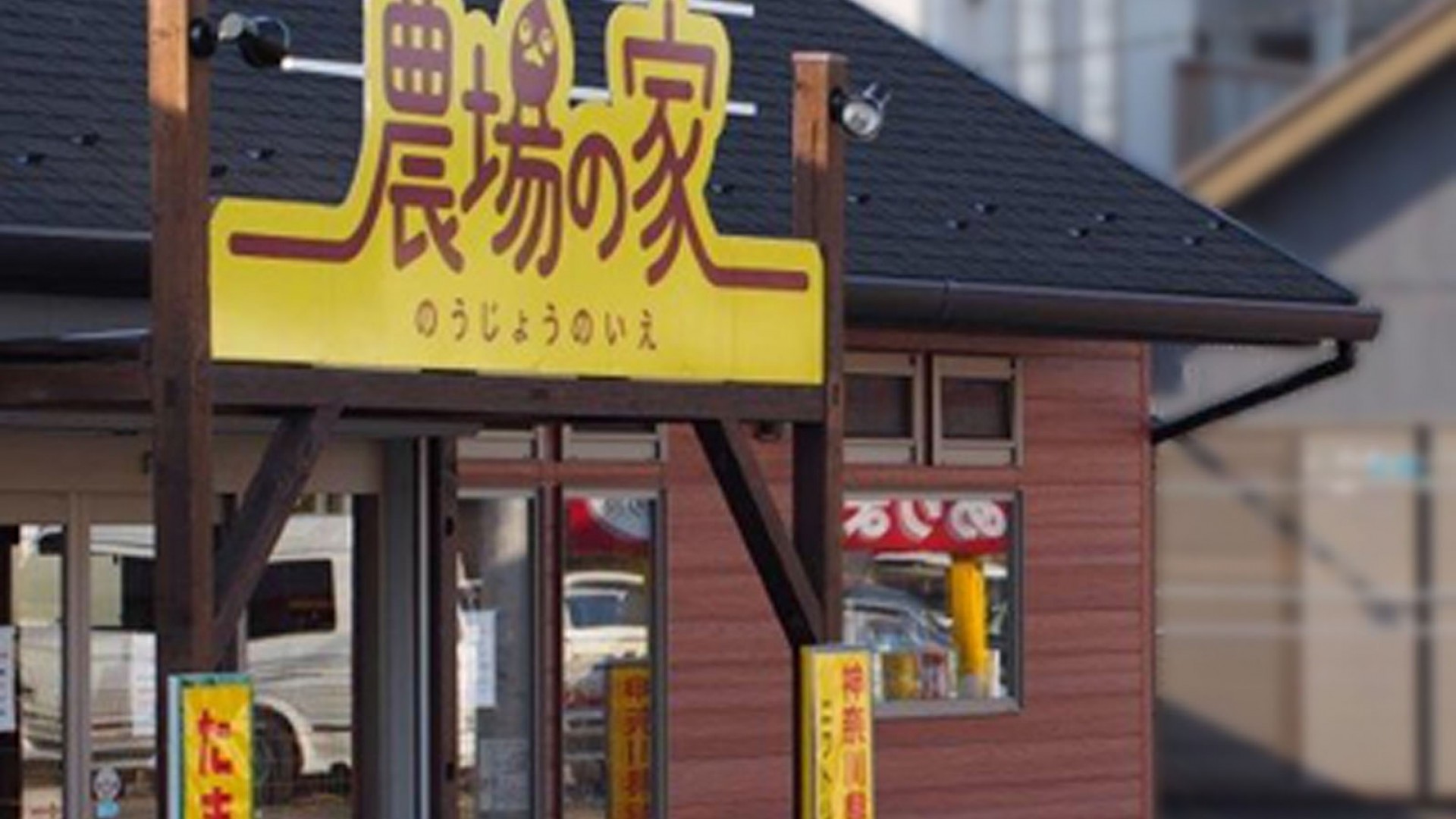
Kanagawa Prefecture Sagamihara City's Asamizodai area has been popular for poultry farming since long ago and there are currently seven houses. The poultry farmers formed the Asamizo Livestock Industry Association. We call the road where poultry houses and markets are located as "Tamago Kaido" and are working on revitalizing local commerce. At the market we are working on our sixth industry, confectionaries and cafes.
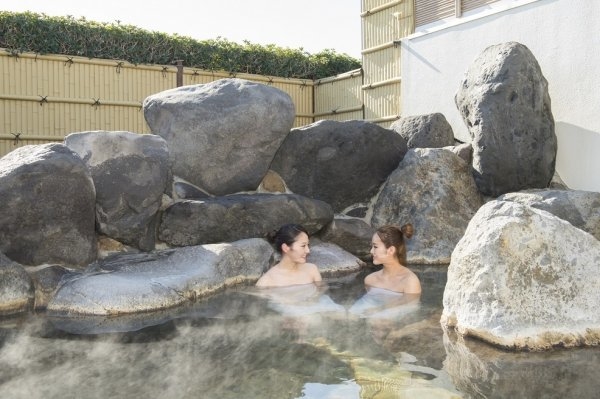
Haga Hot Spring and Roman Baths is a place where groups and individual visitors can casually enjoy a day at a hot spring.The color of the water that gushes forth from 1,500 meters below ground is a surprisingly gold hue.Another attractive feature is that there are two different hot springs to be enjoyed in one location. The first is good at keeping skin beautiful, making it soft and smooth. It is also known as a bijin no yu (Japanese for "beautiful person's hot spring"). The other spring has heat-retaining properties that help remove the cold within your body. It is also called an atatamari no yu ("warming hot spring"). The spa features open air baths, large public baths, massaging aerated baths, flowing water baths, and saunas. Other facilities include a lounge area, small Japanese-style rooms that can be used to host banquets, and more. The spa also holds beer gardens in the summer."
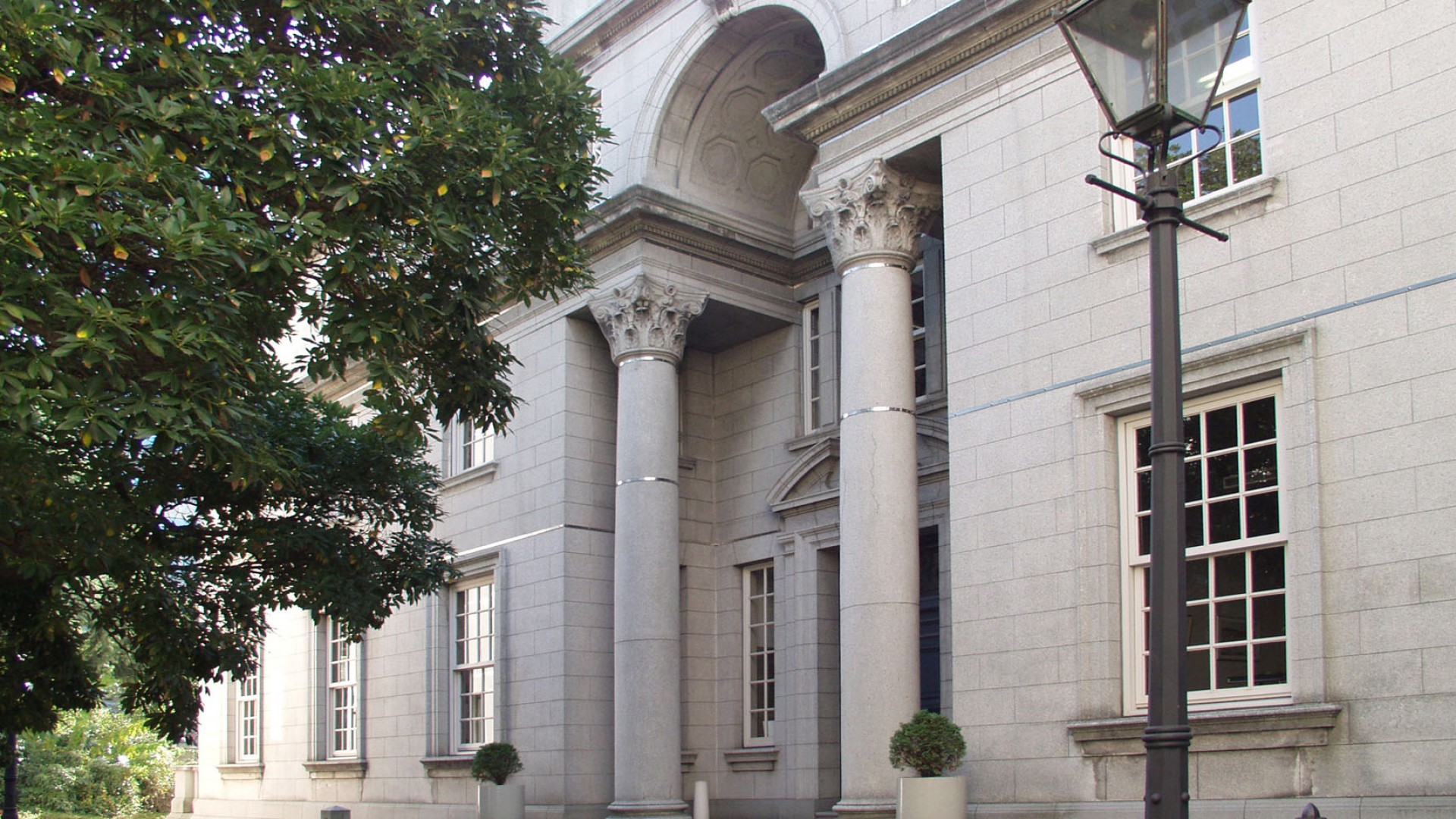
Displays materials on Yokohama history from the end of the Edo period/Opening up of the port period to the beginning of the Showa period. The building was formerly used as the British consulate until 1972. There is a historical camphor tree in the courtyard. *Includes a cafe.Learn the fascinating history of how a small fishing village became the second largest city in Japan. It starts with the landing of Commodore Perry and his black ships.
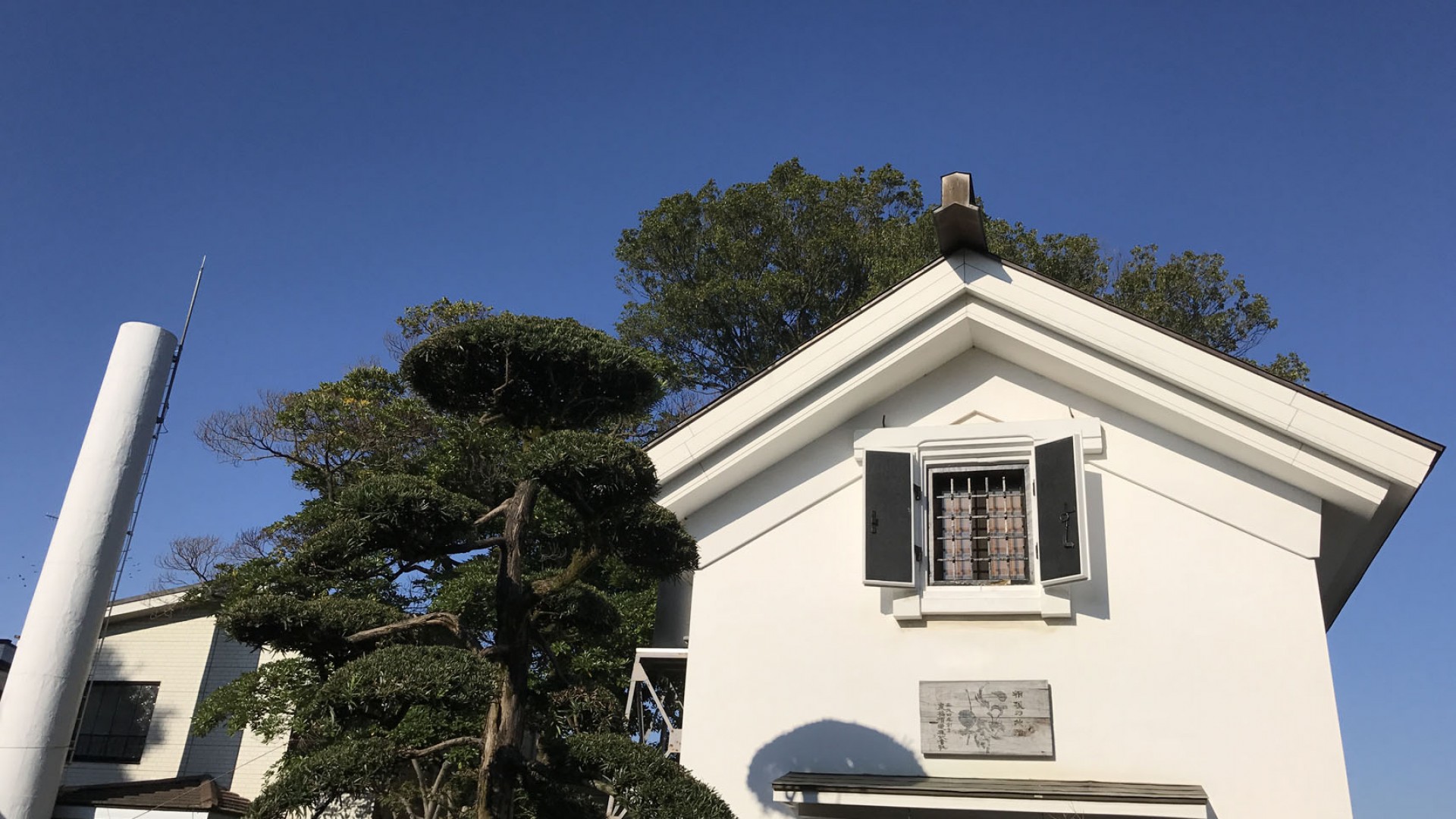
Founded in 1857, Izumibashi Sake Brewery is not only a sake brewery but also a cultivator of rice. We see sake as an agricultural by-product, and make sake by growing good rice first.The rice paddies glittering with morning sunshine remind you of a good old Japanese morning. Wake up totally refreshed as you take a tasty sip of Japanese sake made of rice harvested from the rice paddy. We have a shop to sell sake in the brewery as well.Early Morning Sightseeing
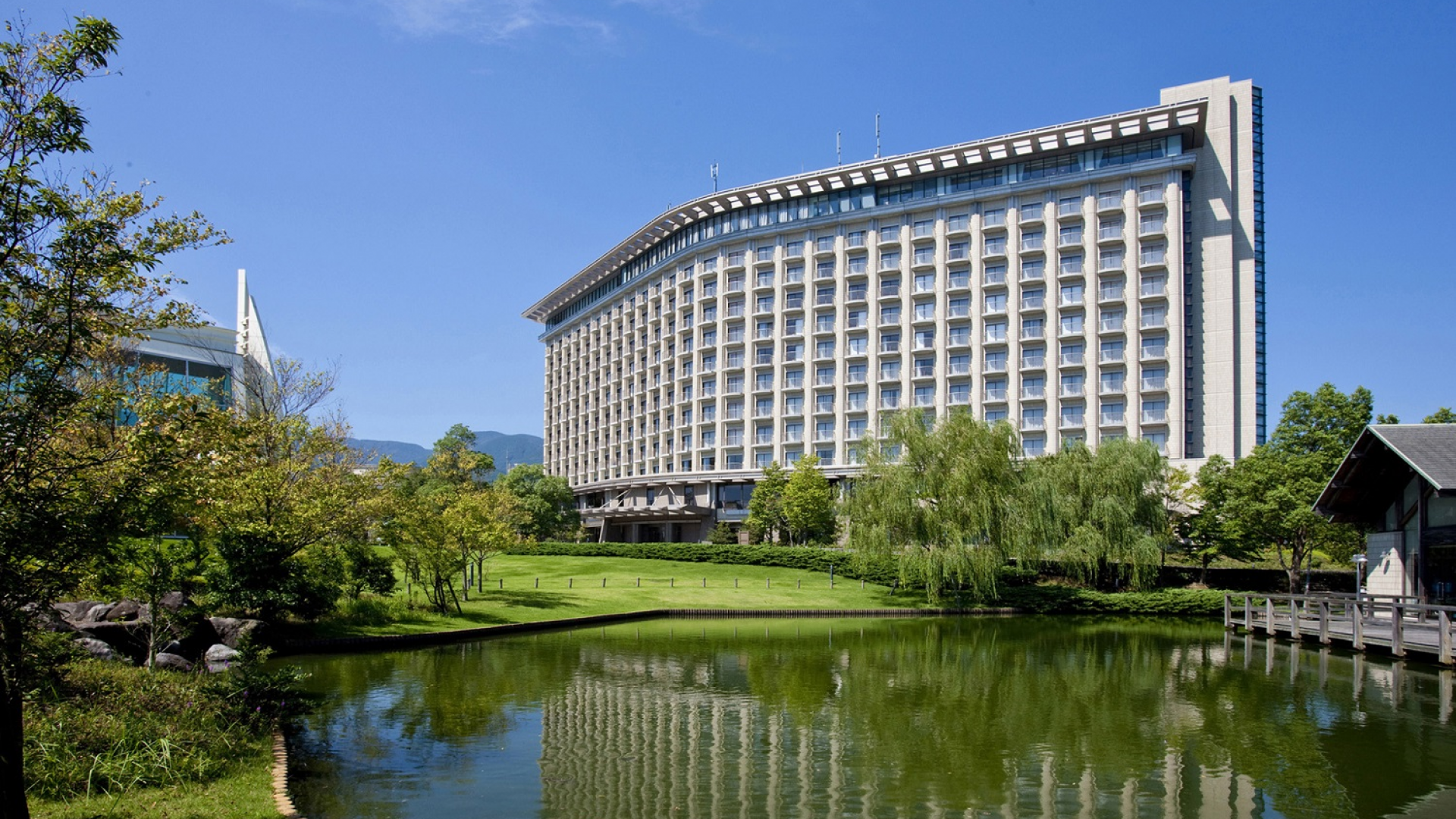
Relax at Hilton Odawara Resort & Spa with boasting modern amenities and impressive ocean view. You’ll also enjoy local cuisine.
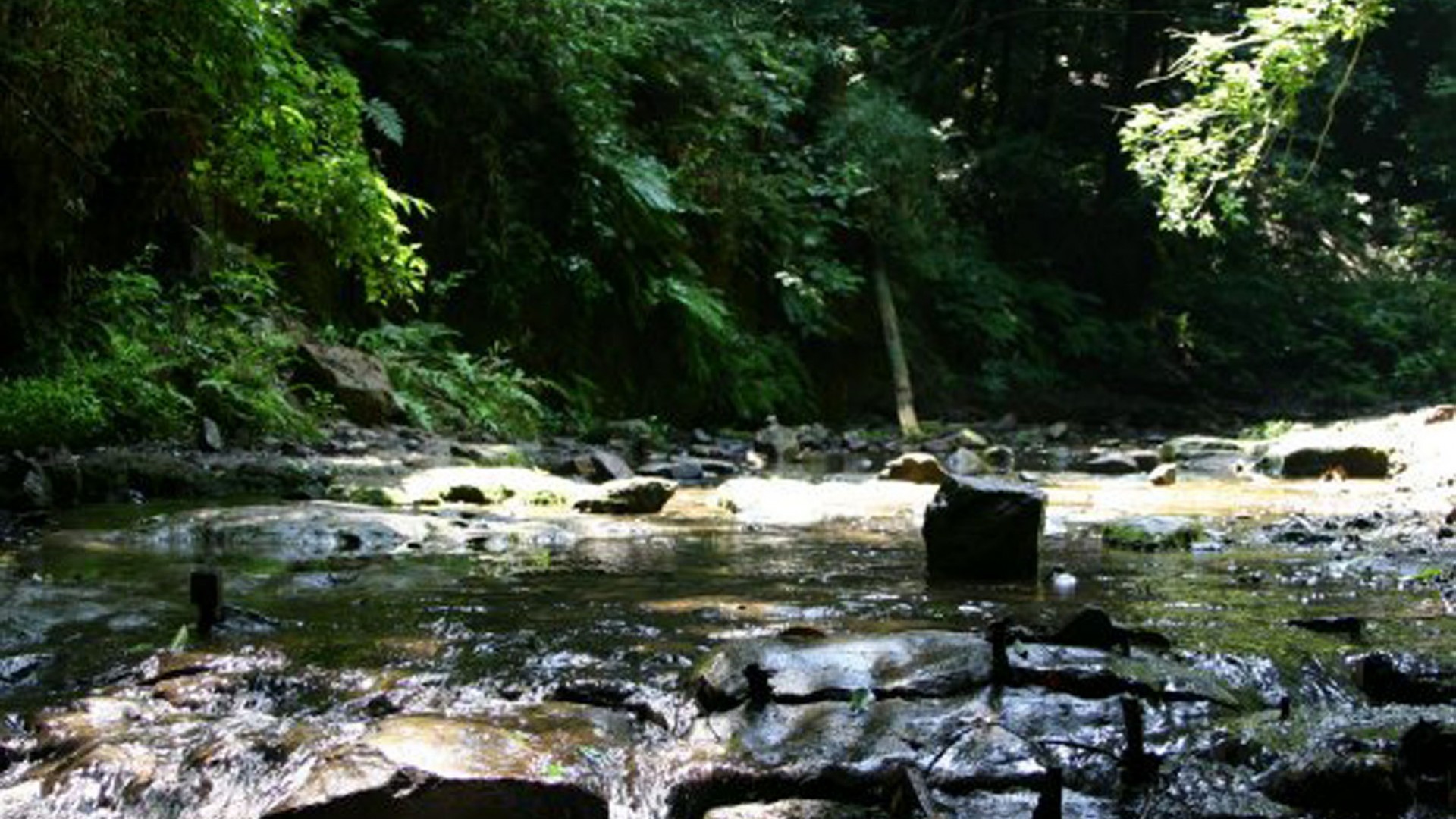
It is the only place in Yokohama City that gives off the feeling of being in a valley, with the sunlight filtering through the trees, a stream of cool water, and a rocky area eroded by the water. A promenade surrounds the forest for anyone wishing to enjoy some trekking. It is said that the name origin comes from the story of Minamoto no Yoritomo's retainers setting up camp here to hunt.