Mitama Shrine
This shrine was close to the Gongoro family, who had ruled Kamakura for three years. Every year on September 18th, the shrine holds a famous procession with masks that are preserved shrine treasures.
Total: 1727 items
This shrine was close to the Gongoro family, who had ruled Kamakura for three years. Every year on September 18th, the shrine holds a famous procession with masks that are preserved shrine treasures.
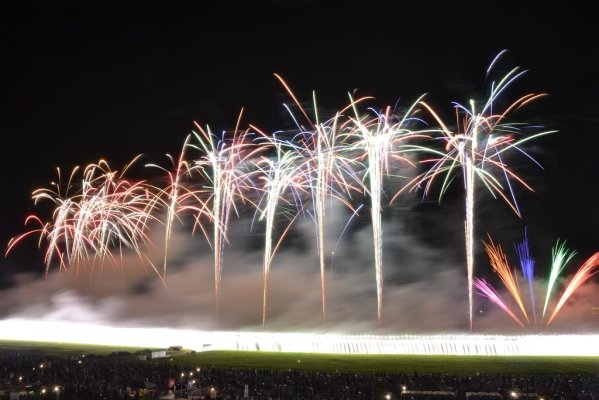
The Miura-Kaigan Noryo Festival Fireworks Display is a summer tradition held every year on the Miura Peninsula in early August. The venue, Miura Beach, is conveniently located just a 5-minute walk from Miurakaigan Station on the Keihin Kyuko Line. Visitors can sit on the vast sandy beach and look up at the fireworks in a relaxing and open setting. The underwater fireworks, nicknamed "underwater peacocks," are launched from a barge and are a spectacular sight sure to wow. The colorful lights brightly illuminate the surface of the sea.
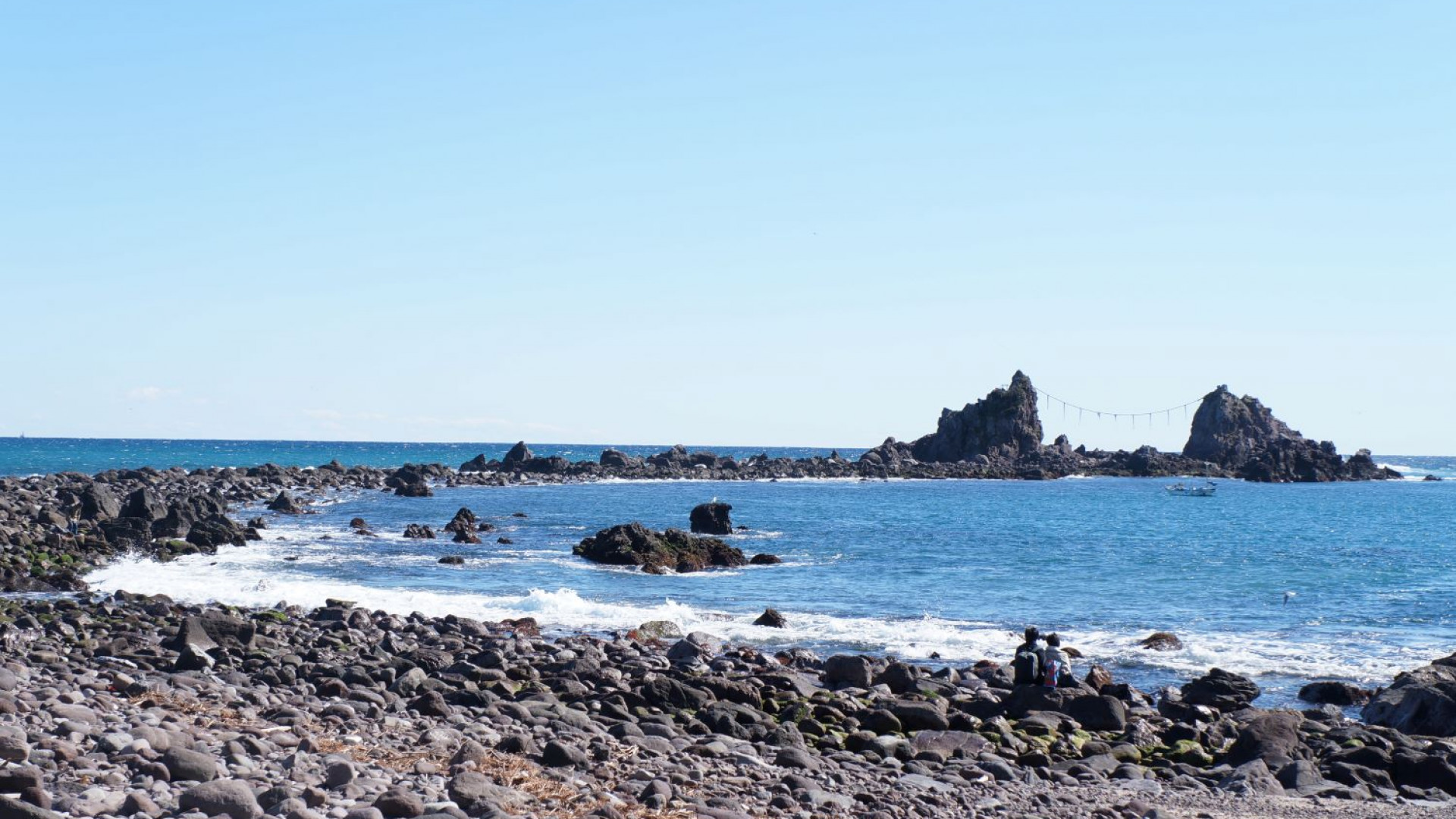
Manazuru point is jut into Sagami Bay. It is the designated "50 most beautiful Kanagawa sceneries" because the view from the edge of the point is so wonderful. You can walk down to the Mituishi beach down below.
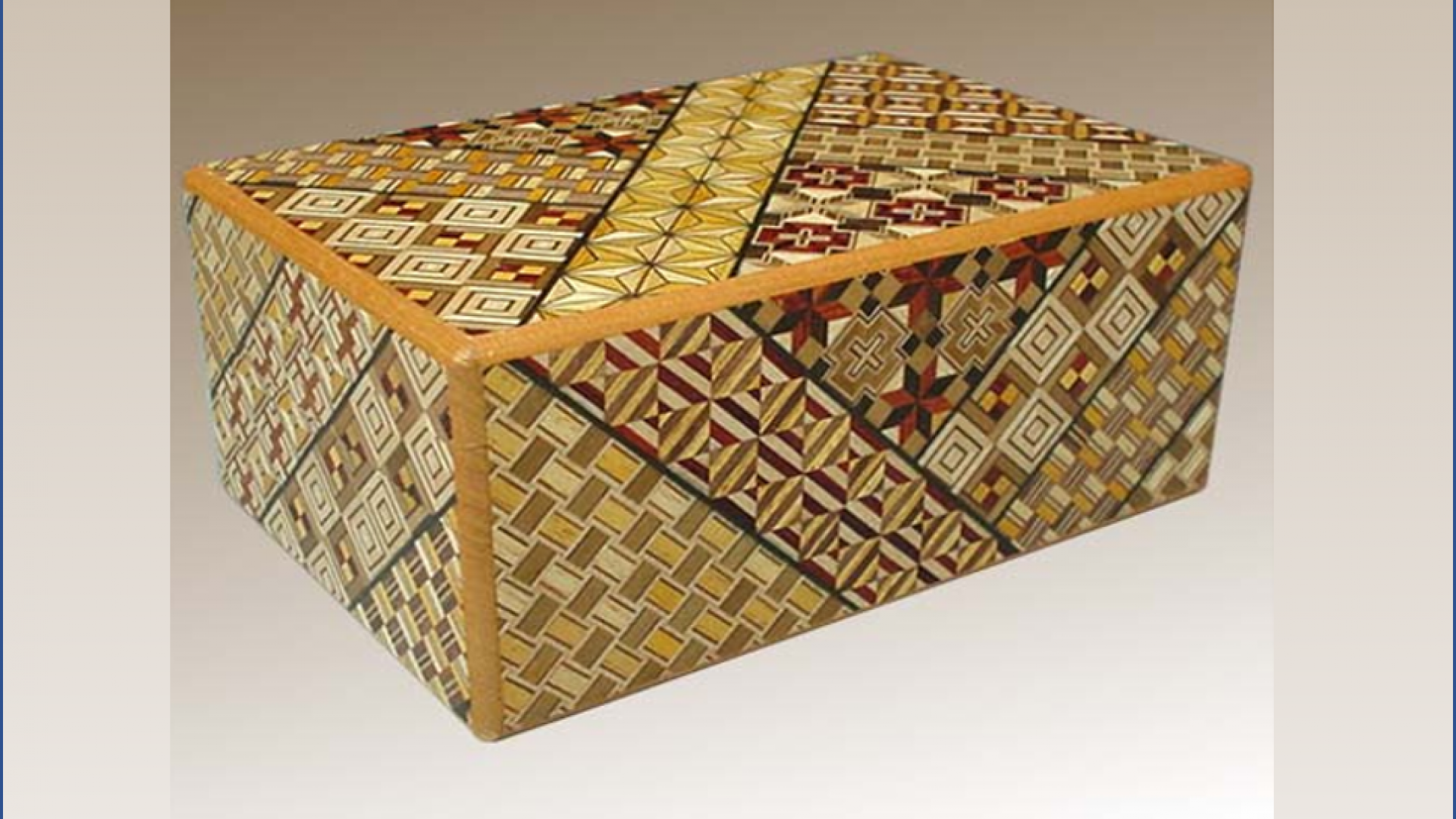
Homma Yoseki Museum is an art gallery that exhibits a collection of Yosegi Zaiku wooden mosaic work, a traditional craft from Hakone that has been continued since the Edo period. Visiting will help you to understand the beauty of this historical art. It holds around 500 pieces, of which at least 200 are always on display. The exhibits change with the seasons, with the Yosegi Gakujin-Bina dolls that are on display in spring being especially worth seeing.
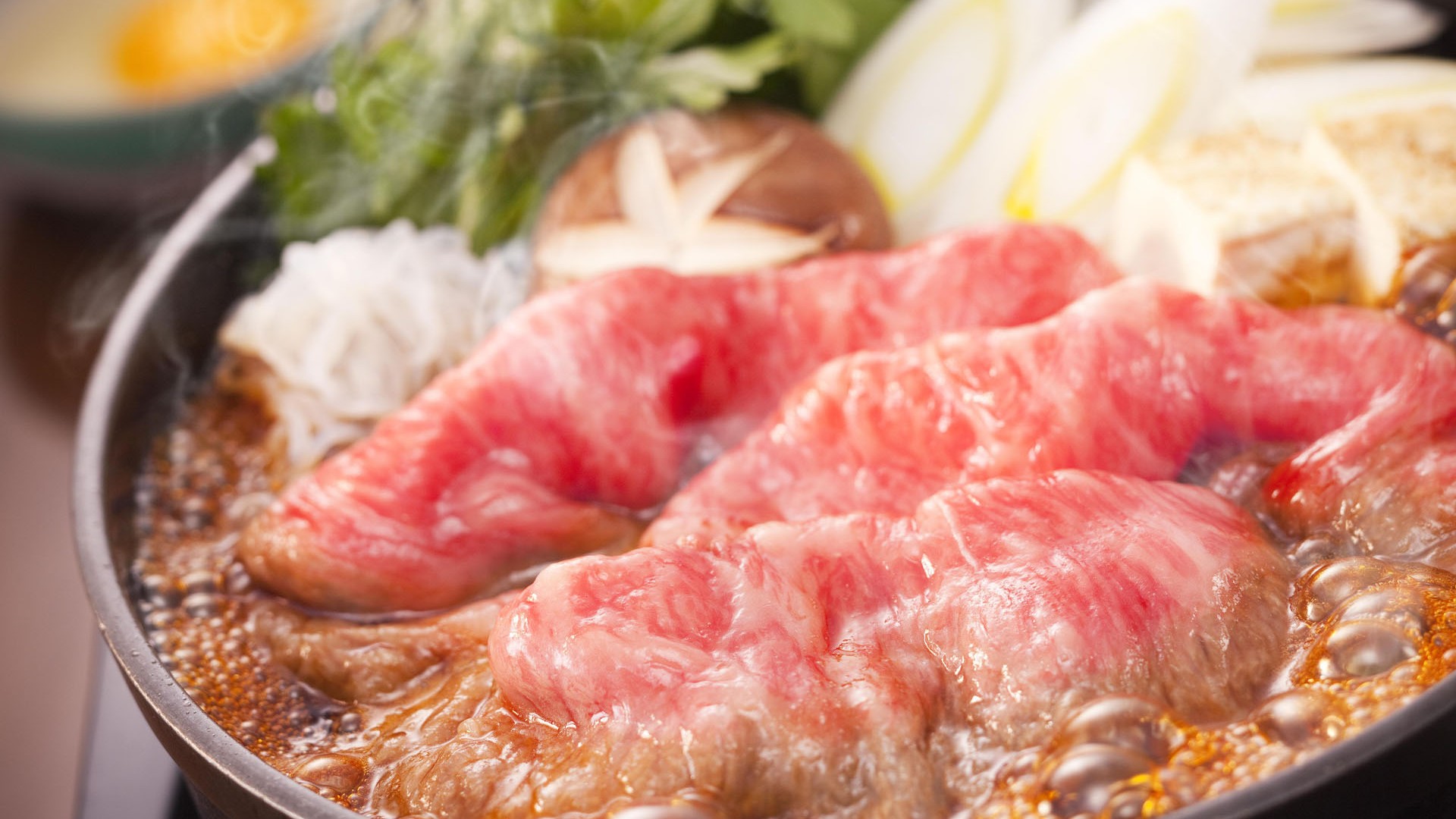
Araiya's signature dish "Gyu-nabe (beef pot)" has been loved by customers through years ever since we opened the restaurant 120 years ago. Our Gyu-nabe is a fruit of tradition and ingenious attempts. It is simmered with our secret stock made of sugar, soy sauce, mirin (sweet rice wine), sake and more.
The Shonan Hiratsuka Tanabata Festival was started as a postwar commercial revitalization initiative, and is characterized by the vibrance of its Tanabata decorations, said to be the most lavish in Japan, made possible by the city's commercial power. Approximately 300 ornaments fill the streets of the city center, centered in the main venue, Shonan Star Mall, with gorgeous decorations, some reaching over 5 meters in height! In the evening, the decorations are lit up, creating an even more beautiful and impressive sight. During the festival, various events are held, including a Tanabata decoration competition and a parade. The festival has developed into one of Japan's most representative summer traditions, with the Shonan Hiratsuka Orihime, chosen through a contest, participating in various events, such as parades and visits to the city, further livening up the Tanabata festival.Held every July, Tanabata is a vibrant festival celebrating the one annual meeting of two celestial lovers. The bright colours of the decorations around the city and the night-time illuminations are rivaled by the beautiful kimonos worn by visitors.The Tanabata Festival, which announces the arrival of summer in Shonan, is one of the largest in Japan, along with the Sendai City Tanabata Festival in Miyagi Prefecture. About 500 gorgeous decorations are presented in the center of Hiratsuka, and at night, they are lit up to create a magical atmosphere. A parade and more than 400 stalls—selling a wide variety of things, such as Shonan gourmet foods—make the festival even more exciting.

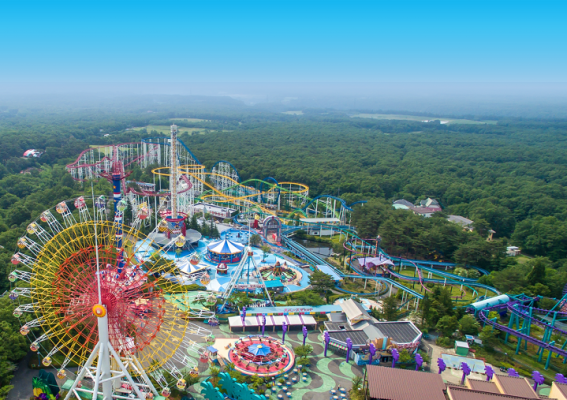
Nasu Highland Park is an amusement park with more than 40 kinds of attractions, including 10 roller coasters. Even on rainy days, you can enjoy attractions such as character events in each season and the indoor roller coaster SHINPI. There’s also a mountain stream activity zone, a dog park, and more. In addition, you’ll find a food court, barbecue terrace area, restaurants, shops, and other facilities."
Ashikaga Fireworks Festival that is climax of the Ashikaga Summer Festival is a traditional event that began in 1896. It is known as the "500,000 people's evening cool" because it proud Kanto's largest scale and is crowded with so many spectator from all Kanto area. Over 25,000 fireworks such as "Shakudama", "Shikake" fireworks are fired and Great Niagara and Star Mine are launched.
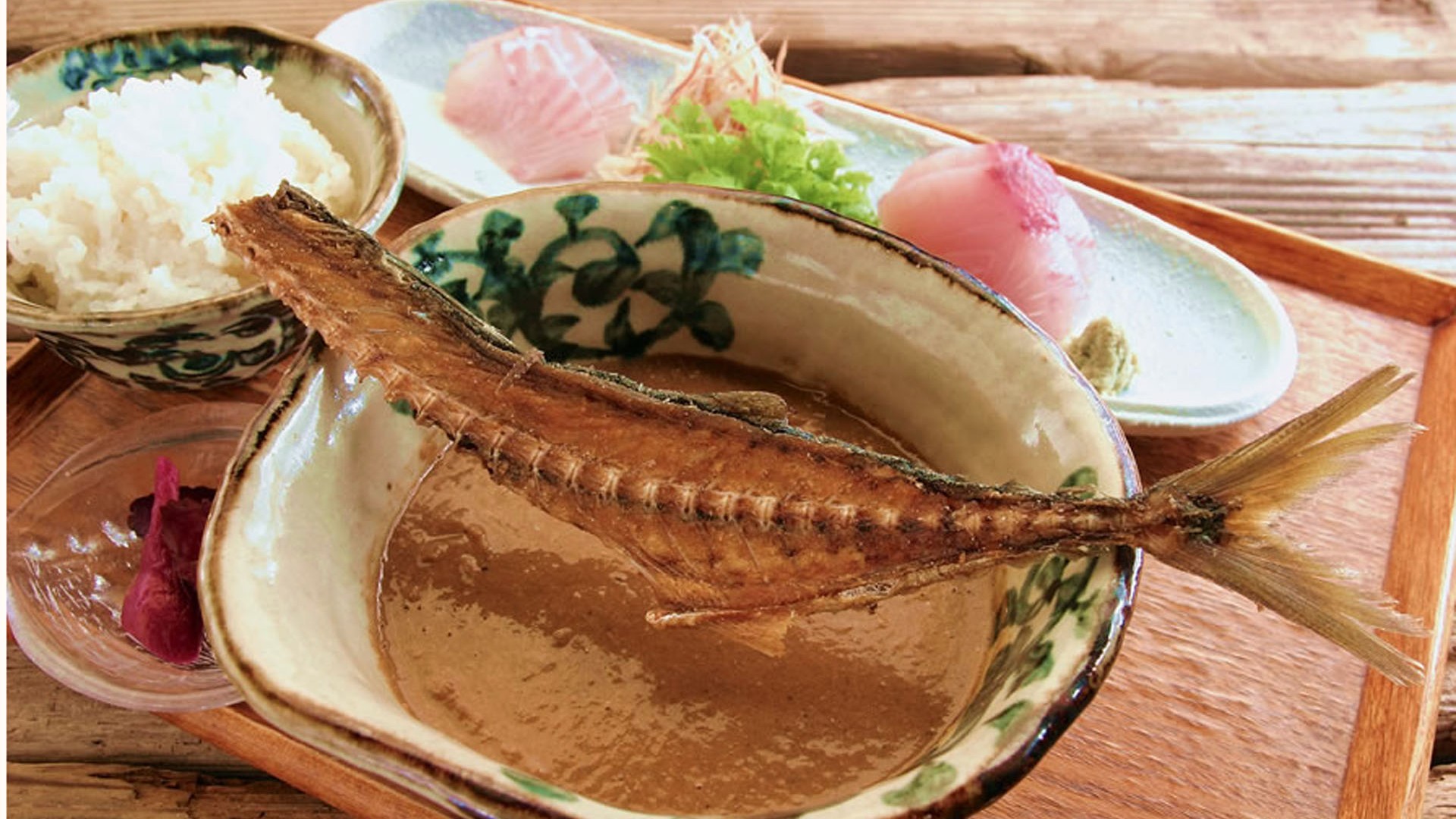
Try some seasonal seafood from the Shonan area
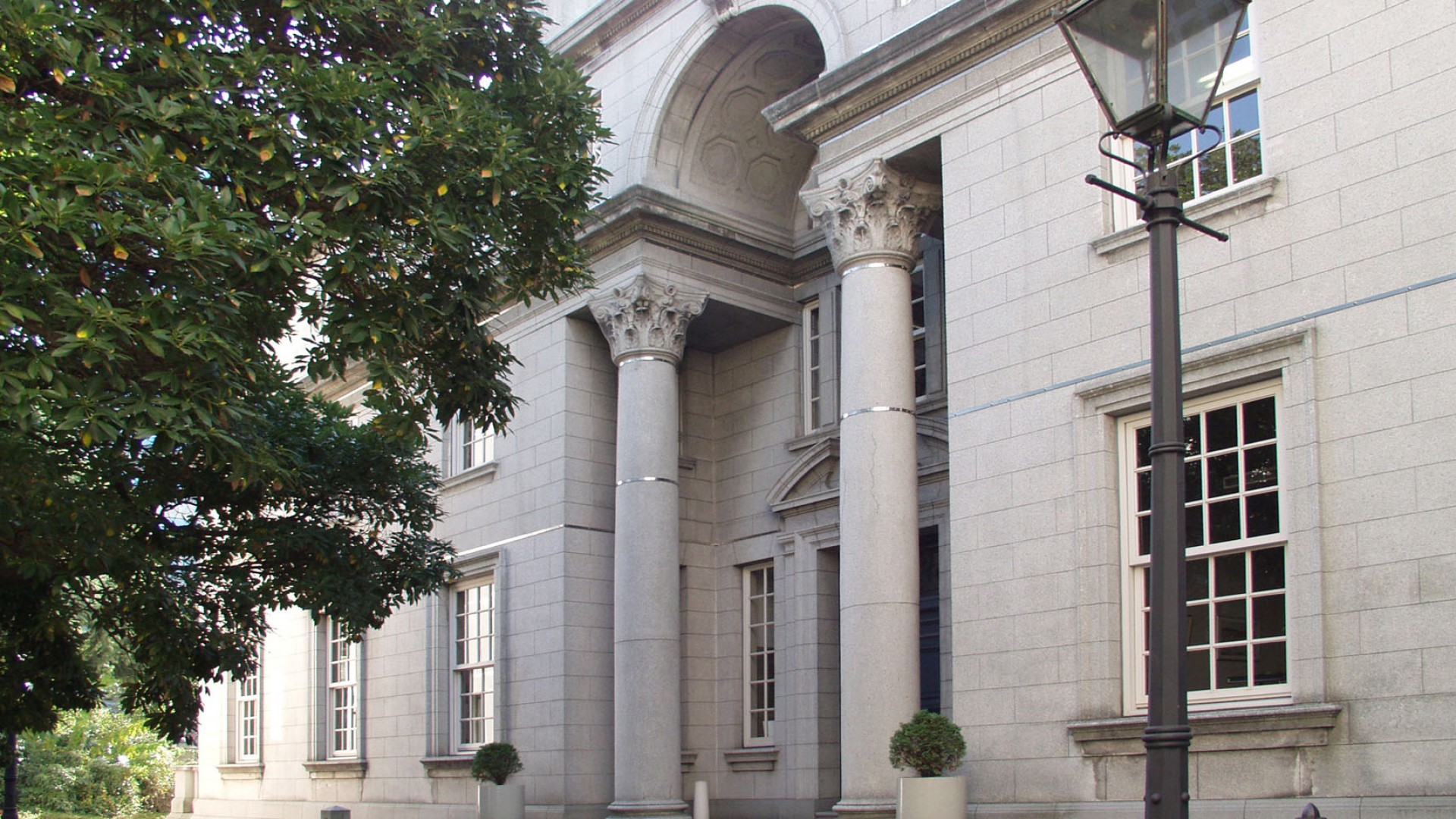
Displays materials on Yokohama history from the end of the Edo period/Opening up of the port period to the beginning of the Showa period. The building was formerly used as the British consulate until 1972. There is a historical camphor tree in the courtyard. *Includes a cafe.Learn the fascinating history of how a small fishing village became the second largest city in Japan. It starts with the landing of Commodore Perry and his black ships.
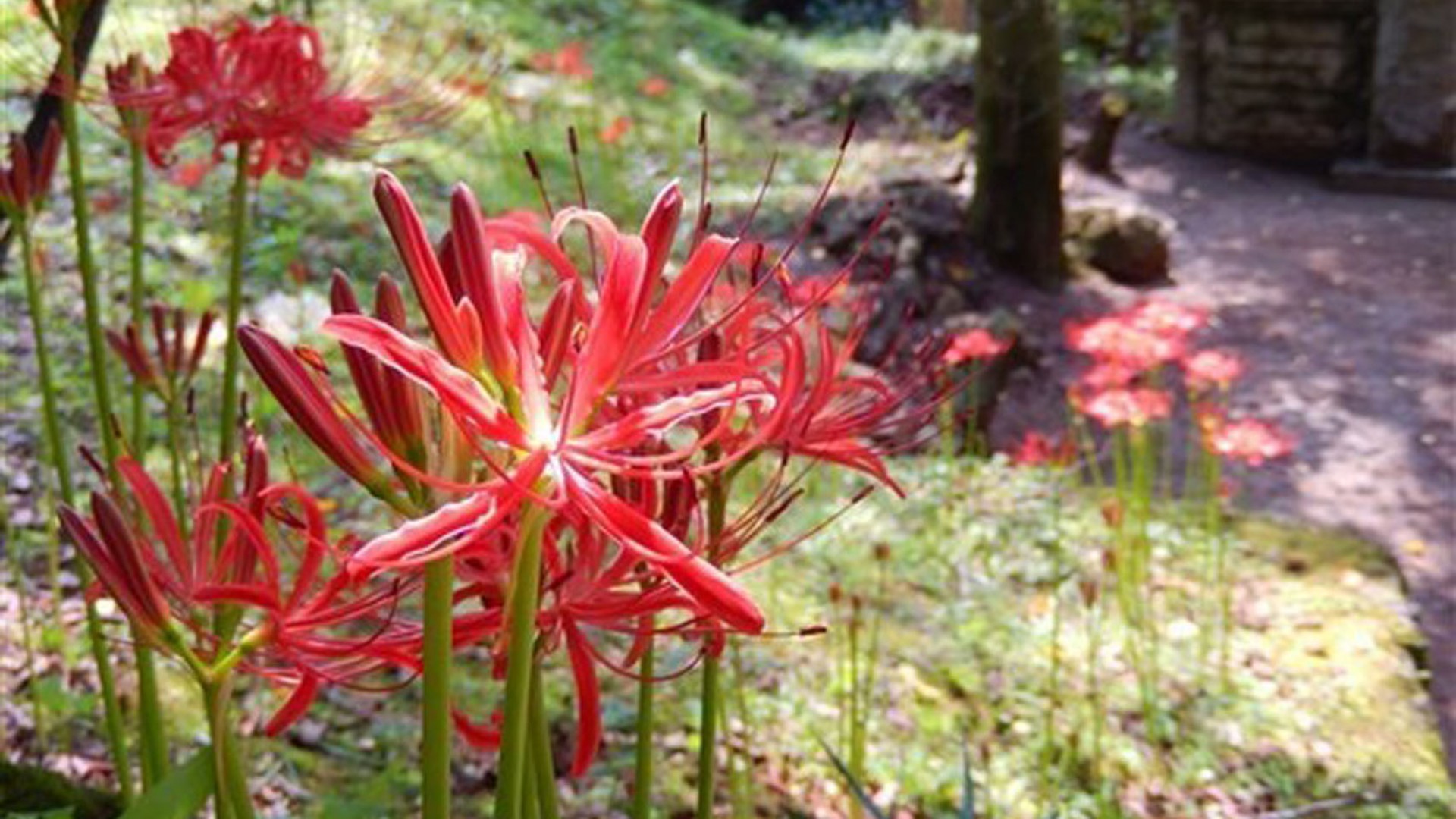
In the Hinata area, Equinox flowers start blossoming from mid-September and peak in late September. Accompanied by the green mountains and yellow rice flowers, they paint another layer of elegant colors for the mountains. Information about the blossom can be viewed on the homepage of Isehara Tourist Association.
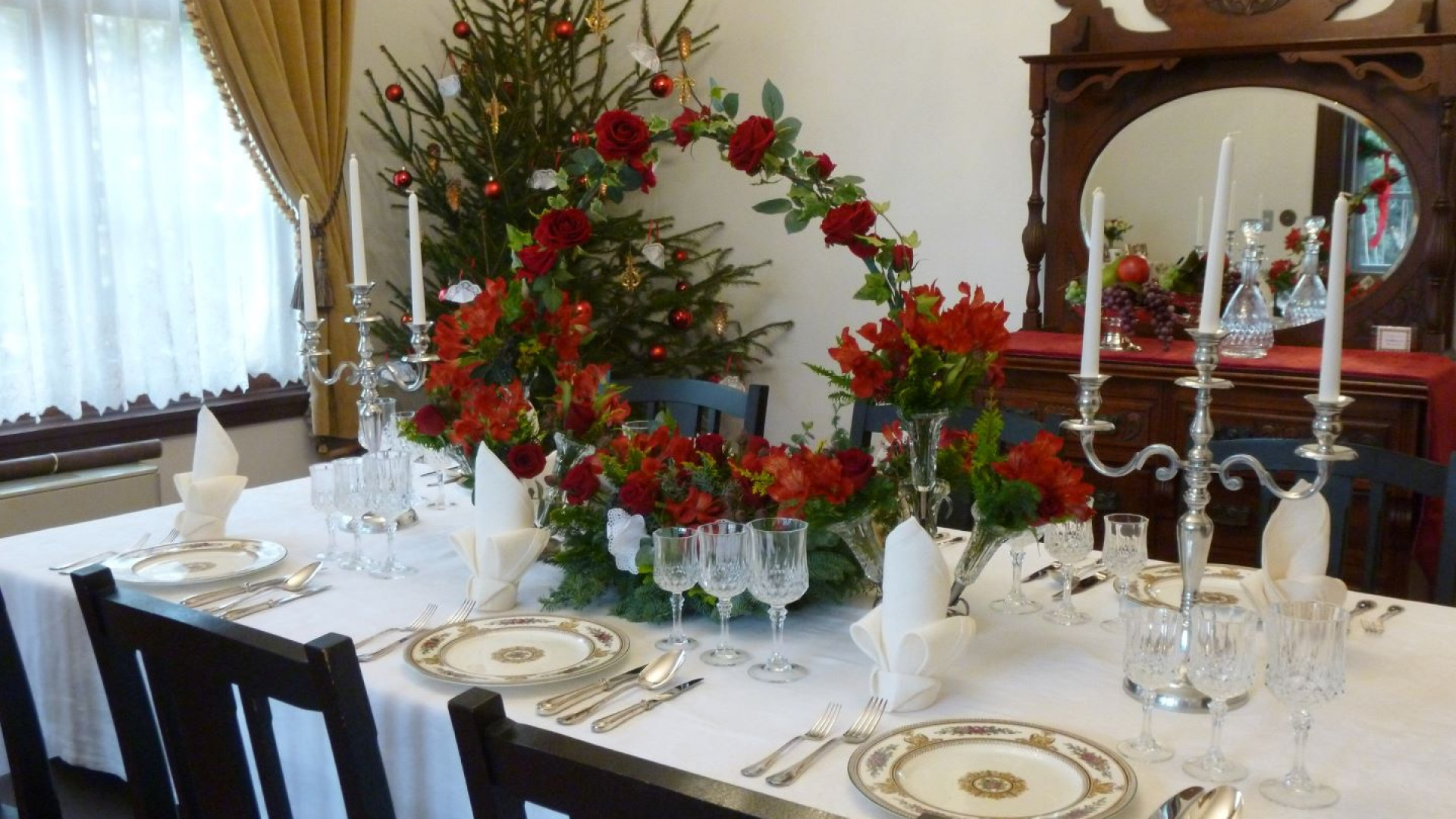
Each of the eight western style buildings will decide on a country theme and introduce their country of choices' Christmas decorations and culture. During the event, Yamate 234 will feature holiday lights and Yamate Italia-Yama Garden will host a candlelight garden. Other Christmas-related events (some with fees) will be held at each building.
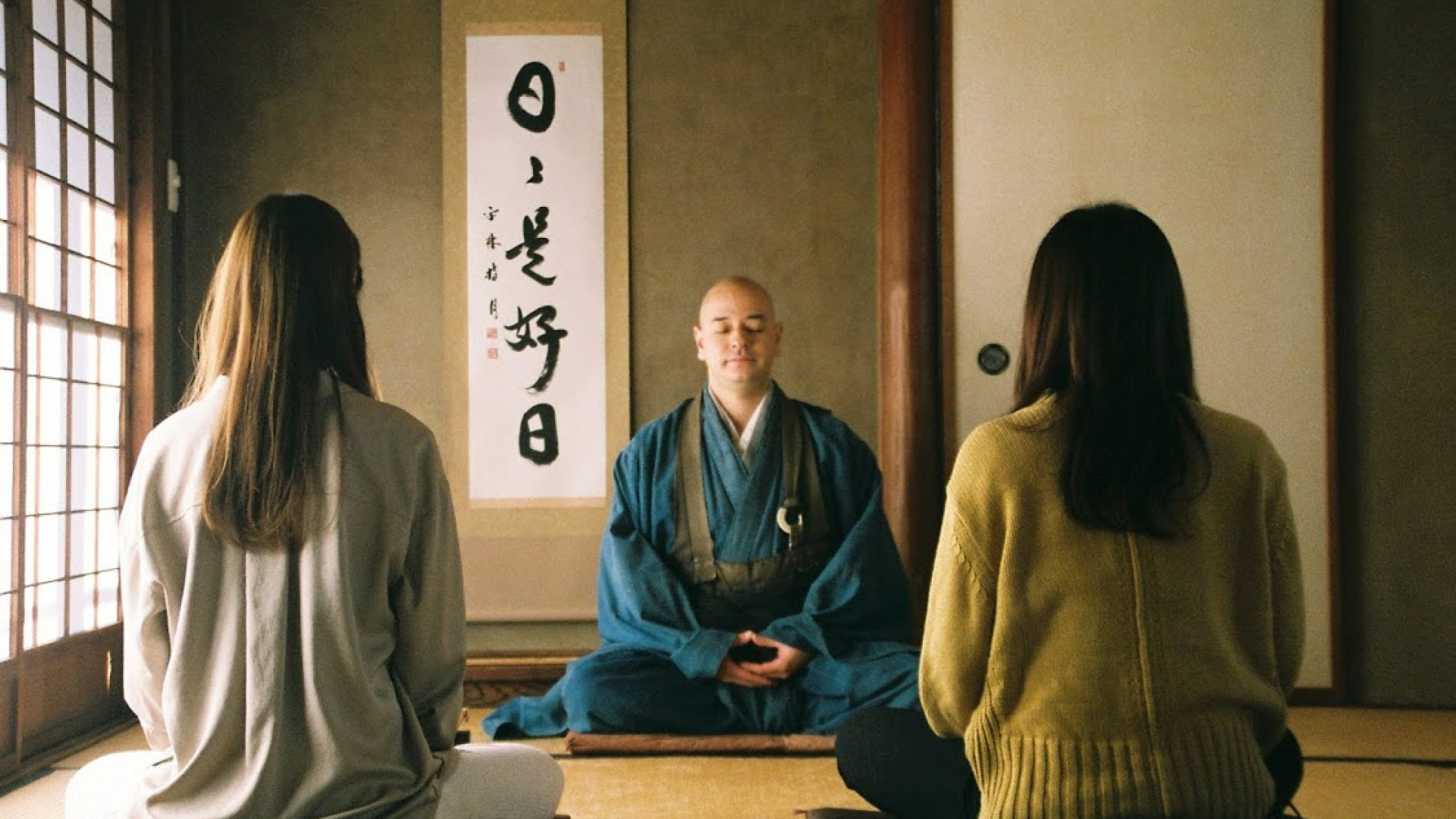
Through zazen, we offer programs promoting calmness in an office environment, improve physical and mental health, and support businesses. Historical methods and scientifically-backed zazen programs are offered in the office, online, or at temples to suit various needs. Experience a zazen session at the temple any time.
Immediately close to Daishi station of Keikyu Daishi line. It is famous for not only shopping area which is about 500m length leading you directly to Daishi-Hirama Temple of Kawasaki with many locally rooted lively shops.
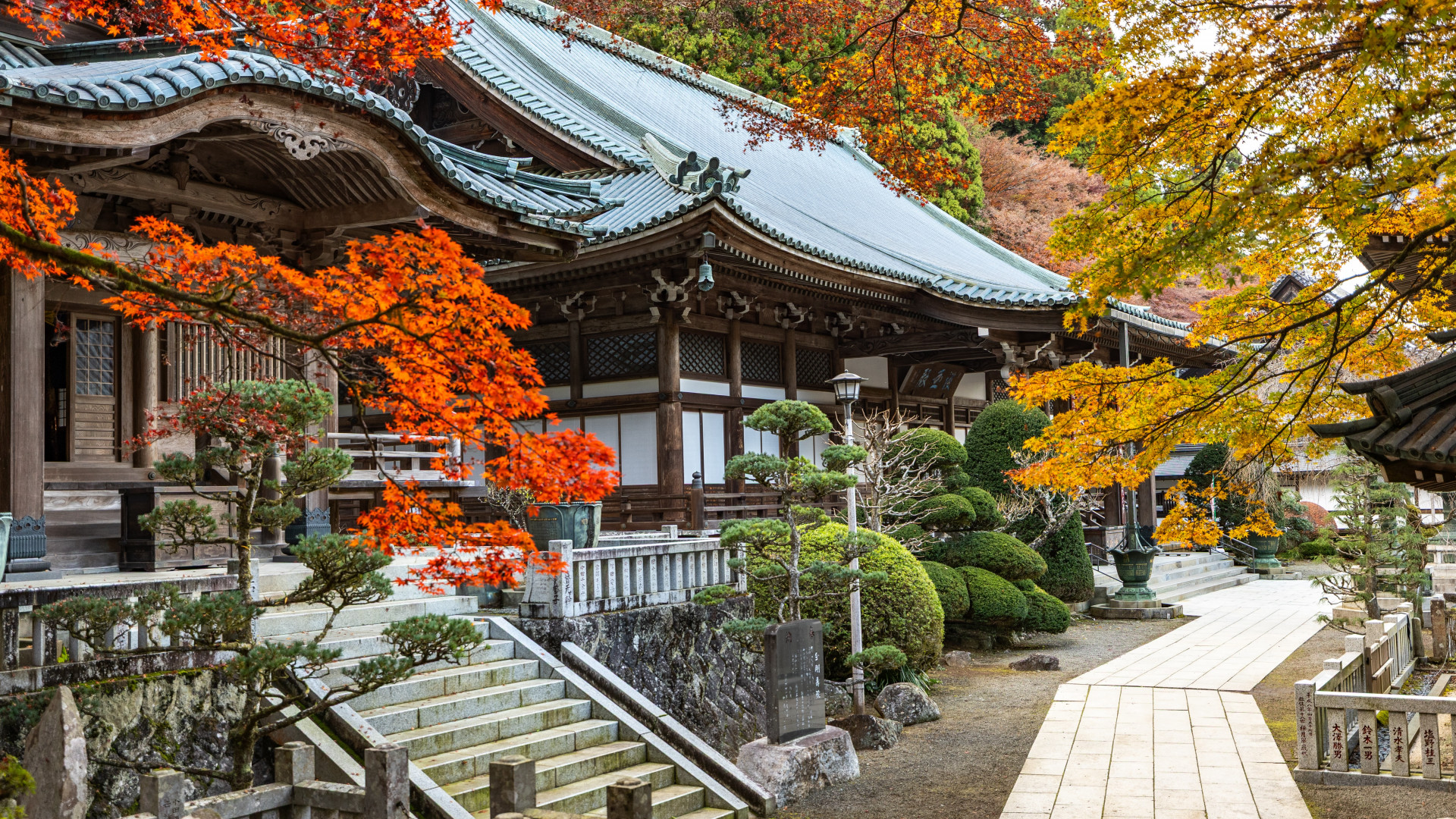
Founded in 1394 by Soto Zen monk Ryoan Emyo Zenji, this ancient temple is a Soto sect training center renowned as one of the sect's three major prayer temples. Its natural beauty changes with the seasons, with its autumn foliage illuminated at night for seasonal viewing. Prayer services, zazen meditation experiences, and shojin-ryori vegetarian cuisine are available (reservation required). Temple legends feature tengu (mountain bird-like goblins), and the main hall enshrines the world's largest iron geta (wooden clogs).A unique aspect of this temple is its larger than life geta. These wooden sandals are left out for the tengu, winged spirits, that guard the temple grounds. The shoes vary in size, and some are even as tall as humans. Be sure not to miss this popular photography spot!One of the most sacred places in the Kanto region. Zen meditation sessions are held every second and fourth Sunday and Buddhist statue carving lessons every second and fourth Saturday of the month. There are spiritual spot tours around the grounds and other events as well.
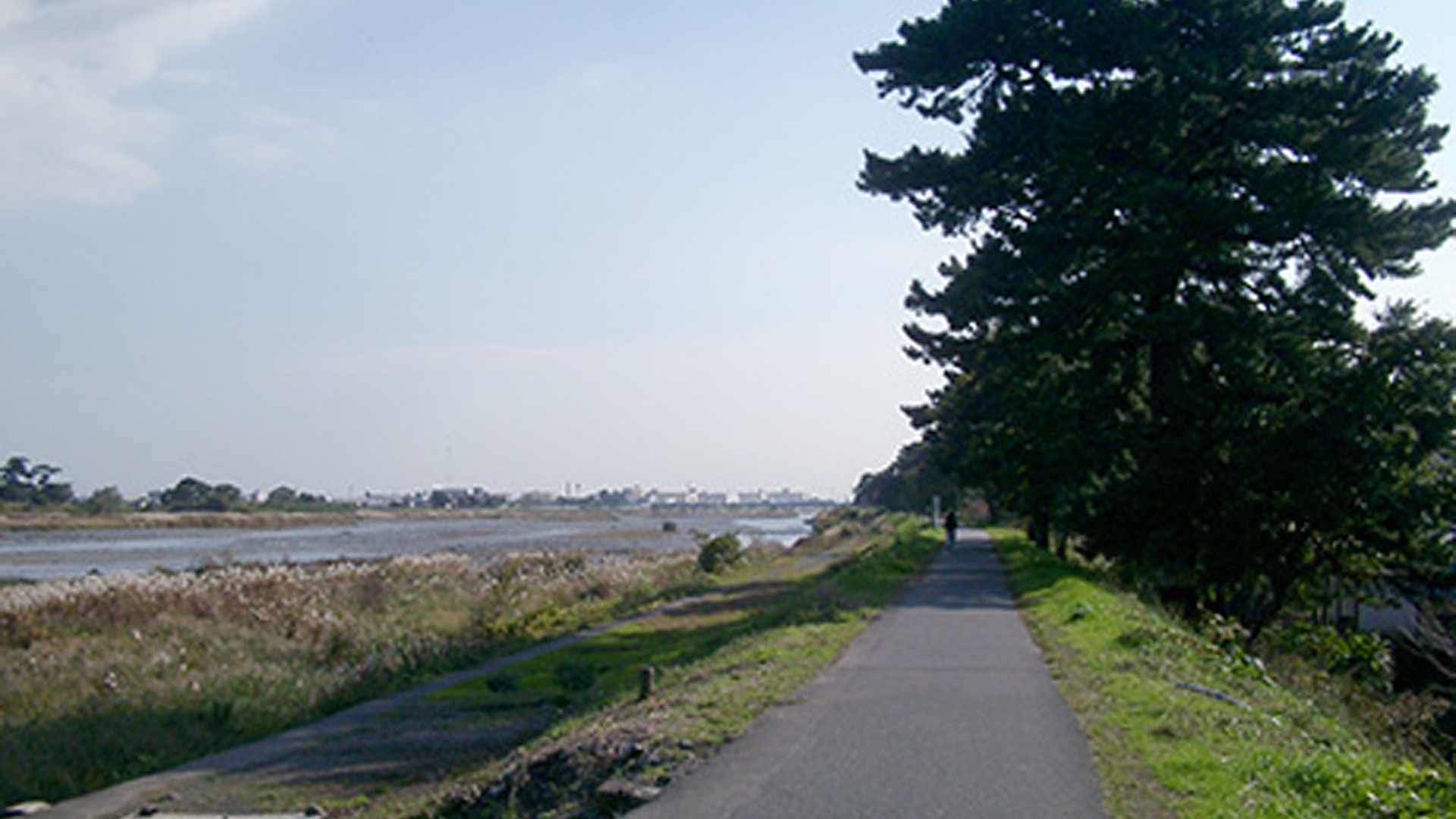
It is said that the 400 black pines by the levee up to the estuary were planted by Ninomiya Sontoku, an agricultural leader of the Edo era, with money he received as rewards from his nursemaid.
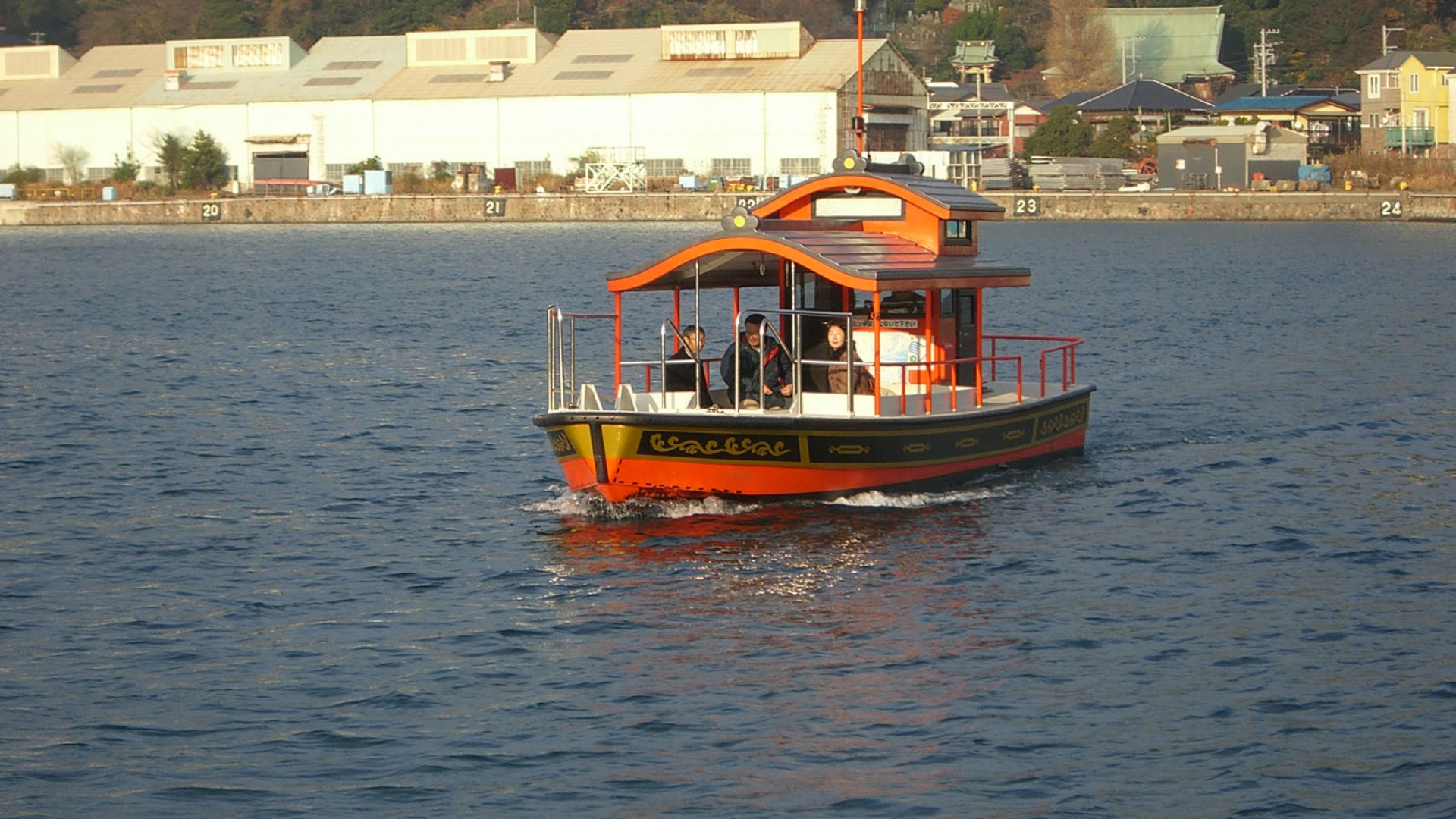
A poetic symbol in the uraga inlet. It’s a ferry boat connecting two points in the town apart with inlet. It's an unusual municipal road (Route2073) with a long history since Edo period
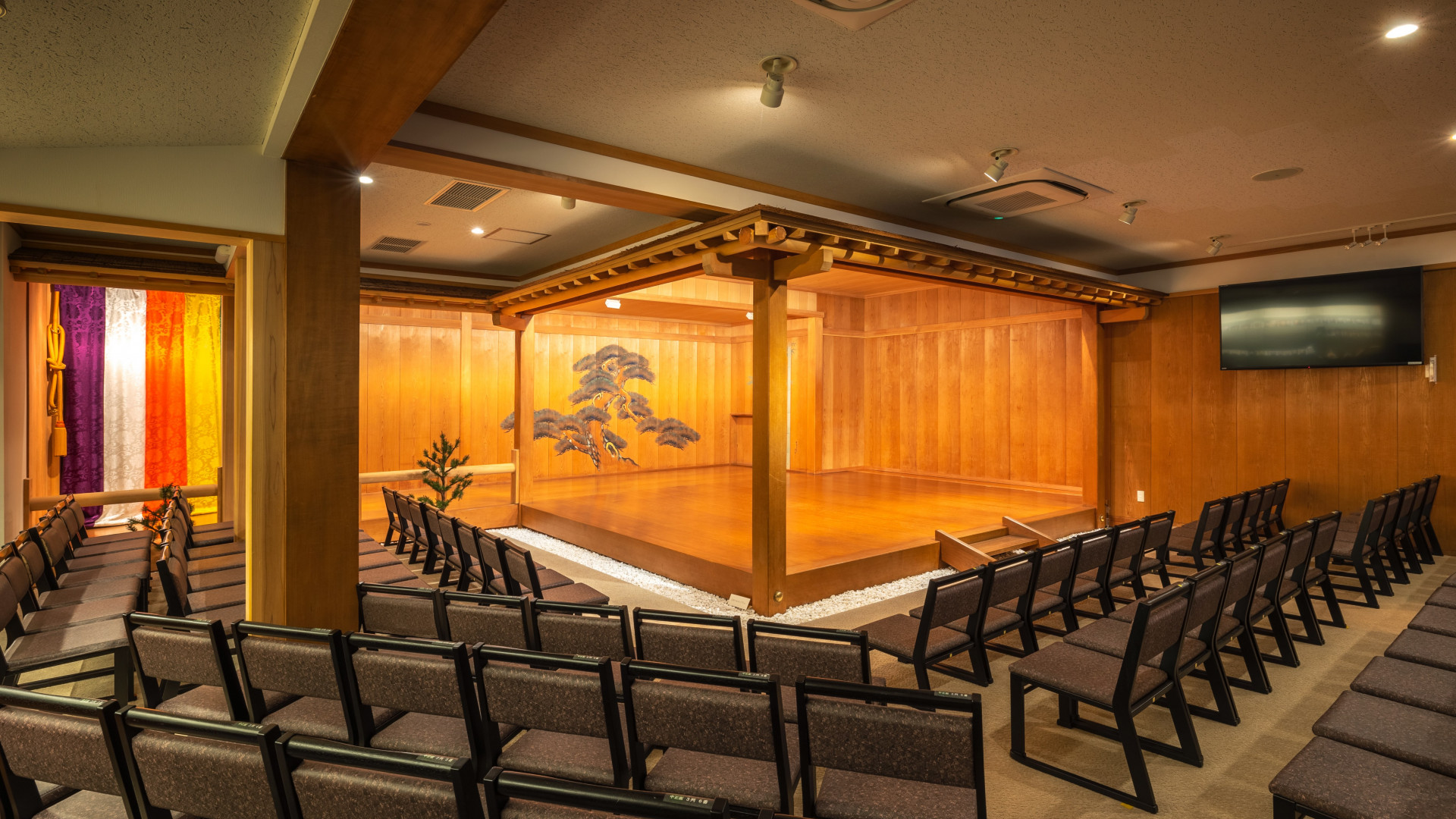
It was established in 1970 near the Great Buddha in Kamakura, an ancient city in Kanagawa Prefecture, aiming to promote and popularize traditional Japanese "Noh" theater (UNESCO World Intangible Cultural Heritage). The stage can also be rented in addition to the regular performances called "Noh wo Shirukai®.” It features a Noh theater museum with the stage, Noh masks, and costumes exhibited. A Japanese-style cafe was also opened in 2022.