
Greater Tokyo

See & Do

reset
Odawara Hojo Godai Festival

Odawara Hojo Godai Festival

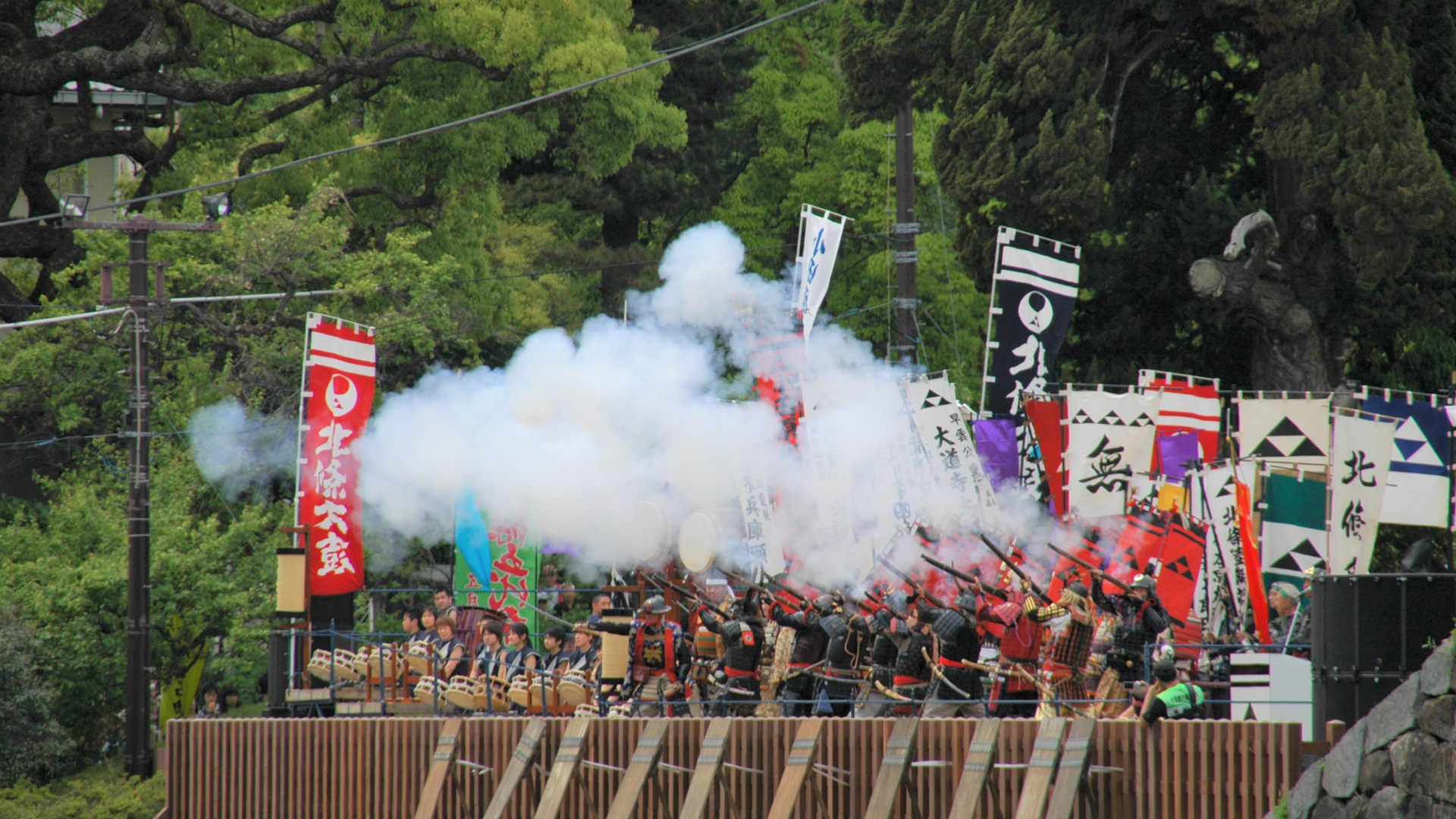
This is Odawara City's largest festival to honor the Hojo clan, a set of feudal lords who reigned over the Kanto region for five generations for about 100 years during the Warring States Period, a time of fierce rivalry between the warriors, and who created a nation with the ideal of the well-being of its people. A total of 1,700 people parade in the city in a heroic procession of warriors, mainly modeled after the five successive lords of the Hojo clan, with the participation of local brass bands, the Ground Self-Defense Force, and other musical groups, as well as portable shrines and other town groups. In addition, there will be a firing performance by the Hojo Tepposhu and a performance by the Fuuma Ninjas in the streets.

Culture & Arts Tokaido Koshu kaido KANAGAWA
Karasuoyama

Karasuoyama

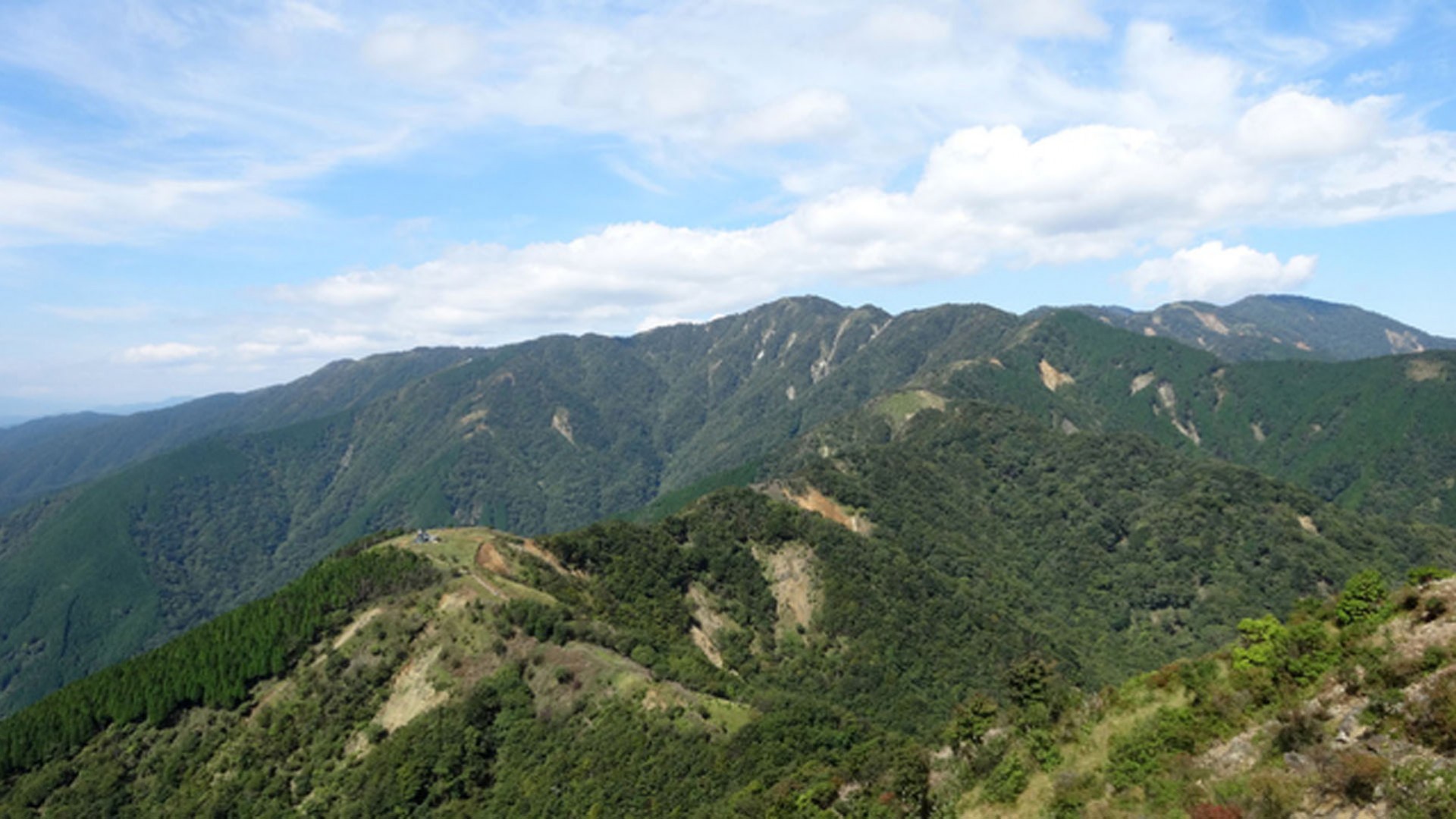
Atop Mt. Karasuo, one can enjoy a fully panoramic view of Hadano city over the San-no-tou Ridge and the mountains of the Omote Ridge, such as San-no-tou and Tonotake. The origin of the name "Mt. Karasuo" is said to have come from an ascetic practitioner on this mountain, who prayed to a crow that flew over during his asceticism for blessings and the fulfillment of his ascetic practices.Please use the "Tanzawa Omote Ridge Traverse Course" as a reference and plan your hike accordingly.Early morning trekking allows you to enjoy a special experience with fewer people and clear air.

Nature & Views Tokaido Koshu kaido KANAGAWA
Yama-no-hotel

Yama-no-hotel

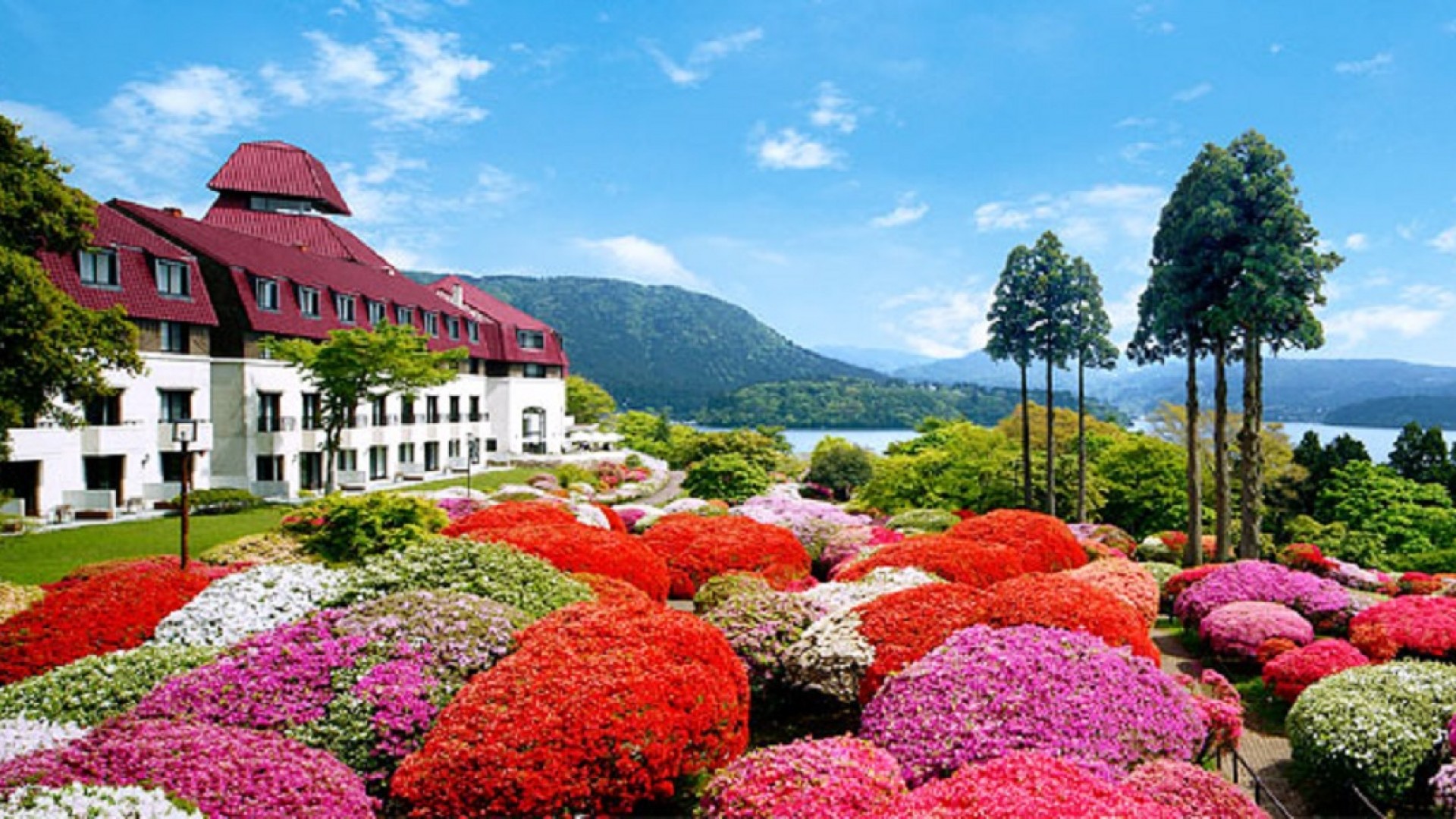
The Odakyu Hotel de Yama, located on the shores of Lake Ashi in Hakone, is an authentic resort hotel in an unbeatable location, with Lake Ashi sparkling before your eyes and a magnificent view of Mount Fuji opposite the garden. Built on the site of the former villa of Baron Koyata Iwasaki, the hotel still retains strong traces of its former days and exudes a romantically classic atmosphere. The large garden boasts a vast area that was inherited from the former Iwasaki Residence, designed to make the most of the natural characteristics of the hillside so that the flowers and trees of the four seasons grow in harmony with the majestic form of Mt. Fuji, as well as the deep blue waters of Lake Ashi. Colorful azaleas and rhododendrons begin to bloom in May in the vast garden, creating a spectacular view against Mt. Fuji and Lake Ashi in the background. In 2022, the garden's azaleas were recognized as "National Collection No. 10" by the Japan Association of Botanical Gardens, and in 2023, the rhododendrons were recognized as "National Collection No. 15". 230 hydrangeas of 25 varieties bloom from mid to late June. The Rose Garden is at its best twice a year, in June and October, which fills the garden with a sweet fragrance of rose. We hope you enjoy this garden filled with flowers from season to season to your fullest desire!

Onsen & Stay Tokaido Koshu kaido KANAGAWA
Nagashima Nouen

Nagashima Nouen

We have been farming in Yokohama for over 500 years.After cultivating rice and vegetables, raising pigs and chickens, and growing flowers, we began producing “Ohisama Shiitake” in 2012 and “Ohisama Kikurage” in 2014. In addition to prioritizing safety and quality, we aim to share the deliciousness of food, as well as the enjoyment and importance of agriculture. To this end, we offer experiences such as mushroom picking, BBQ, and at-home shiitake growing kits.We are also committed to environmentally friendly, sustainable farming. Electricity generated by solar panels and other renewable energy sources is used in our mushroom cultivation. Spent mushroom beds are not discarded but returned to the fields as compost, creating a sustainable cycle for growing delicious vegetables.At the farm, you can also try experiences such as using a hand-pumped well and entering an air-raid shelter. At our farm stand, in addition to fresh shiitake and kikurage mushrooms, we offer a variety of processed products, including tsukudani, caramel popcorn, and potato chips made with dried shiitake powder, and pasta kits packaged in collaboration with welfare facilities.

Experience & Activities Tokaido Koshu kaido KANAGAWA
Hotel Enmichi

Hotel Enmichi

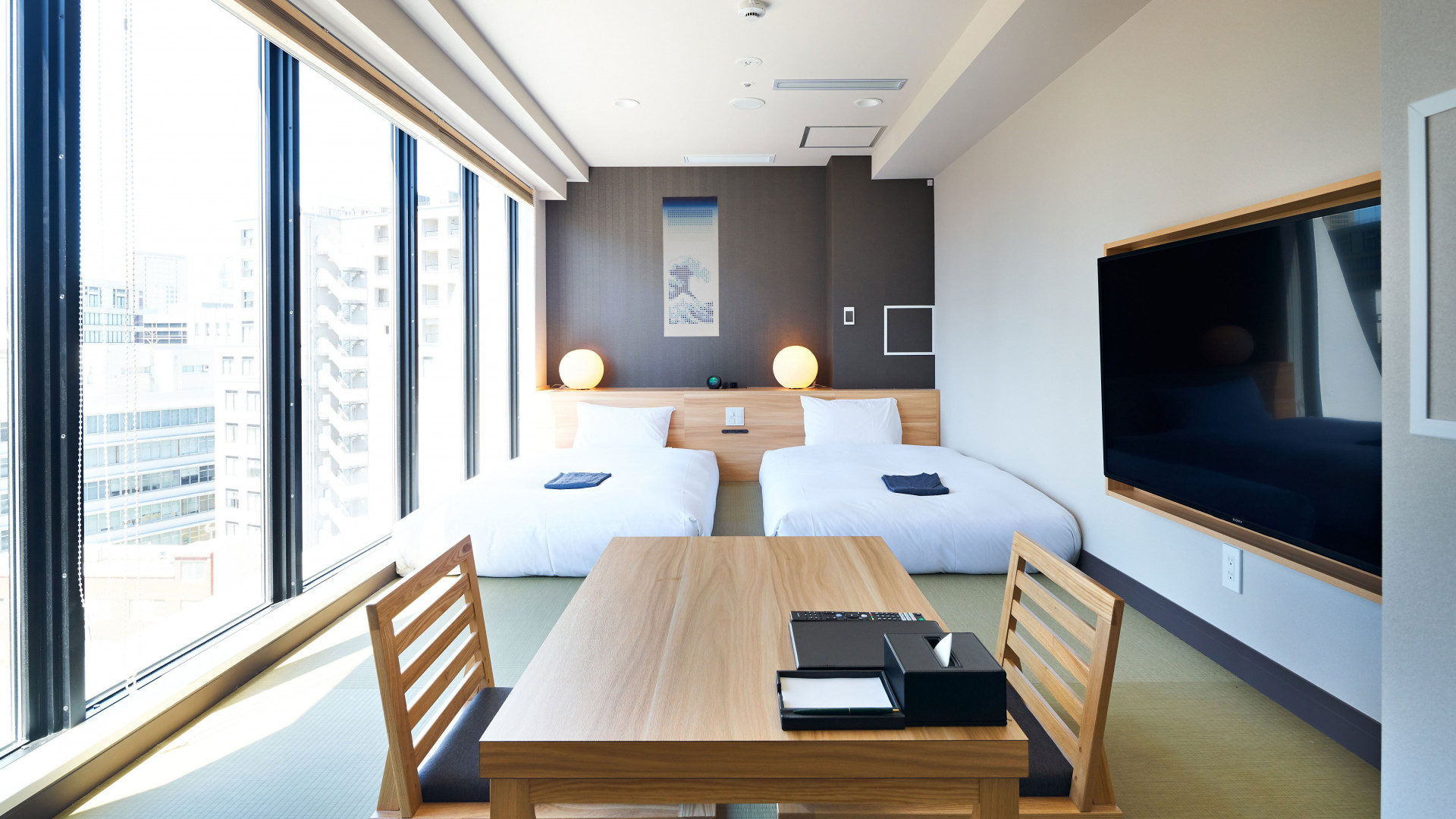
A path to life that connects local life with travelers.Hotel Enmichi is located on the site of what was once the approach to Inage Shrine, the main shrine, from Kawasaki-juku, the second post town on the Tokaido Road's 53 Stations, during the Edo period. It is believed to have been a place where travelers and pilgrims came and went, fostering various "connections." Here, we cherish the history of Kawasaki-juku, and believe in modern times, too, that the daily life of the local area is a tourism resource to be proud of. To this end, we aim to be an inn where various new "connections" are born of intersections between our community and the daily lives of travelers.Endo Restaurant Business Hours: Breakfast: Tuesday-Sunday, 7am–9am (closes once sold out) Lunch: Weekdays, 11:30am–2:30pm (Last order at 1:30pm); Weekends and holidays, 11:30am–3pm (Last order at 2pm) Dinner: Tuesday-Saturday, 5pm–9:30pm (Last order at 9pm) *Closed for dinner on Sundays and Mondays *Subject to change without notice on the day of operation.

Onsen & Stay Koshu kaido Tokaido KANAGAWA
Odawara City Tourism Exchange Center

Odawara City Tourism Exchange Center

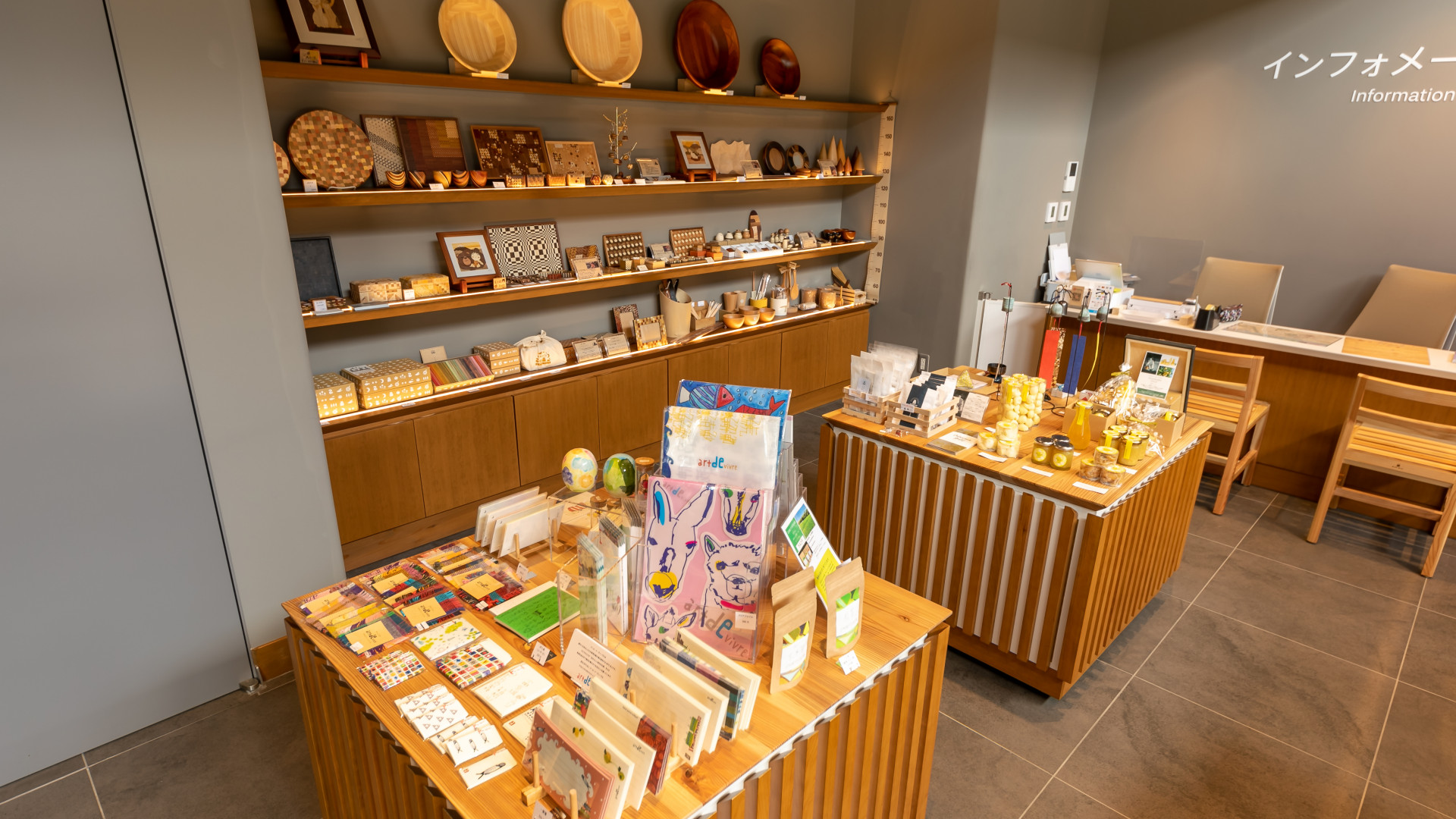
A base facility that distributes information on Odawara tourism and provides content for visitors to experience the traditional culture of the region. This facility also features various hands-on workshops, a café, museum store, bicycle rentals, and rental space. The building itself is made of Odawara cypress and Japanese cedar.Visitors can experience Odawara's traditions and culture through the “Odawara Chochin,” “Yosegi-zaiku,” “Kaisendon,” and a variety of other content that both adults and children will enjoy through same-day reception (no reservations required).

Culture & Arts Tokaido Koshu kaido KANAGAWA
Nasu Seshoseki Gojinka Festival

Nasu Seshoseki Gojinka Festival

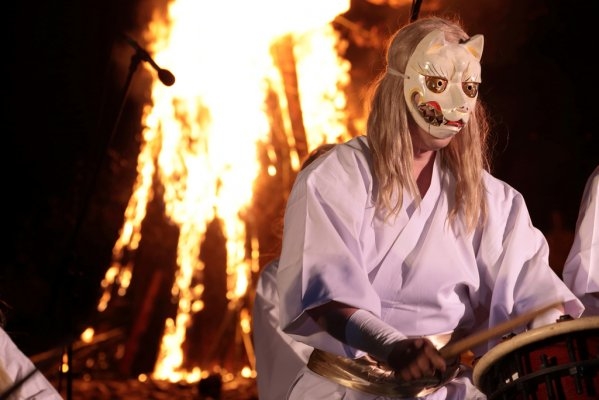
Nasu is known as the largest volcanic zone in Japan. Several large eruptions in the past have claimed many victims here. The villagers in the neighboring area started to cleanse themselves to appease the anger of the mountain, visit Nasu Yuzen Shrine, light the fire of the Avici hell and worship this as gojinka (sacred fire). This then became established as an event to pray for a bumper harvest and sound health before long.   The Gojinka Festival features a parade from Nasu Yuzen Shrine to Sesshoseki by participants attired in white clothing with torches. A large torch (gojinka) is then lit to create a fantastic atmosphere.   While the gojinka burns, the folk entertainment of hakumen konmo kyubikitusne drums is presented at Sesshoseki - the site of the legend of kyubinokitusne (nine-tailed fox). The general public can also participate in the torch parade which involves a walk through the dark.

Nikko kaido Oshu kaido TOCHIGI
Kashi-no-Mori Park

Kashi-no-Mori Park

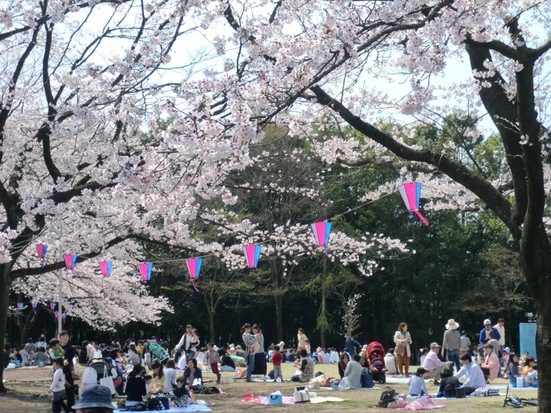
Kashi-no-Mori Park is an oasis for both children and adults throughout the year and is easily accessible by car. A wide range of events are held in the park in early April when visitors come for the “Sakura Festival” in spring. The park is also popular for a fantastic night time viewing of illuminated cherry blossoms. The streets around Kashi-no-Mori Park are lined with cherry blossom trees (north-south 2.3km, east-west 1.3km). Be sure to walk through the stunning cherry blossom tunnelled street with approximately 650 Yoshino cherry trees!

Nikko kaido Oshu kaido TOCHIGI
Kamimizo Summer Festival

Kamimizo Summer Festival

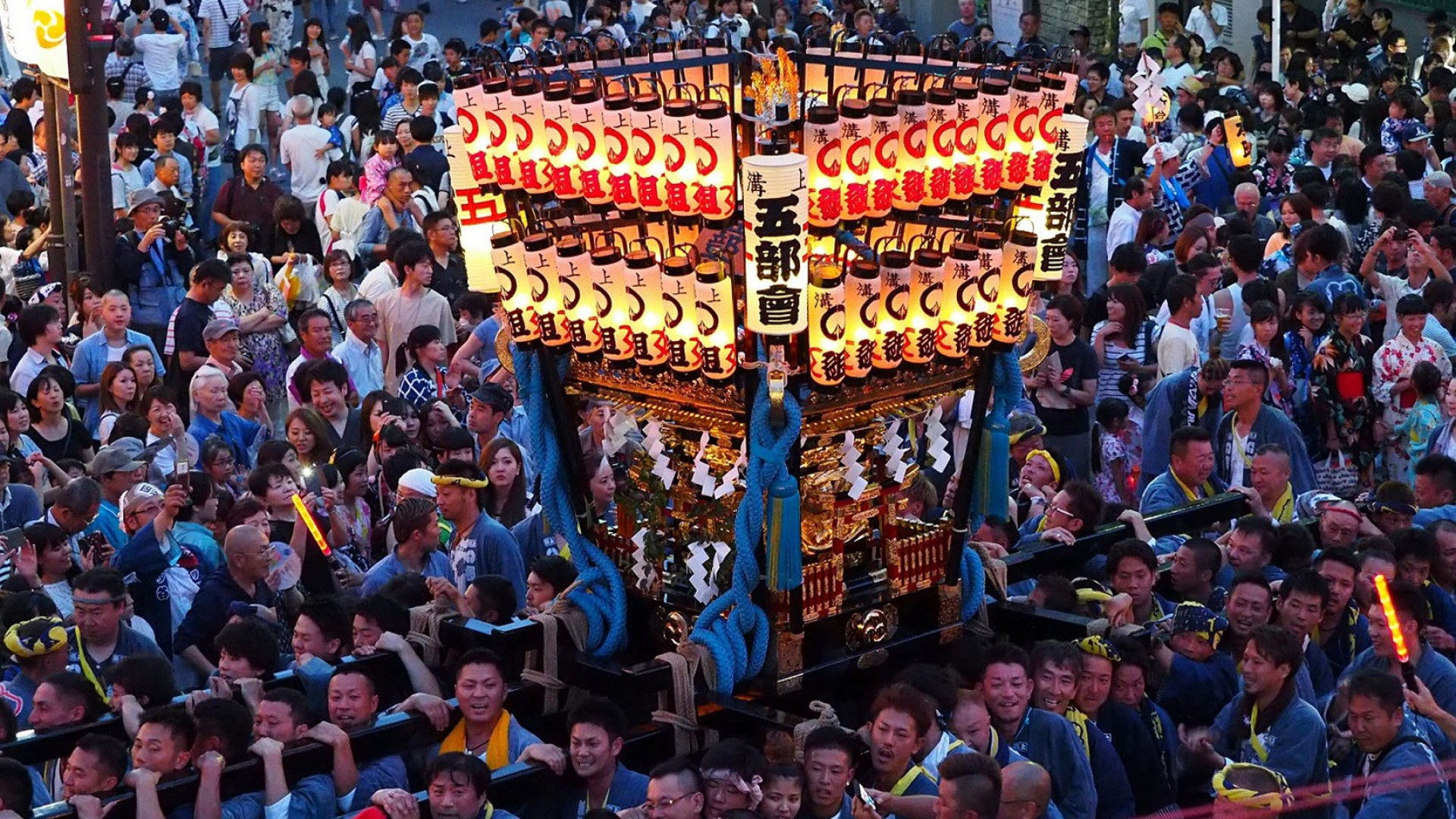
The Kamimizo Summer Festival has been held in Sagamihara since the end of the Edo period (1603-1868). The festival is said to be dedicated to Emperor Ushira, who prays for a good harvest and safety of the family, and is said to have been inspired by the Yasaka Shrine in Kyoto. On Sunday evenings, the local portable shrines (Mikoshi) and floats (Dashi) gather from each town and start a grand procession. Once the evening sun goes down, the lanterns of the portable shrines are lit, creating a fantastic spectacle that is not to be missed.

Culture & Arts Tokaido Koshu kaido KANAGAWA