


Greater Tokyo

See & Do

reset
Oiso no Sagicho

Oiso no Sagicho

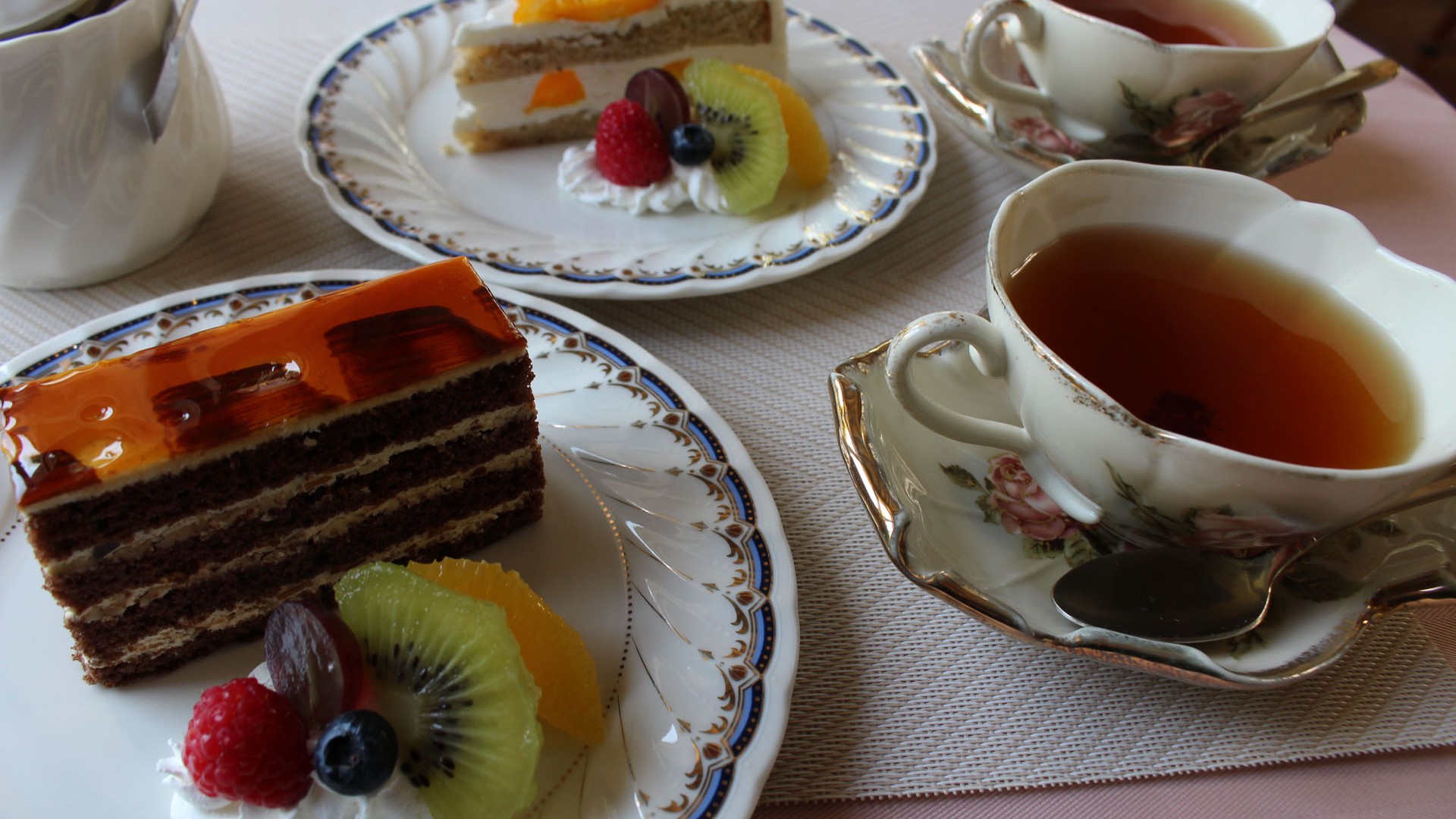
This is a fire festival held during Little New Year (around January 14) that has continued since the Edo period. In summer, nine sites are set up on the beach, which is crowded with bathers, and fire is lit to pray for good health and family safety. The festival is designated as an Intangible Folk Cultural Property of Japan and attracts many people every year. It is said that if you eat dumplings cooked over the fire you will not catch a cold, and if you write your name on a piece of paper that you burned and it flies up high it will make your arms grow longer, and if you take a pine cinder and put it on your roof it will be a charm to ward off fire.

Culture & Arts Tokaido Koshu kaido KANAGAWA
Nagashima Nouen

Nagashima Nouen

We have been farming in Yokohama for over 500 years.After cultivating rice and vegetables, raising pigs and chickens, and growing flowers, we began producing “Ohisama Shiitake” in 2012 and “Ohisama Kikurage” in 2014. In addition to prioritizing safety and quality, we aim to share the deliciousness of food, as well as the enjoyment and importance of agriculture. To this end, we offer experiences such as mushroom picking, BBQ, and at-home shiitake growing kits.We are also committed to environmentally friendly, sustainable farming. Electricity generated by solar panels and other renewable energy sources is used in our mushroom cultivation. Spent mushroom beds are not discarded but returned to the fields as compost, creating a sustainable cycle for growing delicious vegetables.At the farm, you can also try experiences such as using a hand-pumped well and entering an air-raid shelter. At our farm stand, in addition to fresh shiitake and kikurage mushrooms, we offer a variety of processed products, including tsukudani, caramel popcorn, and potato chips made with dried shiitake powder, and pasta kits packaged in collaboration with welfare facilities.

Experience & Activities Tokaido Koshu kaido KANAGAWA
Nasu Seshoseki Gojinka Festival

Nasu Seshoseki Gojinka Festival

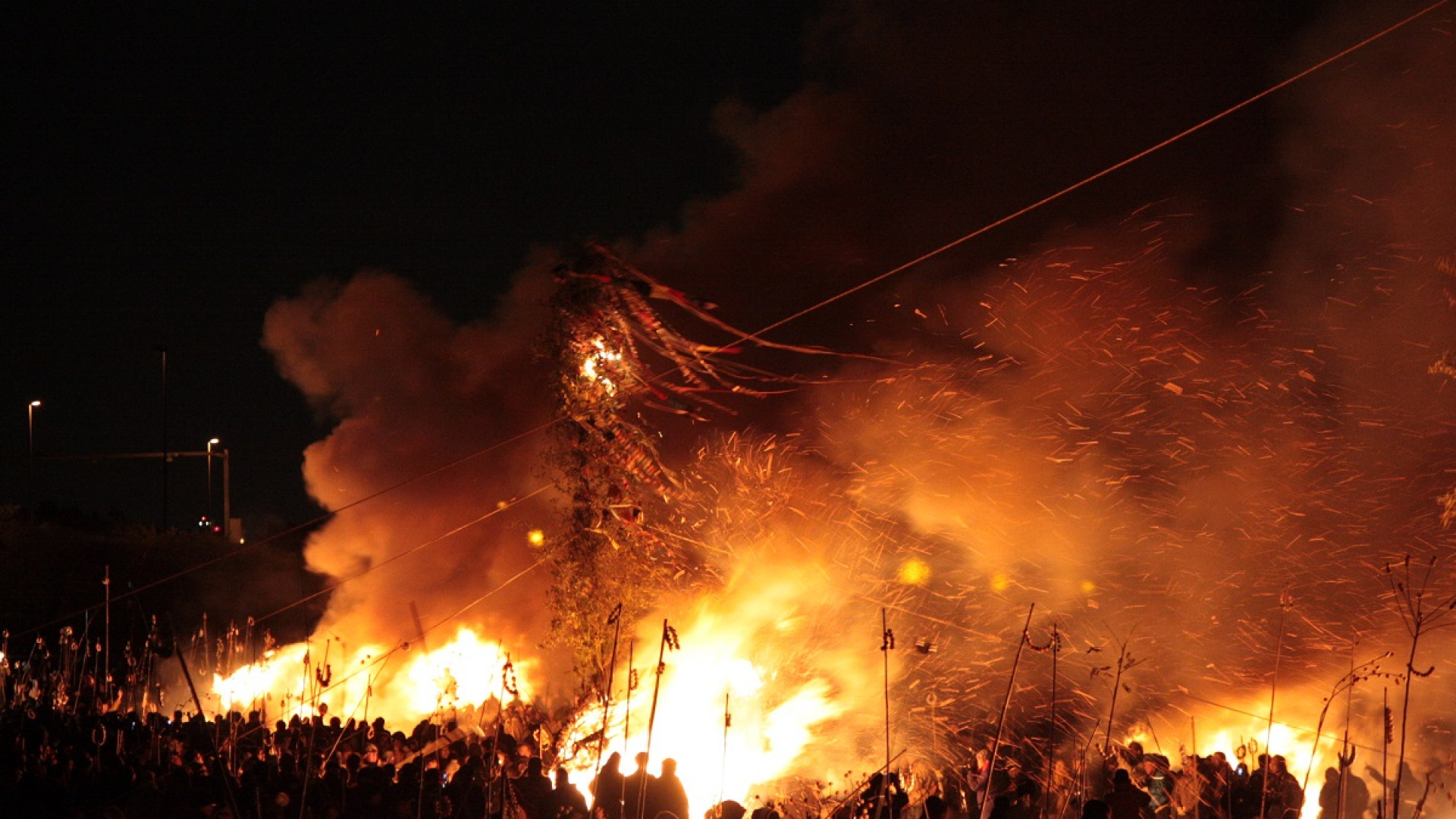
Nasu is known as the largest volcanic zone in Japan. Several large eruptions in the past have claimed many victims here. The villagers in the neighboring area started to cleanse themselves to appease the anger of the mountain, visit Nasu Yuzen Shrine, light the fire of the Avici hell and worship this as gojinka (sacred fire). This then became established as an event to pray for a bumper harvest and sound health before long.   The Gojinka Festival features a parade from Nasu Yuzen Shrine to Sesshoseki by participants attired in white clothing with torches. A large torch (gojinka) is then lit to create a fantastic atmosphere.   While the gojinka burns, the folk entertainment of hakumen konmo kyubikitusne drums is presented at Sesshoseki - the site of the legend of kyubinokitusne (nine-tailed fox). The general public can also participate in the torch parade which involves a walk through the dark.

Nikko kaido Oshu kaido TOCHIGI
Daioji

Daioji

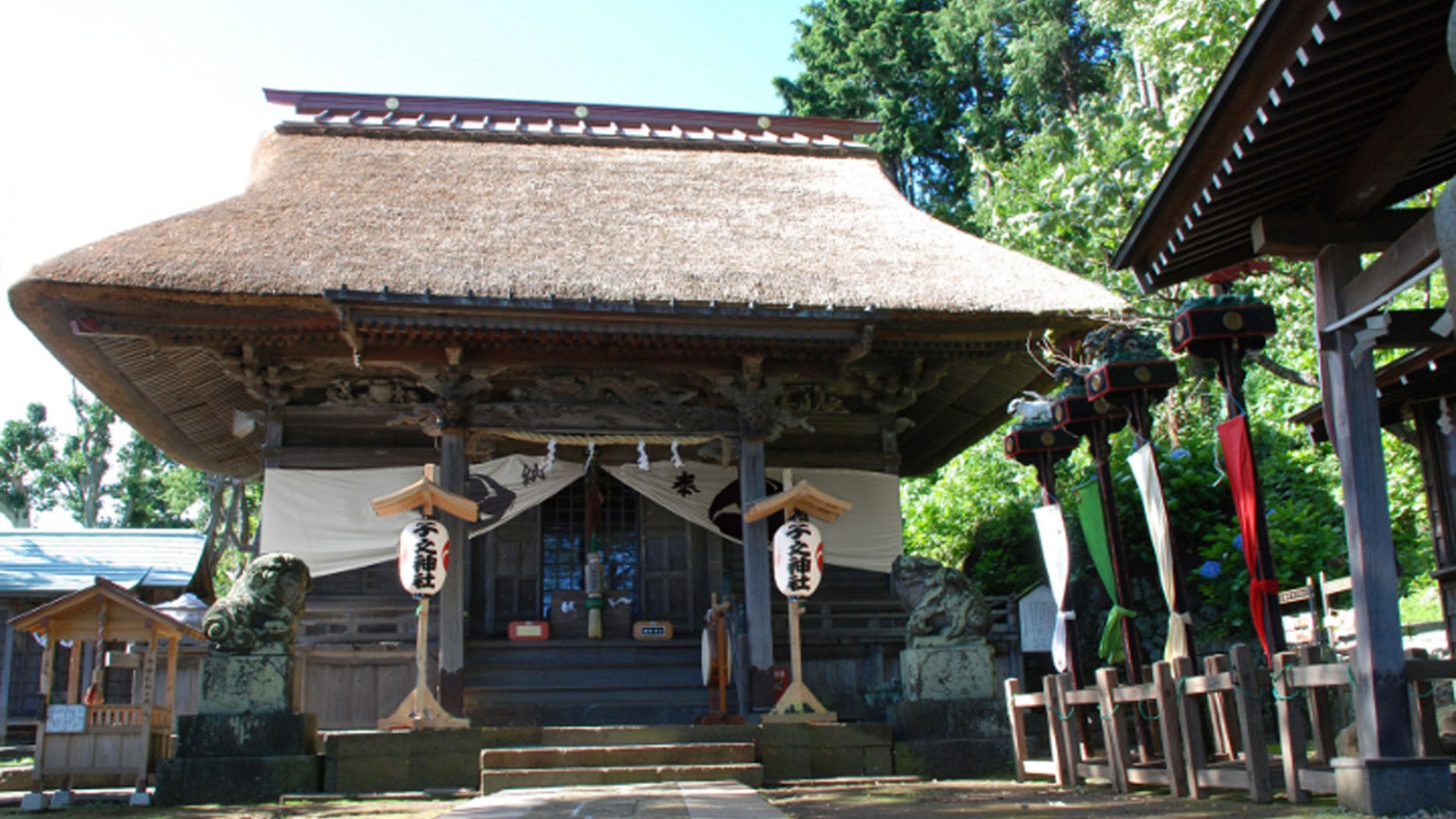
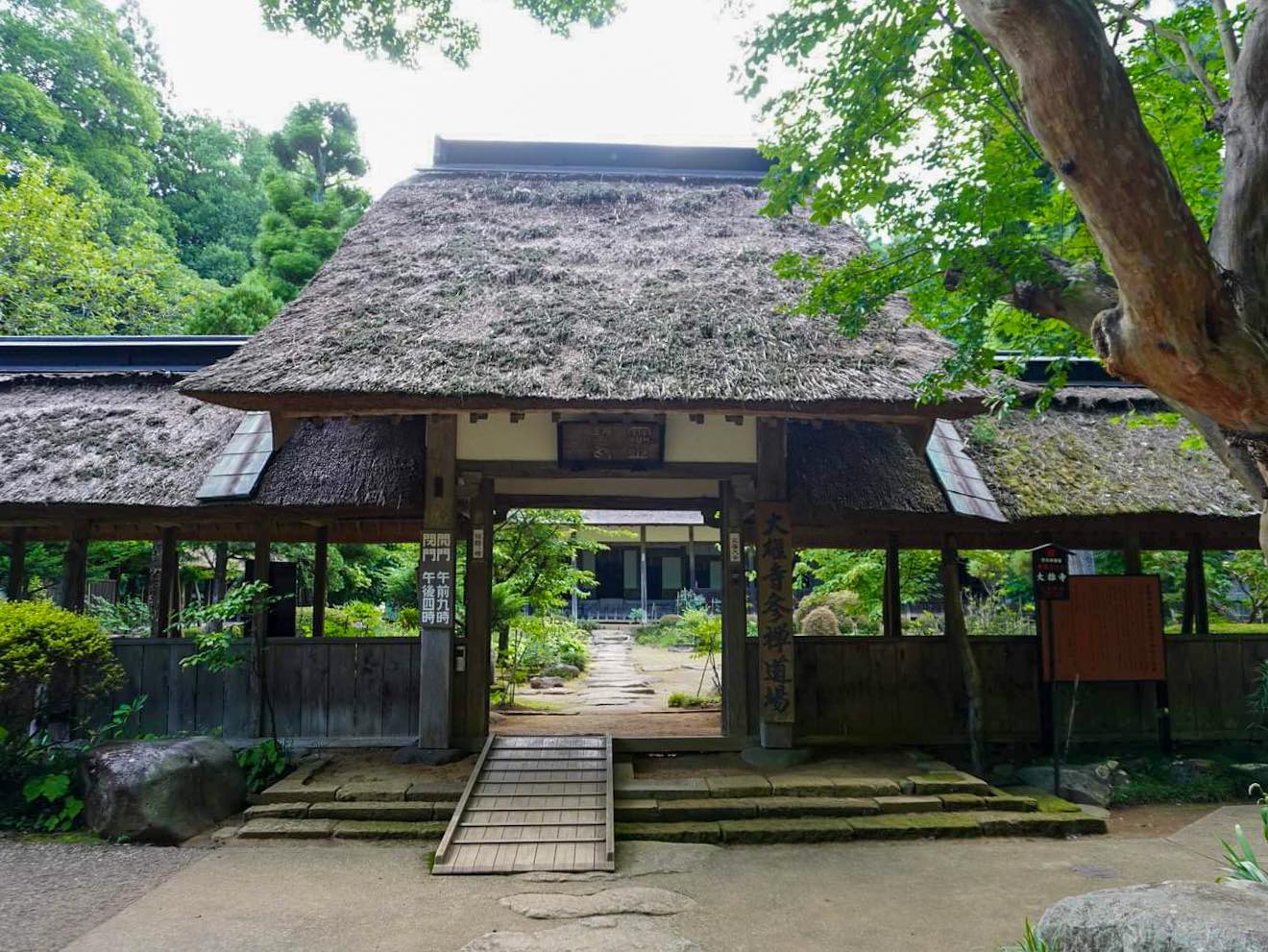
A famous temple built in Muromachi period Daioji Temple belongs to Soto Zen and has over 600 years history. Buildings in the temple are almost thatching that remain the Muromachi architectural style, 7 of these are designated as Important Cultural Properties of Japan. This temple is nearby the Kurobane Castle Park, and was protected by Ozeki clan who ruled Kurobane domain during Edo period.   16 Arhat Statues that have different expressions Walking on Daioji Temple’s stone steps, visitors can find 16 Arhat Statues stand around the step. Each of them has different expression, such as laughing, looking angry or shouting.These statues was built in 1995 for celebrating the 600 anniversaries of Daioji Temple.   Have a Zazen experience in Zen monastery Visitors can try a Zazen experience without any cost at Daioji Temple. If you are interested in Japanese traditional culture, no matter where you from, which religion you belong, everyone is welcomed to experience. All experiences in Daioji Temple need reservation. Make sure you take reservation at least 1 week before your visiting.

Nikko kaido Oshu kaido TOCHIGI
Izumibashi Sake Brewery

Izumibashi Sake Brewery

Founded in 1857, Izumibashi Sake Brewery is not only a sake brewery but also a cultivator of rice. We see sake as an agricultural by-product, and make sake by growing good rice first.The rice paddies glittering with morning sunshine remind you of a good old Japanese morning. Wake up totally refreshed as you take a tasty sip of Japanese sake made of rice harvested from the rice paddy. We have a shop to sell sake in the brewery as well.Early Morning Sightseeing

Sake & Breweries Tokaido Koshu kaido KANAGAWA
Hirugatake Hut

Hirugatake Hut

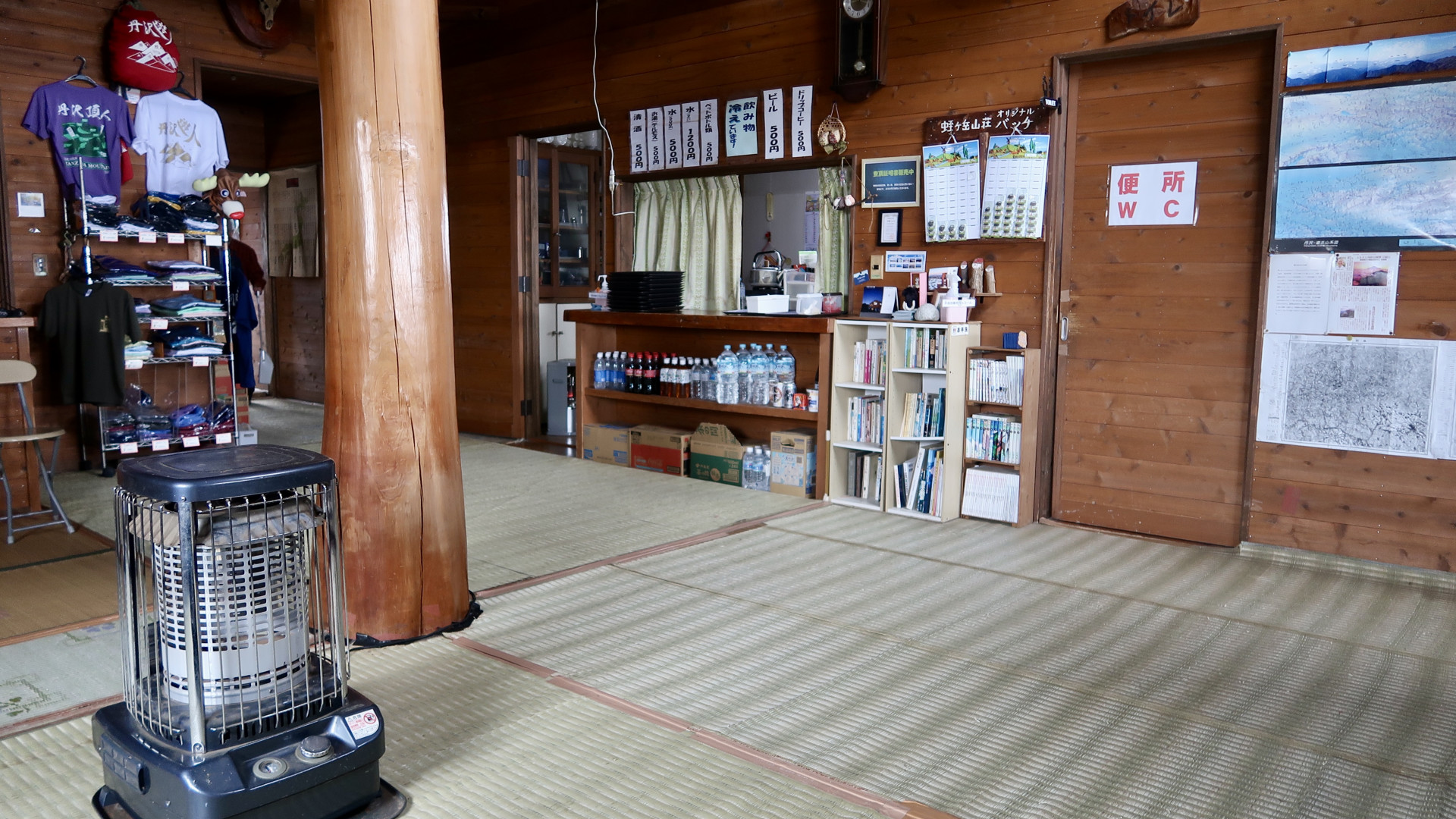
Every citizen of the Kanagawa Prefecture talks about climbing up to the highest peak in the prefecture at least once. Between Inugoetouge and Hinokiboramaru the rhododendron wadanum flowers (azaleas) are the first to bloom, followed by the rhododendron quinquefolium (also a type of azalea) in the beginning of May. In autumn the Japanese larch show off their golden leaves. Mount Hiru allows you to escape the hustle and bustle of the city and feel the mountain in your soul. In summer majestic constellations visible from the summit appear so close that they could almost be reached. In winter you can feel on top of the world as you enjoy the fresh mountain air and a 360 degree night panorama.

Onsen & Stay Koshu kaido Tokaido KANAGAWA
TIVOLI Sweets Factory

TIVOLI Sweets Factory

TIVOLI is confection maker which opened in November 2017 that produces assorted cookies and boasts the top share in the domestic market. This is their only facility for factory tours and direct retail. The theme is “sweet factory for the five senses.” From the second floor, visitors can observe the staff working and the robots moving nimbly as the sweets are produced. They also offer opportunities for guests to try making their own sweets. Small children can also participate. Guests can also enjoy learning about confection production and eat the freshly baked goodies.

Experience & Activities Tokaido Koshu kaido KANAGAWA
Yudate Lion Dance Miyagino

Yudate Lion Dance Miyagino

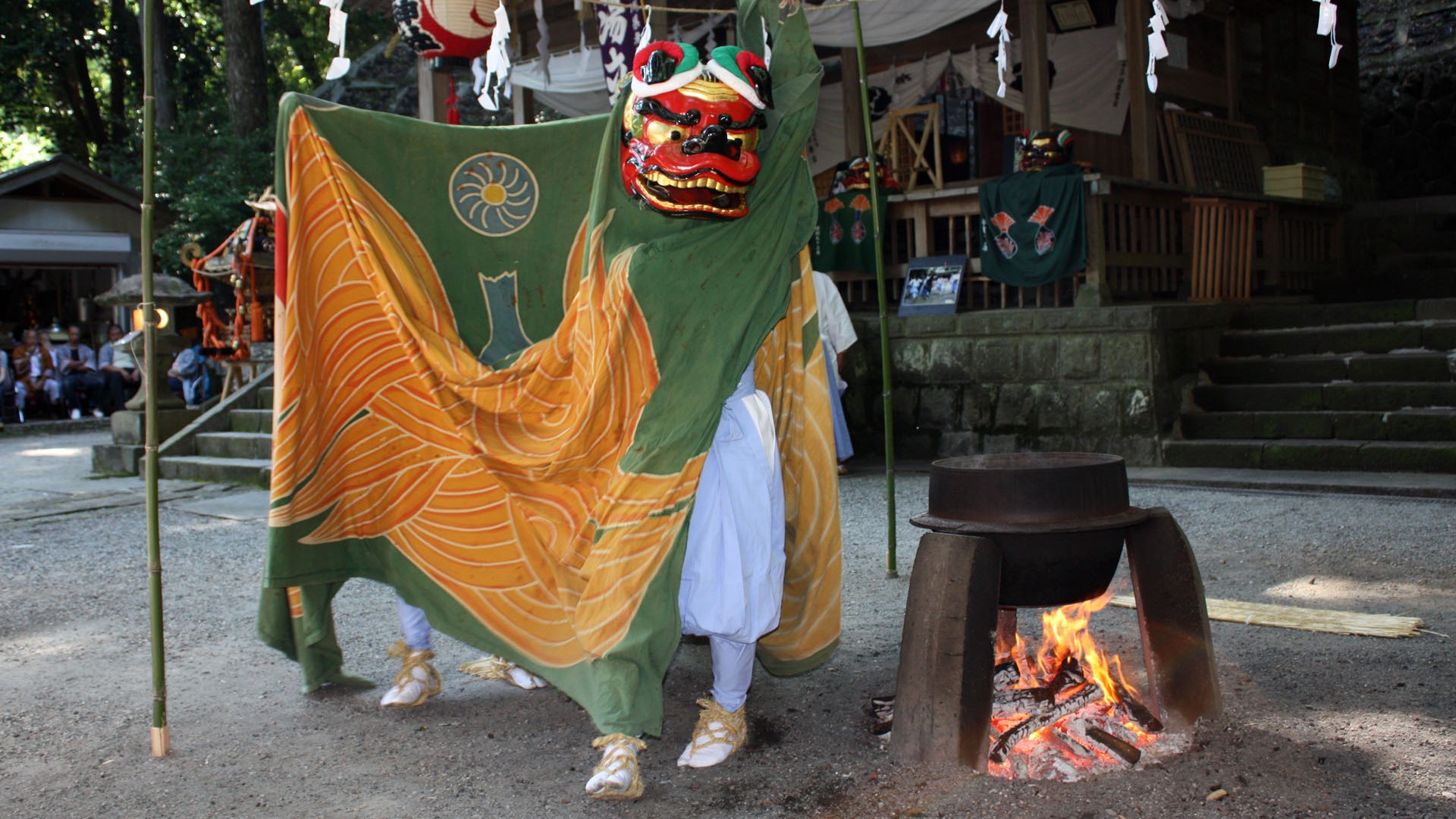
The tradition of Yudate-kagura has been passed on since 1776. Spiritual rituals with the use of boiling water are performed throughout the country, but it is rare to see the performance done by the Shishi, a lion dog deity, as can be seen at this traditional event. Praying for health, safety, and prosperity the Shishi stirs the boiling water with a Kumazasa branch, and flick water from the branch to purify the participating spectators. This traditional event is selected as a National Traditional and Cultural Heritage event, as well as being registered as a Kanagawa prefecture important cultural heritage event.

Culture & Arts Tokaido Koshu kaido KANAGAWA