
Greater Tokyo

See & Do

reset
Izumibashi Sake Brewery

Izumibashi Sake Brewery

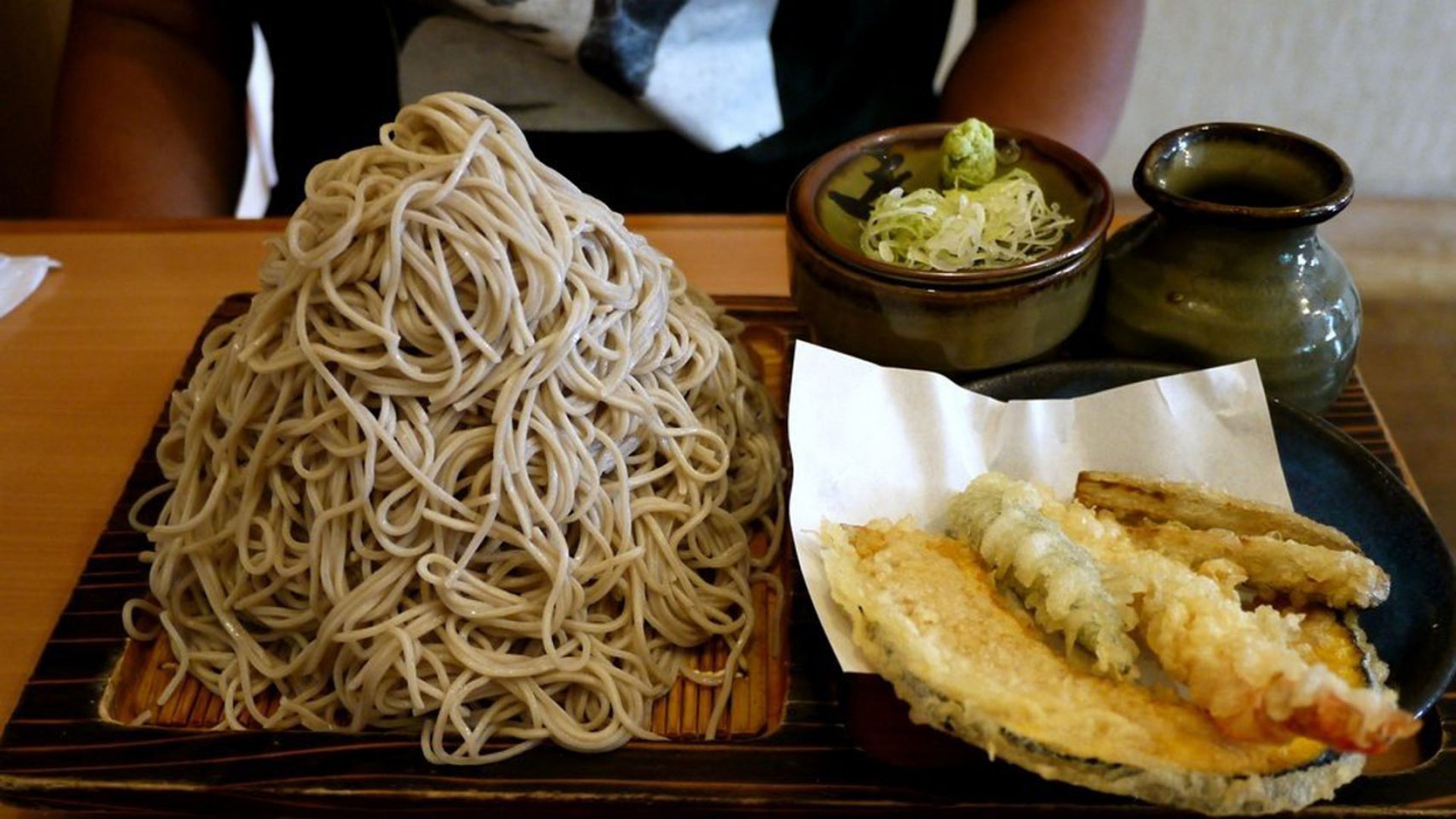
Founded in 1857, Izumibashi Sake Brewery is not only a sake brewery but also a cultivator of rice. We see sake as an agricultural by-product, and make sake by growing good rice first.The rice paddies glittering with morning sunshine remind you of a good old Japanese morning. Wake up totally refreshed as you take a tasty sip of Japanese sake made of rice harvested from the rice paddy. We have a shop to sell sake in the brewery as well.Early Morning Sightseeing

Sake & Breweries Tokaido Koshu kaido KANAGAWA
Hirugatake Hut

Hirugatake Hut

Every citizen of the Kanagawa Prefecture talks about climbing up to the highest peak in the prefecture at least once. Between Inugoetouge and Hinokiboramaru the rhododendron wadanum flowers (azaleas) are the first to bloom, followed by the rhododendron quinquefolium (also a type of azalea) in the beginning of May. In autumn the Japanese larch show off their golden leaves. Mount Hiru allows you to escape the hustle and bustle of the city and feel the mountain in your soul. In summer majestic constellations visible from the summit appear so close that they could almost be reached. In winter you can feel on top of the world as you enjoy the fresh mountain air and a 360 degree night panorama.

Onsen & Stay Koshu kaido Tokaido KANAGAWA
Yudate Lion Dance Miyagino

Yudate Lion Dance Miyagino

The tradition of Yudate-kagura has been passed on since 1776. Spiritual rituals with the use of boiling water are performed throughout the country, but it is rare to see the performance done by the Shishi, a lion dog deity, as can be seen at this traditional event. Praying for health, safety, and prosperity the Shishi stirs the boiling water with a Kumazasa branch, and flick water from the branch to purify the participating spectators. This traditional event is selected as a National Traditional and Cultural Heritage event, as well as being registered as a Kanagawa prefecture important cultural heritage event.

Culture & Arts Tokaido Koshu kaido KANAGAWA
Nasu Seshoseki Gojinka Festival

Nasu Seshoseki Gojinka Festival

Nasu is known as the largest volcanic zone in Japan. Several large eruptions in the past have claimed many victims here. The villagers in the neighboring area started to cleanse themselves to appease the anger of the mountain, visit Nasu Yuzen Shrine, light the fire of the Avici hell and worship this as gojinka (sacred fire). This then became established as an event to pray for a bumper harvest and sound health before long.   The Gojinka Festival features a parade from Nasu Yuzen Shrine to Sesshoseki by participants attired in white clothing with torches. A large torch (gojinka) is then lit to create a fantastic atmosphere.   While the gojinka burns, the folk entertainment of hakumen konmo kyubikitusne drums is presented at Sesshoseki - the site of the legend of kyubinokitusne (nine-tailed fox). The general public can also participate in the torch parade which involves a walk through the dark.

Nikko kaido Oshu kaido TOCHIGI
Torinoko Sansho Shrine

Torinoko Sansho Shrine

Torinoko Sansho Shrine consists of a main hall, a worship hall, a tower gate, a Torii gate (at the prefectural border of Tochigi and Ibaraki) and the main shrine. The shrine is known for its lucky owl, a messenger from the god who brings good luck. The temple complex contains the nation’s largest statue of an owl, an owl post, an owl bell and an owl statue on which visitors pour water to wash their troubles away. Other notable sites include a miraculous turtle well that has never dried up and the building known as Gochiin where famous feudal lord Mitsukuni Tokugawa once stayed.

Nikko kaido Oshu kaido TOCHIGI
Hakone Old Highway

Hakone Old Highway

The Hakone Old Highway is a part of the Tōkaidō Highway established by the Edo Shogunal government, and the sloping road extends for 32 km from the Mishima post station via the Hakone-toge pass to the Odawara post station. The part between the Mishima post station and the Hakone check station through the Hakone-toge pass at an elevation of 846 m had been considered the most grueling part in the Tōkaidō Highway, as in addition to the steep ascent at high elevation, travelers had to walk through knee-deep mud if it snowed or rained. The Edo Shogunal government spent 1,400 ryo to pave the road with stone for 10 km of the road. According to records, it was originally paved with local Hakone-dake bamboo, however, it needed to be regularly repaved as the bamboo would rot, costing a great deal of money every year. Now only 2 km of the original stone pavement remains. Enjoy imagining travel in the old days while walking along the original paved segment of the old highway.The mountain road is overgrown with trees, so an early morning start is recommended. When the weather is nice, the sunlight through the trees feels refreshing. Be careful as the stone pavement is slippery after it rains.

Culture & Arts Tokaido Koshu kaido KANAGAWA

En’no-ji Temple

En’no-ji Temple

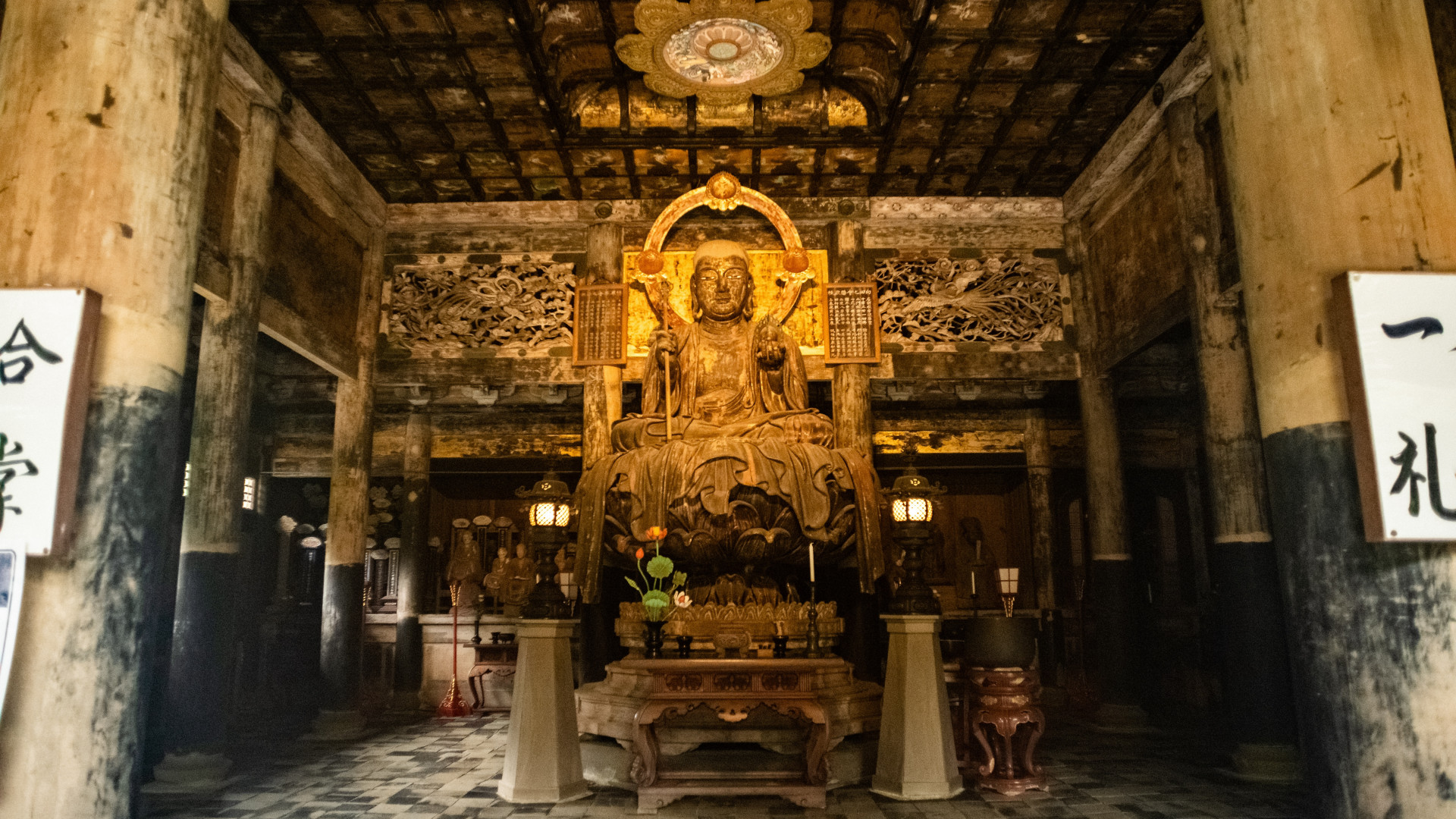
This statue of King Enma was carved in 1250 and was initially situated on a mountain in front of the Hase Kannon. After the fated downfall of the Kamakura Shogunate, Ashikaga Takauji moved it to the left, facing the sea at the Ichino-torii gate, to mourn the departed souls of Yuhigahama, the site of the decisive battle. The temple was again damaged by a major earthquake during the Genroku era (1688-1704), and was moved to its present location. The Ten Kings of Ennoji Temple, centering on King Yama, depict the judgment of those who were condemned to hell for their sins during their lifetime. The temple is still widely worshipped as a Jizo temple.

Temples & Shrines Tokaido Koshu kaido KANAGAWA