
Greater Tokyo

See & Do

reset
Kainan Shrine

Kainan Shrine

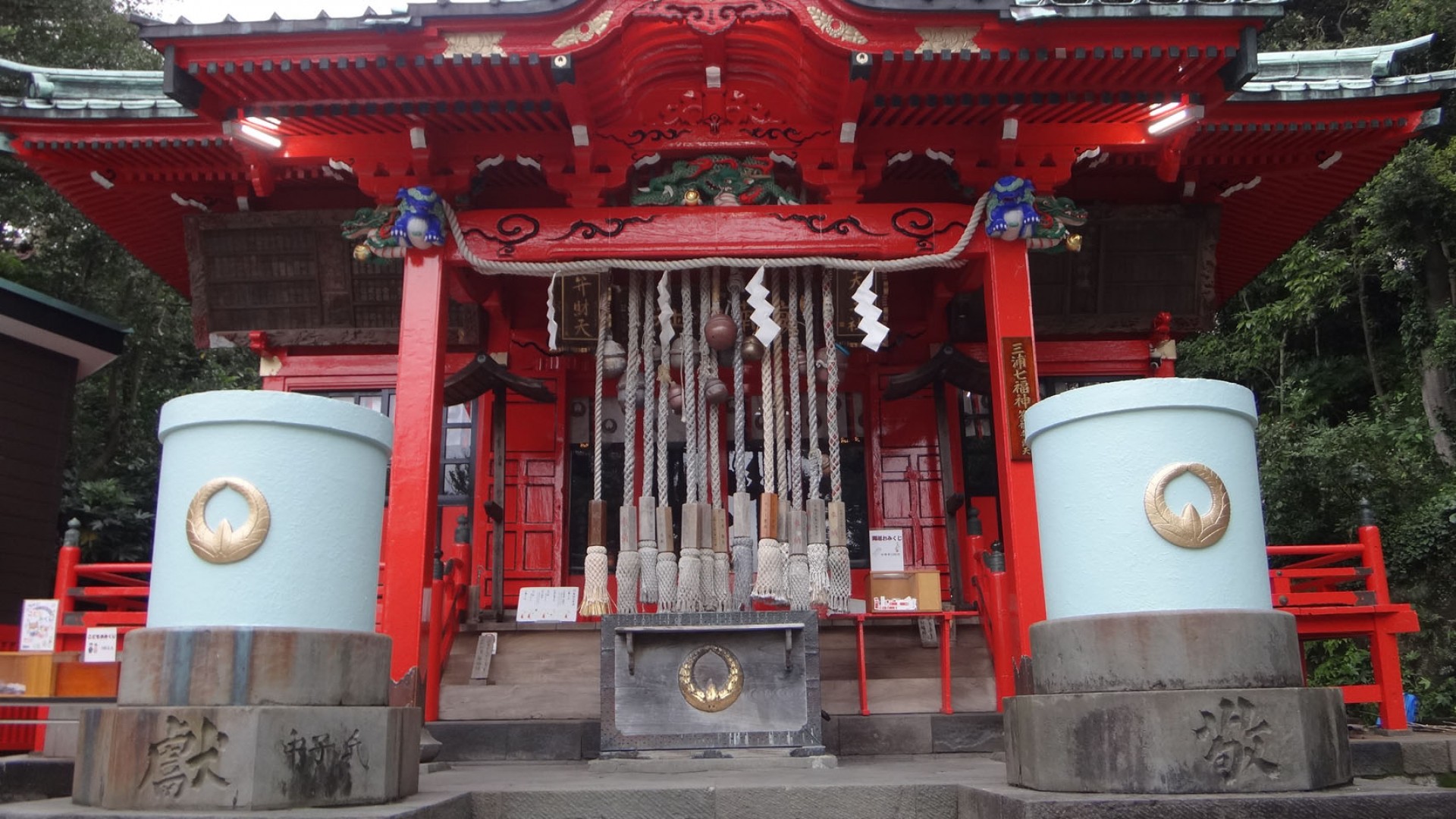
Built in the March of the 2nd of the Jouou Era (1653), Kainan Shrine was awarded Shouichii (the highest rank given to a shrine) by the Yoshida Family of the Yoshida Shintō religion. In the 4th of the Kyouhou Era (1719), the shrine became the Souchinju (the protecting shrine) of the Miura Peninsula. In the 6th year of the Meiji Era it was designated a Gosha (a village shrine) and in the 40th year it was designated a Shinsenheihakuryokyoshin-sha (a type of village shrine that was able to receive fees/offering for the gods).

Temples & Shrines Koshu kaido Tokaido KANAGAWA
Itsukushima Shissei Park

Itsukushima Shissei Park

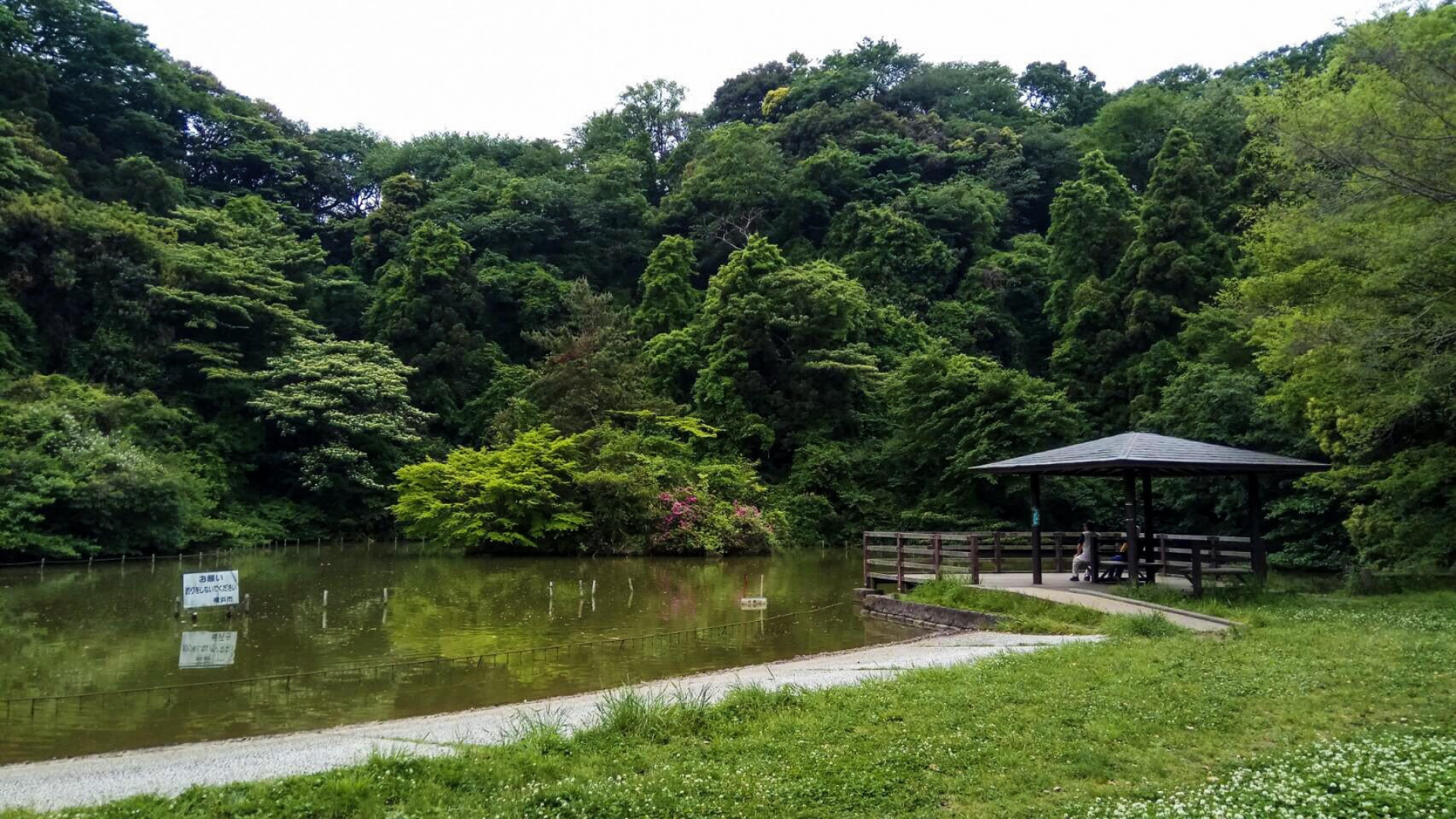
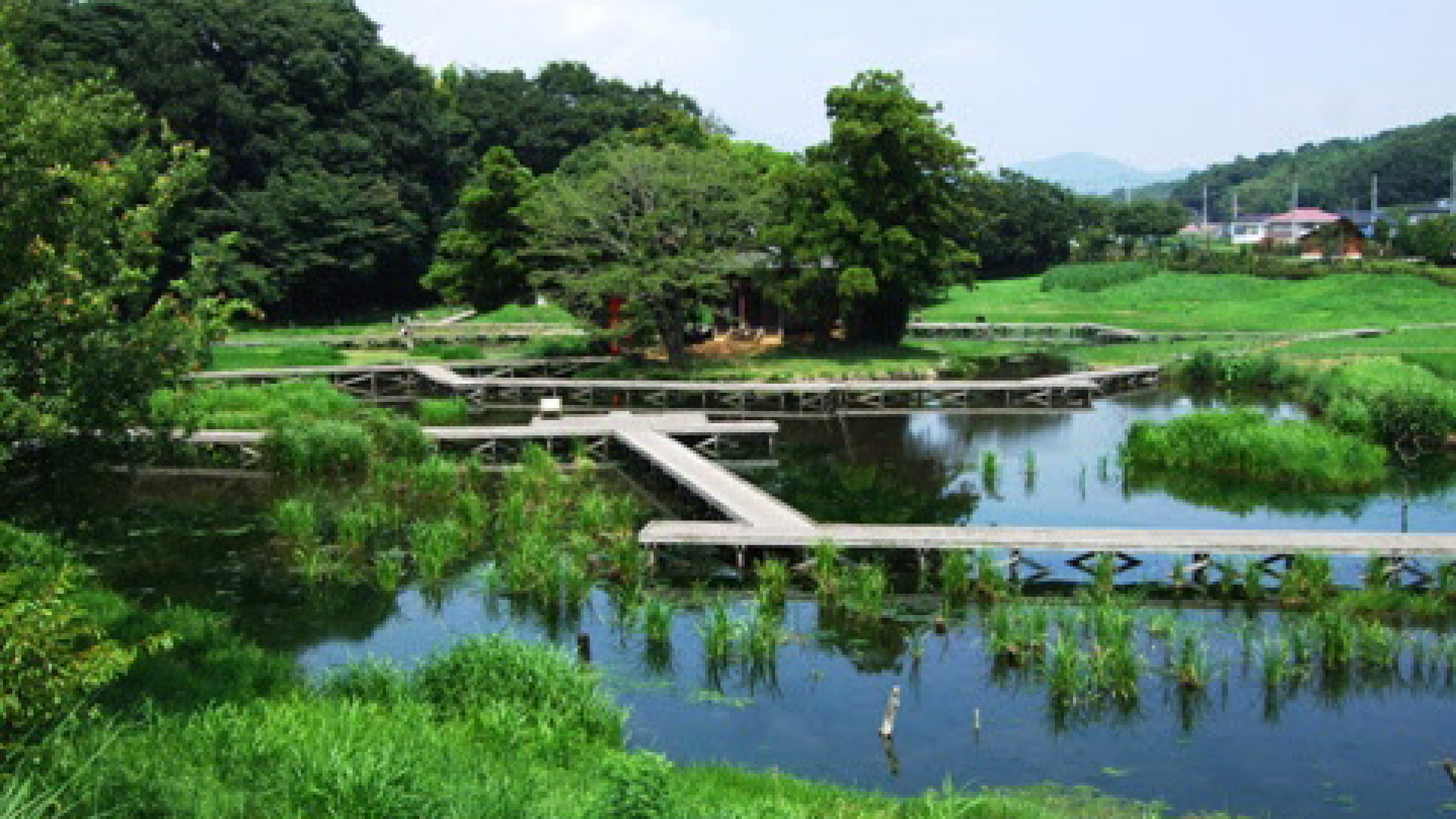
Itsukushima Shissei Park, in Kanagawa Prefecture, was built to restore and preserve wetland (which is considered rare because of the freshwater produced there). Inside the park, there is a large pond surrounded by greenery. There is a wooden walkway that stretches over the pond, and visitors can freely walk on it whilst enjoying the surrounding plants. Fireflies can be spotted over the pond in summer, which makes the park a popular spot for firefly viewing.

Nature & Views Tokaido Koshu kaido KANAGAWA
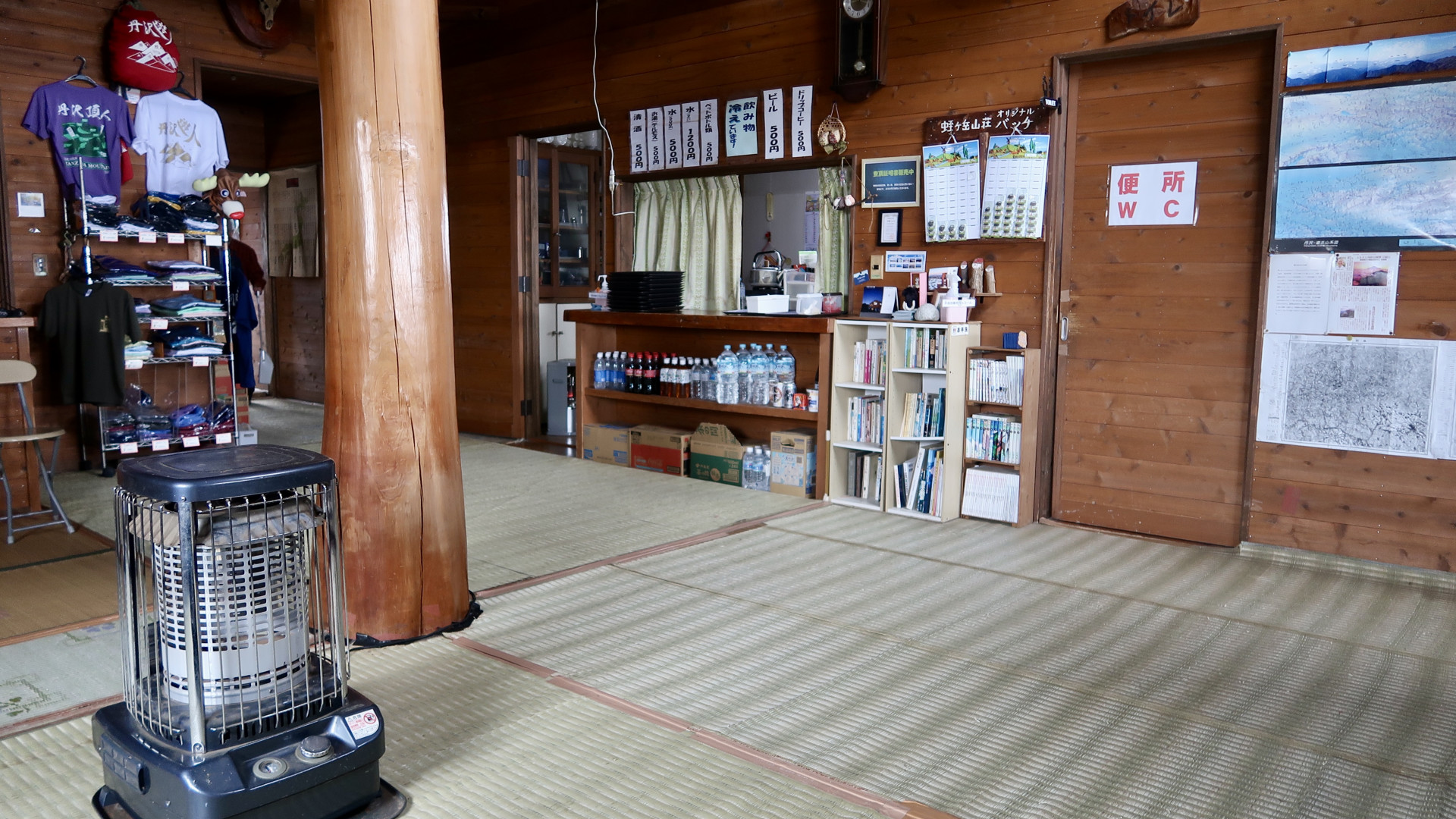
Hirugatake Hut

Hirugatake Hut

Every citizen of the Kanagawa Prefecture talks about climbing up to the highest peak in the prefecture at least once. Between Inugoetouge and Hinokiboramaru the rhododendron wadanum flowers (azaleas) are the first to bloom, followed by the rhododendron quinquefolium (also a type of azalea) in the beginning of May. In autumn the Japanese larch show off their golden leaves. Mount Hiru allows you to escape the hustle and bustle of the city and feel the mountain in your soul. In summer majestic constellations visible from the summit appear so close that they could almost be reached. In winter you can feel on top of the world as you enjoy the fresh mountain air and a 360 degree night panorama.

Onsen & Stay Tokaido Koshu kaido KANAGAWA
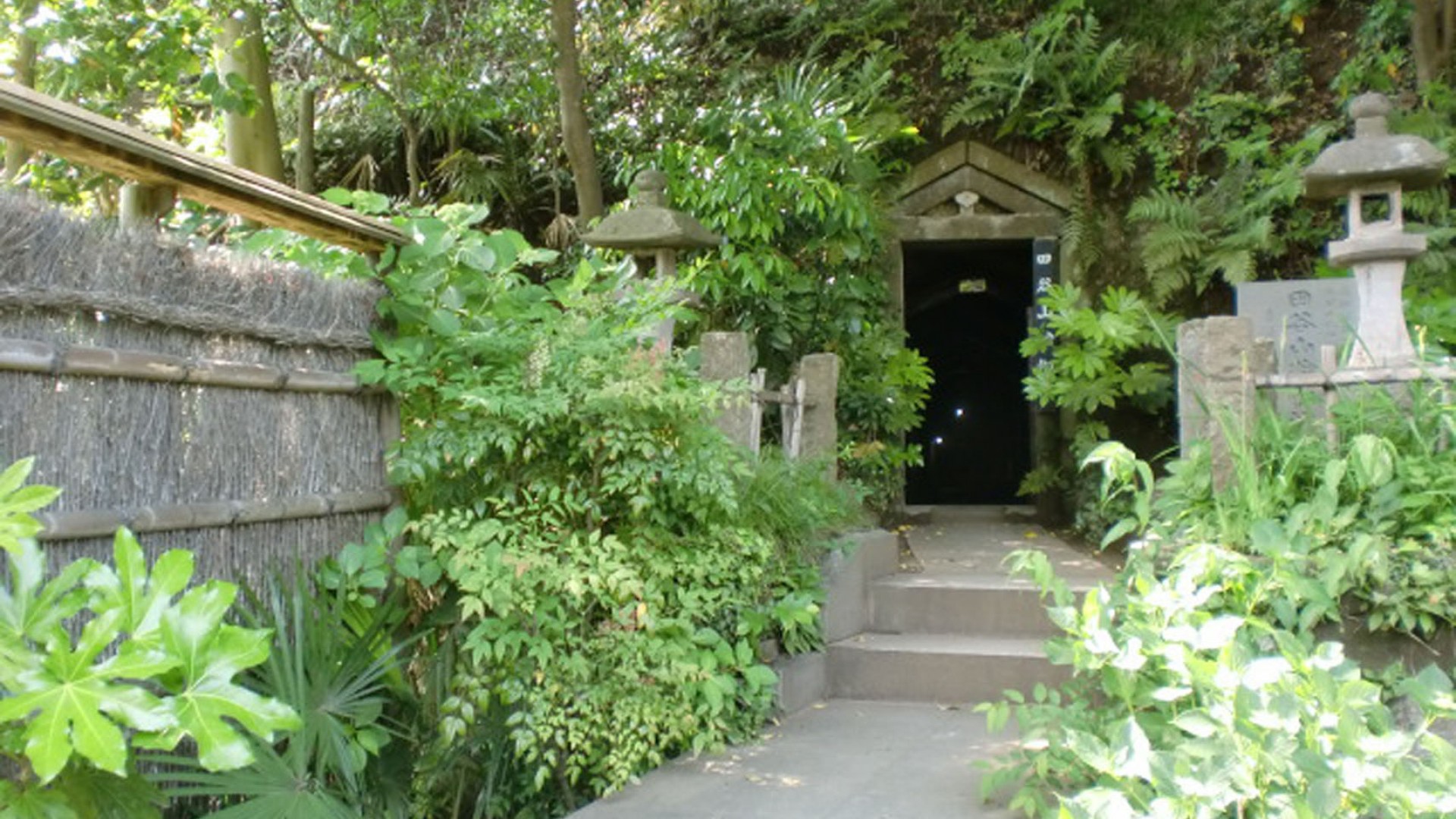
Taya Cave, Josenji Temple

Taya Cave, Josenji Temple

Taya-no-dokutsu (Taya Caves), located within the precincts of Josen-ji Temple on Mount Taya in the Daikaku-ji School of Shingon Buddhism, is officially called Yugado, a man-made cave dug by Buddhist ascetic monks for pilgrimages to sacred sites in Shikoku, Saigoku, Bando, and Chichibu. Josenji Temple was built in the first year of the natural calendar (1532) by high monk Takatsugu, a pupil of the highest ranking priest, Kaigen, a monk of Soshoin, a 25-bo temple in Tsurugaoka. But the cave in Taya is said to have been opened even earlier, in the Kamakura period, as a place for practicing esoteric Shingon Buddhism. Since then, from time to time the cave has been expanded and now measures 570m in actual size. The cave has three levels, upper, middle, and lower, with 17 large and small spaces connected by passageways, with walls and ceilings carved with mandalas, eighteen arhats, and Buddhist stories by Doshin Karukaya.Experience a historic Buddhist meditation cave with many beautiful wall carvings and murals. Explore the cave with a candle in hand, while entering different chambers including the meditation hall for a true spiritual experience.

Temples & Shrines Tokaido Koshu kaido KANAGAWA
Rossa Berry

Rossa Berry

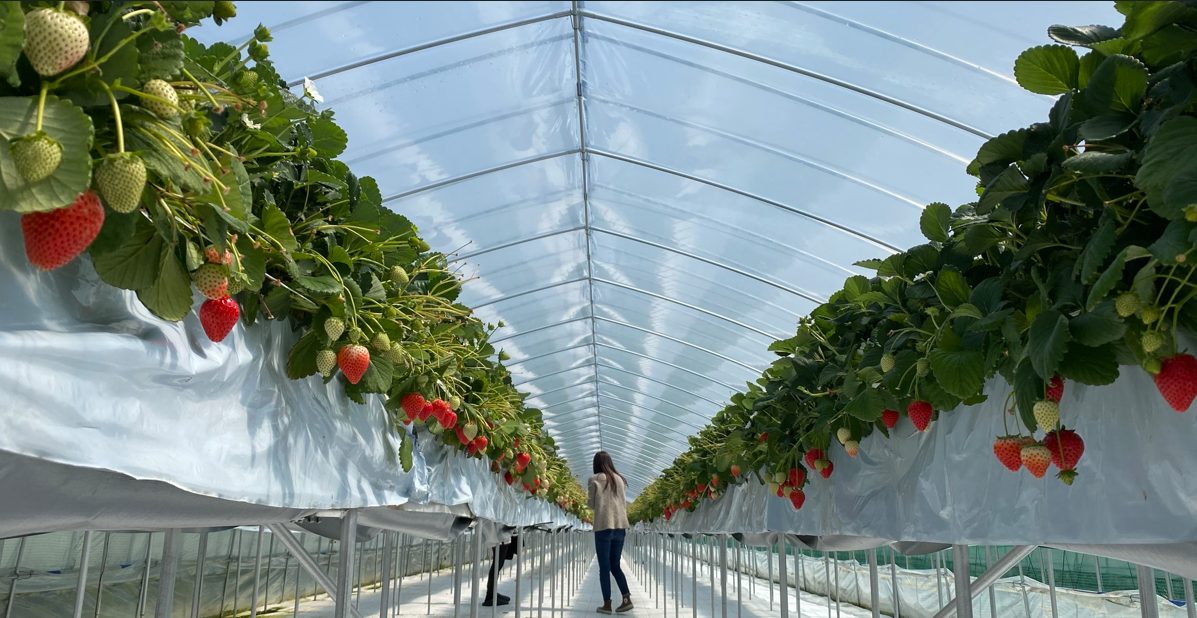
Rossa Berry is a tourist farm that offers strawberry-picking. It is located by National Route 293, halfway between the Oya area, which has been registered as a Japan Heritage Site, and the famous roadside station Romantic Village. It grows Tochigi strawberry breeds such as Tochi-Aika and has a shop and a café. The shop sells strawberries from the farm and their original processed products. After having fun picking strawberries, enjoy gelato and smoothies in the shop’s café space. At Rossa Berry, the strawberry-picking season runs from the end of December to early June the following year. Please come and experience picking beautiful jewelry-like strawberries that have ripened in abundance throughout the greenhouse.

Nikko kaido Oshu kaido TOCHIGI
Pottery Making Experience (Mashiko)

Pottery Making Experience (Mashiko)

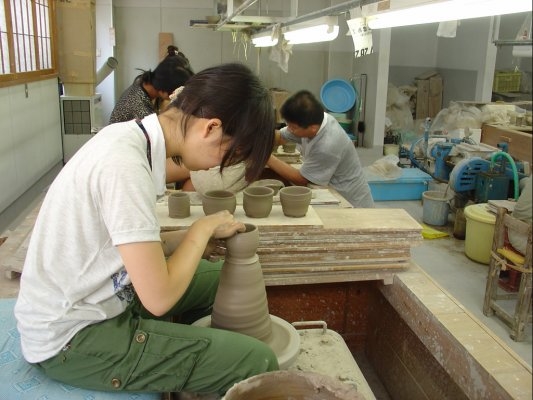
Developed since the19th century for its fine quality and proximity to the big market Tokyo, Masiko-yaki pottery has long been liked for its daily use items such as pots, water jars and teapots. There are nearly 260 kilns, 50 shops and potters of youth and experience who create works of great variety. Pottery markets held in spring and autumn attract hundreds of thousands of Mashiko-yaki lovers. Even beginners can join workshops to learn how to decorate, hand-form or use a potter’s wheel, and enjoy authentic ceramic art.

Nikko kaido Oshu kaido TOCHIGI
U.S.-Japan Friendship Cherry Blossom Festival

U.S.-Japan Friendship Cherry Blossom Festival

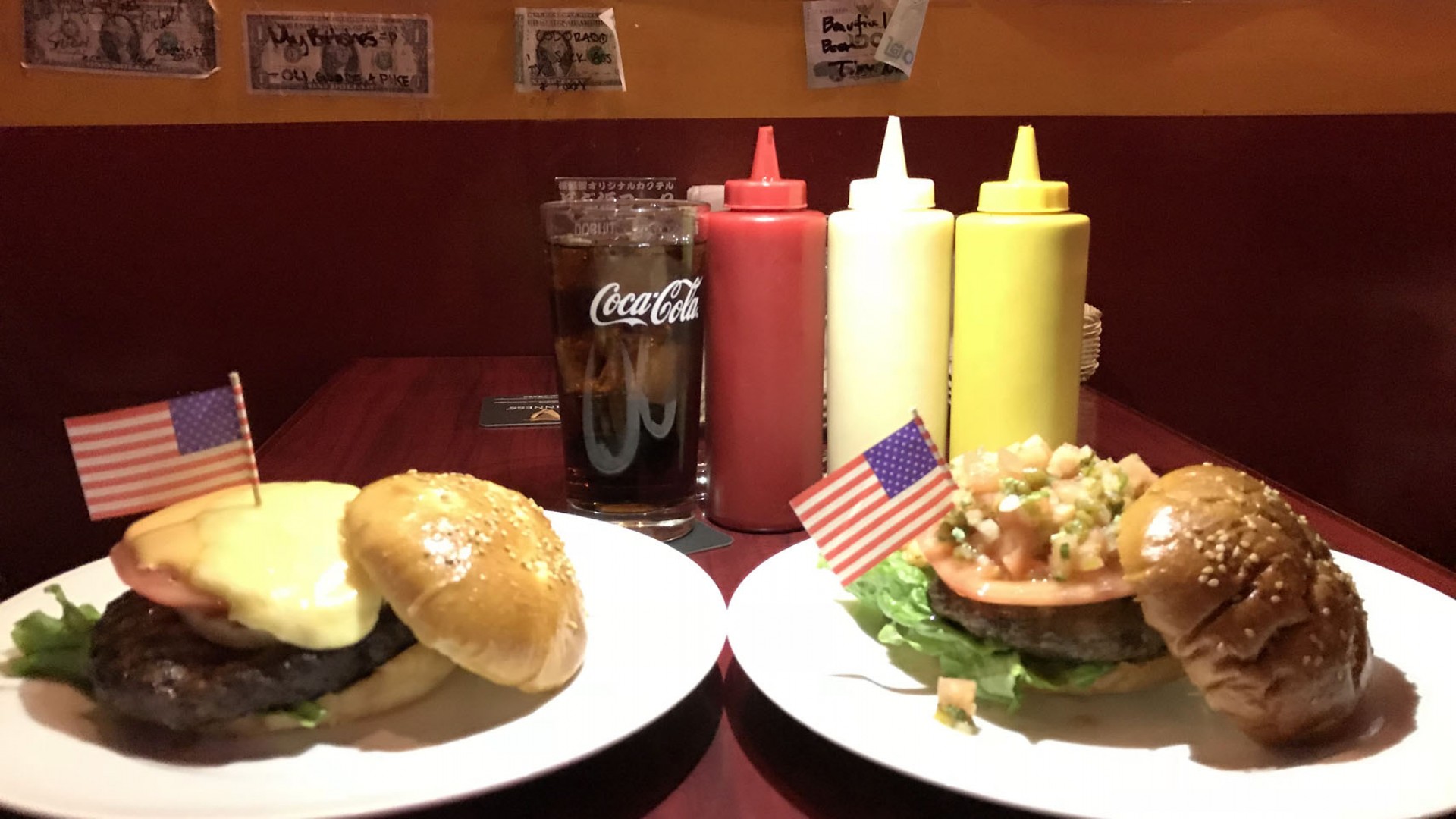
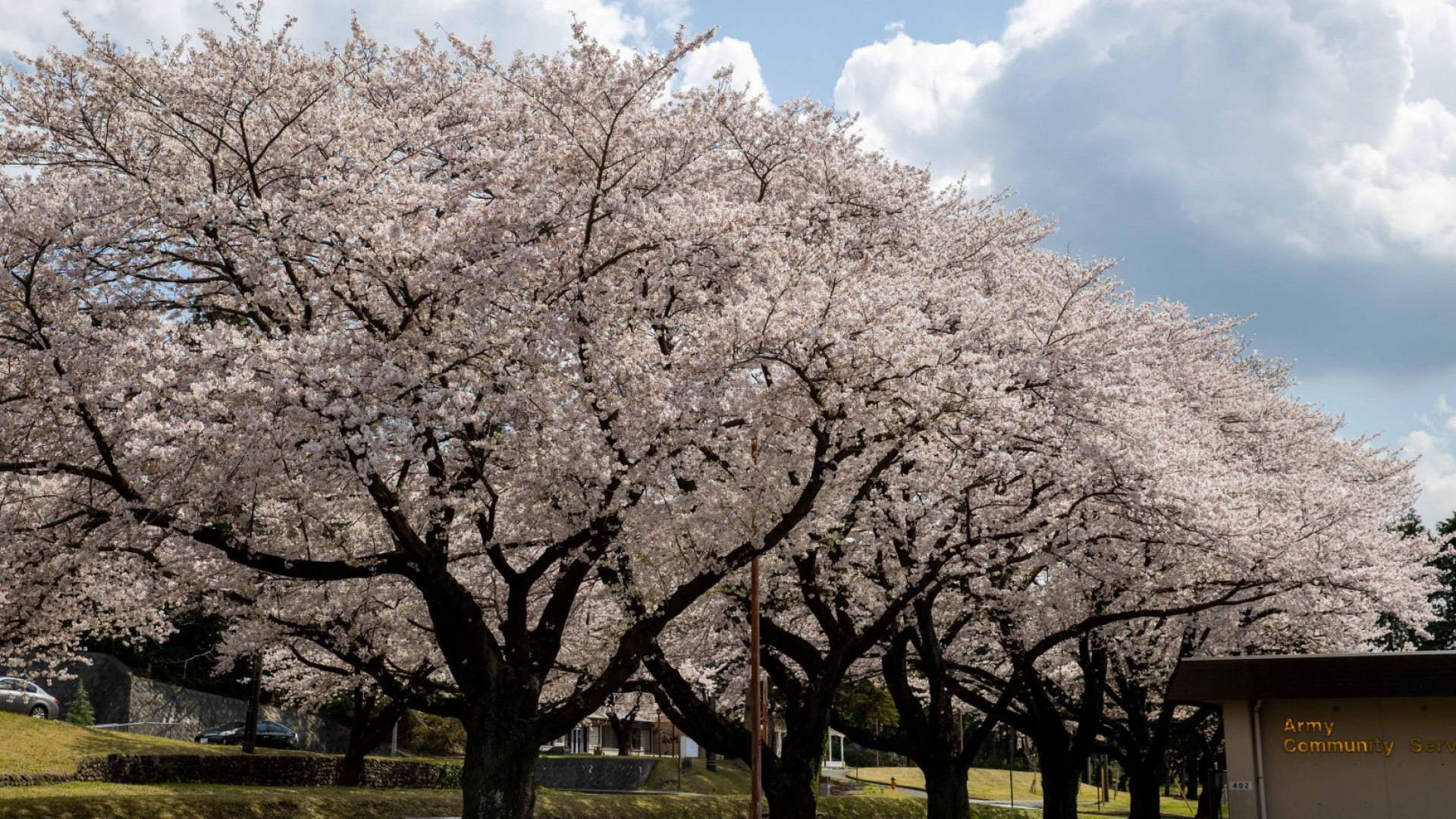
The "U.S.-Japan Friendship Cherry Blossom Festival" is an annual event where the U.S. army base in Zama, Japan, opens to the public. Take a stroll inside the normally inaccessible U.S. military base and admire over 300 cherry blossom trees. Many American foods, such as hamburgers, pizza, and hot dogs will be available at food stalls for you to enjoy the international flavors. There are also live bands and a DJ, as well as a kids zone, making it fun for everyone in the family!

Culture & Arts Tokaido Koshu kaido KANAGAWA
Jewels of Shonan

Jewels of Shonan

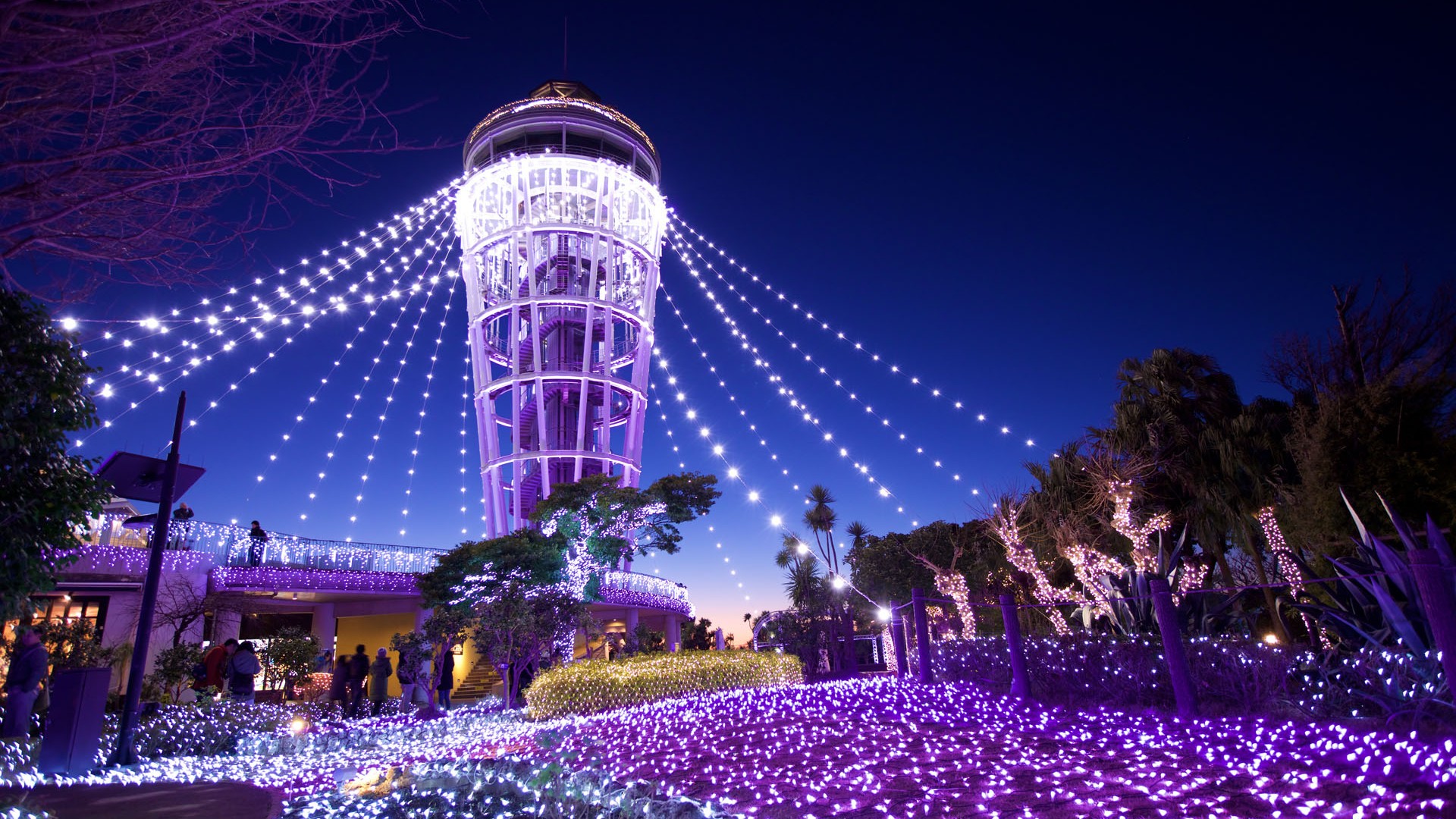
This is a light-up illumination event held from the last weekend of November to the end of February of the new year at Enoshima Samuel Cocking Garden and other locations on Enoshima Island. It is one of the three major illumination events in the Kanto region, and has been recognized as a heritage site of illuminated night scenery.All of Enoshima is the stage. The creative production places highly in many rankings of decorative lighting displays.

Culture & Arts Tokaido Koshu kaido KANAGAWA
En’no-ji Temple

En’no-ji Temple

This statue of King Enma was carved in 1250 and was initially situated on a mountain in front of the Hase Kannon. After the fated downfall of the Kamakura Shogunate, Ashikaga Takauji moved it to the left, facing the sea at the Ichino-torii gate, to mourn the departed souls of Yuhigahama, the site of the decisive battle. The temple was again damaged by a major earthquake during the Genroku era (1688-1704), and was moved to its present location. The Ten Kings of Ennoji Temple, centering on King Yama, depict the judgment of those who were condemned to hell for their sins during their lifetime. The temple is still widely worshipped as a Jizo temple.

Temples & Shrines Tokaido Koshu kaido KANAGAWA