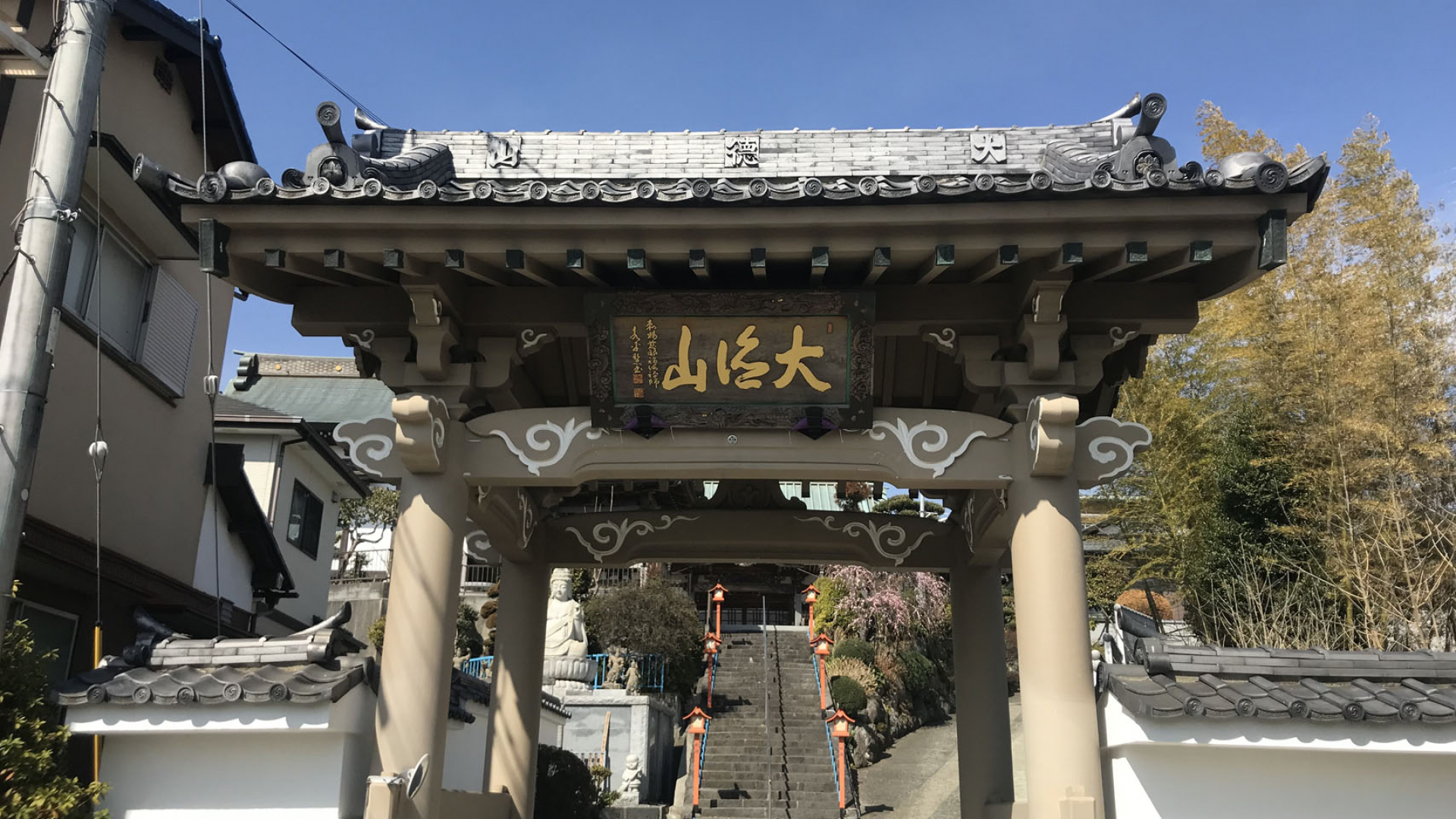

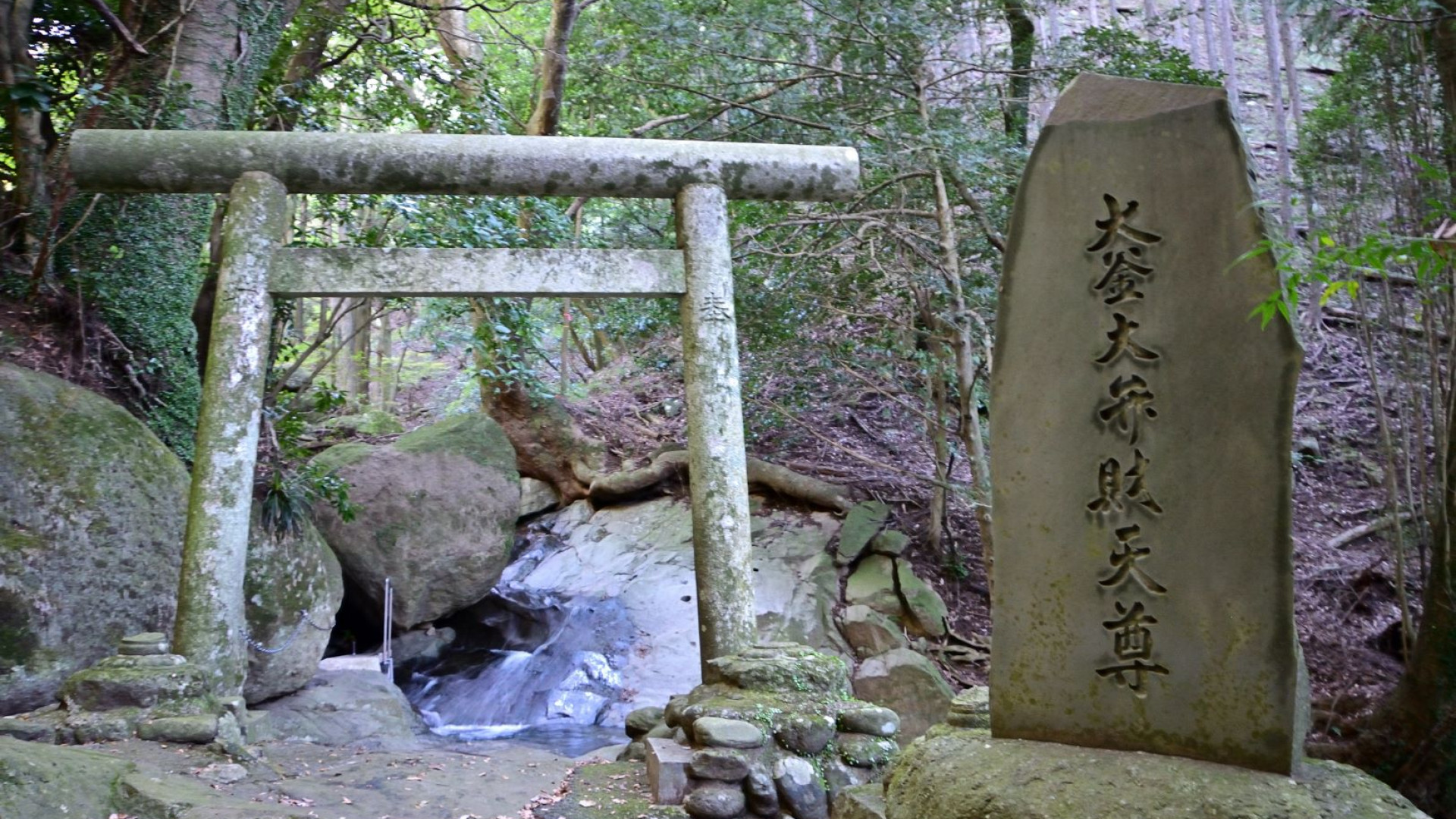
Choonji Temple (Odawara’s Eight Deities of Good Fortune / Bishamonten (Vaisravana))
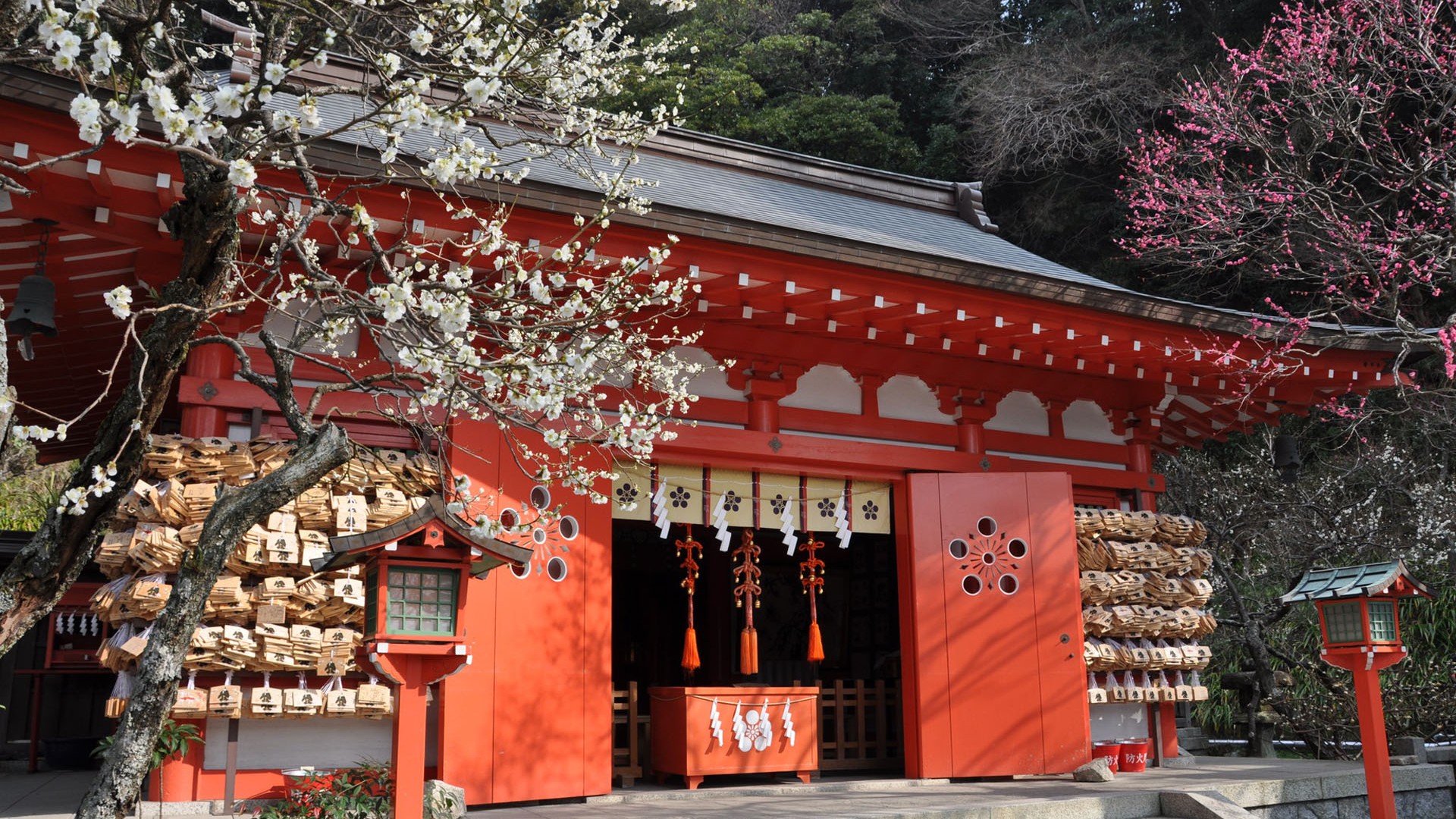
This is the temple of Soto School of Zen Buddhism, and one of the Eight Deities of Good Fortune of Odawara.
Total: 1715 items
This is the temple of Soto School of Zen Buddhism, and one of the Eight Deities of Good Fortune of Odawara.
It is a hotel with an open-air bath where you can overlook Mount Fuji. With a convenient location, it is a good place to stay when traveling in Hakone. Events where you can experience ceramic art are held.
The path leading down to Keshozaka is a historically dangerous path where the statue of Minamoto no Yoritomo stands.
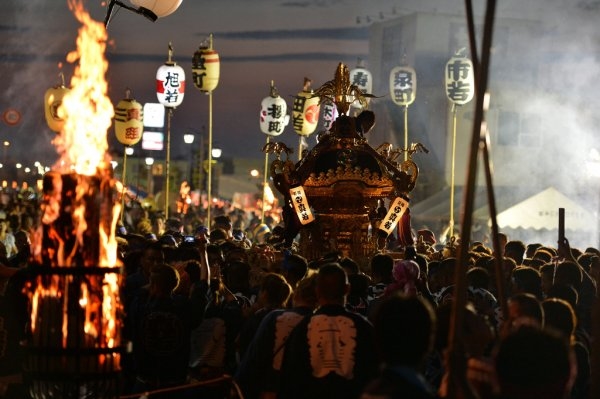
The Iwaikaigan Summer Festival is also designated as an important traditional cultural event of Manazuru Town. The Manazuru Summer Color Festival is held in conjunction with this festival. The festival features lantern floating, fireworks over the sea, Bon Odori dancing, and food and drink booths, allowing visitors to enjoy the nostalgic traditions of Manazuru Town on a summer night.
It has been chosen "Conservation areas of green in Kawasaki. It is located on the top of Joukei temple.
Yakatafune operates mainly at the Port of Yokohama and also in Tokyo. We are one of the few vessels in Japan with three specially designed boats that allow passengers to enjoy the scenery from the deck even while the boat is in motion. You can enjoy the night view to your heart's content. Hamashin's chefs serve seasonal kaiseki cuisine, including a Hayama beef course, which is unique to the Kanagawa area.In addition to standard courses such as sashimi and tempura, there is also a steak course – in particular, the special Hayama beef course where you can enjoy the rare and valuable "Hayama beef", which is rarely shipped and unique to Kanagawa Prefecture.
Enjoy the Japanese tea-ceremony style dishes with the seasonal fresh ingredients in a Japanese tea-ceremony style room. You can also enjoy the view below. They specialize the soup stocks. They choose special plates for each season. There are also bar seats and private rooms that can allow you great overview of Yokohama city.
Lived in for more than 160 years since the Edo Period, this fully renovated old-style house is situated in the dignified Nikaido area, which has numerous historic spots in verdant surroundings. You can entertain guests in the luxurious sweet room and restaurant.
This bus carries you from Yokohama Station to Nogeyama Zoo, a free zoo which is rare nowadays, in about 20 minutes. The bus runs between Yokohama Station/Sakuragi-cho Station and Nogeyama Zoo.
The Yokohama Tram Museum opened on the site of the Takigashira rolling stock factory in 1973, one year after the tram was abolished. In 1983, it was then rebuilt on the first floor of the current municipal housing building. In the hall, stop signs, paving stones and seven tram cars are all preserved as they were at that time, and reproduce the atmosphere of the time when the tram was running.Yokohama was not only the site of the very first rail station in Japan, but also home to a great trolley system. Walk through the many restored cars where you can sit and imagine being transported around the city.
It is located around 60 min from Tokyo, Yokohama. The hot spring with strong alkali has a profound effect on your skin. We will also be happy if you could taste the local dishes.
A pure Japanese-style ryokan that has been in business for over 400 years. The ryokan offers sankai cuisine centering around the four seasons, focusing on tofu dishes made with Oyama's famous water. While listening to the soothing stream of the Oyama River flowing at the foot of the mountain, indulge in tofu dishes made with its water. It also doubles as health food!
Sojiji is the headquarters of the Soto sect. The steel-reinforced concrete gates at the entrance is Japan’s largest. The Nio (two Deva kings) that is modeled on Kitano Umi (Sumo wrestler) is standing inside.
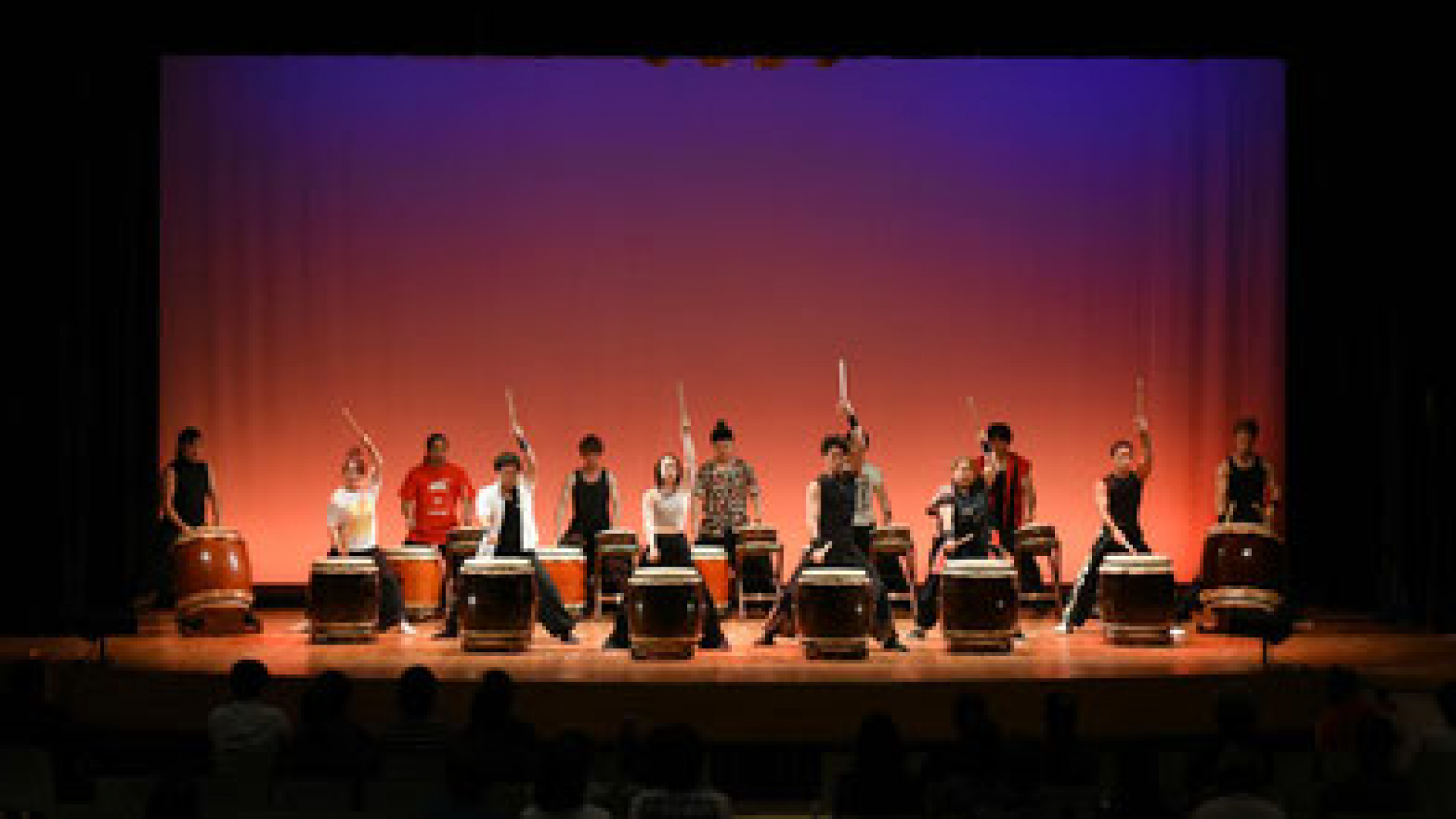
The Iiyama White Dragon Taiko and White Dragon Dance originated from ancient rainmaking rituals where people play their taiko and dance with white dragons to pray for rain to fall upon the plain of Sagami. Now it is also an event for the Iiyama Sakura Festival.
This market sells fresh fish and vegetables that are made in Shonan.
Just a short walk from Keikyu Kawasaki Station, you can try your hand at making "Kiriko", a traditional glass craft, at a workshop located along the old Tokaido road at the ruins of a Kawasaki post. Visitors can choose from a variety of glasses and plates and consult with the studio to find their favorite design, so even beginners can try their hand at faceting. Take your creations home as souvenirs!The classroom nestled within an aesthetic building that was renovated from an old liquor wholesaler. You will use two types of grinders to sharpen the glass, but even beginners can feel at ease as each class is held in small groups, with careful and detailed instruction.
Chuzenji Temple was established by Shodo Shonin in Nikko-zan in 784. Enshrining Nikko’s oldest Buddha statue, which is six-meters tall and was carved in a standing Japanese judas tree, the temple is a prayer temple (where visitors pray to the Buddha). Juzu, or prayer beads on a string, is one of the ritual items that people use to count how many times they have read a sutra or recited Buddha’s name. According to Siddhartha Gautama, praying to the Buddha repeatedly will remove earthly desires from people and make them happy. Those who visit to pay respect to the temple can join the prayer beads craft workshop. They can choose beads of their taste, made of natural stone and/or natural wood, with a wish in their minds to create a bracelet-shaped juzu. Their juzu becomes nenju when monks offer a prayer at the gomadan (fire ritual platform), and they can take it home as a wearable lucky charm.
The Ritz-Carlton, Nikko, the luxury hotel in Nikko National Park, is the first Ritz-Carlton where guests can enjoy a hot spring. Baths source hot spring water from the historic Nikko Yumoto Onsen. Its soft, milky warm water makes you feel the blessing of the nature of Okunikko. Each suite features a private balcony from which you can enjoy the view of scenic Lake Chuzenji and majestic Mount Nantai, both of which are the symbols of Nikko National Park. You will be sure to lose track of time in these spacious guest rooms, which come with a traditional engawa porch and the décor that blends minimalist and traditional Japanese styles together. For dinner, you can have a traditional multi-course kaiseki meal prepared with fresh ingredients produced in Tochigi Prefecture for you to explore the intricate world of Japanese cuisine. The hotel, being amid the grand nature of Nikko, also offers activity programs including hiking and skiing. 【About the hot spring】 Water color: milky white Spring water type: hydrogen sulfide-type simple sulfur spring water Efficacy: alleviates nerve pain, joint pain, and fatigue, and boosts skin metabolism by removing substances causing atopy Note: people wearing a fashion tattoo are permitted