
Greater Tokyo

See & Do

reset
Shika no Yu

Shika no Yu

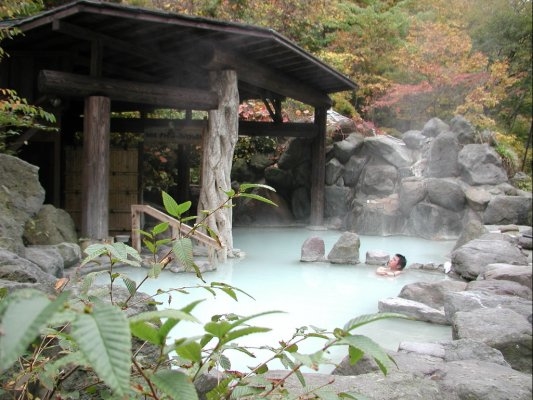
This hot spring facility is located in Yumoto, Nasu Town. It is said to have opened approximately 1,300 years ago. The origin of the discovery of this hot spring is said to be that a county official was hunting in the mountains and chased a deer that he missed shooting, and the deer healed its wounded body with the hot spring. It is considered the oldest hot spring in Tochigi Prefecture, and many of the surrounding hot-spring hotels use it as their spring water source. The baths are divided into six temperature levels ranging from 41–48 degrees Celsius (there is no 48-degree women’s bath). It is said that by following the bathing protocol, such as pouring water over yourself before entering the bath, you can increase the hot spring’s effects.

Nikko kaido Oshu kaido TOCHIGI
Mashiko Museum of Ceramic Art / Ceramic Art Messe Mashiko

Mashiko Museum of Ceramic Art / Ceramic Art Messe Mashiko

The Mashiko Museum of Ceramic Art features works by the late Mr. Shoji Hamada, who was a designated Living National Treasure, as well as works by other ceramists associated with the town of Mashiko. On the same site, there are also the Sasajima Kihei Hall, which has permanent exhibitions of works by the printmaker Kihei Sasajima, who studied under Shiko Munakata, and the Mashiko Arts & Crafts Residence, which hosts artists-in-residence from all over the world as part of an international exchange program. Shoji Hamada's House, which has been designated as a Cultural Property by the town of Mashiko, includes a reconstruction of the climbing kiln that Mr. Hamada used. You can also pick a cup you like and enjoy tea or coffee at salon located on the premises of the museum. There is also a museum shop in the salon where you can buy Mashiko pottery and more."

Nikko kaido Oshu kaido TOCHIGI
Kumano Shrine, Manyo Park

Kumano Shrine, Manyo Park

Kumano Shrine enshrines a god of hot water, and hot water runs down the purification trough. There are 'Yukake-matsuri' on the fourth Saturday of May, and regularly held festival takes place at the same weekends. At the Manyo Park located at the center of spa town, there are so many Manyo plants (plants cited in the Manyoshu). There are also Manyo-tei modelled after ancient architecture of Manyo era, a monument engraved with a waka which is the only waka about hot water, and a monument of Doppo Kunikida, whose novels are focused on Yugawara.

Temples & Shrines Tokaido Koshu kaido KANAGAWA
Katsuobushi Museum Kagotune

Katsuobushi Museum Kagotune

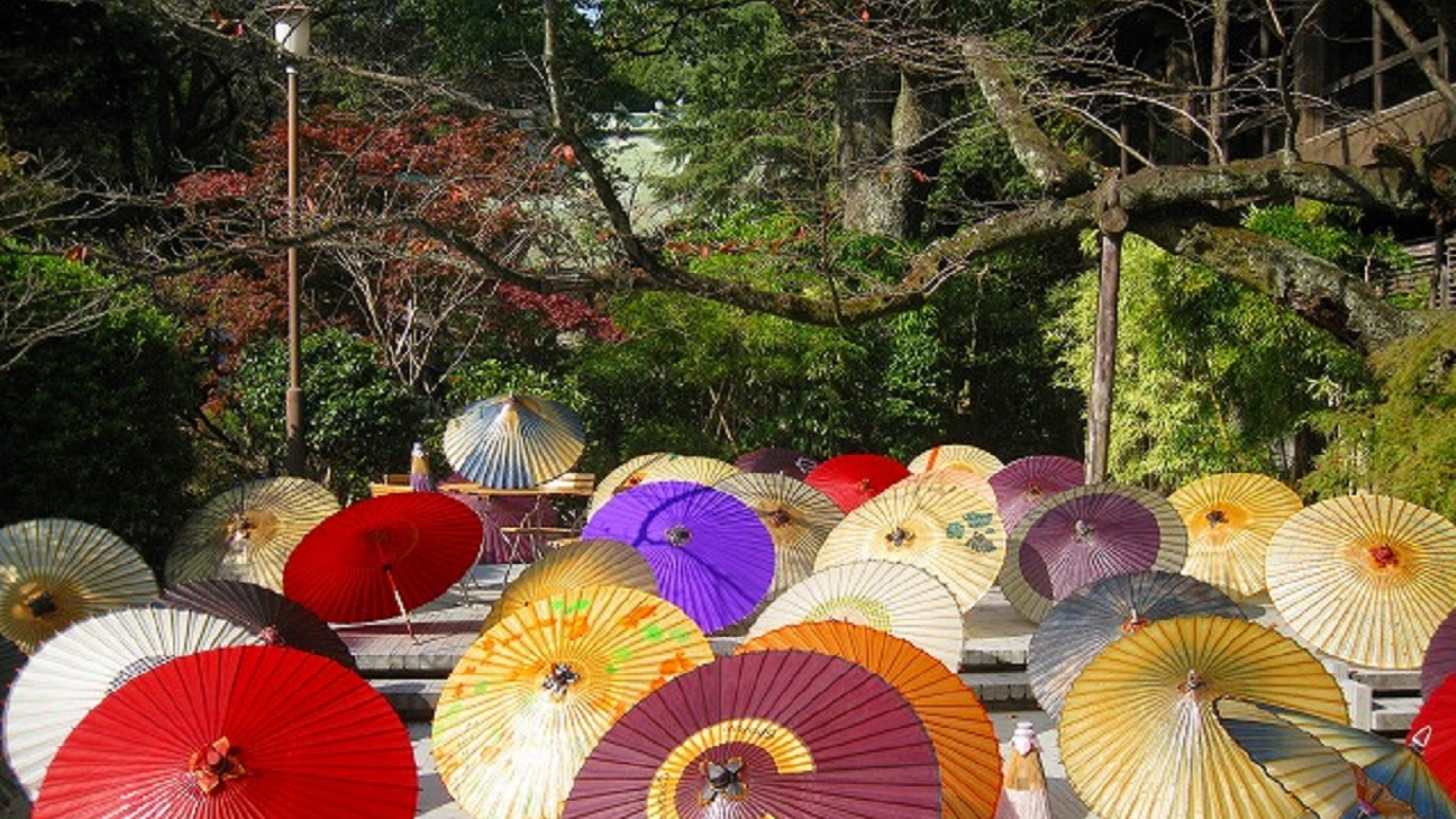
A specialty chopsticks store founded in 1893. This store, which has the appearance of a store from long ago, introduces the production process that is used in transforming bonito fished fresh from the sea into katsuobushi, or small pieces of dried bonito. There are many regional products that communicate the industrial culture of Odawara that has existed from times of old. This includes representative local industries such as kamaboko, tsukemono, confectionery, dried fish, shiokara, and woodwork. This is one of the “town corner museums” that raises awareness of the charms of Odawara through well-planned exhibitions, conversations with the store owner, and direct experiences.

Culture & Arts Tokaido Koshu kaido KANAGAWA
Sagami Puppet Show Federation

Sagami Puppet Show Federation

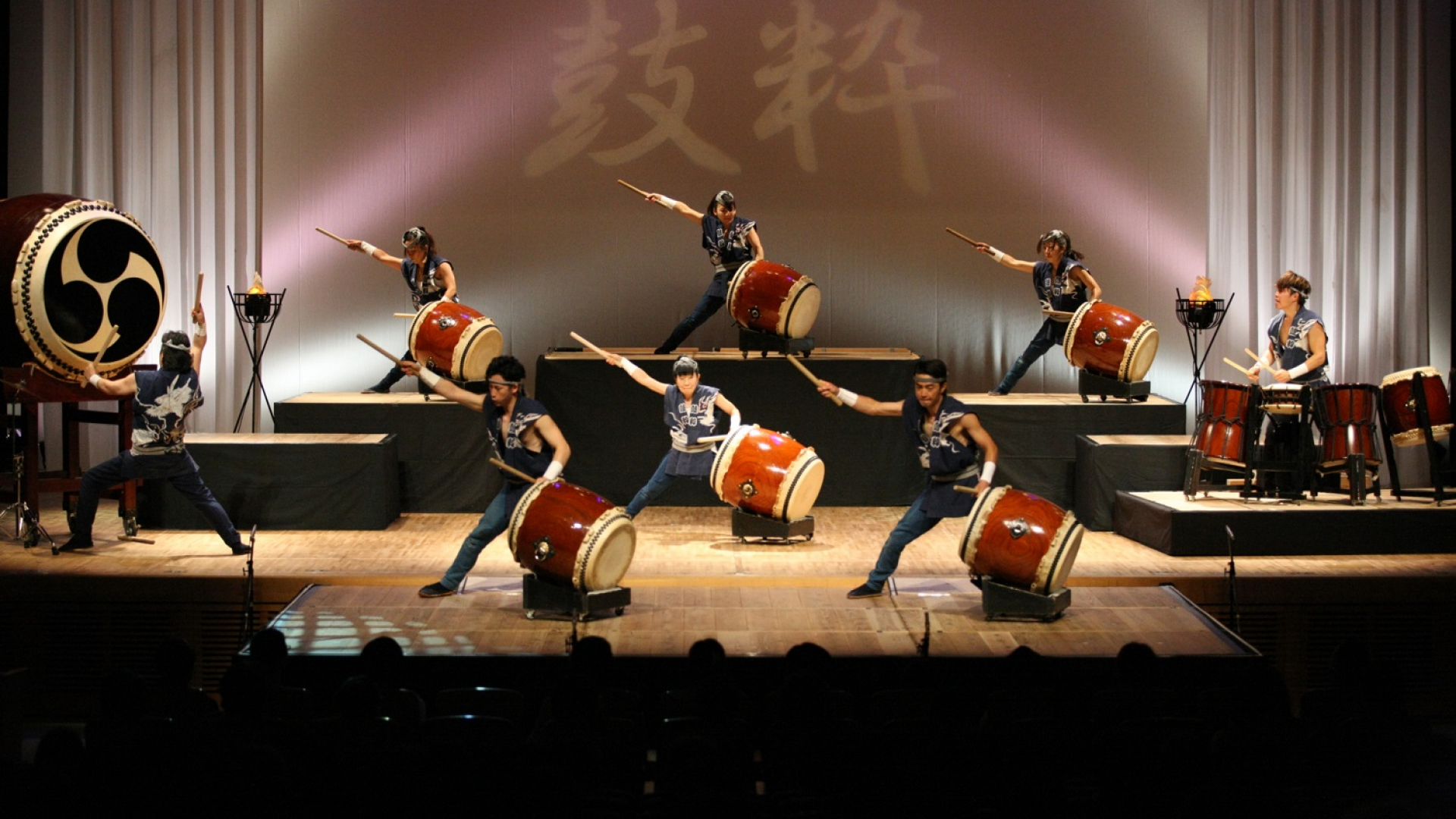
Sagami puppet show, a form of Japanese puppet show with shamisen accompaniment that was conveyed to Sagami Province in the Edo Period, is a traditional art that was originally nurtured in Kagawa Prefecture. It is characterized by san-nin zukai, referring to the operation of puppets by a trio of puppeteers, and teppozashi, which refers to the appearance similar to aiming a rifle when operating the puppet’s head. Performances can be arranged at the MICE venue.  (Reservations: 8650@city.atsugi.kanagawa.jp)

Culture & Arts Tokaido Koshu kaido KANAGAWA
Amanawa Shinmei Shrine

Amanawa Shinmei Shrine

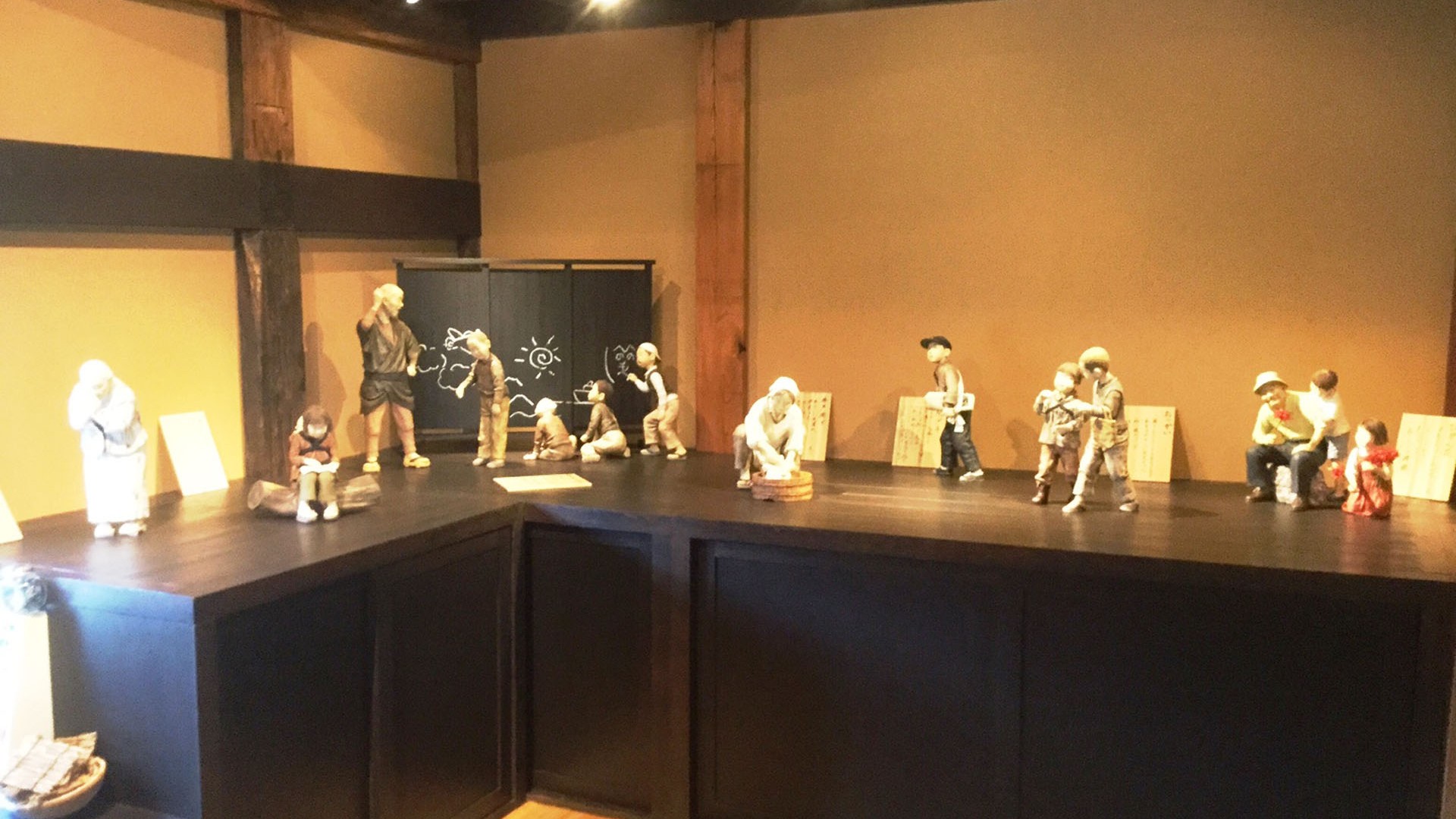
This shrine was founded in 710 (Wado 3) by famous priest Gyoki and constructed by Tokitada Someya, a powerful and rich man. It is dedicated to the sun goddess Amaterasu. Minamoto no Yoriyoshi prayed to this shrine and his son, Minamoto no Yoshiie was born here. Founder and the first shogun of the Kamakura Shogunate, Minamoto no Yoritomo, his wife, Masako, a political leader, and their son, Minamoto no Sanetomo also worships this shrine. Here, you can find the well used for Tokimune Hojo’s (regent of the shogun) first bath and said to be Marquis Nijo’s favourite well. There is also an Man’yōshū (collection of Japanese poetry) inscription originating from the rear mountain named Mikoshiyama Mountain. This place also appears in the novel “The Sound of the Mountain” by Yasunari Kawabata.The greenery enveloping the worship hall and the straight, symbolic shrine path is lit up, creating a mystic and sublime atmosphere that beckons visitors.

Temples & Shrines Tokaido Koshu kaido KANAGAWA
Kinugawa Onsen Ropeway

Kinugawa Onsen Ropeway

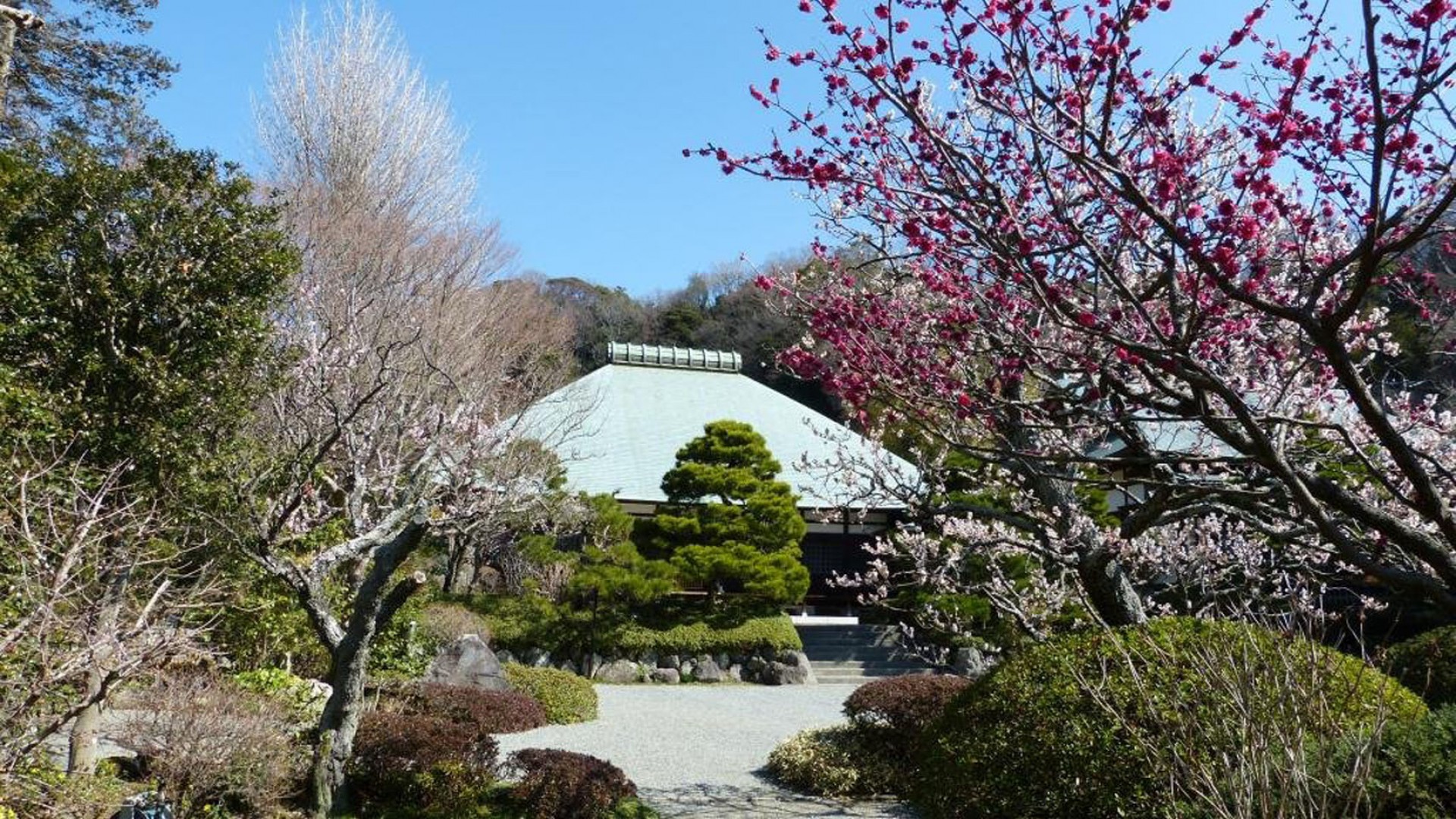
From Kinugawa Onsen Sanroku Station to Maruyama Summit Station, the ropeway ascends about 300 meters, offering a four-minute aerial ride with sweeping views of Kinugawa Onsen town and the surrounding valley. At the mountaintop observatory, visitors can see Keichozan Mountain, and on clear days, even Tokyo Skytree in the distance. The summit is also home to a troop of monkeys, where you can observe them up close or feed them. Near the ropeway station stands the Hotokegaura Shrine, dedicated to the guardian deity of Kinugawa Onsen. Its cherry blossoms have made it a hidden gem spot for spring hanami.

Nikko kaido Oshu kaido TOCHIGI