
Greater Tokyo

See & Do

reset
Jakko Falls

Jakko Falls

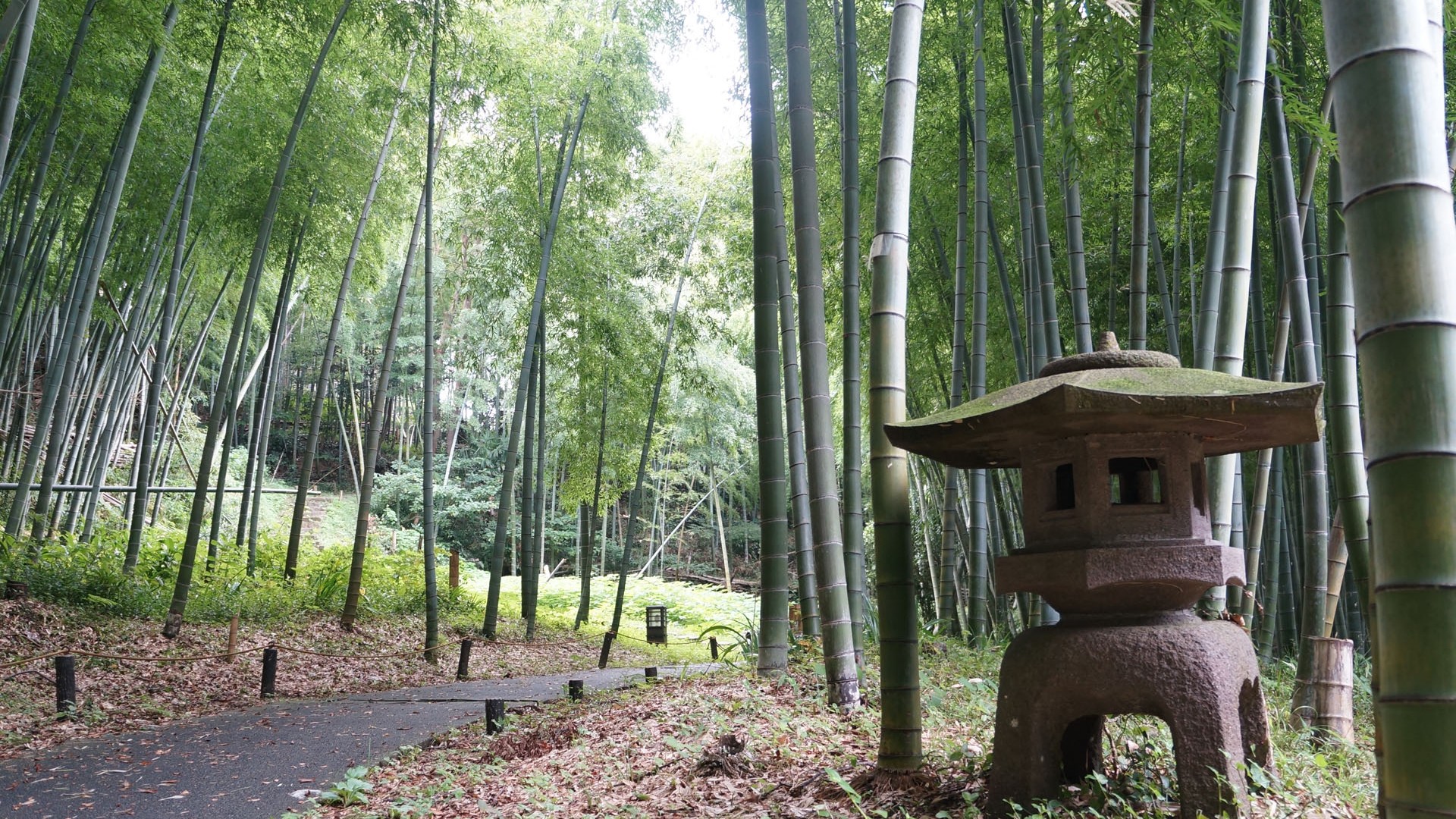
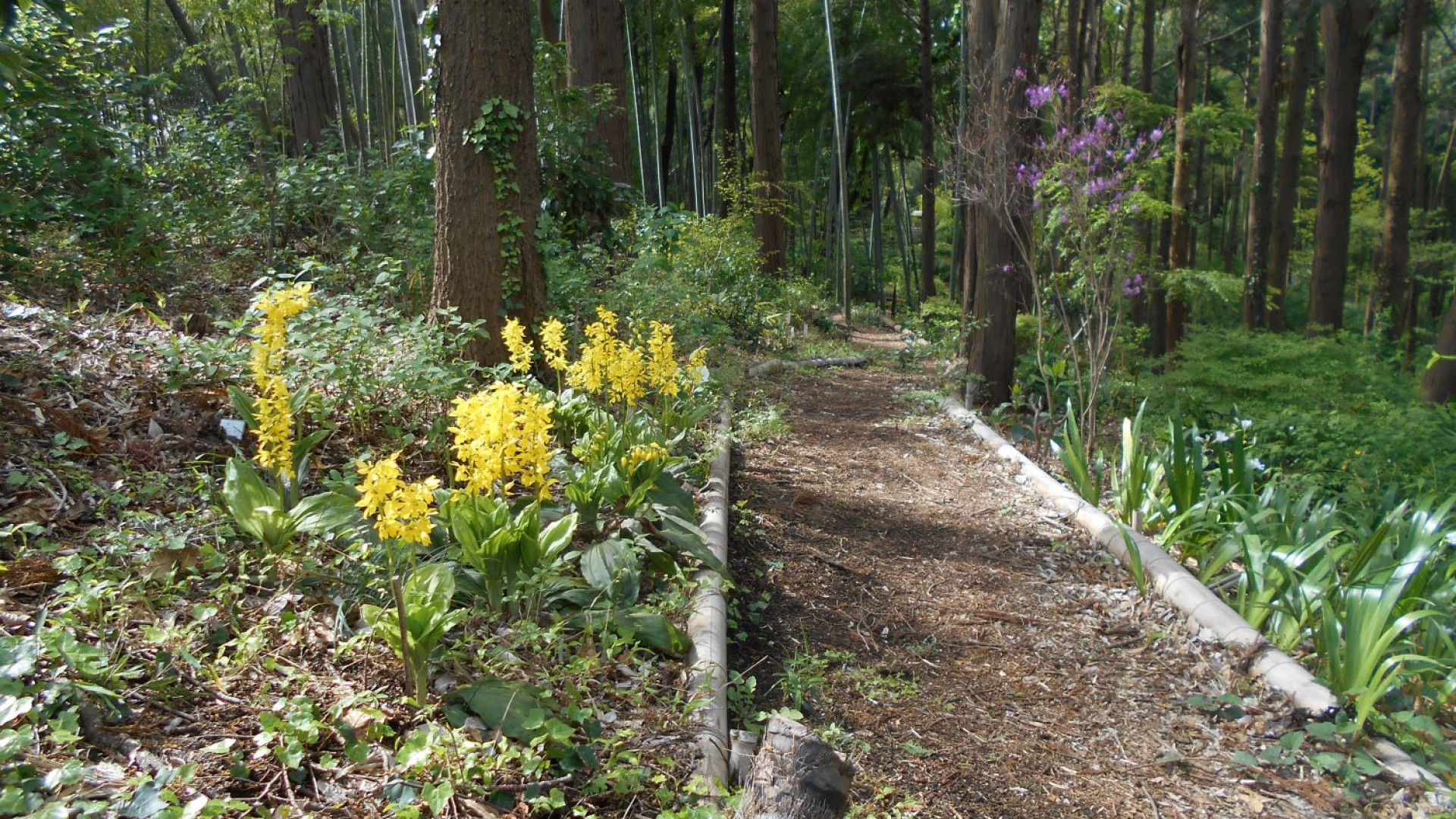
Tracing the spiritual site founded by Kobo Daishi — listen to the murmurs of flowing water in the quiet forest Jakko Falls is located in Nikko City’s Chugawa area. With a height of about 50 meters and a width of 6 meters, it cascades down in seven tiers. The surrounding forest is lush, and the mountain trail offers a deeply serene atmosphere, earning its reputation as a hidden scenic spot known only to locals. The site was once home to the ancient Jakko-ji Temple, said to have been founded by Kobo Daishi in 820 AD. During the Meiji era, due to the government’s separation of Buddhism and Shintoism, the temple was converted into Jakko Shrine, and religious legends are still passed down today. Along the trail to the waterfall lies the massive Ikeishi Stone, shrouded in dense forest, adding a mystical aura to the site. From Nikko Tamozawa Imperial Villa Memorial Park, it takes about a 20-minute walk to reach the falls, making it a perfect spot for hiking and enjoying seasonal scenery, especially during spring and autumn.

Nikko kaido Oshu kaido TOCHIGI
Nikko Coffee Nishisando

Nikko Coffee Nishisando

The popular café chain Nikko Coffee, beloved by fans across Japan, opened its Nishisando branch in March 2020! In summer, visitors can enjoy shaved ice made with natural ice, while in mid-October, the shop also offers delicious treats like wagyu beef buns. With a concept of “Good things from Nikko, good things from Japan,” Nikko Coffee not only serves rich, aromatic coffee, but also sells handcrafted goods from Nikko and Tochigi Prefecture, as well as carefully selected items delivered from all over Japan.

Nikko kaido Oshu kaido TOCHIGI
Tea Room Minami Yonban Classic (British embassy villa memorial park)

Tea Room Minami Yonban Classic (British embassy villa memorial park)

"South No. 4 Classic" café is located on the second floor of the former British Embassy Villa in the British Embassy Villa Memorial Park. From its spacious veranda, you can enjoy a panoramic view of Lake Chuzenji while savoring scones and tea sets supervised by the British Embassy Tokyo's chef. Limited-time and quantity events are held monthly.   〈Menu〉 British Cultural Experience Mini Afternoon Tea A set featuring British Embassy Tokyo's original scones, sandwiches, and tea. Plain and nut (walnut and almond) scones are served with generous portions of locally crafted jam from Tochigi Prefecture and clotted cream. Enjoy this one-plate set of sandwiches and seasonal fruits with premium British tea.   〈About the British Embassy Villa Memorial Park〉 Originally built in 1896 as the private villa of British diplomat Ernest Satow (1843-1929), this facility has been restored after serving as the British Embassy villa for many years. The facility features exhibits about its history as an international summer resort and British culture of the time. From the second-floor veranda,visitors can enjoy the "picture-perfect scenery" of Lake Chuzenji that Satow loved.

Nikko kaido Oshu kaido TOCHIGI
CLOVER STEAK HOUSE

CLOVER STEAK HOUSE

Clover Steak House is a restaurant offering dishes prepared with hand-picked ingredients. Standing on a hill, it also boasts a splendid view. Clover Steak House was started in 1990 by four people who believe in the power of delicious meals to make everyone happy. Using French culinary techniques as the base, dishes that customers find truly delicious are prepared through creative ideas and ingredients. The restaurant has a cooking competition which all members enter, and the winner’s meal is featured in the monthly lunch menu.

Nikko kaido Oshu kaido TOCHIGI
Nasu Bettei KAI

Nasu Bettei KAI

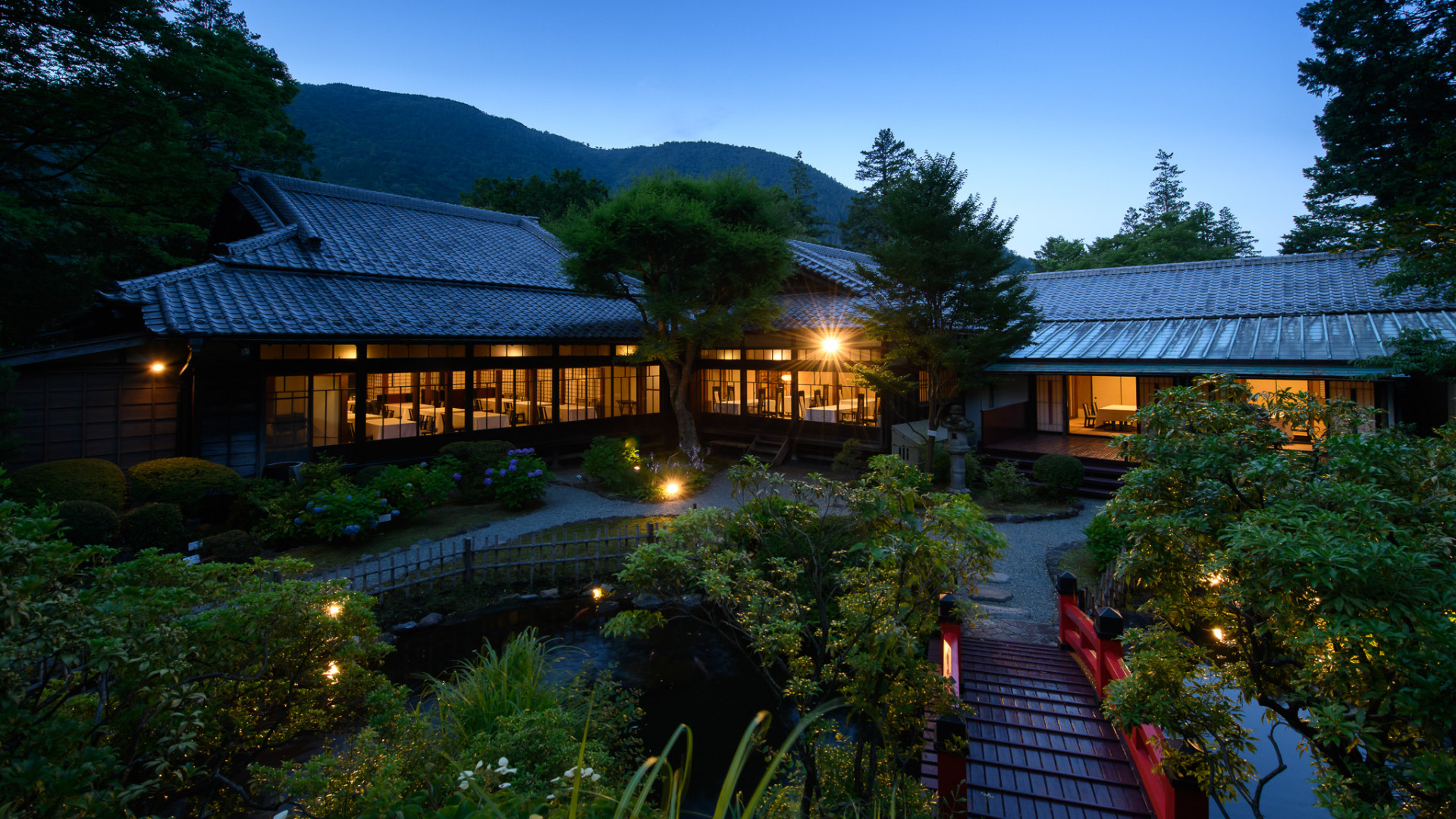
Nasu Bettei KAI is a ten-guest-room hot spring inn on 6,600m2 of land surrounded by lush green forests. It is right near the Nasu Imperial Villa and stands at the foot of the Nasu Mountain Range in Nikko National Park. The interior, furnished using traditional Japanese materials, is functional and matches the modern lifestyle to provide comfort to guests. All guest rooms come with a tub filled with natural hot spring water from the local historic spring source, Omaru Hot Spring. Guests are invited to enjoy the bath anytime while feeling the season of Nasu. For dinner, you will be served a satoyama kaiseki multi-course meal, cooked to perfection to bring out the taste of ingredients such as Tochigi Wagyu raised on the land of Nasu, ayu fish harvested from the clear Naka River, and fresh farm products. Nasu Bettei KAI is a very special inn that maintains connections with the local history, culture, and personality. 【About the hot spring】 Water color: clear Spring water type: simple spring water Efficacy: beautifies skin, alleviates nerve pain, sensitivity to cold, sore muscles, fatigue, and so on

Nikko kaido Oshu kaido TOCHIGI
กริลล์แอนด์สเต็ก เมียวเง็ตสึโบ (Grill&Steak Myogetsubo)

กริลล์แอนด์สเต็ก เมียวเง็ตสึโบ (Grill&Steak Myogetsubo)

เมียวเก็ตสึโบ (Myogetsubo) เป็นร้านอาหารที่เชี่ยวชาญด้านสเต็กและปิ้งย่าง ตั้งอยู่ในอาคารที่ได้รับการปรับปรุงใหม่จากที่พักเดิมของวัดนิกโกซังรินโนจิ ซึ่งมีประวัติศาสตร์ยาวนานกว่า 1,250 ปี สิ่งที่ไม่ควรพลาดของที่นี่คือสเต็ก “โทชิงิวากิว” เนื้อวากิวคุณภาพสูงจากญี่ปุ่น โทชิงิวากิวเป็นเนื้อวัวขนดำที่มีเกรด A4 ขึ้นไป โดยวัวจะถูกเลี้ยงในสภาพแวดล้อมธรรมชาติที่สมบูรณ์แบบของจังหวัดโทชิงิ ทำให้เนื้อวัวสายพันธุ์นี้ได้รับรางวัลคุณภาพยอดเยี่ยมระดับประเทศ 2 ปีซ้อน ลองลิ้มรสเนื้อโทชิงิวากิวในบรรยากาศที่ล้อมรอบไปด้วยมรดกโลก พร้อมสัมผัสความสง่างามของอดีตในช่วงเวลาที่หรูหราและเงียบสงบ

Nikko kaido Oshu kaido TOCHIGI
Nikko Momiji-za (“Japanese” performance show)

Nikko Momiji-za (“Japanese” performance show)

Nikko Momiji-za is a taishu engeki (popular theater) playhouse near Nikko Toshogu. It cherishes Japanese culture but at the same time pursues a new style of entertainment. Colorful and gorgeous costumes, a wide variety of plays, and tools and songs to add color to the play are some of the highlights. Momiji-za’s dance shows feature Japanese traditional folk music, enka songs, and pop songs, and at the same time incorporate the latest hit songs and music from overseas to entertain literally the general public from around the world. Taishu engeki is performing art created through the fusion of tradition and trends and everyone around the world will be sure to enjoy. Since there are evening shows too, why don’t you take a walk at night and drop by the playhouse after checking in at the hotel or after dinner?

Nikko kaido Oshu kaido TOCHIGI
GOOD NEWS

GOOD NEWS

GOOD NEWS in the town of Nasu is a commercial building complex that connects farming, social services, and tourism to help create a sustainable town. The land is divided into GOOD NEWS NEIGHBORS and GOOD NEWS DAIRY. GOOD NEWS NEIGHBORS is a shopping area where shops working on environmental issues are gathered. There are nine shops in total including an outdoor gear shop for enjoying nature and a roastery café that composts waste coffee grains. GOOD NEWS DAIRY, as a communicator of the attractiveness of Nasu where dairy farming is active, sells soft ice cream from a ranch where the forest is effectively used in dairy farming, and offers products from a cheese factory working on upcycling of waste whey.

Nikko kaido Oshu kaido TOCHIGI
Okabe Memorial Hall Kinrinso

Okabe Memorial Hall Kinrinso

Okabe Memorial Museum "Kinrinso" has a circular Japanese garden and is surrounded by a stone wall made of local Isoyama stone (no longer produced).   The building was constructed in the middle of the Meiji period by Kyushiro Okabe, who collected building materials over a period of many years and trained carpenters and joiners in Tokyo for three years. The two-story wooden structure is a fireproof storehouse.   The interior is characterized by the use of ebony, ebony, and ironwood for all the alcove sections. Many of the paintings, calligraphies, and antiques in the interior are by authors closely associated with the region.   It was used as a villa of the Okabe family until 1952, as a venue for entertaining related parties and for displaying draperies. After that, it was used as a kappo restaurant "Kinrinso" until June 1988. In August of the same year, the city rented the building and decided to preserve it as the Okabe Memorial Museum "Kinrinso" in order to pass it on to future generations as a historical and cultural heritage of 100 years of Moka City's modern era.   It was designated as Tochigi Prefecture Tangible Cultural Property (building) on January 14, 2000, and together with the buildings of the Bussan Kaikan and Cotton Studio (now Cotton Hall), was donated to Moka City by the Okabe family in January 2001.  

Nikko kaido Oshu kaido TOCHIGI
Tezutsu Hanabi(Hand-held fireworks)

Tezutsu Hanabi(Hand-held fireworks)

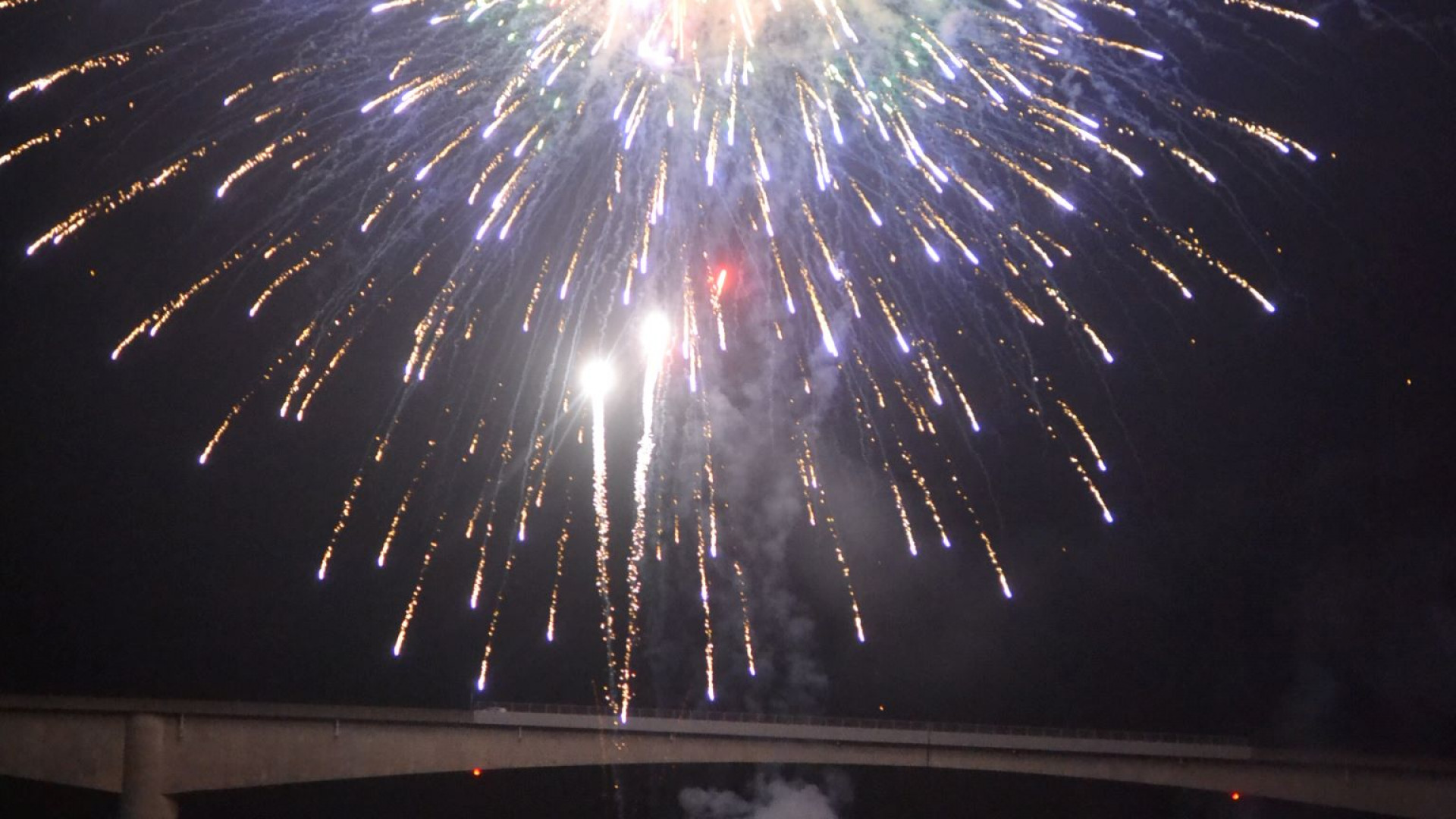
The "Mashiko Gion Festival" held at Kashima-jinja Shrine every July 23, 24, and 25. Kicking off the first night of the festival, an impressive rain of sparks falls from tezutsu fireworks shot up to 8 meters into the night sky from a combination of large and small cylindrical tubes. The handheld fireworks(Tezutsu Hanabi) are said to have originated in Toyohashi city. Tokugawa Ieyasu, who became the first Shogun of the Edo Period, brought that technology to his home in Mikawa province (current Aichi Prefecture). At the time gunpowder was strictly forbidden throughout Japan, but the villagers of this region were allowed to use Tezutsu Hanabi as a part of Shinto rituals offering to the gods in exchange for rich harvests, good health, family fortune and prosperity, and good luck in battle.

Nikko kaido Oshu kaido TOCHIGI
Nasu Teddy Bear Museum

Nasu Teddy Bear Museum

The Nasu Teddy Bear Museum exhibits teddy bears created by 100 artists from all over the world in order to further cultivate teddy bear culture. The museum building is modeled after a British manor house. You’ll find a collection that includes “artist bears” based on artists from around the world, as well as antique bears and Teddy Edward, the teddy bear that has traveled the most around the world. There are also planned exhibitions. The teddy bear museum features the works of Studio Ghibli into the museum as well as famous teddy bears. One of the museum highlights is the full-sized Cat Bus from My Neighbor Totoro. Unlike the Ghibli Museum that can only accommodate small children on the cat bus, even adult tourists can hop on and take pictures of this iconic bus. In addition, there’s a museum shop with a variety of teddy bear goods, as well as a tea room with teddy bear-themed menu items."

Nikko kaido Oshu kaido TOCHIGI
Shimazaki Sake Brewery

Shimazaki Sake Brewery

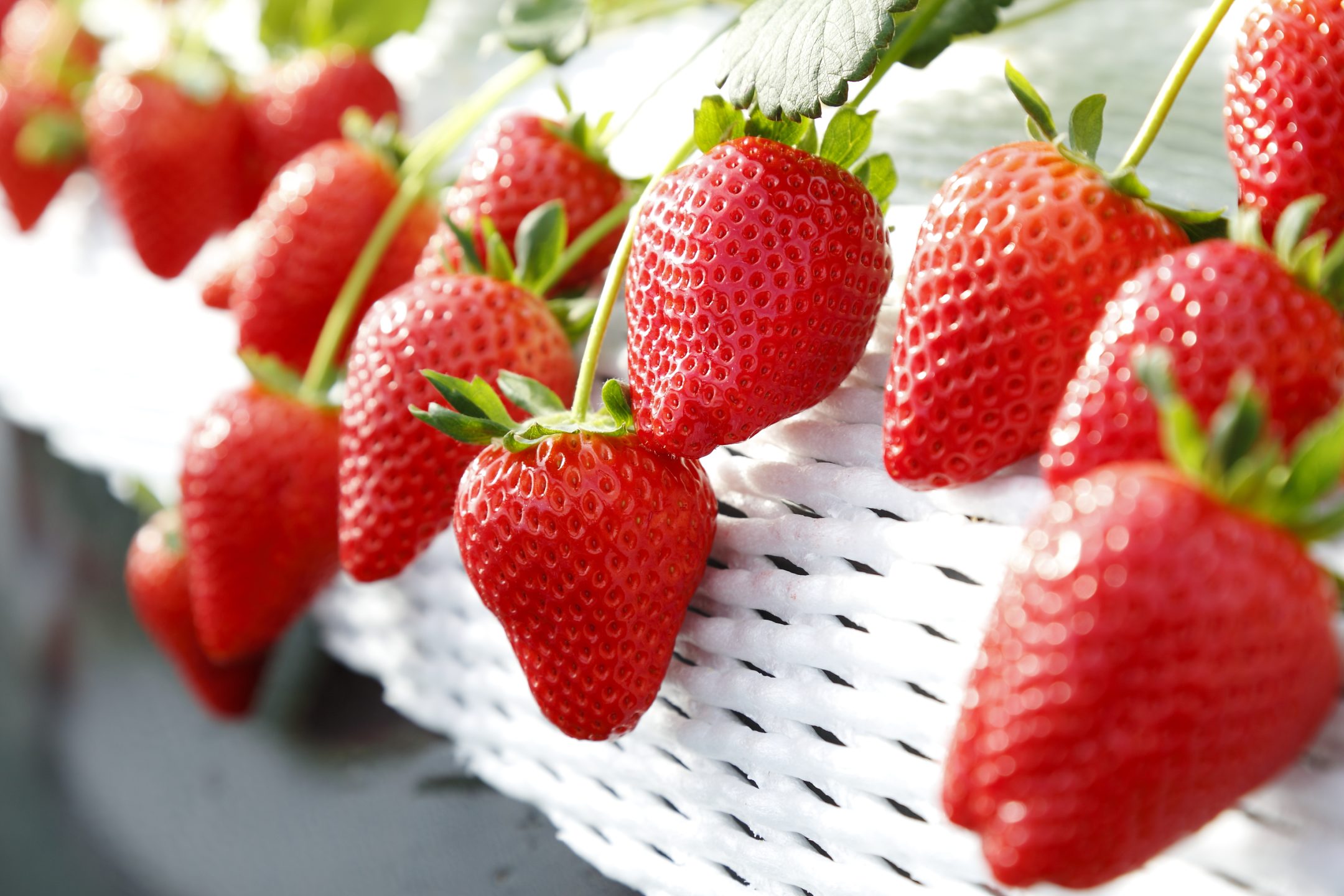
Established in 1849, Shimazaki Sake Brewery is open for tours of the brewery and the history of the brewing process (prior bookings required). Along with a selection of local Sake, you can purchase other liqueurs made from Yuzu, strawberries or Ume plums and Sake ice cream made with Ginjo-shu. The “Sakagura Festival” held at the brewery in March offers sake-tasting, quizzes, prize draws and sales of limited edition Sake bottles.

Nikko kaido Oshu kaido TOCHIGI
【Closed in March 2024】Mt. Jeans Nasu

【Closed in March 2024】Mt. Jeans Nasu

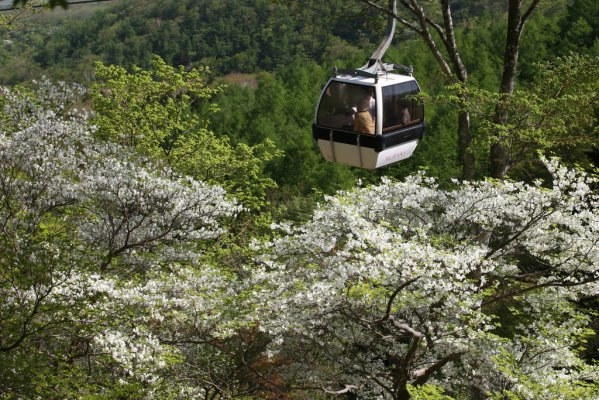
The ski resort is known for its gondola ropeway providing superb views of the Nasu Mountains in every season. The fields are filled with daffodils and azaleas in spring, gentians in autumn and about 30,000 white azaleas (Rhododendron quinquefolium) growing in clumps during mid-May to early June, the largest collection in the country. The mountains’ autumn foliage is an incredible spectacle. For those who like to take a closer look at the flora of these mountains, well-maintained walking trails are the perfect option!

Nikko kaido Oshu kaido TOCHIGI
Ashikaga Flower Park

Ashikaga Flower Park

This flower garden creates a full sense of the season and magnificence of nature with a wide range of plants and trees. The highlight of the park is the massive Japanese wisteria trellises in bloom from late April to mid-May. You will be totally stunned by four large wisteria vines and 80-metre tunnel of white wisterias,designated as a prefectural natural treasure.   In the evening the illuminated wisterias bring dream-like scenes. The park also draws large crowds during the fall and winter months, when the "Bejeweled Flower Garden" is held. It is one of the Kanto area’s top three annual illumination events. The garden welcomes over a million tourists throughout the year.

Nikko kaido Oshu kaido TOCHIGI
Furukawa Ashio History Museum

Furukawa Ashio History Museum

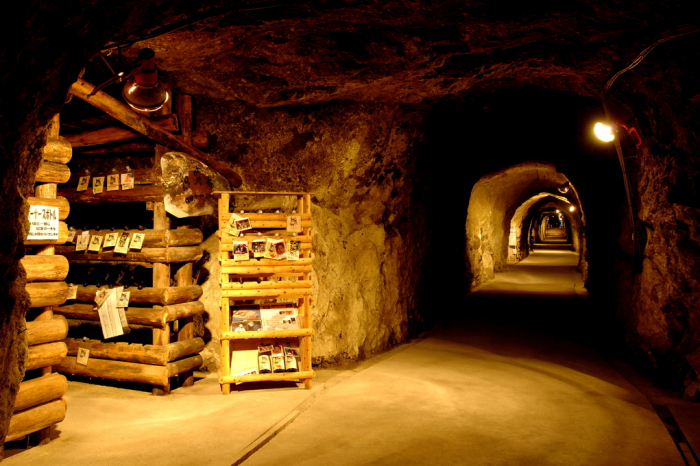
Overview of the Furukawa Ashio History Museum Ashio Copper Mine is one of the most important copper-producing sites in Japanese history. Discovered during the Sengoku period (1550), it was later mined under the direct control of the Edo shogunate. It once served as an essential source of material for Kan’ei Tsūhō, the currency of the time. As output later declined, the mine was taken over by the Furukawa family during the Meiji period. Due to advances in technology, new ore veins were found, and under the then national policy of enriching the country and strengthening the military, the mine prospered, making the Furukawa family magnates of the mining industry.   The Furukawa Ashio History Museum tells the stirring story of that industrial dawn. In addition to models of the Ashio Mining Office and stories of successive managers, it also exhibits the various tools used by miners in those days, recounting the history of the Ashio area.

Oshu kaido Nikko kaido TOCHIGI