

Ena Bay
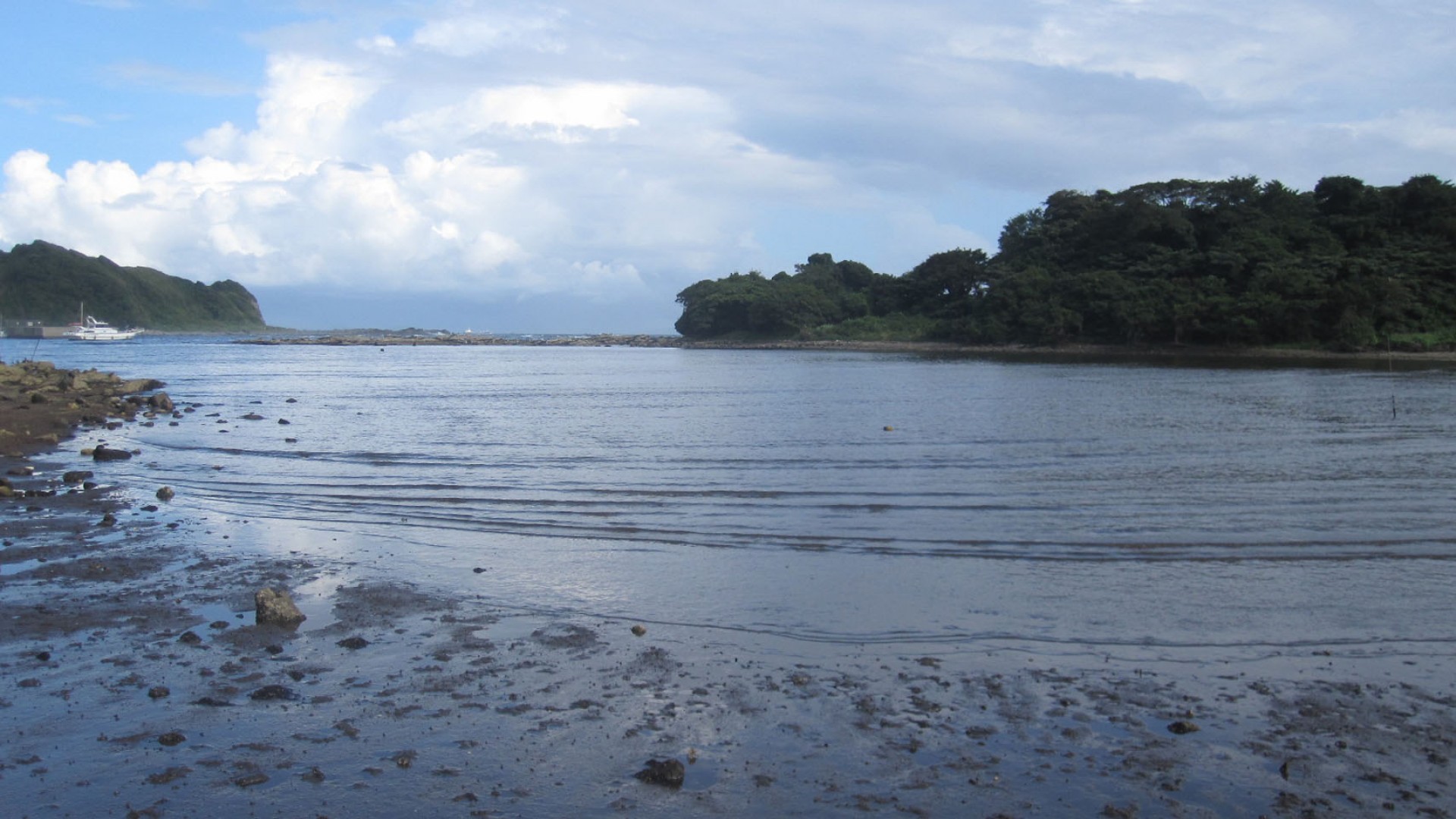
A small natural tidal flat in the inner part of Ena Bay on the southern tip of the Miura Peninsula. It has an abundance of reeds and eelgrass, as well as waterfowl and other diverse creatures.
Total: 1715 items
A small natural tidal flat in the inner part of Ena Bay on the southern tip of the Miura Peninsula. It has an abundance of reeds and eelgrass, as well as waterfowl and other diverse creatures.
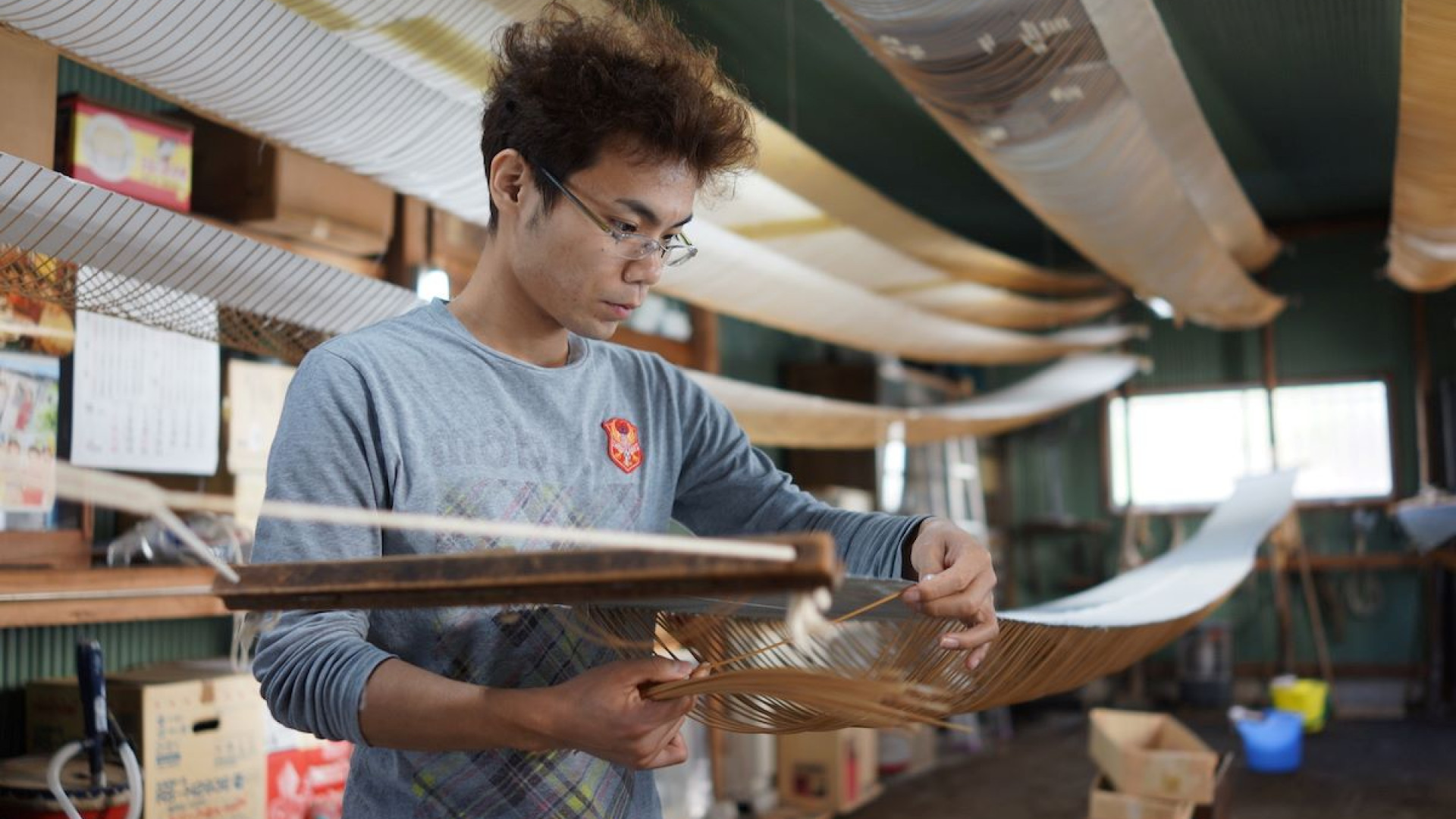
Visitors can learn about the structure of kimonos, see firsthand how kimonos are washed, and experience a portion of the "washing and stretching" process.
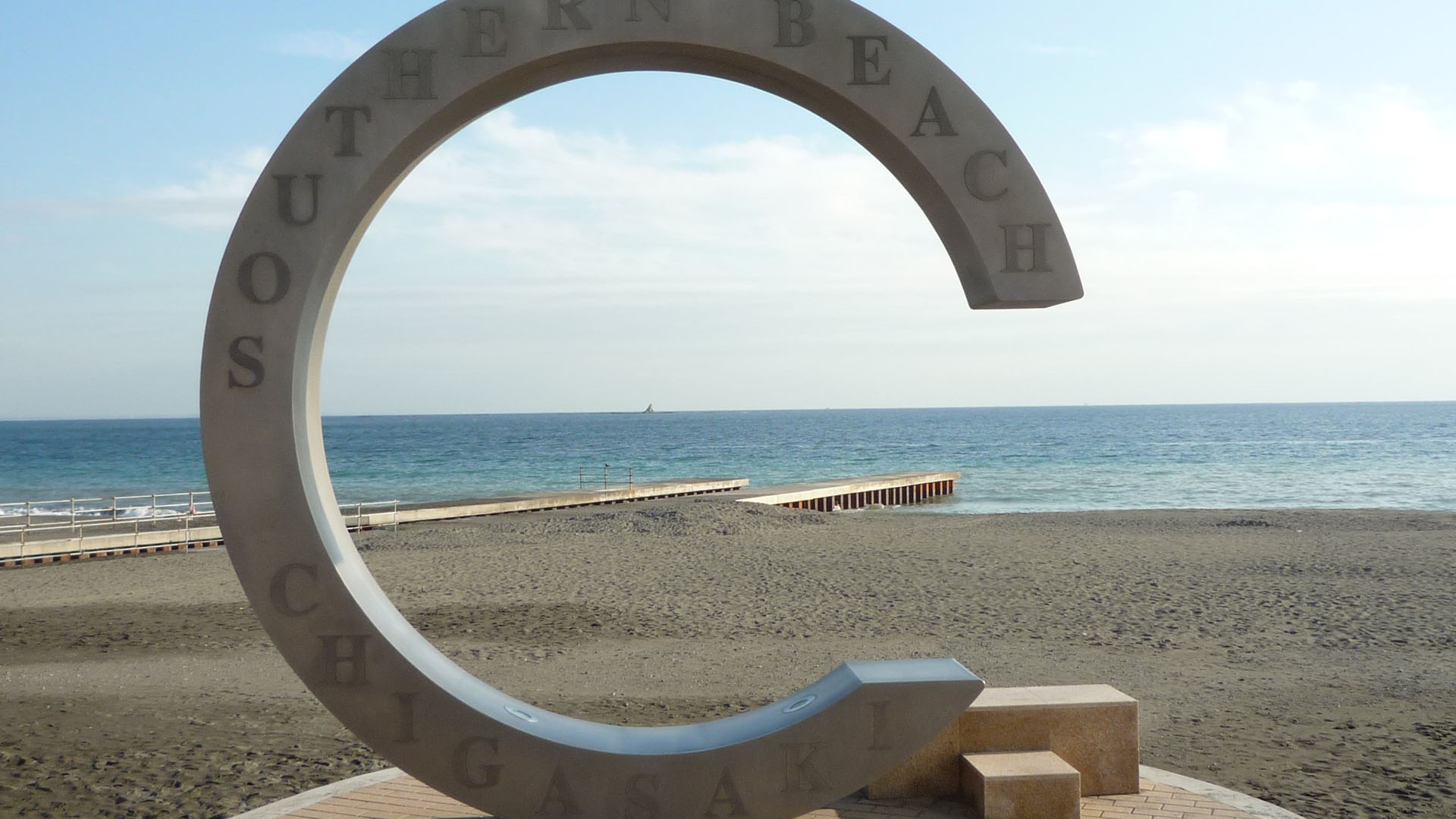
Chigasaki Southern C is the symbol of Southern Beach Chigasaki and has even fronted the Southern All Stars CD cover. This place is famous as a matchmaking (En-musubi) spot as when one stands at the right of the C, filling the gap in “C”, a circle (“En” in Japanese) will be formed, essentially tying fates (also “En” in Japanese) together. It is also famous for being a photo spot in Chigasaki where you can snap a shot with the Eboshi Rock in the middle of the C.
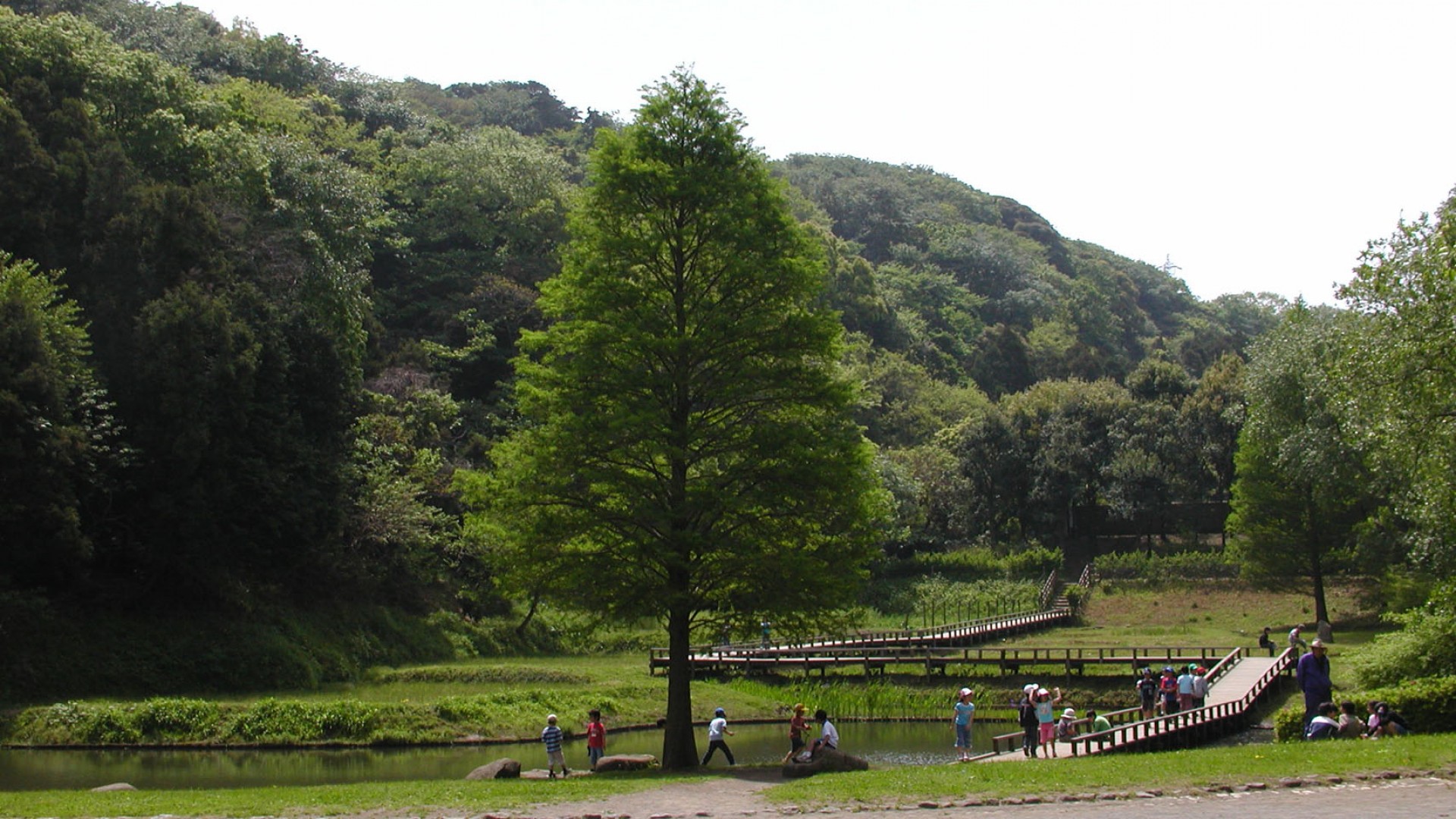
In this 16.2 hectare park, there is a 1.5km nature trail along the ridges of the mountains, an adventure park with playground equipment, and the Kawana Oike springs. You can find various plants such as the golden-banded lilies etc. on the nature trail which also serves as a hiking trail, and at the Kawana Oike springs, you can observe wild birds such as Kingfishers. At the wetlands area, you can find wetland plants there and at the banks of the pond, there's a traditional home from the Edo period (the former Koike Residence).
Overview of the Furukawa Ashio History Museum Ashio Copper Mine is one of the most important copper-producing sites in Japanese history. Discovered during the Sengoku period (1550), it was later mined under the direct control of the Edo shogunate. It once served as an essential source of material for Kan’ei Tsūhō, the currency of the time. As output later declined, the mine was taken over by the Furukawa family during the Meiji period. Due to advances in technology, new ore veins were found, and under the then national policy of enriching the country and strengthening the military, the mine prospered, making the Furukawa family magnates of the mining industry. The Furukawa Ashio History Museum tells the stirring story of that industrial dawn. In addition to models of the Ashio Mining Office and stories of successive managers, it also exhibits the various tools used by miners in those days, recounting the history of the Ashio area.
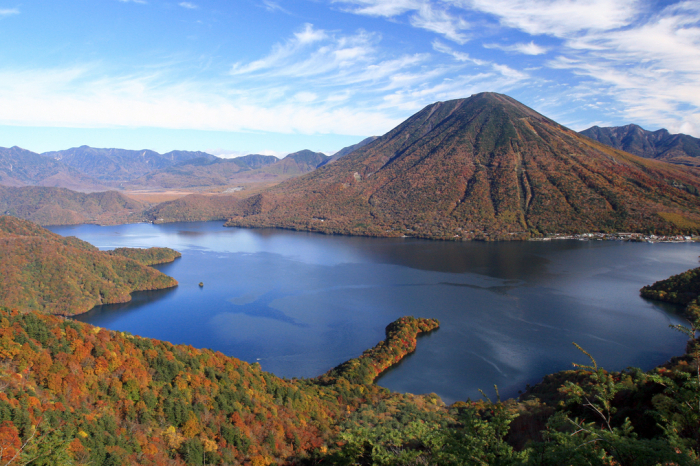
Mount Nantai is one of the representative peaks of the Nikko Mountains, standing at 2,486 meters. Towering over the northern shore of Lake Chuzenji, it offers magnificent scenery. Since ancient times, the mountain has been revered as a sacred object of worship. At its summit stands the Okumiya Shrine of Futarasan Shrine. Mount Nantai is also called “Futarasan.” The name “Futarasan” originates from the Buddhist term “Fudaraku.” Every year, a mountain-opening festival is held on July 31, and from midnight on August 1, many worshippers begin their pilgrimage from Futarasan Shrine’s Chugu Shrine, heading toward the summit to greet the sunrise. In addition, Lake Chuzenji, Kegon Falls, Ryuzu Falls, and the surrounding grasslands and fields at the foot of Mount Nantai were all formed by volcanic activity of the mountain. The official climbing season runs annually from April 25 to November 11. Starting from Futarasan Shrine’s Chugu Shrine, the climb to the summit takes about 6 to 8 hours round-trip. ※Climbing fee is 1,000 yen per person.※Reception hours are from 6:00 a.m. to 12:00 noon.※Entry is not permitted after 12:00 noon.※Please bring your own bear bell.
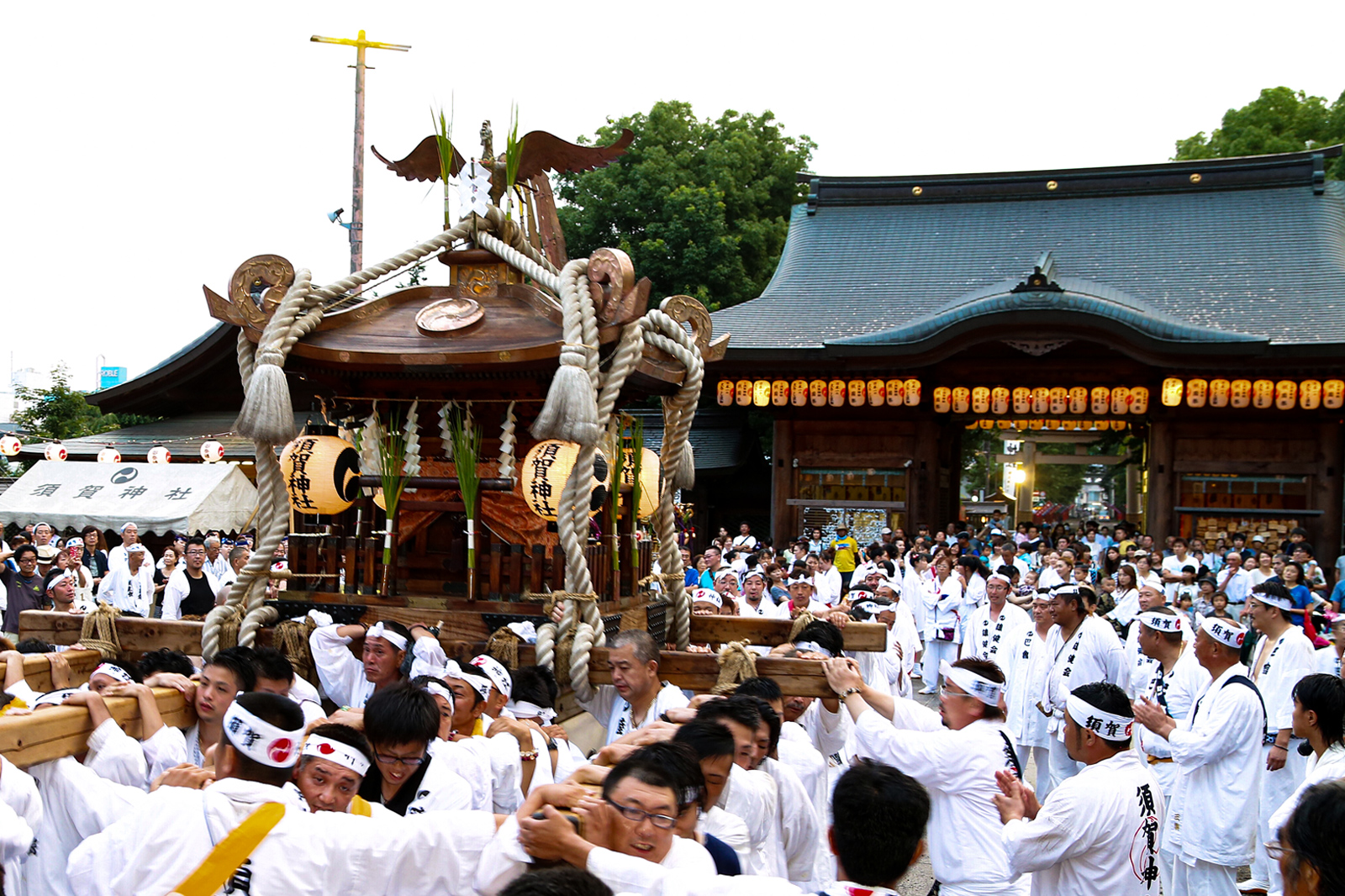
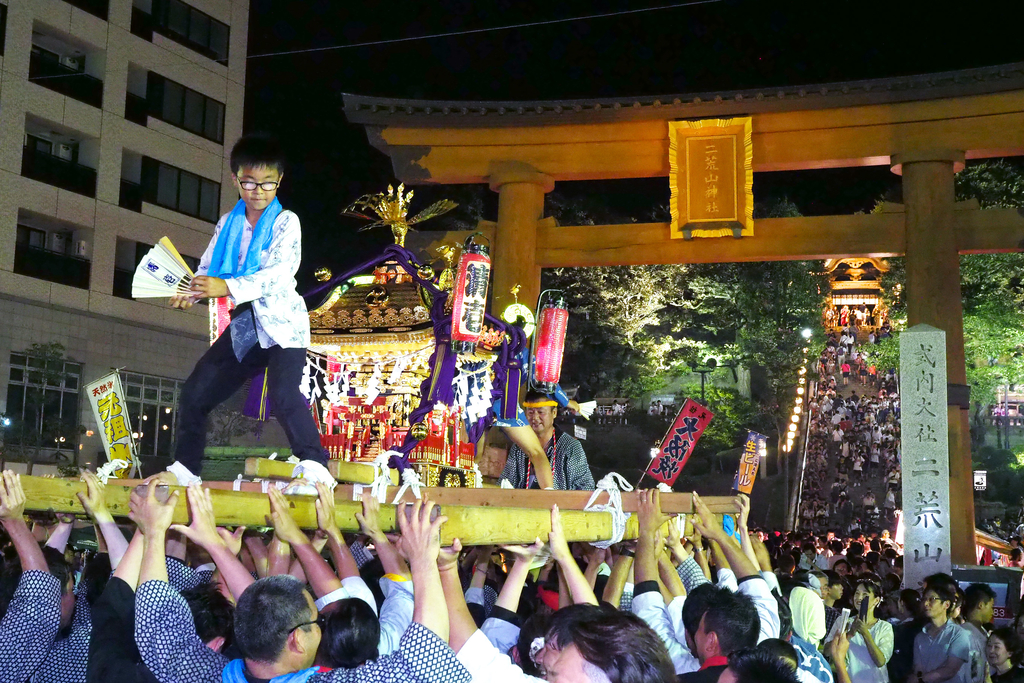
It is said that Suga Shrine was built by a legendary samurai Fujiwara no Hidesato in A.D. 940, and moved to its present location during 1159~1160. The whole shrine is filled with a solemn and serene atmosphere. In A.D. 1600, before the Battle of Sekigahara, Tokugawa Ieyasu held the famous “Oyama Council” at Suga Shrine and prayed for the victory of the battle. After his victory and the establishment of the Edo Shogunate, Suga Shrine was greatly honored by the Shogunate. In 1658, staff members who had participated in the construction of Nikko Toshogu Shrine, created a miniature version of the Akamikoshi in Toshogu Shrine, which became the pressure of Suga Shrine. The most important festival of Suga Shrine is "Oyama Gion Festival", on July 14 to 21 every year, 25 mikoshi including one massive one that weighs in at 2 tons are carried through the city. According to “Shimotsuke Province Choreography(下野国誌)” written in Edo period, Suga Shrine’s “Gion Festival” is the “best Gion Festival in Shimotsuke Province.” "
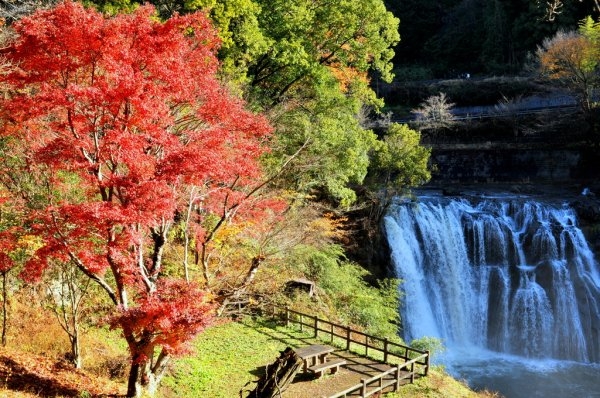
Near by the Nasukarasuyama City, Ryumon Falls is a large-scale waterfall that it is about 20-meter-high and 65-meter-wide. Halfway down the fall are two vertical holes called Ogama ("Male Cauldron") and Megama ("Female Cauldron"). Ogama has a diameter of 4 meters and Megama 2 meters. Due to the angle of the photo, you can see JR Karasuyama Line’s train through pass the Ryumon Falls. The cherry blossoms in the spring, the maple leaves in the fall, and the snow in the winter, along with the passing trams, make for a miraculously beautiful photo! Right next to the Ryumon Furusato Mingeikan is a path where you can walk to get a close-up view of the Ryumon falls.
The festival starts since 40years ago when the city marked 80th anniversary of its birth. Enthusiastic events unfurl for two days in and around the main streets of the city. "
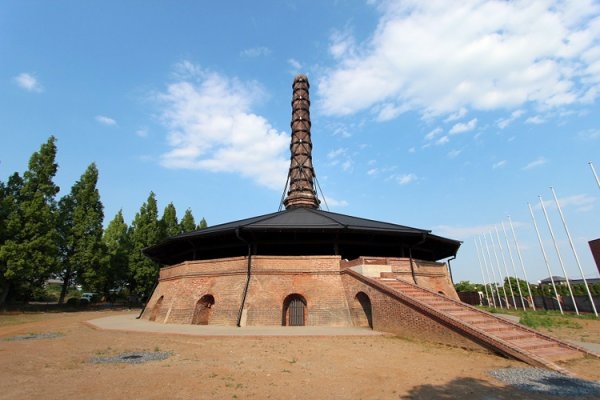
Made in 1890, the Nogi-machi Brick Kiln is a Hoffmann kiln that belonged to the former Shimotsuke brick manufacturer and was a major contributor to Nogi’s industrialisation. This is the only perfectly original Hoffmann kiln in Japan and is designated as an Important Cultural Property. It is in the shape of a hexadecagon (a 16-sided polygon) and is 34 metres in height and 100 metres in circumference. The kiln baked up to 408,000 bricks per year during the 80 years between 1890 and 1971. The conservation and repair work on the kiln was completed in September 2015 and the kiln was open to the public on 10 May 2016. The Nogi Koryu Centre (known as the “Nogi Hoffmann Kan”) was built and opened to the public at the same time. The centre offers activities and workshops as well as original goods and light meals. Come and experience the culture of the Meiji period!
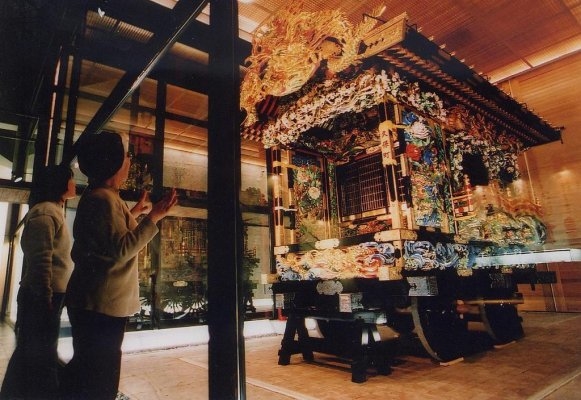
Yatai-no-Machi Central Park is home to the Yatai Museum, Tourism and Local Products Centre and “Kikusuien”, one of three famous gardens in Kanuma. The Yatai Museum’s exhibits include three hand-carved wooden floats – official local cultural properties – and videos on the Kanuma Autumn Festival which is designated an Important Folk Cultural Property. Take a close look at elaborate carvings on the floats and learn about the history of this famous festival. Built in the early 1900s, “Kikusuien” was known as one of three outstanding gardens in Kanuma at that time. Many cultural elites such as Sumio Kawakami (a printmaker) visited and loved this Japanese garden. Nowadays many people come to the restored garden for its fantastic autumn leaves in late November. The Tourism and Local Products Centre is a hub for tourism offering a selection of brochures about destinations in Kanuma in addition to a wide range of local products. At the Konjac café, visitors can enjoy a variety of dishes hand made from the local all-natural Konjac potatoes.
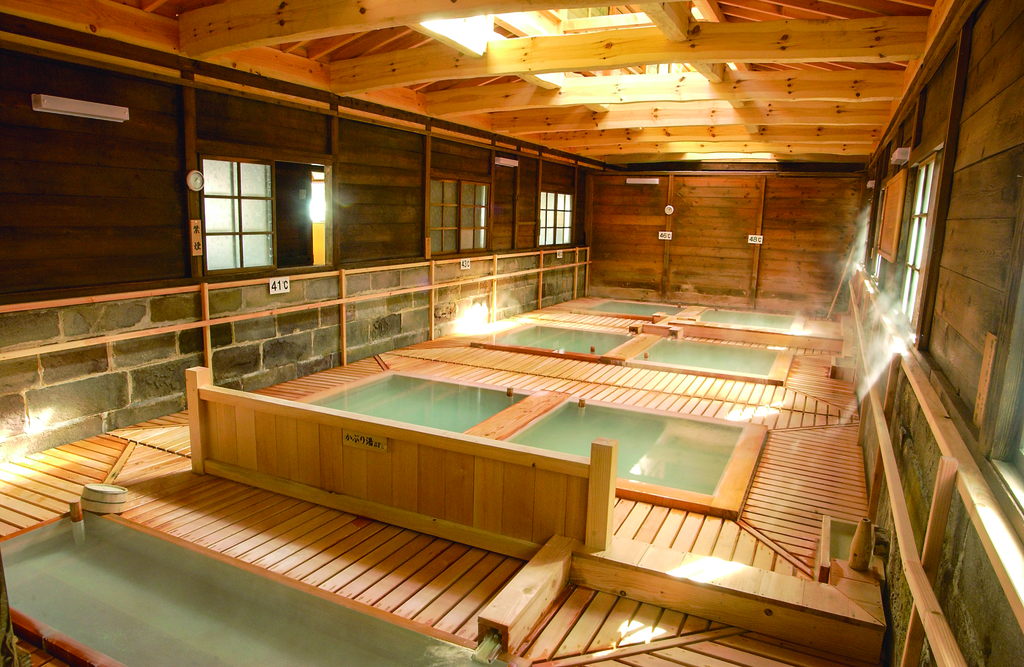
Nasu Onsen-kyo is a spread out hot spring resort on the slopes of Mt. Nasudake,the main peak of the Nasu mountains. The origin of the Onsen-kyo is “Shikanoyu” discovered in the 7th century.The “Shikanoyu(deer spring)” was named after locals witnessed an injured deer completely heal after jumping into the steaming pool. It's been renowned for its healing powers ever since. Historic visitors include Yoritomo Minamoto,a great samurai of 12th century,and Basho Matsuo,a famous poet of 17th century. Onsen styles vary from modern hotels in the highland to traditional wooden baths where you can try bathing in more than one spot to feel the difference.
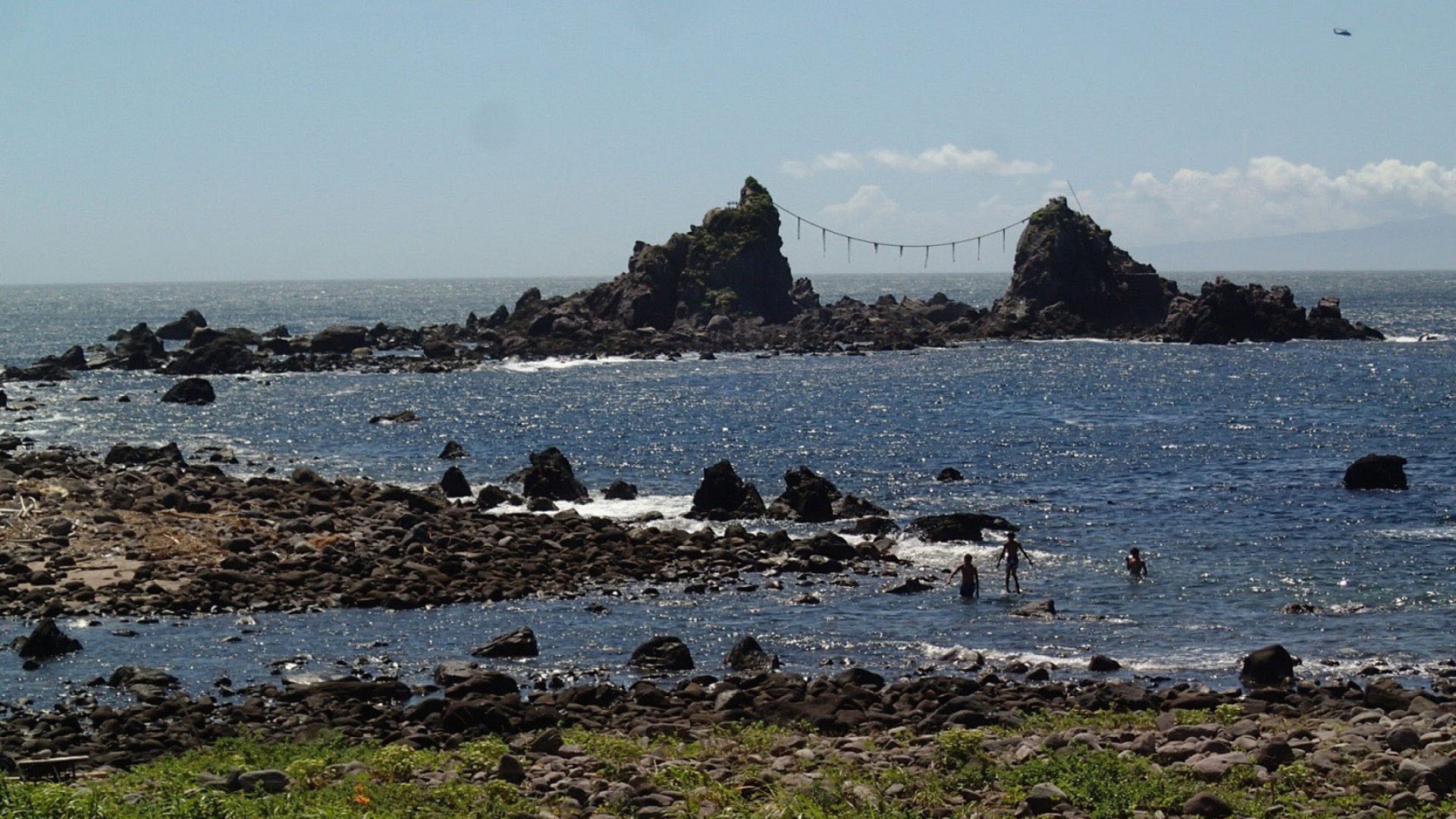
It is a 700 meter walking trail by the coastline at the tip of Manazuru peninsula. You can enjoy walking while overlooking Sagami Bay and Mitsuishi Shore.
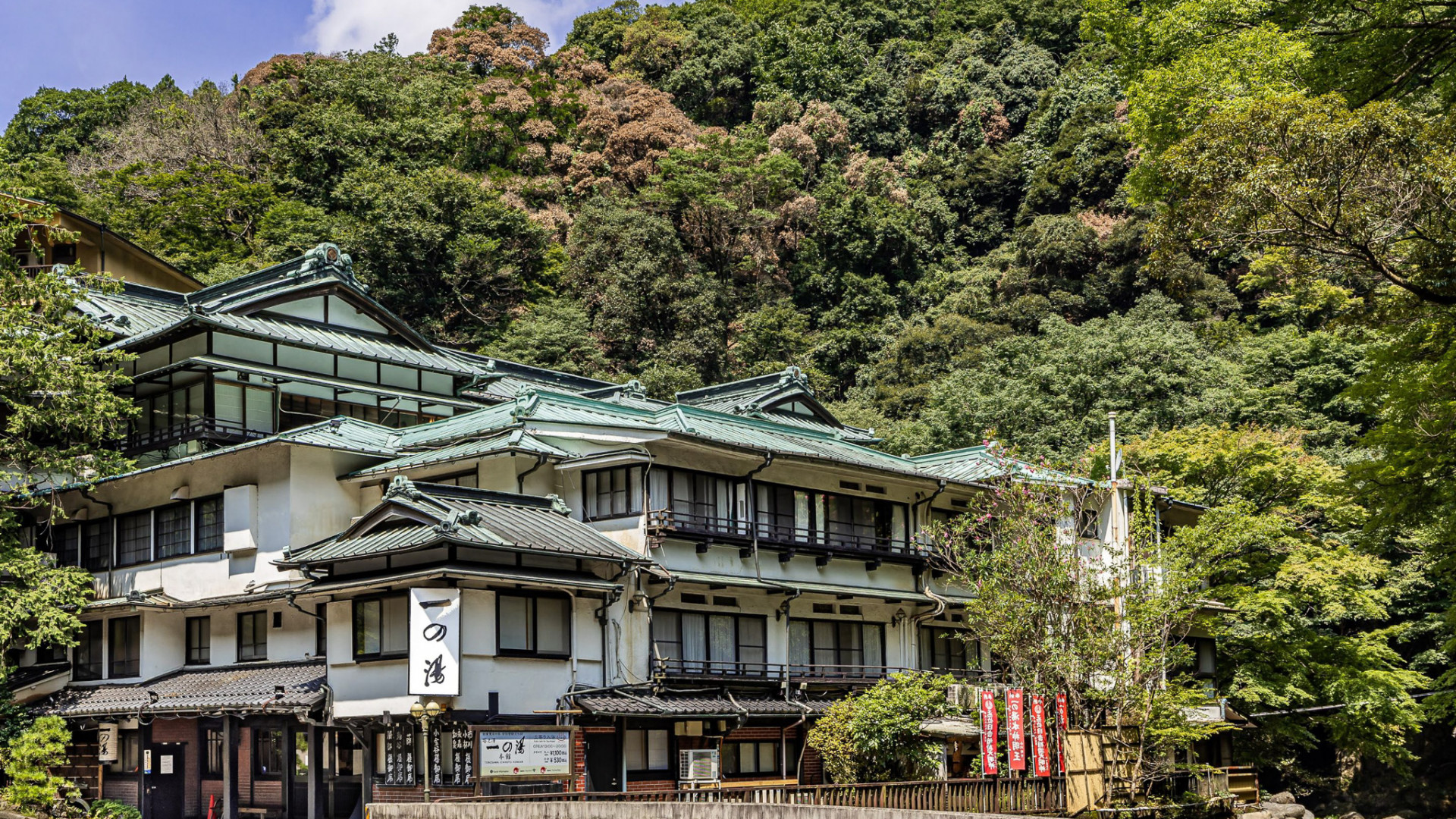
A long-standing inn housed in a four-story sukiya-style wood building in Hakone Onsen. This inn, overflowing with the romance of travel, also offers guest rooms with their own private open air roten (with a view) baths through which hot spring water flows. All of the rooms face Hayakawa Valley, allowing you to enjoy the unique nature of Hakone in all four seasons. This location was designated a National Designated Tangible Cultural Property in 2009, and it is certified as a building that contributes to the historical landscape.
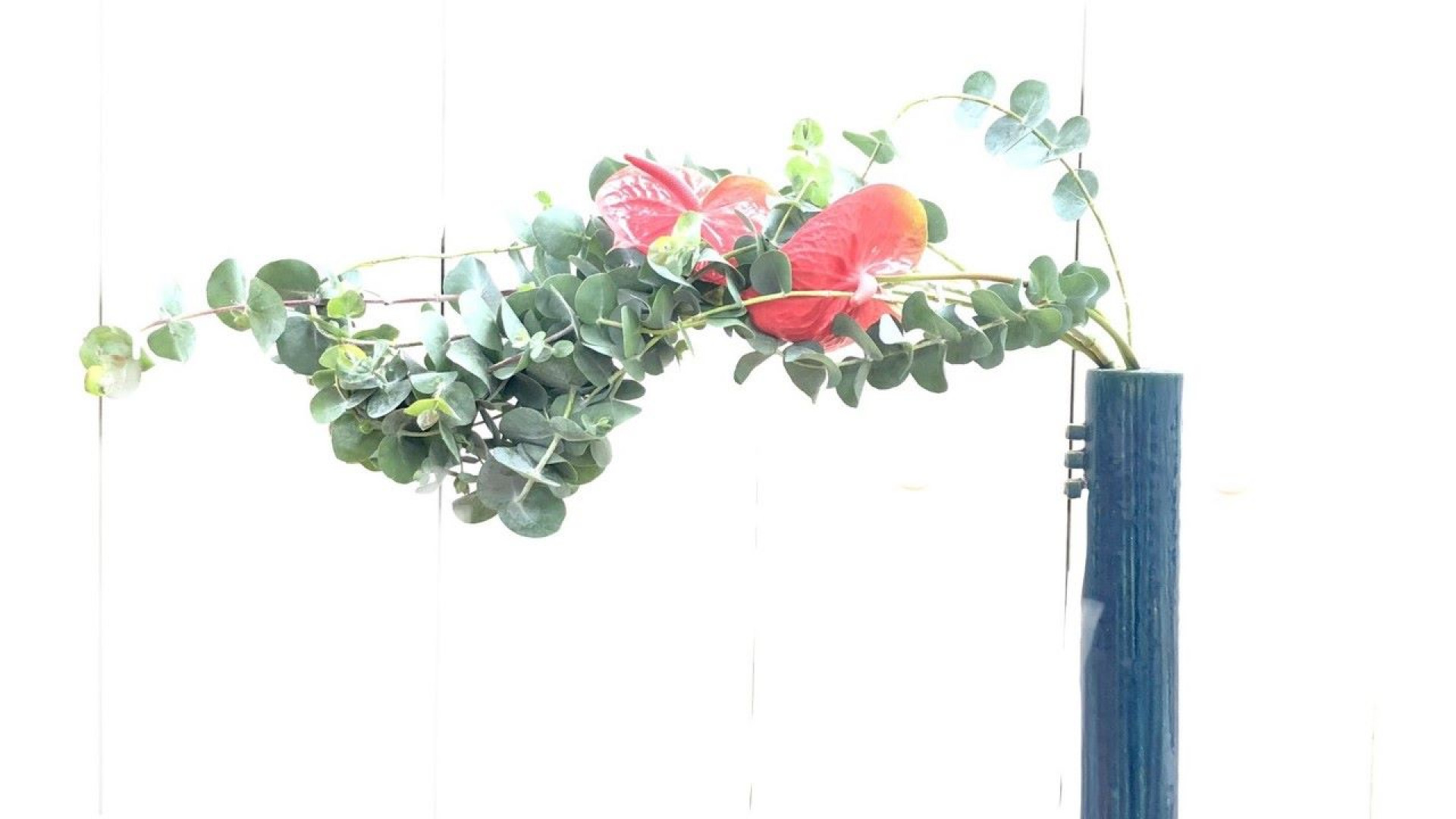
Interacting with flowers will lead you to create your own Ikebana, Japanese flower arrangement. Each person has his/her own sense of beauty. Arranging flowers makes you free of heart, being thoughtful and good communicator. Also you can get in touch with Japanese seasonal flowers. Japanese flower arrangement takes "space" very valuable. You can appreciate the meaning of space between plants and vacancy.
Located in the Okunikko area, Zen Resort Nikko is an outdoor activity-oriented commercial complex where you can enjoy dining at a restaurant and glamping. The restaurant serves beef hamburger steaks with a wonderful umami taste and texture achieved only because they are made of 100% Wagyu beef. You can also savor a dish featuring Itadakimasu, a brand of freshwater rainbow trout developed in Nikko. The dinner (reservation required) is prix fixe, so you can choose dishes of your preference for each course. Enjoy alcohol beverages and food in the slow flow of time. In addition to accommodation facilities for glamping and camping, Zen Resort Nikko offers a rich lineup of seasonal activities such as SUP for summer and snow activities in winter.
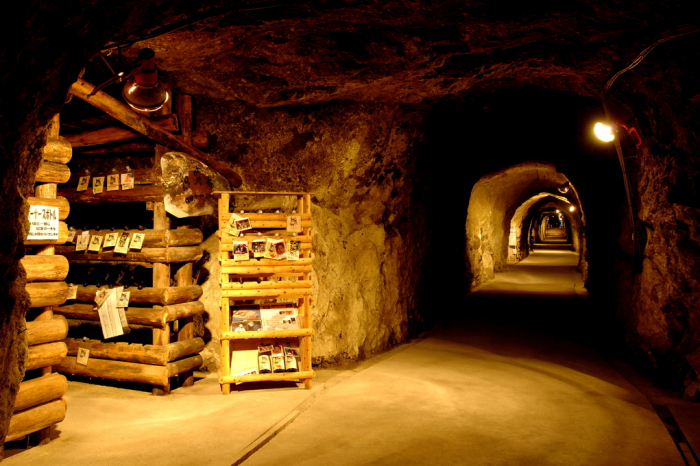
History of "Shimazaki Brewery" The Shimazaki Brewery's history began in Kaei 2 (1849), and have continued to brew sake for more than 170 years. Using of the highest-grade raw rice, natural spring water from the Nasu Mountains, which have made Shimazaki Sake one of Tochigi Prefecture's best-known sake brewing brands. History of Cave Brewery The Cave Brewery was originally a cave dug for the establishment of an underground chariot factory at the end of World War II, but the war ended before production could begin. After decades of inactivity, the cave became a natural cellar for Shimazaki Brewery to mature sake. Features of Cave Brewery As the cave is completely protected from the sun, the temperature inside is maintained at around 50°F all year round, so it is advisable to bring a thin jacket to keep warm even in summer. Inside the cave, you can see a whole row of matured sake that extends deep into the cave. Those are purchased by the consumer, stored by the brewery, and then handed back to the consumer after 5~20 years to commemorate important moments such as the coming-of-age ceremony, the birthday of family, or housewarming, and it is very popular. Sake that has been matured for half a year is also sold as a New Year's gift. ◇Opening Days: Weekend, Holiday, Japanese Golden Week, the Bon Festival
Nasu Bettei KAI is a ten-guest-room hot spring inn on 6,600m2 of land surrounded by lush green forests. It is right near the Nasu Imperial Villa and stands at the foot of the Nasu Mountain Range in Nikko National Park. The interior, furnished using traditional Japanese materials, is functional and matches the modern lifestyle to provide comfort to guests. All guest rooms come with a tub filled with natural hot spring water from the local historic spring source, Omaru Hot Spring. Guests are invited to enjoy the bath anytime while feeling the season of Nasu. For dinner, you will be served a satoyama kaiseki multi-course meal, cooked to perfection to bring out the taste of ingredients such as Tochigi Wagyu raised on the land of Nasu, ayu fish harvested from the clear Naka River, and fresh farm products. Nasu Bettei KAI is a very special inn that maintains connections with the local history, culture, and personality. 【About the hot spring】 Water color: clear Spring water type: simple spring water Efficacy: beautifies skin, alleviates nerve pain, sensitivity to cold, sore muscles, fatigue, and so on