
Greater Tokyo

See & Do

reset
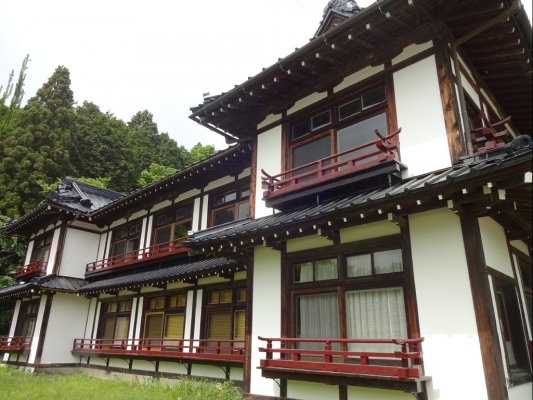
Mashiko Yuwakan     Gozasho (imperial chamber) and Peace Gallery

Mashiko Yuwakan Gozasho (imperial chamber) and Peace Gallery

Mashiko Yuwakan was originally established in Meiji 15 (1882) in Nikko City, Tochigi Prefecture as the Nanma Hotel. His Majesty the Emperor Emeritus stayed there during the war as evacuating school children when he was Crown Prince . The Gozasho, where he heard the Imperial Rescript on the Termination of the War over the The Jewel Voice Broadcast at the end of the war, remains to this day. The Mashiko-ware pottery kiln in Mashiko was relocated to its current location in Showa 48 (1973), and was donated to the town in Heisei 28 (2016). The building was renovated and re-opened as Mashiko Yuwakan with the hope to pass on the value of this building not only as a town treasure, but also as a national treasure to future generations. Currently, the Peace Gallery is exhibiting newspapers from the end of the war and panels showing the relationship between Tochigi Prefecture and the Imperial Family. In the Gozasho, which retains the appearance of those days, the full audio of the The Jewel Voice Broadcast is available to be listened. ※Masaiko Yuwakan has been renovated while keeping the original charm of the time it was built, so there are steep stairs and steps. Please be aware that the facilities are not barrier-free. We thank you for your understanding.
Nikko kaido Oshu kaido TOCHIGI
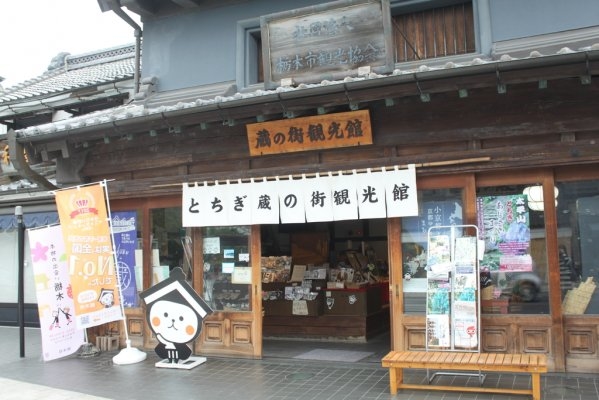
Kitagura Cafe Higano

Kitagura Cafe Higano

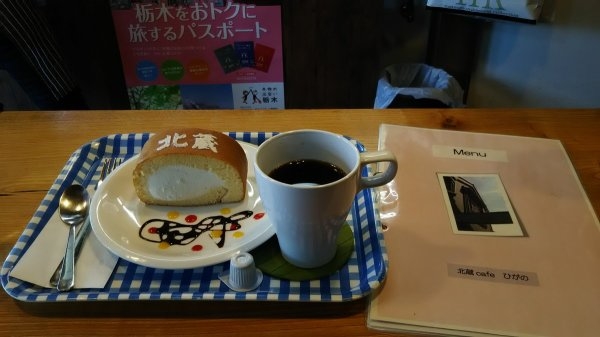
Housed in “Kitagura,” a building constructed in the mid-Meiji period and registered as a Tangible Cultural Property of Japan, Kitagura Cafe Higano is located along Tochigi City’s famous Kuranomachi Street, a popular sightseeing area. The café is operated by Higano Shoten, a traditional confectionery shop founded in 1922. In addition to freshly brewed hand-drip coffee and homemade sweets, visitors can purchase the shop’s signature rice crackers, Okaki, as souvenirs. For coffee lovers, this is the perfect spot to relax and enjoy a quiet, charming atmosphere in the heart of historic Tochigi.

Oshu kaido Nikko kaido TOCHIGI
Musha Festival

Musha Festival

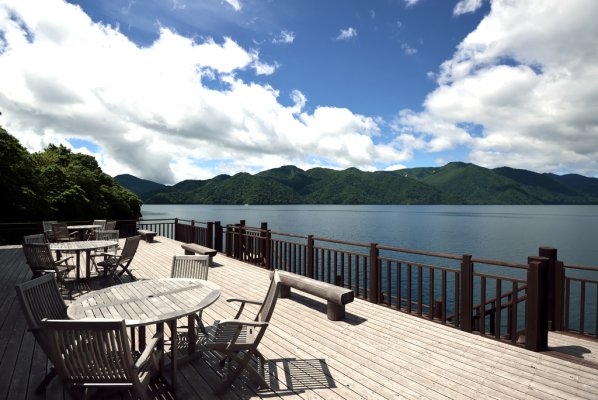
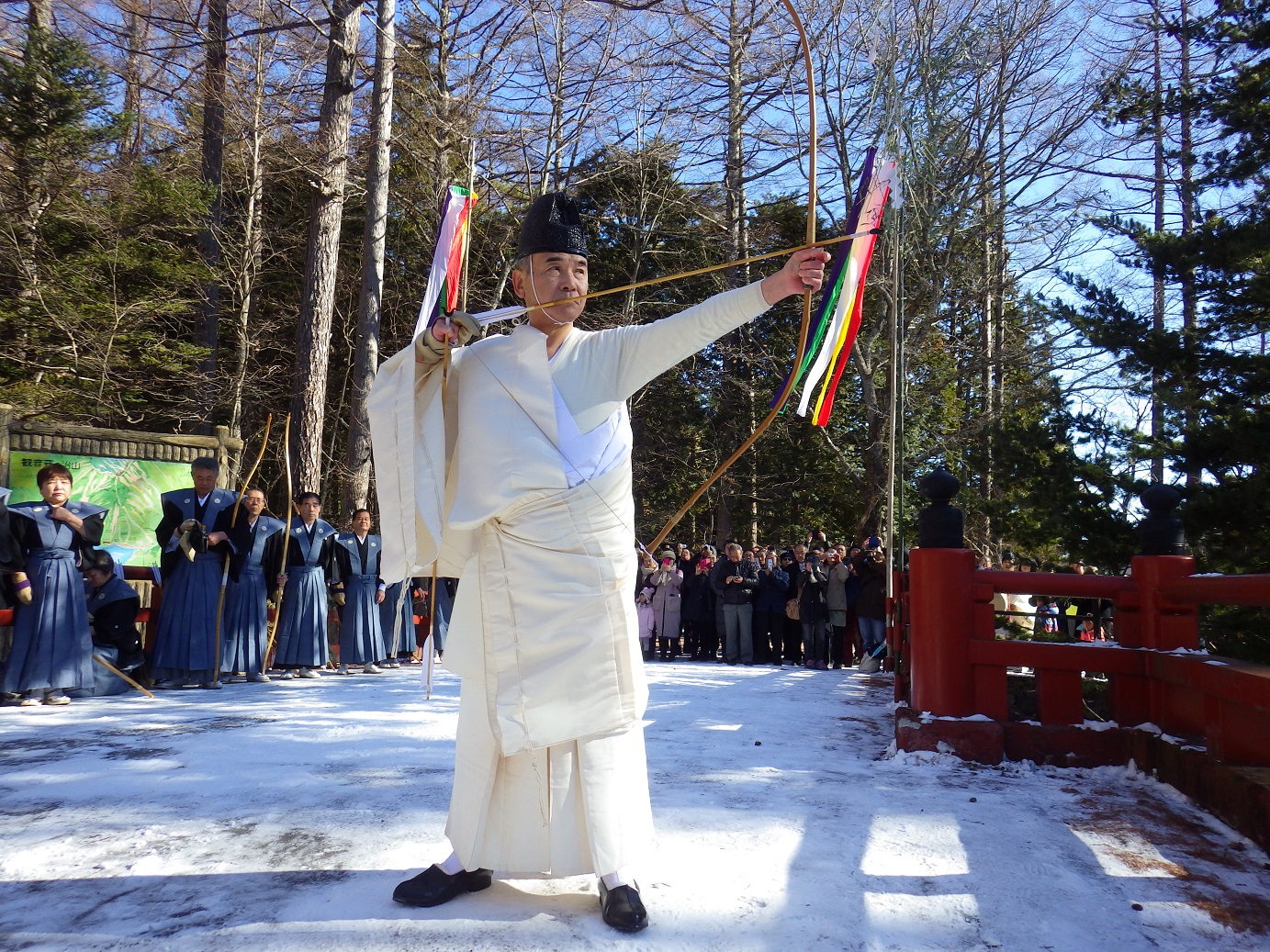
On January 4 each year, the Musha Festival, an annual Shinto ritual in which arrows are shot toward Mount Akagi, is held at Futarasan Shrine's Chugu Shrine on the shore of Lake Chuzenji. It is based on a legend of Gods warfare, and is a tradition that has continued since the Muromachi period.   In the legend of the Gods battle, the deity of Mount Nantai in Nikko changed himself into a "giant snake," and the deity of Mount Akagi in Gunma changed into a "giant centipede" and fought over at Senjogahara. It is said that the deity of Mount Nantai won the warfare.   In accordance with the legend, the Guji (head of priests) stands on the Kamishimbashi and releases the first arrow, with a shout of "Ya" as a cold wind blows, followed by the priests and archers dressed in kariginu, who shoot arrows one after another in the direction of Mount Akagi in this heroic ritual.

Nikko kaido Oshu kaido TOCHIGI
Nasu Yuzen Shrine

Nasu Yuzen Shrine

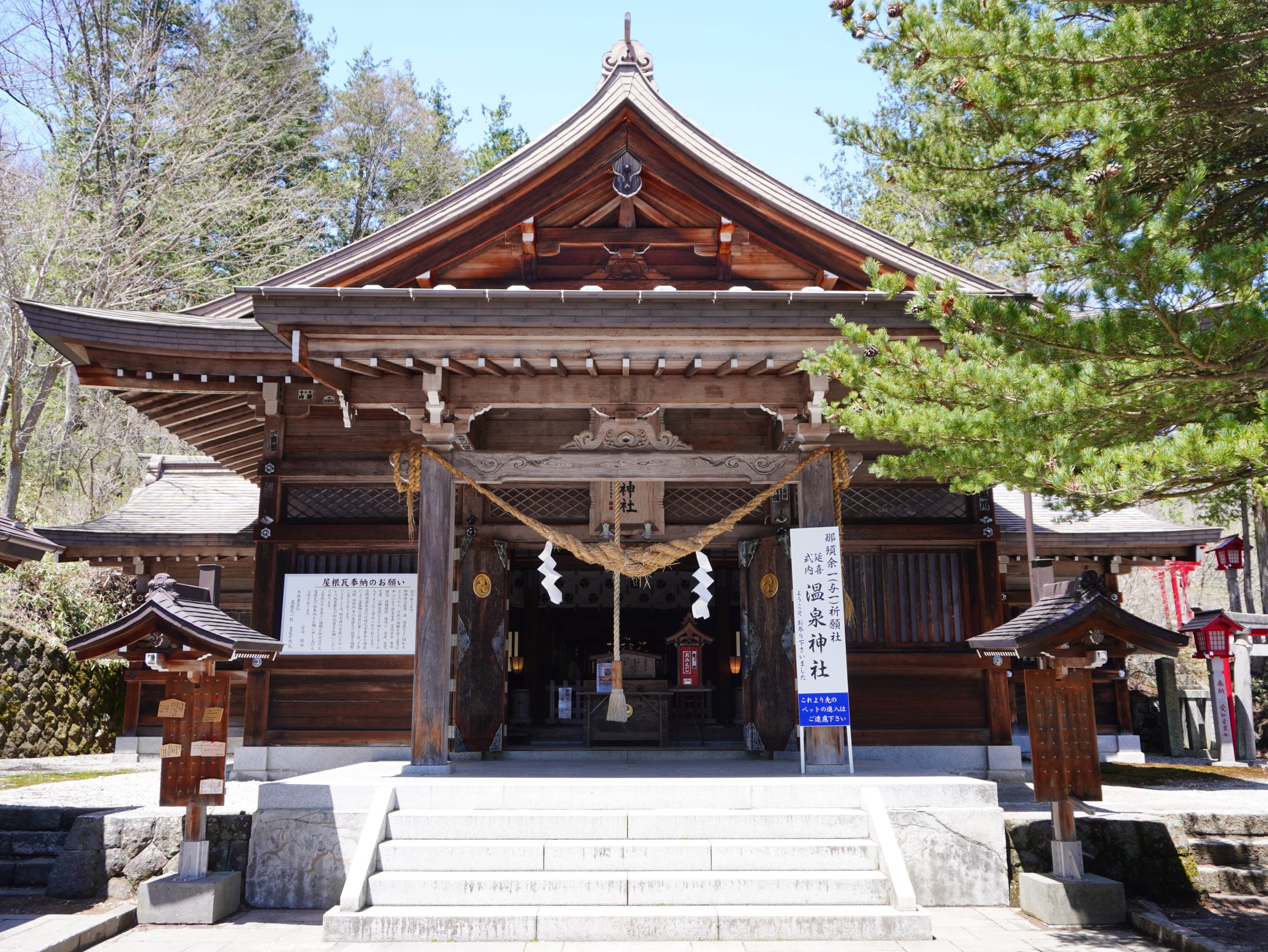
History of Nasu Yuzen Shrine It is said that a hunter named Kano found onsen here when he was trying to hunt a white deer. He built this shrine for thanksgiving. According to an article written in Nara period (A.D 710~794), we can confirm that the shrine already existed during that time.   During the Genpei War in 12th century, an archer called Nasu Yoichi came here to pray for victory over Taira family’s army. He shot down a fan by one arrow that enemy put on the front of their boat when he stood on the ground. It made him became legend and the shrine became very famous for blessing Yoichi. Yoichi donated his bow and arrow to the shrine, which became shrine’s tressure later.   Shrine’s famous festival The most important event of the shrine is the “Dai Festival”, which is held on October 8 and 9 every year. They dedicate onsen to the God, and perform a traditional dance called “Urayasu Dance”.   Then on October 9, people perform another traditional dance called “Ozawa’s Lion Dance,” which is designated as the “Intangible Cultural Property of Nasu Machi” to pray for prosperity.   There is also a famous festival be held on the last weekend of May, the “Nasu Seshosseki Gojinka Festival”. The highlight of the festival is a parade from Yuzen Shrine to Sesshoseki by participants attired in white clothing with torches.

Nikko kaido Oshu kaido TOCHIGI
Okashi-no-Shiro Nasu Heartland

Okashi-no-Shiro Nasu Heartland

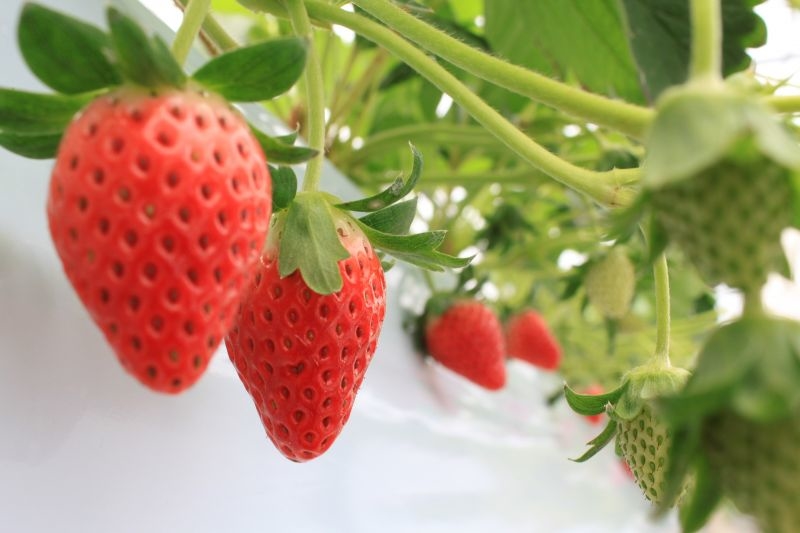
Tochigi is Japan’s largest producer of strawberries. The prefecture has the perfect environment for fresh and sweet strawberries, blessed with abundant sunshine, clear spring water, fertile land and an inland climate with a large difference between high and low temperatures. Strawberry picking is a popular leisure in strawberry farms across the prefecture. Starting with “Tochiotome”, the nation’s superstar brand of strawberry, come and sample some of the many varieties available, some of which are only grown in the prefecture. “Skyberry”, the brand-new premium variety created as a successor of “Tochiotome”, is increasingly popular. The perfect flavours and amazingly large-fruit are utterly delicious!

Nikko kaido Oshu kaido TOCHIGI
Uzuma River Andon (Lantern) Festival

Uzuma River Andon (Lantern) Festival

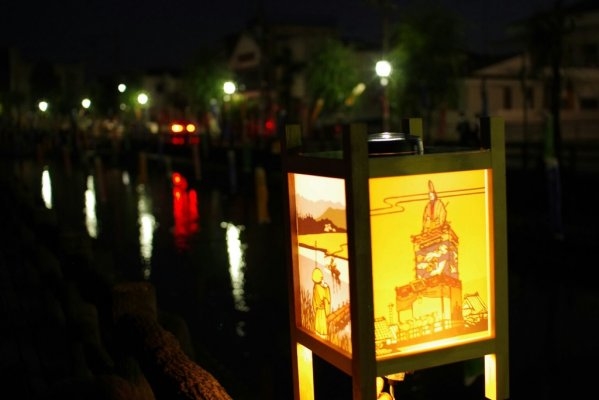
The Uzuma River Andon (Lantern) Festival is being held July 1 - September 30 every year. Festival goers enjoy 135 historic Edo-style paper lanterns displayed along the Uzuma River, from the Kaiun to Korai bridges and around Uzuma Park. Each unique lantern is intricately and handsomely decorated with paper-cut designs of floats and traditional warehouses. Lighting time is 7:00 pm to 10:00 pm daily, adding an exotic and nostalgic atmosphere to the town post-sunset. On the first Sunday of August, the Hyaku Hatto Nagashi Festival is also held."

Nikko kaido Oshu kaido TOCHIGI
Tochigi Flower Center

Tochigi Flower Center

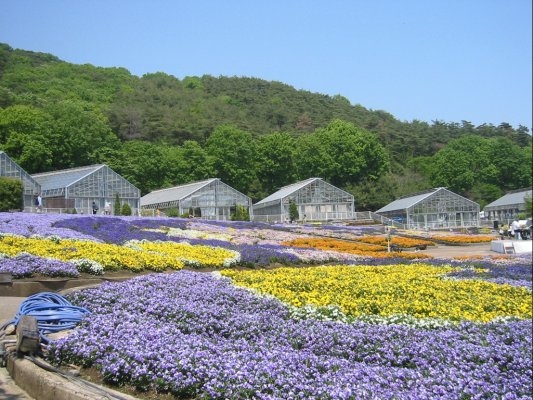
The Tochigi Flower Center is located at the base of Mt. Mikamosan Park. Come enjoy a variety of flowers in a large flower bed shaped like six flower petals as well as the largest greenhouse in the country. The center plans a variety of exhibitions based on the season and also offers horticultural advice. Their permanent exhibits include flowers, fruits, and plants of the tropics and subtropics as well as strange, bizarre, and rare plants from around the world such as welwitschia mirabilis. Events are held showing off seasonal flowers."

Nikko kaido Oshu kaido TOCHIGI
Ashikaga Machinaka Yuugakukan

Ashikaga Machinaka Yuugakukan

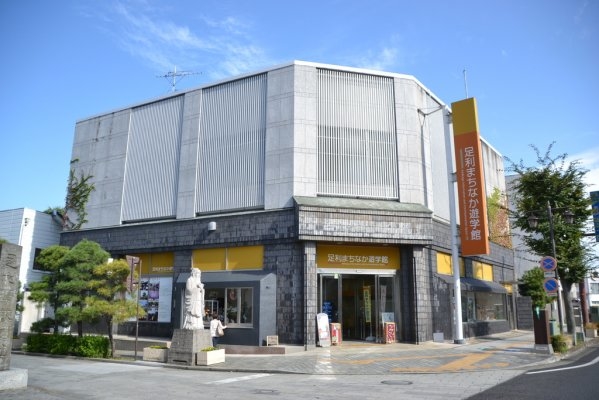
Ashikaga Machinaka Yuugakukan was opened in March 2003 as a facility to familiarize, enjoy, and learn about the history, culture, and nature of Ashikaga. Remodeled in 2016, the facility has a rest area and conference rooms, and provides tourist information. There are take-out shops for drinks, soups and lunch that can be enjoyed inside the building.On the second floor, visitors can try on traditional clothing made of Ashikaga Meisen silk."

Oshu kaido Nikko kaido TOCHIGI
Soba Making Experience at Nikko no sho

Soba Making Experience at Nikko no sho

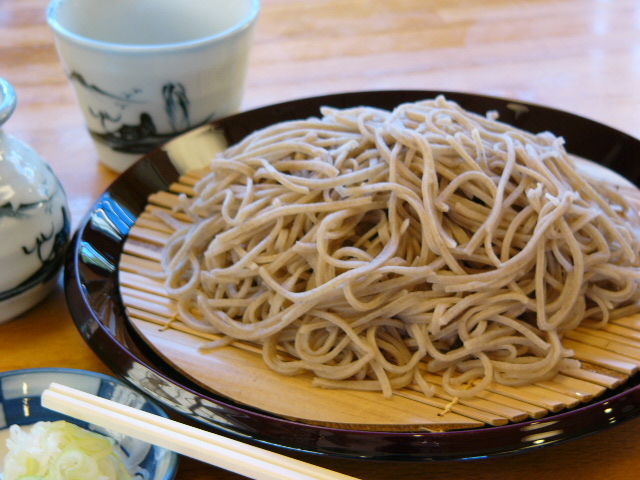
In Nikko city, there are lots of handmade soba (buckwheat noodles) shops. (there are over 100 soba shops) It is said that the number of shops rate per the population is No.1 in Japan. Also the production of buckwheat is No.1 in Tochigi prefecture. Additionally Nikko city is rich in fresh ground water for soba which originates from the mountain of Nikko. Of course, soba masters have special skills to make it. That’s why the city of Nikko is called “the city of soba”. We look forward to meet you. [Notes] *Reservation required (by Phone, Fax) *Japanese language only. If you need English assistance, please come with an interpreter.

Nikko kaido Oshu kaido TOCHIGI