

Greater Tokyo

See & Do

reset
Arai Castle Ruins Park

Arai Castle Ruins Park

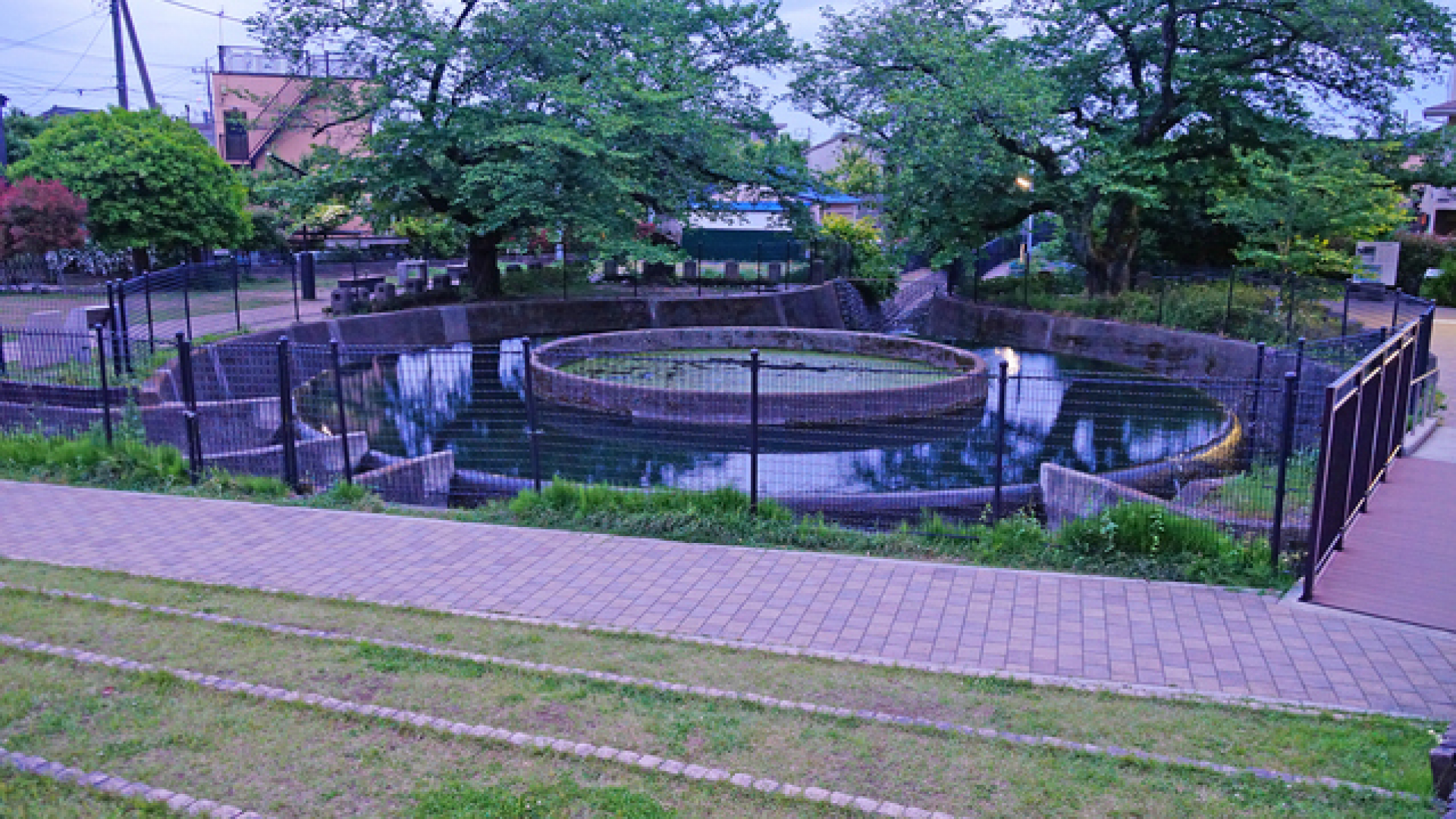
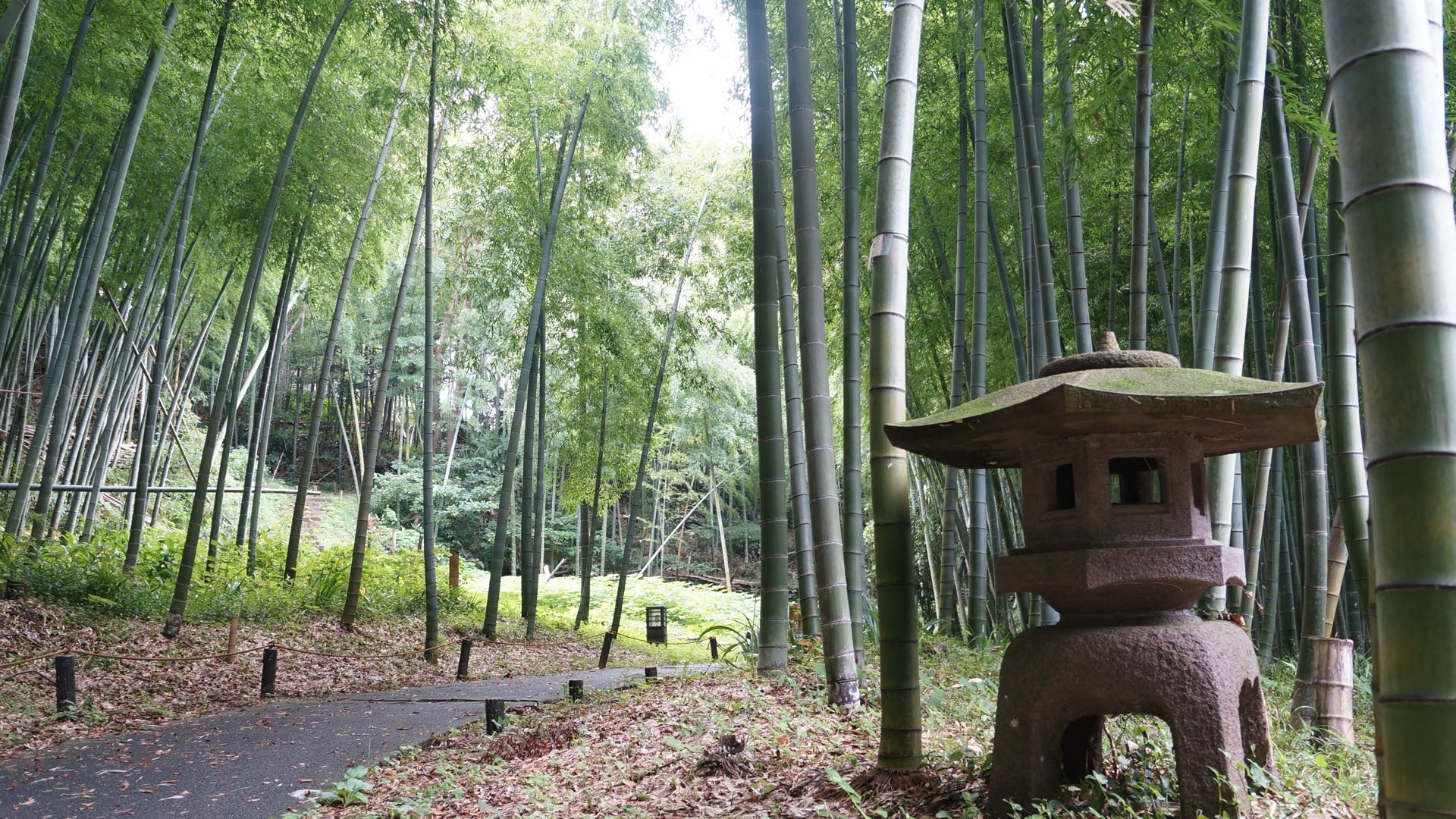
Surrounded by bamboo groves, this quiet park is a place for relaxation. In spring, a weeping cherry blossom party is held when the trees are in bloom. The contrast of pink and green during the day and the weeping cherry blossoms illuminated at night are fantastic. The trees are usually illuminated in late March or early April. Please check before you go.The weeping cherry blossoms are usually lit up from late March to early April. We recommend that you check before visiting.

Nature & Views Tokaido Koshu kaido KANAGAWA
Kumano Shrine, Manyo Park

Kumano Shrine, Manyo Park

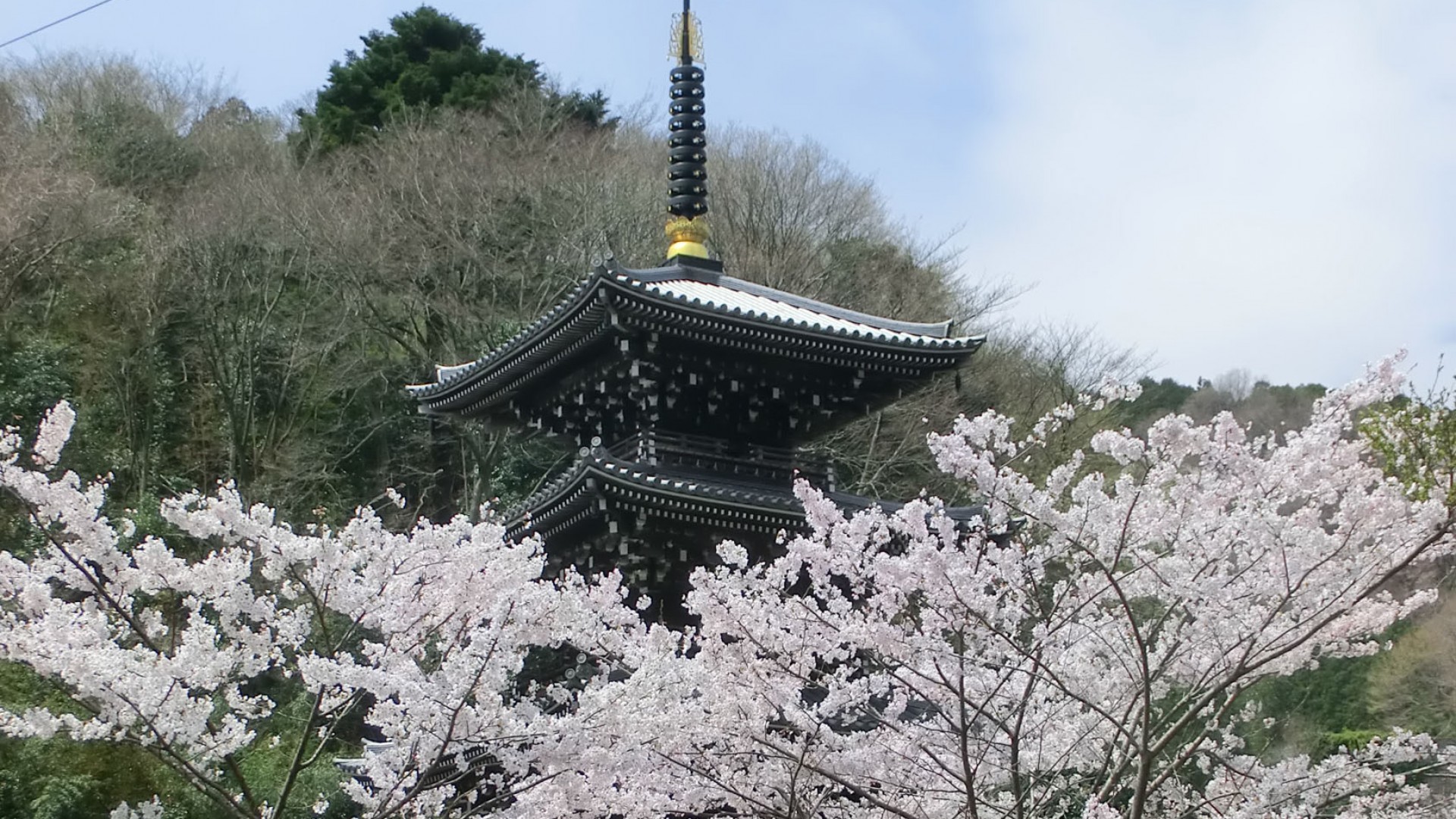
Kumano Shrine enshrines a god of hot water, and hot water runs down the purification trough. There are 'Yukake-matsuri' on the fourth Saturday of May, and regularly held festival takes place at the same weekends. At the Manyo Park located at the center of spa town, there are so many Manyo plants (plants cited in the Manyoshu). There are also Manyo-tei modelled after ancient architecture of Manyo era, a monument engraved with a waka which is the only waka about hot water, and a monument of Doppo Kunikida, whose novels are focused on Yugawara.

Temples & Shrines Tokaido Koshu kaido KANAGAWA
MATSUKAWAYA NASU KOGEN HOTEL

MATSUKAWAYA NASU KOGEN HOTEL

Located on a hilltop in Nasu Onsen, Matsukawaya Nasu Kogen Hotel offers stunning panoramic views of the majestic Nasu natural landscape and the pleasure of bathing in 100% natural hot spring water.   The hot springs are sourced from two different springs: "Shika no Yu," which has a history of over 1,380 years since its discovery, and "Oku no Sawa Gensen," a mild acidic hot spring that is gentle on the skin. There are also private baths made with local stone materials, allowing you to enjoy the hot springs in a private space.   Enjoy the changing scenery throughout the seasons: fresh green leaves in spring and summer, vibrant autumn foliage, and snow-covered landscapes in winter.   【About the Hot Spring】 Water color: ・Shika-no-Yu Gensen : Milky white ・Oku-no-Sawa Gensen : Clear Spring quality: ・Shika-no-Yu Gensen : Simple acidic sulfur hot spring ・Oku-no-Sawa Gensen : Simple sulfur hot spring Therapeutic effects: Neuralgia, rheumatism, gastrointestinal diseases, gynecological diseases, dermatological diseases, fatigue recovery, etc.

Nikko kaido Oshu kaido TOCHIGI
FIBA 3×3 World Tour Utsunomiya Opener

FIBA 3×3 World Tour Utsunomiya Opener

3x3 basketball, now recognized as an official Olympic sport, is showcased at its highest level in the FIBA 3x3 World Tour—an international series organized by the International Basketball Federation (FIBA) to determine the world’s best 3x3 club team. The 2025 season will span across 15 cities worldwide. The top teams from the tour will advance to the World Tour Final, where the global champion will be crowned. Featuring the previous year’s champions and top-ranked teams from around the world, this tournament represents the pinnacle of 3x3 basketball competition. Since 2016, the city of Utsunomiya has continuously hosted the FIBA 3x3 World Tour. Beginning in 2022, Utsunomiya was selected to kick off the season as the host of the Utsunomiya Opener, and will continue to do so through 2028—marking seven consecutive years as the opening venue. The 2025 Utsunomiya Opener is scheduled to take place over three days, from Friday, April 25 to Sunday, April 27. The venue for the event is the historic Utsunomiya Futaarayama Shrine, said to have over 1,600 years of history. A special 3x3 court will be set up in front of the shrine’s grand torii gate, creating a striking fusion of tradition and modern sports culture. Japanese elements such as mikoshi (portable shrines) will be featured to further enhance the atmosphere and share the unique spirit of "3x3 City Utsunomiya" with the world. In 2024, the local team UTSUNOMIYA BREX.EXE competed in the Utsunomiya Opener as the host city representative. They made history by advancing through the qualifiers to the final tournament stage for the second consecutive year—a first for any Japanese team. In the knockout stage, they faced off against UB (Serbia), the reigning champions of both the 2022 and 2023 World Tours. Although they were defeated 22–11, the team showed tremendous strength and determination in their battle against the world’s best.

Nikko kaido Oshu kaido TOCHIGI
Yatai-no-Machi Central Park

Yatai-no-Machi Central Park

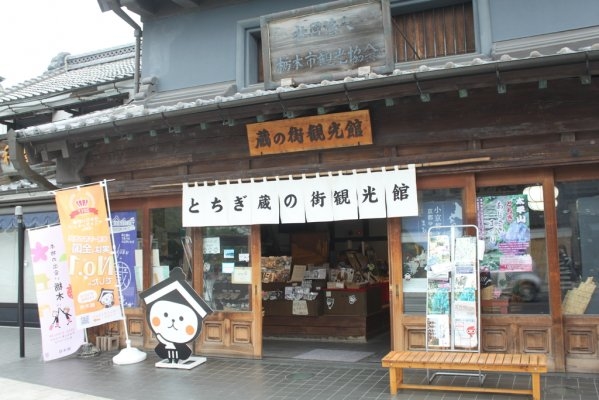
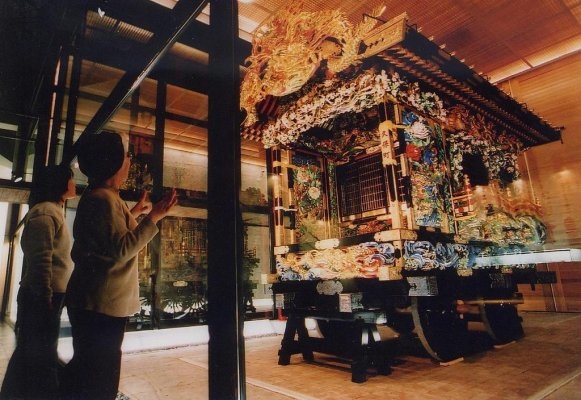
Yatai-no-Machi Central Park is home to the Yatai Museum, Tourism and Local Products Centre and “Kikusuien”, one of three famous gardens in Kanuma. The Yatai Museum’s exhibits include three hand-carved wooden floats – official local cultural properties – and videos on the Kanuma Autumn Festival which is designated an Important Folk Cultural Property. Take a close look at elaborate carvings on the floats and learn about the history of this famous festival. Built in the early 1900s, “Kikusuien” was known as one of three outstanding gardens in Kanuma at that time. Many cultural elites such as Sumio Kawakami (a printmaker) visited and loved this Japanese garden. Nowadays many people come to the restored garden for its fantastic autumn leaves in late November. The Tourism and Local Products Centre is a hub for tourism offering a selection of brochures about destinations in Kanuma in addition to a wide range of local products. At the Konjac café, visitors can enjoy a variety of dishes hand made from the local all-natural Konjac potatoes.

Nikko kaido Oshu kaido TOCHIGI
Ryokusuian

Ryokusuian

It was built in the early Showa era and relocated and restored in 1991 to the Minoge district of Hadano City. In April 2020, it was registered as a national tangible cultural property as a relic related to leaf tobacco cultivation. It is an important building for learning about farmhouse architecture in the early Showa era. The structure is in an architectural style typical of tobacco farmers at the time, with four rooms in the shape of a square. Agricultural tools and daily necessities are also displayed on the dirt floor, making it a valuable learning facility. We also offer villager experiences, rice harvesting, moon-viewing parties, etc. There are also regular hikes around the area.

Culture & Arts Tokaido Koshu kaido KANAGAWA
Shizenkan Izumi

Shizenkan Izumi

We are a family-run farm, operated by two generations, located in Izumi Ward, Yokohama. For many years, we have been committed to selling safe, high-quality vegetables grown with organic fertilizers and reduced or no pesticides, as well as handmade processed products such as traditional pickles and side dishes. In recent years, we have also developed into a tourist farm, offering experiences such as strawberry picking and sweet potato digging, as well as BBQ and camping in the rich natural surroundings of the satoyama. Conveniently located just about a 10-minute walk from the nearest station, visitors can easily stop by even from afar.

Experience & Activities Tokaido Koshu kaido KANAGAWA
Hands-On Experiences in Hakone with a Volunteer Guide

Hands-On Experiences in Hakone with a Volunteer Guide

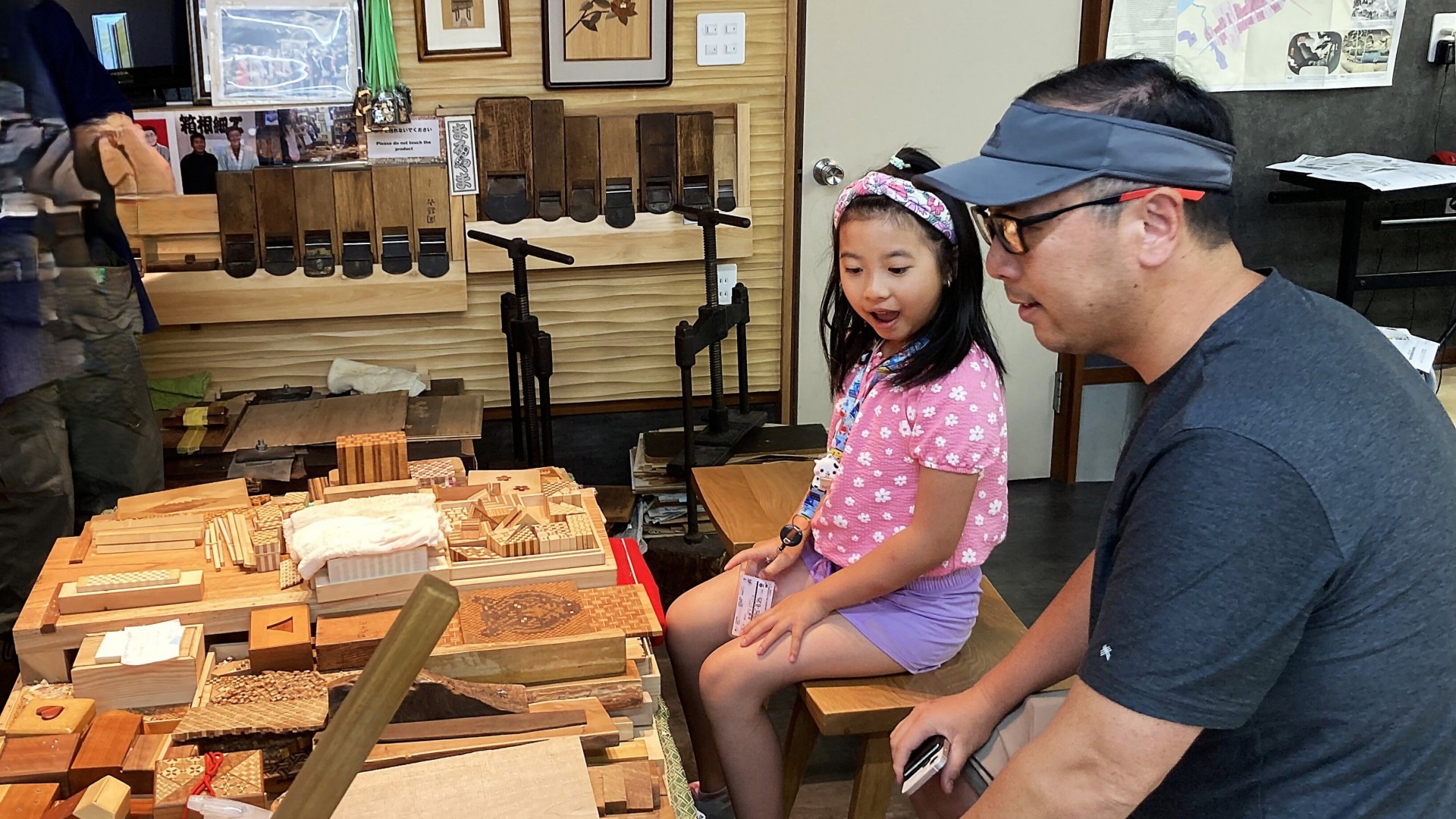
Hakone offers a variety of hands-on tours covering a number of experiences, including Yosegi Zaiku (marquetry crafting), Zazen meditation, matcha tea ceremonies, glass crafts, pottery, and soba noodle making experiences.Why not take on an extraordinary challenge to create your own original piece through a hands-on workshop experience? We recommend adding an unforgettable hands-on experience as you enjoy the magnificent scenery and timeless history of the Hakone area with a volunteer guide.

Experience & Activities Tokaido Koshu kaido KANAGAWA

Machi-no-Eki Shin-Kanuma Juku

Machi-no-Eki Shin-Kanuma Juku

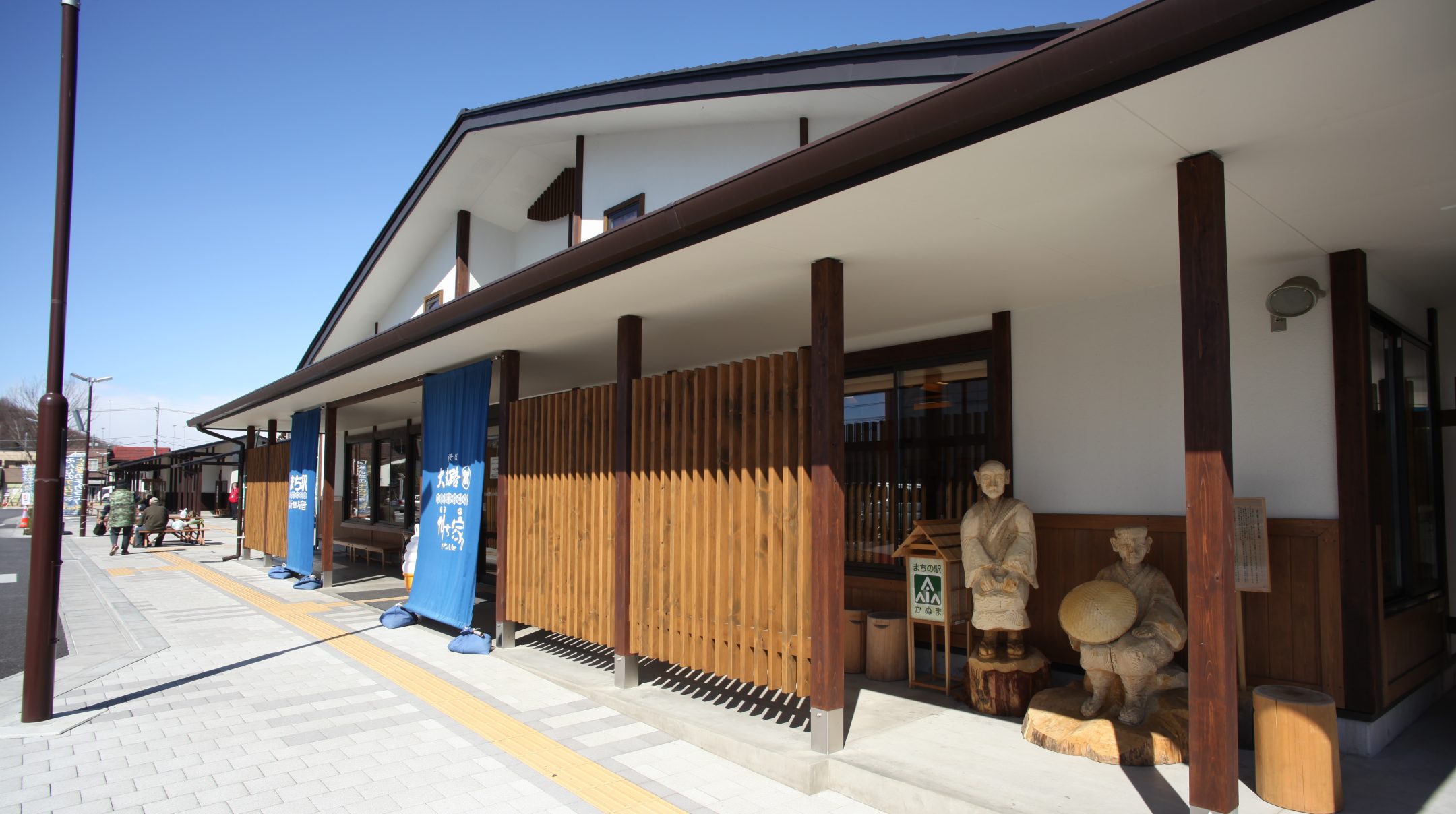
Machi no Eki Shin-Kanuma Juku is the central hub for tourism and local exchange in Kanuma City.The main building offers information on Kanuma's unique foods like "Kanuma Soba" and "Kanuma Konnyaku," as well as seasonal tourist information. The local products centerl gathers agricultural and specialty products from Kanuma City. There are also restaurants using carefully selected local ingredients. Why not visit our key station to learn more about Kanuma City?

Oshu kaido Nikko kaido TOCHIGI
Kanahan Ryokan and Tochigi-Edo Cuisine

Kanahan Ryokan and Tochigi-Edo Cuisine

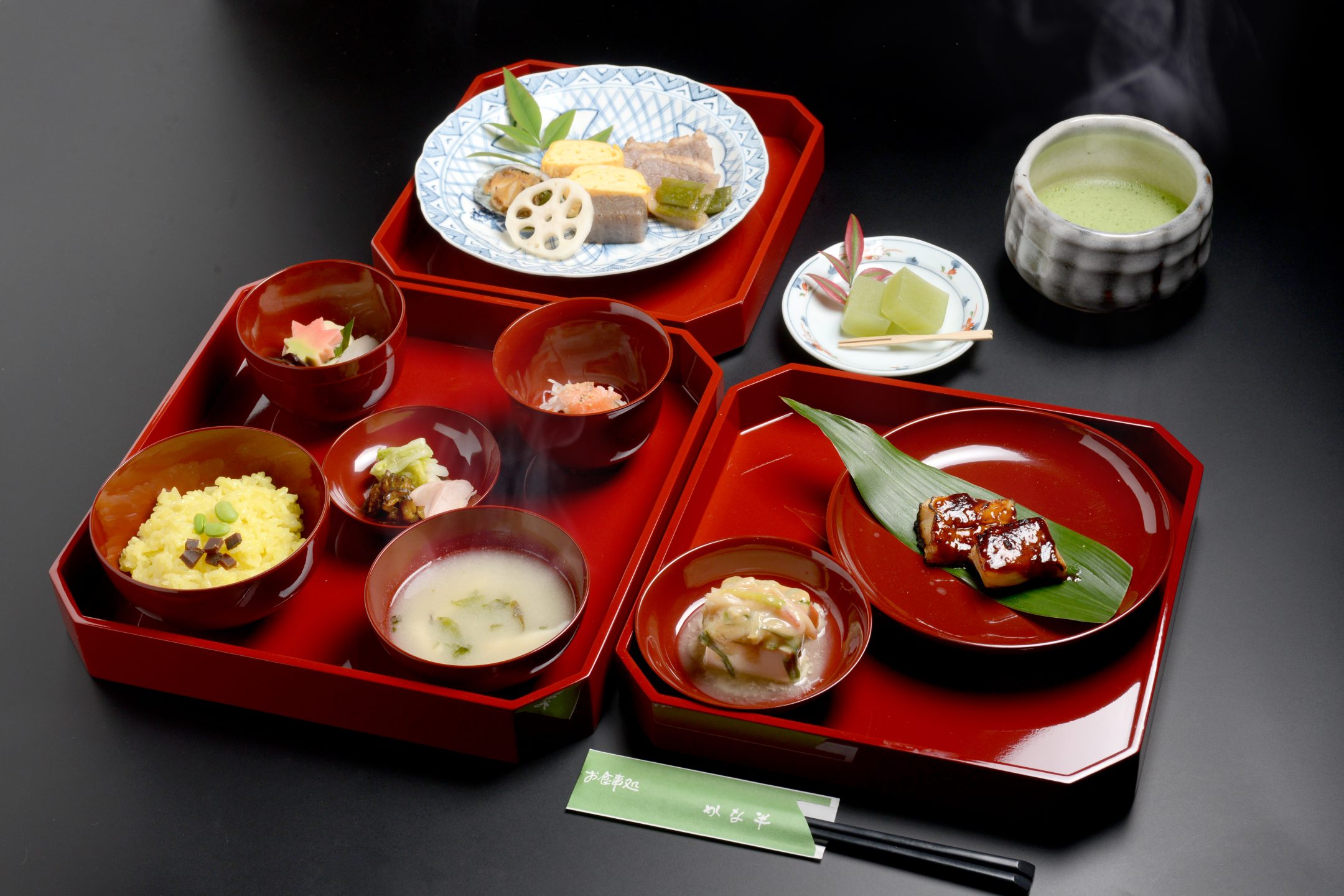
Kanahan Ryokan, located in the heart of Tochigi City, opened during the An'ei era (1772–1781). Currently, the oldest building in this inn is the one built in 1918 to accommodate officers when they came to Tochigi for large-scale army training at Tochigi Junior High School (currently Tochigi Senior High School). Kan'in-no-miya family (a branch of the Imperial Family) later stayed in this building, too. There are traditional Japanese storehouses and architecture here and there throughout the inn, allowing visitors to have a relaxing stay in the nostalgic atmosphere. The inn has guestrooms for small groups like couples, as well as rooms in an annex perfect for accommodating large groups for a long stay. Experience the atmosphere of the Edo period through the old townscape and Tochi-Edo cuisine. Tochi-Edo cuisine consists of original dishes inspired by local meals and dishes from the Edo period reproduced using copies of recipes. Culinary creativity brings out the flavor of each ingredient to give a delightful surprise to those who are accustomed to the modern taste.

Nikko kaido Oshu kaido TOCHIGI
Hatsuyama Festival (Petanko Festival)

Hatsuyama Festival (Petanko Festival)

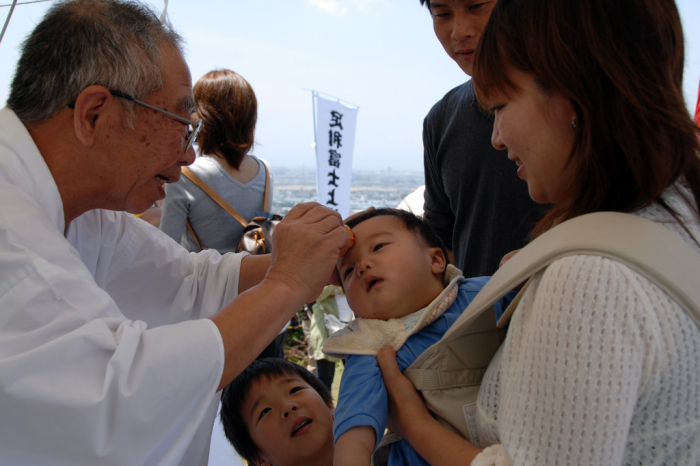
This Shinto Ritual is held in June 1st every year in Sengen Mountain (“Otoko Sengen” and ”Onna Sengen”). It is said that if you bring a baby born during last 1 year and pay visit to the shrine on this mountain and red stamp is put on the baby’s forehead, the baby will grow up in good health without illness. This Shinto ritual has begun more than 400 years ago and has been designated as an important cultual prpperty of Ashikaga City. Boy visit Otoko Sengen (Higher Mountain) and Girl visit Onna Sengen (Lower Mountain) If you can not pay visit to the shrine due to illness, etc., red seal will be stamp on the baby’s underwear.

Nikko kaido Oshu kaido TOCHIGI