Greater Tokyo

See & Do

reset
Mt. Kongo Fire-walking Sadhana

Mt. Kongo Fire-walking Sadhana

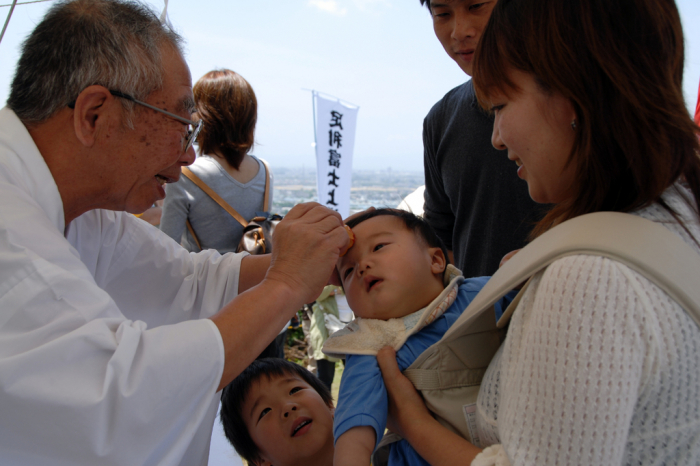
At Mt. Kongo Zuihoji Temple in Furumine, the "Fire-Walking Sadhana Festival" is held on the last Sunday on May, for burning away afflictions, warding off bad luck, and praying for family safety. The ceremony begins with the sound of a shugenja (mountain ascetic) blowing a trumpet shell, followed by the performance of the axe, bow, and sword, and then the flames of the goma are extinguished.   While sutra chanting echoes, shugenjas and participants walk barefoot on the path, praying for protection from bad luck, safety in the home, and the fulfillment of various wishes.   After the ceremony, shugenjas would share tributes (like deserts, sake) with people, which means sharing happiness with each others.  

Nikko kaido Oshu kaido TOCHIGI
Mashiko Yuwakan     Gozasho (imperial chamber) and Peace Gallery

Mashiko Yuwakan Gozasho (imperial chamber) and Peace Gallery

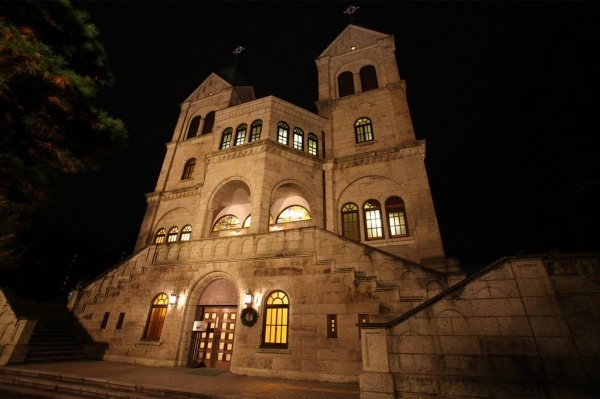
Mashiko Yuwakan was originally established in Meiji 15 (1882) in Nikko City, Tochigi Prefecture as the Nanma Hotel. His Majesty the Emperor Emeritus stayed there during the war as evacuating school children when he was Crown Prince . The Gozasho, where he heard the Imperial Rescript on the Termination of the War over the The Jewel Voice Broadcast at the end of the war, remains to this day. The Mashiko-ware pottery kiln in Mashiko was relocated to its current location in Showa 48 (1973), and was donated to the town in Heisei 28 (2016). The building was renovated and re-opened as Mashiko Yuwakan with the hope to pass on the value of this building not only as a town treasure, but also as a national treasure to future generations. Currently, the Peace Gallery is exhibiting newspapers from the end of the war and panels showing the relationship between Tochigi Prefecture and the Imperial Family. In the Gozasho, which retains the appearance of those days, the full audio of the The Jewel Voice Broadcast is available to be listened. ※Masaiko Yuwakan has been renovated while keeping the original charm of the time it was built, so there are steep stairs and steps. Please be aware that the facilities are not barrier-free. We thank you for your understanding.

Nikko kaido Oshu kaido TOCHIGI
Tochigi Flower Center

Tochigi Flower Center

The Tochigi Flower Center is located at the base of Mt. Mikamosan Park. Come enjoy a variety of flowers in a large flower bed shaped like six flower petals as well as the largest greenhouse in the country. The center plans a variety of exhibitions based on the season and also offers horticultural advice. Their permanent exhibits include flowers, fruits, and plants of the tropics and subtropics as well as strange, bizarre, and rare plants from around the world such as welwitschia mirabilis. Events are held showing off seasonal flowers."

Nikko kaido Oshu kaido TOCHIGI
Katayama Shuzo “Sake Brewery Tour”

Katayama Shuzo “Sake Brewery Tour”

Katayama shuzo is a family run company from 1880 in Nikko. What particularly interesting is they use a traditional machine to make sake as shown here. The machine is called a "Fune" they use this machine to press the sake bags squeezing out sake. This technique takes a lot of time & labor. Exactly, they can make a distinctive flavor of sake. The owner and staffs are very friendly. Please make a reservation in advance, and come & visit. *English guided tour / max 30 person *Reservation required (by phone, e-mail)

Nikko kaido Oshu kaido TOCHIGI
กริลล์แอนด์สเต็ก เมียวเง็ตสึโบ (Grill&Steak Myogetsubo)

กริลล์แอนด์สเต็ก เมียวเง็ตสึโบ (Grill&Steak Myogetsubo)

เมียวเก็ตสึโบ (Myogetsubo) เป็นร้านอาหารที่เชี่ยวชาญด้านสเต็กและปิ้งย่าง ตั้งอยู่ในอาคารที่ได้รับการปรับปรุงใหม่จากที่พักเดิมของวัดนิกโกซังรินโนจิ ซึ่งมีประวัติศาสตร์ยาวนานกว่า 1,250 ปี สิ่งที่ไม่ควรพลาดของที่นี่คือสเต็ก “โทชิงิวากิว” เนื้อวากิวคุณภาพสูงจากญี่ปุ่น โทชิงิวากิวเป็นเนื้อวัวขนดำที่มีเกรด A4 ขึ้นไป โดยวัวจะถูกเลี้ยงในสภาพแวดล้อมธรรมชาติที่สมบูรณ์แบบของจังหวัดโทชิงิ ทำให้เนื้อวัวสายพันธุ์นี้ได้รับรางวัลคุณภาพยอดเยี่ยมระดับประเทศ 2 ปีซ้อน ลองลิ้มรสเนื้อโทชิงิวากิวในบรรยากาศที่ล้อมรอบไปด้วยมรดกโลก พร้อมสัมผัสความสง่างามของอดีตในช่วงเวลาที่หรูหราและเงียบสงบ

Nikko kaido Oshu kaido TOCHIGI
Seven Hundred Club

Seven Hundred Club

Seven Hundred Club has 18 holes with plenty of space in between on land as vast as 1 million square meters. There are artistic holes surrounded by forests, beautiful and thrilling holes with a pond, and so on to stimulate players’ competitiveness. The club stretches on land that is 1.5 times bigger than average golf courses, allowing players to improve their score or course management. The club also offers lesson programs matching player skill levels. The food options at the course are popular among both male and female plyers. The clubhouse has a BBQ area and also offers a wide variety of seasonal dishes. Visitors are sure to have a very fulfilling day here.

Nikko kaido Oshu kaido TOCHIGI
Grill&Steak Myogetsubo

Grill&Steak Myogetsubo

Myogetsubo is a grill & steak restaurant. Its building has been renovated from a former lodging house of Nikkozan Rinno-ji Temple, a temple with over 1,250 years of history. Our recommended dish is the authentic Tochigi Wagyu steak. Tochigi Wagyu is one of the top beef brands in Japan. It is a Japanese Black breed rated A4 or higher and is produced in Tochigi Prefecture with a natural environment ideal for cattle raising. Having received the Award of Excellence at the national fair for two consecutive years, Tochigi Wagyu is one of the most recognized wagyu brands in Japan. In an exquisite environment surrounded by world heritage sites, please come and try Tochigi Wagyu and indulge yourself in the slow flow of time while thinking of the distant past.

Nikko kaido Oshu kaido TOCHIGI
Nasu Yuzen Shrine

Nasu Yuzen Shrine

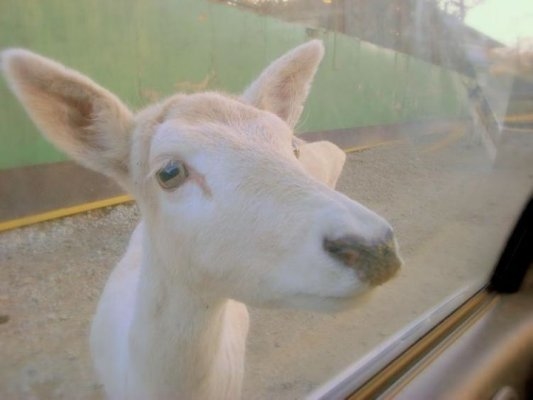
History of Nasu Yuzen Shrine It is said that a hunter named Kano found onsen here when he was trying to hunt a white deer. He built this shrine for thanksgiving. According to an article written in Nara period (A.D 710~794), we can confirm that the shrine already existed during that time.   During the Genpei War in 12th century, an archer called Nasu Yoichi came here to pray for victory over Taira family’s army. He shot down a fan by one arrow that enemy put on the front of their boat when he stood on the ground. It made him became legend and the shrine became very famous for blessing Yoichi. Yoichi donated his bow and arrow to the shrine, which became shrine’s tressure later.   Shrine’s famous festival The most important event of the shrine is the “Dai Festival”, which is held on October 8 and 9 every year. They dedicate onsen to the God, and perform a traditional dance called “Urayasu Dance”.   Then on October 9, people perform another traditional dance called “Ozawa’s Lion Dance,” which is designated as the “Intangible Cultural Property of Nasu Machi” to pray for prosperity.   There is also a famous festival be held on the last weekend of May, the “Nasu Seshosseki Gojinka Festival”. The highlight of the festival is a parade from Yuzen Shrine to Sesshoseki by participants attired in white clothing with torches.

Nikko kaido Oshu kaido TOCHIGI
Auto Camp Nakagawa Station

Auto Camp Nakagawa Station

Auto-Camp Nakagawa Station is a drive-up camp ground where you can see the blue waters of the Naka River, the Kanto region's greatest, flowing right before your eyes. It's a great location to watch the river's flow reverse and is also an optimal base camp for mountain biking, hiking and river recreation such as canoeing and kayaking.There canoe and kayak rides and rentals, as well as a school where you can challenge yourself at a pace that suits you. In addition to camping in tents, campers can also stay in air-conditioned bungalows and lodges with AC power (outlets are for charging cell phones only) or in teepee tents (Native American tents) equipped with sunken fireplaces."

Nikko kaido Oshu kaido TOCHIGI
Suga Shrine

Suga Shrine

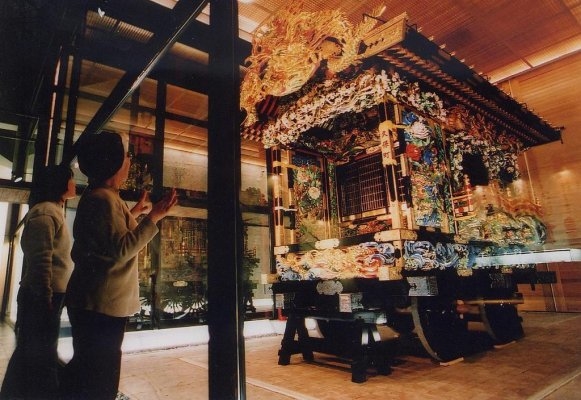
Birth of Suga Shrine Suga Shrine was built by a legendary samurai Fujiwara no Hidesato, who prayed to Susanoo-no-Mikoto for victory over his enemies. To thank God for their bless, he brought the God from Gion Shrine (Yasaka Shrine) to Oyama and built the shrine.   The site of the legendary “Oyama Council”, witnessed the birth of the Tokugawa hegemony. It is said that before the Battle of Sekigahara in A.D 1600, Tokugawa Ieyasu held the famous “Oyama Council” at Suga Shrine and prayed for the victory of the battle.   After Ieyasu’s victory and the establishment of the Edo Shogunate, Suga Shrine was greatly honored by the Shogunate. In 1658, staff members who had participated in the construction of Nikko Toshogu Shrine, created a miniature version of the Akamikoshi in Toshogu Shrine, which became the pressure of Suga Shrine.   Today Suga Shrine’s Akamikoshi has been designated as a “Cultural Property by Tochigi Prefecture”.   Enjoy the Gion Festival in Tochigi! As a famous Gion Shrine, Suga Shrine is also called “Gozu Tenno Shrine”. Suga Shrine holds “Gion Festival” on July 14 to 21 every year, 25 mikoshi including one massive one that weighs in at 2 tons are carried through the city in “Mikoshi Wataru” on July 20.   According to “Shimotsuke Province Choreography(下野国誌)” written in Edo period, Suga Shrine’s “Gion Festival” is the “best Gion Festival in Shimotsuke Province.”

Nikko kaido Oshu kaido TOCHIGI
Ryumon Falls

Ryumon Falls

Near by the Nasukarasuyama City, Ryumon Falls is a large-scale waterfall that it is about 20-meter-high and 65-meter-wide. Halfway down the fall are two vertical holes called Ogama ("Male Cauldron") and Megama ("Female Cauldron"). Ogama has a diameter of 4 meters and Megama 2 meters. Due to the angle of the photo, you can see JR Karasuyama Line’s train through pass the Ryumon Falls. The cherry blossoms in the spring, the maple leaves in the fall, and the snow in the winter, along with the passing trams, make for a miraculously beautiful photo! Right next to the Ryumon Furusato Mingeikan is a path where you can walk to get a close-up view of the Ryumon falls.

Nikko kaido Oshu kaido TOCHIGI
UWASAWA’S BREAKFAST

UWASAWA’S BREAKFAST

Simple yet exquisite deliciousness. At this veteran Nikko store specializing in miso and tamarizuke pickles (vegetables soaked in a miso by-product), you can discover the flavor of a traditional Japanese breakfast. Inkyo Uwasawa is a restaurant serving traditional Japanese breakfast made with tamarizuke pickles provided by the proprietress of Uwasawa Metaro Store. In a traditional house built over 150 years ago, diners are served a simple breakfast of rice with a plate of tamarizuke pickles and a bowl of miso soup, simple accompaniments which really bring out the delicious flavor of the rice. Enjoy a moment of relaxation as you savor the food, which is rich without being lavish. Uwasawa Umetaro Store was established roughly 400 years ago as a warehouse management firm for nengu (literally "annual tribute," a tax on the annual harvest originally paid in rice) for the Nikko Shinryo region. It later became a miso store, and then a pickles store. Savor the flavor passed on through the generations. *For cancelations, except in circumstances deemed unavoidable by our company, such as closure due to typhoon, heavy rain, heavy snow, or earthquake, or when public transportation to the store is unavailable due to suspension of services, a cancelation fee of 100% shall apply from one week before the date. We appreciate your understanding.

Nikko kaido Oshu kaido TOCHIGI
Mount Kamakura

Mount Kamakura

Mount Kamakura towers 100 metres above the Nakagawa River and is 216 metres above sea level. The summit affords the most fantastic views in all of the Nakagawa Prefectural Natural Park.   The best viewing season is from late-October to mid-December when the area is blanketed with a layer of misty clouds, a phenomenon arising from the mixture of the cool mountain air and the warm waters of the Nakagawa River. During early and mid-November, when misty clouds glow in the morning sun, views of the autumn mountain foliage are mesmerising.   Come and see this renowned late-autumn scenery!

Nikko kaido Oshu kaido TOCHIGI
Mt. Chausu and Ropeway

Mt. Chausu and Ropeway

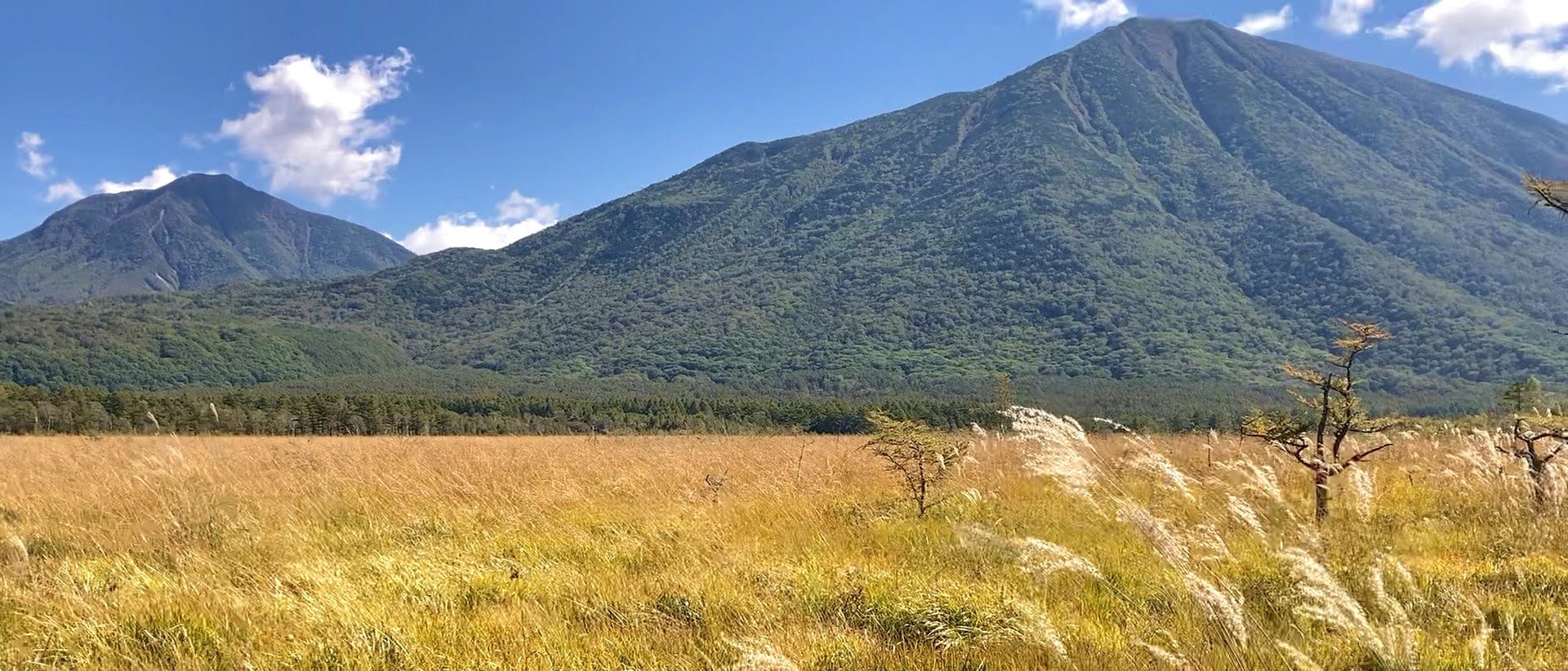
Mt. Chausu,located at the north end of Tochigi prefecture,is an active volcano and the main peak of the Nasu mountains. It stands 1,915 metres above sea level. Take the ropeway to the 9th station of Mt.Chausu for a spectacular view of fields of flowers and autumn leaves. If you are a big fan of trekking,try the routes from the top of the ropeway to the crater of Mt. Chausu. A wide range of walking trails are available suitable for beginners and families. The panoramic view of the Kanto Plain below from the top of Mt. Chausu is breathtaking.

Nikko kaido Oshu kaido TOCHIGI
Machi-no-Eki Shin-Kanuma Juku

Machi-no-Eki Shin-Kanuma Juku

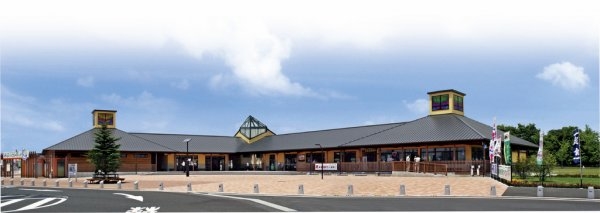
Machi no Eki Shin-Kanuma Juku is the central hub for tourism and local exchange in Kanuma City.The main building offers information on Kanuma's unique foods like "Kanuma Soba" and "Kanuma Konnyaku," as well as seasonal tourist information. The local products centerl gathers agricultural and specialty products from Kanuma City. There are also restaurants using carefully selected local ingredients. Why not visit our key station to learn more about Kanuma City?

Oshu kaido Nikko kaido TOCHIGI
Kanuma soba Nira soba

Kanuma soba Nira soba

Kanuma's native species of brown buckwheat has characteristically small seeds with a relatively thick, aroma-rich hull. Grown to full ripeness in Kanuma’s large, rainy forests, it has a profound flavor. Kanuma soba is prepared using locally-sourced water and buckwheat flour, giving it a unique sweetness and aroma that are popular among its fans. Soba is a staple food in Kanuma, and nira soba was born out of the local tradition of using nira (garlic chives) to both add volume to and spice up their soba.

Nikko kaido Oshu kaido TOCHIGI