
Greater Tokyo

See & Do

reset
Miya Cycle Station in Utsunomiya

Miya Cycle Station in Utsunomiya

The Miya Cycle Station is a cycling terminal under the management of the city of Utsunomiya. The terminal offers rental cycles including hybrid bikes, road bikes and Mini Velo (small wheeled) bikes as well as information for tourists. The facilities include free toilets in the rest area and shower rooms and lockers (subject to reasonable charges). The terminal also holds a variety of events for cyclists such as seminars on sports cycling.

Nikko kaido Oshu kaido TOCHIGI
Michi-no-Eki Nikko Kaido Nikoniko Honjin

Michi-no-Eki Nikko Kaido Nikoniko Honjin

The roadside station “Michi-no-Eki Nikko Kaido Nikoniko Honjin” held a grand opening to the public on 27 April 2015. It is located at the junction of three highways known as the Nikko Cedar Avenue (Nikko-Kaido, Aizunishi-Kaido and Reiheishi-Kaido), in the city centre of Nikko. The roadside station is a hub for tourism and transportation that leads visitors to sights such as the UNESCO World Heritage “Shrines and Temples of Nikko” and one of Japan’s most popular hot spring towns, “Kinugawa and Kawaji Onsen”. Nikko’s official “Michi-no-Eki” is home to a commemorative museum to the famous local composer Toru Funamura as well as restaurants and shops offering original local products, locally produced vegetable and fruits. A wide range of events take place in the performance hall and open space throughout the year.

Nikko kaido Oshu kaido TOCHIGI
Yatai-no-Machi Central Park

Yatai-no-Machi Central Park

Yatai-no-Machi Central Park is home to the Yatai Museum, Tourism and Local Products Centre and “Kikusuien”, one of three famous gardens in Kanuma. The Yatai Museum’s exhibits include three hand-carved wooden floats – official local cultural properties – and videos on the Kanuma Autumn Festival which is designated an Important Folk Cultural Property. Take a close look at elaborate carvings on the floats and learn about the history of this famous festival. Built in the early 1900s, “Kikusuien” was known as one of three outstanding gardens in Kanuma at that time. Many cultural elites such as Sumio Kawakami (a printmaker) visited and loved this Japanese garden. Nowadays many people come to the restored garden for its fantastic autumn leaves in late November. The Tourism and Local Products Centre is a hub for tourism offering a selection of brochures about destinations in Kanuma in addition to a wide range of local products. At the Konjac café, visitors can enjoy a variety of dishes hand made from the local all-natural Konjac potatoes.

Nikko kaido Oshu kaido TOCHIGI
Ashio Copper Mine

Ashio Copper Mine

With a 400-year history, Ashio Copper Mine is a tourist attraction built out of the industrial remains of what used to be the largest copper mine in Japan. A trolley train transports visitors 700 metres underground to displays of the mine’s chronology and history and demonstrations of the harsh working conditions through life-like wax figures. You can learn more about this industrial property at the three on-site museums including the copper museum with displays of traditional copper processing methods. Then relax at the traditional cafe or enjoy a leisurely walk along the nearby Watarase River. Between 1610 and 1868, the copper mined here was an important resource for the prosperity of the nation. It was used to produce tiles for castles and shrines and was exported to China and the Netherlands. Among the coins of the years 1600 to 1867, coins produced in Ashio were known as “Ashiji-sen” with the Chinese character of “Ashi (foot)” on the back. Today the coin-shaped local Japanese sweet “Ashiji-sen Monaka” is a popular souvenir.

Oshu kaido Nikko kaido TOCHIGI
Kitsuregawa Onsen

Kitsuregawa Onsen

Kitsuregawa is a historic castle town and prospered as a post station on the Edo road. The Onsen is located along the rivers running through the town. The light-brown, salty, slightly alkaline water is one of the best in quality containing the three key elements of hot spring water: sulphur, salt and iron. Accessible in about 30 minutes from Utsunomiya, the prefectural capital, this is a popular Onsen for a day visit. You can also stop by the nation’s first roadside station with Onsen facilities inside.

Nikko kaido Oshu kaido TOCHIGI
Ichikai-machi Shibazakura Park

Ichikai-machi Shibazakura Park

One of the largest in mainland Japan, the park is known for its 280,000 beautiful Shibazakura in bloom from mid-April to May, covering an area of 1.8 hectares. A must-see is the panoramic view of the floral carpet from the observatory, where various shades of red, white, mauve and pink lawn cherry blossoms form beautiful patterns. You can taste handmade soba noodles at the restaurant in the park. Local vegetables and Shibazakura plants are available at the farmer's market.

Nikko kaido Oshu kaido TOCHIGI
The site of Ashikaga School

The site of Ashikaga School

It is said that over 3,000 students studied at the school during the disturbances of the 10-year civil war (Onin War) starting in the 15th century.   When the Catholic missionary Francis Xavier came to the country in 1549, he described it as “Japan’s largest and most famous school” in his correspondence. Ashikaga thus became widely known overseas as well.   Today buildings have been restored,and visitors can view classrooms in their original historic form and join a program reading The Analects of Confucius on Sundays.

Nikko kaido Oshu kaido TOCHIGI
Nasu Heisei-no-Mori Forest

Nasu Heisei-no-Mori Forest

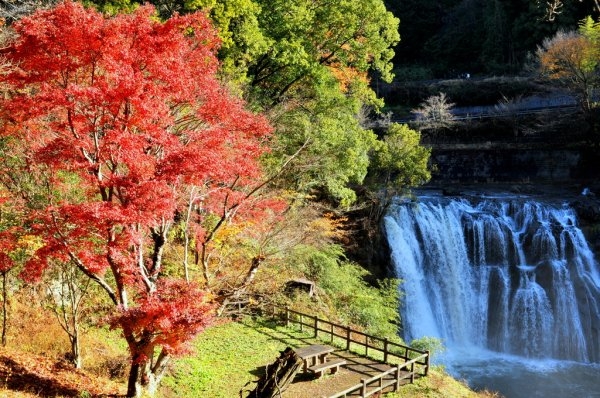
Nasu Heisei no Mori is a forest park that was originally part of nearby Nasu Imperial Villa. The forest opened to the public in 2011 as part of Nikko National Park. Nasu Heisei-no-Mori Forest consists of two areas: the Forest Recreation Zone and the Forest Learning Zone. You can stroll freely through the forest. There are three loop trails in the Recreation Zone. The longest, about 3 kilometers, leads to the Komadome Waterfall Observation Deck. At Nasu’s Komadome Waterfall, the scene created by the dynamic, seasonal landscape of the mountains and the contrast of the waterfall’s stunningly clear, blue water is simply breathtaking. In contrary, entering the "Forest Learning Zone" is limited to people with guide reservations in advance, but is definitely a valuable experience, since a guide will walk you through the forest while providing you interesting knowledge about the surrounding nature. During the winter months when the Forest Learning Zone is closed to the public, the Field Center offers guided snowshoe walks through the Recreation Zone.

Nikko kaido Oshu kaido TOCHIGI
Edo Wonderland Nikko Edomura

Edo Wonderland Nikko Edomura

Edo is the former name of Tokyo used until the late 19th century. This theme park authentically recreates town life in the Edo period. The huge village consists of rows of merchant houses, a samurai mansion, a Ninja village and much more. The culture of the Edo period comes alive through the townspeople and events, you can even put on a costume and join in yourself! The cultural park offers a real experience of the life and culture of the Edo period via their seven theatres, museums on history and culture and even Edo-style restaurants.

Nikko kaido Oshu kaido TOCHIGI
Kegon Falls

Kegon Falls

Kegon Falls is the most famous of Nikko’s 48 waterfalls. Water from Lake Chuzenji falls 97 metres straight down to the rocks below creating a dynamic and artistic work of nature. A special lift takes visitors to the basin where the force and roar of the water can be witnessed close up! Kegon Falls offers stunning views every season. Deep green in early summer, red and yellow leaves in autumn. in winter, the water freezes as it drops creating beautiful ice shapes almost like beautiful pieces of art.

Oshu kaido Nikko kaido TOCHIGI
shiobara viva

shiobara viva

Your Guide, Ann who has traveled to 30 countries,leads a "Satoyama Experience of Healing and Smiles." Tour the mountains, rivers, waterfalls, hot springs, and literary sites of Nasushiobara, experiencing the region's unique stories and natural beauty. Small group sizes ensure beginners and families can participate comfortably.Themes change seasonally, offering farming, Satoyama lunches, snack making, hot springs, and cultural experiences, allowing everyone to enjoy "time connecting people and nature."

Nikko kaido Oshu kaido TOCHIGI
Musasabi Bridge

Musasabi Bridge

One of the most popular photo spots along the Ryuo Gorge hiking trail Musasabi Bridge is located along the mid-section of the Ryuo Gorge hiking trail in Nikko National Park, and is one of the suspension bridges connecting both sides of the gorge. The geology here belongs to “Hakuryu Gorge,” with the valley below the bridge formed of rhyolite. On both sides lies a well-preserved wetland ecosystem, where skunk cabbage blooms in spring, and in summer visitors can observe the rare forest green tree frog. Compared with Nijimi Bridge at the starting point, the area around Musasabi Bridge feels quieter and closer to nature. Standing on the bridge, away from the crowds, you can listen to the murmuring flow of the Kinugawa River and the rustling of leaves in the breeze—a perfect spot to calm your mind during the hike. Continuing upward from here, you can reach the Seiryu Gorge section, known for its unique rock formations, and enjoy many famous geological sights. It is a hiking journey that combines nature, geology, and tranquil moments.

Nikko kaido Oshu kaido TOCHIGI