

Greater Tokyo

See & Do

reset
Spring Mashiko  Pottery Fair

Spring Mashiko Pottery Fair

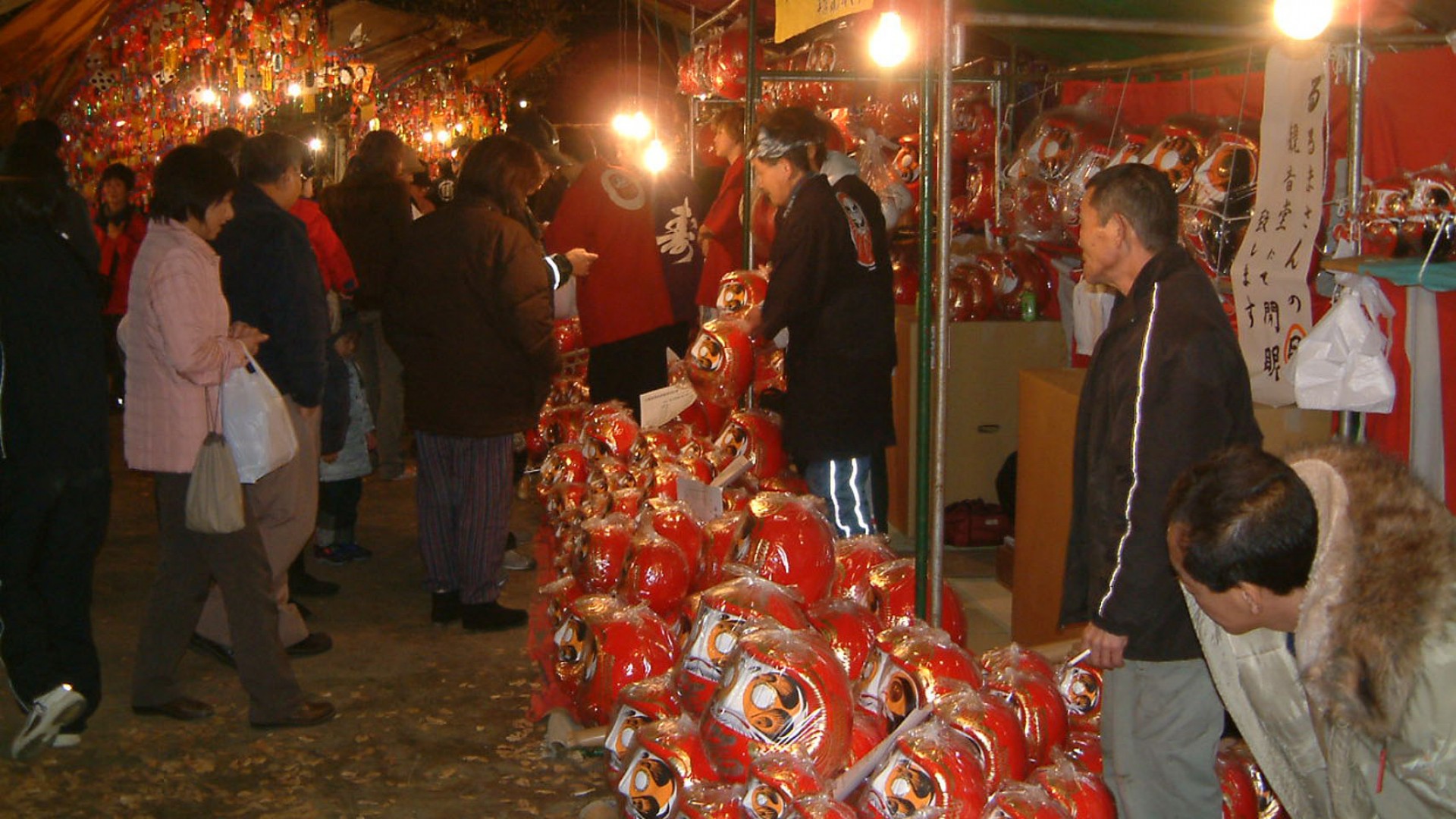
The Pottery Fair have been held twice a year since 1966.Once in the spring during Japan’s Golden Week Holiday, and once in the fall around November 3rd. There are about 50 shops and as many as 550 tents set up selling pottery. There is a great variety of pottery sold from traditional Mashiko pottery, such as vases and pots to articles for daily use like cups and plates. The Pottery Fair provides a great chance to enjoy talking with young artists and local potters in the shops and tents. Besides pottery, freshly-harvested vegetables grown in Mashiko and some other speciality items from the region are big attractions of the fair. Every year about 600,000 people come to enjoy the fair.

Nikko kaido Oshu kaido TOCHIGI
Tachiki Kannon,Nikkosan Chuzenji Temple

Tachiki Kannon,Nikkosan Chuzenji Temple

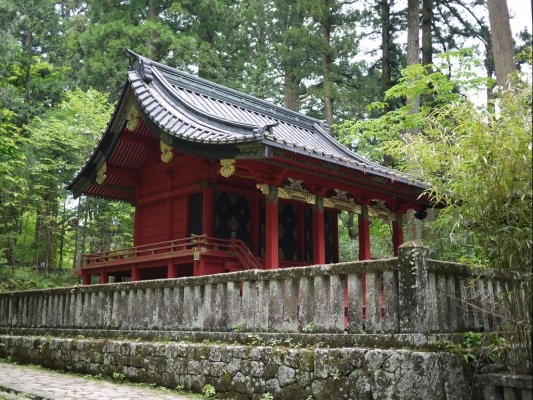
This branch temple of Nikkosan Rinnoji Temple was founded in 784 by Shodo, the first head priest of Nikko. The wooden statue for which it’s named—which represents Kannon, the thousand-armed goddess of mercy—is said to have been carved by Shodo himself. The temple is also home to several historically significant Buddha statues. It is also the 18th stop on the 33 Kannon Temple Bando Pilgrimage route, so many pilgrims visit to see it."

Nikko kaido Oshu kaido TOCHIGI
Yatai-no-Machi Central Park

Yatai-no-Machi Central Park

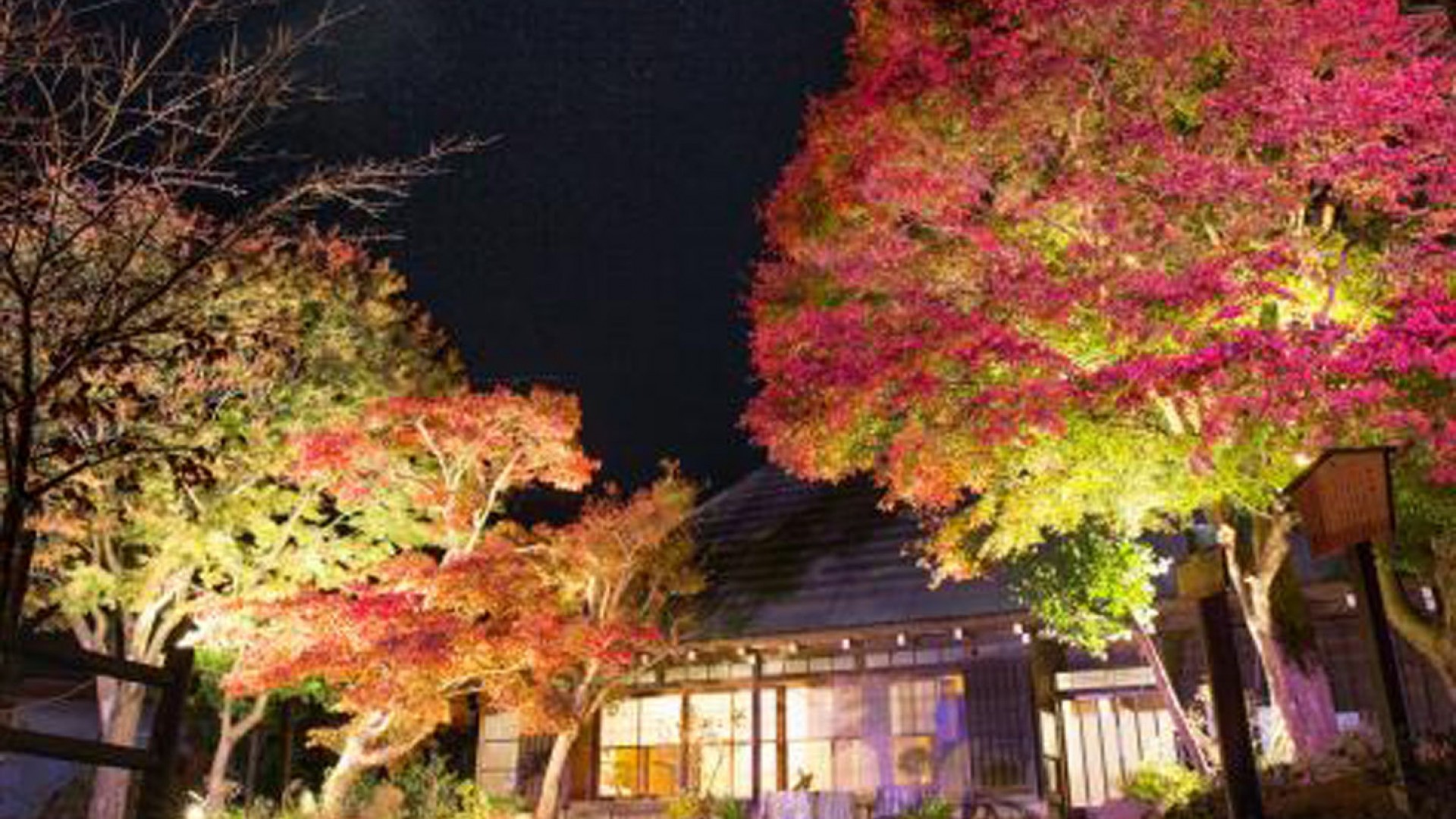
Yatai-no-Machi Central Park is home to the Yatai Museum, Tourism and Local Products Centre and “Kikusuien”, one of three famous gardens in Kanuma. The Yatai Museum’s exhibits include three hand-carved wooden floats – official local cultural properties – and videos on the Kanuma Autumn Festival which is designated an Important Folk Cultural Property. Take a close look at elaborate carvings on the floats and learn about the history of this famous festival. Built in the early 1900s, “Kikusuien” was known as one of three outstanding gardens in Kanuma at that time. Many cultural elites such as Sumio Kawakami (a printmaker) visited and loved this Japanese garden. Nowadays many people come to the restored garden for its fantastic autumn leaves in late November. The Tourism and Local Products Centre is a hub for tourism offering a selection of brochures about destinations in Kanuma in addition to a wide range of local products. At the Konjac café, visitors can enjoy a variety of dishes hand made from the local all-natural Konjac potatoes.

Nikko kaido Oshu kaido TOCHIGI
Jakko Falls

Jakko Falls

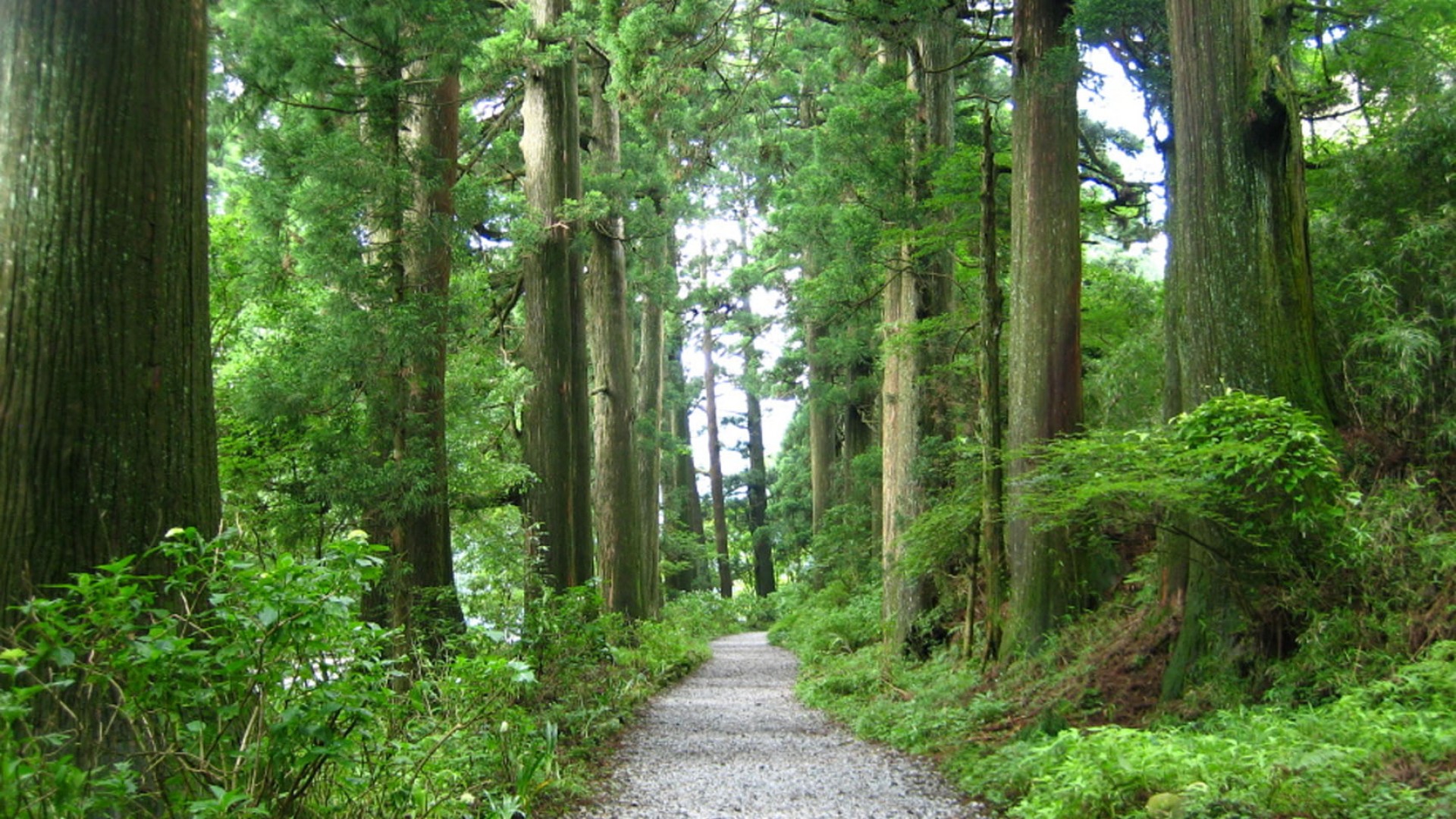
Tracing the spiritual site founded by Kobo Daishi — listen to the murmurs of flowing water in the quiet forest Jakko Falls is located in Nikko City’s Chugawa area. With a height of about 50 meters and a width of 6 meters, it cascades down in seven tiers. The surrounding forest is lush, and the mountain trail offers a deeply serene atmosphere, earning its reputation as a hidden scenic spot known only to locals. The site was once home to the ancient Jakko-ji Temple, said to have been founded by Kobo Daishi in 820 AD. During the Meiji era, due to the government’s separation of Buddhism and Shintoism, the temple was converted into Jakko Shrine, and religious legends are still passed down today. Along the trail to the waterfall lies the massive Ikeishi Stone, shrouded in dense forest, adding a mystical aura to the site. From Nikko Tamozawa Imperial Villa Memorial Park, it takes about a 20-minute walk to reach the falls, making it a perfect spot for hiking and enjoying seasonal scenery, especially during spring and autumn.

Nikko kaido Oshu kaido TOCHIGI
Chuzenji Temple “Meditation bead making experience”

Chuzenji Temple “Meditation bead making experience”

Chuzenji Temple was established by Shodo Shonin in Nikko-zan in 784. Enshrining Nikko’s oldest Buddha statue, which is six-meters tall and was carved in a standing Japanese judas tree, the temple is a prayer temple (where visitors pray to the Buddha). Juzu, or prayer beads on a string, is one of the ritual items that people use to count how many times they have read a sutra or recited Buddha’s name. According to Siddhartha Gautama, praying to the Buddha repeatedly will remove earthly desires from people and make them happy. Those who visit to pay respect to the temple can join the prayer beads craft workshop. They can choose beads of their taste, made of natural stone and/or natural wood, with a wish in their minds to create a bracelet-shaped juzu. Their juzu becomes nenju when monks offer a prayer at the gomadan (fire ritual platform), and they can take it home as a wearable lucky charm.

Nikko kaido Oshu kaido TOCHIGI