
Greater Tokyo

See & Do

reset
Nasu Teddy Bear Museum

Nasu Teddy Bear Museum

The Nasu Teddy Bear Museum exhibits teddy bears created by 100 artists from all over the world in order to further cultivate teddy bear culture. The museum building is modeled after a British manor house. You’ll find a collection that includes “artist bears” based on artists from around the world, as well as antique bears and Teddy Edward, the teddy bear that has traveled the most around the world. There are also planned exhibitions. The teddy bear museum features the works of Studio Ghibli into the museum as well as famous teddy bears. One of the museum highlights is the full-sized Cat Bus from My Neighbor Totoro. Unlike the Ghibli Museum that can only accommodate small children on the cat bus, even adult tourists can hop on and take pictures of this iconic bus. In addition, there’s a museum shop with a variety of teddy bear goods, as well as a tea room with teddy bear-themed menu items."

Nikko kaido Oshu kaido TOCHIGI
Nikko Saru Gundan

Nikko Saru Gundan

Visitors at this leisure facility can enjoy watching monkeys act in plays, do street performances, and more. It is famous for having produced Taro and Jiro, a trainer-monkey pair that was once the star of many TV commercials. In addition to the exhibit areas, the facility also a number of attractions where visitors can play with the monkeys. The area where visitors can take a photo while holding baby Japanese macaques is gaining popularity."

Oshu kaido Nikko kaido TOCHIGI
Hangetsusan Observation Deck

Hangetsusan Observation Deck

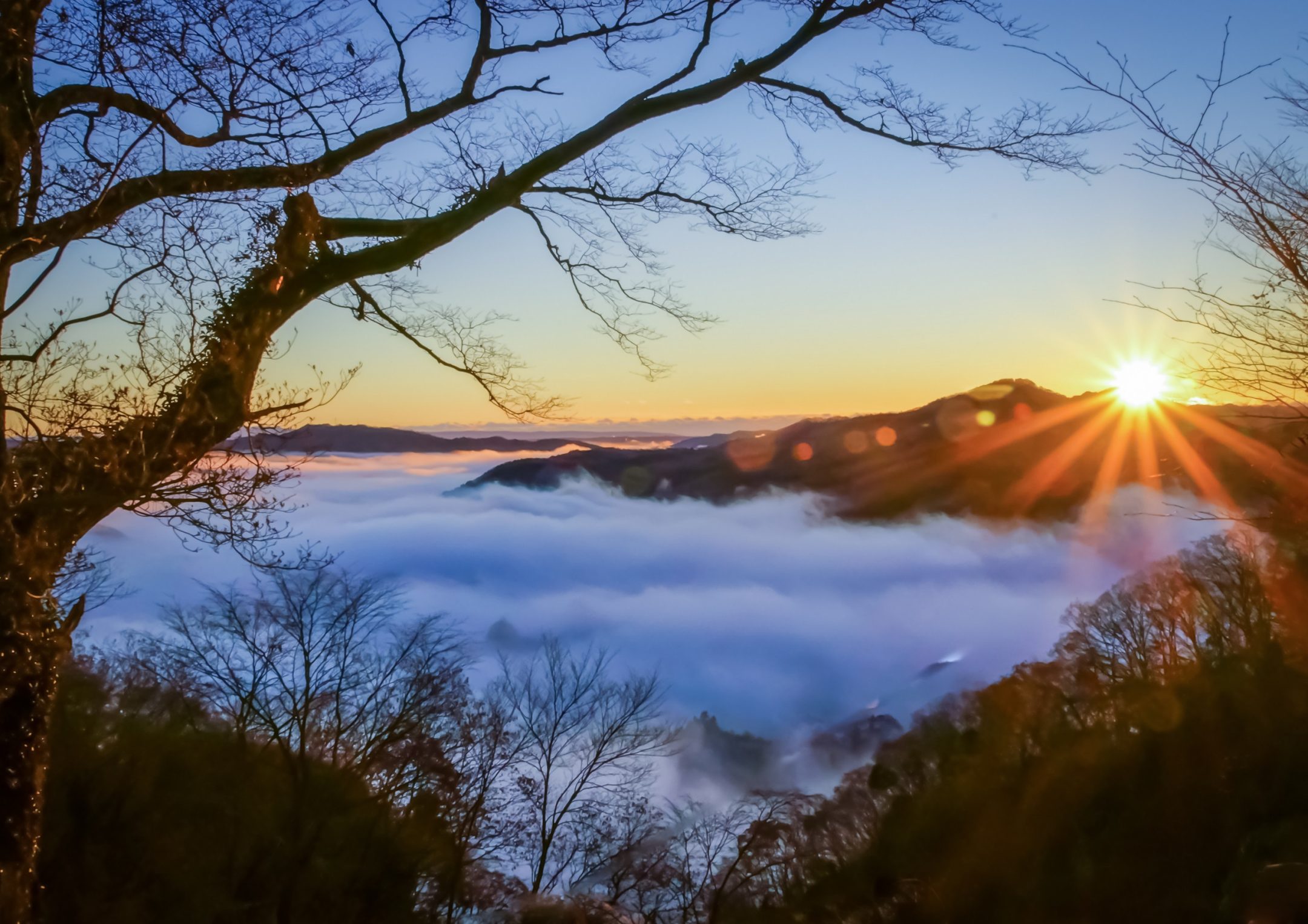
Hangetsusan is a mountain at the southeastern corner of Lake Chuzenji. Hiking trails lead up to the top of the mountain. Near the summit there is an observation deck with great views of the Okunikko region including Lake Chuzenji and Mount Nantai. From about mid October to early November each year, autumn colors add to the scenery viewed from here, making this a popular autumn leaf viewing spot. From there it takes approximately 30 minutes to ascend to the observation deck near the summit along a steep nature trail."

Nikko kaido Oshu kaido TOCHIGI
Nikko Botanical Garden

Nikko Botanical Garden

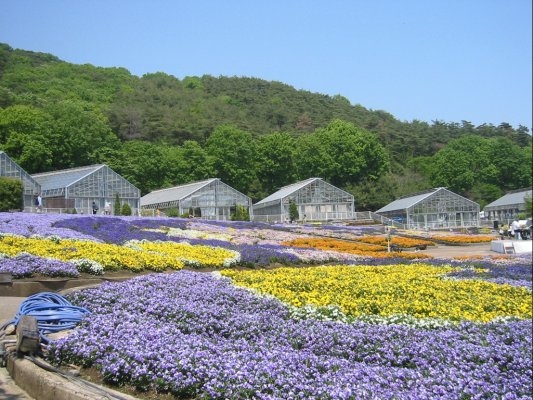
Nikko Botanical Garden is an institute for research and education of Graduate School of Science, University of Tokyo. The main activities of the Botanical Garden have centered on enriching the collections of temperate and alpine plants of Japan and adjacent regions for the purpose of botanical research and education. A total of 2,200 species (130 species of pteridophytes, 70 species of gymnosperms, and 2,000 species of angiosperms) are planted in the garden. Visitors can enjoy the garden's cherry blossoms in spring and the fall foliage in the fall."

Nikko kaido Oshu kaido TOCHIGI
Soun Museum

Soun Museum

This art museum stands at the southern edge of Ashikaga Park. The museum displays the artwork as well as the personal effects of Tazaki Soun, a Southern School painter who was active in Ashikaga from the end of the Edo period through the Meiji period. Known as a late Edo period loyalist painter, Soun studied under artists such as Kanai Ushu and his works have been highly praised outside Japan. Soun was also chosen to be the first Imperial Household Artist, once the highest honor for an artist in Japan, and the museum stores, conserves, and presents his artwork and personal effects. A thatched roof residence believed to have been the home of Soun stands in the museum's garden."

Nikko kaido Oshu kaido TOCHIGI
Hōshakuji Station & Space of Chokkura

Hōshakuji Station & Space of Chokkura

Hōshakuji Station opened in 1899.The station building was rebuilt in 2008 by Kengo Kuma's design. On the ceiling, wood is arranged in a geometric pattern. In 2008, that station building won an award in architecture department of Brunel Award that International Railway Design Competition. Space of Chokkura was designd by Mr. Kuma with the image that light and wind blow through. There are bildings made of oya tuff stone. In the space, markets and live performances are held on holidays.

Nikko kaido Oshu kaido TOCHIGI
Watanabe Sahei Shoten “Sake Brewery Tour”

Watanabe Sahei Shoten “Sake Brewery Tour”

Watanabe Sahei Shoten is a family run brewery from 1842in Nikko. Their spirit that “Junmai Jyozosyu" is an authentic sake”. *”Junmai” is sake made only with rice, koji , and water *”Koji” is fungus which converts the starch from the rice into glucose Of course, we use Nikko’s natural grand water to make nice sake in Nikko’s very cold winter. Why don’t you try it? The owner can speak English. You can tour around with owner and hear his sprit of sake directly. *English guided tour / max 40 person *Reservation required (by Phone, E-mail, Online)

Oshu kaido Nikko kaido TOCHIGI
British Embassy Villa Memorial Park

British Embassy Villa Memorial Park

After 120 years, the former British Embassy Villa opened its doors to the public as the British Embassy Villa Memorial Park on 1 July 2016. Ernest Satow, a British diplomat who contributed to Japan’s Meiji Restoration, built a private villa at the south bank of Lake Chuzenji in 1896. He loved Oku-Nikko, especially Lake Chuzenji as the area reminded him of the natural landscape of his home country. The villa was used as the British Embassy summer residence until 2008 before being donated to Tochigi prefecture in 2010 to be opened to the general public. In the early years of the villa, Satow’s friend Isabella Bird stayed here for a month and wrote of the impressive landscape of the villa. The British Embassy Villa Memorial Park presents exhibitions on British culture and the history of Oku-Nikko as an international summer resort. Visitors can immerse themselves in this historic setting while enjoying teatime in the villa (additional charges apply) and take in the picturesque view of Lake Chuzenji from the spacious veranda on the upper floor.

Nikko kaido Oshu kaido TOCHIGI
Michi-no-Eki Nikko Kaido Nikoniko Honjin

Michi-no-Eki Nikko Kaido Nikoniko Honjin

The roadside station “Michi-no-Eki Nikko Kaido Nikoniko Honjin” held a grand opening to the public on 27 April 2015. It is located at the junction of three highways known as the Nikko Cedar Avenue (Nikko-Kaido, Aizunishi-Kaido and Reiheishi-Kaido), in the city centre of Nikko. The roadside station is a hub for tourism and transportation that leads visitors to sights such as the UNESCO World Heritage “Shrines and Temples of Nikko” and one of Japan’s most popular hot spring towns, “Kinugawa and Kawaji Onsen”. Nikko’s official “Michi-no-Eki” is home to a commemorative museum to the famous local composer Toru Funamura as well as restaurants and shops offering original local products, locally produced vegetable and fruits. A wide range of events take place in the performance hall and open space throughout the year.

Nikko kaido Oshu kaido TOCHIGI
Italian Embassy Villa Memorial Park

Italian Embassy Villa Memorial Park

From the mid Meiji to the early Showa periods, the area around Lake Chuzenji was home to foreign embassies and villas and flourished as summer resorts. The villa was built as a summer house for the Italian ambassador in 1928 and used by successive ambassadors until 1997. Along with the main building reconstructed with the original floor, fittings and furniture, the cottage is now open to the public as a history museum of the local international summer resorts. In addition to the buildings, the park pleases the eye with a lovely view of Lake Chuzenji.   The villa was designed by Czech architect Antonin Raymond (1888-1976). Raymond moved to the United States when he was 22 years old where he took up architecture. His first visit to Japan was during the New Year’s period in 1919-20 to work on the project of the Imperial Hotel with his mentor Frank Lloyd Wright. Raymond was advised by local craftsmen on traditional architectural materials. He made a good use of the local Nikko cedar on the walls and his chequered design creates a beautifully modern exterior to the two-storey wooden villa. The whole ceiling of the ground floor was made with cedar bark by wickerwork, a popular technique in the traditional Japanese Sukiya style of architecture. The space of the living room and study is skilfully divided by wickerwork patterns.

Nikko kaido Oshu kaido TOCHIGI
Michi-no-Eki Yunishigawa

Michi-no-Eki Yunishigawa

Michi-no-Eki Yunishigawa is a roadside station located in the north of Nikko, about 300 metres from the former Aizu-nishi highway (Route 121). It offers natural hot springs and a stone sauna, and local delicacies such as smoked salamander, strawberry buns and Bandai-mochi rice cake (not available in winter). The cafeteria serves uniquely dam-shaped rice and curry as well as locally produced soba noodles. Look out for Kurippa here, a local mascot based on a folk tale of the mythological creature Kappa. Accommodation can be arranged at the information desk. The car park has rapid charging points for electric vehicles. Located 600 metres above sea level, the location offers fine views of the natural surroundings. Enjoy the seasonal beauty of verdant greens, autumn leaves and snowy winter scenes.

Nikko kaido Oshu kaido TOCHIGI
Itamuro Onsen

Itamuro Onsen

A peaceful Onsen resort in the mountain ravines located in the western Nasu mountains. The clear alkaline hot spring water is known for its health benefits and the Onsen was designated as a “National Health Spa” by the Ministry of the Environment in 1971. Nestling into a natural landscape and surrounded by a richly preserved environment, most visitors come here for in search of the renowned health effects. Long known as a rustic therapeutic spa, the Onsen maintains its distinctive atmosphere. The temperature of the source of spring water is from 38℃ to 45℃, and its lukewarm water is gentle to the body.

Nikko kaido Oshu kaido TOCHIGI
Sessho-seki (Killing Stone)

Sessho-seki (Killing Stone)

Sessho-seki is a huge lava rock on the slope of Mount Nasu near Nasu Yumoto Onsen. According to literature from the Muromachi period (室町時代) (1336-1573), a fox with nine tails disguised itself as a beautiful woman and tried to kill the Emperor Toba. After fleeing to Nasu, the demon vixen was vanquished and turned into a stone. The stone was named "Sessho-seki " (Killing Stone) because many creatures died from the poisonous air it emitted.This place has been designated a National Place of Scenic Beauty.

Oshu kaido Nikko kaido TOCHIGI