
Greater Tokyo

See & Do

reset
Stone Museum in Ashino, Nasu

Stone Museum in Ashino, Nasu

This modern art museum was created by transforming an old rice stone warehouse, redesigned by internationally acclaimed architect Kengo Kuma. The building itself is a beautiful space composed of stone, water, and light, making it not only a cultural site but also a popular photo spot. In winter, as the daylight fades, the lights from each building—divided by a flowing waterway—create a magical and dreamy atmosphere, offering a breathtaking seasonal view. Kengo Kuma (born 1954) is one of Japan’s most celebrated architects, known for projects such as the Nezu Museum in Aoyama, Tokyo, and GINZA KABUKIZA. More recently, he gained worldwide recognition for designing the new National Stadium in Tokyo. His architectural style, which features natural materials and lattice designs, is highly praised both in Japan and abroad. After a renewal in November 2024, the museum reopened with several new features. A café now adjoins the entrance, offering drinks brewed by a professional barista using an espresso machine. The revamped “Stone Lounge” invites visitors to relax while enjoying furniture designed by Kengo Kuma. The roof of the main gallery—the largest of the museum’s three historical stone warehouses—has also been renovated using Ashino stone, the same material as the building’s exterior. The entrance area is freely accessible without an admission ticket, allowing guests to enjoy shopping or a casual drink even without entering the exhibition area.

Nikko kaido Oshu kaido TOCHIGI
Kanaya Hotel History House

Kanaya Hotel History House

In 1870, Dr. James C. Hepburn, an American medical missionary, visited Nikko and stayed at the house of Zenichiro Kanaya, who was a member of Gagaku (an ancient imperial court music) orchestra of the Toshogu Shrine. Foreseeing an increase in the number of foreign tourists to Nikko, Dr. Hepburn suggested that Kanaya open a hotel for foreigners. Following Hepburn’s advice, Zenichiro remodeled his house and opened “Kanaya Cottage Inn” in 1873.   Kanaya’s house was originally a residence of samurai warriors during the Edo period. For its unique architectural characteristics, Kanaya Cottage Inn was called “Samurai House” by its foreign guests.   In 1893, Zenichiro relocated his business and opened “Kanaya Hotel” on the top of the hill that overlooks the River Daiya. It was Japan’s first full-fledged western-style resort hotel and has been in operation at the same place to date.   The Kanaya Samurai House and warehouse were registered as a National Tangible Cultural Property in 2014 and opened to the public as the Kanaya Hotel History House in 2015.

Nikko kaido Oshu kaido TOCHIGI
Takinoo-jinja Shrine

Takinoo-jinja Shrine

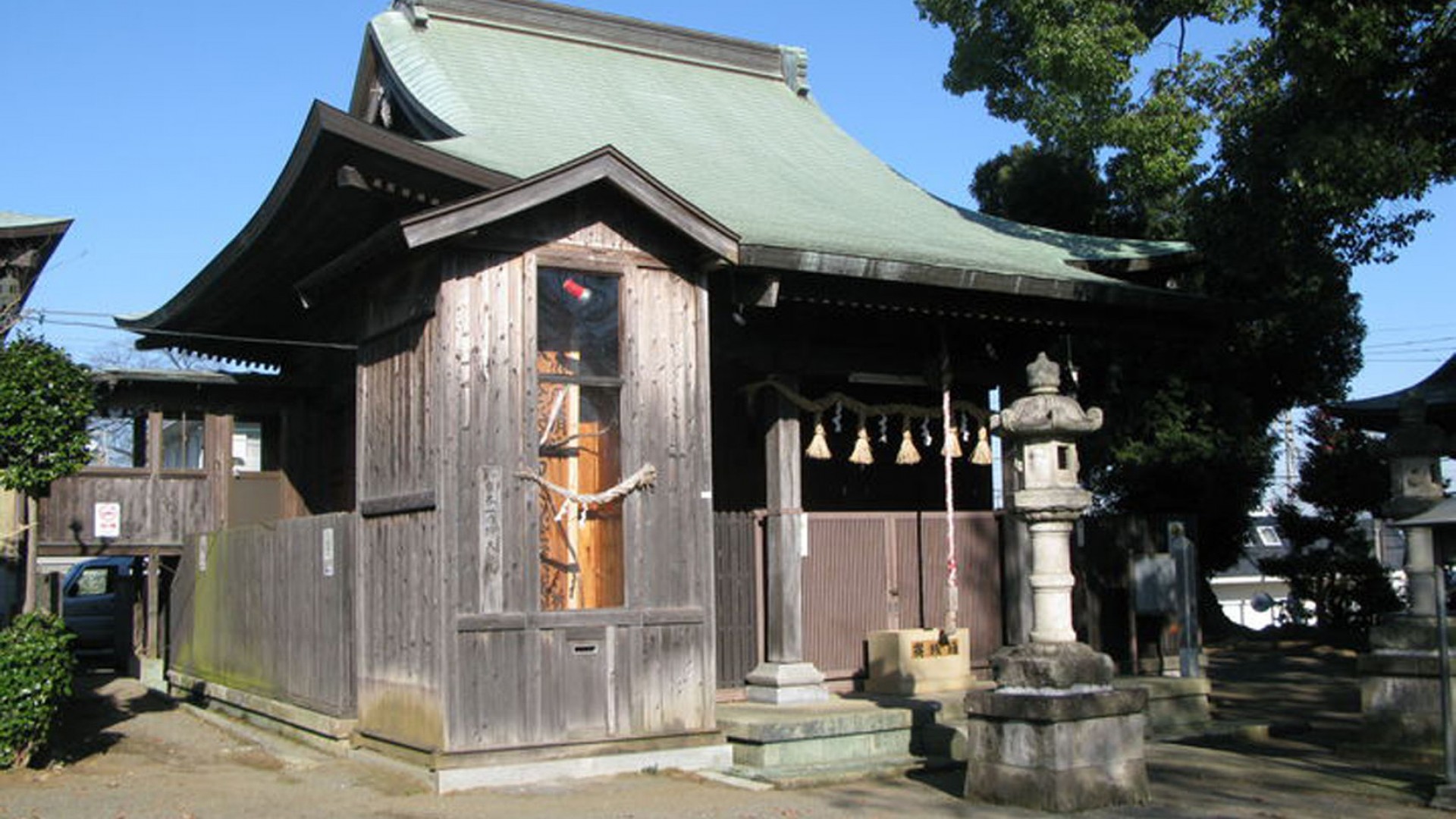
About a kilometer from Futarasan-jinja Shrine stands Takinoo-jinja Shrine, standing quietly amid the cedar trees. The atmospheric Takinoo-jinja is a popular place to pray for a successful marriage, pregnancy or birth, but people also come in search of more general luck. According to the legend, if you throw a coin through the small hole atop the torii gate at the entrance, you’ll be blessed with good fortune—but you only get three tries, so aim carefully."

Nikko kaido Oshu kaido TOCHIGI
Soba Making Experience at Nikko no sho

Soba Making Experience at Nikko no sho

In Nikko city, there are lots of handmade soba (buckwheat noodles) shops. (there are over 100 soba shops) It is said that the number of shops rate per the population is No.1 in Japan. Also the production of buckwheat is No.1 in Tochigi prefecture. Additionally Nikko city is rich in fresh ground water for soba which originates from the mountain of Nikko. Of course, soba masters have special skills to make it. That’s why the city of Nikko is called “the city of soba”. We look forward to meet you. [Notes] *Reservation required (by Phone, Fax) *Japanese language only. If you need English assistance, please come with an interpreter.

Nikko kaido Oshu kaido TOCHIGI
Kinugawa Okashino Shiro (Dessert Castle)

Kinugawa Okashino Shiro (Dessert Castle)

From popular sweets to outdoor activities — a delicious and relaxing stop on your hot spring tripKinugawa Okashino Shiro is a multi-purpose tourist facility that combines Japanese and Western sweets, cafés, and hands-on experiences. Inside, more than 30 varieties of handmade sweets are available, including seasonal fried bread, natural shaved ice, and other popular items, making it the perfect spot to buy souvenirs or enjoy sweet treats. The facility also includes “KINU COFFEE” café and “FUN GARDEN” outdoor space, where you can enjoy freshly grilled skewers, cakes, barbecues, and seasonal activities. Visitors can even take part in a dorayaki (red bean pancake) making workshop, adding an enjoyable hands-on element to the trip.

Nikko kaido Oshu kaido TOCHIGI
OOSEYANA

OOSEYANA

Yana is a trap to catch sweetfish that swim down the river to lay their eggs. The trap is a screen made with finely divided and stripped bamboo placed on a bamboo scaffolding where the water flow is blocked in a V-shaped depression. Ooseyana in Motegi Town in Tochigi boasts the largest yana trap among many traps placed on the Naka River. What’s most entertaining about yana fishing is that you can catch sweetfish while feeling the powerful flow of the Naka River over your feet. The catch is largest between the second half of September and the end of October. At the restaurant, you can savor freshwater fish dishes such as grilled sweetfish with a sprinkle of salt and deep-fried sweetfish while enjoying the river view.

Nikko kaido Oshu kaido TOCHIGI
กริลล์แอนด์สเต็ก เมียวเง็ตสึโบ (Grill&Steak Myogetsubo)

กริลล์แอนด์สเต็ก เมียวเง็ตสึโบ (Grill&Steak Myogetsubo)

เมียวเก็ตสึโบ (Myogetsubo) เป็นร้านอาหารที่เชี่ยวชาญด้านสเต็กและปิ้งย่าง ตั้งอยู่ในอาคารที่ได้รับการปรับปรุงใหม่จากที่พักเดิมของวัดนิกโกซังรินโนจิ ซึ่งมีประวัติศาสตร์ยาวนานกว่า 1,250 ปี สิ่งที่ไม่ควรพลาดของที่นี่คือสเต็ก “โทชิงิวากิว” เนื้อวากิวคุณภาพสูงจากญี่ปุ่น โทชิงิวากิวเป็นเนื้อวัวขนดำที่มีเกรด A4 ขึ้นไป โดยวัวจะถูกเลี้ยงในสภาพแวดล้อมธรรมชาติที่สมบูรณ์แบบของจังหวัดโทชิงิ ทำให้เนื้อวัวสายพันธุ์นี้ได้รับรางวัลคุณภาพยอดเยี่ยมระดับประเทศ 2 ปีซ้อน ลองลิ้มรสเนื้อโทชิงิวากิวในบรรยากาศที่ล้อมรอบไปด้วยมรดกโลก พร้อมสัมผัสความสง่างามของอดีตในช่วงเวลาที่หรูหราและเงียบสงบ

Nikko kaido Oshu kaido TOCHIGI
Mashiko Yuwakan     Gozasho (imperial chamber) and Peace Gallery

Mashiko Yuwakan Gozasho (imperial chamber) and Peace Gallery

Mashiko Yuwakan was originally established in Meiji 15 (1882) in Nikko City, Tochigi Prefecture as the Nanma Hotel. His Majesty the Emperor Emeritus stayed there during the war as evacuating school children when he was Crown Prince . The Gozasho, where he heard the Imperial Rescript on the Termination of the War over the The Jewel Voice Broadcast at the end of the war, remains to this day. The Mashiko-ware pottery kiln in Mashiko was relocated to its current location in Showa 48 (1973), and was donated to the town in Heisei 28 (2016). The building was renovated and re-opened as Mashiko Yuwakan with the hope to pass on the value of this building not only as a town treasure, but also as a national treasure to future generations. Currently, the Peace Gallery is exhibiting newspapers from the end of the war and panels showing the relationship between Tochigi Prefecture and the Imperial Family. In the Gozasho, which retains the appearance of those days, the full audio of the The Jewel Voice Broadcast is available to be listened. ※Masaiko Yuwakan has been renovated while keeping the original charm of the time it was built, so there are steep stairs and steps. Please be aware that the facilities are not barrier-free. We thank you for your understanding.

Nikko kaido Oshu kaido TOCHIGI
Hatsuyama Festival (Petanko Festival)

Hatsuyama Festival (Petanko Festival)

This Shinto Ritual is held in June 1st every year in Sengen Mountain (“Otoko Sengen” and ”Onna Sengen”). It is said that if you bring a baby born during last 1 year and pay visit to the shrine on this mountain and red stamp is put on the baby’s forehead, the baby will grow up in good health without illness. This Shinto ritual has begun more than 400 years ago and has been designated as an important cultual prpperty of Ashikaga City. Boy visit Otoko Sengen (Higher Mountain) and Girl visit Onna Sengen (Lower Mountain) If you can not pay visit to the shrine due to illness, etc., red seal will be stamp on the baby’s underwear.

Nikko kaido Oshu kaido TOCHIGI
Kitagura Cafe Higano

Kitagura Cafe Higano

Housed in “Kitagura,” a building constructed in the mid-Meiji period and registered as a Tangible Cultural Property of Japan, Kitagura Cafe Higano is located along Tochigi City’s famous Kuranomachi Street, a popular sightseeing area. The café is operated by Higano Shoten, a traditional confectionery shop founded in 1922. In addition to freshly brewed hand-drip coffee and homemade sweets, visitors can purchase the shop’s signature rice crackers, Okaki, as souvenirs. For coffee lovers, this is the perfect spot to relax and enjoy a quiet, charming atmosphere in the heart of historic Tochigi.

Nikko kaido Oshu kaido TOCHIGI