


Greater Tokyo

See & Do

reset
Oyama Gion Festival

Oyama Gion Festival

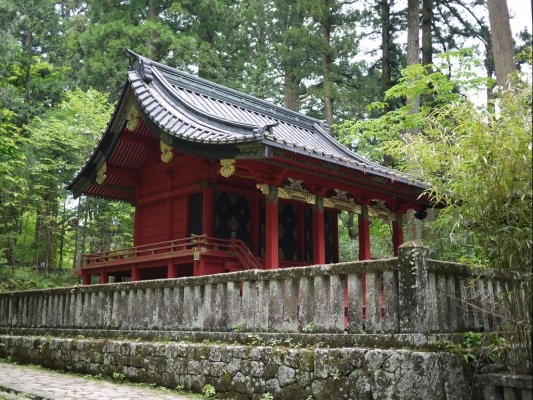
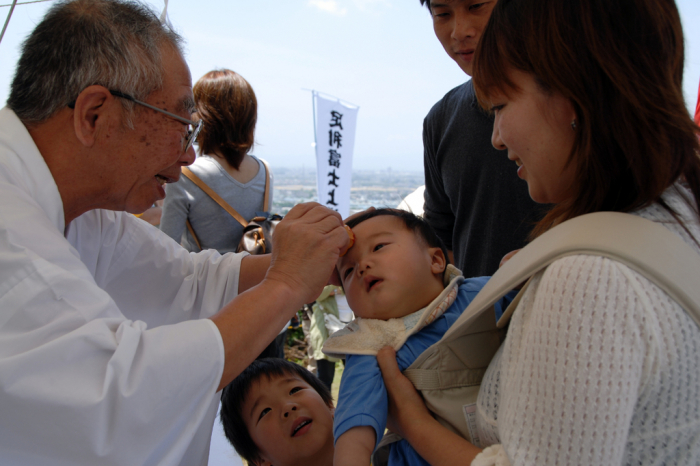
It is said that Suga Shrine was built by a legendary samurai Fujiwara no Hidesato in A.D. 940, and moved to its present location during 1159~1160. The whole shrine is filled with a solemn and serene atmosphere.   In A.D. 1600, before the Battle of Sekigahara, Tokugawa Ieyasu held the famous “Oyama Council” at Suga Shrine and prayed for the victory of the battle. After his victory and the establishment of the Edo Shogunate, Suga Shrine was greatly honored by the Shogunate. In 1658, staff members who had participated in the construction of Nikko Toshogu Shrine, created a miniature version of the Akamikoshi in Toshogu Shrine, which became the pressure of Suga Shrine.   The most important festival of Suga Shrine is "Oyama Gion Festival", on July 14 to 21 every year, 25 mikoshi including one massive one that weighs in at 2 tons are carried through the city.   According to “Shimotsuke Province Choreography(下野国誌)” written in Edo period, Suga Shrine’s “Gion Festival” is the “best Gion Festival in Shimotsuke Province.”   "

Nikko kaido Oshu kaido TOCHIGI
Mibu Highway Park at Michi-no-Eki Mibu

Mibu Highway Park at Michi-no-Eki Mibu

The Mibu Highway Park at Michi-no-Eki Mibu is a roadside station connected to the Mibu PA (motorway rest area) and conveniently located between both the motorway and the local highway (route 71). Located in the centre of the local municipality, the “Mirai-kan” information centre at the Mibu Highway Park is a hub for tourism offering information, local products and fresh local vegetables. Along with the Mibu Highway Park, Michi-no-Eki Mibu has Tochigi Wanpaku Park and Mibu-machi Toy Museum within its vast 52.5-hectare grounds. A great place for a break or a whole family day out.

Nikko kaido Oshu kaido TOCHIGI
Furukawa Ashio History Museum

Furukawa Ashio History Museum

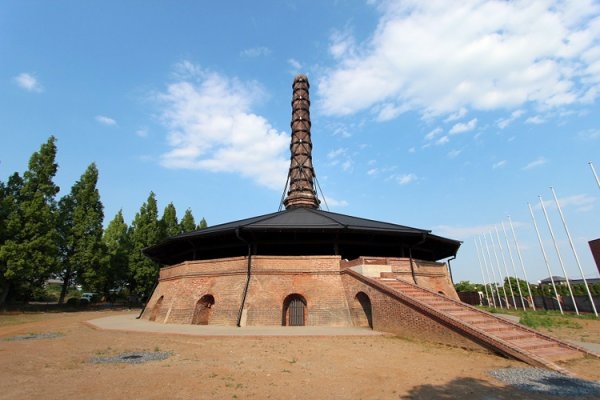
Overview of the Furukawa Ashio History Museum Ashio Copper Mine is one of the most important copper-producing sites in Japanese history. Discovered during the Sengoku period (1550), it was later mined under the direct control of the Edo shogunate. It once served as an essential source of material for Kan’ei Tsūhō, the currency of the time. As output later declined, the mine was taken over by the Furukawa family during the Meiji period. Due to advances in technology, new ore veins were found, and under the then national policy of enriching the country and strengthening the military, the mine prospered, making the Furukawa family magnates of the mining industry.   The Furukawa Ashio History Museum tells the stirring story of that industrial dawn. In addition to models of the Ashio Mining Office and stories of successive managers, it also exhibits the various tools used by miners in those days, recounting the history of the Ashio area.

Nikko kaido Oshu kaido TOCHIGI
Yoshimura Nouen

Yoshimura Nouen

Since its establishment in 1986, Yoshimura Nouen has been devoting itself to producing strawberries that make everyone fall in love, enjoy, and smile. It is also producing a unique blend of soil, which is indispensable for growing tasty strawberries. In its 30 greenhouses, strawberries that fit the preference of the times are produced with innovative efforts, and visitors can enjoy picking a wide variety of strawberries there. You can taste the difference of not only rare breeds but also breeds that represent Tochigi, including Tochiotome, Skyberry, and Tochi-Aika. To make strawberry picking enjoyable to more people, the farm has created a walkway wide enough for strollers and wheelchairs. In 2023, the farm also created a café space.

Nikko kaido Oshu kaido TOCHIGI
GOOD NEWS

GOOD NEWS

GOOD NEWS in the town of Nasu is a commercial building complex that connects farming, social services, and tourism to help create a sustainable town. The land is divided into GOOD NEWS NEIGHBORS and GOOD NEWS DAIRY. GOOD NEWS NEIGHBORS is a shopping area where shops working on environmental issues are gathered. There are nine shops in total including an outdoor gear shop for enjoying nature and a roastery café that composts waste coffee grains. GOOD NEWS DAIRY, as a communicator of the attractiveness of Nasu where dairy farming is active, sells soft ice cream from a ranch where the forest is effectively used in dairy farming, and offers products from a cheese factory working on upcycling of waste whey.

Nikko kaido Oshu kaido TOCHIGI
Mt. Kongo Fire-walking Sadhana

Mt. Kongo Fire-walking Sadhana

At Mt. Kongo Zuihoji Temple in Furumine, the "Fire-Walking Sadhana Festival" is held on the last Sunday on May, for burning away afflictions, warding off bad luck, and praying for family safety. The ceremony begins with the sound of a shugenja (mountain ascetic) blowing a trumpet shell, followed by the performance of the axe, bow, and sword, and then the flames of the goma are extinguished.   While sutra chanting echoes, shugenjas and participants walk barefoot on the path, praying for protection from bad luck, safety in the home, and the fulfillment of various wishes.   After the ceremony, shugenjas would share tributes (like deserts, sake) with people, which means sharing happiness with each others.  

Nikko kaido Oshu kaido TOCHIGI
Nikko Tamozawa Imperial Villa Memorial Park

Nikko Tamozawa Imperial Villa Memorial Park

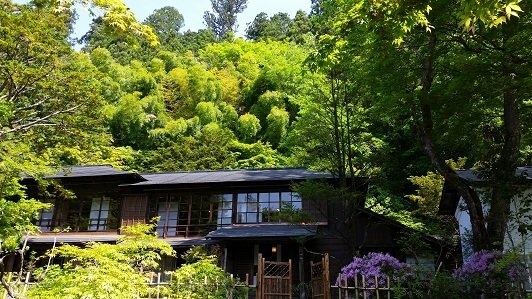
This villa and garden used to be a retreat for the imperial prince in the 19th century. In the year 2000, they were opened to the public after renovation works. The residence, combining architectural styles of different periods, is well worth visiting. Located close to the “Shrines and Temples of Nikko”, it is easily accessible. Take a walk in the garden with seasonal charms and 100 years of majestic history. After the historic tour, relax at the teahouse serving popular Japanese treats such as a bowl of maccha. English audio guides are available.

Nikko kaido Oshu kaido TOCHIGI
Nasu Onsen

Nasu Onsen

Nasu Onsen-kyo is a spread out hot spring resort on the slopes of Mt. Nasudake,the main peak of the Nasu mountains. The origin of the Onsen-kyo is “Shikanoyu” discovered in the 7th century.The “Shikanoyu(deer spring)” was named after locals witnessed an injured deer completely heal after jumping into the steaming pool. It's been renowned for its healing powers ever since. Historic visitors include Yoritomo Minamoto,a great samurai of 12th century,and Basho Matsuo,a famous poet of 17th century. Onsen styles vary from modern hotels in the highland to traditional wooden baths where you can try bathing in more than one spot to feel the difference.

Nikko kaido Oshu kaido TOCHIGI
Ohana de Ohanashi Sogetsu School Ikebana Studio fworks

Ohana de Ohanashi Sogetsu School Ikebana Studio fworks

Interacting with flowers will lead you to create your own Ikebana, Japanese flower arrangement. Each person has his/her own sense of beauty. Arranging flowers makes you free of heart, being thoughtful and good communicator. Also you can get in touch with Japanese seasonal flowers. Japanese flower arrangement takes "space" very valuable. You can appreciate the meaning of space between plants and vacancy.

Experience & Activities Tokaido Koshu kaido KANAGAWA
Chigasaki Southern C

Chigasaki Southern C

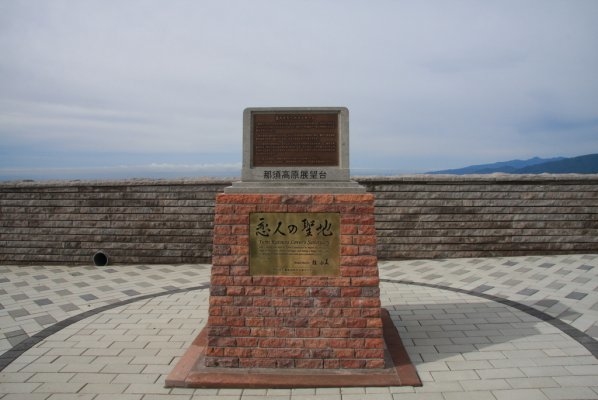
Chigasaki Southern C is the symbol of Southern Beach Chigasaki and has even fronted the Southern All Stars CD cover. This place is famous as a matchmaking (En-musubi) spot as when one stands at the right of the C, filling the gap in “C”, a circle (“En” in Japanese) will be formed, essentially tying fates (also “En” in Japanese) together. It is also famous for being a photo spot in Chigasaki where you can snap a shot with the Eboshi Rock in the middle of the C.

Nature & Views Tokaido Koshu kaido KANAGAWA
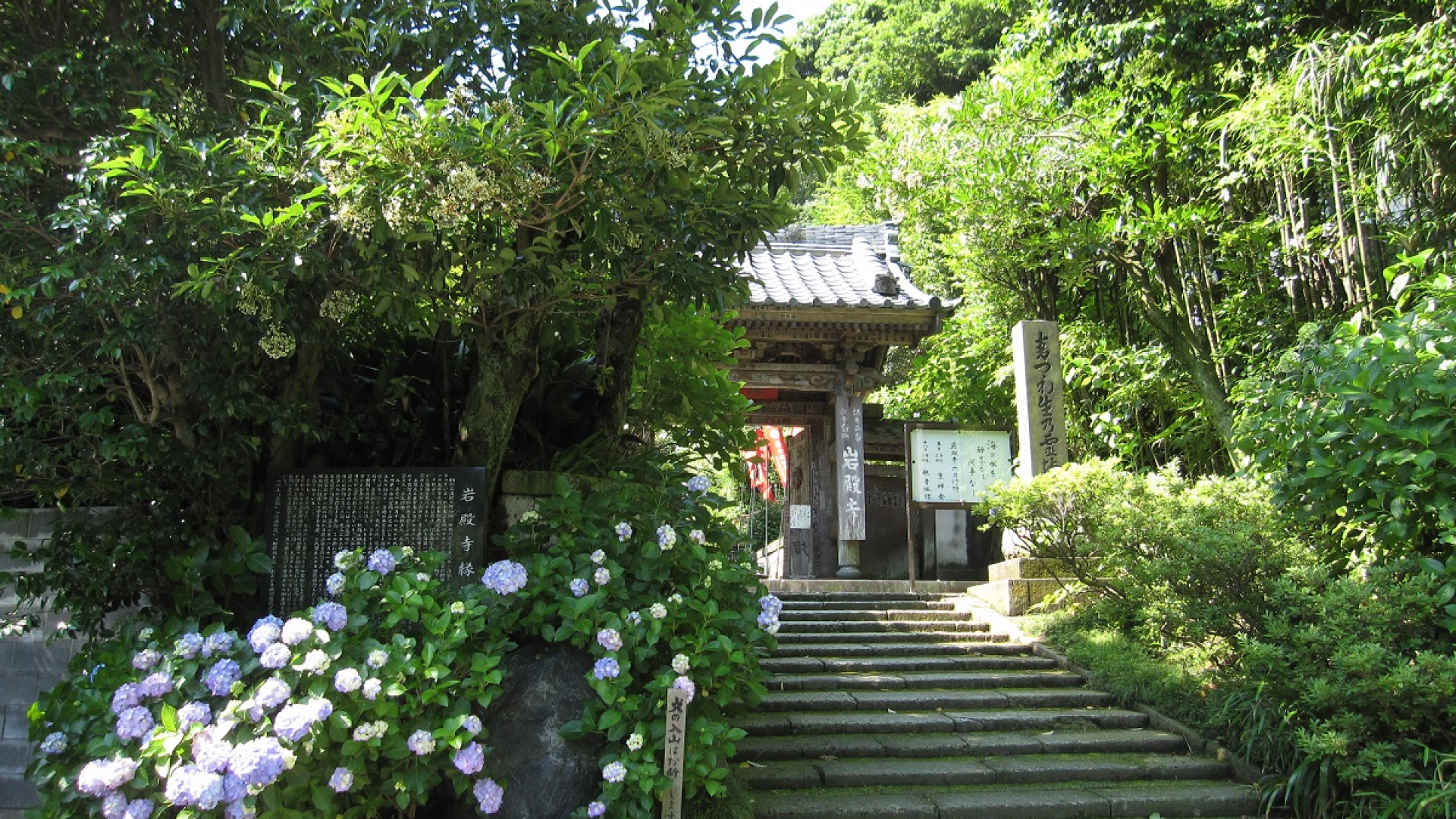
Shinbayashi Park (Stroll/Bird-watching)

Shinbayashi Park (Stroll/Bird-watching)

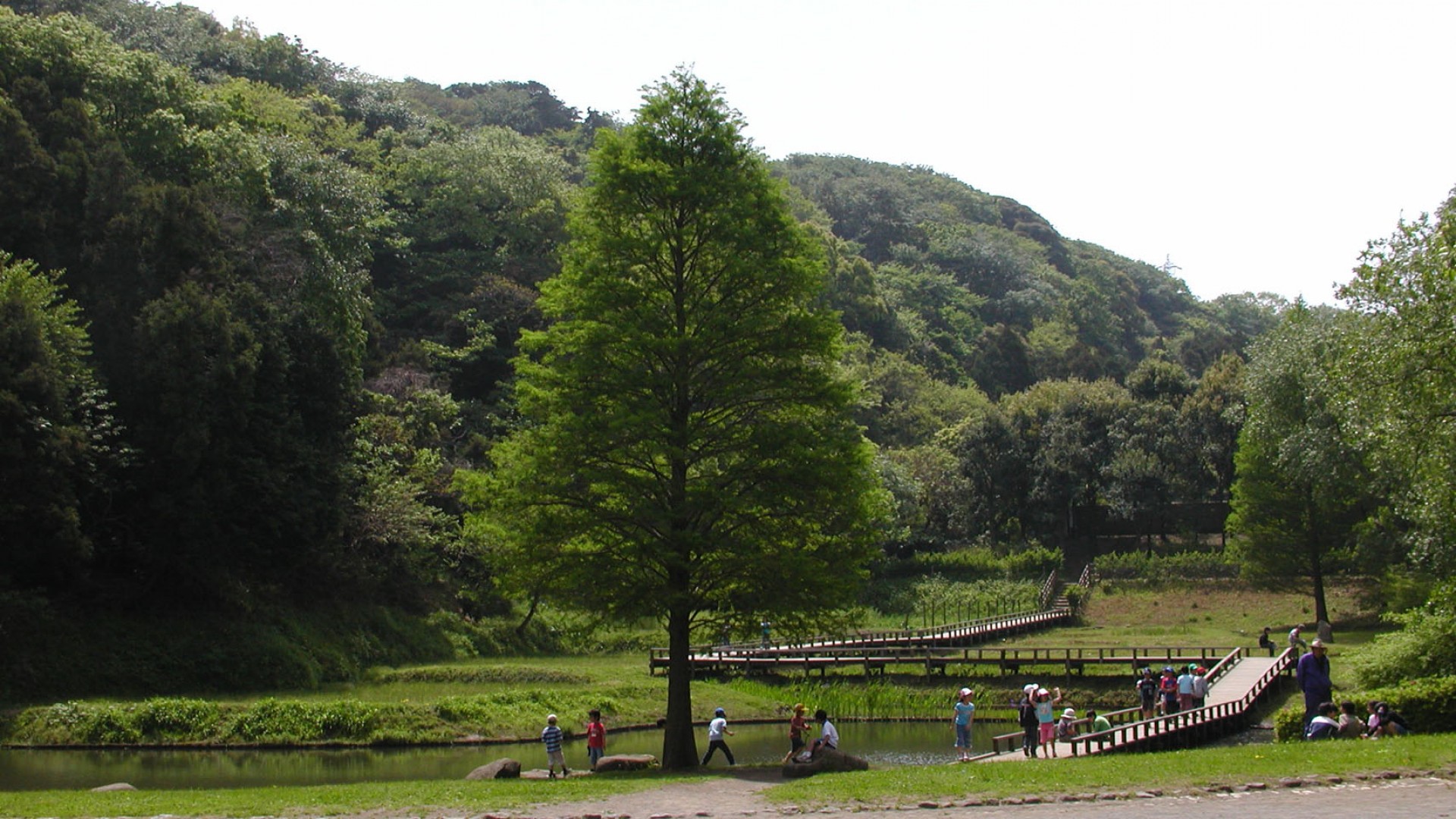
In this 16.2 hectare park, there is a 1.5km nature trail along the ridges of the mountains, an adventure park with playground equipment, and the Kawana Oike springs. You can find various plants such as the golden-banded lilies etc. on the nature trail which also serves as a hiking trail, and at the Kawana Oike springs, you can observe wild birds such as Kingfishers. At the wetlands area, you can find wetland plants there and at the banks of the pond, there's a traditional home from the Edo period (the former Koike Residence).

Nature & Views Koshu kaido Tokaido KANAGAWA
Yakumo Shrine

Yakumo Shrine

Founded in 1192, Yakumo Shrine is affectionately called “Yakumo-sama” by local residents, reflecting its deep ties with the community. The shrine is dedicated to Susanoo-no-Mikoto, and visitors pray here for physical health, recovery from illness, safe travels, and protection from misfortune. Worshippers even come from afar to pay their respects. In addition to Susanoo-no-Mikoto, the shrine also enshrines Daikoreishin (Hosokawa Okimoto, the founder of the Mogi branch of the Hosokawa clan) as an associated deity. Within the shrine office and the Shushuden Hall (a resting place for parishioners), visitors can see displays of historical materials, including the armor helmet once bestowed upon the Hosokawa clan by Oda Nobunaga. Yakumo Shrine is also known as the guardian shrine of traffic safety and is closely associated with “TWIN RING MOTEGI.” During major motor races, both staff and drivers come to pray here for victory and safety.

Oshu kaido Nikko kaido TOCHIGI