Greater Tokyo

See & Do

reset
Lake Yunoko

Lake Yunoko

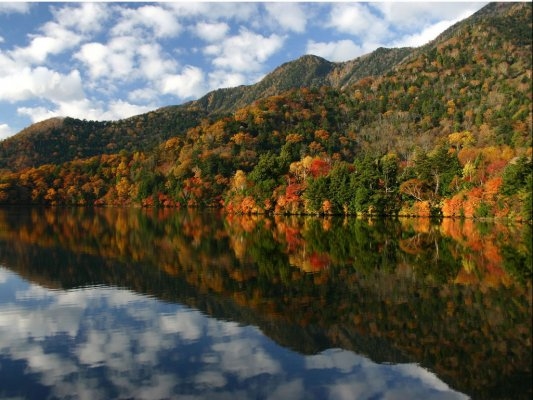
Yunoko Lake is a lake that has formed by the eruption of Mt. Mitake. It is about 3 km in circumference. It is surrounded on three sides by mountains, and is somehow shrouded in a mysterious atmosphere. There is a walking path on the lakeshore, and you can make a round of it in about an hour. There are various types of primary forests in the surroundings, and you can see colorful autumnal leaves in the fall. It is also a spot famous for trout fishing, and is thronged with people during the fishing season from May to September."

Nikko kaido Oshu kaido TOCHIGI
Nikko Kirifuri Highland Ozasa Farm

Nikko Kirifuri Highland Ozasa Farm

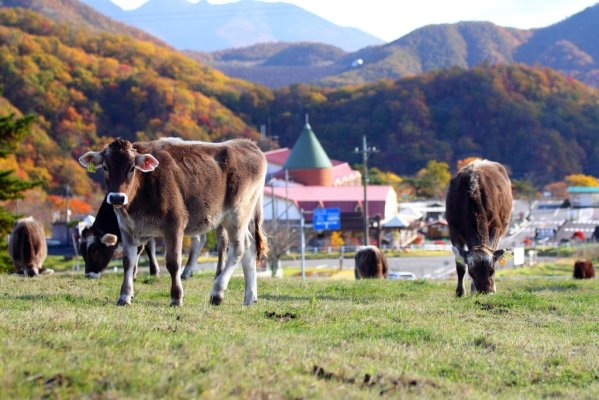
This dairy farm, located inside Nikko National Park at an altitude of1,030 to 1,300 meters, Ozasa Farm offers a great view of the Kanto Plain. Animals and people living in the farm enjoy quiet, tranquil surroundings amidst great natural beauty. Visitors can not only interact with horses, goats and sheep, but also try to make ice cream and butter at their workshops. Other activities include horse riding and camping facilities at a nearby site."

Nikko kaido Oshu kaido TOCHIGI
Torinoko Sansho Shrine

Torinoko Sansho Shrine

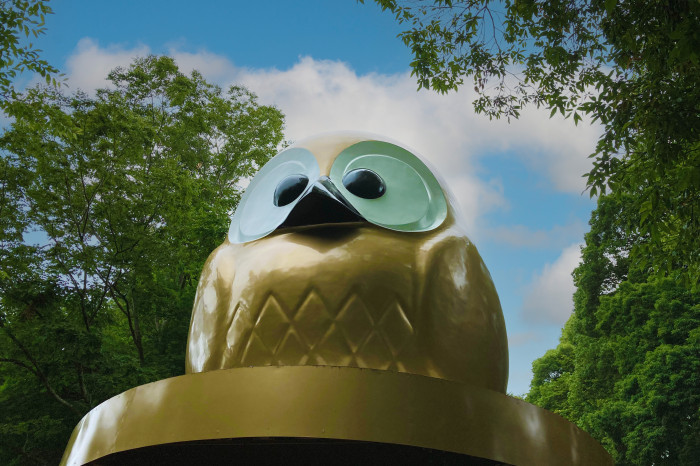
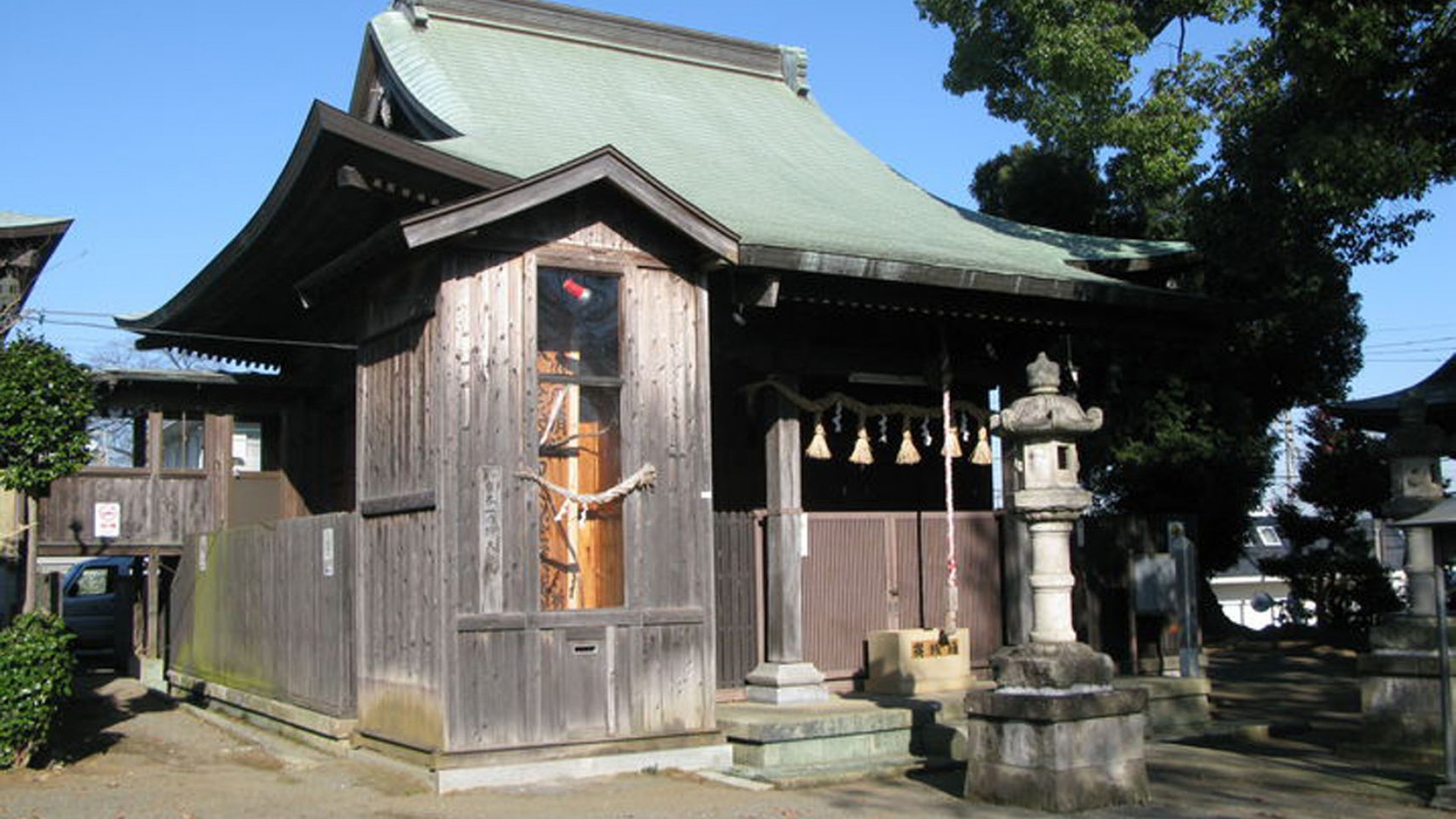
Torinoko Sansho Shrine consists of a main hall, a worship hall, a tower gate, a Torii gate (at the prefectural border of Tochigi and Ibaraki) and the main shrine. The shrine is known for its lucky owl, a messenger from the god who brings good luck. The temple complex contains the nation’s largest statue of an owl, an owl post, an owl bell and an owl statue on which visitors pour water to wash their troubles away. Other notable sites include a miraculous turtle well that has never dried up and the building known as Gochiin where famous feudal lord Mitsukuni Tokugawa once stayed.

Nikko kaido Oshu kaido TOCHIGI
Tsumada Yakushi

Tsumada Yakushi

The temple enshrines Yakushi Nyorai, known as the Buddha who saves people from illness, injury, and other suffering. In particular, the dumplings served on the temple fair, also known as "omedama-san," are said to be beneficial for eye diseases. There are many cultural assets on the temple grounds, including the Yakushido Hall, camphor tree, and bronze bell. The current Yakushido was reconstructed in 1758, but the raigo-hashira (pillars that surround the kitchen) are the same as those used when the temple was rebuilt in 1584. It is written in the Shinpen Sagami-no-Kuni Fudoki Manuscript that the earlier building was destroyed by fire during the attack on Odawara Castle by the Takeda clan in 1569. The temple is open to the public once every 60 years on the Kanoetora anniversary of the opening of the main sanctuary. The next one will be in 2070.

Temples & Shrines Koshu kaido Tokaido KANAGAWA
GOOD NEWS

GOOD NEWS

GOOD NEWS in the town of Nasu is a commercial building complex that connects farming, social services, and tourism to help create a sustainable town. The land is divided into GOOD NEWS NEIGHBORS and GOOD NEWS DAIRY. GOOD NEWS NEIGHBORS is a shopping area where shops working on environmental issues are gathered. There are nine shops in total including an outdoor gear shop for enjoying nature and a roastery café that composts waste coffee grains. GOOD NEWS DAIRY, as a communicator of the attractiveness of Nasu where dairy farming is active, sells soft ice cream from a ranch where the forest is effectively used in dairy farming, and offers products from a cheese factory working on upcycling of waste whey.

Nikko kaido Oshu kaido TOCHIGI
Musha Festival

Musha Festival

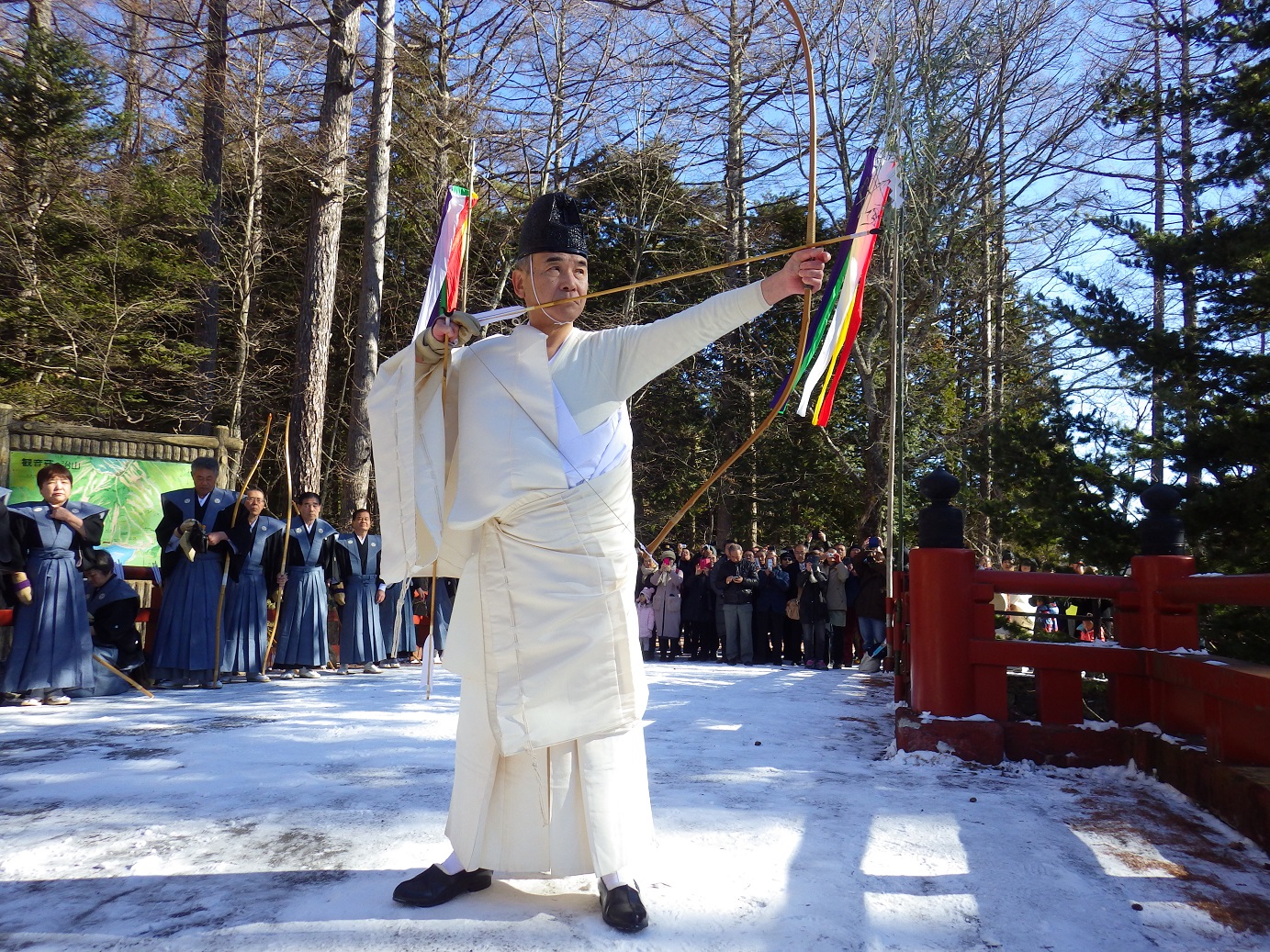
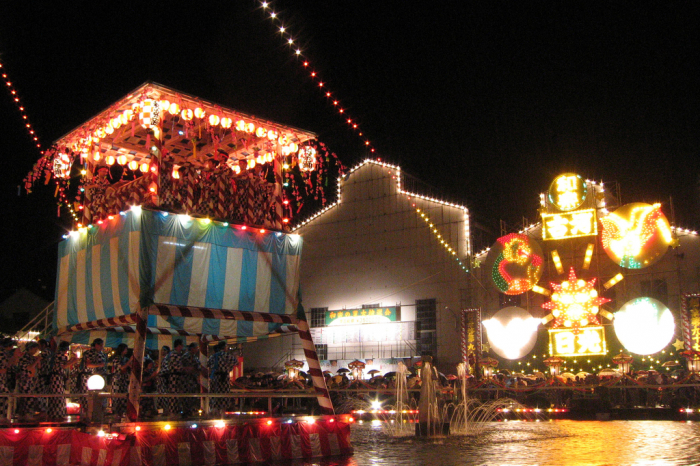
On January 4 each year, the Musha Festival, an annual Shinto ritual in which arrows are shot toward Mount Akagi, is held at Futarasan Shrine's Chugu Shrine on the shore of Lake Chuzenji. It is based on a legend of Gods warfare, and is a tradition that has continued since the Muromachi period.   In the legend of the Gods battle, the deity of Mount Nantai in Nikko changed himself into a "giant snake," and the deity of Mount Akagi in Gunma changed into a "giant centipede" and fought over at Senjogahara. It is said that the deity of Mount Nantai won the warfare.   In accordance with the legend, the Guji (head of priests) stands on the Kamishimbashi and releases the first arrow, with a shout of "Ya" as a cold wind blows, followed by the priests and archers dressed in kariginu, who shoot arrows one after another in the direction of Mount Akagi in this heroic ritual.

Nikko kaido Oshu kaido TOCHIGI
Kanuma soba Nira soba

Kanuma soba Nira soba

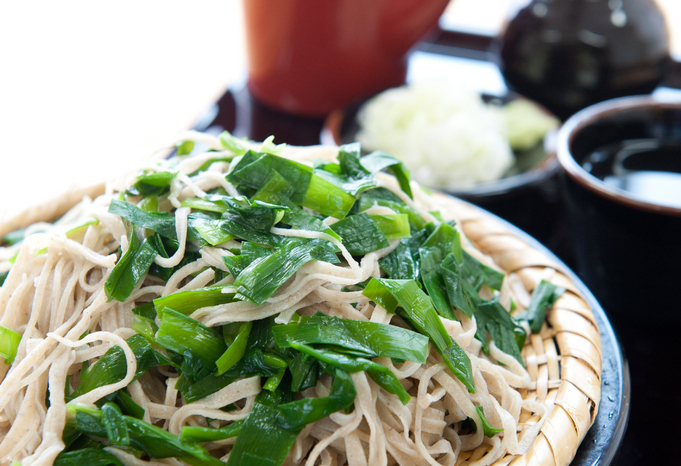
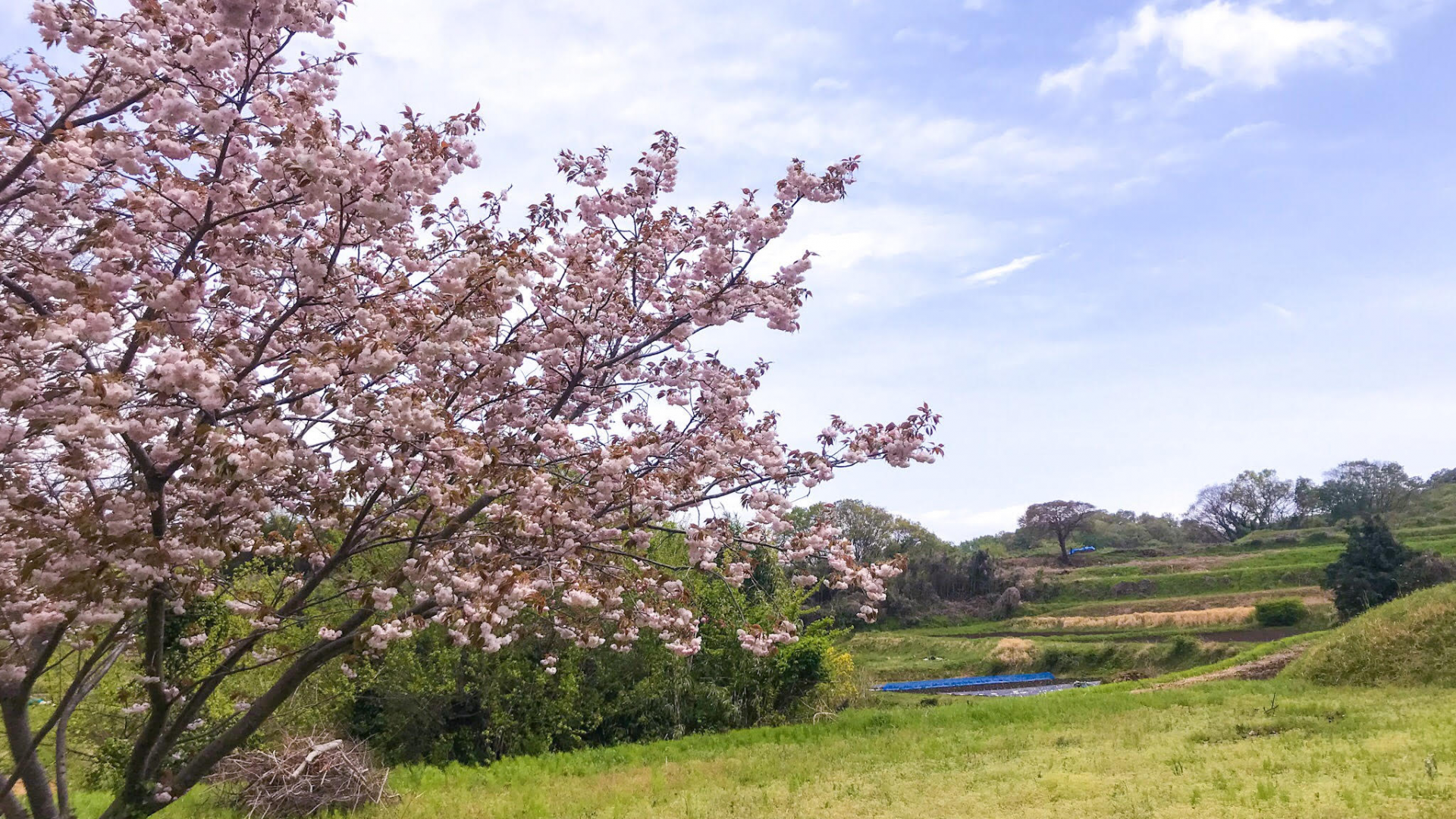
Kanuma's native species of brown buckwheat has characteristically small seeds with a relatively thick, aroma-rich hull. Grown to full ripeness in Kanuma’s large, rainy forests, it has a profound flavor. Kanuma soba is prepared using locally-sourced water and buckwheat flour, giving it a unique sweetness and aroma that are popular among its fans. Soba is a staple food in Kanuma, and nira soba was born out of the local tradition of using nira (garlic chives) to both add volume to and spice up their soba.

Nikko kaido Oshu kaido TOCHIGI
Nikko Waraku Odori

Nikko Waraku Odori

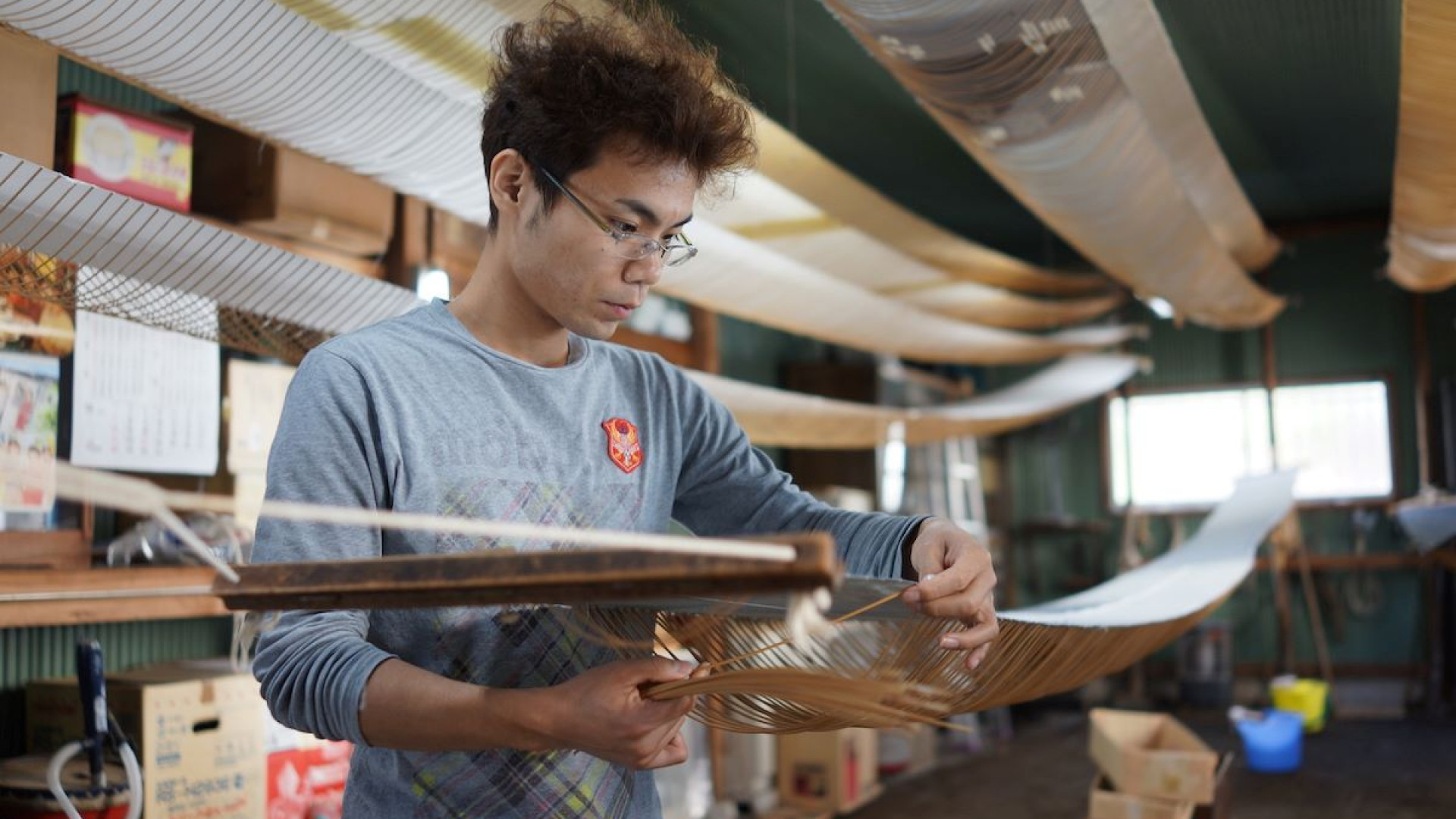
"Nikko Waraku Odori" (folk dance) started in 1913 to commemorate the visit of their Majesties: the Taisho Emperor and Empress to the Nikko Copper Refinery, which was known as the predecessor of the present Nikko Works of Furukawa Electric Co., Ltd.   It was the very first time that the Emperor visited a private plant. "Nikko Waraku Odori" started at the celebration after the visit. The plant workers were filled with so much emotion, that they started dancing spontaneously after carrying out such an important mission of welcoming their Majesties.   Since then, this folk dance has been loved by people in Tochigi for over 100 years.

Oshu kaido Nikko kaido TOCHIGI
Shinbayashi Park (Stroll/Bird-watching)

Shinbayashi Park (Stroll/Bird-watching)

In this 16.2 hectare park, there is a 1.5km nature trail along the ridges of the mountains, an adventure park with playground equipment, and the Kawana Oike springs. You can find various plants such as the golden-banded lilies etc. on the nature trail which also serves as a hiking trail, and at the Kawana Oike springs, you can observe wild birds such as Kingfishers. At the wetlands area, you can find wetland plants there and at the banks of the pond, there's a traditional home from the Edo period (the former Koike Residence).

Nature & Views Tokaido Koshu kaido KANAGAWA
ZEN RESORT NIKKO

ZEN RESORT NIKKO

Located in the Okunikko area, Zen Resort Nikko is an outdoor activity-oriented commercial complex where you can enjoy dining at a restaurant and glamping. The restaurant serves beef hamburger steaks with a wonderful umami taste and texture achieved only because they are made of 100% Wagyu beef. You can also savor a dish featuring Itadakimasu, a brand of freshwater rainbow trout developed in Nikko. The dinner (reservation required) is prix fixe, so you can choose dishes of your preference for each course. Enjoy alcohol beverages and food in the slow flow of time. In addition to accommodation facilities for glamping and camping, Zen Resort Nikko offers a rich lineup of seasonal activities such as SUP for summer and snow activities in winter.

Nikko kaido Oshu kaido TOCHIGI
Dining Room “Mizunara” (Chuzenji Kanaya Hotel)

Dining Room “Mizunara” (Chuzenji Kanaya Hotel)

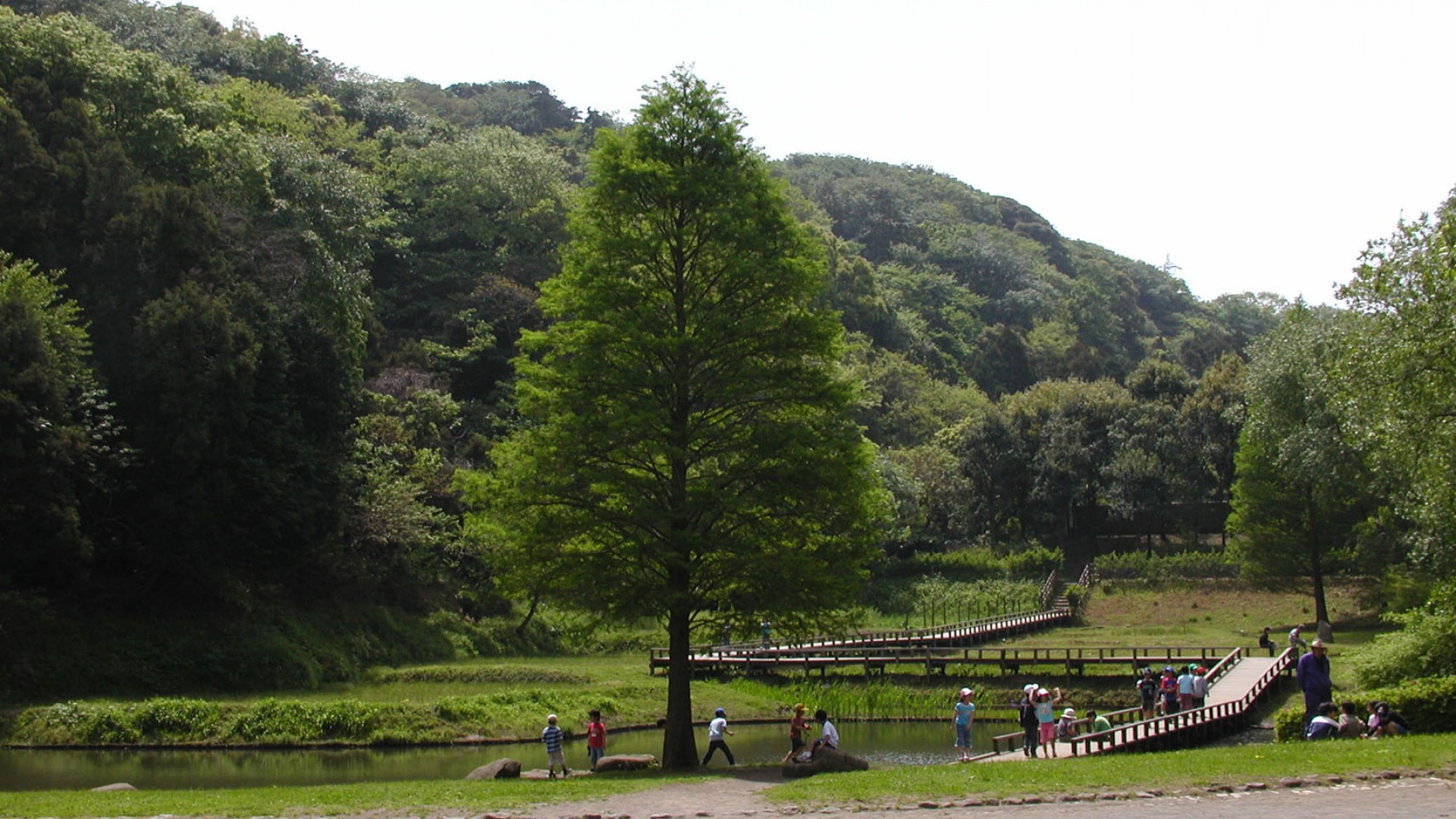
The dining room Mizunara at Chuzenji Kanaya Hotel features large windows overlooking the lake. Wooden pillars and the floor give the dining room a warm tone. Beyond the mizunara oak trees outside, there is Lake Chuzenji. In all seasons, guests can enjoy food cooked with fresh ingredients produced in Tochigi with a view of the nature and wild birds of Okunikko. The restaurant offers a range of dishes that enable local production and local consumption, including Hyakunen Curry Rice prepared based on the 100-year-old recipe of the signature dish of our sister hotel Nikko Kanaya Hotel, Special Tochigi Lunch using locally produced Premium Yashio Trout and locally produced wagyu beef, and Nasunogahara Wagyu Beef Steak Lunch. Have a wonderful time at this open restaurant that feels like a resort.

Nikko kaido Oshu kaido TOCHIGI
Utsunomiya Gyoza Festival

Utsunomiya Gyoza Festival

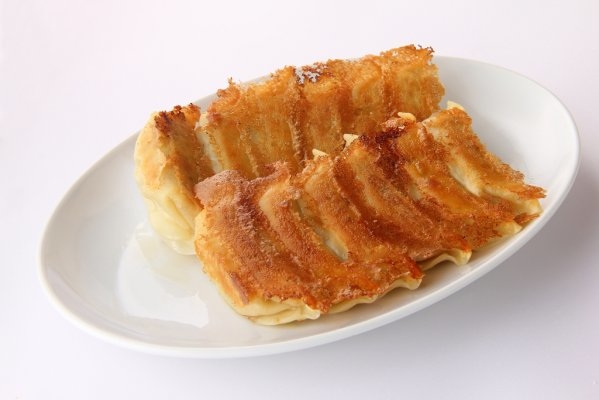
  Utsunomiya is famous throughout Japan for its gyoza, and so it’s only fitting that an annual festival to the fried dumplings would be held in the city. The Utsunomiya Gyoza Festival has been held at the beginning of November since 1999, with members of the Utsunomiya Gyoza Committee setting up stalls to sell their famous dumplings.   Visitors will be able to enjoy the subtle differences of dozens of dumplings as well as fill empty stomachs at a low cost: A three to five piece portion of gyōza, whether fried, boiled or steamed, will cost just 200 yen.   During the two days of festivities, visitors can also watch music bands and comedians at Miyajazz Inn, or see other live concerts at nearby venues.

Nikko kaido Oshu kaido TOCHIGI
Kinuko no Yu (Foot Bath)

Kinuko no Yu (Foot Bath)

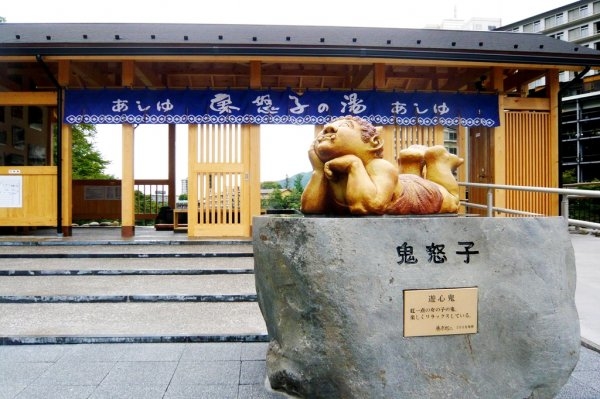
These foot baths are located in Nikko City, Tochigi Prefecture. These foot baths located on the right bank of the Kurogane Bridge that spans the Kinugawa River can be enjoyed while taking in the seasonal scenery of Kinugawa Gorge. A riverside promenade is located near the baths, allowing visitors to enjoy exploring the surrounding area while enjoying the views provided by Kurogane Bridge. Visitors are greeted at the entrance by a statue of Kinuko, the little sister of Kinuta, the local mascot of Kinugawa Onsen."

Nikko kaido Oshu kaido TOCHIGI