

Greater Tokyo

See & Do

reset
Shinonome Flower Festival

Shinonome Flower Festival

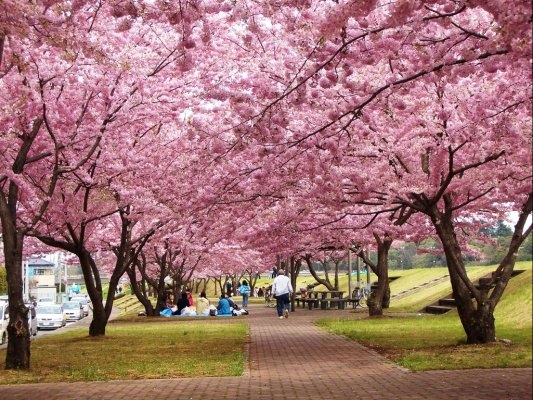
"Shinonome Flower Festival" is held at Shinonome Park from late March to early April. The sight of approximately 250 cherry trees lined up along both banks of the Kurokawa River all blooming at once is spectacular.   From the Shinonome Sakura Bridge, which is located in the park and connects the east and west banks of the Kurokawa River, visitors can enjoy a magnificent view of Mt. Nantai and blooming cherry trees. the Shinonome Sakuradai on both banks of the Kurokawa River is one of the 100 most scenic spots in Tochigi.   The nearby roadside rest stops, the Mibu Exchange Center "Miraikan", the Mibu Toy Museum, and the Toy Town Bandai Museum, also hold a variety of events in conjunction with the Shinonome Flower Festival.  

Nikko kaido Oshu kaido TOCHIGI
Mobility Resort Motegi Firework Festival

Mobility Resort Motegi Firework Festival

Motorsports theme park “Mobility Resort Motegi” holds the “Mobility Resort Motegi Fireworks Festival” every summer and winter. The fireworks will be accompanied by music, and visitors can enjoy the vibrant fireworks from a close distance, immersing themselves in a feast for both the eyes and the ears. Mobility Resort Motegi has a variety of amusement facilities, restaurants, and other facilities that can keep you played all day long. Please refer to the official website for more information on ticket sales for the fireworks festival.

Nikko kaido Oshu kaido TOCHIGI
Yasaka Festival (Tenno Festival)

Yasaka Festival (Tenno Festival)

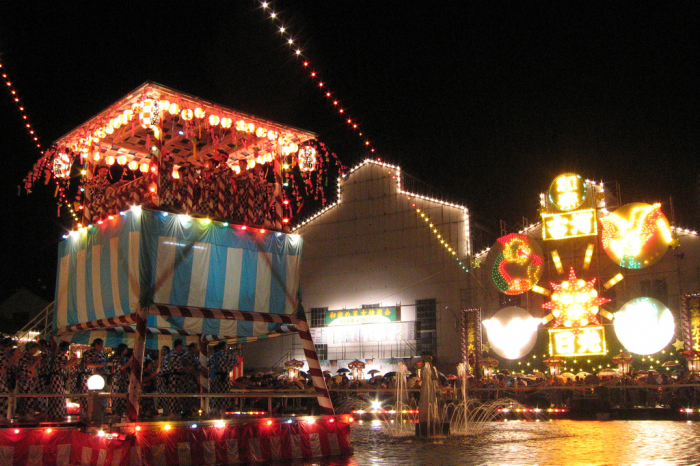
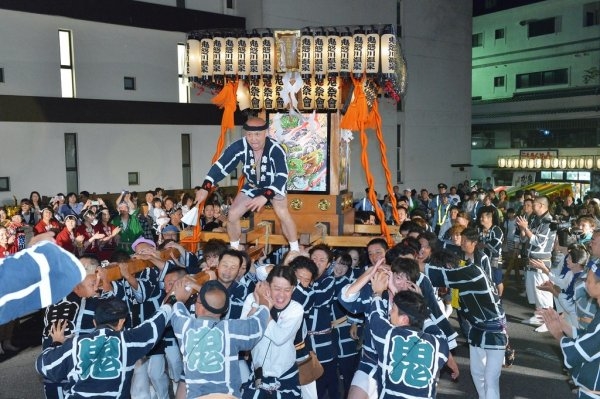
The Yasaka Festival, or more commonly as the Tenno Festival, is a festival held at Okoto Shrine where people go to pray for good health and to prevent the spread of illnesses during the summer.   Participants in the festival carry and parade a portable shrine called the “Great Tenno-sama,” which weighs approximately 1 ton.   Highlights of the festival include over ten stunning floats and mikoshi parading through the town, streets lined with stalls selling delicious food and unique crafts, and a grand gathering on the second night of the festival after 8PM. Here, all the mikoshi and floats come together for a spectacular display of traditional music and energetic performances.

Nikko kaido Oshu kaido TOCHIGI
Gyoushintei Buddhist cuisine

Gyoushintei Buddhist cuisine

Named after Nikko’s former Gyoushintei Monastery, this restaurant is the gateway to Nikko city's over 1,200 years historical specialization in Buddhist cuisine. Its uniquely-flavored traditional Gozen-ryori is prepared in the Shinjo Shinryu style, which only uses vegetables, grains, and soybean-based products like yuba and tofu, making it completely vegetarian. And since they always use what’s in season, the ingredients change from month to month, providing a rare opportunity to enjoy seasonal, traditional vegetarian cuisine.

Nikko kaido Oshu kaido TOCHIGI
Utsunomiya Gyoza Festival

Utsunomiya Gyoza Festival

  Utsunomiya is famous throughout Japan for its gyoza, and so it’s only fitting that an annual festival to the fried dumplings would be held in the city. The Utsunomiya Gyoza Festival has been held at the beginning of November since 1999, with members of the Utsunomiya Gyoza Committee setting up stalls to sell their famous dumplings.   Visitors will be able to enjoy the subtle differences of dozens of dumplings as well as fill empty stomachs at a low cost: A three to five piece portion of gyōza, whether fried, boiled or steamed, will cost just 200 yen.   During the two days of festivities, visitors can also watch music bands and comedians at Miyajazz Inn, or see other live concerts at nearby venues.

Nikko kaido Oshu kaido TOCHIGI
Shimotsuke Fudoki-no-Oka Museum

Shimotsuke Fudoki-no-Oka Museum

This museum displays artefacts excavated from the adjoining sites such as the National Historic Site-designated Shimotsuke Kokubun-ji Temple Remains and Amadera Ruins, and the Tochigi Prefecture Historic Site-designated Maruzuka Kofun and Atagozuka Kofun. The artefacts on display range from the Kofun period to the Nara period. Many ancient burial mounds, temple and provincial office ruins, and other sites connected to the prefecture's history and culture can be found in the area around the museum. The museum presents the history of Shimotsuke City from a variety of viewpoints, including government administration and the lives of everyday people in the distant past, the relationship between the region and more central areas of Japan, and the development of civil engineering and construction technologies."

Nikko kaido Oshu kaido TOCHIGI
Suga Shrine

Suga Shrine

Birth of Suga Shrine Suga Shrine was built by a legendary samurai Fujiwara no Hidesato, who prayed to Susanoo-no-Mikoto for victory over his enemies. To thank God for their bless, he brought the God from Gion Shrine (Yasaka Shrine) to Oyama and built the shrine.   The site of the legendary “Oyama Council”, witnessed the birth of the Tokugawa hegemony. It is said that before the Battle of Sekigahara in A.D 1600, Tokugawa Ieyasu held the famous “Oyama Council” at Suga Shrine and prayed for the victory of the battle.   After Ieyasu’s victory and the establishment of the Edo Shogunate, Suga Shrine was greatly honored by the Shogunate. In 1658, staff members who had participated in the construction of Nikko Toshogu Shrine, created a miniature version of the Akamikoshi in Toshogu Shrine, which became the pressure of Suga Shrine.   Today Suga Shrine’s Akamikoshi has been designated as a “Cultural Property by Tochigi Prefecture”.   Enjoy the Gion Festival in Tochigi! As a famous Gion Shrine, Suga Shrine is also called “Gozu Tenno Shrine”. Suga Shrine holds “Gion Festival” on July 14 to 21 every year, 25 mikoshi including one massive one that weighs in at 2 tons are carried through the city in “Mikoshi Wataru” on July 20.   According to “Shimotsuke Province Choreography(下野国誌)” written in Edo period, Suga Shrine’s “Gion Festival” is the “best Gion Festival in Shimotsuke Province.”

Nikko kaido Oshu kaido TOCHIGI
Nikko Saru Gundan

Nikko Saru Gundan

Visitors at this leisure facility can enjoy watching monkeys act in plays, do street performances, and more. It is famous for having produced Taro and Jiro, a trainer-monkey pair that was once the star of many TV commercials. In addition to the exhibit areas, the facility also a number of attractions where visitors can play with the monkeys. The area where visitors can take a photo while holding baby Japanese macaques is gaining popularity."

Oshu kaido Nikko kaido TOCHIGI
Gohanshiki

Gohanshiki

*Gohanshiki has been cancelled in 2020. This traditional ceremony is still observed only at Nikkosan Rinnoji Temple. In this ceremony, people are forced to eat a large amount of rice. Cooked rice are offered on a large plate and every grain are urged to eat. The big bowl contains 5.4 litres of rice. No one actually eats the rice, but it is said that those who participate in the ceremony will have a family fortune and a healthy life. This sacred rice dedication ceremony is part of Nikko's ancient mountain Buddhism. By doing that, it is believed that the blessing of Buddha will immediately eradicate the Seven Major Misfortunes such as fire, floods, devils, etc., and the people will receive the Seven Major Fortunes. It is said that even feudal lords such as the Tokugawa Shogun Families and other famous feudal lords across Japan joined this ceremony in the Edo period."

Nikko kaido Oshu kaido TOCHIGI
Nikko Botanical Garden

Nikko Botanical Garden

Nikko Botanical Garden is an institute for research and education of Graduate School of Science, University of Tokyo. The main activities of the Botanical Garden have centered on enriching the collections of temperate and alpine plants of Japan and adjacent regions for the purpose of botanical research and education. A total of 2,200 species (130 species of pteridophytes, 70 species of gymnosperms, and 2,000 species of angiosperms) are planted in the garden. Visitors can enjoy the garden's cherry blossoms in spring and the fall foliage in the fall."

Nikko kaido Oshu kaido TOCHIGI
FIBA 3×3 World Tour Utsunomiya Opener

FIBA 3×3 World Tour Utsunomiya Opener

3x3 basketball, now recognized as an official Olympic sport, is showcased at its highest level in the FIBA 3x3 World Tour—an international series organized by the International Basketball Federation (FIBA) to determine the world’s best 3x3 club team. The 2025 season will span across 15 cities worldwide. The top teams from the tour will advance to the World Tour Final, where the global champion will be crowned. Featuring the previous year’s champions and top-ranked teams from around the world, this tournament represents the pinnacle of 3x3 basketball competition. Since 2016, the city of Utsunomiya has continuously hosted the FIBA 3x3 World Tour. Beginning in 2022, Utsunomiya was selected to kick off the season as the host of the Utsunomiya Opener, and will continue to do so through 2028—marking seven consecutive years as the opening venue. The 2025 Utsunomiya Opener is scheduled to take place over three days, from Friday, April 25 to Sunday, April 27. The venue for the event is the historic Utsunomiya Futaarayama Shrine, said to have over 1,600 years of history. A special 3x3 court will be set up in front of the shrine’s grand torii gate, creating a striking fusion of tradition and modern sports culture. Japanese elements such as mikoshi (portable shrines) will be featured to further enhance the atmosphere and share the unique spirit of "3x3 City Utsunomiya" with the world. In 2024, the local team UTSUNOMIYA BREX.EXE competed in the Utsunomiya Opener as the host city representative. They made history by advancing through the qualifiers to the final tournament stage for the second consecutive year—a first for any Japanese team. In the knockout stage, they faced off against UB (Serbia), the reigning champions of both the 2022 and 2023 World Tours. Although they were defeated 22–11, the team showed tremendous strength and determination in their battle against the world’s best.

Nikko kaido Oshu kaido TOCHIGI
Katayama Shuzo “Sake Brewery Tour”

Katayama Shuzo “Sake Brewery Tour”

Katayama shuzo is a family run company from 1880 in Nikko. What particularly interesting is they use a traditional machine to make sake as shown here. The machine is called a "Fune" they use this machine to press the sake bags squeezing out sake. This technique takes a lot of time & labor. Exactly, they can make a distinctive flavor of sake. The owner and staffs are very friendly. Please make a reservation in advance, and come & visit. *English guided tour / max 30 person *Reservation required (by phone, e-mail)

Oshu kaido Nikko kaido TOCHIGI