Greater Tokyo

See & Do

reset
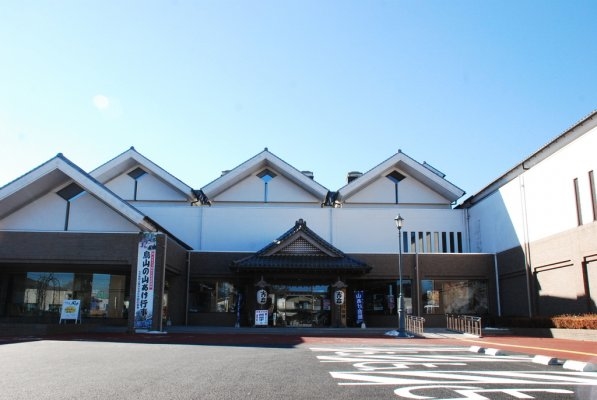
Yuki Tsumugi Kimono Dressing at the Oyama Honba Yuki Tsumugi Craft Museum

Yuki Tsumugi Kimono Dressing at the Oyama Honba Yuki Tsumugi Craft Museum

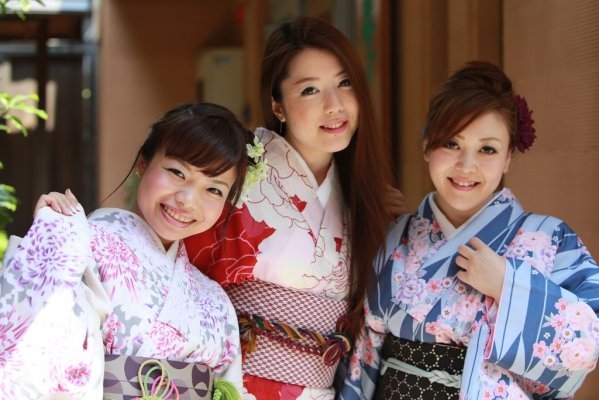
The Oyama Honba Yuki Tsumugi Craft Museum offers visitors the experience of wearing an elegant kimono made from the fine silk textile “Yuki Tsumugi”. The process of refining the traditional Yuki Tsumugi silk is inscribed on UNESCO’s Representative List of the Intangible Cultural Heritage of Humanity. In order to allow people to fully appreciate the comfort of their garments the museum provides all-day kimono rental including kimono and obi with dressing assistance included free. Come and experience the light and warm texture of genuine Yuki Tsumugi!

Nikko kaido Oshu kaido TOCHIGI
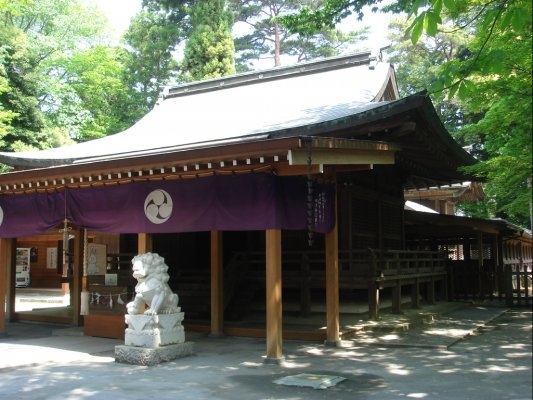
Utsunomiya Futaarayama Shrine

Utsunomiya Futaarayama Shrine

The history of the Utsunomiya Futaarayama Shrine dates back 1,600 years when the shrine was dedicated to the founder of Utsunomiya,Toyoki-Irihiko-no-Mikoto. Most of the festivals held in the city are related to this historic shrine. Many people come to the shrine on special occasions such as New Year and Shichi-Go-San seasons. The illuminated gate and approach to the shrine are an incredible evening sight. The shrine is also home to some nationally important works of art.

Nikko kaido Oshu kaido TOCHIGI
Tenpyo-no-Oka Park

Tenpyo-no-Oka Park

The vast grounds of Tenpyo-no-Oka Park consist of pristine forest containing a number of historic sites. A great number of visitors come to the Tempyo flower festival held in mid to late April when the 450 double-flowered cherry trees bloom. Enjoy strolling through the woods and travel back in time with a visit to one or more of the various museums in the park. The “Botchan Bus” departs from in front of the folklore museum for a 15-minute circumnavigation of the park – popular for families and perfect for sightseeing. A popular sight is the stone-walled keyhole-shaped ancient tomb of Kunimiyama. Clap your hands under the stairs in the ring-shaped area of the tomb, and hear the echoing sounds of a roaring dragon reverberate back from the large stone above. On the first Sunday of November the Tenpyo Imoni Festival is held here serving home-style Imoni soup to 3,000 guests. The soup is made with local produce including dried gourd strips, taro roots and leeks in a huge pot measuring 2.5 metres across. ☆

Oshu kaido Nikko kaido TOCHIGI
Itamuro Onsen

Itamuro Onsen

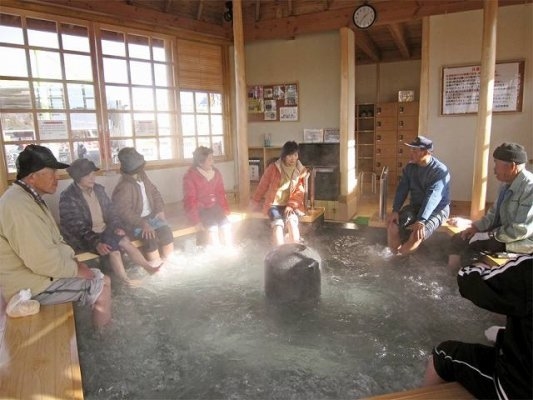
A peaceful Onsen resort in the mountain ravines located in the western Nasu mountains. The clear alkaline hot spring water is known for its health benefits and the Onsen was designated as a “National Health Spa” by the Ministry of the Environment in 1971. Nestling into a natural landscape and surrounded by a richly preserved environment, most visitors come here for in search of the renowned health effects. Long known as a rustic therapeutic spa, the Onsen maintains its distinctive atmosphere. The temperature of the source of spring water is from 38℃ to 45℃, and its lukewarm water is gentle to the body.

Nikko kaido Oshu kaido TOCHIGI
The site of Ashikaga School

The site of Ashikaga School

It is said that over 3,000 students studied at the school during the disturbances of the 10-year civil war (Onin War) starting in the 15th century.   When the Catholic missionary Francis Xavier came to the country in 1549, he described it as “Japan’s largest and most famous school” in his correspondence. Ashikaga thus became widely known overseas as well.   Today buildings have been restored,and visitors can view classrooms in their original historic form and join a program reading The Analects of Confucius on Sundays.

Nikko kaido Oshu kaido TOCHIGI
Nikko Tamozawa Imperial Villa Memorial Park

Nikko Tamozawa Imperial Villa Memorial Park

This villa and garden used to be a retreat for the imperial prince in the 19th century. In the year 2000, they were opened to the public after renovation works. The residence, combining architectural styles of different periods, is well worth visiting. Located close to the “Shrines and Temples of Nikko”, it is easily accessible. Take a walk in the garden with seasonal charms and 100 years of majestic history. After the historic tour, relax at the teahouse serving popular Japanese treats such as a bowl of maccha. English audio guides are available.

Nikko kaido Oshu kaido TOCHIGI
Utsunomiya Gyoza Dumpling

Utsunomiya Gyoza Dumpling

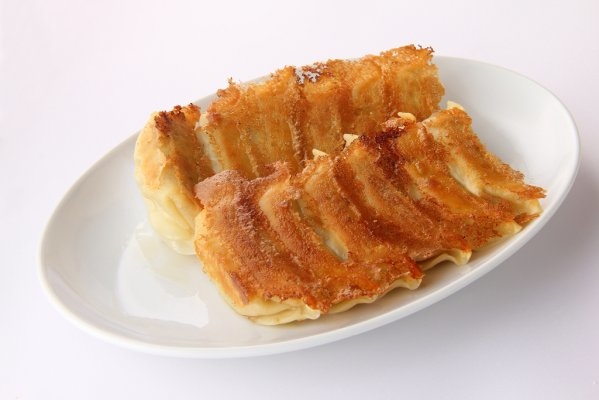
Utsunomiya Gyoza is an important part of the culinary culture of Utsunomiya City. The city has over 300 Gyoza restaurants,and people enjoy queuing in front of their favourite restaurants. These eateries compete in creating unique recipes to be recognised as “one of the best” Gyoza in the city,with all sorts of ingredients and cooking methods. Go from one eatery to another like the locals do,and sample some of thier wide selection! You can even join Gyoza-making classes led by veteran lecturers. Gyoza-related goods are also popular as souvenirs.

Nikko kaido Oshu kaido TOCHIGI
Mt. Chausu and Ropeway

Mt. Chausu and Ropeway

Mt. Chausu,located at the north end of Tochigi prefecture,is an active volcano and the main peak of the Nasu mountains. It stands 1,915 metres above sea level. Take the ropeway to the 9th station of Mt.Chausu for a spectacular view of fields of flowers and autumn leaves. If you are a big fan of trekking,try the routes from the top of the ropeway to the crater of Mt. Chausu. A wide range of walking trails are available suitable for beginners and families. The panoramic view of the Kanto Plain below from the top of Mt. Chausu is breathtaking.

Nikko kaido Oshu kaido TOCHIGI
Nasu Onsen

Nasu Onsen

Nasu Onsen-kyo is a spread out hot spring resort on the slopes of Mt. Nasudake,the main peak of the Nasu mountains. The origin of the Onsen-kyo is “Shikanoyu” discovered in the 7th century.The “Shikanoyu(deer spring)” was named after locals witnessed an injured deer completely heal after jumping into the steaming pool. It's been renowned for its healing powers ever since. Historic visitors include Yoritomo Minamoto,a great samurai of 12th century,and Basho Matsuo,a famous poet of 17th century. Onsen styles vary from modern hotels in the highland to traditional wooden baths where you can try bathing in more than one spot to feel the difference.

Nikko kaido Oshu kaido TOCHIGI
Tobu World Square

Tobu World Square

The theme is "Let's protect the world's ruins and architectural culture" This theme park exhibits UNESCO's World Cultural Heritage sites, including 48 registered properties, 22 buildings from 102 countries and regions. Elaborately reproduced on 1/25 scale. The buildings are decorated with exquisite carvings, reliefs, and glass inlays that are breathtakingly beautiful. In addition, the 20,000 plants that adorn the buildings change with the seasons, allowing you to enjoy different landscapes throughout the year. There are also signs next to the buildings in the park that indicate the “Shooting Spot”, so you can take great photos. You can also take pictures of buildings by lifting them or holding them up in a borrowed position, so that you can enjoy photography to the fullest.   New photo spot opens in Tobu World Square's America Zone! The popular America Zone in the park has been partially renovated, with new photo spots added. New photo spots recreate iconic American landscapes for an immersive experience. Now you can take a picture with the symbol of New York City, the Statue of Liberty, and Flatiron Building. You can enjoy a special photo that can only be taken at Tobu World Square by taking a photo from behind this magnificent statue with Tokyo Skytree and Tokyo Tower exhibits in the background.

Nikko kaido Oshu kaido TOCHIGI
Nikko-zan Rinno-ji Temple

Nikko-zan Rinno-ji Temple

The history of the Nikko-zan Rinno-Ji Temple started over 1250 years ago, when Shodo Shonin (Saint Shodo), who firstly served as the head priest of Nikko, founded the Shihonryuji Temple. Sanbutsudo Hall is one of the largest wooden architectures in Nikkosan, and houses Buddhist statues respectively symbolizing honchibutsu (original Buddhist divinity), of the holy three mountains in Nikko, such as Senju-Kannon (Kannon with a thousand arms: honchibutsu of Mt. Nantai), Amidanyorai (Amitabha Tathagata: honchibutsu of Mt. Nyoho), and Bato-Kannon (Kannon with a horse head: honchibutsu of Mt. Taro), are 8m tall.

Nikko kaido Oshu kaido TOCHIGI
Tochigi Edo Cuisine

Tochigi Edo Cuisine

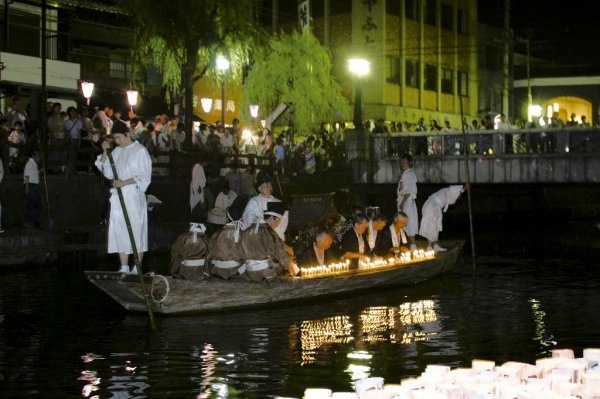
Koedo Tochigi, where Edo atmosphere still lingersDuring the Edo period, Tochigi City flourished as a lodging town along the Nikko Kaido highway and as a hub of river transport. Preserving much of its Edo-period charm, it is often referred to as “Koedo” (Little Edo), alongside Kawagoe and Sawara. A fusion of tradition and innovation – Tochigi Edo CuisineTo let visitors enjoy the unique taste of Edo-style dishes, experts have been researching recipes from the Edo period since 2015, adapting them by blending with local ingredients and techniques. The result is “Tochigi Edo Cuisine,” a modern yet traditional dining experience. On your next visit to Tochigi’s Kurano-machi (Warehouse District), in addition to sightseeing and enjoying a boat ride that recalls the Edo atmosphere, you can also savor Tochigi Edo Cuisine, offering a refined taste of history. For a list of restaurants serving Tochigi Edo Cuisine: https://tochigi-edo.jp/shop

Nikko kaido Oshu kaido TOCHIGI
Shiobara Onsen’s Taketori Monogatari, Illumination by Bamboo Lanterns

Shiobara Onsen’s Taketori Monogatari, Illumination by Bamboo Lanterns

In the Monzen and Furumachi districts at the heart of Shiobara Onsen, bamboo lanterns line the main streets, casting a soft, dreamlike light that enhances the charm of the hot spring town at night. The lanterns installed along the bridge railings and pathways are handcrafted by local residents, with as many as 1,000 adorning the area. During the event period, they are lit from sunset until around 9:00 p.m., creating a retro, romantic atmosphere in the streets of Shiobara Onsen.

Nikko kaido Oshu kaido TOCHIGI