Greater Tokyo

See & Do

reset
Kitsuregawa Onsen

Kitsuregawa Onsen

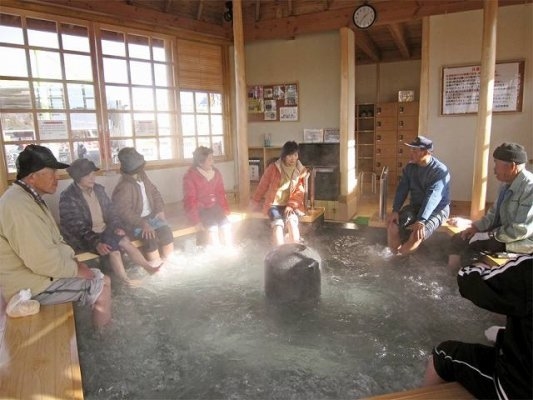
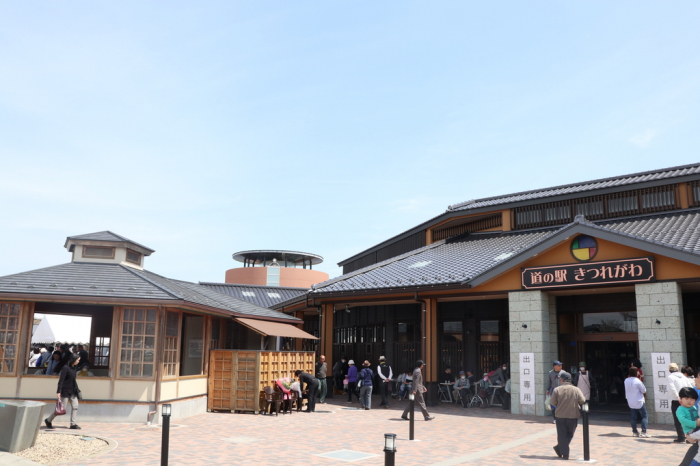
Kitsuregawa is a historic castle town and prospered as a post station on the Edo road. The Onsen is located along the rivers running through the town. The light-brown, salty, slightly alkaline water is one of the best in quality containing the three key elements of hot spring water: sulphur, salt and iron. Accessible in about 30 minutes from Utsunomiya, the prefectural capital, this is a popular Onsen for a day visit. You can also stop by the nation’s first roadside station with Onsen facilities inside.

Nikko kaido Oshu kaido TOCHIGI
Gozeniwa Stone

Gozeniwa Stone

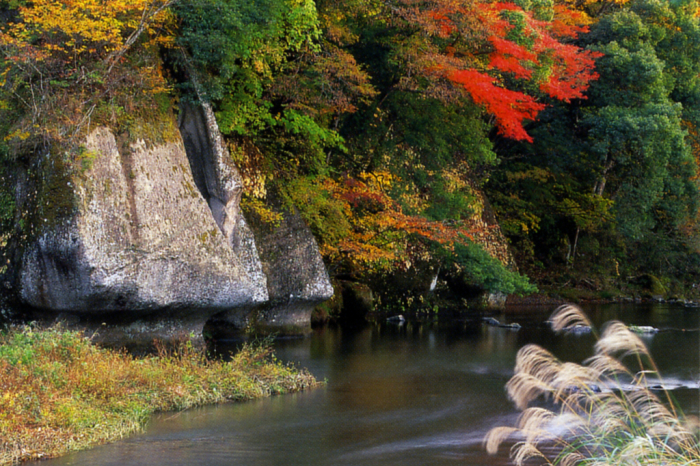
A place steeped in Tokugawa Mitsukuni’s legend, worship traditions, and famous autumn foliage Located in Nakagawa Town, the Gozeniwa Stone is a designated natural monument of Tochigi Prefecture. It is said to have been visited by Tokugawa Mitsukuni (Mito Komon), giving the stone its name. Standing 30 meters high and 70 meters wide, this massive boulder resembles a seated Kannon statue, earning it the name “Great Kannon Rock.” Since ancient times, it has been revered as a place of worship for safe childbirth and family well-being. The area surrounding Gozeniwa Stone is home to a clear mountain stream, selected as one of the “Heisei 100 Best Waters.” With refreshing scenery that changes across the four seasons, nearby Mt. Nasu and the riverbanks of Shikanoyu provide relaxing walking trails. In autumn, from late October to mid-November, the area transforms into one of the region’s most popular spots for vibrant autumn leaves. The harmony of the red foliage, pristine stream, and majestic rock creates a tranquil yet impressive sight, making it one of the highlights of Nakagawa Town’s natural beauty.

Oshu kaido Nikko kaido TOCHIGI
YOSHIDA MURA Village

YOSHIDA MURA Village

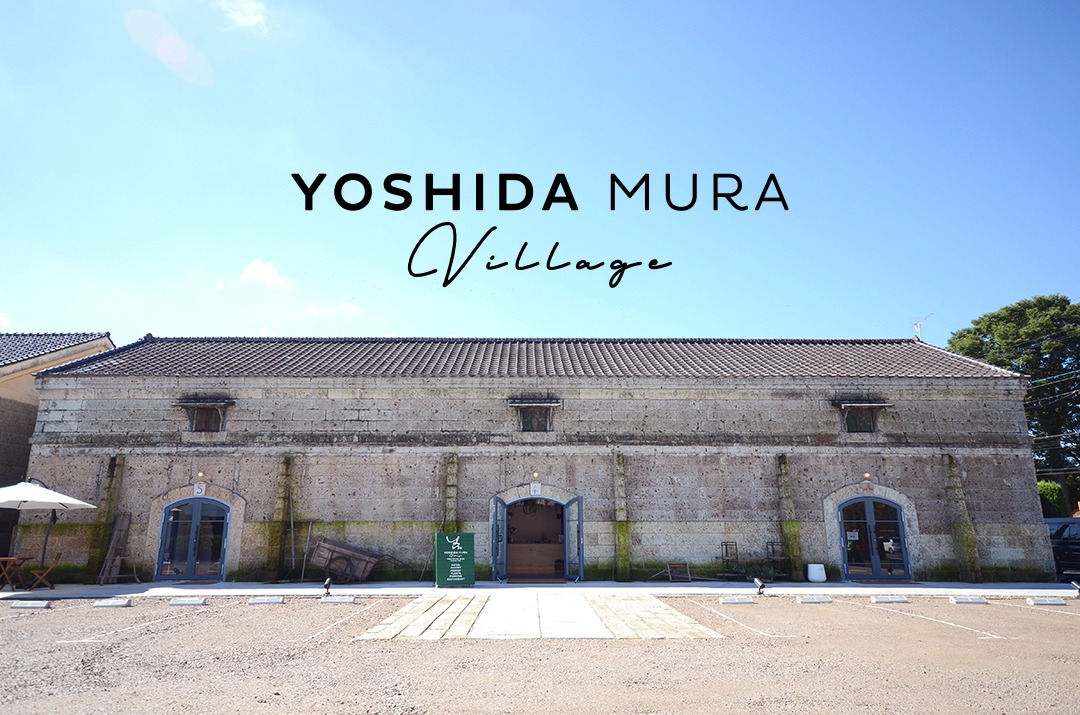
Yoshida Mura is 60 minutes away from Tokyo and is at the eastern edge of Shimotsuke City, Tochigi Prefecture, where the Kinu River runs nearby. It is a quiet area surrounded by fields. In lush green nature, Yoshida Mura produces rice, strawberries, asparagus, and onions. They have an Italian restaurant called Ristorante Italia Verace, where dishes are prepared with local agricultural ingredients to bring out the taste of nature’s blessing, and also a bakery called Yoshida Mura Bakery. At Ristorante Italia Verace, the chef who received culinary training in Italy makes dishes using plenty of ingredients freshly harvested by local partner farmers. The restaurant is the symbol of Yoshida Mura. At Yoshida Mura Bakery, Chef Numao, who practiced baking at famous bakeries such as The Standard Bakers, an authentic bakery based in Oya Town, Utsunomiya City, and Boulangerie Rire in Shimotsuke City, offers carefully crafted and baked bread.

Nikko kaido Oshu kaido TOCHIGI
Iizukatei

Iizukatei

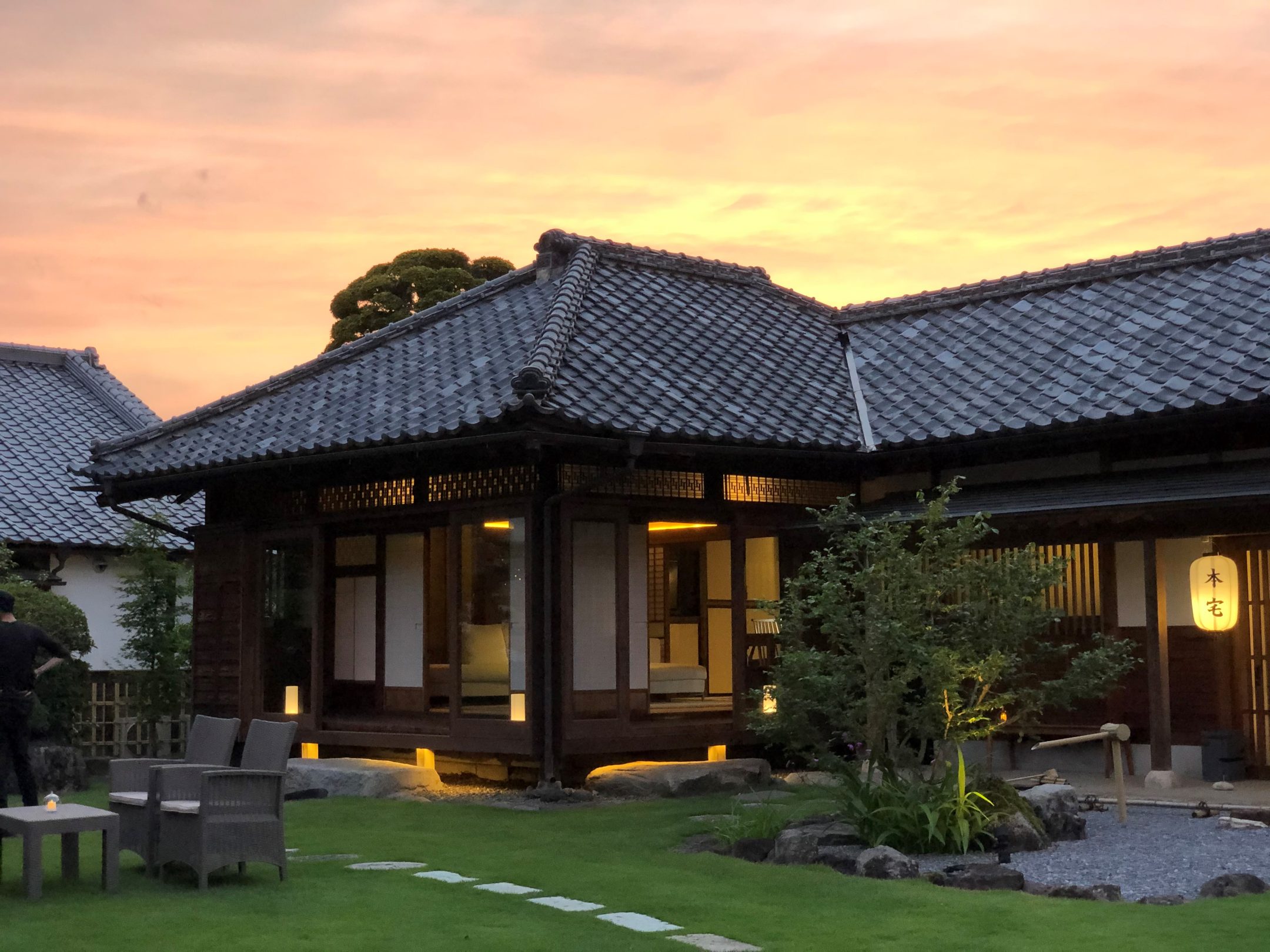
Iizukatei, the hotel renovated from a Registered Tangible Cultural Property of Japan, operates based on the notion that Iizukatei, a building having over 100 years of history renovated into a high quality accommodation using the latest technology and stylish equipment, together with restaurants and shops in town, make up the whole hotel stay experience. Guests are invited to try a new type of hotel stay in which they are immersed in the genuine Japanese lifestyle through interactions with town residents. Iizukatei has Hontaku (main building) and Shintaku (new buildings) and two Kura storehouses. Most of these buildings maintain what they were like at the time they were built. While equipped with items guaranteeing a pleasurable stay such as comfortable beds and a sofa as well as a modern kitchen, the accommodation still features both the new and old, allowing guests to experience the lifestyle of older times. During the stay, guests can customize their stay style by for example having meals delivered from a restaurant in town or visiting a farmer’s house to savor local food. The hotel also offers many activities including sweetfish fishing, pottery workshops, and biking.

Nikko kaido Oshu kaido TOCHIGI
Takinoo Shrine

Takinoo Shrine

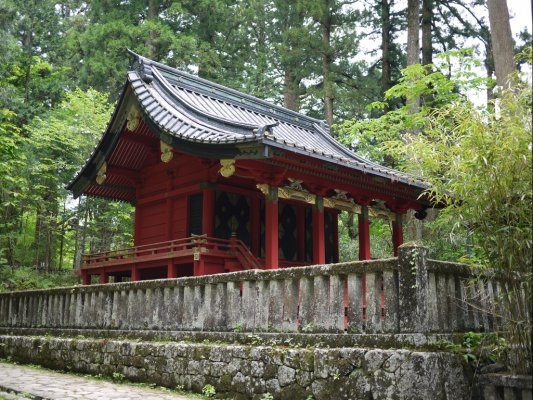
About a kilometer from Futarasan-jinja Shrine stands Takinoo-jinja Shrine, standing quietly amid the cedar trees. The atmospheric Takinoo-jinja is a popular place to pray for a successful marriage, pregnancy or birth, but people also come in search of more general luck. According to the legend, if you throw a coin through the small hole atop the torii gate at the entrance, you’ll be blessed with good fortune—but you only get three tries, so aim carefully."

Nikko kaido Oshu kaido TOCHIGI
Kanehon Quarry

Kanehon Quarry

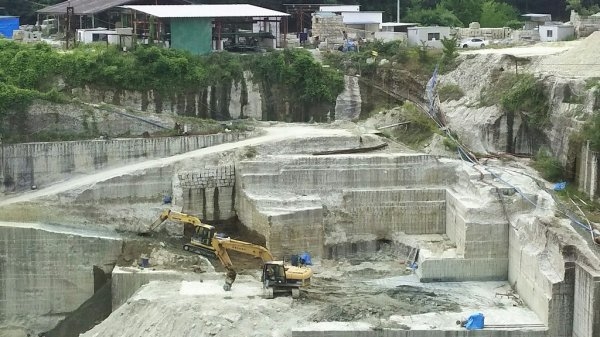
It is an operating open surface quarry of Oya stone. Next to the quarry are a stone processing plant, a stone waste dump and the mountain owner’s residence and office. You can see a flow of stone-quarrying here and make homemade pizzas in Oya stone, wood-fired pizza ovens. You can also take home a bag of Oya stone in an original KANEHON bag. Plus, there is an exclusive offer of Oya stone outlet items and Isseki series by Oya stone craftsman “Takumi” for tour guests only."

Nikko kaido Oshu kaido TOCHIGI
Okashi-no-Shiro Nasu Heartland

Okashi-no-Shiro Nasu Heartland

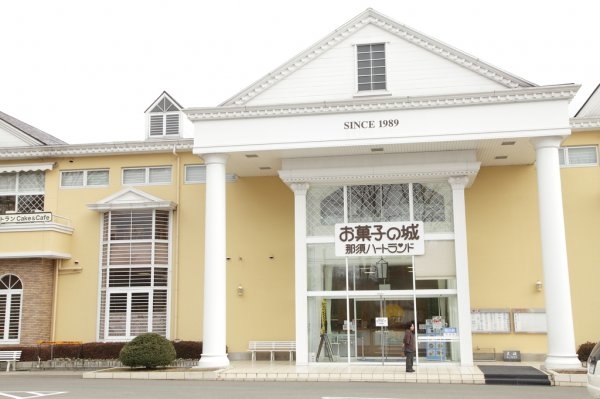
Okashi-no-Shiro Nasu Heartland (Sweets Castle Nasu Heartland) is a confectionery studio that produces baked goods and cakes using the finest ingredients. There is a tour space where visitors can see the confectionery production process up close. There are also other hands-on facilities such as crafts, strawberry picking, and hot spring bathing facilities.   <Nasu Kogen Ichigo no Mori Strawberry Picking Farm> From December to May every year, you can enjoy all-you-can-eat strawberry picking for 30 minutes. The varieties are "Tochiotome" and "Tochiaika". (Selection required) Enjoy the sweet and juicy strawberries that are in season in winter to your heart's content.   <Nasu Hana to Taiken no Mori (Nasu Flower and Experience Forest)> In addition to being able to experience crafts such as making wreaths and herbariums, there are many other experiences available, such as a sweets-making experience that can be enjoyed by children and adults alike, and a walking trail where you can enjoy forest bathing.   <Gensen Nasu Zan Reiwa no Yu (Source Hot Spring)> This is a day-trip bathing facility built in the style of a Japanese house. The spring water is a chloride hot spring, which is gentle on the skin and warms both the body and soul from the core.

Nikko kaido Oshu kaido TOCHIGI
Nasu Kogen Rindo Lake Family Ranch

Nasu Kogen Rindo Lake Family Ranch

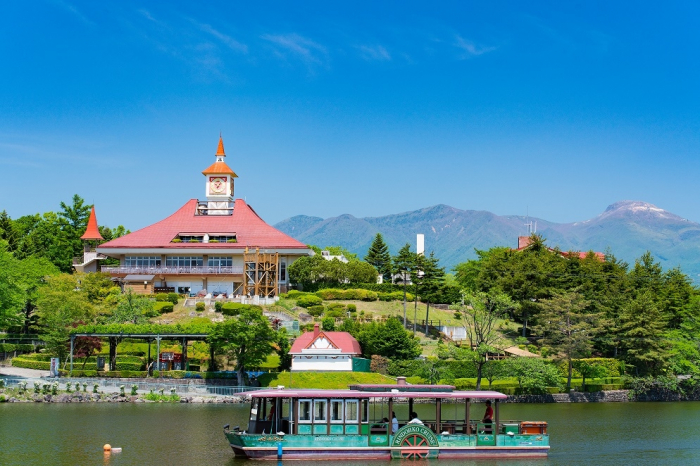
A leisure facility covers 300,000 square metres surrounded by abundant nature around a lake. The interactive farm especially delight children through the experiences such as feeding lovely animals, riding horses and milking cows by hands. Other popular attractions are pleasure boats viewing Nasu mountain ranges and park itself from the lake, the Swiss railway running alongside the lake and the nation’s longest “Zip Line” where you zip along a wire over the lake. Refresh yourself with ice creams and daily products made with Jersey milk for a break!

Nikko kaido Oshu kaido TOCHIGI
Jorakuji Temple (Rokujison)

Jorakuji Temple (Rokujison)

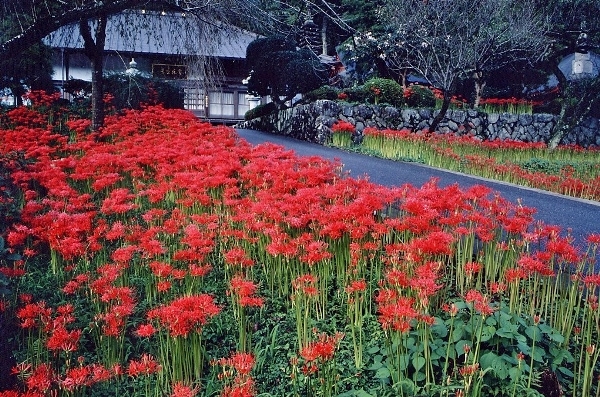
Jorakuji Temple was founded in the first year of Kenkyū (1190) as the family temple of the famed physician Nakano Tomoyuki. When Nakano Tomoyuki investigated the illness of his daughter, it marked the first time acupuncture therapy was introduced to Japan. Later, he was summoned to the imperial court to treat Emperor Go-Toba’s illness and was given the title “Rokujihōgen.” As his medical skills became widely known throughout the country, it is said that even the Thunder God himself once visited the temple for acupuncture treatment, making Jorakuji especially famous as a temple connected to the deity. Because of this tradition, the temple grounds are affectionately called “Rokujison-sama.” It is also known for the beautiful red spider lilies that bloom in abundance around the precincts. Every year on February 11, a grand festival is held, attracting many worshippers and visitors, creating a lively atmosphere.

Nikko kaido Oshu kaido TOCHIGI
Moka Lantern Festival

Moka Lantern Festival

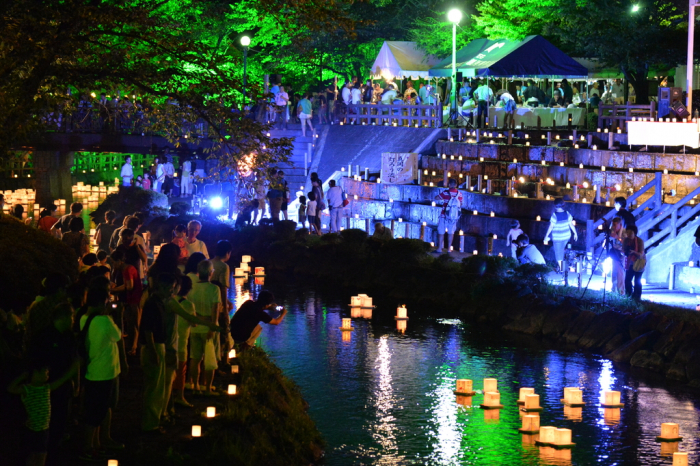
The Moka Lantern Festival is held every year on August 15 at Gyokuya River Waterfront Park. The trees in the park are lit up, creating a fantastic atmosphere. On the stage, a concert will be held to bring back memories of the past. 3,500 lanterns floating on the surface of the river like scattered jewels will give you a sense of peace. We suggest that buy your lantern before the event begins. (Â¥600/a lantern) In addition, local restaurants will set up booths at the plaza, where you are welcome to enjoy food and drink as well as lantern viewing. Traffic Control 17:30~21:30 Parking Area Moka City Hall, Ashikaga Bank, Joyo Bank and Four Season Seifu, please check more informations on website.

Nikko kaido Oshu kaido TOCHIGI
Gohanshiki

Gohanshiki

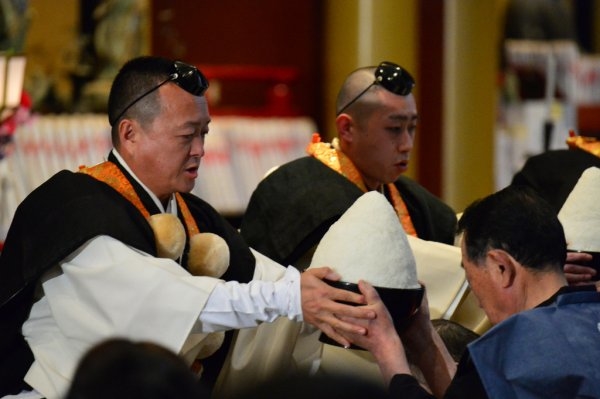
*Gohanshiki has been cancelled in 2020. This traditional ceremony is still observed only at Nikkosan Rinnoji Temple. In this ceremony, people are forced to eat a large amount of rice. Cooked rice are offered on a large plate and every grain are urged to eat. The big bowl contains 5.4 litres of rice. No one actually eats the rice, but it is said that those who participate in the ceremony will have a family fortune and a healthy life. This sacred rice dedication ceremony is part of Nikko's ancient mountain Buddhism. By doing that, it is believed that the blessing of Buddha will immediately eradicate the Seven Major Misfortunes such as fire, floods, devils, etc., and the people will receive the Seven Major Fortunes. It is said that even feudal lords such as the Tokugawa Shogun Families and other famous feudal lords across Japan joined this ceremony in the Edo period."

Nikko kaido Oshu kaido TOCHIGI
Ooyaji Temple(Ooya Kannon)

Ooyaji Temple(Ooya Kannon)

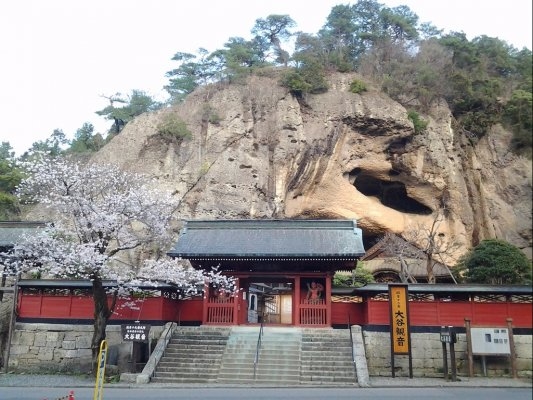
The beginning of Ooyaji Temple Nearby the Utsunomiya City, the Ooyaji Temple has been built surrounded by a cavern. Within the temple are 10 stone carvings of buddha carved directly into the cavern wall including Japan’s oldest statue of the goddess Kannon (the Oya thousand-armed Kannon).   It is said that long time ago, a venomous snake was living in the Oya area and every creatures were killed by its poison. In A.D. 810, a famous monk Kukai Daishi heard this story and stayed at this area for a few days. When he left, he told people that the snake would never come back again. People found that there was a Senju Kannon (also known as Ooya Kannon) carved into the cavern, and built this temple for thanking Kukai Daishi.   Symbol of Japan's Silk Road, the Ooya Kannon In recent study, scholars had found some similarities between Ooya Kannon and the Buddhas of Bamiyan. It is believed to be Japan’s Silk Road heritage carved by Afghan monks.   When you visit, please join your hands in prayer for world peace and happiness for people while reflecting on Kannon’s great heart.

Nikko kaido Oshu kaido TOCHIGI
Lake Yunoko

Lake Yunoko

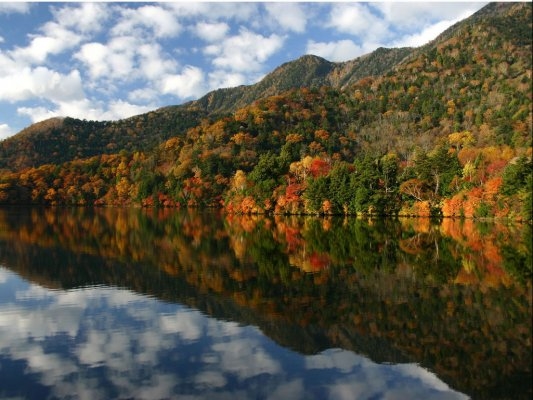
Yunoko Lake is a lake that has formed by the eruption of Mt. Mitake. It is about 3 km in circumference. It is surrounded on three sides by mountains, and is somehow shrouded in a mysterious atmosphere. There is a walking path on the lakeshore, and you can make a round of it in about an hour. There are various types of primary forests in the surroundings, and you can see colorful autumnal leaves in the fall. It is also a spot famous for trout fishing, and is thronged with people during the fishing season from May to September."

Nikko kaido Oshu kaido TOCHIGI
Bannaji Temple

Bannaji Temple

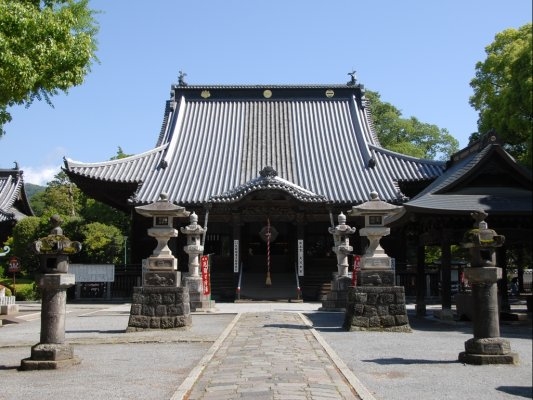
History of Bannaji Temple On the site of the present-day Bannaji Temple, a powerful samurai called Minamoto no Yoshiyasu, who was as famous as Taira no Kiyomori and Minamoto no Yoshitomo (the father of Minamoto no Yoritomo and Minamoto no Yoshitsune) built his castle at the end of Heian period. He is the first generation of Ashikaga family.   In 1196, Ashikaga Yoshikane, the son of Yoshiyasu, built a hall dedicated to Dainichi Nyorai, and the 3rd head of Ashikaga family, Ashikaga Yoshiuji, built a hall tower and other buildings. Since that, the Bannaji Temple bacame the clan temple of Ashikaga family. 150 years later, the 7th head of the family, Ashikaga Takauji, founded the Muromachi Shogunate, which gave the Ashikaga family the reign of Japan. Even in the Edo period, as the temple of the Ashikaga family, the direct descendant of the Minamoto clan, was revered and protected by the Tokugawa Shogun, who claimed to be a member of the Minamoto clan.   Became the National Treasure of Japan In 1923, Bannaji Temple was designated as a National Historic Site as the "Ashikaga Family Residence". The main hall, the bell tower, and the sutra hall were designated as National Important Cultural Properties. It was selected as the one of the 100 most famous castles in Japan. The 40,000-square-meter territory is laid out in a square shape, surrounded by a circular fortress and a moat, and retains the characteristics of the Kamakura period's Buke Yashiki (samurai's house).   Annual Events On February 3, the temple hosts the Ashikaga Setsubun Armor Parade, in which more than 150 participants dressed as samurai and wearing armor parade to Bannaji Temple and then perform the bean-scattering ceremony. In spring, you can enjoy cherry blossoms, and in fall, you can see the leaves of the city's natural monument, the Ginkgo tree (about 600 years old), turn yellow, and the beauty of the tree is breathtaking.      
Nikko kaido Oshu kaido TOCHIGI
Kanman-ga-fuchi Abyss

Kanman-ga-fuchi Abyss

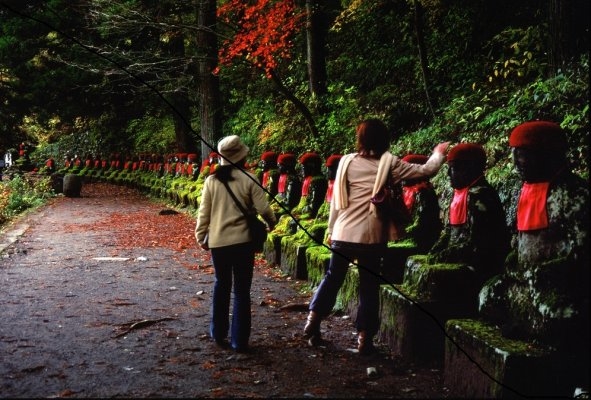
The little gorge formed by an eruption of nearby Mt. Nantai is a uniquely scenic spot. A row of approximately 70 Jizos are lined up along the south bank of the river. The group of Jizos is called “Baké-Jizo” because it is said that they are uncountable; if you try to count them, each time you will end up with a different number. Legend has it that the Sanskrit character “Kanman” on an upstream cliff was inscribed by Kobo Daishi, the founder of Shingon Buddhism, by throwing his brush. The Nikko Botanical Garden is on the opposite shore of the Jizos, and visitors can enjoy the scenic beauty in the seasons of spring verdant greens, autumn colours and snowy Jizos.

Nikko kaido Oshu kaido TOCHIGI