
Greater Tokyo

See & Do

reset
White Water Rafting

White Water Rafting

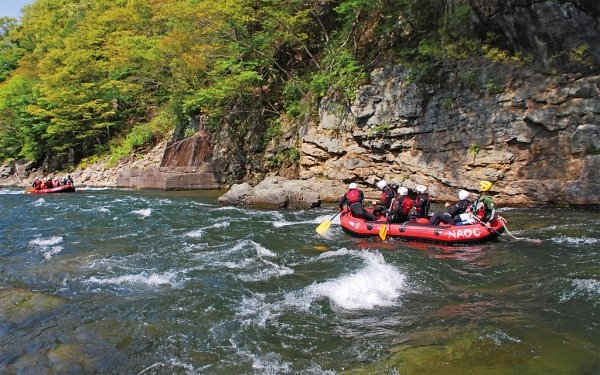
Jump in a rubber boat and work together with your fellow rafters to navigate the white water. Experience the natural surroundings in a way unknown to drivers or walkers. Follow the flow of the river, listen to streams and birds singing, dive into the water from the surrounding rocks, and fly down the rapids as if on a roller coaster, a variety of thrills are waiting for you! 0288-70-1181 (NAOC) 0288-77-2030 (Nikko Nasu Outdoor Service) 0288-77-4802 (eRafting)

Nikko kaido Oshu kaido TOCHIGI
Musasabi Bridge

Musasabi Bridge

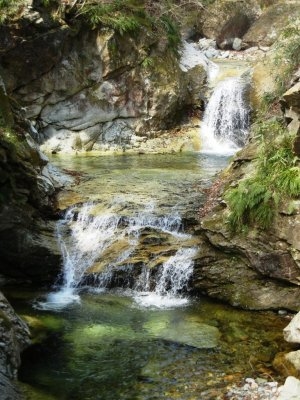
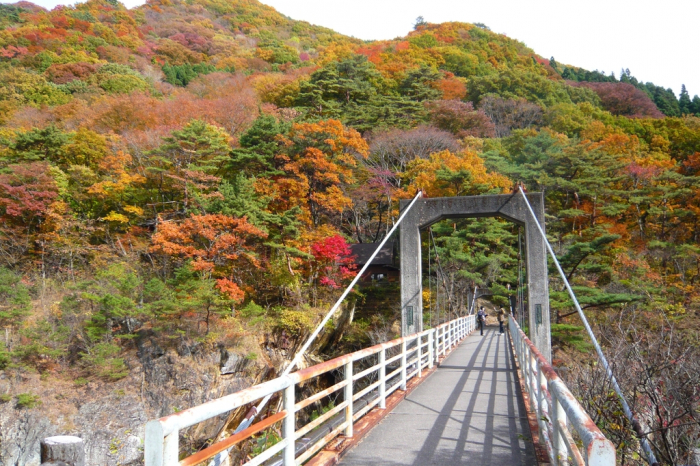
One of the most popular photo spots along the Ryuo Gorge hiking trail Musasabi Bridge is located along the mid-section of the Ryuo Gorge hiking trail in Nikko National Park, and is one of the suspension bridges connecting both sides of the gorge. The geology here belongs to “Hakuryu Gorge,” with the valley below the bridge formed of rhyolite. On both sides lies a well-preserved wetland ecosystem, where skunk cabbage blooms in spring, and in summer visitors can observe the rare forest green tree frog. Compared with Nijimi Bridge at the starting point, the area around Musasabi Bridge feels quieter and closer to nature. Standing on the bridge, away from the crowds, you can listen to the murmuring flow of the Kinugawa River and the rustling of leaves in the breeze—a perfect spot to calm your mind during the hike. Continuing upward from here, you can reach the Seiryu Gorge section, known for its unique rock formations, and enjoy many famous geological sights. It is a hiking journey that combines nature, geology, and tranquil moments.

Nikko kaido Oshu kaido TOCHIGI
Snow Peak KANUMA Campfield & Spa

Snow Peak KANUMA Campfield & Spa

"Snow Peak KANUMA Campfield & Spa" is a camping ground consisting of 91 sites. It caters to various needs and camping styles, and offers rental of all necessary camping equipment, allowing you to enjoy camping without bringing your own gear. You can also enjoy open-air baths and sauna at the hot spring facility, as well as use the wooden deck and grassy area where you can eat meals purchased for takeout. Indulge in shopping at our store, where you can find locally sourced products and Snow Peak gear, and savor freshly-ground, hand-made soba noodles at "Kaminanma Soba Ryugai," a restaurant serving up delicious local ingredients.

Nikko kaido Oshu kaido TOCHIGI
Nakamura Hachimangu Shrine Grand Festival

Nakamura Hachimangu Shrine Grand Festival

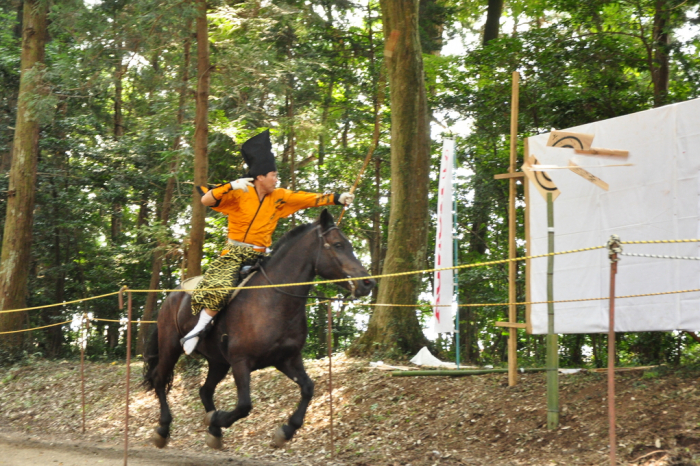
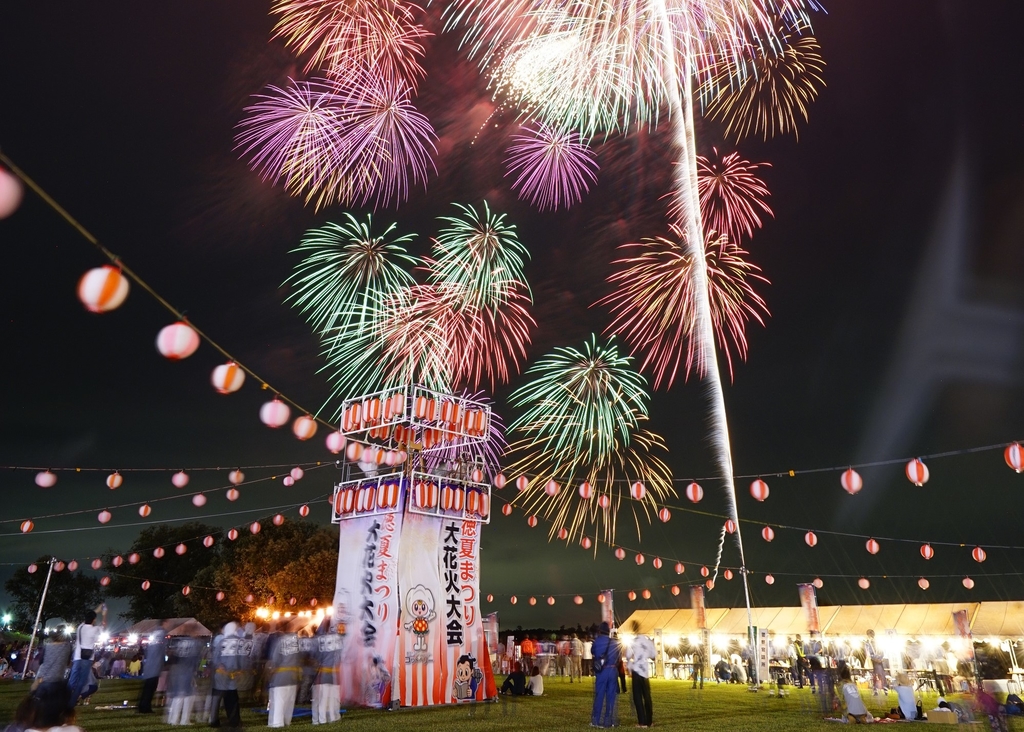
Hachimangu Shrine and the Samurai's Origin Nakamura Hachimangu Shrine is one of the eight shrines enshrining the god Hachiman in the Northern Kanto region. It is said that the Hachiman is is the guardian deity of the Minamoto clan warriors, so a legendary samurai called Minamoto no Yoshiie, the common ancestor of the shoguns of Minamoto no Yoritomo and Ashikaga Takauji, came here to pray for his victory.   After the establishment of the Kamakura Shogunate by Yoritomo, he attacked the Fujiwara clan of Oshu, which was then in northeastern Japan. Nakamura Munemura, the lord of the Nakamura County, fallowed Yoritomo's army, was rewarded to be the lord of the Date County of Oshu. Munemura has been seen as the ancestor of Date Masamune. The birth of Yabusame ceremony In 1736, Date Yoshimura, the 5th Daimyo of  Sendai Domain, just ended his "Sankin-kotai (alternate attendance)" and prepared to go back to his domin. Before he arrived in Sendai, Yoshimura came here and donated his horse to the god. In order to commemorate this event, the Yabusame Ceremony is held every year at the Annual Grand Festival.   Archers dress in samurai's hunting attire and ride on horseback, then shot at the target on the left on their horses. The whole ceremony is accompained by the thumping sound of taiko, which makes the ceremony very energetic.

Nikko kaido Oshu kaido TOCHIGI
Okabe Memorial Hall Kinrinso

Okabe Memorial Hall Kinrinso

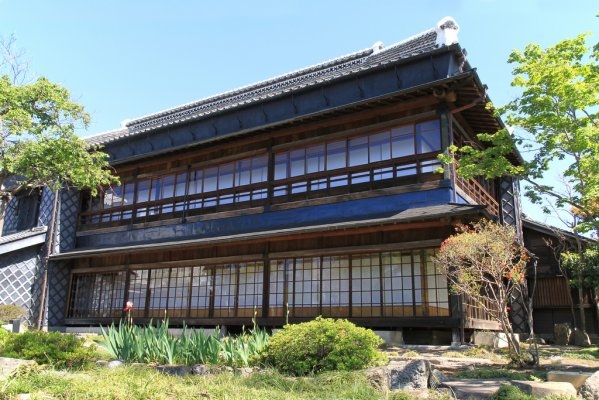
Okabe Memorial Museum "Kinrinso" has a circular Japanese garden and is surrounded by a stone wall made of local Isoyama stone (no longer produced).   The building was constructed in the middle of the Meiji period by Kyushiro Okabe, who collected building materials over a period of many years and trained carpenters and joiners in Tokyo for three years. The two-story wooden structure is a fireproof storehouse.   The interior is characterized by the use of ebony, ebony, and ironwood for all the alcove sections. Many of the paintings, calligraphies, and antiques in the interior are by authors closely associated with the region.   It was used as a villa of the Okabe family until 1952, as a venue for entertaining related parties and for displaying draperies. After that, it was used as a kappo restaurant "Kinrinso" until June 1988. In August of the same year, the city rented the building and decided to preserve it as the Okabe Memorial Museum "Kinrinso" in order to pass it on to future generations as a historical and cultural heritage of 100 years of Moka City's modern era.   It was designated as Tochigi Prefecture Tangible Cultural Property (building) on January 14, 2000, and together with the buildings of the Bussan Kaikan and Cotton Studio (now Cotton Hall), was donated to Moka City by the Okabe family in January 2001.  

Nikko kaido Oshu kaido TOCHIGI
Nasu no Uchibento (Nasuben)

Nasu no Uchibento (Nasuben)

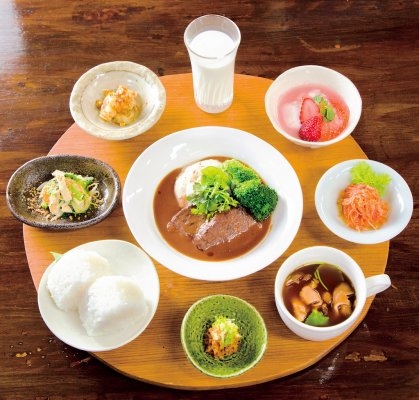
Nasuben is a locally produced and locally consumed lunch set that condenses the good tastes of Nasu Kogen. In reference to the legend of the nine-tailed fox, a well-known story in Nasu, the lunch comprises nine ingredients served in nine separate dishes on a tray specially made from Nasu cedar. Featuring different cuisine at every store. In 2014 “Nasuben” won the grand prize for local production and consumption of Tochigi Prefecture. You can try the famous lunch plate for 1500 Yen at Nasu."

Nikko kaido Oshu kaido TOCHIGI
Kawaji Dam

Kawaji Dam

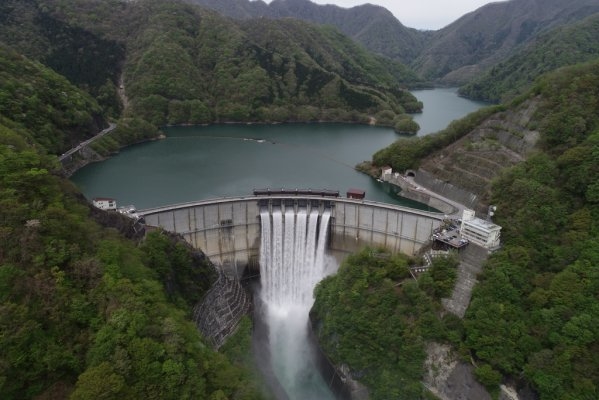
This dam is located along Prefectural Route 23 in Kawaji, Kawajionsen, Nikko City. Completed in 1983, the dam was built along the Kinu River for purposes such as flood control and irrigation. It is the fourth tallest concrete arch dam in Japan. It is considerable force at the time of drainage. At the Kawaji dam museum close to the damsite, it displays the topography model around the dam, a dam model, a construction tool. It has a dining room, the tea room."

Nikko kaido Oshu kaido TOCHIGI
Deai no Mori Strawberry Farm

Deai no Mori Strawberry Farm

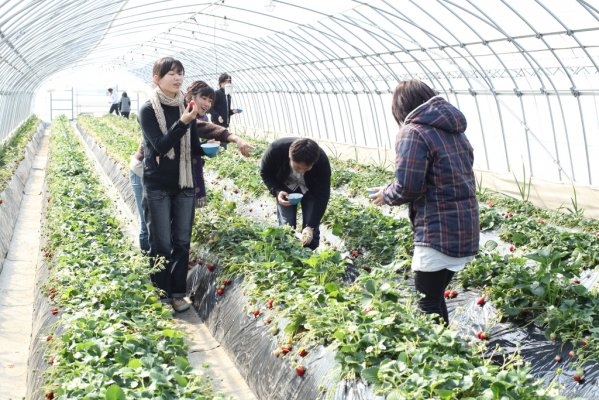
This strawberry farm is operated by a company created through a collaboration between Kanuma City and JA. At the farm, you can enjoy picking Tochigi's representative strawberry varieties, Tochiotome and Tochi-Aika. Reservations are required for strawberry picking, and you can eat as much as you want for 45 minutes. The greenhouses are barrier-free and equipped with toilets, so anyone can pick strawberries in safety. The shop also sells Tochihime, a strawberry that has been dubbed a phantom variety because of its soft flesh and rare availability, as well as the luxury variety Skyberry.

Nikko kaido Oshu kaido TOCHIGI
Mock Sumo Festival of Ikiko Shrine

Mock Sumo Festival of Ikiko Shrine

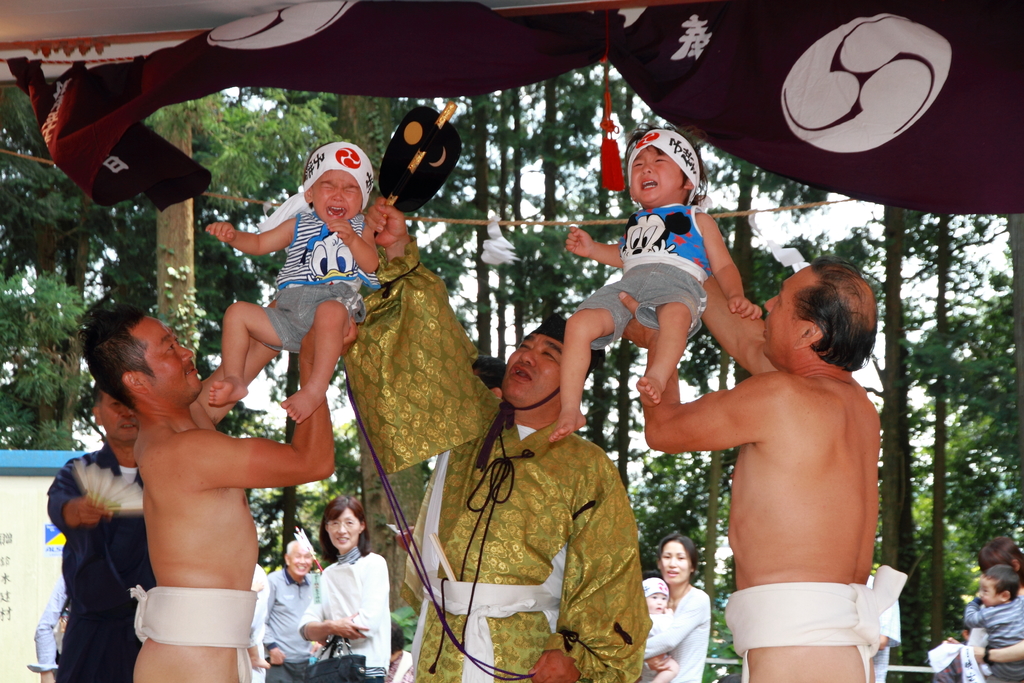
Enjoy a mock Sumo festival of Ikiko Shrine. Nakizumo, crying baby Sumo, is Japan's traditional event to pray for health and growth of the baby. In this style of Sumo wrestling, two children from one to two years of age are carried respectively by two local parishioners dressed as Sumo wrestlers to battle each other with shouts of "Yoisho, Yoisho," with the winner being the who cries first. It is held at Ikiko Shrine every September.

Nikko kaido Oshu kaido TOCHIGI
Mamada Kumihimo Braid-making Experience

Mamada Kumihimo Braid-making Experience

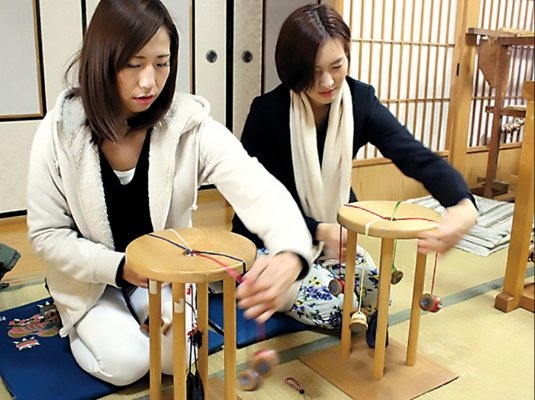
Mamada Kumihimo is a traditional Japanese cord created by hand braiding. The cords were used in the armour of Samurai warriors long ago. Today the silk woven cords have a wide range of uses such as bolo ties, obi-himo ties used to secure the obi of women’s kimonos and haori-himo ties in the men and women wear short coats over their kimonos. Try your hand at making your own strap with the vegetable-dyed, pure silk threads made from domestically grown cocoons at a traditional Mamada cord shop.

Nikko kaido Oshu kaido TOCHIGI
Nagamine Park

Nagamine Park

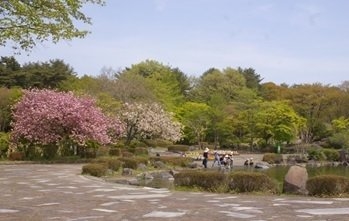
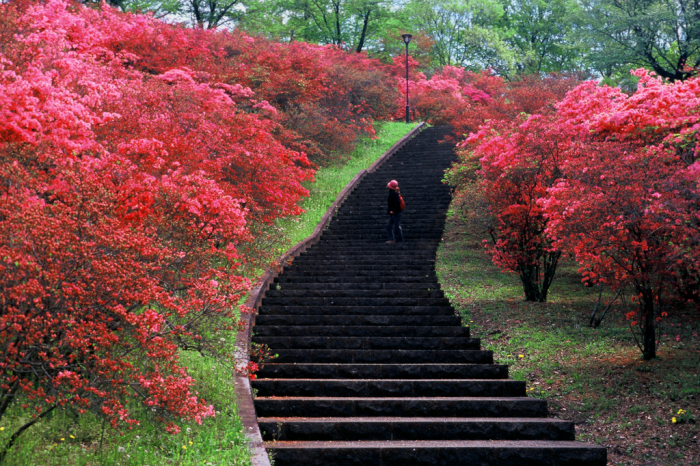
One of Japan's top 100 urban parks, the famous azalea viewing place in Kanto City, North Kanto City, about 5,000 azaleas in full bloom here, and every year in May will be held “azalea festival”, swarming with many people.   From early April to mid-May (the peak season for cherry blossoms and azaleas), the park is illuminated at night, and the dreamlike flower scene makes people linger.   There are also lawn parks and amusement facilities in the park, which are suitable for family picnics. On a clear day, you can see Mt. Takahara and Mt. Nikko from the observatory in the park.  

Oshu kaido Nikko kaido TOCHIGI
Omaruyama Hotel

Omaruyama Hotel

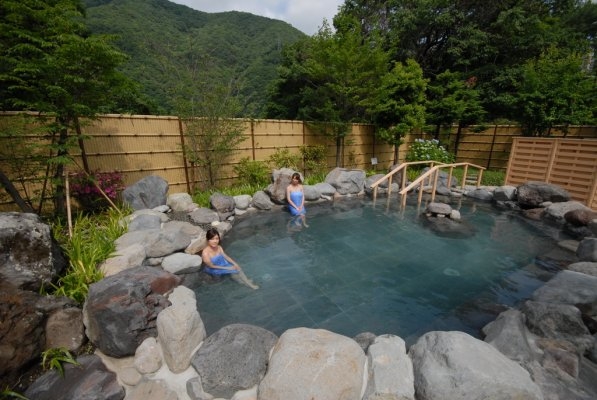
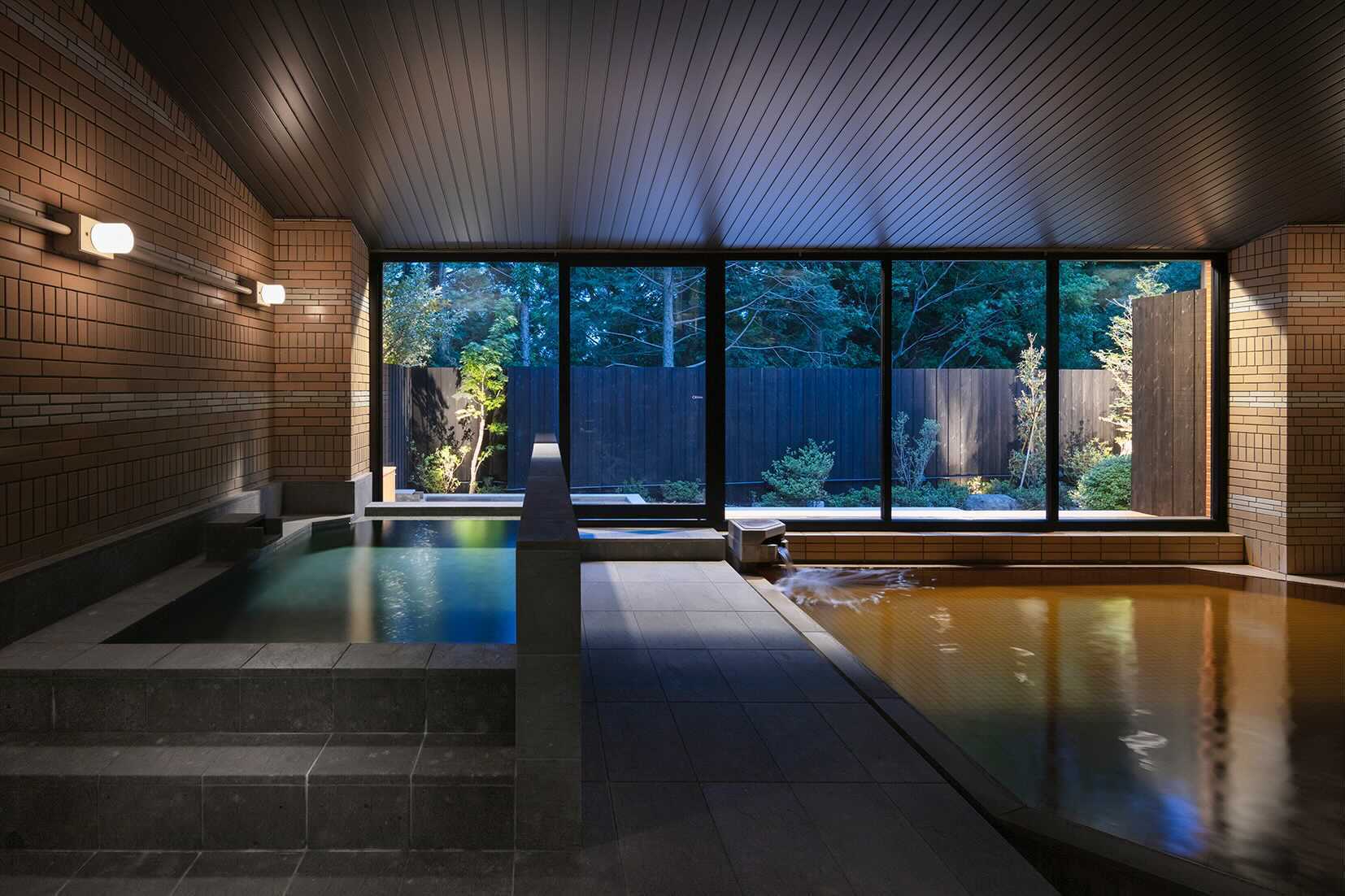
his hotel was built with the hope of allowing visitors to experience the nature and history of this land, which local people have cherished for many years, while enjoying a comfortable stay.   The hot springs here are sourced 100% from "Kitsuregawa Onsen", one of Japan's top three beautifying hot springs. Renowned as one of the finest quality hot springs in the country, it gently removes dead skin cells, has high heat retention and moisturizing properties, and helps prevent dryness. Our guest rooms, surrounded by lush forests, offer a peaceful and relaxing environment.   One of the highlights of your stay is our cuisine, which features creative dishes that showcase the freshest local ingredients and are designed to be "enjoyed with all five senses".   Why not visit our hotel and experience our warm hospitality filled with the charm of the local area?   【About the Hot Spring】 Water color: Brownish Spring quality: Chloride spring Therapeutic effects: Rheumatism, diabetes, chilblains, acne, etc.

Nikko kaido Oshu kaido TOCHIGI
Dining Room “Mizunara” (Chuzenji Kanaya Hotel)

Dining Room “Mizunara” (Chuzenji Kanaya Hotel)

The dining room Mizunara at Chuzenji Kanaya Hotel features large windows overlooking the lake. Wooden pillars and the floor give the dining room a warm tone. Beyond the mizunara oak trees outside, there is Lake Chuzenji. In all seasons, guests can enjoy food cooked with fresh ingredients produced in Tochigi with a view of the nature and wild birds of Okunikko. The restaurant offers a range of dishes that enable local production and local consumption, including Hyakunen Curry Rice prepared based on the 100-year-old recipe of the signature dish of our sister hotel Nikko Kanaya Hotel, Special Tochigi Lunch using locally produced Premium Yashio Trout and locally produced wagyu beef, and Nasunogahara Wagyu Beef Steak Lunch. Have a wonderful time at this open restaurant that feels like a resort.

Nikko kaido Oshu kaido TOCHIGI
Jazz Town Utsunomiya

Jazz Town Utsunomiya

Utsunomiya City in Tochigi Prefecture is the hometown of world famous jazz musicians such as Sadao Watanabe and Haruhiko Takauchi. To make Utsunomiya a Jazz Town, various musical events are taking place throughout the year. New jazz-related groups are being created owing to the efforts of jazz lovers as well as owners of clubs and music houses that have a connection to jazz music. One such group is the Utsunomiya Jazz Association, and its member clubs are hosting live jazz performances where you can feel the vibes of Jazz Town Utsunomiya. If you are a first-timer, no problem! You will be warmly welcomed by regulars and staff members in a bright atmosphere. Enjoy a wonderful night in Jazz Town Utsunomiya.

Nikko kaido Oshu kaido TOCHIGI