
Greater Tokyo

See & Do

reset
MURASAKIZUKA GOLF CLUB

MURASAKIZUKA GOLF CLUB

Murasakizuka Golf Club, designed by John Benzel and Bob Wolf (USA), features technically challenging authentic courses on a vast hilly area of 1.16 million square meters. The contrast in landscape produced by ponds and waterfalls allocated in various parts on the courses is quite popular. The golf club has three courses – Ujiie, Katsuragi, and Saotome – totaling 27 holes (par 108) and 10,396 yards in yardage. The courses are on gentle slopes with an elevation of 10 meters. There are also accommodation sites on the premises, and you can choose your favorite stay style from a hotel, villa, and glamping. The villa comes with a private hot spring bath for you to spend a relaxed time alone with your family and friends.
Nikko kaido Oshu kaido TOCHIGI
Okashitsukasa Beniya Miyake

Okashitsukasa Beniya Miyake

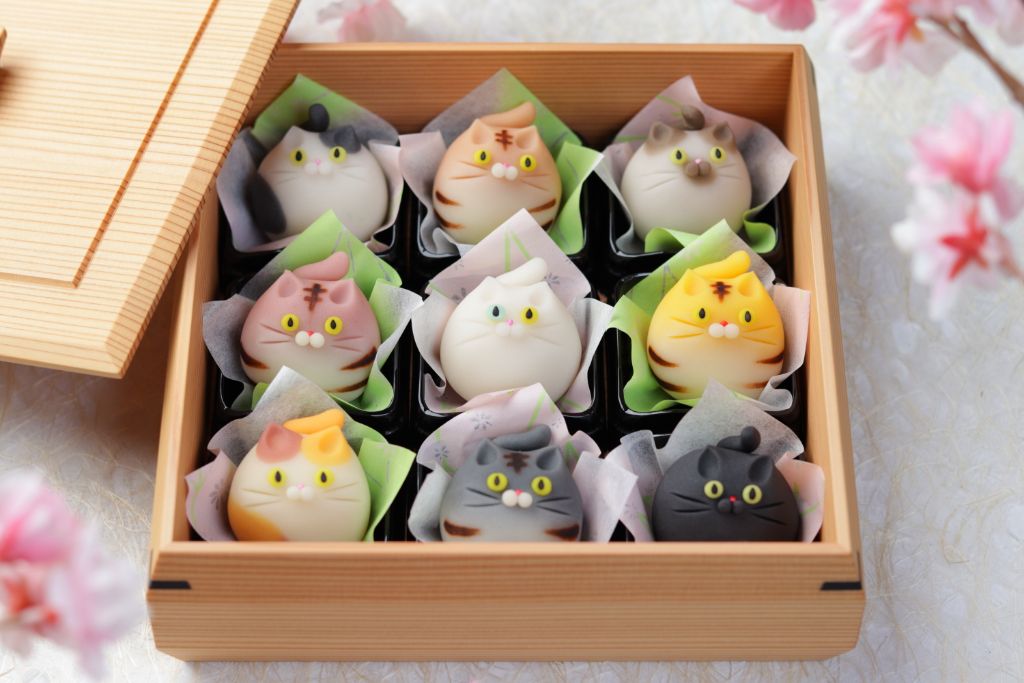
Okashitsukasa Beniya Miyake, a traditional Japanese confectionery store, is popular for its cute and beautiful sweets. Their jouyo nerikiri (a type of Japanese confectionery), made with carefully selected ingredients and crafted by skilled artisans, is incredibly popular for its elegant flavor and charming appearance.As it often sells out quickly, we recommend visiting the store early. Please try these confections that the artisans have put their heart and soul into creating.

Nikko kaido Oshu kaido TOCHIGI
Moka Summer Festival “Kojin Festival”

Moka Summer Festival “Kojin Festival”

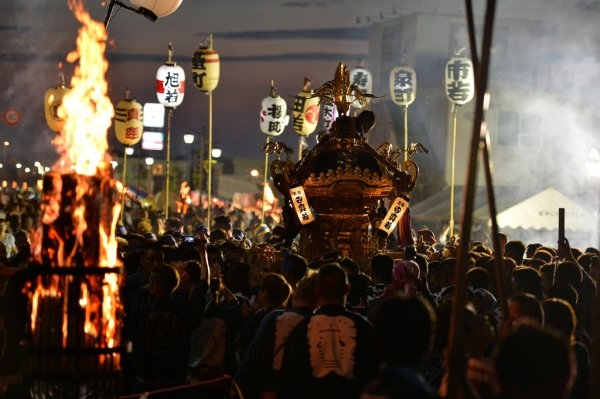
The "Moka Summer Festival," the largest event in Moka City, will be held for three days on late July. More than 20 portable shrines and floats gather together at the festival square, where you can feel the enthusiasm of the festival goers.   On the first day of the festival, "Degyo-matsuri," or the "departure from the shrine," is held at Omae Shrine.Many festival-goers participate in the Degyo-matsuri to pray for the safety of the procession of portable shrines and stalls, a good harvest, the eradication of disease, and the development of industry. After the Degyo-Dashi, "Machiawase" is held, in which the portable shrines are carried across each town council, and the head mikoshi parades through the city.   On the second day, "Festival Plaza" will be held and the city center will become a pedestrian zone. approximately 20,000 fireworks will color the night sky, and "Mikoshi Kawatogo (carried mikoshi to cross the river)" would be held on Gogyo River.

Nikko kaido Oshu kaido TOCHIGI
Utsunomiya Gyoza Festival

Utsunomiya Gyoza Festival

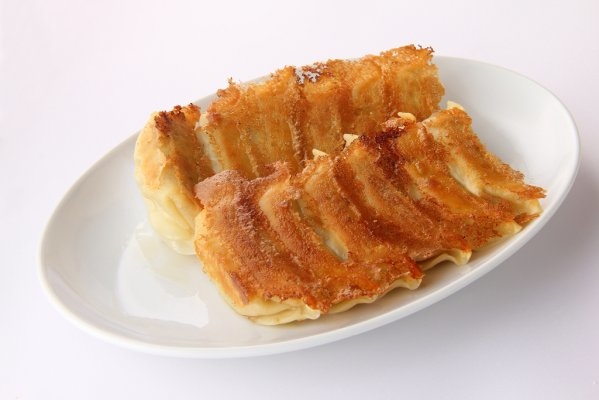
  Utsunomiya is famous throughout Japan for its gyoza, and so it’s only fitting that an annual festival to the fried dumplings would be held in the city. The Utsunomiya Gyoza Festival has been held at the beginning of November since 1999, with members of the Utsunomiya Gyoza Committee setting up stalls to sell their famous dumplings.   Visitors will be able to enjoy the subtle differences of dozens of dumplings as well as fill empty stomachs at a low cost: A three to five piece portion of gyōza, whether fried, boiled or steamed, will cost just 200 yen.   During the two days of festivities, visitors can also watch music bands and comedians at Miyajazz Inn, or see other live concerts at nearby venues.

Nikko kaido Oshu kaido TOCHIGI
Ichigo-no-Sato Farm

Ichigo-no-Sato Farm

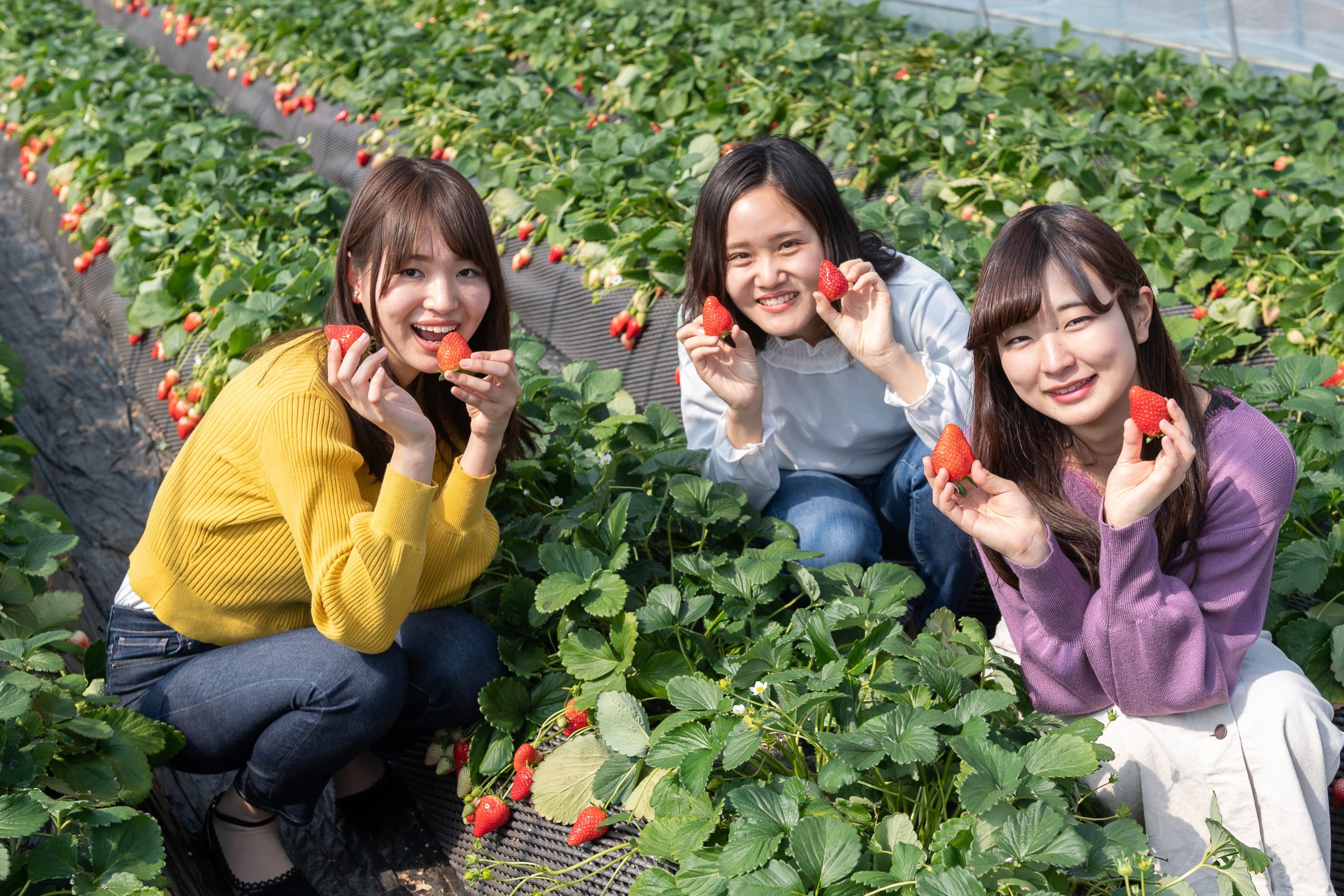
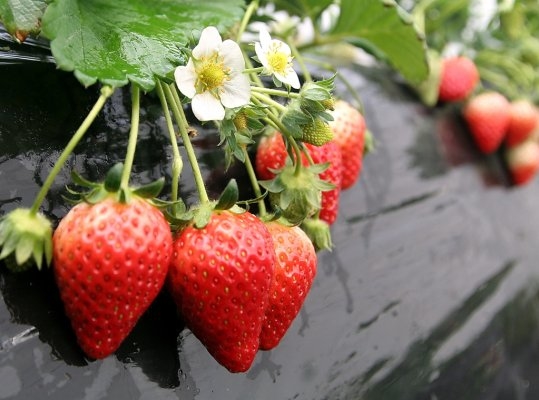
At Ichigo-no-Sato Farm, you can enjoy picking ripe strawberries such as Tochi-Aika and Skyberry from December to May. Besides strawberries, the farm offers a variety of other fruits such as cherries, grapes and blueberries depending on the season. There are cafes, an Italian buffet restaurant and shops providing a wide range of products made with freshly picked fruits. Seasonal events are held at the studio such as cake baking classes and jam making workshops. Ichigo-no-Sato Farm also grows a rare variety of strawberries called "Tochihime," which has soft flesh and is difficult to transport, so can only be eaten at tourist strawberry farms. There are strawberry-picking plans available that allow you to eat Tochihime, so be sure to try the difference in taste.

Nikko kaido Oshu kaido TOCHIGI
Yumoto Onsen

Yumoto Onsen

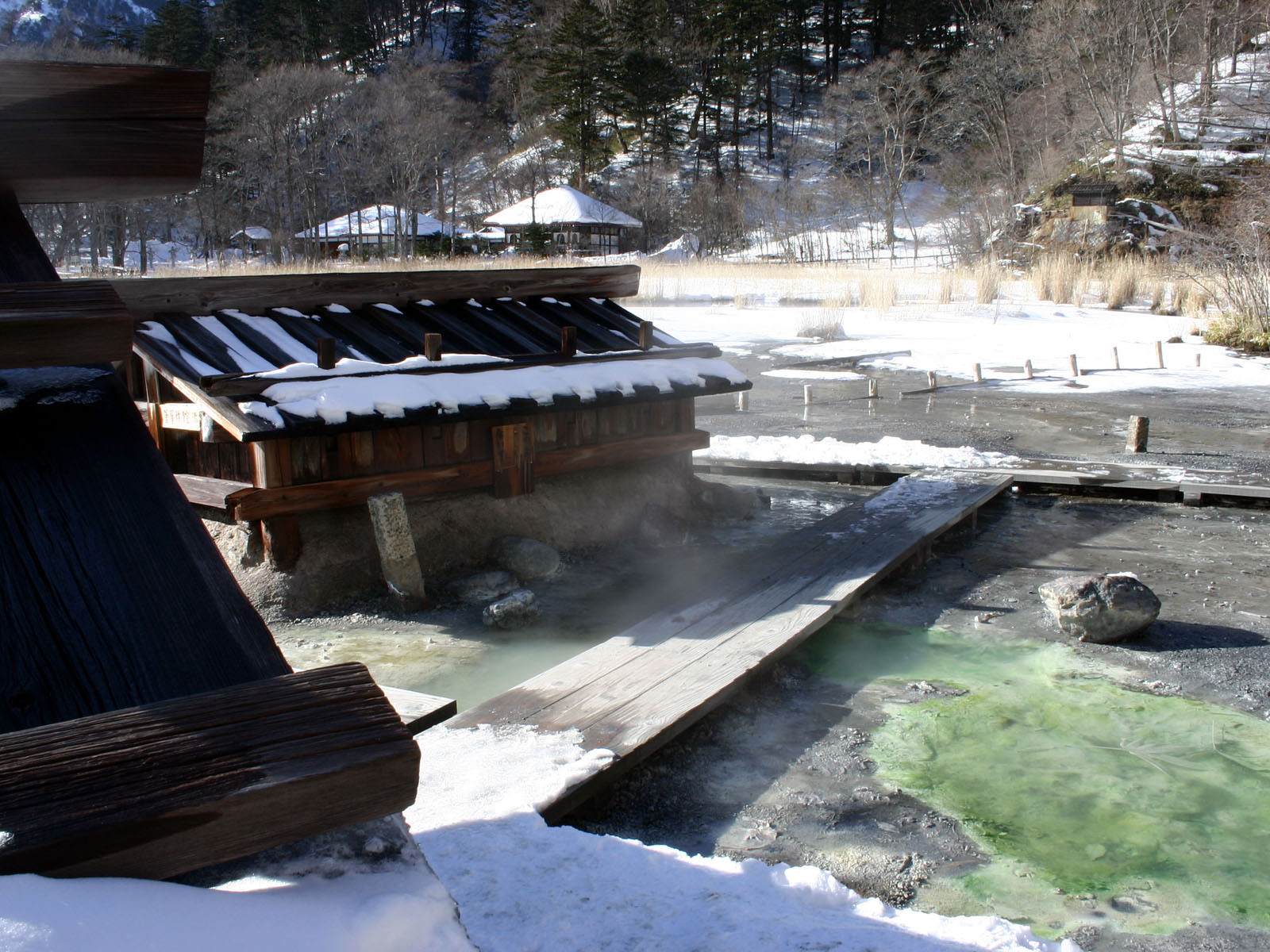
A peaceful Onsen town on the northern shore of Lake Yunoko, situated in the heart of Nikko National Park. It is said that the Buddhist monk Shodo Shonin, who first built a temple in Nikko about 1200 years ago to introduce Buddhism to the area discovered the Onsen. The milky-white sulphur-infused water is said to help with neuralgia and rheumatism. You can try it out in the foot bath known as “Anyo-no-yu” available free of charge in the town.(Closed for winter)   Taking in the tranquil landscape of the lake and mountains beyond clouds of steam, the Onsen provides a relaxing soak in the midst of some great nature.

Nikko kaido Oshu kaido TOCHIGI
Coffee House “yukon”(CHUZENJI KANAYA HOTEL)

Coffee House “yukon”(CHUZENJI KANAYA HOTEL)

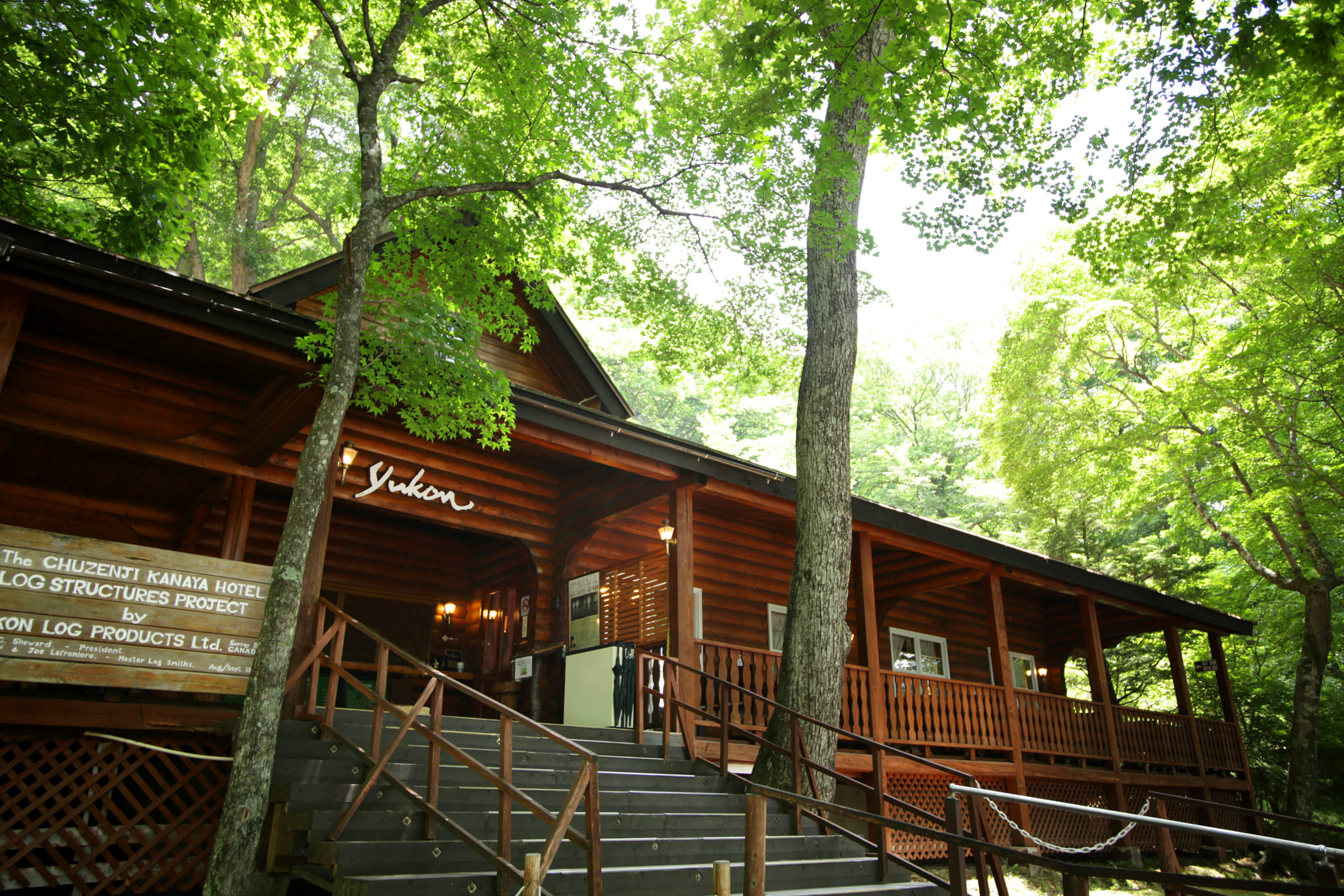
Coffee House yukon is located about 4 minutes walk from Chuzenji Kanaya Hotel. It is a store directly managed by Chuzenji Kanaya Hotel, and it is attractive for its location overlooking Lake Chuzenji. You can enjoy dishes such as the Kanaya Hotel Hundred Year Rice Curry, recreated from the hotel's Taisho era recipe. It's recommended for lunch and tea time. Takeout menu is also available, perfect for accompanying your exploration of Oku-Nikko.

Oshu kaido Nikko kaido TOCHIGI
Kaneda Orchard

Kaneda Orchard

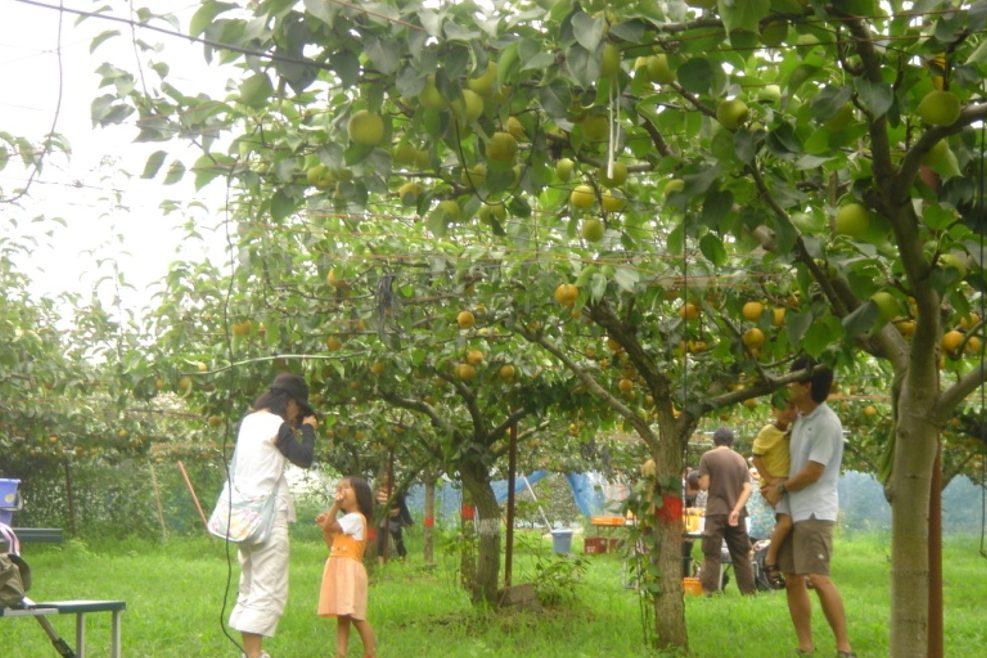
Kaneda Orchard uses electrolyzed water, organic fertilizers, and reduced agrochemicals to grow pears. It offers fully ripe pears grown through a carefully designed cultivation method. Besides opening the orchard for pear picking and selling pears, it also sells a wide variety of processed pear products including pear jelly, pear juice Haga Isshou, Shiawase wo Yobu Kosui Nashi no Cider, and Nikkori Nashi no Cider. The recommended juice preparation is equal parts pear juice and carbonated water. It tastes good with ice, too. It is also delicious when frozen and eaten as sorbet. Come and enjoy yourself at Kaneda Orchard.

Nikko kaido Oshu kaido TOCHIGI
Ashikaga Lamp Story

Ashikaga Lamp Story

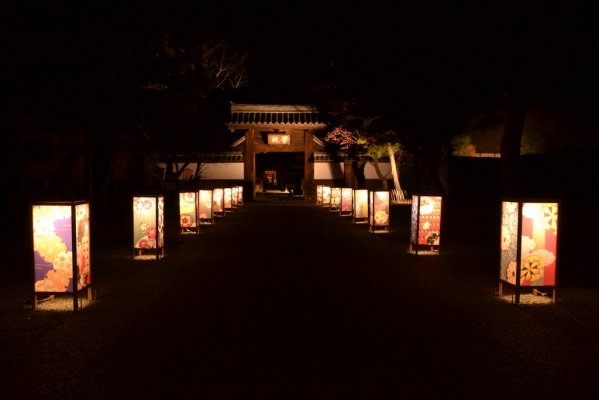
Ashikaga City, the "Small Kyoto" of Tochigi Pref., tinted with fantasy colors   Most famous spots like Bannaji Temple, Ashikaga School and Ashikaga Orihime Shrine would set up lamps, making visitors feel like they are in a dreamy and mysterious world.   The site of Ashikaga School, the oldest school of Japan, would display Flower Hand Water and Wagasa (Traditional umbrella) Light Show produced by Ashikaga Flower Park, and dreamy bamboo lanterns will be displayed in the bamboo forest on the campus.   In the National Treasure “Bannaji Temple”, the lanterns are placed on the bell tower, the main hall, and the 550-year-old ginkgo tree, so that you can enjoy the lanterns while experiencing the historical atmosphere of the temple.   Ashikaga Orihime Shrine, known as a “Sacred Place for Lovers”, would display 90 Ashikaga Meisen lamps on their staircase. The gorgeous Meissen motifs are illuminated by the colorful lights.

Nikko kaido Oshu kaido TOCHIGI
Shionoyu-onsen Rengetsu

Shionoyu-onsen Rengetsu

Rengetsu stands at the base of the untouched Shiobara Valley with its 30-meter drop. The sound of the stream, comfortable breeze, and panoramic views of the beautiful valley that changes with the season surround Rengetsu to create the finest, out-of-the-ordinary experience. All guest rooms come with a tub filled with natural hot spring water and a view of the beautiful valley. Take your time to fully relax and enjoy our famous “skin beautifying hot spring,” which has a wide variety of health benefits. Rengetsu also features an open-air hot spring bath surrounded by nature, a spacious large indoor bath, and three elaborate private open-air hot spring baths. For dinner, you will be served a kaiseki multi-course meal featuring various local foods and tastes. All these dishes are carefully prepared for your fullest satisfaction using seasonal ingredients that entertain both your eyes and taste buds. Rengetsu also offers the Golf Plan where you can enjoy your stay and golfing at a nearby golf course. 【About the hot spring】 Water color: clear Spring water type: chloride spring water Efficacy: alleviates nerve pains, rheumatism, sensitivity to cold, and fatigue Note: there are private open-air hot spring baths (first-come-first-served basis and no reservation needed)

Nikko kaido Oshu kaido TOCHIGI
KANAYA KASHI HONPO

KANAYA KASHI HONPO

Kanaya Kashi Honpo is a gift shop and café operated by a long-established Japanese hotel. The product lineup includes cookies, based on an original recipe that combines Japanese and Western flavors, and baked confectionery such as pies. The signature Biscuit Series (Cookies) has three variations: Cheese Biscuits (Pastel), Sansho Pepper Biscuits (Loire), and Maple Caramel Biscuits. All of them are carefully made at a factory directly managed by the Kanaya Resorts group. The shop has a modern Japanese style café with the interior design emphasizing wood grains. During the lunch hours, you can casually enjoy the taste of hotel restaurants. Japanese-Style Beef Stew over Rice is a carefully crafted dish using miso and soy sauce produced in Tochigi and is the traditional menu item of the long-established Japanese-style hotel, Kinugawa Kanaya Hotel. Roast Beef Plate is a dish that generously uses sirloin beef, the signature ingredient used at Kinugawa Onsen Hotel. Kanaya Kashi Honpo is the perfect place for taking a break or buying souvenirs during a trip.

Nikko kaido Oshu kaido TOCHIGI
Setsubun Armor Year-cross in Ashikaga

Setsubun Armor Year-cross in Ashikaga

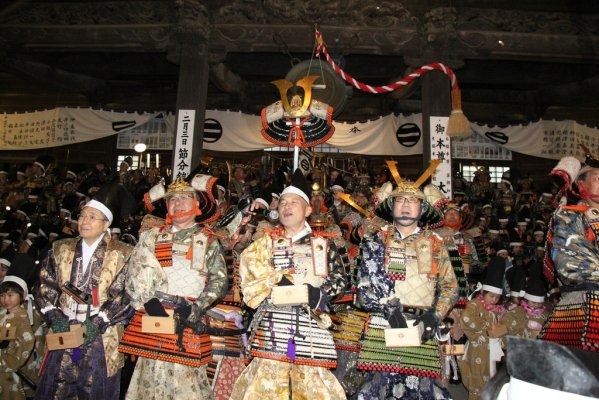
What is Setsubun Armor Year-cross? Every year’s February 3 is “Setsubun” festival in Japan, symbolling the end of the winter. On this day, Ashikaga City holds “Armor Year-cross” event, over 200 people would dress as samurai to join the event. The parade walk to Bannaji Temple from Orihime Community Center. People celebrate their victory when they arrived at Bannaji Temple, and pray for city’s prosperity. History of Setsubun Armor Year-cross Back to the Kamakura period about 750 years ago, a powerful samurai called Ashikaga Yasuuji led 500 samurai to assemble at Bannaji Temple, the residence of Ashikaga Family, in order to honor their family. 120 years later, his descendant, Ashikaga Takauji, became the Shougun of Japan and created the Muromachi period. This event was closed in the late Edo and Meiji eras, but in 1915 (Taisho 4) it was restarted by a group of fiber workers. Ashikaga City has samurai armor and kimonos for visitors to try on.

Nikko kaido Oshu kaido TOCHIGI
Bijin Benten (Akashi Benten, Itsukushima Shrine)

Bijin Benten (Akashi Benten, Itsukushima Shrine)

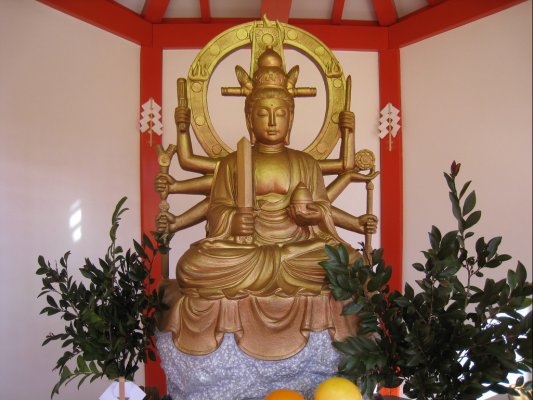
It was erected in Kansei 5 (1793), and before the Meiji Restoration (Meiji Ishin), it was known as the Akashi Benten Hokora. In the past, there was a pond where Kiyomizu (Pure water) springs in this village, and it is said that she worshiped as a god closely related to the water. "Bijin (Beautiful Woman) Benten" is an alter ego of Ichikishimahime, a Enshrined deities of Itsukushima Shrine. 【Issuing a "Bijin (Beautiful Woman) Certificate"! * Fee Charging】 "Bijin (Beautiful Woman) Certificate" is a charm that issued by Honjyo Itsukushima Shrine (Bijin Benten) that certifies "Beauty". "Beauty" for "Bijin Benten" protects and proves the "kindness of women's hearts" that all women have, not the beauty of appearance."

Nikko kaido Oshu kaido TOCHIGI
Mamada Hachimangu Shrine

Mamada Hachimangu Shrine

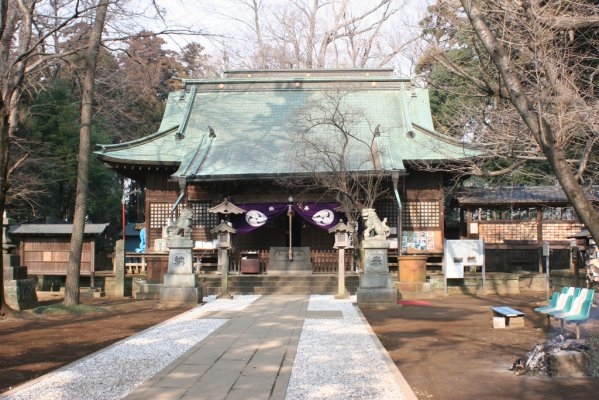
Mamada Hachimangu Shrine is said to have been founded as far back as nearly 1200 years ago during the years of the Tenpyo Era.On Children's Day on May 5 every year, the "Jya Matsuri" (Snake Festival), which is a Tochigi Prefecture Intangible Folk Cultural Asset, is held and enjoyed by a great many people. In the spring cherry trees blossom and ceremonial sumo matches are held in September, as well as a variety of other events making the shrine very popular. The shrine's dohyo was also the filming location for “Thermae Romae II”."

Nikko kaido Oshu kaido TOCHIGI
Igashira Kanko Strawberry Farm (Agurikko)

Igashira Kanko Strawberry Farm (Agurikko)

Moka City boasts the largest strawberry production in Japan. At Igashira Kanko Strawberry Farm, you can eat as many ripe, sweet strawberries as you like for 60 minutes. There are two varieties of strawberries: "Tochiotome," which has a good balance of sweetness and sourness, and "Tochi-Aika," which has little sourness and stands out for its sweetness. Enjoy your fill of fresh, delicious strawberries that are unique to this producing area. *You cannot choose the variety. *Reservations required for groups *Entry may be restricted depending on circumstances   In addition, the neighboring "Agurikko" sells fresh, freshly picked agricultural products all year round. Recommended products are fully ripe strawberries (January to May) and melons (May to June) from winter to spring, corn in summer, and pears and rice in autumn.

Nikko kaido Oshu kaido TOCHIGI