
Greater Tokyo

See & Do

reset
Roadside Station Mashiko

Roadside Station Mashiko

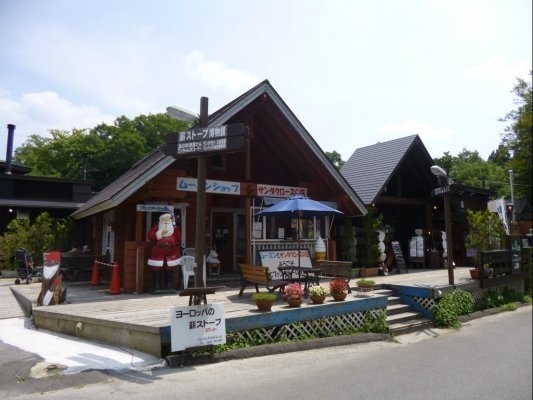
Roadside Station Mashiko(Michi-no-Eki Mashiko)  is a roadside station offering fresh local produce and local products and crafts at the “Mashiko-no-Marche” as well as reasonably-priced lunches with freshly picked vegetables at the “Mashiko-no-Gohan” restaurant. The information centre “Concierge” provides information on tourism, special exhibitions and workshops, along with advice on moving to the town and booking rental space. Please find more information on their website.

Oshu kaido Nikko kaido TOCHIGI
British Embassy Villa Memorial Park

British Embassy Villa Memorial Park

After 120 years, the former British Embassy Villa opened its doors to the public as the British Embassy Villa Memorial Park on 1 July 2016. Ernest Satow, a British diplomat who contributed to Japan’s Meiji Restoration, built a private villa at the south bank of Lake Chuzenji in 1896. He loved Oku-Nikko, especially Lake Chuzenji as the area reminded him of the natural landscape of his home country. The villa was used as the British Embassy summer residence until 2008 before being donated to Tochigi prefecture in 2010 to be opened to the general public. In the early years of the villa, Satow’s friend Isabella Bird stayed here for a month and wrote of the impressive landscape of the villa. The British Embassy Villa Memorial Park presents exhibitions on British culture and the history of Oku-Nikko as an international summer resort. Visitors can immerse themselves in this historic setting while enjoying teatime in the villa (additional charges apply) and take in the picturesque view of Lake Chuzenji from the spacious veranda on the upper floor.

Nikko kaido Oshu kaido TOCHIGI
Nogi-machi Brick Kiln

Nogi-machi Brick Kiln

Made in 1890, the Nogi-machi Brick Kiln is a Hoffmann kiln that belonged to the former Shimotsuke brick manufacturer and was a major contributor to Nogi’s industrialisation. This is the only perfectly original Hoffmann kiln in Japan and is designated as an Important Cultural Property. It is in the shape of a hexadecagon (a 16-sided polygon) and is 34 metres in height and 100 metres in circumference. The kiln baked up to 408,000 bricks per year during the 80 years between 1890 and 1971. The conservation and repair work on the kiln was completed in September 2015 and the kiln was open to the public on 10 May 2016. The Nogi Koryu Centre (known as the “Nogi Hoffmann Kan”) was built and opened to the public at the same time. The centre offers activities and workshops as well as original goods and light meals. Come and experience the culture of the Meiji period!

Nikko kaido Oshu kaido TOCHIGI
Mibu Highway Park at Michi-no-Eki Mibu

Mibu Highway Park at Michi-no-Eki Mibu

The Mibu Highway Park at Michi-no-Eki Mibu is a roadside station connected to the Mibu PA (motorway rest area) and conveniently located between both the motorway and the local highway (route 71). Located in the centre of the local municipality, the “Mirai-kan” information centre at the Mibu Highway Park is a hub for tourism offering information, local products and fresh local vegetables. Along with the Mibu Highway Park, Michi-no-Eki Mibu has Tochigi Wanpaku Park and Mibu-machi Toy Museum within its vast 52.5-hectare grounds. A great place for a break or a whole family day out.

Nikko kaido Oshu kaido TOCHIGI
Mount Kamakura

Mount Kamakura

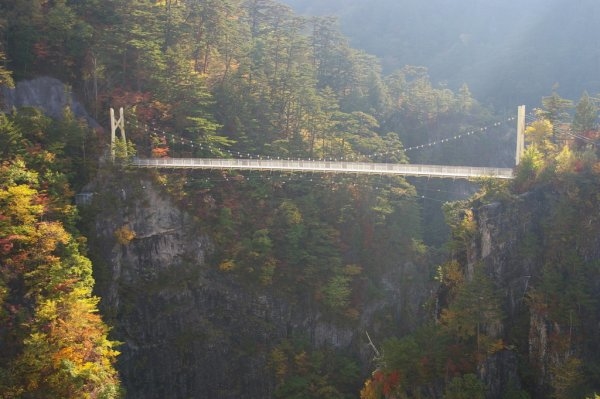
Mount Kamakura towers 100 metres above the Nakagawa River and is 216 metres above sea level. The summit affords the most fantastic views in all of the Nakagawa Prefectural Natural Park.   The best viewing season is from late-October to mid-December when the area is blanketed with a layer of misty clouds, a phenomenon arising from the mixture of the cool mountain air and the warm waters of the Nakagawa River. During early and mid-November, when misty clouds glow in the morning sun, views of the autumn mountain foliage are mesmerising.   Come and see this renowned late-autumn scenery!

Nikko kaido Oshu kaido TOCHIGI
Mibu-machi Toy Museum

Mibu-machi Toy Museum

The Mibu-machi Toy Museum provides displays of model trains on an elaborate landscape diorama along with a model train driving experience. 18 world heritage sites including temples and shrines of Nikko are placed on the N-gauge (25m2) diorama. The driver’s seat on the HO-gauge (37m2) provides excellent views, and is equipped with a sound system to give visitors a realistic railway experience.   The museum has an interactive app-based game, which you can unlock fun quizzes and characters on your device. Collect answers and points within the specified time limit to break the hidden seal in the castle! The app is the perfect way for the whole family to play and learn about the museum.

Nikko kaido Oshu kaido TOCHIGI
Michi-no-Eki Yunishigawa

Michi-no-Eki Yunishigawa

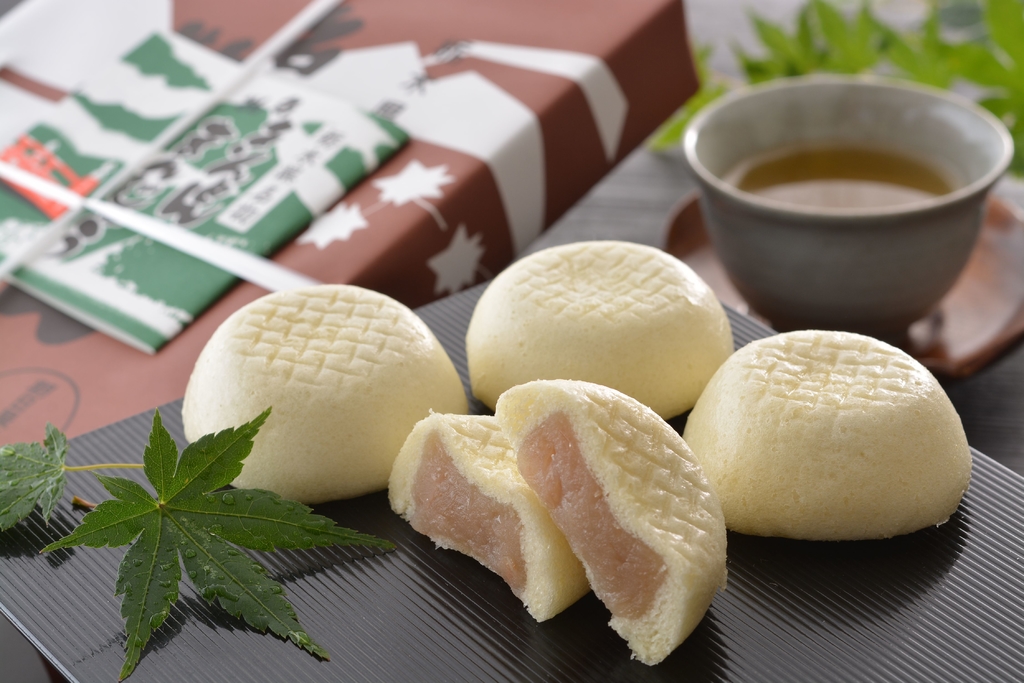
Michi-no-Eki Yunishigawa is a roadside station located in the north of Nikko, about 300 metres from the former Aizu-nishi highway (Route 121). It offers natural hot springs and a stone sauna, and local delicacies such as smoked salamander, strawberry buns and Bandai-mochi rice cake (not available in winter). The cafeteria serves uniquely dam-shaped rice and curry as well as locally produced soba noodles. Look out for Kurippa here, a local mascot based on a folk tale of the mythological creature Kappa. Accommodation can be arranged at the information desk. The car park has rapid charging points for electric vehicles. Located 600 metres above sea level, the location offers fine views of the natural surroundings. Enjoy the seasonal beauty of verdant greens, autumn leaves and snowy winter scenes.

Nikko kaido Oshu kaido TOCHIGI
Ryuzu Falls

Ryuzu Falls

Ryuzu Falls cascades 210 metres down 10-metre wide terraces of volcanic rock from a historic eruption of Mount Nantai. The name “Ryuzu” (dragon’s head) comes from the presence at the base of the falls where a huge rock splits the waterfall in two. The area is popular for its stunning views of red and purple azalea blossoms from May to June as well as the autumnal red leaves in late September. The viewing platform offers the best view of the waterfall surrounded by the colours of the season. Ryuzu Falls is a popular location for visitors and is known as one of the five best falls in Nikko,along with Kegon Falls,Kirifuri Falls,Urami Falls, and Yudaki Falls.

Nikko kaido Oshu kaido TOCHIGI
Okukinu Onsen

Okukinu Onsen

Hidden away in primeval forest, this Onsen is known as the last secret hot spring in the Kanto region. Four hot-spring facilities (Kaniyu, Teshirosawa, Nikkosawa and Haccho-No-Yu,) can be found here. Car traffic is restricted to the Onsen-kyo amidst the ancient beech woodland. Visitors can take pickup services arranged by inns or walk about 90 minutes to get there. At the moment two inns offer pickup services, and three inns (not Teshirosawa Onsen) are open to day visitors. Take your time to relax and unwind in these hidden hot spring villages.

Nikko kaido Oshu kaido TOCHIGI
Kawamata Onsen

Kawamata Onsen

This Onsen rests alongside a verdant gorge carved out of rocks, where the roar of the Kinugawa River cuts through the stillness. Enjoy a splendid view of the gorge, beautiful mountains and great nature! Most of the inns located around the lake and along the valley have open-air baths (roten buro) and there are many scenic sites around the area. The Onsen welcomes many tourists during the seasons of fresh green foliage in mid-May, autumn colours in mid-October and “New Soba Festival” in November.

Nikko kaido Oshu kaido TOCHIGI
Yunishikawa Onsen

Yunishikawa Onsen

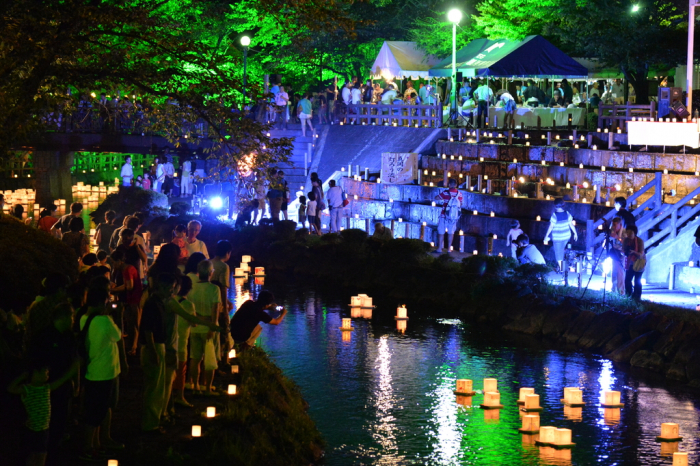
Legend has it that Samurai refugees found these spring waters and settled down in the village to heal their wounds. Today a row of inns and local houses are located along the valley. In addition to the abundant hot spring water, you can also enjoy seasonal local cuisine served around a fireplace (irori), including simply grilled wild ingredients such as freshwater fish, Sansai (wild vegetables), venison, bear and other delicacies. Miso paste grilled on a spatula is also a local specialty. If you visit here in the winter, do not miss the fantastic “Yunishikawa-onsen KAMAKURA Snow House Festival” from late January to early March. About 800 small snow houses are illuminated from inside candles.

Nikko kaido Oshu kaido TOCHIGI
Bannaji Temple

Bannaji Temple

History of Bannaji Temple On the site of the present-day Bannaji Temple, a powerful samurai called Minamoto no Yoshiyasu, who was as famous as Taira no Kiyomori and Minamoto no Yoshitomo (the father of Minamoto no Yoritomo and Minamoto no Yoshitsune) built his castle at the end of Heian period. He is the first generation of Ashikaga family.   In 1196, Ashikaga Yoshikane, the son of Yoshiyasu, built a hall dedicated to Dainichi Nyorai, and the 3rd head of Ashikaga family, Ashikaga Yoshiuji, built a hall tower and other buildings. Since that, the Bannaji Temple bacame the clan temple of Ashikaga family. 150 years later, the 7th head of the family, Ashikaga Takauji, founded the Muromachi Shogunate, which gave the Ashikaga family the reign of Japan. Even in the Edo period, as the temple of the Ashikaga family, the direct descendant of the Minamoto clan, was revered and protected by the Tokugawa Shogun, who claimed to be a member of the Minamoto clan.   Became the National Treasure of Japan In 1923, Bannaji Temple was designated as a National Historic Site as the "Ashikaga Family Residence". The main hall, the bell tower, and the sutra hall were designated as National Important Cultural Properties. It was selected as the one of the 100 most famous castles in Japan. The 40,000-square-meter territory is laid out in a square shape, surrounded by a circular fortress and a moat, and retains the characteristics of the Kamakura period's Buke Yashiki (samurai's house).   Annual Events On February 3, the temple hosts the Ashikaga Setsubun Armor Parade, in which more than 150 participants dressed as samurai and wearing armor parade to Bannaji Temple and then perform the bean-scattering ceremony. In spring, you can enjoy cherry blossoms, and in fall, you can see the leaves of the city's natural monument, the Ginkgo tree (about 600 years old), turn yellow, and the beauty of the tree is breathtaking.      

Nikko kaido Oshu kaido TOCHIGI
Kinu-numa Marsh

Kinu-numa Marsh

Being 2,000 metres above sea level, this marsh is the nation’s highest wetland and is known for its abundant alpine plants. In the wetland where spring comes late, July is the best time to view the alpine plants blossoming one after another. The grass starts to turn yellow in late August and the leaves paint the entire wetland flaming red in mid-September. Plants and trees are lightly dusted with snow in November and you can see the arrival of migratory birds. Enjoy the diverse nature of each and every one of the seasons!

Nikko kaido Oshu kaido TOCHIGI
Kirifuri-kogen Highland (Kirifuri-kohgen)

Kirifuri-kogen Highland (Kirifuri-kohgen)

These highlands, situated 1,200 metres above sea level, are a paradise of alpine plants and are well-known for the “Nikko Kisuge”. With 260,000 Nikko Kisuge blooming from late June to mid-July, the grasslands are carpeted in these bright yellow lilies. Walking paths through the fields are available. Enjoy azaleas in spring, autumn colours and skiing in winter! There are selections of restaurants, accommodations and leisure facilities to satisfy couples and families.

Nikko kaido Oshu kaido TOCHIGI
Kanman-ga-fuchi Abyss

Kanman-ga-fuchi Abyss

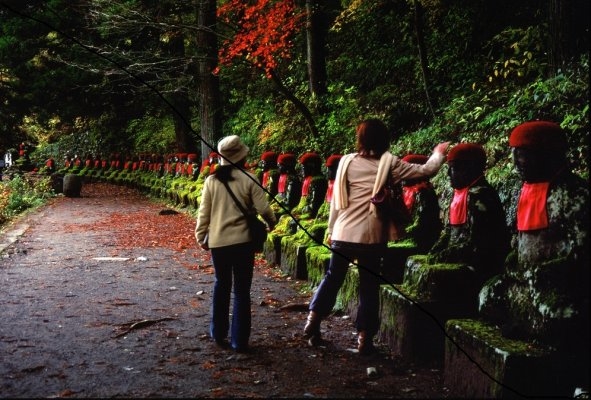
The little gorge formed by an eruption of nearby Mt. Nantai is a uniquely scenic spot. A row of approximately 70 Jizos are lined up along the south bank of the river. The group of Jizos is called “Baké-Jizo” because it is said that they are uncountable; if you try to count them, each time you will end up with a different number. Legend has it that the Sanskrit character “Kanman” on an upstream cliff was inscribed by Kobo Daishi, the founder of Shingon Buddhism, by throwing his brush. The Nikko Botanical Garden is on the opposite shore of the Jizos, and visitors can enjoy the scenic beauty in the seasons of spring verdant greens, autumn colours and snowy Jizos.

Nikko kaido Oshu kaido TOCHIGI