
Greater Tokyo

See & Do

reset
Tochigi Prefectural Central Park

Tochigi Prefectural Central Park

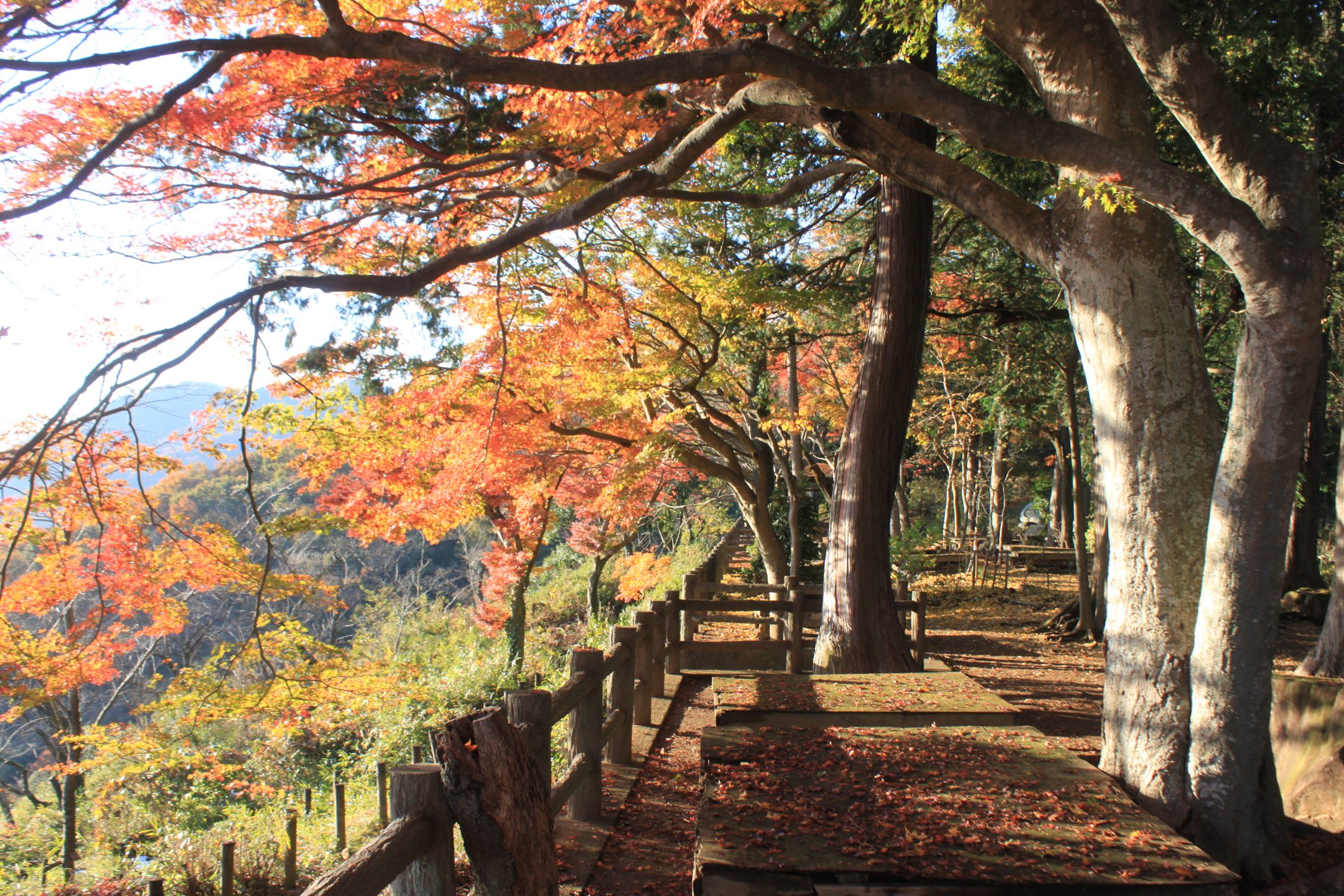
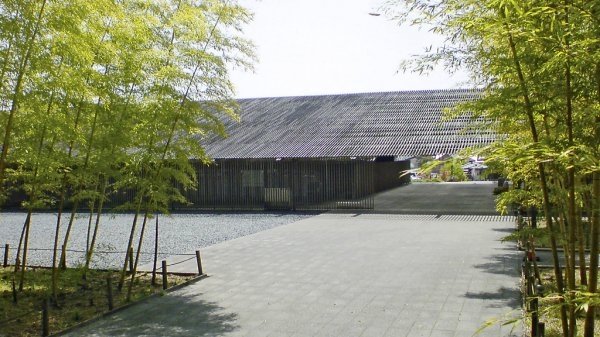
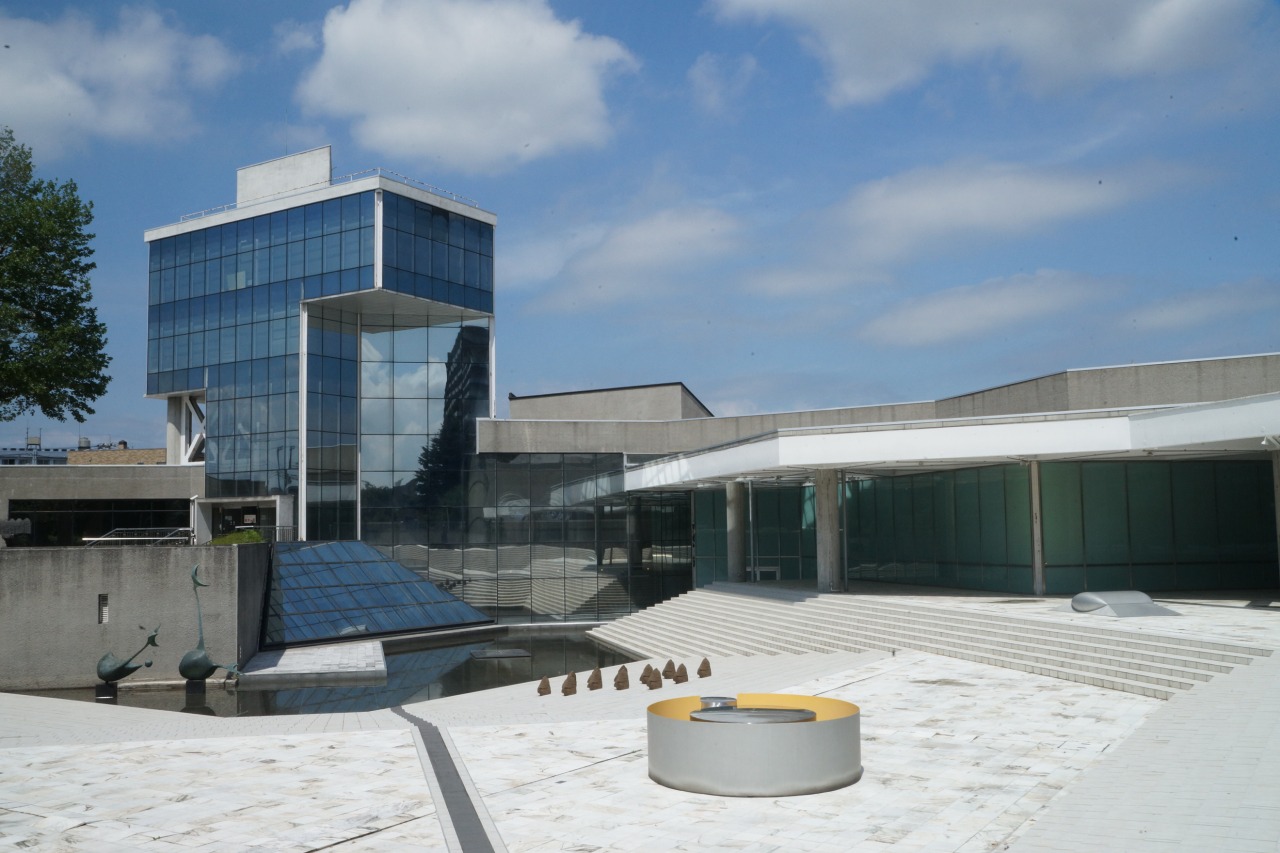
A prefectural park combining Japanese and Western garden design with nature, culture, and disaster-prevention functionsTochigi Prefectural Central Park is located in the center of Utsunomiya City and was created under the theme of “water, greenery, and culture.” Within the park are Western-style sunken gardens, Japanese-style ponds, and multipurpose plazas, which also interact with the neighboring Tochigi Prefectural Museum. Visitors can enjoy a wide variety of landscapes, including waterfalls, stone gardens, and the expansive Noh Stage Plaza with its modern fountain pool. Seasonal flowers and meticulously maintained lawns add to the park’s charm. The park also features the “Midori no Shōkansho” (Green Consultation Office), which regularly holds exhibitions and workshops, providing advice on gardening and tree care for citizens. This space serves as a multipurpose area for relaxation, recreation, and environmental education. As a disaster-prevention park, it also has emergency response functions, making it an important part of daily life for local residents.

Nikko kaido Oshu kaido TOCHIGI
Tochigi Edo Cuisine

Tochigi Edo Cuisine

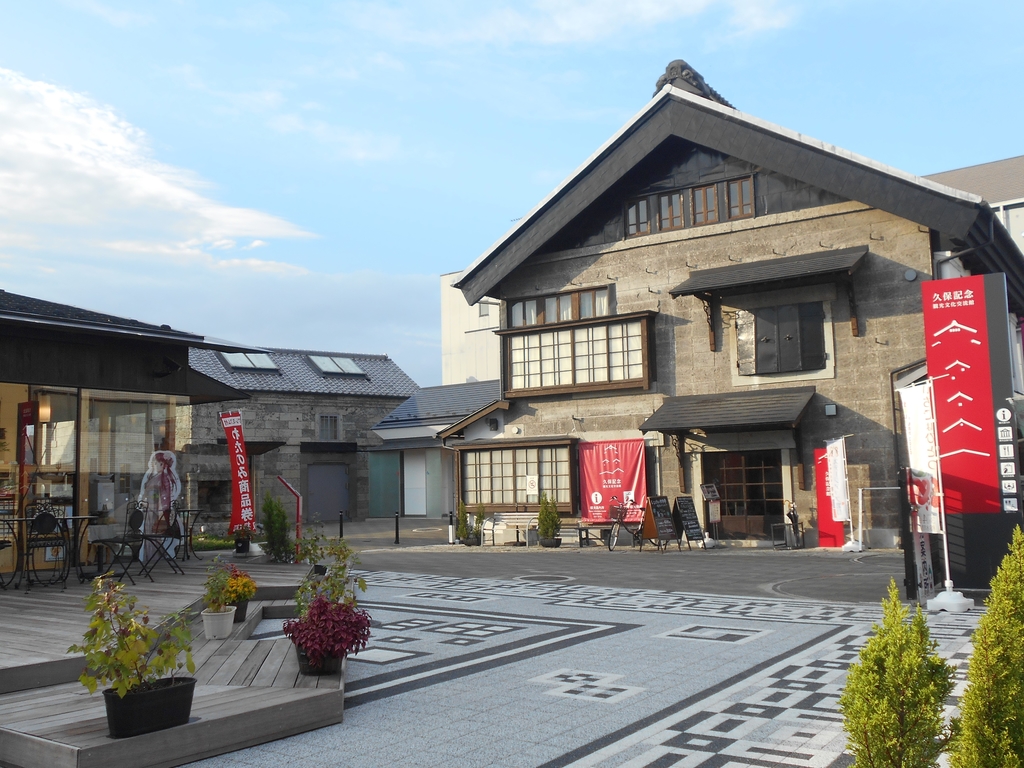
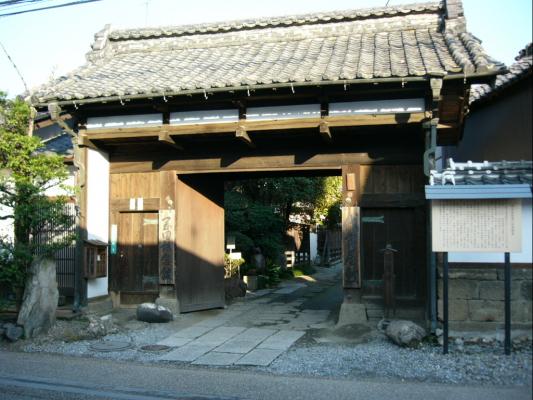
Koedo Tochigi, where Edo atmosphere still lingersDuring the Edo period, Tochigi City flourished as a lodging town along the Nikko Kaido highway and as a hub of river transport. Preserving much of its Edo-period charm, it is often referred to as “Koedo” (Little Edo), alongside Kawagoe and Sawara. A fusion of tradition and innovation – Tochigi Edo CuisineTo let visitors enjoy the unique taste of Edo-style dishes, experts have been researching recipes from the Edo period since 2015, adapting them by blending with local ingredients and techniques. The result is “Tochigi Edo Cuisine,” a modern yet traditional dining experience. On your next visit to Tochigi’s Kurano-machi (Warehouse District), in addition to sightseeing and enjoying a boat ride that recalls the Edo atmosphere, you can also savor Tochigi Edo Cuisine, offering a refined taste of history. For a list of restaurants serving Tochigi Edo Cuisine: https://tochigi-edo.jp/shop

Nikko kaido Oshu kaido TOCHIGI
Utamaro Festival

Utamaro Festival

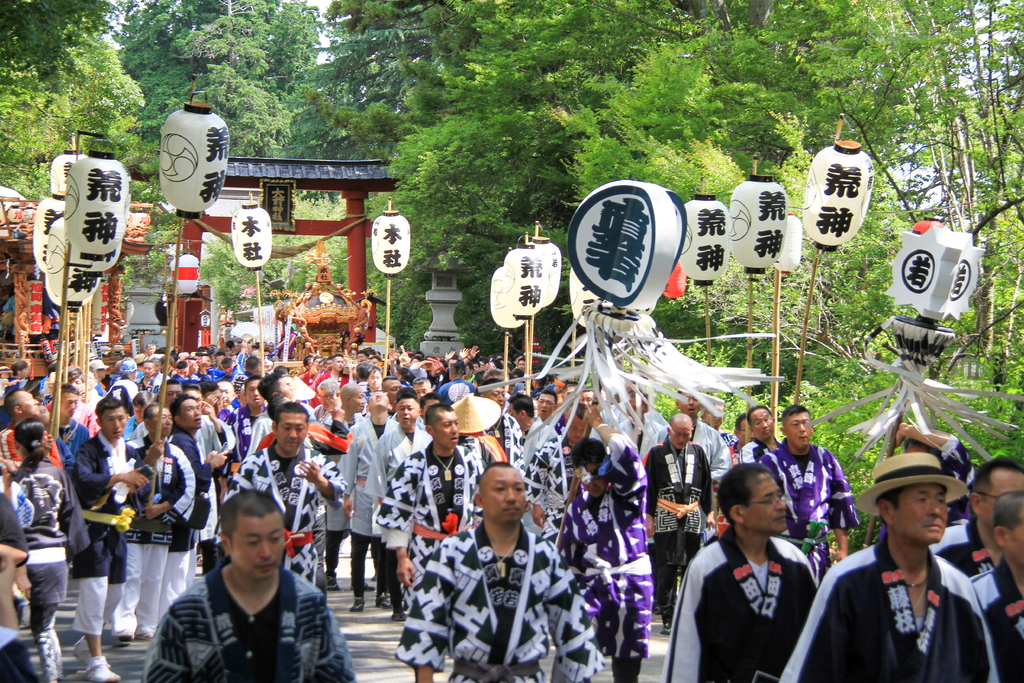
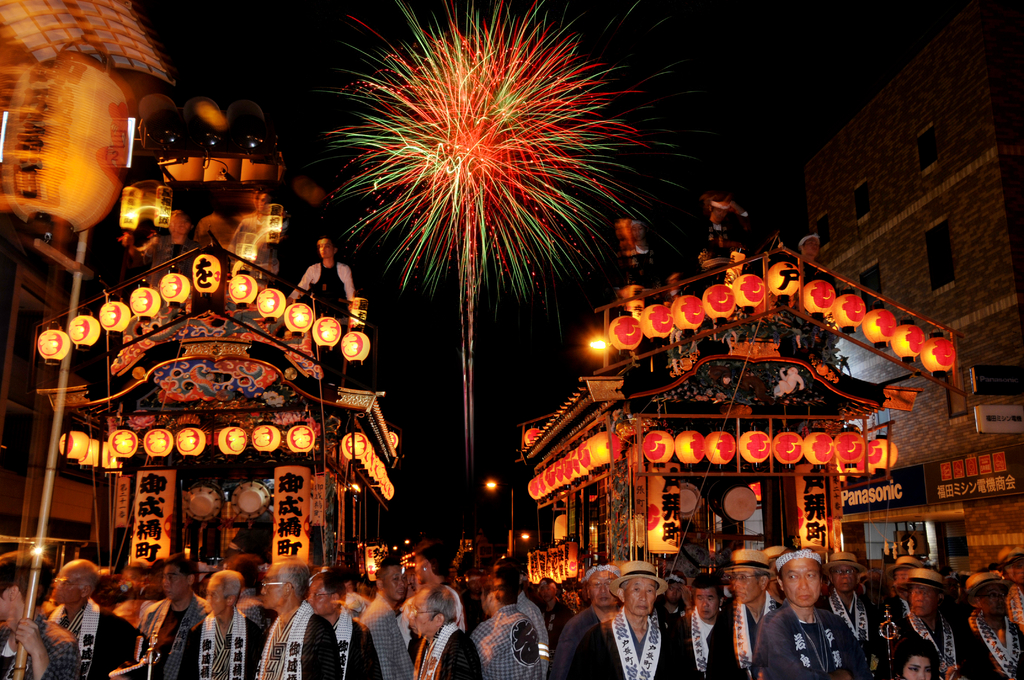
Held in early October each year, the Utamaro Festival celebrates the legacy of Kitagawa Utamaro, a renowned ukiyo-e artist of the mid-Edo period who had close ties to Tochigi City. Many of his works were created here, and the city, with its well-preserved Edo-period architecture, is often called “Little Edo.” The festival’s highlight is the Utamaro Dōchū parade, where performers dressed in gorgeous kimono proceed slowly along Kuranomachi Ōdōri Street, recreating the elegance of the Edo era. The festivities also feature music performances, fireworks, street illuminations, and a handmade market, immersing the entire town in a joyful celebration of culture and tradition. Notably, Kitagawa Utamaro will also be featured in the 2025 NHK Taiga drama Unbound, bringing renewed attention and respect to this ukiyo-e master. Visiting the Utamaro Festival offers a rare opportunity to experience the fusion of historical culture and modern creativity. Strolling through the lantern-lit streets of Kuranomachi, you can enjoy the vibrant atmosphere of the parade and illuminations while discovering the timeless charm of Japanese traditional arts—an unforgettable highlight of any autumn trip.

Nikko kaido Oshu kaido TOCHIGI
Moka Romantic Hina Doll Display

Moka Romantic Hina Doll Display

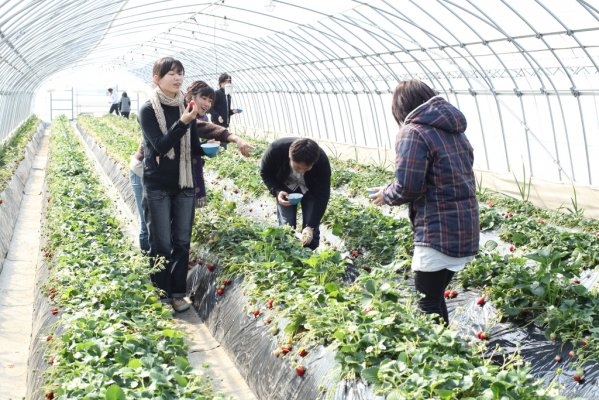
March 3 is celebrated in Japan as Girls’ Day, when hina dolls dressed in luxurious kimono are displayed throughout the country. From early February until Girls’ Day, Moka City hosts the month-long “Moka Romantic Hina Doll Display.” At the Okabe Memorial Hall “Kinreisō,” a Tochigi Prefecture-designated cultural property, visitors can admire a spectacular 26-tier hina doll display—about 6 meters high—featuring imperial dolls and more. The exhibition also includes over 30 hanging hina decorations, a rare sight not to be missed. This season is also perfect for enjoying strawberry picking in the Moka area. Don’t forget to try Tochigi’s new strawberry variety, Tochiaika!  

Nikko kaido Oshu kaido TOCHIGI
Mt. Ohira Cherry Blossom Festival

Mt. Ohira Cherry Blossom Festival

Famous for its “Warehouse Town” scenery, Tochigi City hosts the Mt. Ohira Cherry Blossom Festival in early April. Located west of the city, Mt. Ohira is covered with about 4,000 cherry trees, forming a spectacular 2-kilometer-long tunnel of blossoms along the sightseeing road from the foot of the mountain. On the opposite side of the summit, the Kenshin-daira Observatory offers panoramic views of the Kanto Plain’s picturesque rural landscapes. On clear days, you can even see Tokyo Skytree and Mt. Fuji. Nearby eateries serve Mt. Ohira’s three famous specialties—rice dumplings, grilled chicken skewers, and rolled omelets—providing a feast for both the eyes and taste buds. At the foot of Mt. Ohira stands Taisan-ji, an ancient Shingon Buddhist temple. Its grounds are home to a 360-year-old weeping cherry tree, said to have been planted by the mother of Tokugawa Ietsuna, the fourth shogun of the Tokugawa Shogunate. The weeping cherry season begins in late March. For details, please check the Tochigi City Tourism Association website.

Nikko kaido Oshu kaido TOCHIGI
Hotel MOKUREN

Hotel MOKUREN

Hotel MOKUREN is a traditional Japanese house turned into an accommodation. They take only one reservation at a time, so guests can exclusively use the two spacious Japanese style rooms during their stay while enjoying a view of the vast countryside. Feel the essence of Japan in a relaxing space and enjoy a farming experience in adjacent fields and in the traditional storehouse, as well as sightseeing in Nasunogahara. The hotel does not have a meal service, but the guest room includes a kitchen where you can cook harvested farm products. The storehouse has a cooking stove for preparing rice and BBQ equipment. There are also restaurants and diners near the hotel. The guest room has a shower, but if you wish to have a relaxing soak in a larger space, you can try a nearby onsen. You can also borrow bicycles.

Nikko kaido Oshu kaido TOCHIGI
YOSHIDA MURA Village

YOSHIDA MURA Village

Yoshida Mura is 60 minutes away from Tokyo and is at the eastern edge of Shimotsuke City, Tochigi Prefecture, where the Kinu River runs nearby. It is a quiet area surrounded by fields. In lush green nature, Yoshida Mura produces rice, strawberries, asparagus, and onions. They have an Italian restaurant called Ristorante Italia Verace, where dishes are prepared with local agricultural ingredients to bring out the taste of nature’s blessing, and also a bakery called Yoshida Mura Bakery. At Ristorante Italia Verace, the chef who received culinary training in Italy makes dishes using plenty of ingredients freshly harvested by local partner farmers. The restaurant is the symbol of Yoshida Mura. At Yoshida Mura Bakery, Chef Numao, who practiced baking at famous bakeries such as The Standard Bakers, an authentic bakery based in Oya Town, Utsunomiya City, and Boulangerie Rire in Shimotsuke City, offers carefully crafted and baked bread.

Nikko kaido Oshu kaido TOCHIGI
Tsuki noco

Tsuki noco

Located in a satoyama (woodland village) near the Naka River, Tsuki noco is a country guesthouse that runs a bakery selling wild yeast bread. The accommodation is a Japanese style house built over 120 years ago. For dinner, they serve original food menu prepared mainly with grains and seasonal vegetables. For breakfast, you will enjoy their wild yeast bread. They can modify meals into curry over rice or vegetable croquettes for children and also can prepare vegan meals. Aside from the bakery and farm stay, they also run Satoyama Gohan no Gakko, a school for learning about nature, with the ambition to acquire, with all participants, the knowledge and techniques to grow food and preserve the satoyama environment for future generations. (※Farm stay is offered from April to November and the bakery is open from December to March)

Nikko kaido Oshu kaido TOCHIGI
Mt. Berry Oku-Nikko

Mt. Berry Oku-Nikko

Having a cool average temperature from summer to fall, Oku-nikko and Senjogahara have the perfect environment for growing sweet and tasty strawberries. Mt. Berry Oku-Nikko grows special strawberries using the blessing of grand nature, taking advantage of the climate, water, and soil, and carefully selected fertilizers. From July to October, they open their field for ‘Tenku no Kogen Ichigo’ picking. It’s an all-you-can-eat (although depending on the harvest situation) strawberry picking program featuring three breeds of strawberries: Natsuotome, the breed cultivated only in Tochigi Prefecture, Yotsuboshi, and Pechika Honoka, which made its debut in 2024. Taste the difference among Natsuotome having a good balance of sweetness and acidity, Yotsuboshi with strong sweetness and aroma, and Pechika Honoka boasting its top-class sweetness among all summer-fall strawberries. Since you need a reservation and they accept only a small number of people at a time, you can enjoy picking strawberries in a relaxed atmosphere.

Nikko kaido Oshu kaido TOCHIGI
Nikkozan Yumoto Onsenji Temple “16-Character SHAKYO or SHABUTSU (Copying Buddha’s picture) Experience”

Nikkozan Yumoto Onsenji Temple “16-Character SHAKYO or SHABUTSU (Copying Buddha’s picture) Experience”

"Nikkozan Yumoto Onsenji Temple" is a branch temple of the world heritage site "Nikkozan Rinnoji Temple". Its history dates back to 788 when Shodo Shonin, the founder of mountain worship in Nikko, discovered a hot spring and enshrined Yakushirurikou-nyorai (the Buddha of healing) to alleviate suffering. Since the Meiji era, it has been known as a hot spring resort for common people seeking recovery and longevity.   While traditional sutra copying or Buddha tracing involves transcribing the entire sutra or drawing the entire image, Onsenji Temple offers original templates designed to be completed in approximately 15-20 minutes. For the Onsenji 16-character sutra copying, you will trace a section of the Yakushi Sutra written in light ink using a brush pen. For Buddhist image copying, you will trace the outline of a Buddha drawn in light ink using a brush pen.   Both practices allow individuals to connect with the Buddha, receiving their blessings and promoting mental and physical relaxation. The time spent engaging in sutra copying and Buddha tracing, fostering a deeper connection with the Buddha and oneself, is truly invaluable. As a token of your experience, participants who complete sutra copying or Buddha tracing and offer their work will receive a special temple stamp. Note: Brush pens are available for rental.   【About the Hot Spring】 Color of the hot spring water: Milky white Note: The source water is colorless, it turns milky white due to oxidation. * Be cautious as the colorless spring water is very hot. Quality of spring water: Sulfate and hydrogen carbonate hot spring. Therapeutic effects: Cuts, cold extremities, fatigue recovery, and more. Caution: Shampoo and body soap are not provided. Please bring your own if necessary.

Nikko kaido Oshu kaido TOCHIGI
Nishinasuno Country Club

Nishinasuno Country Club

Nishinasuno Country Club is an 18-hole golf course designed by the globally renowned golf course architect, Robert Von Hagge, which effectively incorporates the beautiful landscape of Nishinasuno as its background. The course is like a piece of art created as if drawing a picture or writing a smooth melody on the 1.78 million square meters of land that spreads at the foot of the Nasu Mountain Range. If you always wanted to hit an iron shot on a bentgrass fairway and scrape off of a chunk of turf, this is the right course for you. With bentgrass, which is the highest-end grass, holes here are as beautiful as green carpets. Beginners can play comfortably here, but for championship-level players, the course requires higher-level golf techniques.

Nikko kaido Oshu kaido TOCHIGI
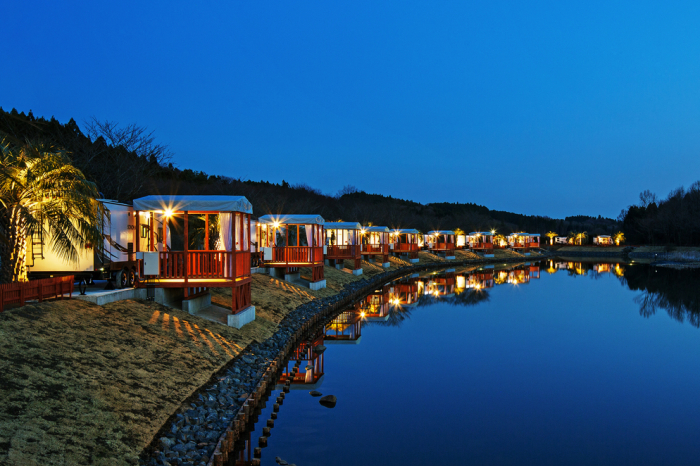
ONSEN RYOKAN YAMAKI

ONSEN RYOKAN YAMAKI

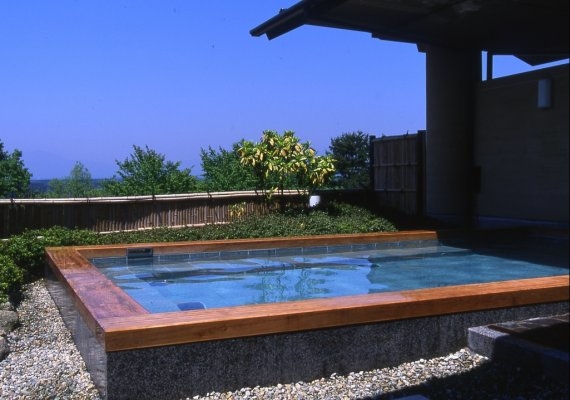
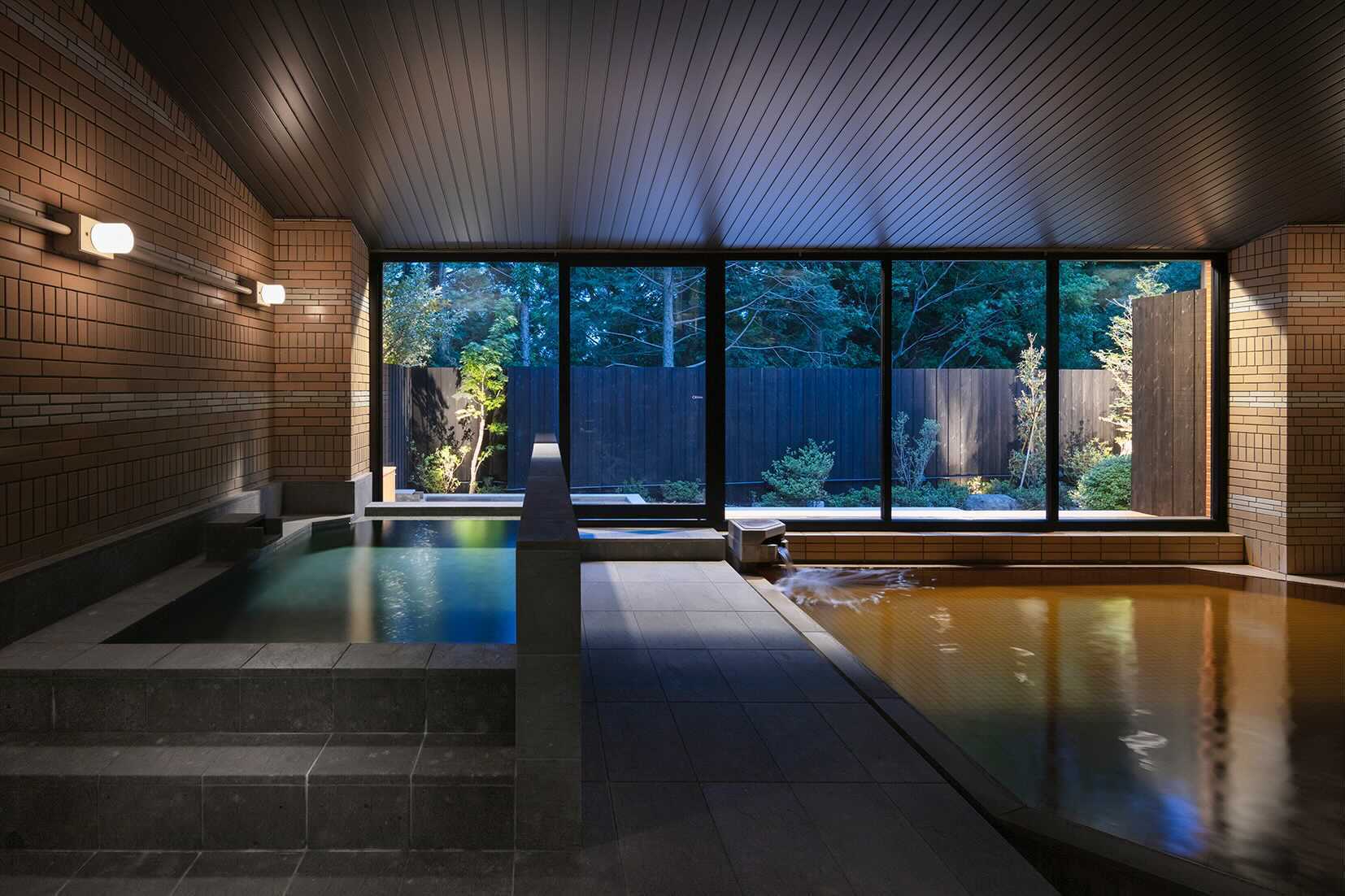
Onsen Ryokan Yamaki is a Japanese style inn built to help guests escape from the daily hustle and bustle and fully relax and heal the body and soul. The ryokan experience here is designed based on the principles of the tea ceremony: harmony, respect, purity, and calmness. These principles, as the ryokan’s philosophy, are also incorporated into its guest rooms, hot springs, meals, and staff hospitality. Calm guest rooms feature the warmth of wood and diatomaceous earth on walls. All guest rooms are designed differently, and some have a scenic cypress bath filled with hot spring water flowing endlessly from its original source. The hot spring here was discovered in 1059. It is called Itamuro hot spring and is famous as the “medicine water of Shimotsuke (old name of the area).” It is said to warm people’s bodies from the core and alleviate fatigue and joint pain. The inn also offers esthetic treatment using essential oil (reservation needed). Please enjoy the hot spring and the treatment to relax and slowly unwind from the long day of your trip. For dinner, the inn serves a Japanese multi-course meal designed based on one of its guiding principles of “respect” for local production and consumption. The dinner menu is developed to serve you a healthy meal prepared with wild plants, vegetables harvested from nearby areas, and seasonal ingredients. Please savor the out-of-the-ordinary time of healing and relaxation produced by Onsen Ryokan Yamaki. 【About the hot spring】 Water color: clear Spring water type: simple alkaline spring water Efficacy: alleviates sensitivity to cold, fatigue, nerve pain, and sore muscles, improves health, and so on

Nikko kaido Oshu kaido TOCHIGI
Chuzenji Temple “16-Character SHAKYO or SHABUTSU (Copying Buddha’s picture) Experience”

Chuzenji Temple “16-Character SHAKYO or SHABUTSU (Copying Buddha’s picture) Experience”

Commonly, shakyo and shabutsu involve copying of the whole sutra or the whole image of the Buddha, but at Chuzenji Temple, we have prepared sheets of a sutra and an image that you can finish tracing within 15 to 20 minutes. In 16-character shakyo, you will trace a part of the Kannon Gyo sutra, written in light gray, with a brush pen. In shabutsu, you will trace the central area of the image of the Buddha, drawn in light gray, with a brush pen. In both practices, you will receive blessings by having your mind connected with the Buddha, feel relaxed both mentally and physically, and have the time to familiarize yourself with the Buddha and reflect on yourself. Time thus spent will be a priceless experience for you. After shakyo and shabutsu, you will be given a special red stamp as proof of paying respect to the temple and submitting the sutra/image. ※You can borrow a brush pen from the temple.

Nikko kaido Oshu kaido TOCHIGI
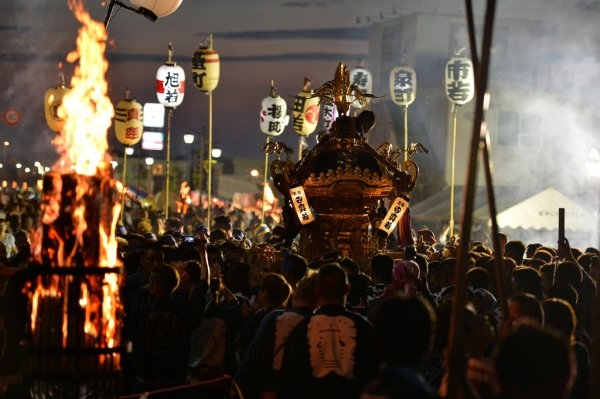
NASU FARM VILLAGE

NASU FARM VILLAGE

At Nasu Farm Village, you can spend some relaxing time with horses. It offers programs such as the Horse Trekking Program that even beginners can enjoy and the Horse Therapy Program to befriend a horse. Children and people who are still not quite ready to ride a horse can join this program with peace of mind. The restaurant offers the chef’s special lunch boxes featuring seasonal vegetables harvested on the farm. *Guidance for horseback riding is provided in Japanese. For safety reasons, you may only ride a horse if you understand Japanese or if you have an interpreter to explain the instructions for you.

Nikko kaido Oshu kaido TOCHIGI
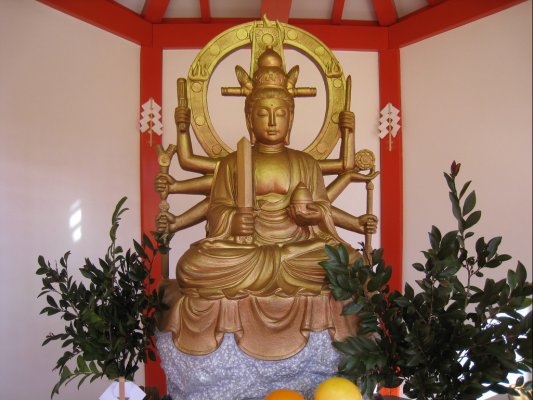
Nasu Mukunone

Nasu Mukunone

Feel nature, savor memorable dishes, and enjoy the space of a luxurious and relaxing retreat at Mukunone. The grounds of Mukunone consist of three areas: AUBERGE featuring villa accommodation and a restaurant that serves dishes prepared with a wide variety of seasonal ingredients and specialty food of Nasu; B&B for a casual overnight stay and breakfast; and Mizuniwa featuring its one and only landscape designed by the architect Junya Ishigami. In this precious space, you can spend time connecting with magnificent nature and reflecting on yourself. 【About Mizuniwa】 Mizuniwa is a spectacular architectural and art piece created with the precise calculation and sensibility of the architect Junya Ishigami. It is a place with a picturesque landscape that makes you want to close your eyes and take deep breaths. Trees keep growing and the stream continues to flow. With these continuous changes, Mizuniwa is a forever unfinished beautiful landscape. *Mizuniwa is open to the public (reservation required).

Nikko kaido Oshu kaido TOCHIGI