
Greater Tokyo

See & Do

reset
Utsunomiya Joshi Park

Utsunomiya Joshi Park

The History of Utsunomiya Castle Utsunomiya Castle is believed to have been originally built by the legendary Japanese warrior Fujiwara no Hidesato. During the medieval period, it served as the stronghold of the Utsunomiya clan for generations. After the Utsunomiya clan was stripped of its land by Toyotomi Hideyoshi, Utsunomiya Castle became the residence of fudai daimyō (samurai families who had pledged loyalty to the Tokugawa clan before the Battle of Sekigahara) during the Edo period. The castle also played an important role as a key stopover point for Tokugawa shoguns traveling to Nikkō Tōshō-gū to pay their respects. In 1868, the castle was engulfed in the flames of war during the Boshin War, a conflict between the new Meiji government forces and the remnants of the Tokugawa shogunate. Most of the original structures were destroyed in the battle. Today, the castle ruins have been transformed into a historical park, with efforts focused on reconstructing parts of the Edo-period (1600–1867) main keep (Honmaru) to preserve its legacy. Utsunomiya’s Earliest and Most Famous Cherry Blossom Viewing Spot From March to April, Utsunomiya Castle Ruins Park is adorned with beautiful cherry blossoms. The season begins in mid-to-late March with the early-blooming Kawazu-zakura, followed by Somei Yoshino, Shidare-zakura, and finally culminating in the Oyama-zakura in mid-April. For a full month, visitors can immerse themselves in a breathtaking sea of pink petals. During cherry blossom season, the park hosts the Utsunomiya Sakura Festival, featuring stage performances, local street food stalls, and festive activities in addition to stunning cherry blossoms. This makes it one of Utsunomiya’s most renowned hanami (cherry blossom viewing) spots.

Nikko kaido Oshu kaido TOCHIGI
Tenpyo-no-Oka Park

Tenpyo-no-Oka Park

The vast grounds of Tenpyo-no-Oka Park consist of pristine forest containing a number of historic sites. A great number of visitors come to the Tempyo flower festival held in mid to late April when the 450 double-flowered cherry trees bloom. Enjoy strolling through the woods and travel back in time with a visit to one or more of the various museums in the park. The “Botchan Bus” departs from in front of the folklore museum for a 15-minute circumnavigation of the park – popular for families and perfect for sightseeing. A popular sight is the stone-walled keyhole-shaped ancient tomb of Kunimiyama. Clap your hands under the stairs in the ring-shaped area of the tomb, and hear the echoing sounds of a roaring dragon reverberate back from the large stone above. On the first Sunday of November the Tenpyo Imoni Festival is held here serving home-style Imoni soup to 3,000 guests. The soup is made with local produce including dried gourd strips, taro roots and leeks in a huge pot measuring 2.5 metres across. ☆

Nikko kaido Oshu kaido TOCHIGI
Kinugawa Onsen

Kinugawa Onsen

Discovered more than 300 years ago, these venerable Onsen were open only to monks and daimyo samurai visiting Nikko at that time. Since opening to the public in late 19th century, the hot springs have had many visitors and developed into a great spa resort. The hot spring water is smooth and gentle on the skin with a light alkalinity, and is thought to help nerve pain and stiff shoulders, relieve tiredness and promote good health. There srounded many theme parks or sightseeing spots, and good place for the base to go sightseeing in Nikko.

Nikko kaido Oshu kaido TOCHIGI
Irohazaka

Irohazaka

Irohazaka is a pair of winding roads (ascending and descending) connecting Nikko-city and the mountainous Lake Chuzenji area. The roads are named after the 48 syllables of the Japanese alphabet (kana) as they contain 48 hairpin turns while rising and falling 440 metres in elevation. The best viewing spot is the Akechidaira observatory on the descending road. The picturesque landscape is known as the most beautiful place to celebrate autumn leaves in Nikko, and it is well worth putting up with the traffic on the roads at this popular time.

Nikko kaido Oshu kaido TOCHIGI
Mt. Ohira Cherry Blossom Festival

Mt. Ohira Cherry Blossom Festival

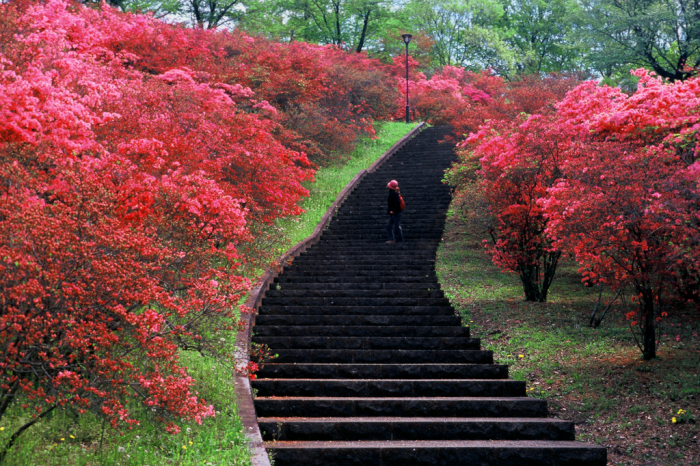
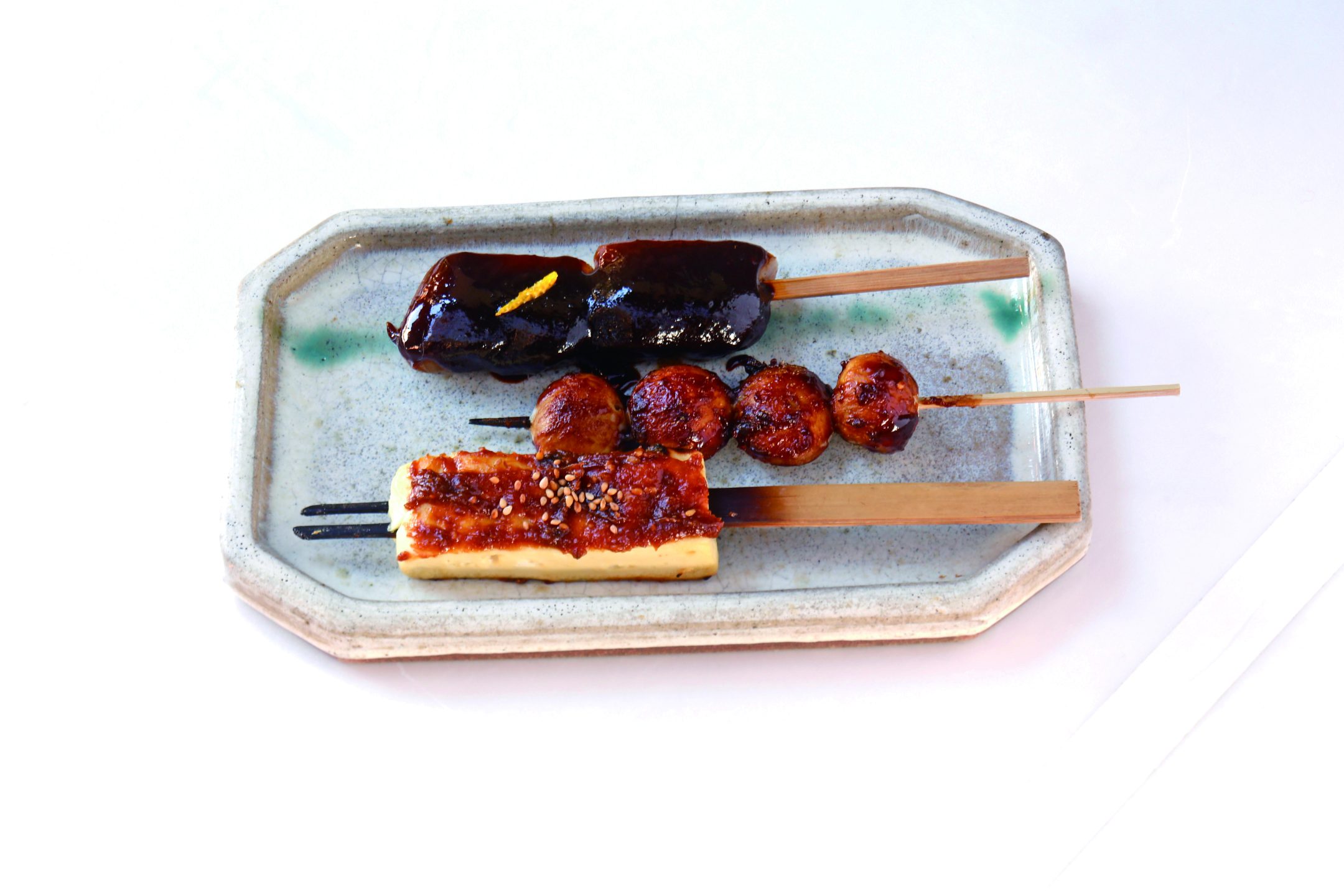
Famous for its “Warehouse Town” scenery, Tochigi City hosts the Mt. Ohira Cherry Blossom Festival in early April. Located west of the city, Mt. Ohira is covered with about 4,000 cherry trees, forming a spectacular 2-kilometer-long tunnel of blossoms along the sightseeing road from the foot of the mountain. On the opposite side of the summit, the Kenshin-daira Observatory offers panoramic views of the Kanto Plain’s picturesque rural landscapes. On clear days, you can even see Tokyo Skytree and Mt. Fuji. Nearby eateries serve Mt. Ohira’s three famous specialties—rice dumplings, grilled chicken skewers, and rolled omelets—providing a feast for both the eyes and taste buds. At the foot of Mt. Ohira stands Taisan-ji, an ancient Shingon Buddhist temple. Its grounds are home to a 360-year-old weeping cherry tree, said to have been planted by the mother of Tokugawa Ietsuna, the fourth shogun of the Tokugawa Shogunate. The weeping cherry season begins in late March. For details, please check the Tochigi City Tourism Association website.

Nikko kaido Oshu kaido TOCHIGI
ONSEN RYOKAN YAMAKI

ONSEN RYOKAN YAMAKI

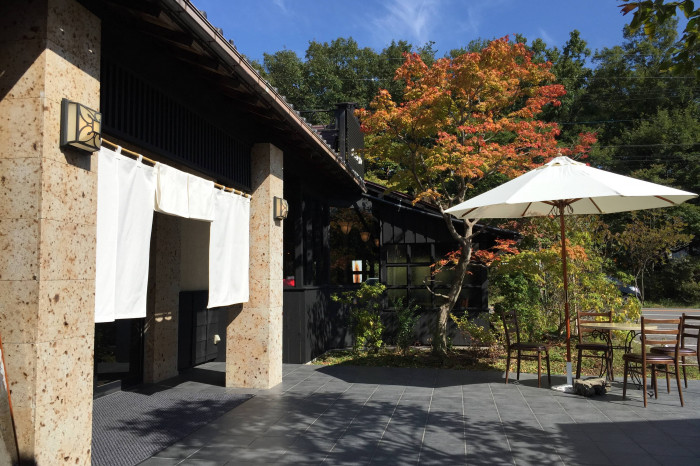
Onsen Ryokan Yamaki is a Japanese style inn built to help guests escape from the daily hustle and bustle and fully relax and heal the body and soul. The ryokan experience here is designed based on the principles of the tea ceremony: harmony, respect, purity, and calmness. These principles, as the ryokan’s philosophy, are also incorporated into its guest rooms, hot springs, meals, and staff hospitality. Calm guest rooms feature the warmth of wood and diatomaceous earth on walls. All guest rooms are designed differently, and some have a scenic cypress bath filled with hot spring water flowing endlessly from its original source. The hot spring here was discovered in 1059. It is called Itamuro hot spring and is famous as the “medicine water of Shimotsuke (old name of the area).” It is said to warm people’s bodies from the core and alleviate fatigue and joint pain. The inn also offers esthetic treatment using essential oil (reservation needed). Please enjoy the hot spring and the treatment to relax and slowly unwind from the long day of your trip. For dinner, the inn serves a Japanese multi-course meal designed based on one of its guiding principles of “respect” for local production and consumption. The dinner menu is developed to serve you a healthy meal prepared with wild plants, vegetables harvested from nearby areas, and seasonal ingredients. Please savor the out-of-the-ordinary time of healing and relaxation produced by Onsen Ryokan Yamaki. 【About the hot spring】 Water color: clear Spring water type: simple alkaline spring water Efficacy: alleviates sensitivity to cold, fatigue, nerve pain, and sore muscles, improves health, and so on

Nikko kaido Oshu kaido TOCHIGI
Nasu Mukunone

Nasu Mukunone

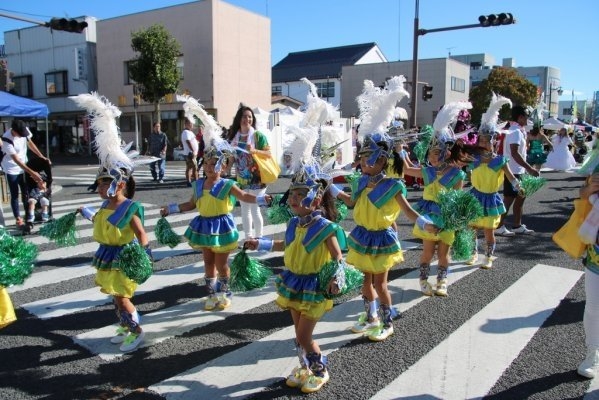
Feel nature, savor memorable dishes, and enjoy the space of a luxurious and relaxing retreat at Mukunone. The grounds of Mukunone consist of three areas: AUBERGE featuring villa accommodation and a restaurant that serves dishes prepared with a wide variety of seasonal ingredients and specialty food of Nasu; B&B for a casual overnight stay and breakfast; and Mizuniwa featuring its one and only landscape designed by the architect Junya Ishigami. In this precious space, you can spend time connecting with magnificent nature and reflecting on yourself. 【About Mizuniwa】 Mizuniwa is a spectacular architectural and art piece created with the precise calculation and sensibility of the architect Junya Ishigami. It is a place with a picturesque landscape that makes you want to close your eyes and take deep breaths. Trees keep growing and the stream continues to flow. With these continuous changes, Mizuniwa is a forever unfinished beautiful landscape. *Mizuniwa is open to the public (reservation required).

Nikko kaido Oshu kaido TOCHIGI
Yakushiji Hachimangu Shrine

Yakushiji Hachimangu Shrine

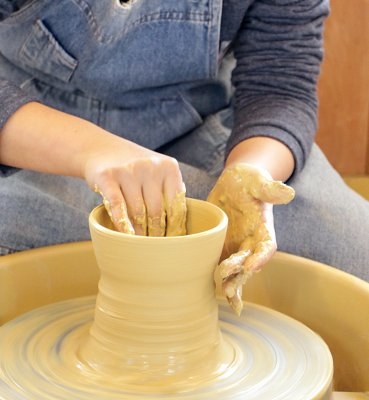
Yakushiji Hachimangu Shrine is also referred to as "Hachiman for warding off misfortune and disaster" and attracts a large number of worshippers.It was also known as the patron saint of the Genji and is known as a shrine where prayers are answered as Minamoto no Yoriyoshi and Minamoto no Yoshiie pracyed for victory in battle there. The shrine has long served as a patron saint for successive feudal lords and a center of faith for the people."

Nikko kaido Oshu kaido TOCHIGI
Mahoroba no Yu Yushinkan

Mahoroba no Yu Yushinkan

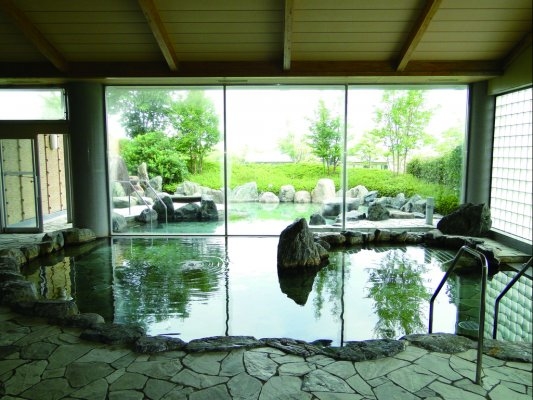
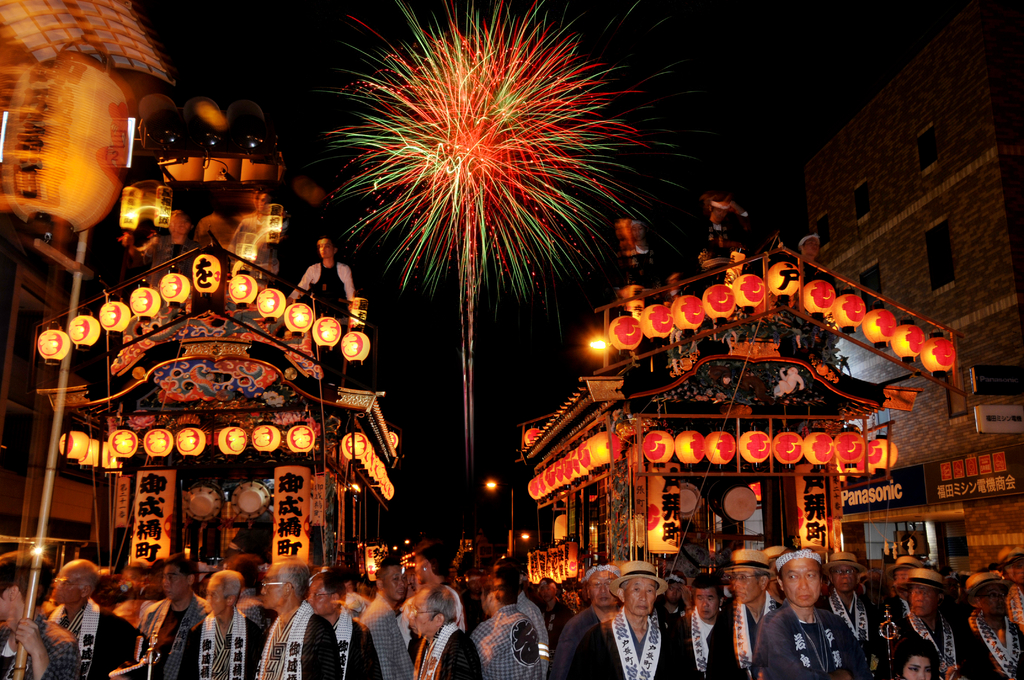
This day-trip hot spring is in Nasu County, Tochigi Prefecture. Along with an expansive indoor bath there's an open-air bath to enjoy while looking at the Nasu Mountain Range and listening to the Nakagawa River. The spring is a sodium - sulfate chloride spring and it is known to help with strokes. In addition to baths, Yushinkan has a large banquet hall and smaller halls, a relaxation corner, restaurant, snack corner and more.Do make sure to stop by for a visit."

Nikko kaido Oshu kaido TOCHIGI
Okada Memorial Museum

Okada Memorial Museum

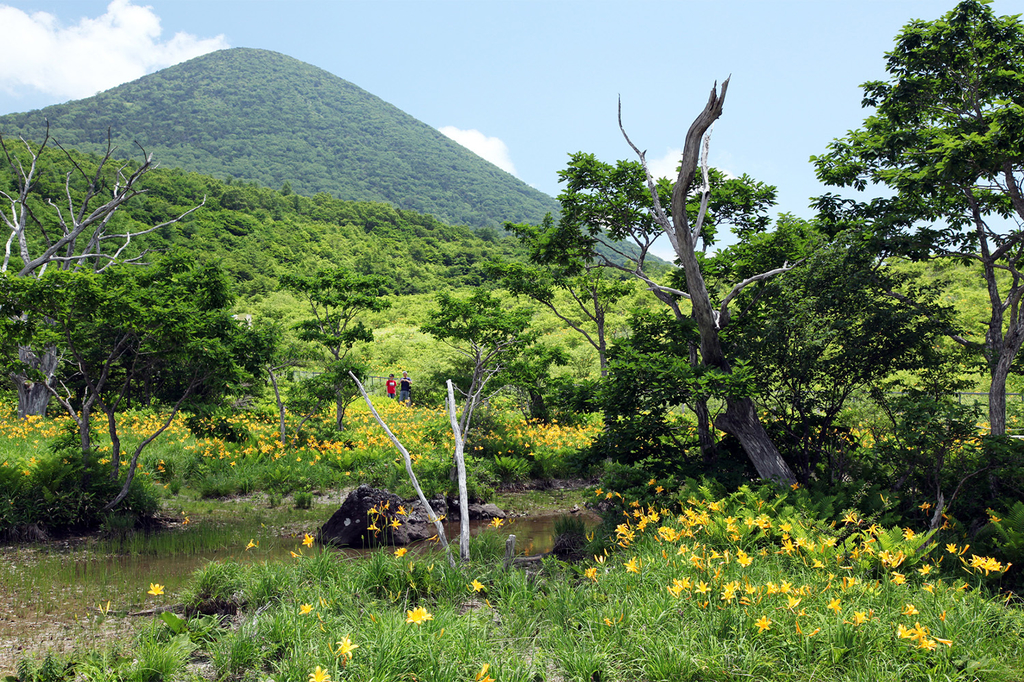
This memorial museum celebrates the Okada family, a family whose history dates back over 550 years and which was once one of the leading families of Tochigi City. The museum's expansive grounds sprawl across some 13,000 square meters, inside, the museum displays treasures passed down through the generations in the Okada family. Said to have moved to the area from distant Sanjo in Kyoto, in the Edo period the family is said to have provided leadership in creating the foundations of daily life and to have contributed to the building of a stable community. Later, the Tokugawa clan gave the area the title of Kauemon Shinden Village, which then became Kauemon Shinden Town (now Kauemon-cho)."

Nikko kaido Oshu kaido TOCHIGI
Ryuzu Falls

Ryuzu Falls

Ryuzu Falls cascades 210 metres down 10-metre wide terraces of volcanic rock from a historic eruption of Mount Nantai. The name “Ryuzu” (dragon’s head) comes from the presence at the base of the falls where a huge rock splits the waterfall in two. The area is popular for its stunning views of red and purple azalea blossoms from May to June as well as the autumnal red leaves in late September. The viewing platform offers the best view of the waterfall surrounded by the colours of the season. Ryuzu Falls is a popular location for visitors and is known as one of the five best falls in Nikko,along with Kegon Falls,Kirifuri Falls,Urami Falls, and Yudaki Falls.

Nikko kaido Oshu kaido TOCHIGI
Shiobara Onsen-kyo

Shiobara Onsen-kyo

A historic Onsen town visited by many great Japanese writers, this unique Onsen-kyo boasts thermal spring water with a range of qualities and benefits. Select a hot spring depending on your physical condition or mood. There are also various nature trails along the mountain stream. Popular both as a summer resort and when the autumn leaves on display, why not take a stroll around the town with the local specialty “To-te-yaki” (something like a thick crepe) in hand?

Nikko kaido Oshu kaido TOCHIGI
shiobara viva

shiobara viva

Your Guide, Ann who has traveled to 30 countries,leads a "Satoyama Experience of Healing and Smiles." Tour the mountains, rivers, waterfalls, hot springs, and literary sites of Nasushiobara, experiencing the region's unique stories and natural beauty. Small group sizes ensure beginners and families can participate comfortably.Themes change seasonally, offering farming, Satoyama lunches, snack making, hot springs, and cultural experiences, allowing everyone to enjoy "time connecting people and nature."

Oshu kaido Nikko kaido TOCHIGI
HOTEL HIGASHINIHON UTSUNOMIYA

HOTEL HIGASHINIHON UTSUNOMIYA

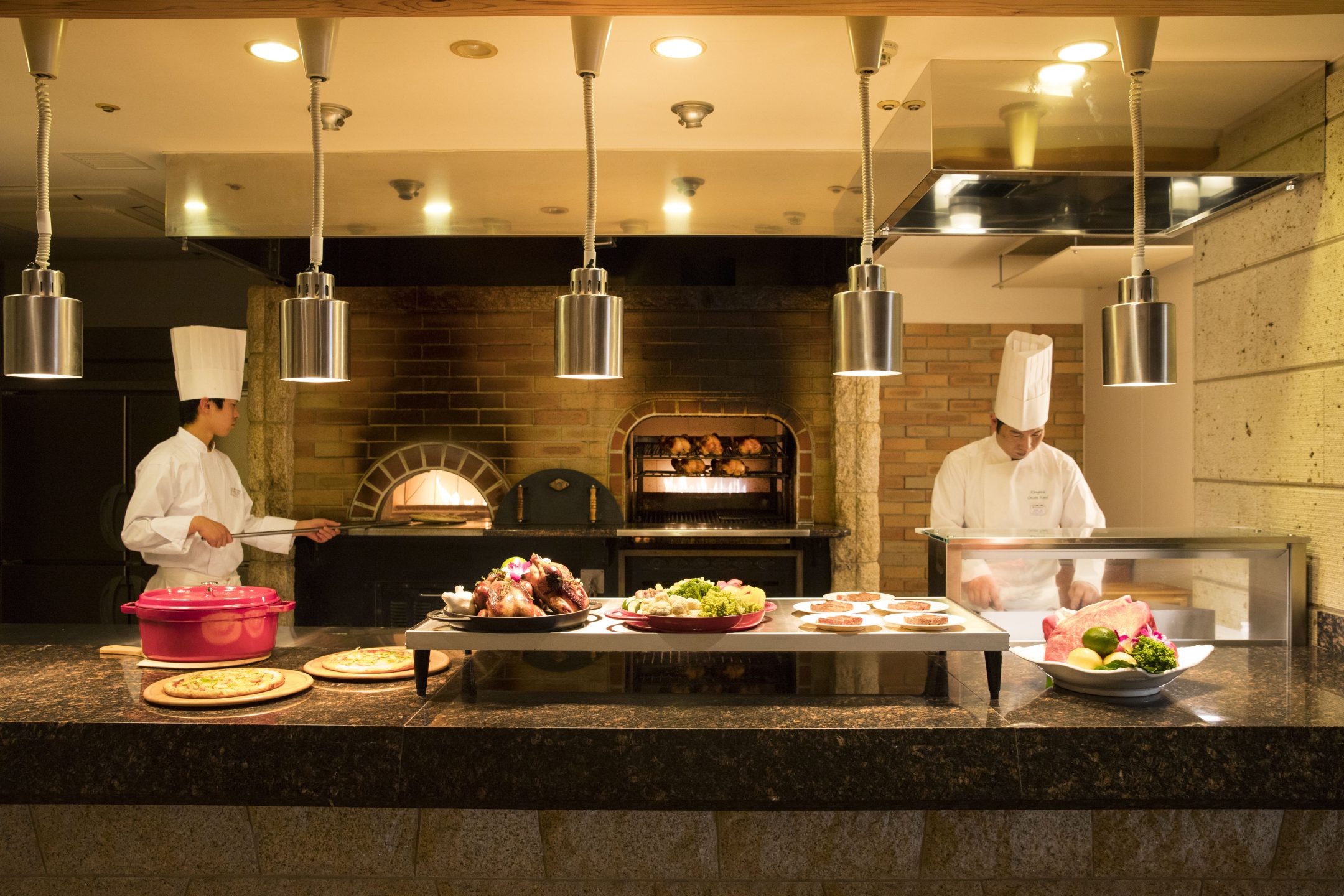
Hotel Higashinihon Utsunomiya is designed with a British taste featuring a high and spacious atrium and stately and elegant space. The hotel has eight restaurants with a rich international flavor including a teppanyaki restaurant with Tochigi Wagyu as the main feature, a high-end traditional Japanese-style restaurant with a garden view, a Japanese restaurant serving food prepared with seasonal ingredients, and so on. The hotel welcomes guests with spacious rooms. Even a single room is 20m2, and there are also a wide variety of rooms ranging from twin rooms to royal suites, ensuring a relaxing stay.

Nikko kaido Oshu kaido TOCHIGI