
Greater Tokyo

See & Do

reset
Ryushun Falls

Ryushun Falls

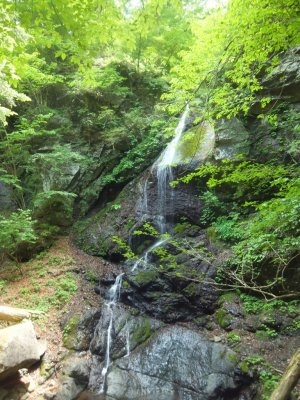
The waterfall can be reached via a 10 minute walk from the Ryushun parking area on the left side of the road past the Saruiwa Tunnel on National Route 400. Just past the Ryushun no Tsuribashi suspension bridge, the falls are 15 meters tall. The falls’ name means “spring flowing,” said to be an allusion to the fact that the falls dry up for three months in winter and don’t start flowing again until spring. Although not a particularly strong waterfall, the sight of the waters quietly flowing over the bare rock wall is elegant and soothing. The area around where the Ryushun no Tsuribashi suspension bridge crosses Senryu Gorge is also quite beautiful and popular destination to walk."

Nikko kaido Oshu kaido TOCHIGI
Boken Katsudo Center

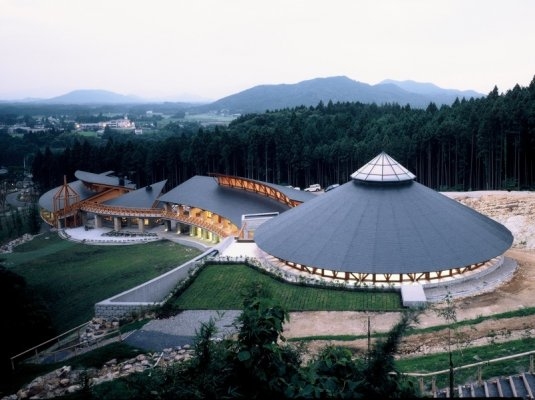
Boken Katsudo Center

The Utsunomiya City Adventure Activity Center is a hands-on learning facility for children with little opportunity to come in contact with nature to develop creativity, teamwork and independence by learning about nature. The center has a full range of facilities including a spacious arena, an observation deck looking out on Mt. Nantai and the Nikko Mountains, wall climbing and an adventure area with a rope swing, a wooden bridge, a cave and more."

Nikko kaido Oshu kaido TOCHIGI

Heike Taisai (Grand Festival of Heike)

Heike Taisai (Grand Festival of Heike)

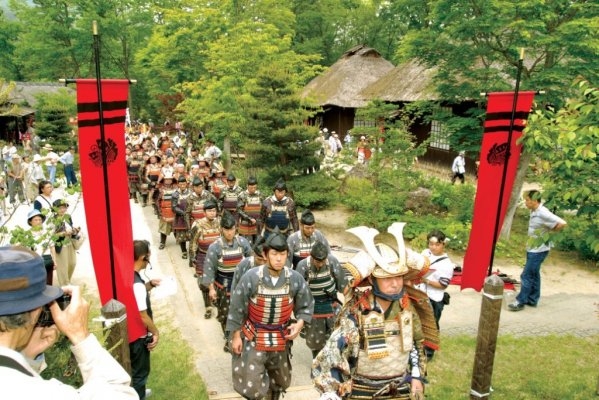
A festival in order to in honor Heike Family The Taira Clan (also called Heike), one of the most powerful family in Heian period, dominated the imperal captain of Heian. However, after the death of their leader, Taira no Kiyomori, their rivals the Minamoto Clan (the Genji),which culminated in the Genpei War (1180-1185 AD). The five-year-long war concluded with a decisive Taira defeat in the naval Battle of Dan-no-Ura.   It is said many Heike family and their samurais ran away from Genji's army, and hided in Yunishigawa Onsen. In order to honor those samurai who fighting for the Heike family, people live in Yunishigawa Onsen hold the "Heike Taisai" every year.   Become a princess of Heike!  A traditional Yunishigawa festival held in early June, featuring Biwa (Japanese lute) performances, dances and theatrical plays. The highlight of the festival is the “Emaki Gyoretsu Procession”, where over 200 people dressed as heroic Samurais or elegant princesses parade through the town. Visitors can also apply to join the march.

Oshu kaido Nikko kaido TOCHIGI
Hunter Mountain Shiobara

Hunter Mountain Shiobara

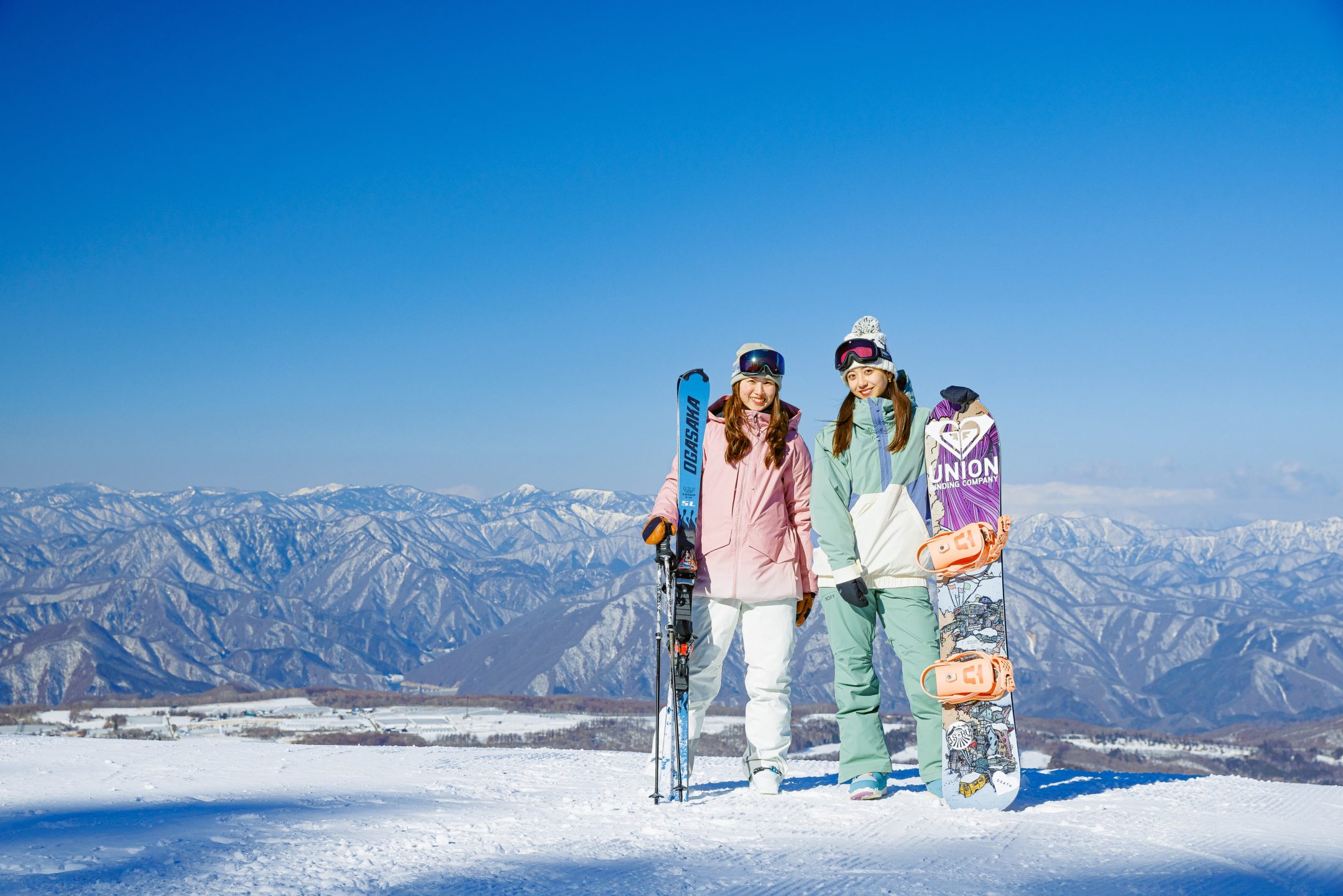
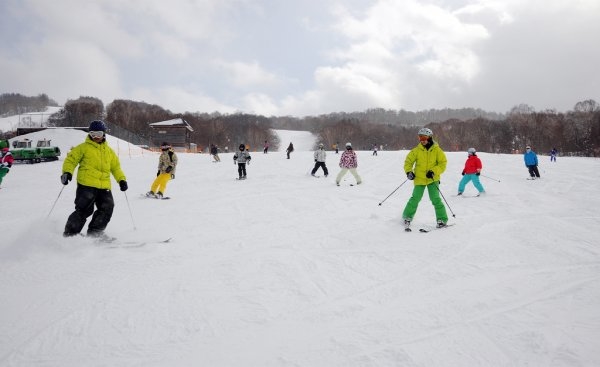
A popular ski and snowboard resort with great accessibility from Tokyo. Well-equipped to cater for all levels, the resort boasts 12 trails including a full-scale 3km downhill, a half pipe and a slalom trail for the advanced, plus trails for beginners and children and a child-friendly area for sleighs and snow play. The resort also offers seasonal delights such as slopes of lilies in summer and coloured leaves in autumn that can each be viewed from the ropeway.

Nikko kaido Oshu kaido TOCHIGI
Utamaro Festival

Utamaro Festival

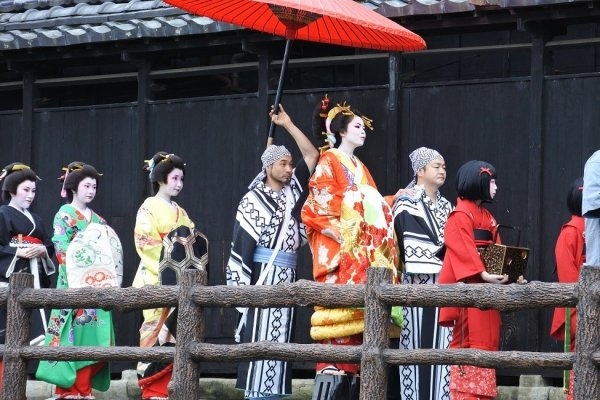
Held in early October each year, the Utamaro Festival celebrates the legacy of Kitagawa Utamaro, a renowned ukiyo-e artist of the mid-Edo period who had close ties to Tochigi City. Many of his works were created here, and the city, with its well-preserved Edo-period architecture, is often called “Little Edo.” The festival’s highlight is the Utamaro Dōchū parade, where performers dressed in gorgeous kimono proceed slowly along Kuranomachi Ōdōri Street, recreating the elegance of the Edo era. The festivities also feature music performances, fireworks, street illuminations, and a handmade market, immersing the entire town in a joyful celebration of culture and tradition. Notably, Kitagawa Utamaro will also be featured in the 2025 NHK Taiga drama Unbound, bringing renewed attention and respect to this ukiyo-e master. Visiting the Utamaro Festival offers a rare opportunity to experience the fusion of historical culture and modern creativity. Strolling through the lantern-lit streets of Kuranomachi, you can enjoy the vibrant atmosphere of the parade and illuminations while discovering the timeless charm of Japanese traditional arts—an unforgettable highlight of any autumn trip.

Nikko kaido Oshu kaido TOCHIGI
Okunasu Taishomura Sachinoyu Onsen

Okunasu Taishomura Sachinoyu Onsen

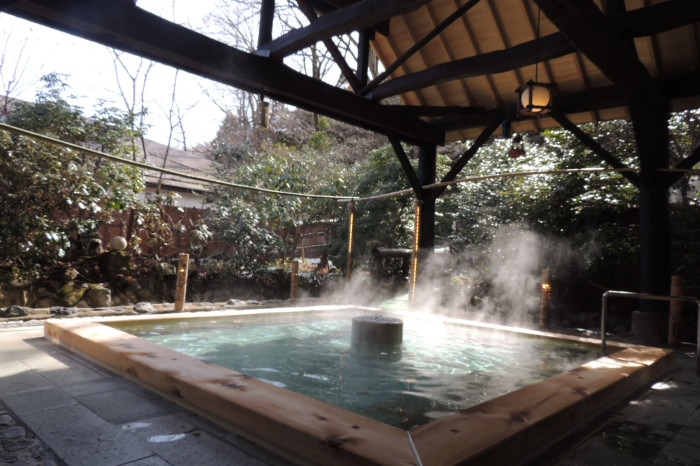
Loved by many women for its skin-beautifying and health-promoting effects, this hot spring inn even produces its own “Shutsuyoku Bijin” facial lotion made from fresh spring water. To celebrate its 30th anniversary, Okunasu Taishomura Satinoyu Onsen restored its unique “Tsuna-no-Yu” bath in August 2014. This distinctive bathing style involves holding onto a rope tied to the beams of the bathhouse while standing in waist-deep water in a bath over one meter deep. Popular in the mid-1960s, it was believed to improve peripheral nerve function and promote blood circulation, attracting many visitors seeking relief from joint and nerve pain. The bath, paved with river stones, measures 4.3 meters long, 2.6 meters wide, and 1.25–1.4 meters deep. Hot spring water wells up from below, stimulating the soles of the feet and letting bathers fully enjoy the benefits of the high-quality spring water. Day-trip visitors can also try the Tsuna-no-Yu. It is available to men on Mondays, Wednesdays, and Fridays, and to women on Tuesdays, Thursdays, Saturdays, and Sundays.

Nikko kaido Oshu kaido TOCHIGI
Iwashita New Ginger Museum

Iwashita New Ginger Museum

A museum dedicated to Iwashita Young Ginger (pickled ginger), which is commonly eaten across Japan. The inside of the museum is a soft pink, matching the distinct color of the products. There are also plenty of playful photo spots at the museum for you to have fun and enjoy yourself, such as the "Ginger Jinja" (Ginger Shrine) that's said to give you good luck in love, and a giant, 5-meter tall young ginger "hat" that you can try on. There is also a museum shop and cafe, so the museum is great for buying souvenirs and having a light meal too.

Nikko kaido Oshu kaido TOCHIGI
Nichien Momiji Line

Nichien Momiji Line

This 1000-meter-high and 28 kilometer-long scenic route connects Kinugawa Onsen with Shiohara Onsen. It has many scenic spot with natural beauty to enjoy such as Taikooroshino Falls and Shirataki Falls. The views from the Fujimidai observatory are also excellent. The fall foliage is especially beautiful around mid-October to early November each year. The Kinugawa Onsen and Kawaji Onsen hot springs districts are also located nearby. A toll is required to access the road."

Oshu kaido Nikko kaido TOCHIGI
Nikko Daiyagawa Park

Nikko Daiyagawa Park

This is a spacious park along both banks of the Daiya River, which runs through the city. It was built around the concept of appreciating the natural beauty of Nikko. The park includes auto camping grounds, sports fields, athletic training areas, a small restaurant serving local vegetables and natural features such as ponds and streams. Daiya-taiken-kan display a model of Nikko Toshogu (1/10 scale). Buildings, paintings and sculptures are finely expressed. "

Nikko kaido Oshu kaido TOCHIGI
Nikko Kaido Cedar Avenue

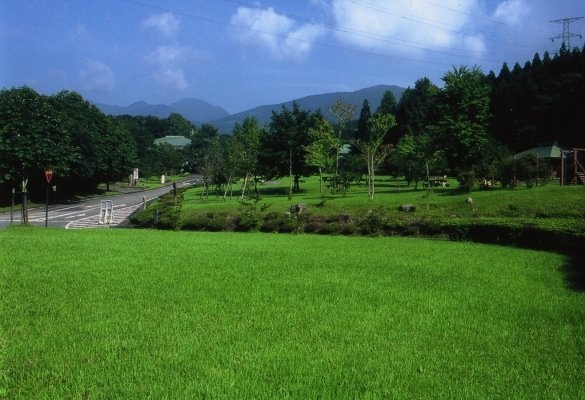
Nikko Kaido Cedar Avenue

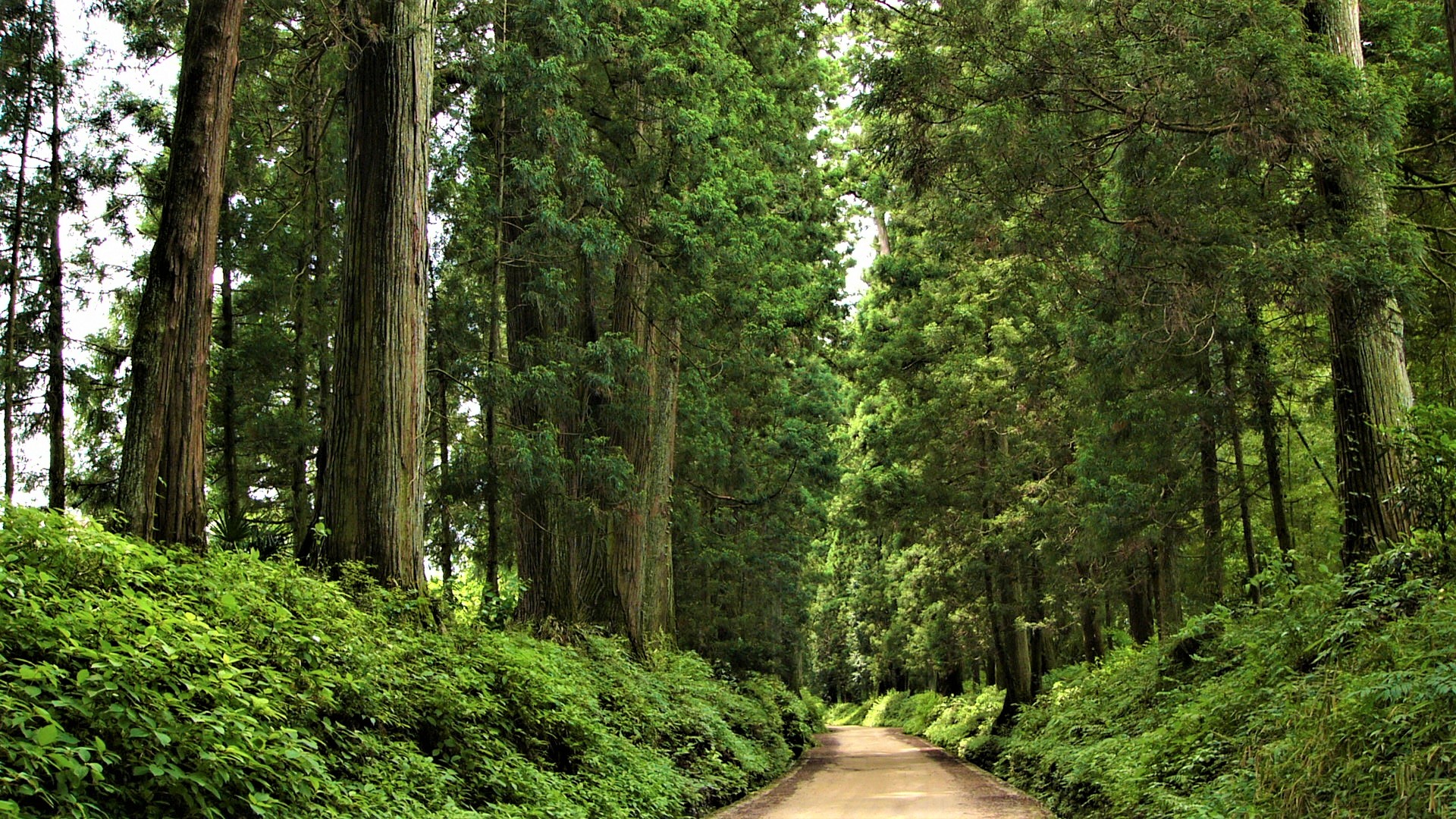
The Suginamiki Cedar Avenue in Nikko is a 37 kilometer (22 mile) stretch of tree-lined road extending along the Aizu Nishi-Kaido Road, the Reiheishi-Kaido Road, and the Nikko-Kaido Road. Matsudaira Masatsuna, a loyal subject of Tokugawa Ieyasu, planted 50,000 cedar trees over a period of 20 years starting in 1625. The trees line the approach to Nikko Toshogu Shrine, and on the 33rd anniversary of Ieyasu's death, Masatsuna donated the trees to the shrine in his honor. Cedar trees were chosen due to the ancient belief that the gods descend from the heavens down to Earth through cedar trees. Today, about 12,000 trees remain, and they are now protected. This truly magnificent tree-lined avenue was traversed by feudal lords in the Edo period roughly 400 years ago. Feel the history of the area as you retrace their footsteps.

Nikko kaido Oshu kaido TOCHIGI
Furumine Shrine

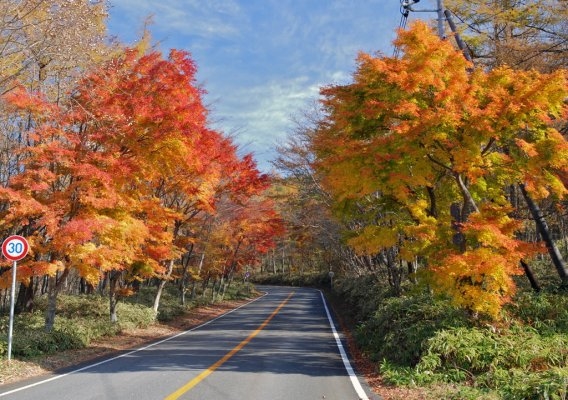
Furumine Shrine

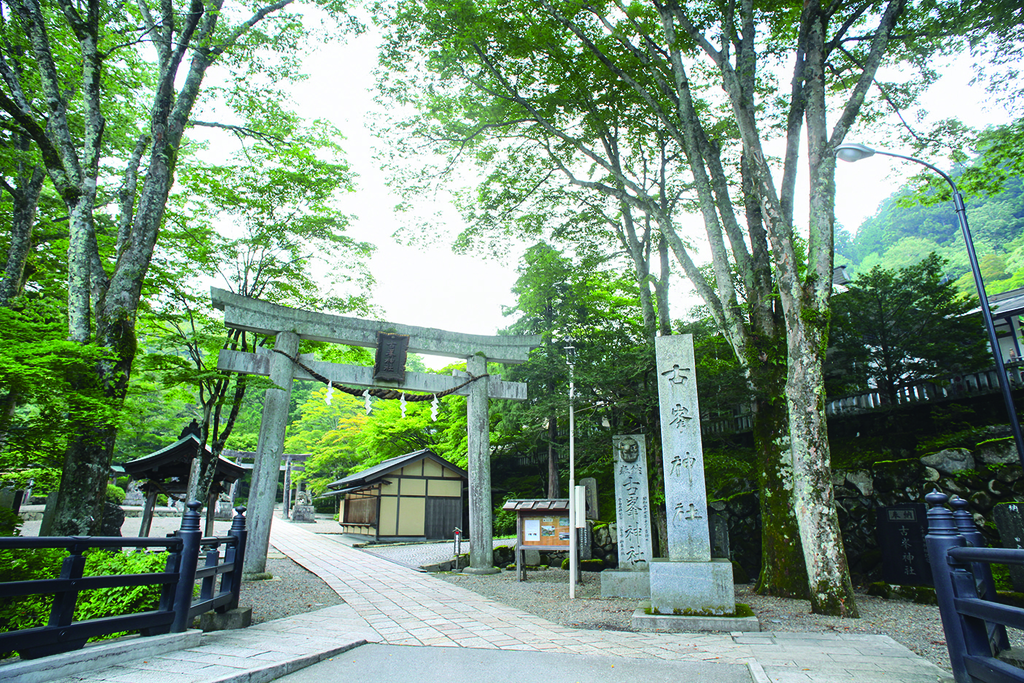
Furumine Shrine was built to worship the legendary hero Yamato Takeru 1,300 years ago. The shrine is where the monk Shodo Shonin, founder of the temples in Nikko, was trained. The shrine is also known for the enshrined Tengu, a messenger from the gods who protects people from bad luck. People come here to pray for good luck, fire protection, safe voyage, rich harvests, traffic safety, business success and family health as the god is believed to make all these wishes come true.

Nikko kaido Oshu kaido TOCHIGI
Local Sake and visiting Sake brewery

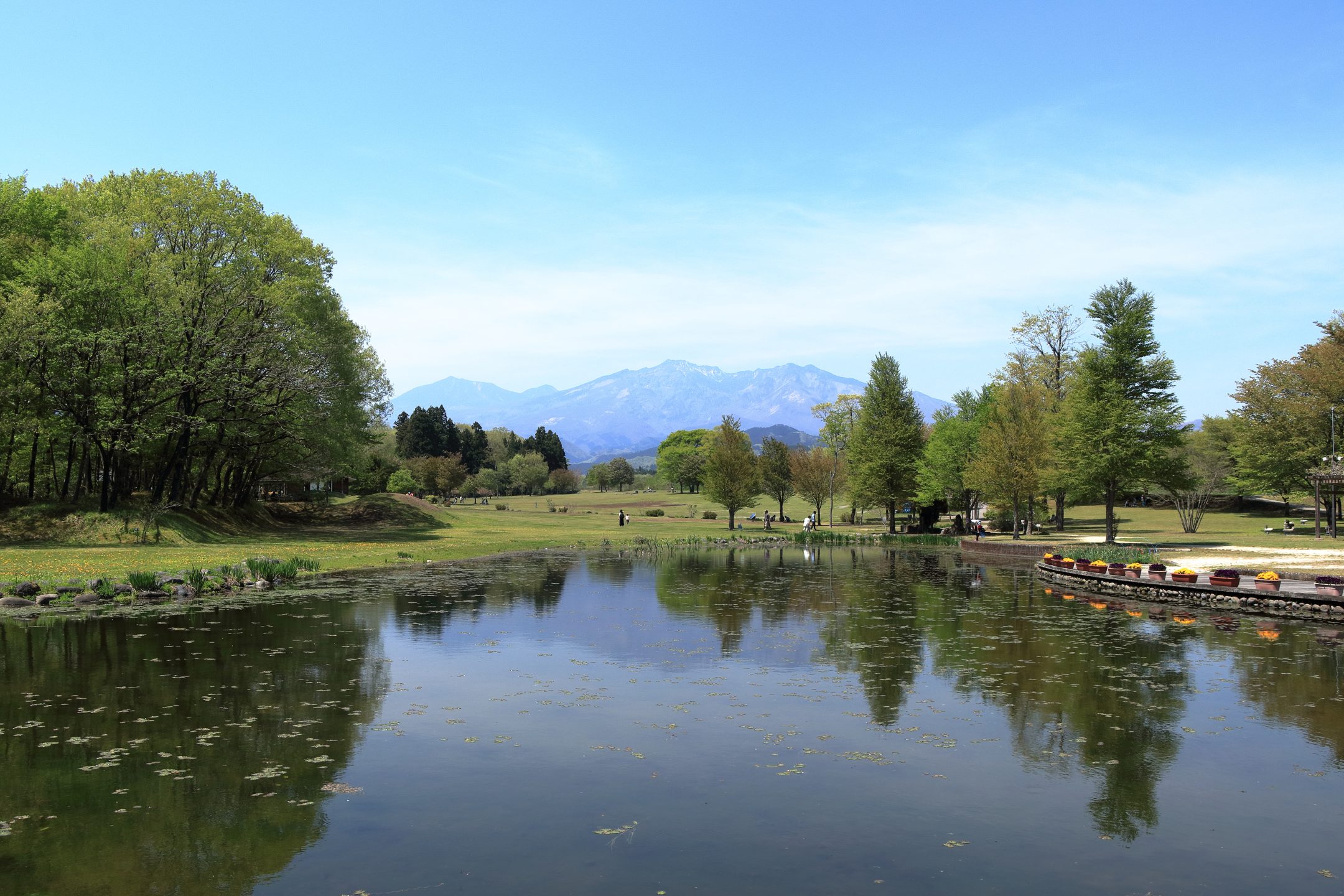
Local Sake and visiting Sake brewery

Water is an important ingredient making up 80 per cent of Sake. Tochigi has abundant clear spring water perfect for Sake, thanks to the range of mountains in the north and its one and only fresh stream near Tokyo. Skilled brewers produce a range of Sakes with unique flavours in various parts of Tochigi. Sake tasting and a tours of the production process are available at these breweries. You can also purchase Sake, cups for Sake and cosmetics and sweets made with Sake.

Nikko kaido Oshu kaido TOCHIGI
Bike rental and cycling in Mashiko

Bike rental and cycling in Mashiko

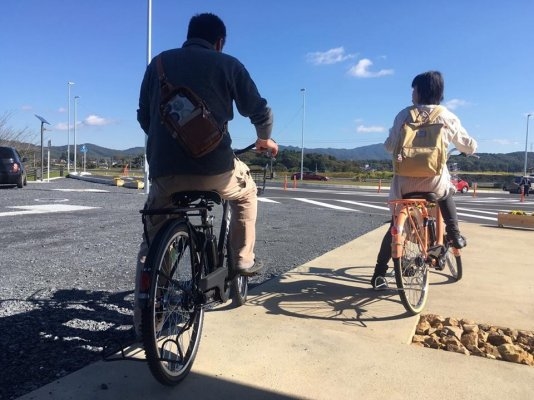
Why not enjoy cycling through the historic town of Mashiko and its natural surroundings? The local railway journey to Mashiko passes through picturesque countryside. On arrival the town of Mashiko offers bike rental to tourists at several bike stations including Yoshimura Farm, Michi-no-Eki Mashiko and the Mashikoyaki Pottery Sales Centre. Mashiko station is also available for returns only. Hire a bike and explore the streets of the old town lined with cafes and art galleries. All the rental bikes are Pedelecs (electrically assisted pedal cycles) and perfect for cycling around this hilly town. Enjoy exploring the town’s narrow streets and find your hidden gems!

Nikko kaido Oshu kaido TOCHIGI
Hotel MOKUREN

Hotel MOKUREN

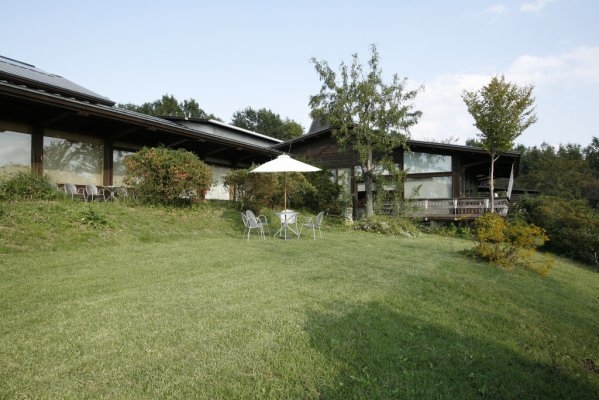
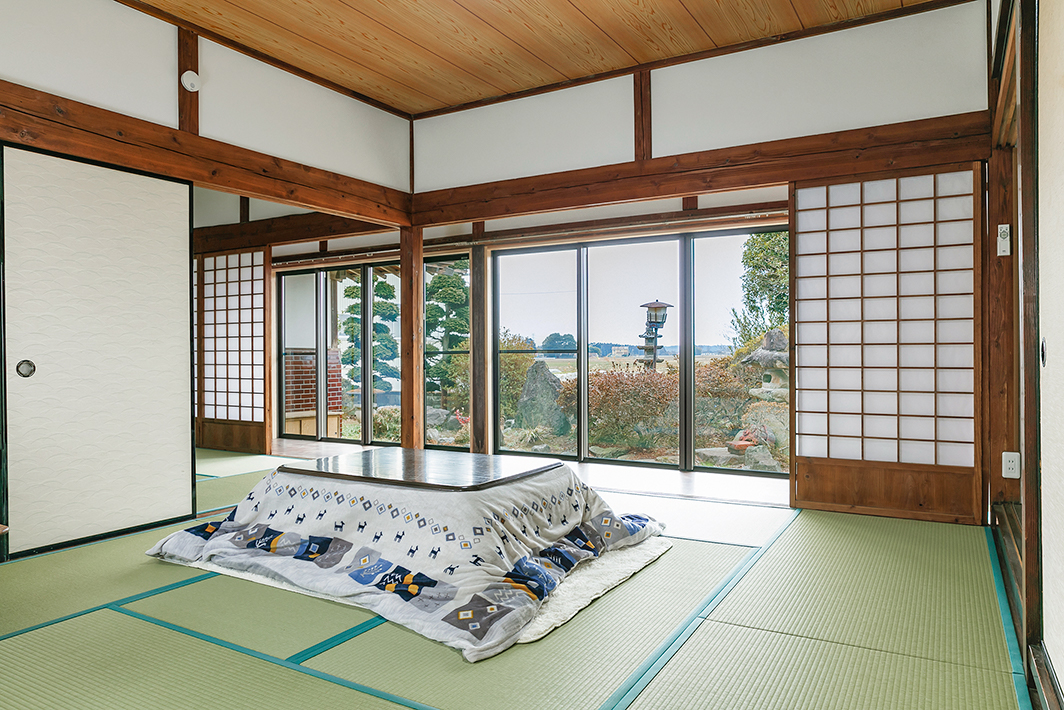
Hotel MOKUREN is a traditional Japanese house turned into an accommodation. They take only one reservation at a time, so guests can exclusively use the two spacious Japanese style rooms during their stay while enjoying a view of the vast countryside. Feel the essence of Japan in a relaxing space and enjoy a farming experience in adjacent fields and in the traditional storehouse, as well as sightseeing in Nasunogahara. The hotel does not have a meal service, but the guest room includes a kitchen where you can cook harvested farm products. The storehouse has a cooking stove for preparing rice and BBQ equipment. There are also restaurants and diners near the hotel. The guest room has a shower, but if you wish to have a relaxing soak in a larger space, you can try a nearby onsen. You can also borrow bicycles.

Oshu kaido Nikko kaido TOCHIGI