

Greater Tokyo

See & Do

reset
Shiroyama Katakuri-no-Sato

Shiroyama Katakuri-no-Sato

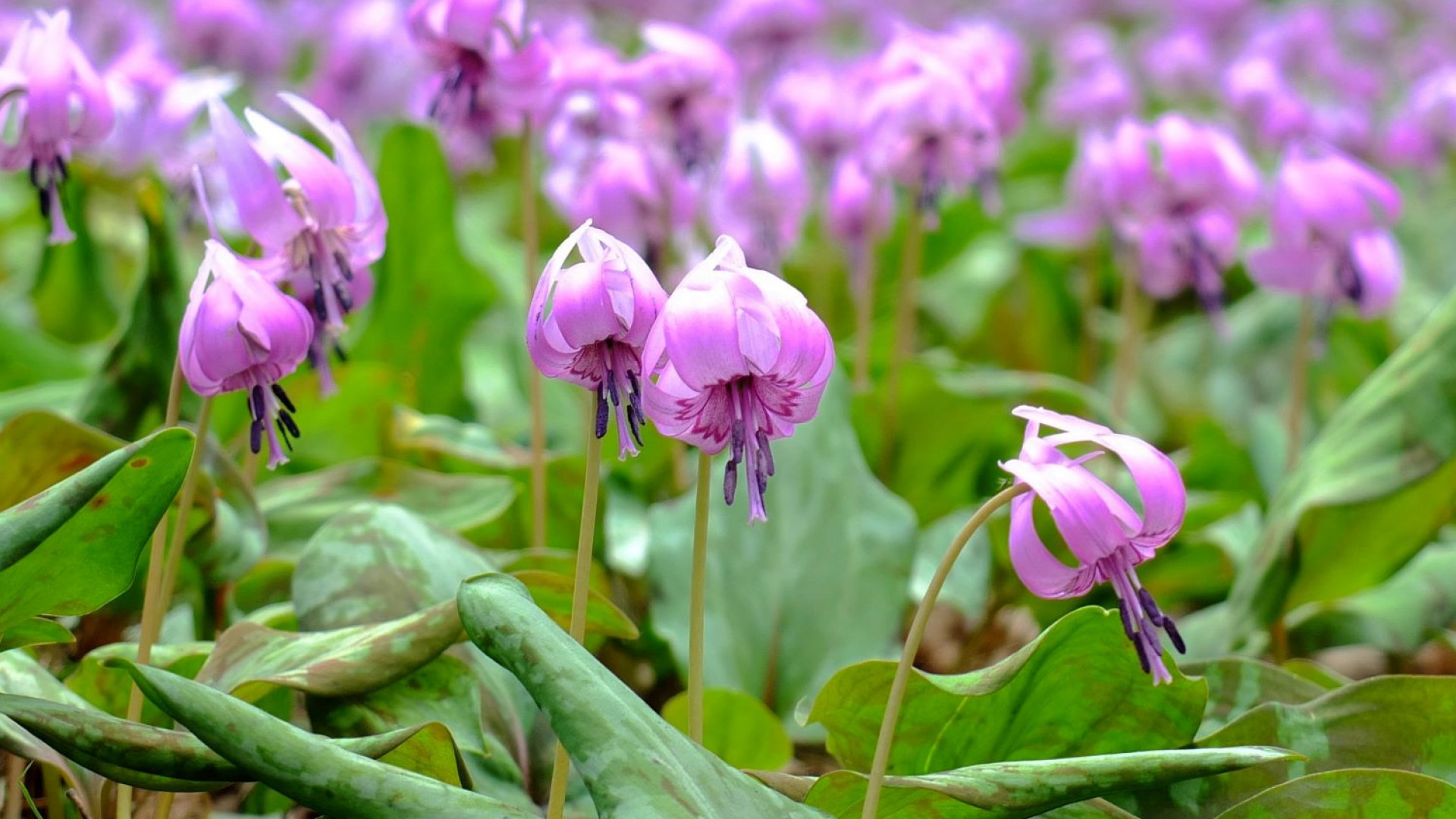
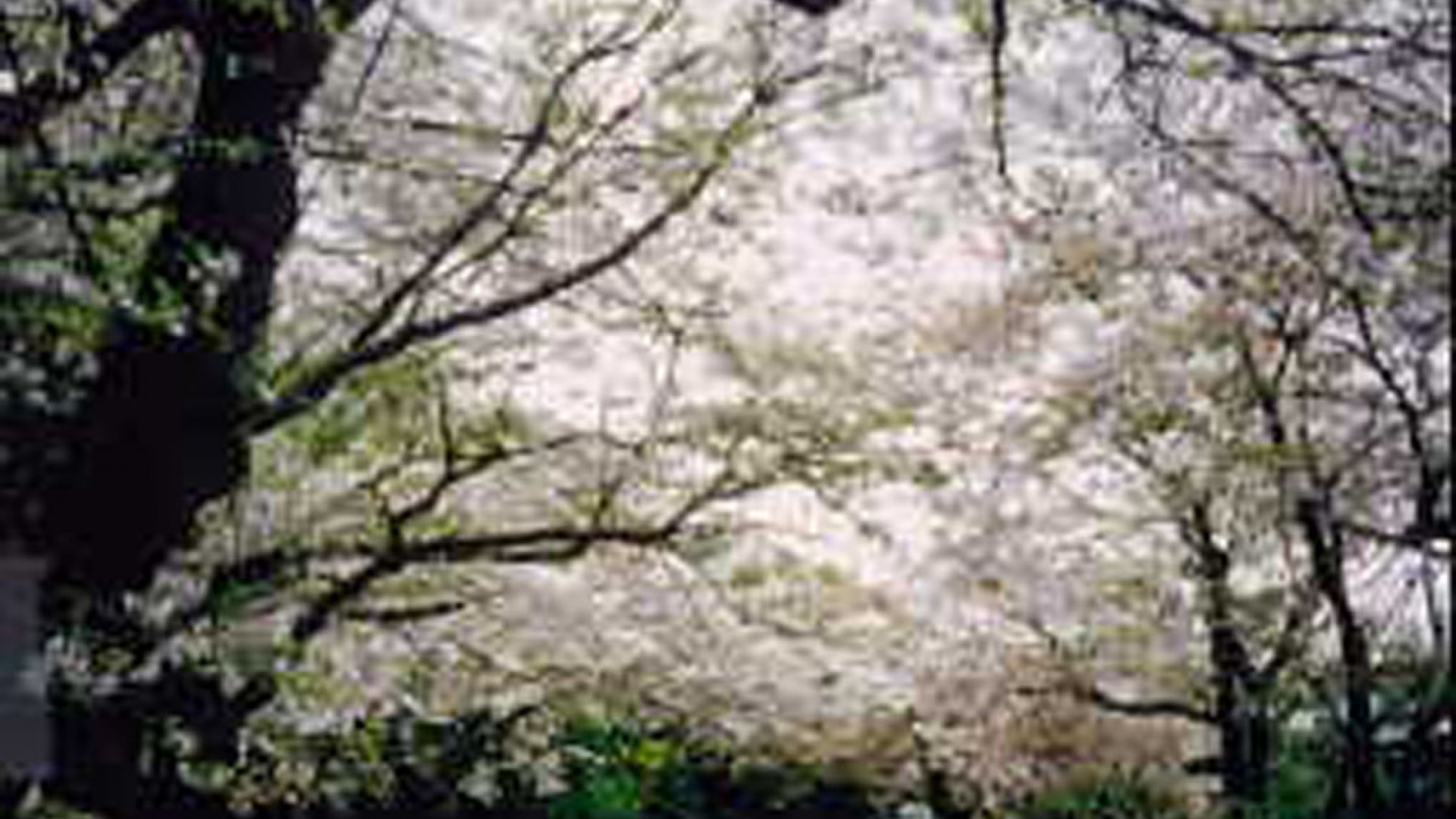
It is a privately owned forest, and is open to the public only in spring, when the dogtooth violet blooms. The well-groomed violets gently color the early spring after winter ceases with a subtle glow. The rare yellow violet and the white violet can also be seen. It is a famous place, which a lot of people visit during flowering season, with a camera in one hand. It has been selected as one of the “100 best places for flowers in Kanagawa”.

Nature & Views Tokaido Koshu kaido KANAGAWA
Midori Nouen

Midori Nouen

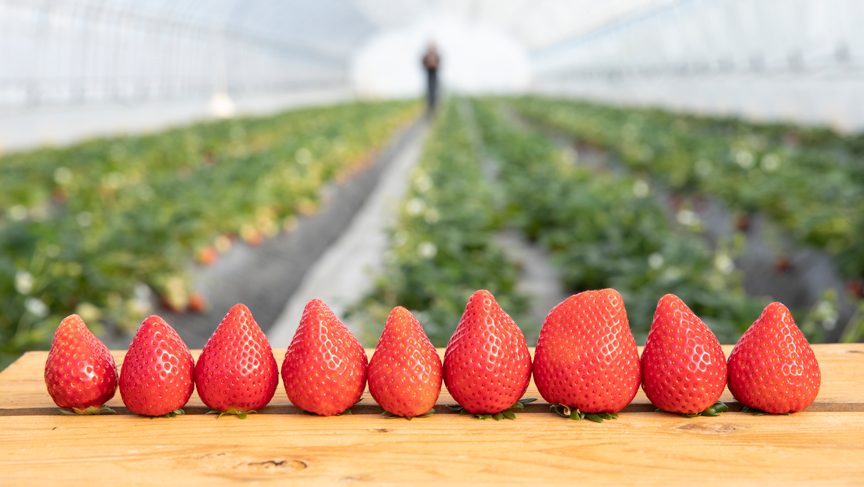
All staff at Midori Nouen love farming, want to make farming more fun, and believe in the power of farming. They grow strawberries of the Tochiotome and Tochi-Aika breeds, as well as asparagus and buckwheat. They prepare the soil using fully matured compost called Midori Compost and locally produced powder bamboo compost. The temperature around the farm fluctuates a lot and sometimes goes down to -8ºC. This makes vegetables grow while increasing their sweetness and tastiness in order to withstand the cold. Midori Nouen’s Tochi-Aika received the gold prize at the First National Strawberry Awards hosted by the Japan Vegetable Sommelier Association. At the shop on the farm, you can purchase not only strawberries but also processed products including strawberry jam, strawberry puree, and popcorn.

Nikko kaido Oshu kaido TOCHIGI
Shika no Yu

Shika no Yu

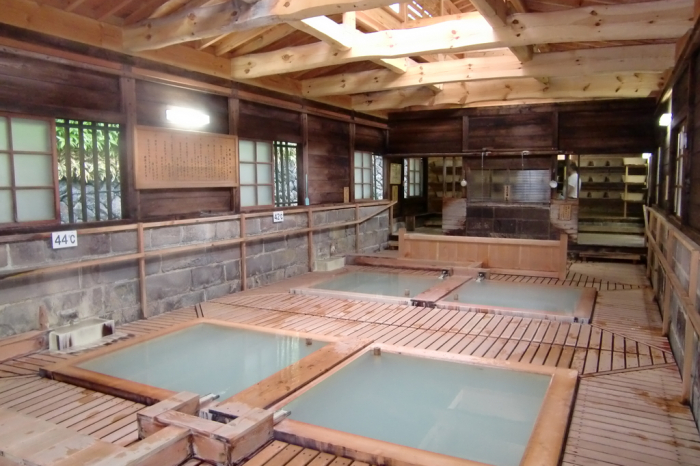
This hot spring facility is located in Yumoto, Nasu Town. It is said to have opened approximately 1,300 years ago. The origin of the discovery of this hot spring is said to be that a county official was hunting in the mountains and chased a deer that he missed shooting, and the deer healed its wounded body with the hot spring. It is considered the oldest hot spring in Tochigi Prefecture, and many of the surrounding hot-spring hotels use it as their spring water source. The baths are divided into six temperature levels ranging from 41–48 degrees Celsius (there is no 48-degree women’s bath). It is said that by following the bathing protocol, such as pouring water over yourself before entering the bath, you can increase the hot spring’s effects.

Nikko kaido Oshu kaido TOCHIGI
Nasu Heisei-no-Mori Forest

Nasu Heisei-no-Mori Forest

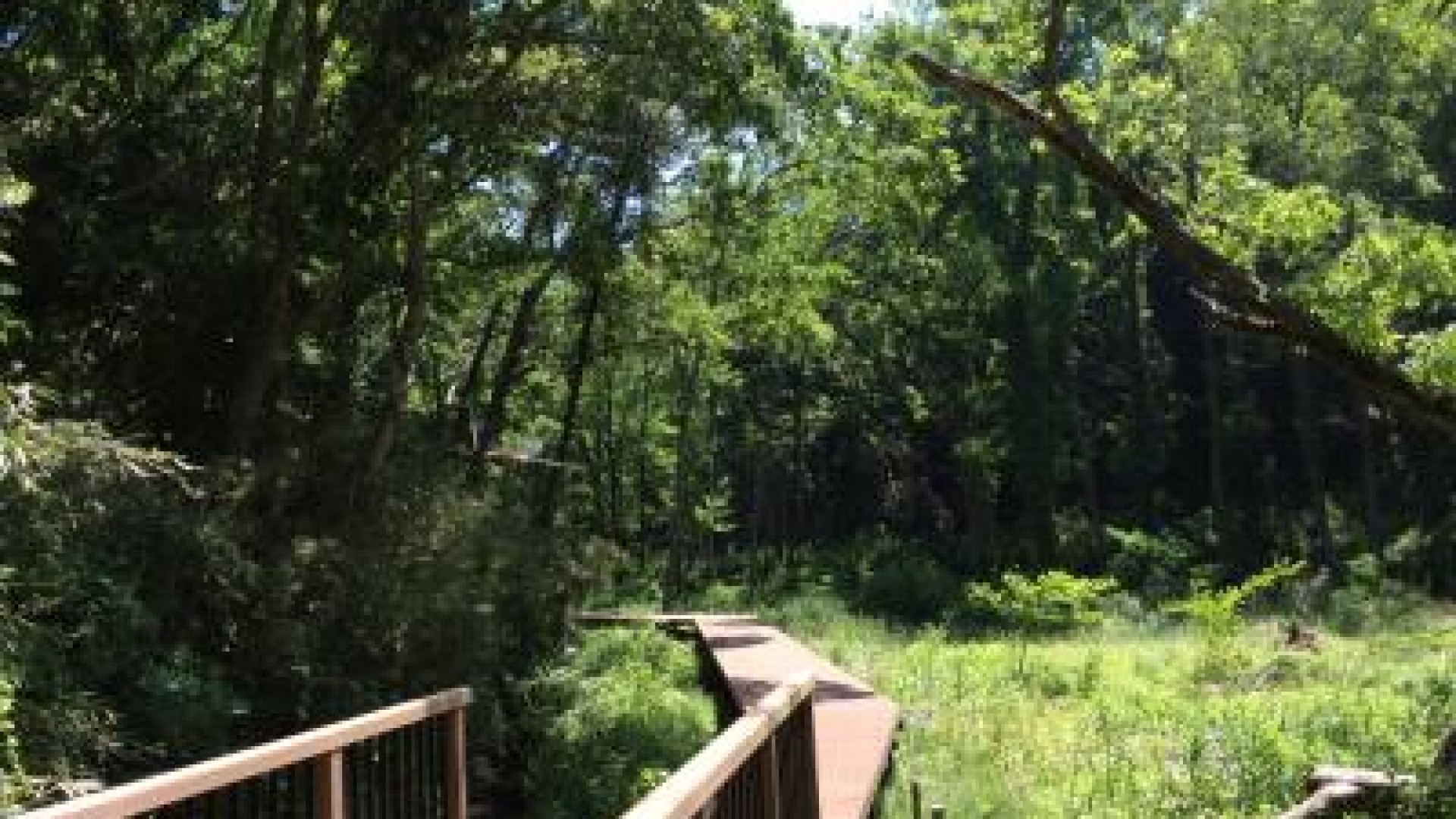
Nasu Heisei no Mori is a forest park that was originally part of nearby Nasu Imperial Villa. The forest opened to the public in 2011 as part of Nikko National Park. Nasu Heisei-no-Mori Forest consists of two areas: the Forest Recreation Zone and the Forest Learning Zone. You can stroll freely through the forest. There are three loop trails in the Recreation Zone. The longest, about 3 kilometers, leads to the Komadome Waterfall Observation Deck. At Nasu’s Komadome Waterfall, the scene created by the dynamic, seasonal landscape of the mountains and the contrast of the waterfall’s stunningly clear, blue water is simply breathtaking. In contrary, entering the "Forest Learning Zone" is limited to people with guide reservations in advance, but is definitely a valuable experience, since a guide will walk you through the forest while providing you interesting knowledge about the surrounding nature. During the winter months when the Forest Learning Zone is closed to the public, the Field Center offers guided snowshoe walks through the Recreation Zone.

Oshu kaido Nikko kaido TOCHIGI
Okawa Mokkoujo (Japanese lacquer)

Okawa Mokkoujo (Japanese lacquer)

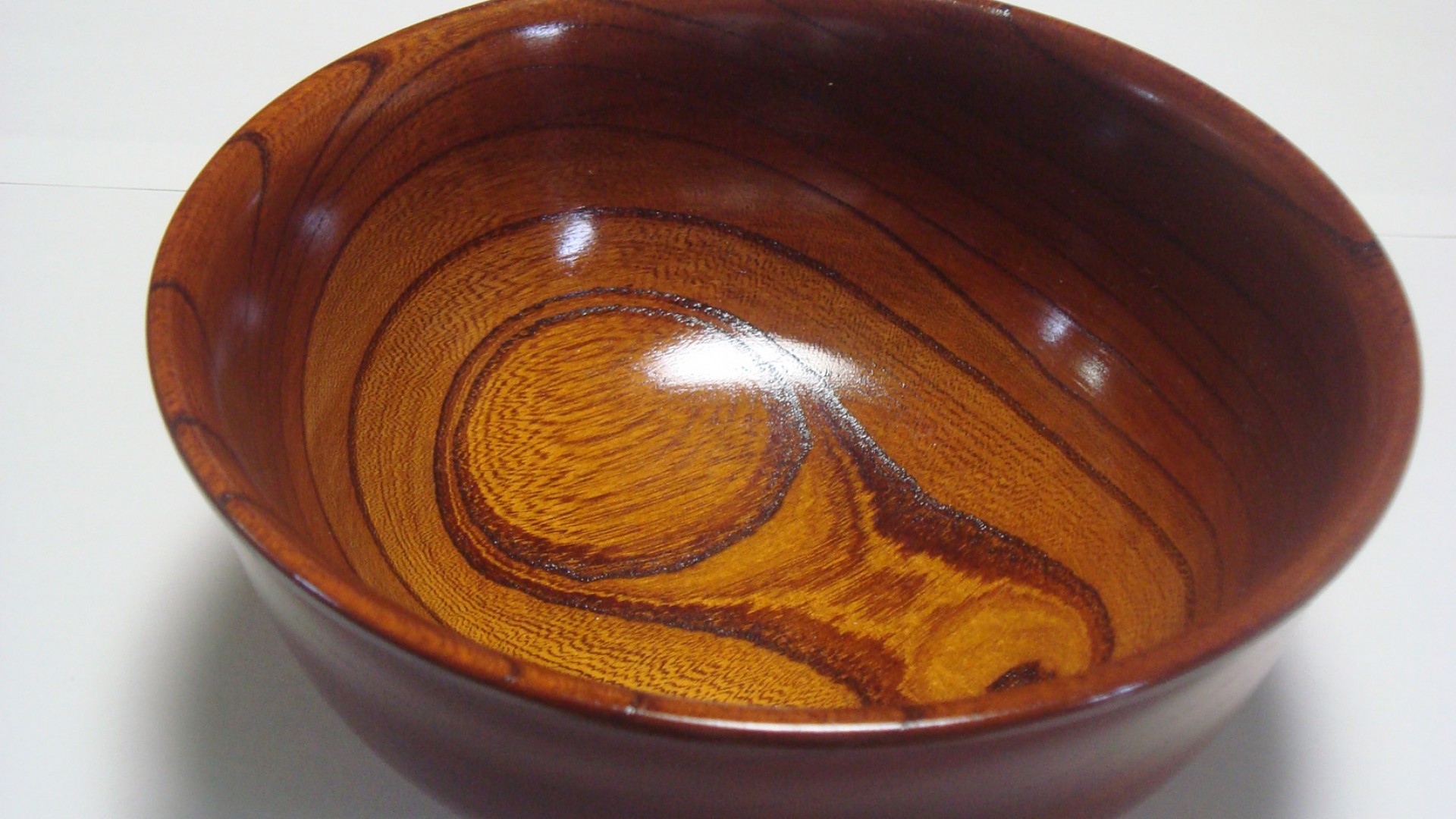
Odawara lacquerware is created using a technique passed down since the Muromachi period (1336-1573). The artist repeatedly rubs unrefined lacquer using a potter's wheel and combines the “kijironuri” and “irourushinuri” techniques, blending together to create handmade lacquerware which accentuates the beautiful wood grain of the natural materials. At Okawa Mokkoujo (wood turning and potter's workshop) we create various types of lacquerware, including trays and bowls, as well as polishing experiences for soup bowls, dish boxes, and balls. We also create one-of-a-kind patterns using water paper. Any items made can be taken home the same day and used at home. (Optional: apply lacquer to the item for a glossy finish. This takes around three weeks to complete and costs 1,500 yen, including shipping).

Experience & Activities Tokaido Koshu kaido KANAGAWA

Kainan Shrine

Kainan Shrine

Built in the March of the 2nd of the Jouou Era (1653), Kainan Shrine was awarded Shouichii (the highest rank given to a shrine) by the Yoshida Family of the Yoshida Shintō religion. In the 4th of the Kyouhou Era (1719), the shrine became the Souchinju (the protecting shrine) of the Miura Peninsula. In the 6th year of the Meiji Era it was designated a Gosha (a village shrine) and in the 40th year it was designated a Shinsenheihakuryokyoshin-sha (a type of village shrine that was able to receive fees/offering for the gods).

Temples & Shrines Tokaido Koshu kaido KANAGAWA
Cherry blossom trees of Mt. Kamakura(cherry blossoms)

Cherry blossom trees of Mt. Kamakura(cherry blossoms)

The Mount Kamakura Residential area was developed as a high class suburban area during the early Showa period, making a name out of Kamakura across the nation. While preserving the mountain range as much as possible, this residential area was built in the middle of greenery, with Japan’s first road for vehicles linking the area to Ofuna Station. Along the road, there are many sakura trees planted from a long time ago, making the area one of Kamakura’s famous sakura spots.

Nature & Views Koshu kaido Tokaido KANAGAWA