

Soji-ji Temple Sanmon
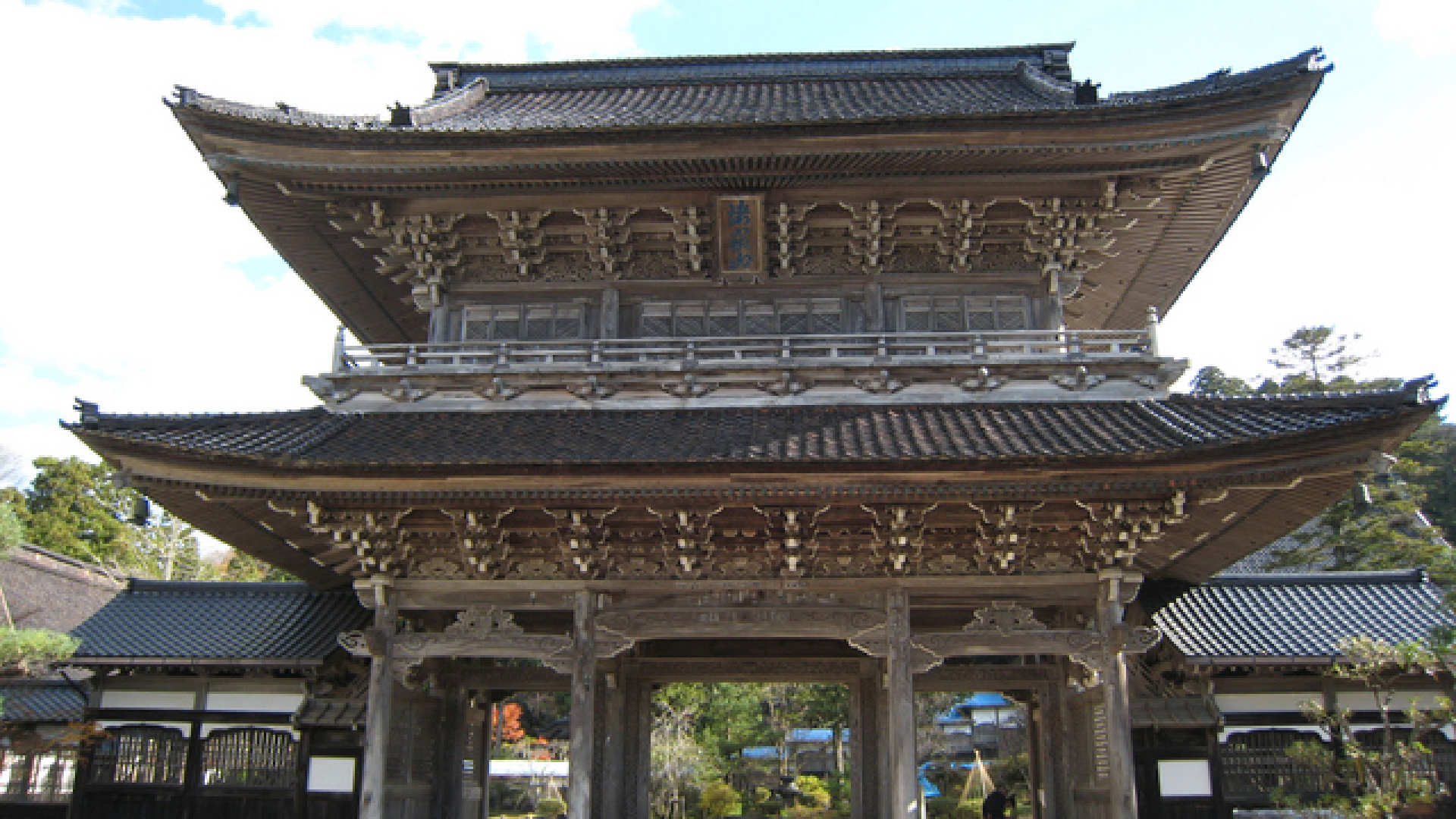
Sojiji is the headquarters of the Soto sect. The steel-reinforced concrete gates at the entrance is Japan’s largest. The Nio (two Deva kings) that is modeled on Kitano Umi (Sumo wrestler) is standing inside.
Total: 1715 items
Sojiji is the headquarters of the Soto sect. The steel-reinforced concrete gates at the entrance is Japan’s largest. The Nio (two Deva kings) that is modeled on Kitano Umi (Sumo wrestler) is standing inside.
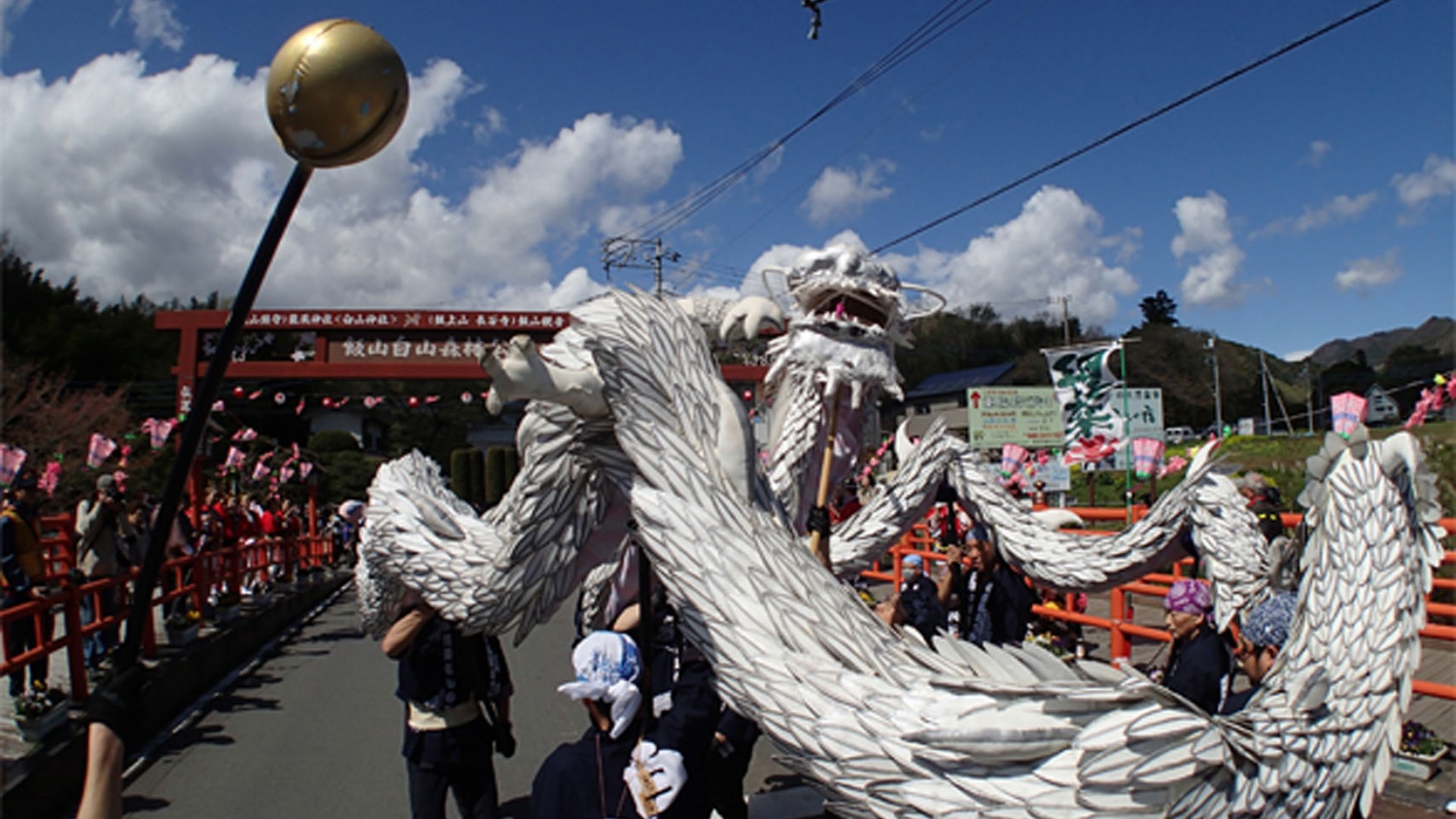
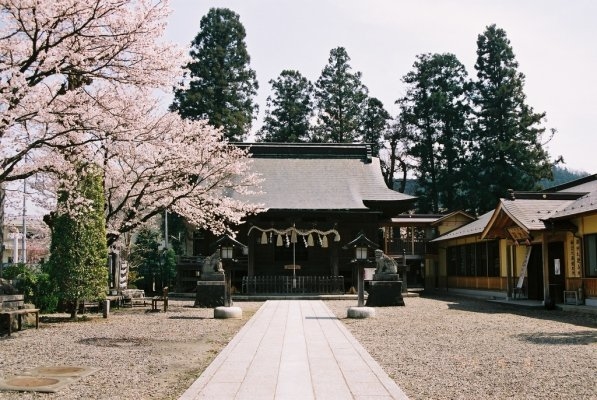
The Iiyama White Dragon Taiko and White Dragon Dance originated from ancient rainmaking rituals where people play their taiko and dance with white dragons to pray for rain to fall upon the plain of Sagami. Now it is also an event for the Iiyama Sakura Festival.
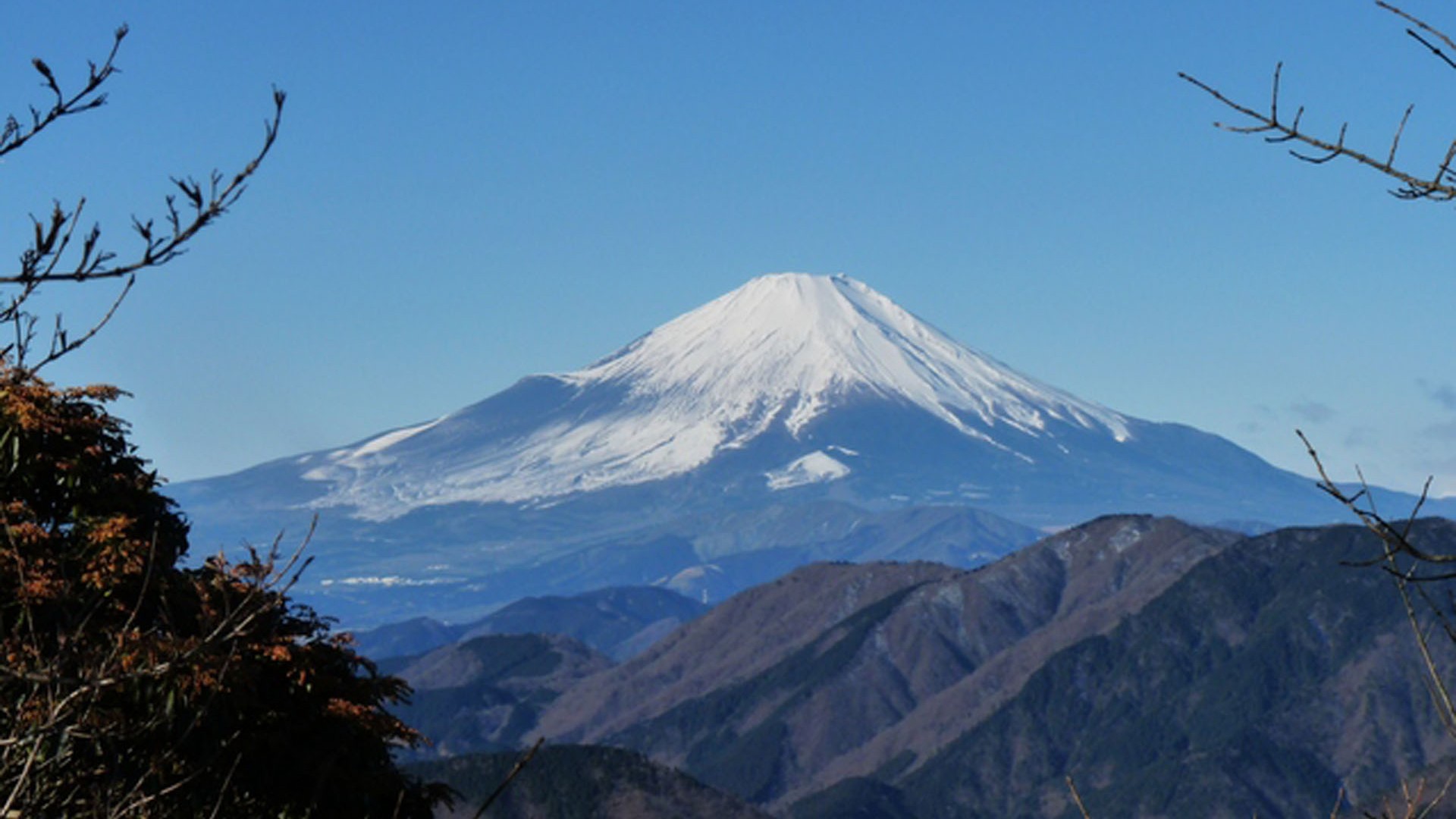
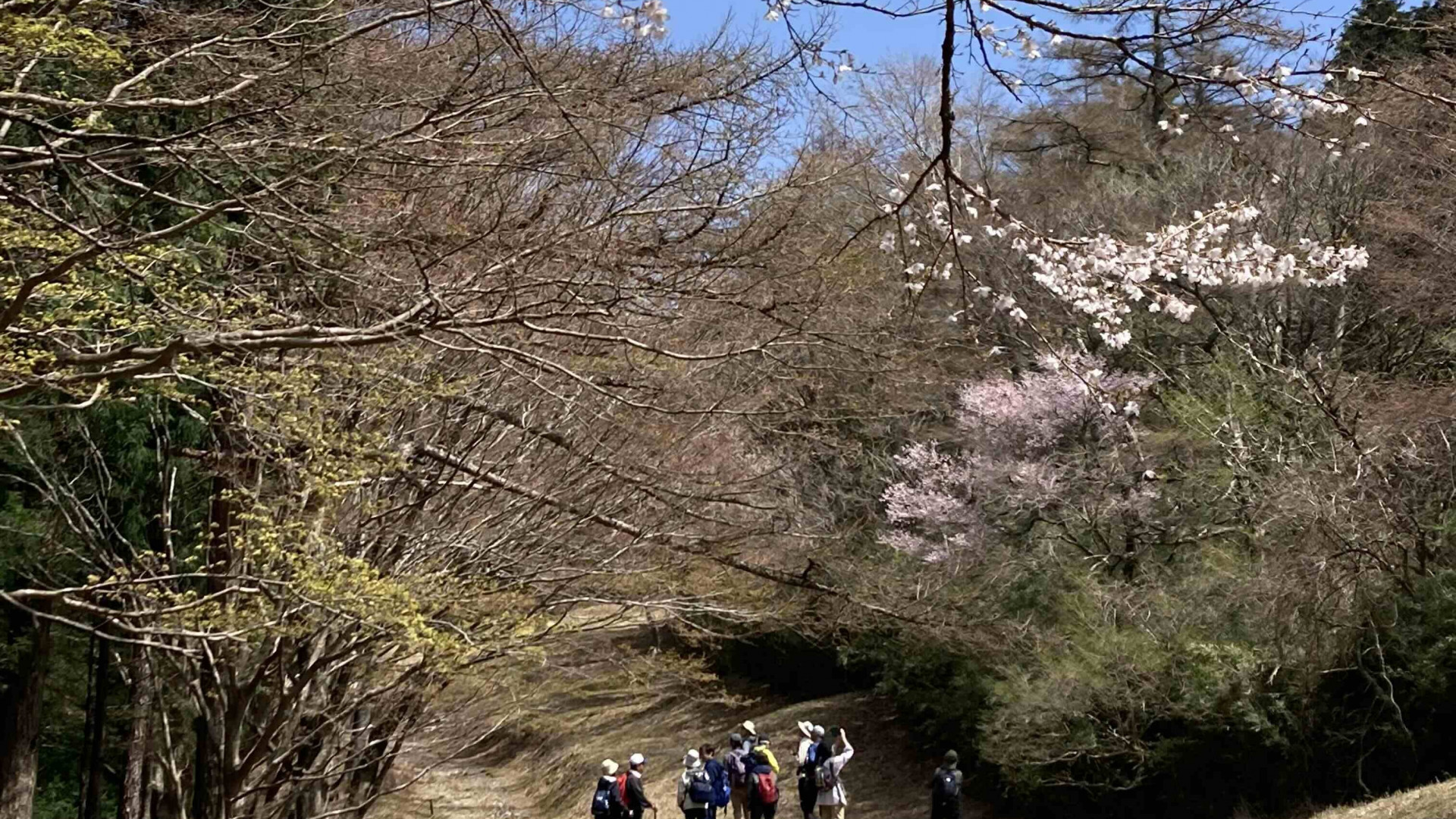
A 1,122 meter high mountain nestled within the Tanzawa Omote Ridge. One possible explanation for its name is a legend handed down through Karako Shrine, found at the foot of the mountain in the village of Yokono. It claims that long ago, a god flew from the Tang Dynasty of ancient China to hand over a statue of the god, as well as light three divine lanterns on a ridge that climbs from Yokono Village, with the first located at Karako Shrine and the second on a peak. It is said that the peak above it became the third light, and that "light" was transformed into a "pagoda".Please use the "Tanzawa Omote Ridge Traverse Course" as a reference and plan your hike accordingly.Early morning trekking allows you to enjoy a special experience with fewer people and clear air.
For those seeking solace in Hakone's nature, those fascinated by its terrain and history, and those eager to enjoy hiking—check out this course tailored to your personal preferences and fitness level, and adjust the course itself day-of according to weather and your physical condition.Come and experience Hakone's charm at a relaxed, leisurely pace, without overexertion. The following hiking course examples can be walked in either direction, or you can choose to walk all or just part of them.Easy:① Lake Ashi Lakeside Stroll (Hakone Checkpoint - Onshi Hakone Park - Hakone Shrine - Hakone-en Park - Kuzuryu no Mori Park - Kojiri)② Sengokuhara Grasslands Stroll (Hakone Visitor Center - Kojiri Water Gate - Former Farming and Grazing Site - Hakone Botanical Garden of Wetlands)③ Old Kamakura Road Stone Buddha Tour (Ashinoyu - Shojingaike Pond - Rokudo Jizo Statues)Moderate:④ Stone-paved Old Tokaido Road Stroll (Motohakone - Amazake Chaya - Hatajuku)⑤ Two Waterfall Tour (Hatajuku - Hiryu Falls - Yusaka Trail - Chisuji Falls - Kowakudani)Hard:⑥ Mt. Kintoki Climb (Popular among hikers)⑦ Mt. Kamiyama (Hakone's highest peak) and Mt. Komagatake Climb (Ropeway available)⑧ Mt. Myojingatake and Mt. Myojogatake Climb (The mountains for Gora's Daimonji-yaki - lighting torches to in the shape of the character Dai)
The Lakehouse the restaurant offers you a garden gastronomy experience with seasonal local vegetables. Starring unique vegetables grown in the great nature of Tochigi Prefecture, dishes are prepared with carefully selected cooking methods using many herbs and spices. Here, you can enjoy multi-course meals for you to savor the flavor of the ingredients. Décor in the dining hall including sketches and pressed flowers of animals and plants found at Lake Chuzenji as well as lighting and artworks inspired by fishing will enhance your lakeside dining experience. The restaurant also has the takeout menu “Grab & Go,” including sandwiches with a lot of seasonal local vegetables, smoothies, cookies, coffee and other drinks. Please drop by and grab some for a picnic or a walk around the area.
Shirasagi-Tei is a restaurant operated by Cheese Garden, a Western confectionery brand that sells products using cheese. In the open and spacious glass-walled restaurant, you can feel the nature of Nasu as you look through the windows at the garden featuring local flowers and seasonal plants. There, you can also enjoy the changing of the season. Shirasagi-Tei’s recommended dish is Light and Crispy Loin Cutlet. With domestically produced pork, the dish is high in volume but light. Our signature Shirasagi-Tei Special Black Curry over Rice is also a wonderful dish prepared with a lot of time and effort. You will taste the flavor of beef, simmered and soft, concentrated in the curry roux with a hint of spiciness. Next to the restaurant is the main shop of Cheese Garden where you can purchase specialty confectionery.
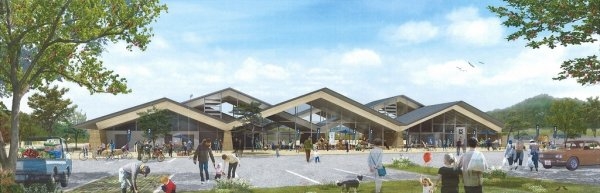
Roadside Station Mashiko(Michi-no-Eki Mashiko) is a roadside station offering fresh local produce and local products and crafts at the “Mashiko-no-Marche” as well as reasonably-priced lunches with freshly picked vegetables at the “Mashiko-no-Gohan” restaurant. The information centre “Concierge” provides information on tourism, special exhibitions and workshops, along with advice on moving to the town and booking rental space. Please find more information on their website.
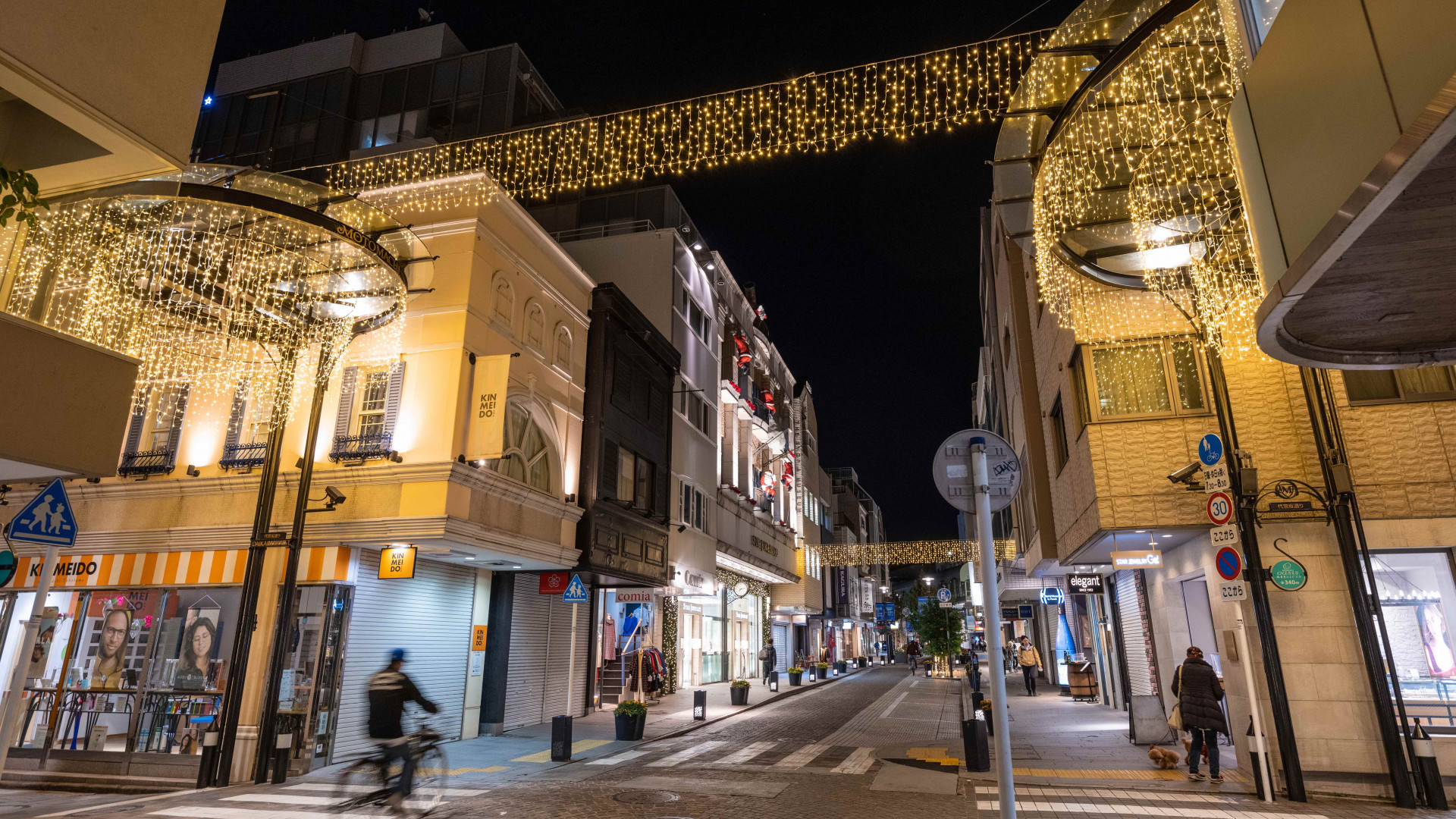
Since the opening of the port of Yokohama, this chic district was the earliest to adopt the modern western culture with its many shops aimed at foreigners. At this shopping street brimming with uniqueness, not only can you find many gourmet food, you can also find jewellery, furniture and fashion brands originating from Yokohama's Motomachi. From Autumn to Winter Motomachi is lit up brightly with colorful illuminationsMotomachi goes all-out during the year-end holiday season to create a warm and jolly atmosphere. A fun place to enjoy lights, shopping, and restaurants.
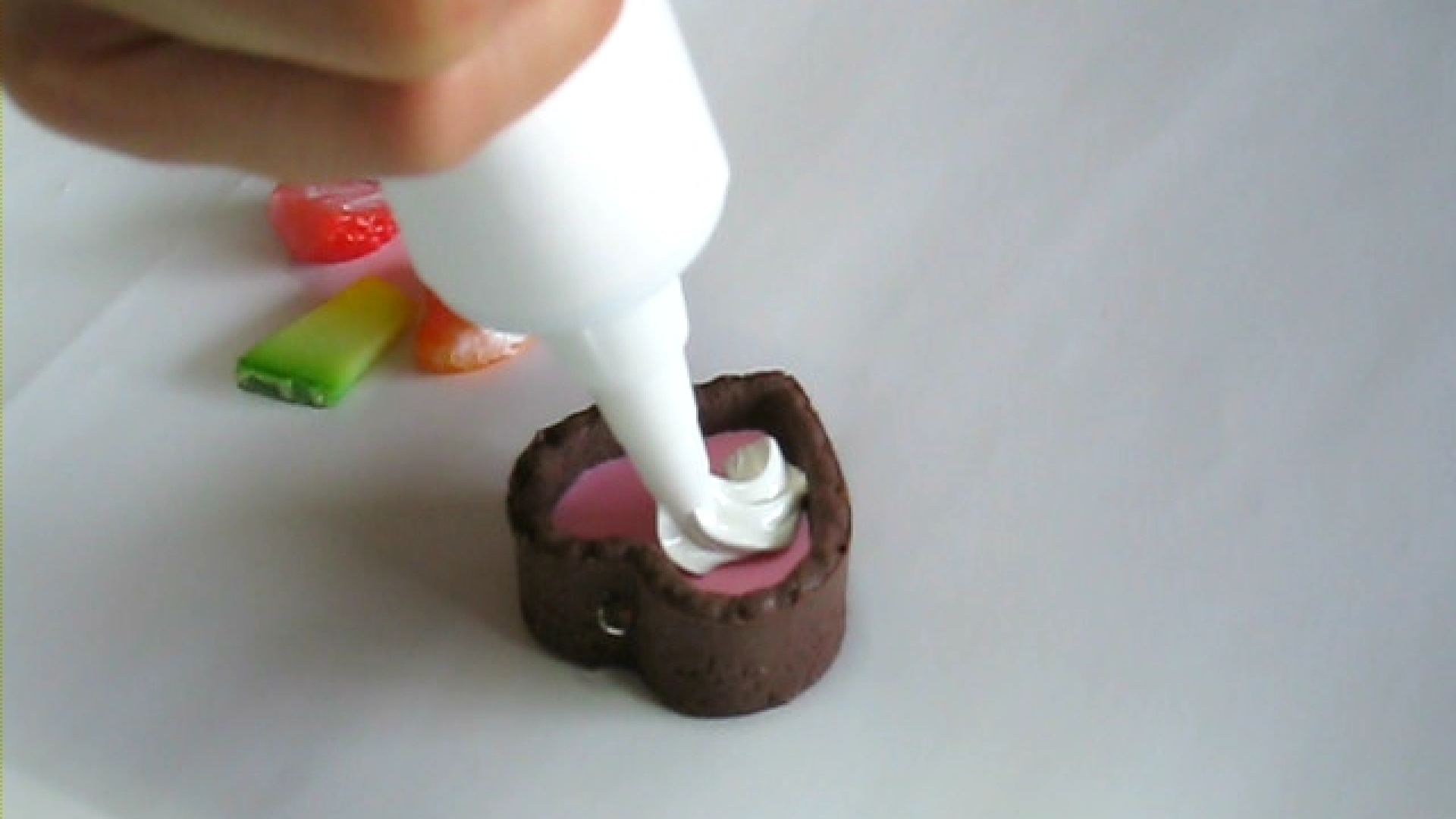
This company has been involved in making food samples since 1955. Certified as a Kawasaki Meister under recommendation by the City of Kawasaki, we convey the enjoyment, wonder, and importance of manufacturing in response to growing needs to experience food sample making. Performances can be arranged at the MICE venue.
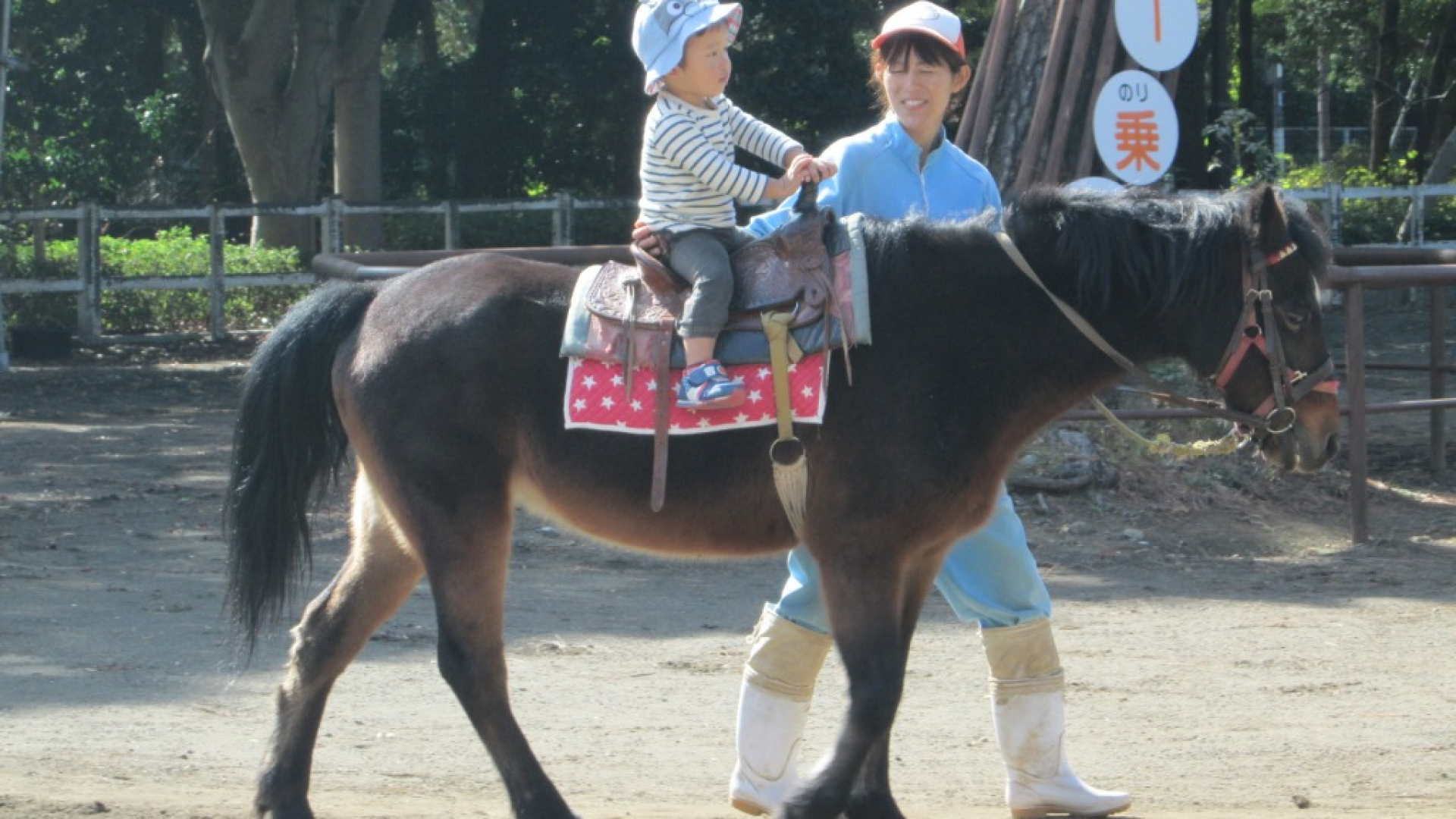
Our petting zoo has many small birds such as parakeets and Java finches, large birds such as peacocks, and small animals such as squirrel monkeys and chipmunks. At the petting zoo, visitors can hold and touch cute guinea pigs and rabbits. Let's spend our time therapeuticly interacting with cute animals.
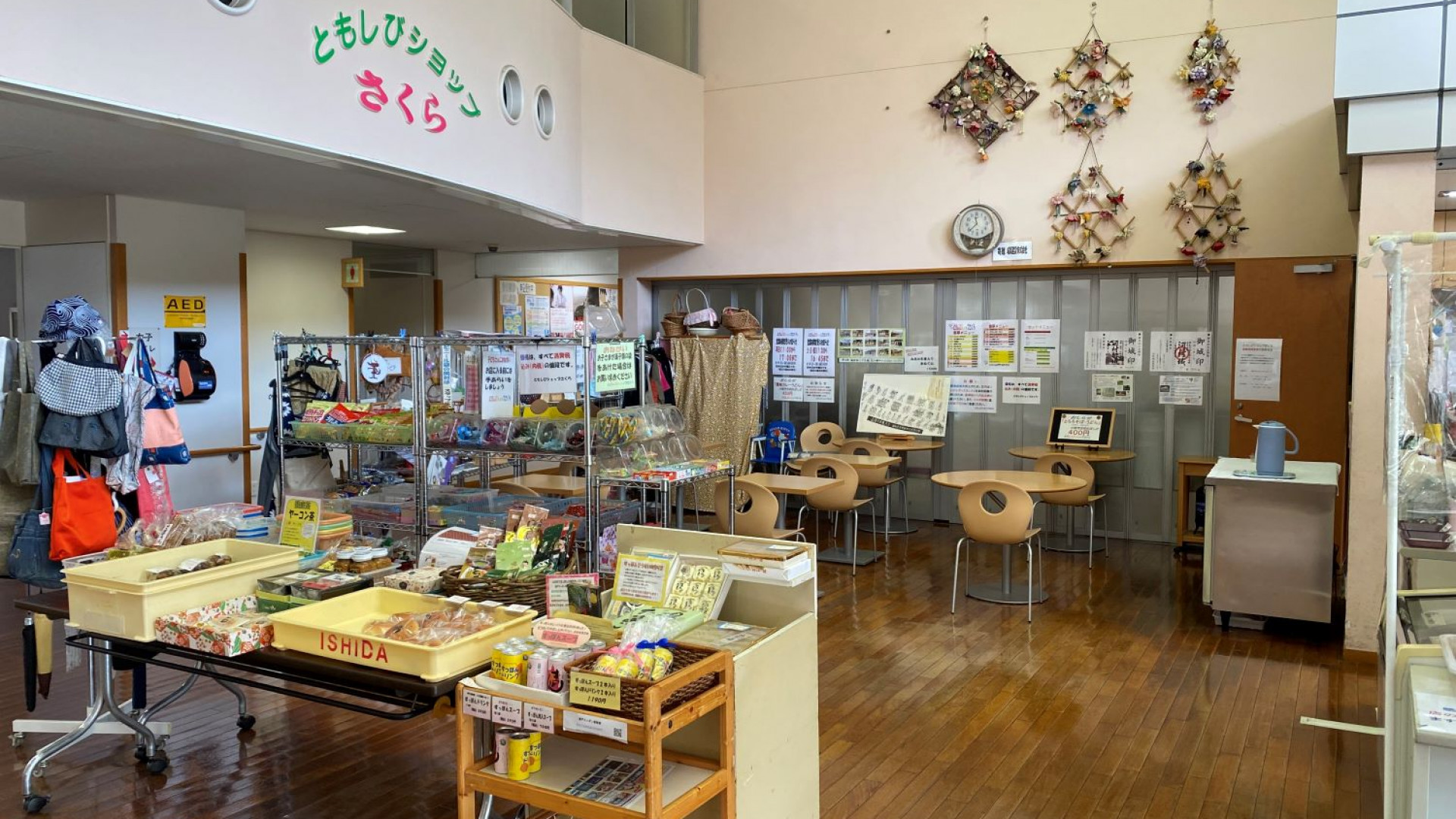
Tomoshibi Shop Sakura is a shop where people with disabilities and local people work together. In addition to providing meals, light meals, and tea/coffee, the shop also sells handmade works by KOMNY, a non-profit consisting of five towns in the Ashigarakami district, products from local collaborators, local specialties, and old-fashioned sweets.
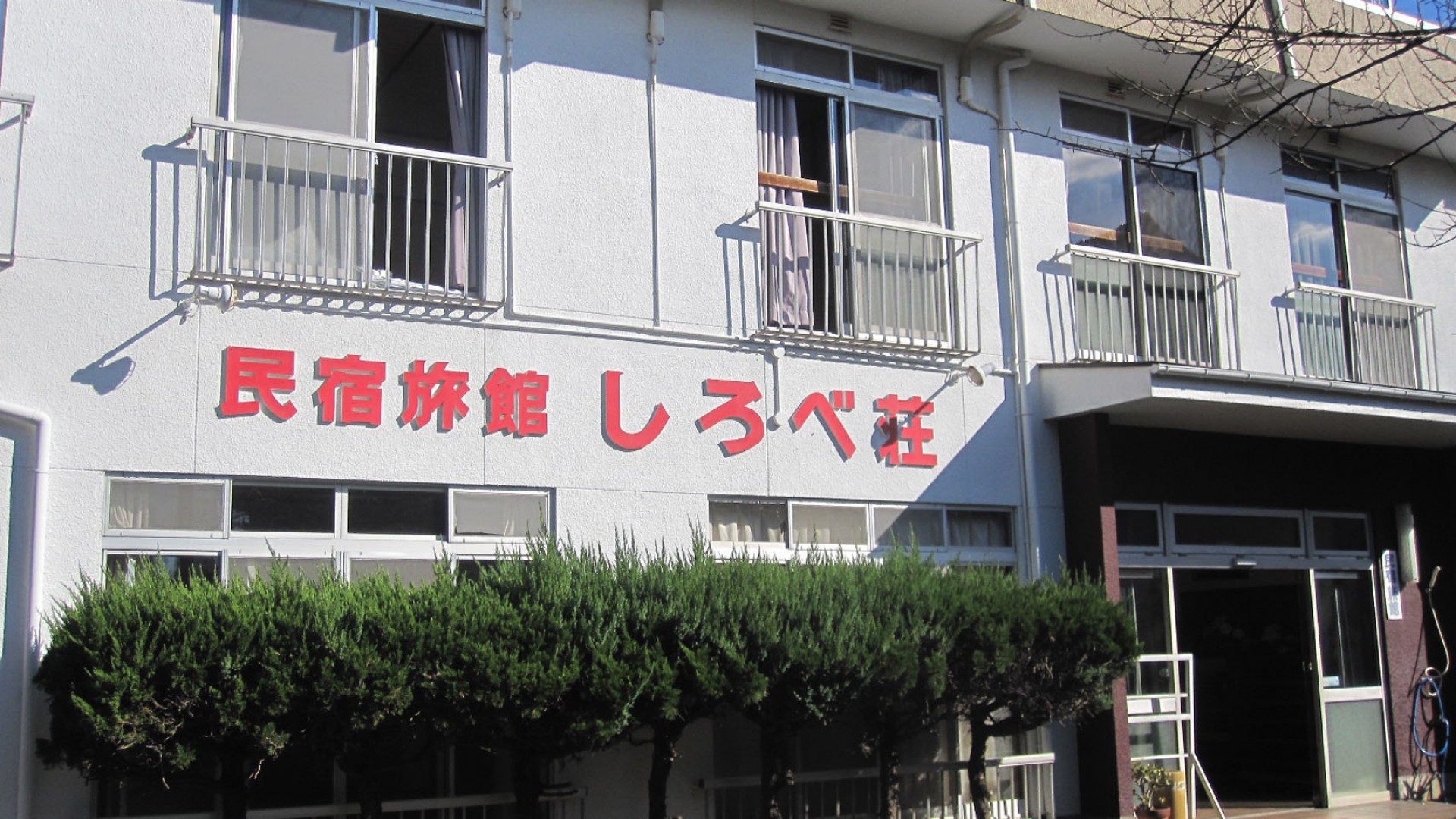
You can find a lot of guest houses in Miura City. Dishes made with fresh seafood, especially tuna, are very popular here.
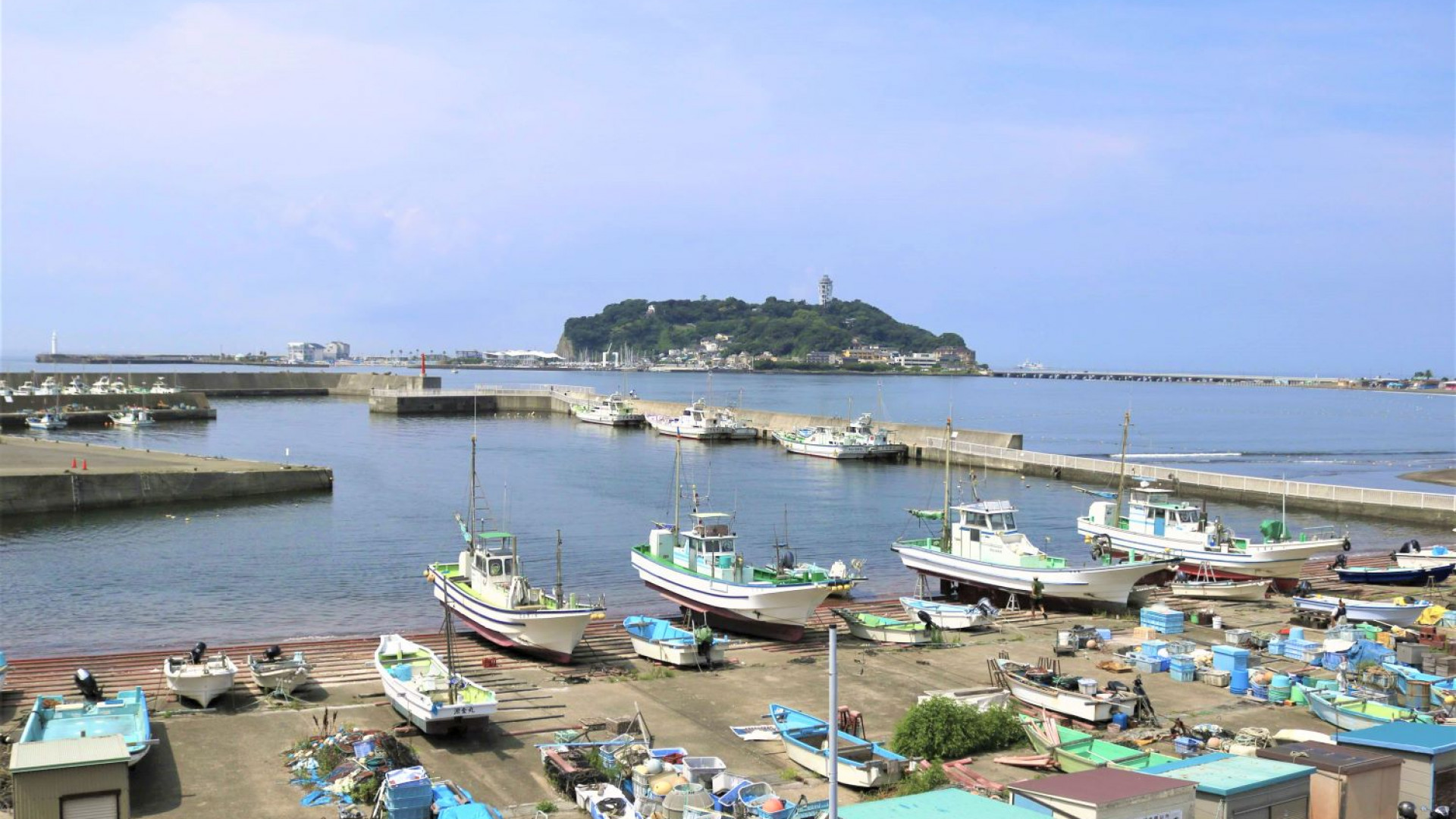
Koshigoe Fishing Port is located in the south-western part of Kamakura City, a place famous for seafood from Sagami Bay. Many of the restaurants here use the local seafood in their dishes. The fishing port is open to the public so come and not only enjoy the seafood but also the famous Enoshima and world heritage site, Mt. Fuji!
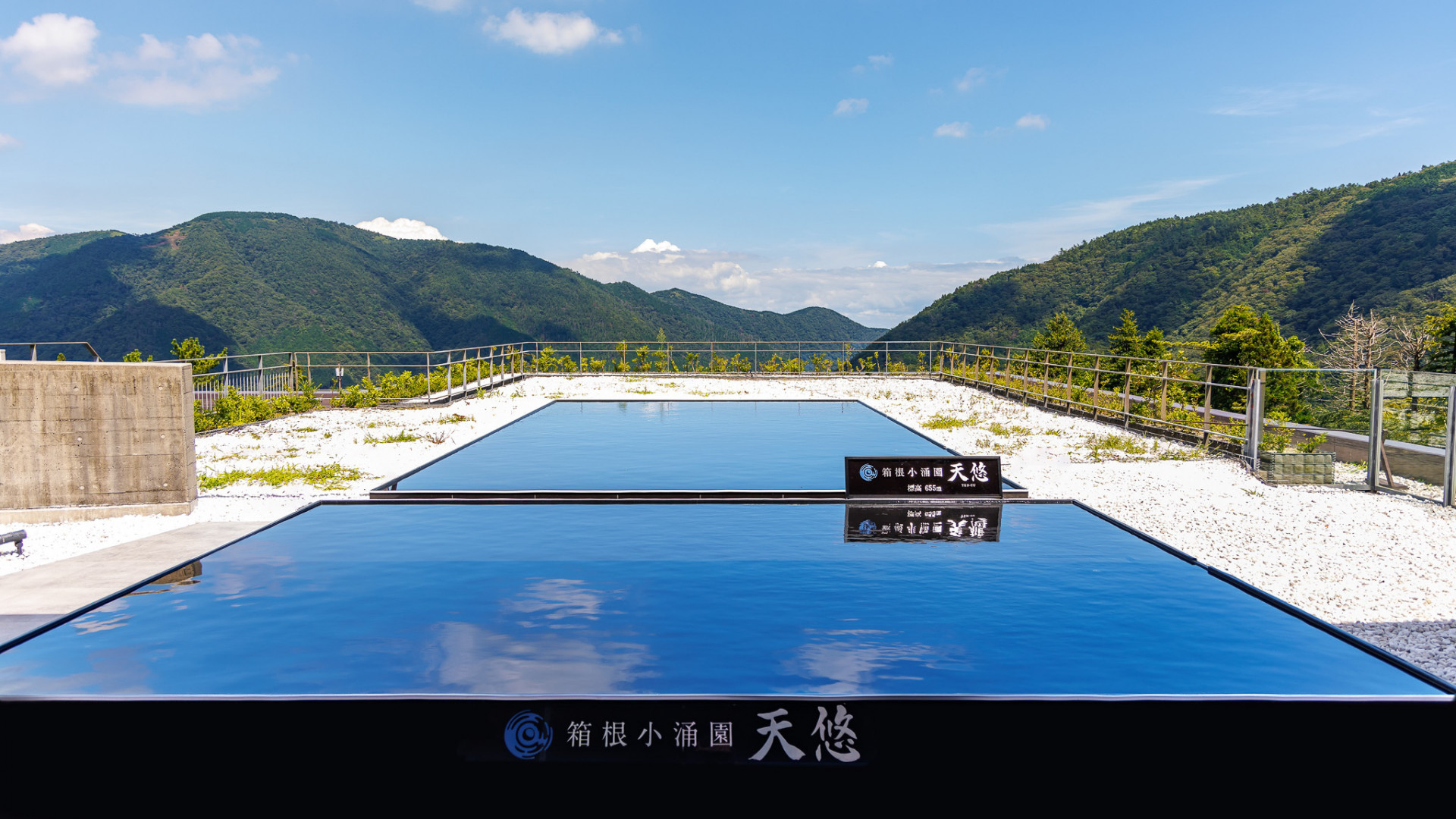
Opened on April 20, 2017, all rooms have their own open-air hot springs. Indulge your five senses at this hot spring hotel in Hakone.
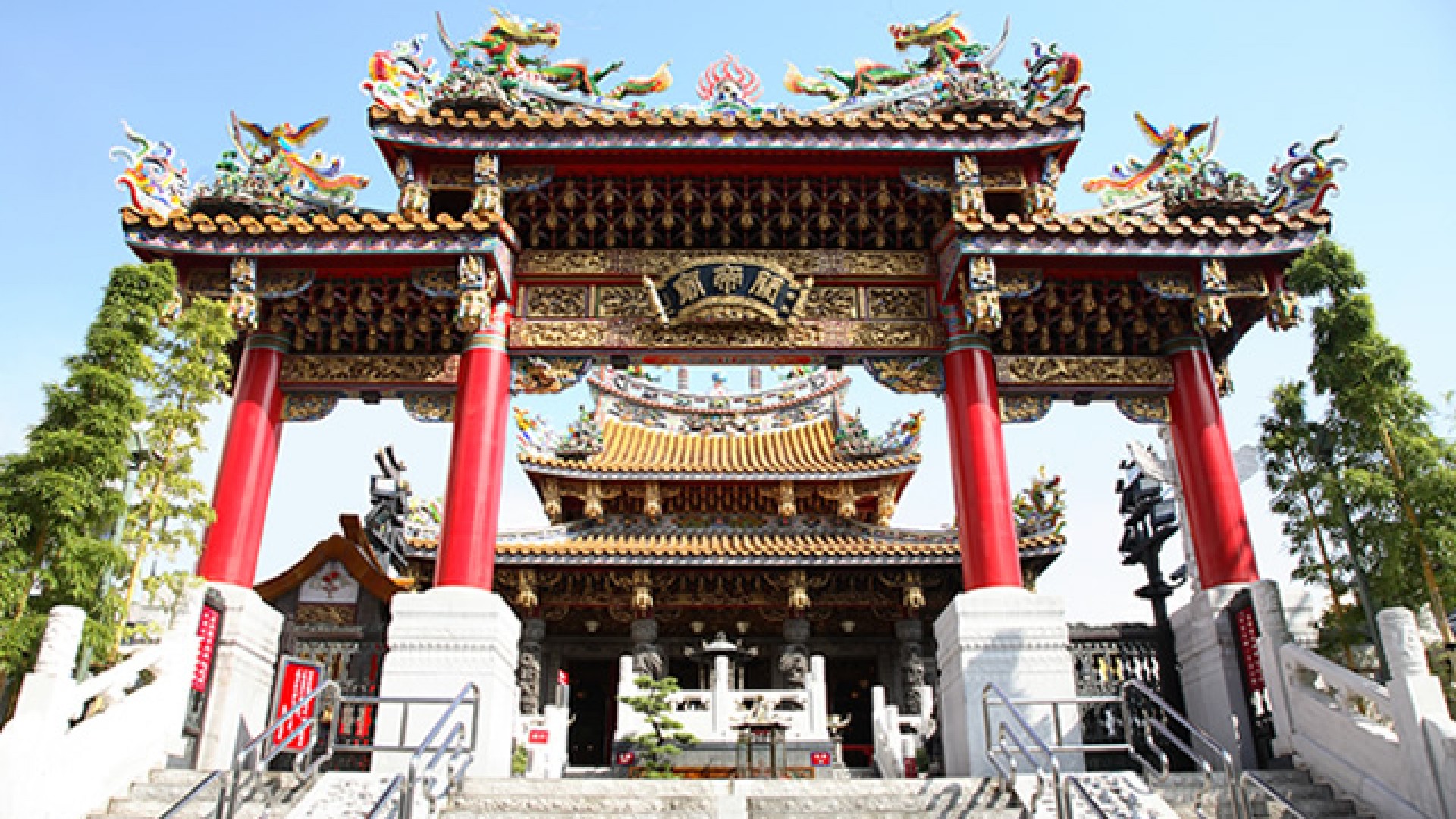
When Yokohama port was opened, one Chinese man came holding Kan'u’s wooden statue and he set up a temple worshipping Kan'u. Since then residents of Yokohama Chinatown worship this temple.
Founded in 1192, Yakumo Shrine is affectionately called “Yakumo-sama” by local residents, reflecting its deep ties with the community. The shrine is dedicated to Susanoo-no-Mikoto, and visitors pray here for physical health, recovery from illness, safe travels, and protection from misfortune. Worshippers even come from afar to pay their respects. In addition to Susanoo-no-Mikoto, the shrine also enshrines Daikoreishin (Hosokawa Okimoto, the founder of the Mogi branch of the Hosokawa clan) as an associated deity. Within the shrine office and the Shushuden Hall (a resting place for parishioners), visitors can see displays of historical materials, including the armor helmet once bestowed upon the Hosokawa clan by Oda Nobunaga. Yakumo Shrine is also known as the guardian shrine of traffic safety and is closely associated with “TWIN RING MOTEGI.” During major motor races, both staff and drivers come to pray here for victory and safety.
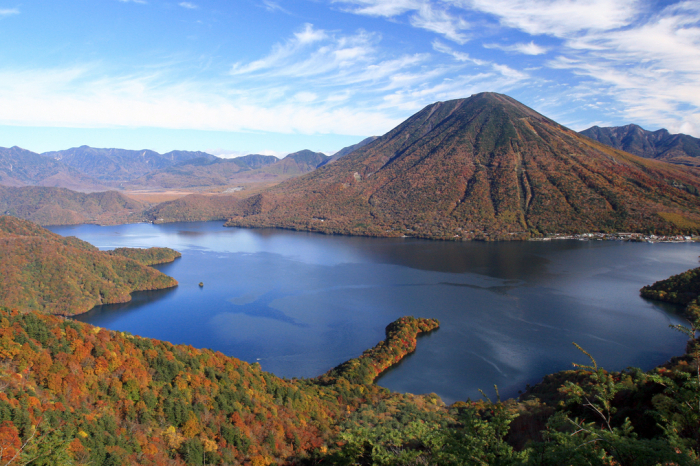
Mount Nantai is one of the representative peaks of the Nikko Mountains, standing at 2,486 meters. Towering over the northern shore of Lake Chuzenji, it offers magnificent scenery. Since ancient times, the mountain has been revered as a sacred object of worship. At its summit stands the Okumiya Shrine of Futarasan Shrine. Mount Nantai is also called “Futarasan.” The name “Futarasan” originates from the Buddhist term “Fudaraku.” Every year, a mountain-opening festival is held on July 31, and from midnight on August 1, many worshippers begin their pilgrimage from Futarasan Shrine’s Chugu Shrine, heading toward the summit to greet the sunrise. In addition, Lake Chuzenji, Kegon Falls, Ryuzu Falls, and the surrounding grasslands and fields at the foot of Mount Nantai were all formed by volcanic activity of the mountain. The official climbing season runs annually from April 25 to November 11. Starting from Futarasan Shrine’s Chugu Shrine, the climb to the summit takes about 6 to 8 hours round-trip. ※Climbing fee is 1,000 yen per person.※Reception hours are from 6:00 a.m. to 12:00 noon.※Entry is not permitted after 12:00 noon.※Please bring your own bear bell.