
Greater Tokyo

See & Do

reset
Furukawa Ashio History Museum

Furukawa Ashio History Museum

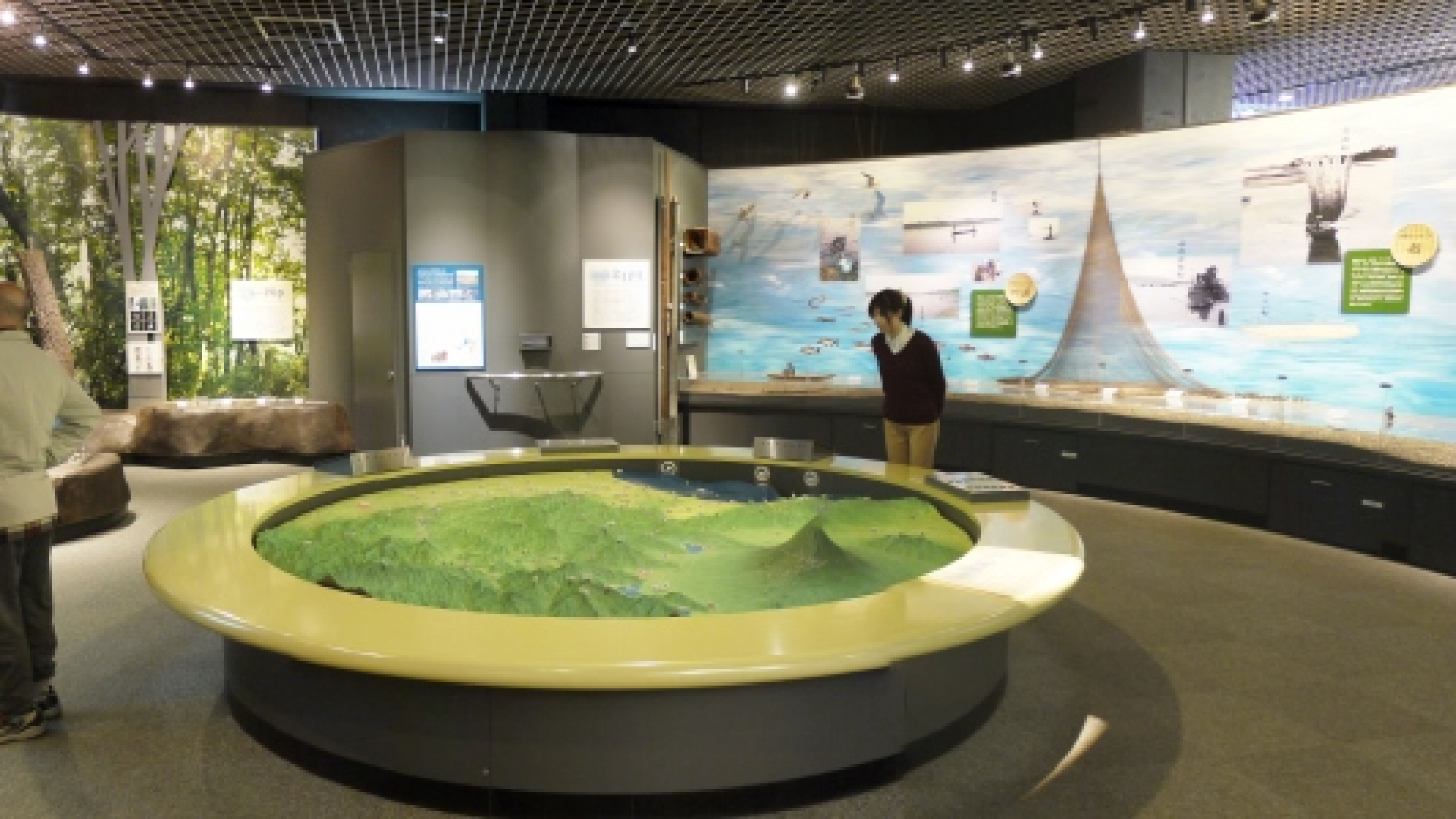
Overview of the Furukawa Ashio History Museum Ashio Copper Mine is one of the most important copper-producing sites in Japanese history. Discovered during the Sengoku period (1550), it was later mined under the direct control of the Edo shogunate. It once served as an essential source of material for Kan’ei Tsūhō, the currency of the time. As output later declined, the mine was taken over by the Furukawa family during the Meiji period. Due to advances in technology, new ore veins were found, and under the then national policy of enriching the country and strengthening the military, the mine prospered, making the Furukawa family magnates of the mining industry.   The Furukawa Ashio History Museum tells the stirring story of that industrial dawn. In addition to models of the Ashio Mining Office and stories of successive managers, it also exhibits the various tools used by miners in those days, recounting the history of the Ashio area.

Nikko kaido Oshu kaido TOCHIGI
Izuru Soba

Izuru Soba

Hand-ground stone-milled soba noodles – savor the history and flavors of Manganji Temple Izuru Soba originates from Tochigi City’s historic “Izuru Manganji Temple.” In the past, soba was made by temple parishioners and locals as an offering, and it gradually became a well-known local delicacy. Along the Izuru Kaido Road, many soba shops and guesthouses line the route, allowing visitors to enjoy natural scenery while savoring freshly ground stone-milled soba noodles. The Izuru area also promotes “Tochigi Edo Cuisine,” offering not only traditional zaru soba but also unique creations such as white soba, soba flour sweets, and the specialty “Koedo Soba Kaiseki.” This is not only a culinary experience but also a cultural journey that blends history, faith, and gastronomy.

Nikko kaido Oshu kaido TOCHIGI
Kitagura Cafe Higano

Kitagura Cafe Higano

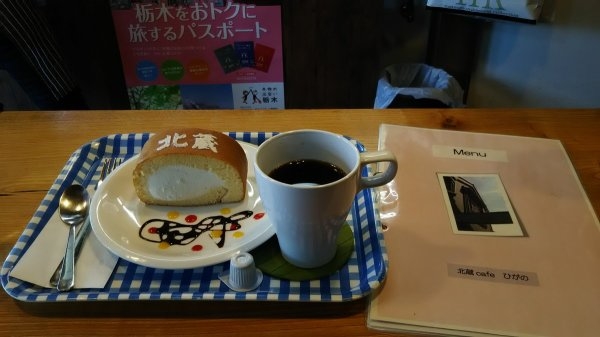
Housed in “Kitagura,” a building constructed in the mid-Meiji period and registered as a Tangible Cultural Property of Japan, Kitagura Cafe Higano is located along Tochigi City’s famous Kuranomachi Street, a popular sightseeing area. The café is operated by Higano Shoten, a traditional confectionery shop founded in 1922. In addition to freshly brewed hand-drip coffee and homemade sweets, visitors can purchase the shop’s signature rice crackers, Okaki, as souvenirs. For coffee lovers, this is the perfect spot to relax and enjoy a quiet, charming atmosphere in the heart of historic Tochigi.

Oshu kaido Nikko kaido TOCHIGI
LAKEHOUSE (THE RITZ-CARLTON, NIKKO)

LAKEHOUSE (THE RITZ-CARLTON, NIKKO)

The Lakehouse the restaurant offers you a garden gastronomy experience with seasonal local vegetables. Starring unique vegetables grown in the great nature of Tochigi Prefecture, dishes are prepared with carefully selected cooking methods using many herbs and spices. Here, you can enjoy multi-course meals for you to savor the flavor of the ingredients. Décor in the dining hall including sketches and pressed flowers of animals and plants found at Lake Chuzenji as well as lighting and artworks inspired by fishing will enhance your lakeside dining experience. The restaurant also has the takeout menu “Grab & Go,” including sandwiches with a lot of seasonal local vegetables, smoothies, cookies, coffee and other drinks. Please drop by and grab some for a picnic or a walk around the area.

Nikko kaido Oshu kaido TOCHIGI
Meiji-No-Yakata

Meiji-No-Yakata

Meiji-No-Yakata is a restaurant remodeled from a villa built by an American merchant during the Meiji period (1868-1912). Japan at that time was just beginning to be introduced to Western culture. At the restaurant, you will see the fusion of Japanese and Western culture. The stone wall technique, used in construction of Japanese castles, was used to build the villa, and its interior was adorned with Western decor. Today, these features make the restaurant building very tasteful. Signature dishes are hamburger steak, omelet and rice (“omurice”), and hashed beef and rice (“hayashi rice”), which are all popular home-cooked dishes in Japan. The chef turns these dishes into masterpieces that you can experience only at Meiji-No-Yakata. Other strongly recommended dishes are multi-course meals featuring choice “Tochigi” steak using locally produced Tochigi Wagyu. Enjoy a relaxing dining experience in a classic atmosphere at Meiji-No-Yakata, a building selected as a cultural property, that transcends time and space.

Nikko kaido Oshu kaido TOCHIGI
Chuzenji Temple “Meditation bead making experience”

Chuzenji Temple “Meditation bead making experience”

Chuzenji Temple was established by Shodo Shonin in Nikko-zan in 784. Enshrining Nikko’s oldest Buddha statue, which is six-meters tall and was carved in a standing Japanese judas tree, the temple is a prayer temple (where visitors pray to the Buddha). Juzu, or prayer beads on a string, is one of the ritual items that people use to count how many times they have read a sutra or recited Buddha’s name. According to Siddhartha Gautama, praying to the Buddha repeatedly will remove earthly desires from people and make them happy. Those who visit to pay respect to the temple can join the prayer beads craft workshop. They can choose beads of their taste, made of natural stone and/or natural wood, with a wish in their minds to create a bracelet-shaped juzu. Their juzu becomes nenju when monks offer a prayer at the gomadan (fire ritual platform), and they can take it home as a wearable lucky charm.

Nikko kaido Oshu kaido TOCHIGI
STEAK HOUSE JYURAKU

STEAK HOUSE JYURAKU

Steak House Jyuraku serves Tochigi Wagyu. Tochigi Wagyu is a Japanese Black breed carefully raised in the grand nature of Tochigi. It is brand beef that has received the Award of Excellence many times at the national Wagyu fair in Japan. The steak house purchases Tochigi Wagyu directly from its producers and thus has full confidence in the meat quality. You will never forget the fine and delicate meat texture and its aromatic fat once you try it. Jyuraku’s recommendation is A5 Tochigi Wagyu steak. The Sirloin has beautiful marbling, a rich taste, and a texture that melts in your month. The Fillet is red meat that is very tender and moist. Please come and try the Wagyu steak that Jyuraku proudly presents.

Nikko kaido Oshu kaido TOCHIGI
Kanuma soba Nira soba

Kanuma soba Nira soba

Kanuma's native species of brown buckwheat has characteristically small seeds with a relatively thick, aroma-rich hull. Grown to full ripeness in Kanuma’s large, rainy forests, it has a profound flavor. Kanuma soba is prepared using locally-sourced water and buckwheat flour, giving it a unique sweetness and aroma that are popular among its fans. Soba is a staple food in Kanuma, and nira soba was born out of the local tradition of using nira (garlic chives) to both add volume to and spice up their soba.

Nikko kaido Oshu kaido TOCHIGI
Ashikaga Kankou Koryukan (Ashi-Navi)

Ashikaga Kankou Koryukan (Ashi-Navi)

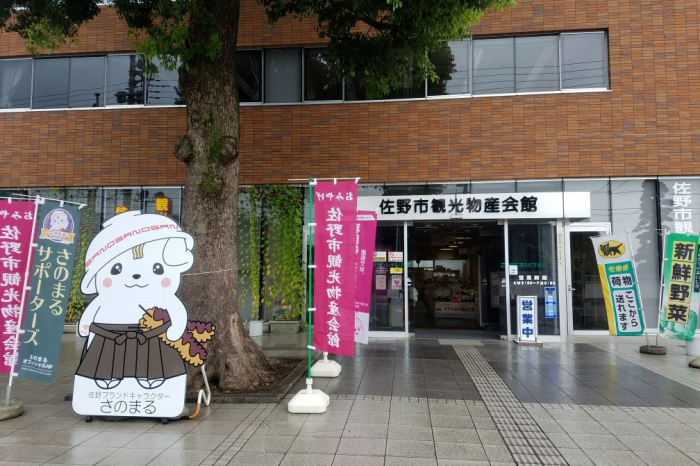
Ashikaga local gift shop / tourist information center welcomes you with a warm heart of Japanese hospitality “Omotenashi”. Best place to start your discoveries during your stay here. ■Tourist Information Tourist Information of Ashikaga is provided here ■Gifts Local Gifts and Ashikaga Brand products offered here ■Rest Area Coffee and other beverages are sold here. Good for a short break time ■Bicycle Rental Availability: 18 Bikes(11 of them are assisted with motor) Available Time:AM9:00 to PM4:00 Return:Must return by PM5:00 Price: Conventional Bike 400 yen for the first 3 hours(100yen for every additional hour) One Day use 800yen Motor Assist Bike 600yen for the first 3 hours(200yen for every additional hour) One Day use 1200yen ※Must show one piece of government issue ID before rental ※Reservation not accepted"

Nikko kaido Oshu kaido TOCHIGI
Hatsuyama Festival (Petanko Festival)

Hatsuyama Festival (Petanko Festival)

This Shinto Ritual is held in June 1st every year in Sengen Mountain (“Otoko Sengen” and ”Onna Sengen”). It is said that if you bring a baby born during last 1 year and pay visit to the shrine on this mountain and red stamp is put on the baby’s forehead, the baby will grow up in good health without illness. This Shinto ritual has begun more than 400 years ago and has been designated as an important cultual prpperty of Ashikaga City. Boy visit Otoko Sengen (Higher Mountain) and Girl visit Onna Sengen (Lower Mountain) If you can not pay visit to the shrine due to illness, etc., red seal will be stamp on the baby’s underwear.

Nikko kaido Oshu kaido TOCHIGI
Tobu Chuzenjiko Cruise

Tobu Chuzenjiko Cruise

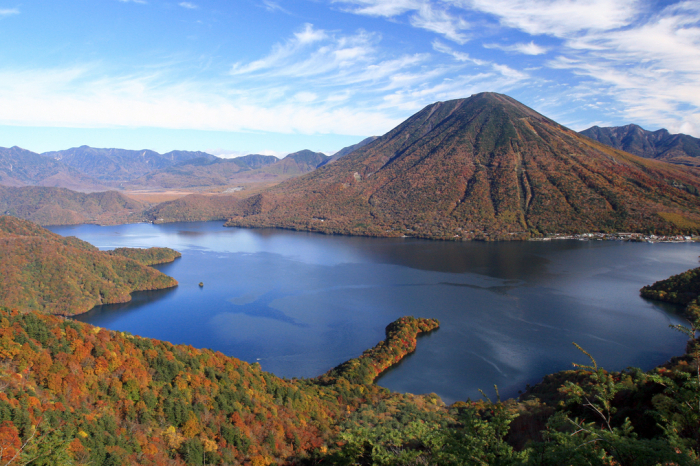
Lake Chuzenji is located in the area leading into Okunikko. It has a circumference of 25 km and the water reaches a depth of 163 m. It is said that lava from the eruption of Mount Nantai 20,000 years ago blocked the valley to create the initial form of the lake. Because of the spectacular view in each season, the lakeside area used to be a popular summer retreat for foreigners. That areas still features the Italian Embassy Villa Memorial Park and British Embassy Villa Memorial Park. The pleasure boat of the Tobu Chuzenjiko Cruise sails through the beautiful scenery and near these tourist destinations. In fall, you can see mountains covered in explosions of red, orange, and yellow from the lake. It is truly a picturesque view. The tour takes about 55 minutes in total, but there are tickets available for visitors to get on/off along the course.

Nikko kaido Oshu kaido TOCHIGI
Mashiko Museum of Ceramic Art / Ceramic Art Messe Mashiko

Mashiko Museum of Ceramic Art / Ceramic Art Messe Mashiko

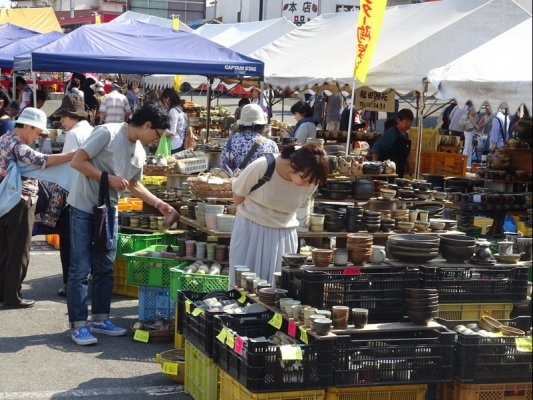
The Mashiko Museum of Ceramic Art features works by the late Mr. Shoji Hamada, who was a designated Living National Treasure, as well as works by other ceramists associated with the town of Mashiko. On the same site, there are also the Sasajima Kihei Hall, which has permanent exhibitions of works by the printmaker Kihei Sasajima, who studied under Shiko Munakata, and the Mashiko Arts & Crafts Residence, which hosts artists-in-residence from all over the world as part of an international exchange program. Shoji Hamada's House, which has been designated as a Cultural Property by the town of Mashiko, includes a reconstruction of the climbing kiln that Mr. Hamada used. You can also pick a cup you like and enjoy tea or coffee at salon located on the premises of the museum. There is also a museum shop in the salon where you can buy Mashiko pottery and more."

Nikko kaido Oshu kaido TOCHIGI
Shinrinno Bokujo

Shinrinno Bokujo

This ranch is located in Toyoharaotsu, Nasu Town. Their cow’s milk comes from jersey cows, rare in Japan, and the milk is pasteurized after being squeezed and processed in a way that keeps the fat globules from shrinking and preserves the natural non-homogenized taste. They sell milk, ice cream, “squeezable yogurt” in a tube, and other processed goods, and the cafe offers drinks and sweets made with the milk they produce and lunch sets that use locally grown vegetables and other options."

Oshu kaido Nikko kaido TOCHIGI
Nasu Seshoseki Gojinka Festival

Nasu Seshoseki Gojinka Festival

Nasu is known as the largest volcanic zone in Japan. Several large eruptions in the past have claimed many victims here. The villagers in the neighboring area started to cleanse themselves to appease the anger of the mountain, visit Nasu Yuzen Shrine, light the fire of the Avici hell and worship this as gojinka (sacred fire). This then became established as an event to pray for a bumper harvest and sound health before long.   The Gojinka Festival features a parade from Nasu Yuzen Shrine to Sesshoseki by participants attired in white clothing with torches. A large torch (gojinka) is then lit to create a fantastic atmosphere.   While the gojinka burns, the folk entertainment of hakumen konmo kyubikitusne drums is presented at Sesshoseki - the site of the legend of kyubinokitusne (nine-tailed fox). The general public can also participate in the torch parade which involves a walk through the dark.

Nikko kaido Oshu kaido TOCHIGI