Greater Tokyo

See & Do

reset
Moka Momen Kaikan

Moka Momen Kaikan

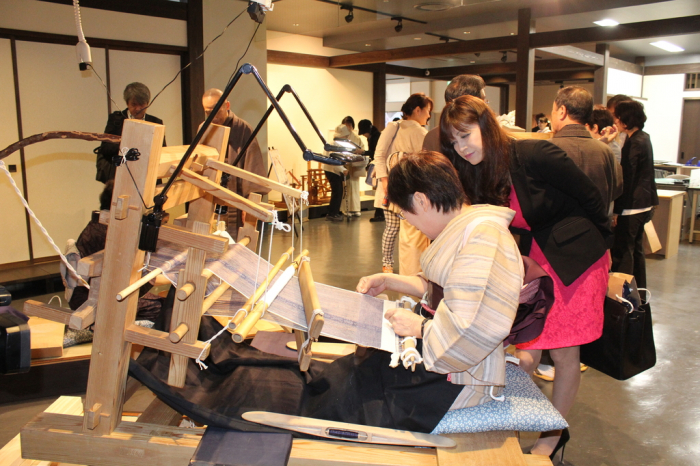
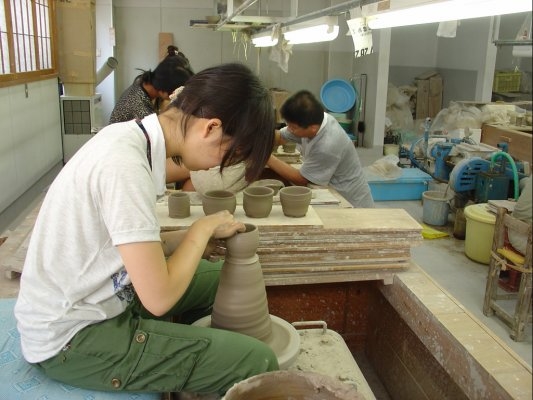
Moka Momen is a traditional fabric made in Moka City, which is so smooth to the skin that it resembles silk. It reached the height of its popularity during the late Edo period, but the work to create it, from cultivating cotton to spinning, dyeing, and weaving fabric, has been inherited by the Moka Momen Kaikan where even today it is all performed by hand just as it was long ago. In addition to fabric for kimonos, items perfect for everyday use are also produced.

Nikko kaido Oshu kaido TOCHIGI
Soba Making Experience at Nikko no sho

Soba Making Experience at Nikko no sho

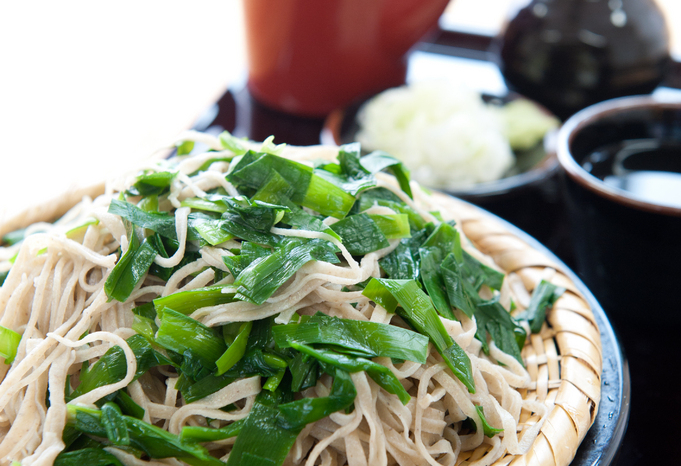
In Nikko city, there are lots of handmade soba (buckwheat noodles) shops. (there are over 100 soba shops) It is said that the number of shops rate per the population is No.1 in Japan. Also the production of buckwheat is No.1 in Tochigi prefecture. Additionally Nikko city is rich in fresh ground water for soba which originates from the mountain of Nikko. Of course, soba masters have special skills to make it. That’s why the city of Nikko is called “the city of soba”. We look forward to meet you. [Notes] *Reservation required (by Phone, Fax) *Japanese language only. If you need English assistance, please come with an interpreter.

Nikko kaido Oshu kaido TOCHIGI
Mock Sumo Festival of Ikiko Shrine

Mock Sumo Festival of Ikiko Shrine

Enjoy a mock Sumo festival of Ikiko Shrine. Nakizumo, crying baby Sumo, is Japan's traditional event to pray for health and growth of the baby. In this style of Sumo wrestling, two children from one to two years of age are carried respectively by two local parishioners dressed as Sumo wrestlers to battle each other with shouts of "Yoisho, Yoisho," with the winner being the who cries first. It is held at Ikiko Shrine every September.

Nikko kaido Oshu kaido TOCHIGI
Nasu Seshoseki Gojinka Festival

Nasu Seshoseki Gojinka Festival

Nasu is known as the largest volcanic zone in Japan. Several large eruptions in the past have claimed many victims here. The villagers in the neighboring area started to cleanse themselves to appease the anger of the mountain, visit Nasu Yuzen Shrine, light the fire of the Avici hell and worship this as gojinka (sacred fire). This then became established as an event to pray for a bumper harvest and sound health before long.   The Gojinka Festival features a parade from Nasu Yuzen Shrine to Sesshoseki by participants attired in white clothing with torches. A large torch (gojinka) is then lit to create a fantastic atmosphere.   While the gojinka burns, the folk entertainment of hakumen konmo kyubikitusne drums is presented at Sesshoseki - the site of the legend of kyubinokitusne (nine-tailed fox). The general public can also participate in the torch parade which involves a walk through the dark.

Nikko kaido Oshu kaido TOCHIGI
Michi-no-Eki(Roadside Rest Stops) Nasu Kogen Yuai no Mori

Michi-no-Eki(Roadside Rest Stops) Nasu Kogen Yuai no Mori

Michi-no-Eki(Roadside Rest Stops) Nasu Kogen Yuai no Mori is located at the foot of Nasu Onsen-kyo. It features a wide variety of facilities including a tourist information centre called “Kanko Koryu Centre”,“Nasutoran”a restaurant,retail shop, and handicrafts gallery among other facilities. . Visitors can purchase fresh local vegetables at the shop called “Freainosato Chokubaijo” and local products at the Furusato Bussan Centre. The roadside station also offers hands-on classes,demonstrations and sales of local arts and crafts. The information centre is located at the foot of Mount Nasu and there are many attractions in the neighbourhood including leisure facilities and museums.

Oshu kaido Nikko kaido TOCHIGI
Isoyama Benzaiten Shrine, Izuruhara Benten Pond (Isoyama Park)

Isoyama Benzaiten Shrine, Izuruhara Benten Pond (Isoyama Park)

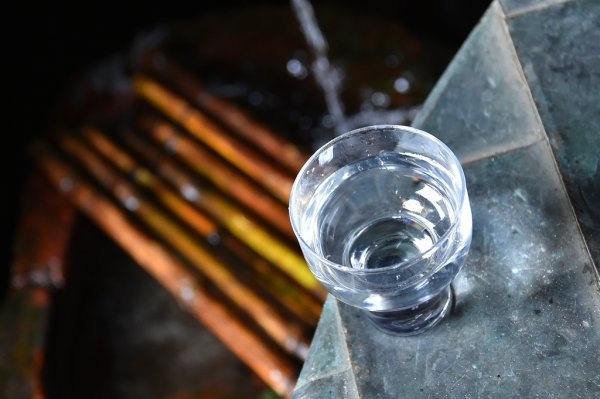
Izuruhara Benten Pond, the source of the Izuru River, is designated a Prefectural Natural Treasure and was selected as one of the nation’s clearest water sources by the Ministry of Environment. Take a look down into the transparent water and you will find Koi fish with sparkling scales swimming gracefully over swaying water plants. Samples of the pristine water are available to take home from the neighbouring Ichinokan hotel. Be sure to take a close look at the main building of Isoyama Benzaiten Shrine. Reconstructed in the Kamakura period (1185-1333), this cultural property is constructed without nails and displays the beauty of traditional Japanese architectural methods. Isoyama Benzaiten (nicknamed Fuzai) is a goddess of music, arts and knowledge and is one of seven lucky Sano gods built here in 948. The Benzaiten Shrine was moved here at the request of “Suisha-ko”, a group of devout local worshippers.

Nikko kaido Oshu kaido TOCHIGI
Chuzenji Onsen

Chuzenji Onsen

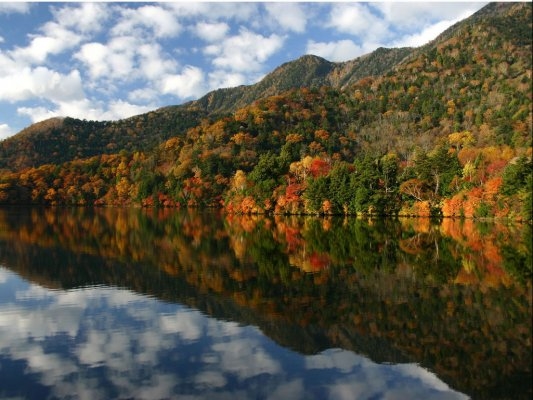
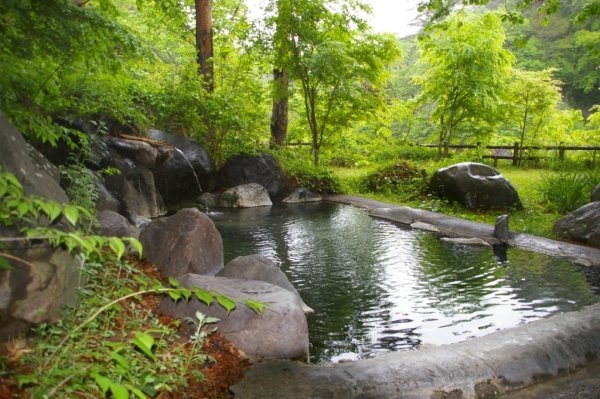
This Onsen town on the northern shore of Lake Chuzenji, situated 1,250 metres above sea level.The town is popular as a summer resort and as a place of scenic beauty for autumn leaves. Chuzenji Onsen is drawn from Nikko Yumoto Onsen, 12 kilometers away. At Yumoto Onsen the water is 78° C, but it cools down to a more comfortable temperature by the time it reaches Chuzenji Onsen.The town is close to the Kegon falls and offers beautiful seasonal scenery.

Nikko kaido Oshu kaido TOCHIGI
Ichikai-machi Shibazakura Park

Ichikai-machi Shibazakura Park

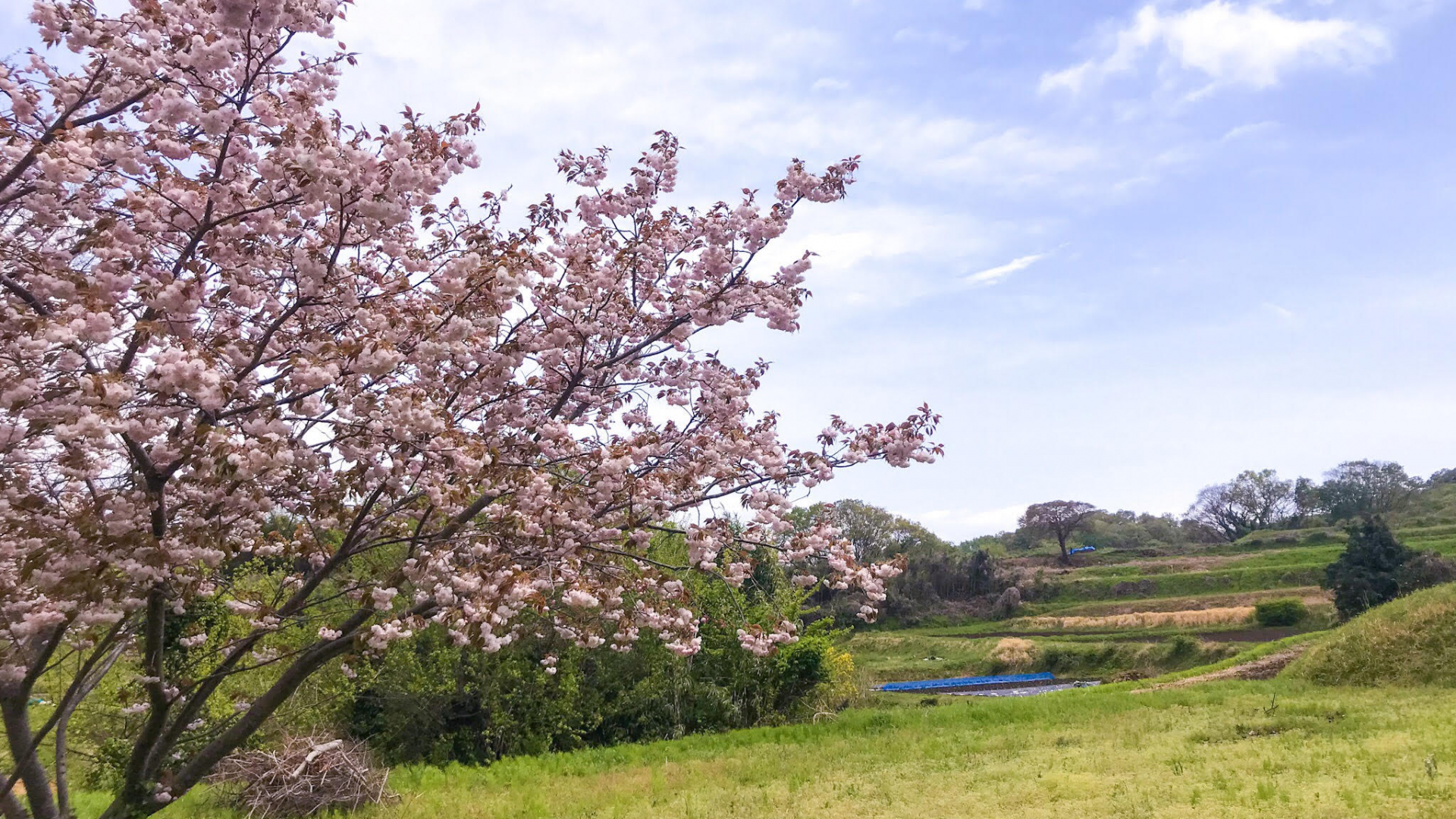
One of the largest in mainland Japan, the park is known for its 280,000 beautiful Shibazakura in bloom from mid-April to May, covering an area of 1.8 hectares. A must-see is the panoramic view of the floral carpet from the observatory, where various shades of red, white, mauve and pink lawn cherry blossoms form beautiful patterns. You can taste handmade soba noodles at the restaurant in the park. Local vegetables and Shibazakura plants are available at the farmer's market.

Nikko kaido Oshu kaido TOCHIGI
Sessho-seki (Killing Stone)

Sessho-seki (Killing Stone)

Sessho-seki is a huge lava rock on the slope of Mount Nasu near Nasu Yumoto Onsen. According to literature from the Muromachi period (室町時代) (1336-1573), a fox with nine tails disguised itself as a beautiful woman and tried to kill the Emperor Toba. After fleeing to Nasu, the demon vixen was vanquished and turned into a stone. The stone was named "Sessho-seki " (Killing Stone) because many creatures died from the poisonous air it emitted.This place has been designated a National Place of Scenic Beauty.

Nikko kaido Oshu kaido TOCHIGI
Nasu Heisei-no-Mori Forest

Nasu Heisei-no-Mori Forest

Nasu Heisei no Mori is a forest park that was originally part of nearby Nasu Imperial Villa. The forest opened to the public in 2011 as part of Nikko National Park. Nasu Heisei-no-Mori Forest consists of two areas: the Forest Recreation Zone and the Forest Learning Zone. You can stroll freely through the forest. There are three loop trails in the Recreation Zone. The longest, about 3 kilometers, leads to the Komadome Waterfall Observation Deck. At Nasu’s Komadome Waterfall, the scene created by the dynamic, seasonal landscape of the mountains and the contrast of the waterfall’s stunningly clear, blue water is simply breathtaking. In contrary, entering the "Forest Learning Zone" is limited to people with guide reservations in advance, but is definitely a valuable experience, since a guide will walk you through the forest while providing you interesting knowledge about the surrounding nature. During the winter months when the Forest Learning Zone is closed to the public, the Field Center offers guided snowshoe walks through the Recreation Zone.

Oshu kaido Nikko kaido TOCHIGI