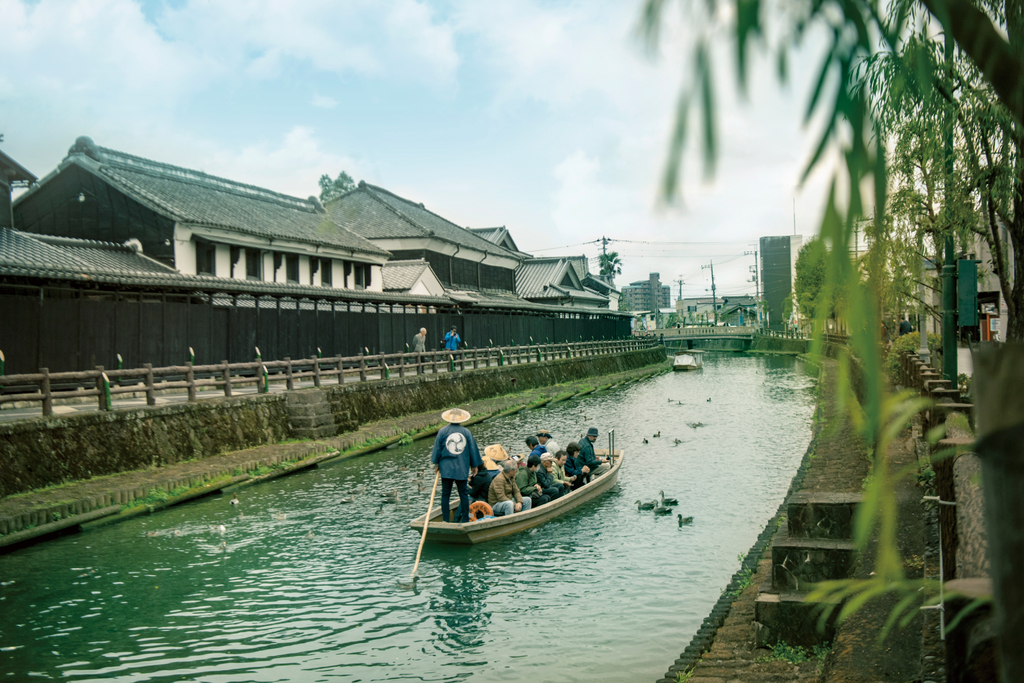
Kuranomachi Yuransen(Tochigi pleasure boat)
Take a nostalgic boat trip beside the traditional storehouses lining the Uzuma River in just 20 minutes!
Total: 1727 items
Take a nostalgic boat trip beside the traditional storehouses lining the Uzuma River in just 20 minutes!
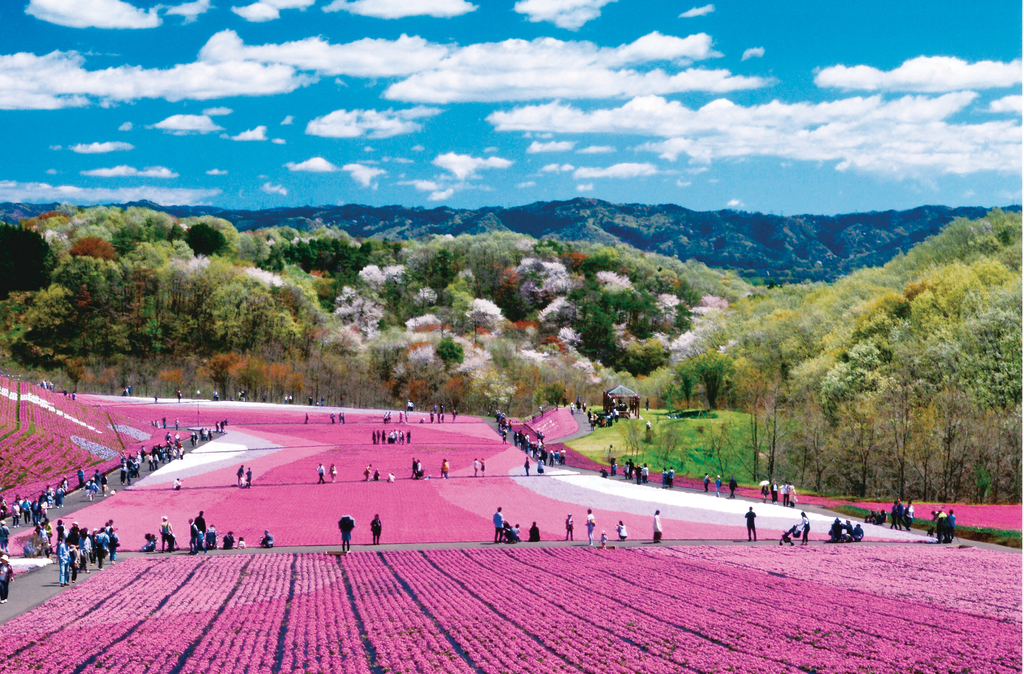
One of the largest in mainland Japan, the park is known for its 280,000 beautiful Shibazakura in bloom from mid-April to May, covering an area of 1.8 hectares. A must-see is the panoramic view of the floral carpet from the observatory, where various shades of red, white, mauve and pink lawn cherry blossoms form beautiful patterns. You can taste handmade soba noodles at the restaurant in the park. Local vegetables and Shibazakura plants are available at the farmer's market.
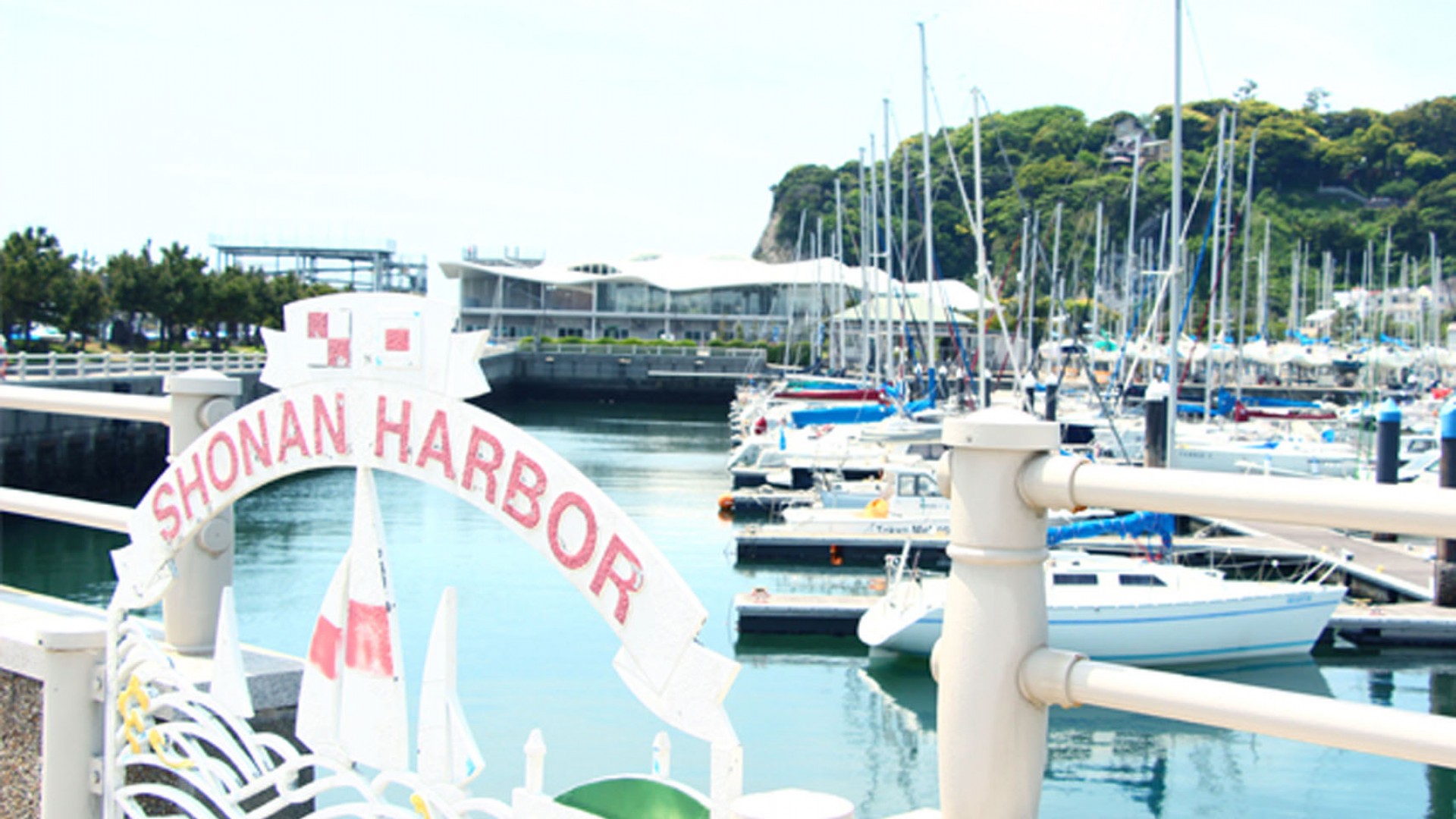
Enoshima Yacht Harbor opened for yachting events for the 1964 Tokyo Olympics. Since its opening, though being one of the few public yacht habors in Japan, it has contributed to the spreading of yacht activities. It is the venue for sailing at the 2020 Tokyo Olympic Games.While on Enoshima Island make sure to visit the Yacht Harbor Building to learn all about the Yachting World Cup, the 1964 Tokyo Olympics and the upcomng 2020 Tokyo Olympics' yacht competition.
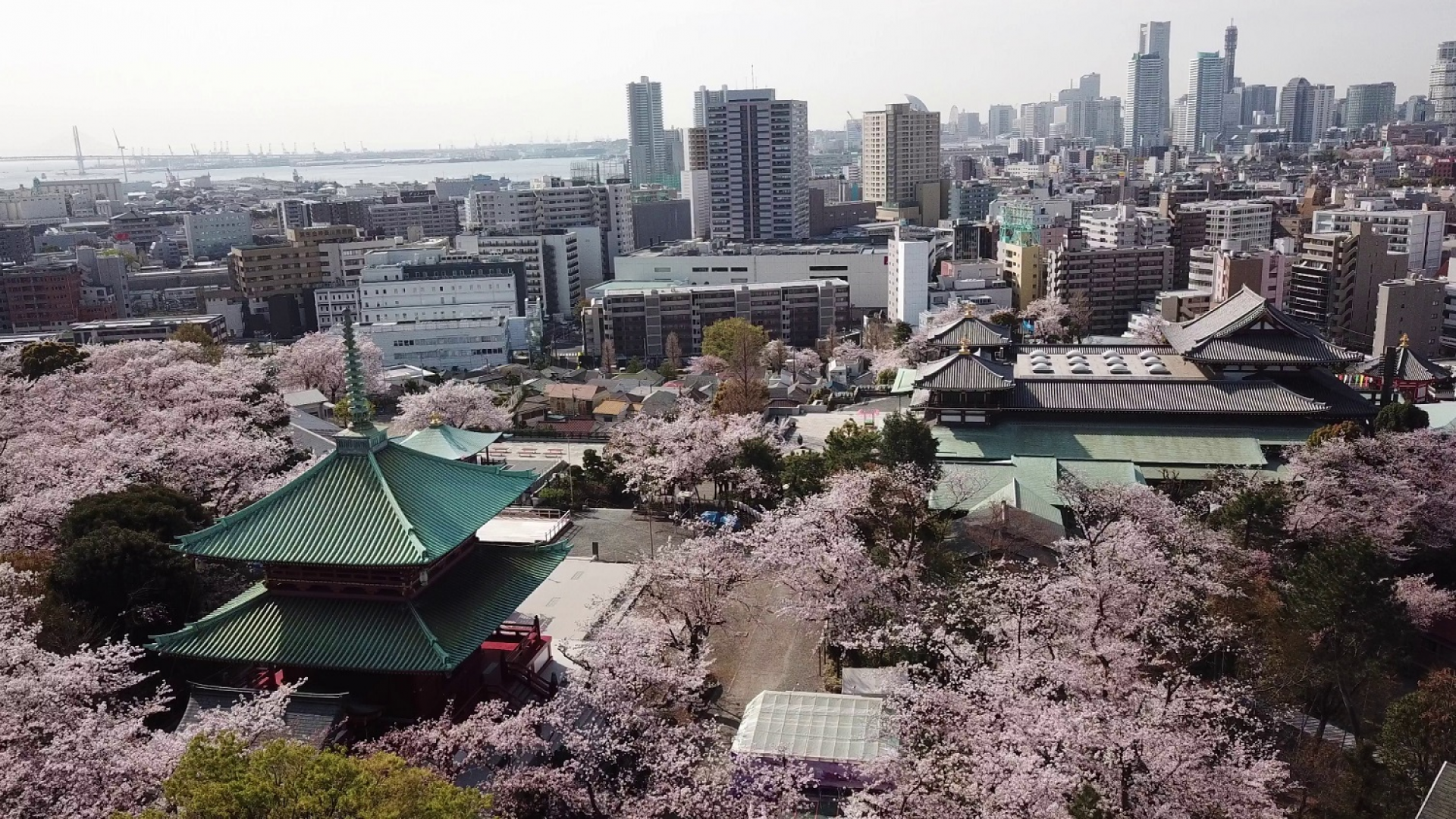
Kodosan Hon-Butsuden is a Buddhist temple built on Mt. Kodo with a commanding view of the urbanized international port city Yokohama and its Minato Mirai district. The temple has a two-story pagoda, Shariden hall, main hall and other halls within its grounds atop the mountain, and 250 cherry trees fill with blossoms in spring.
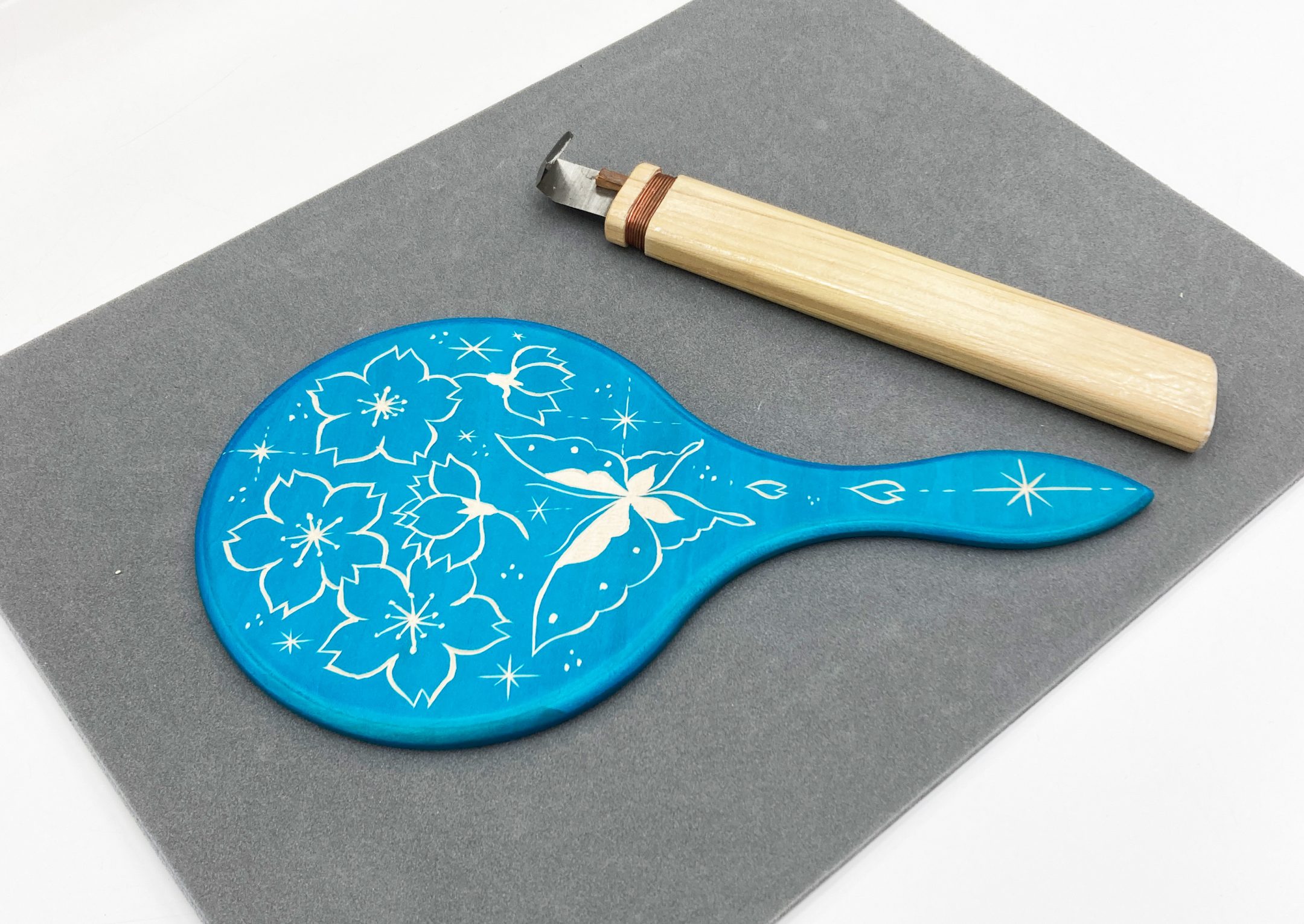
mekke is a base for “discovering” the charms of Nikko based on the theme of "feeling, connecting, and touring". Workshops that can only be experienced here, such as Nikko carving and deerskin leather crafting, are held from time to time. It also has a coworking space and community space, and is used as a place where tourists and local residents can easily connect with each other. Electric bicycles can be rented and baggage storage services are available, allowing visitors to tour Nikko in comfort. On the first floor, there is an exhibition space for Nikko's history and traditional performing arts, as well as a tourist information center, where you can freely pick up pamphlets to help you gather information for your trip. This is a new starting point for Nikko, where sightseeing, experience, and exchange are all connected in one place.
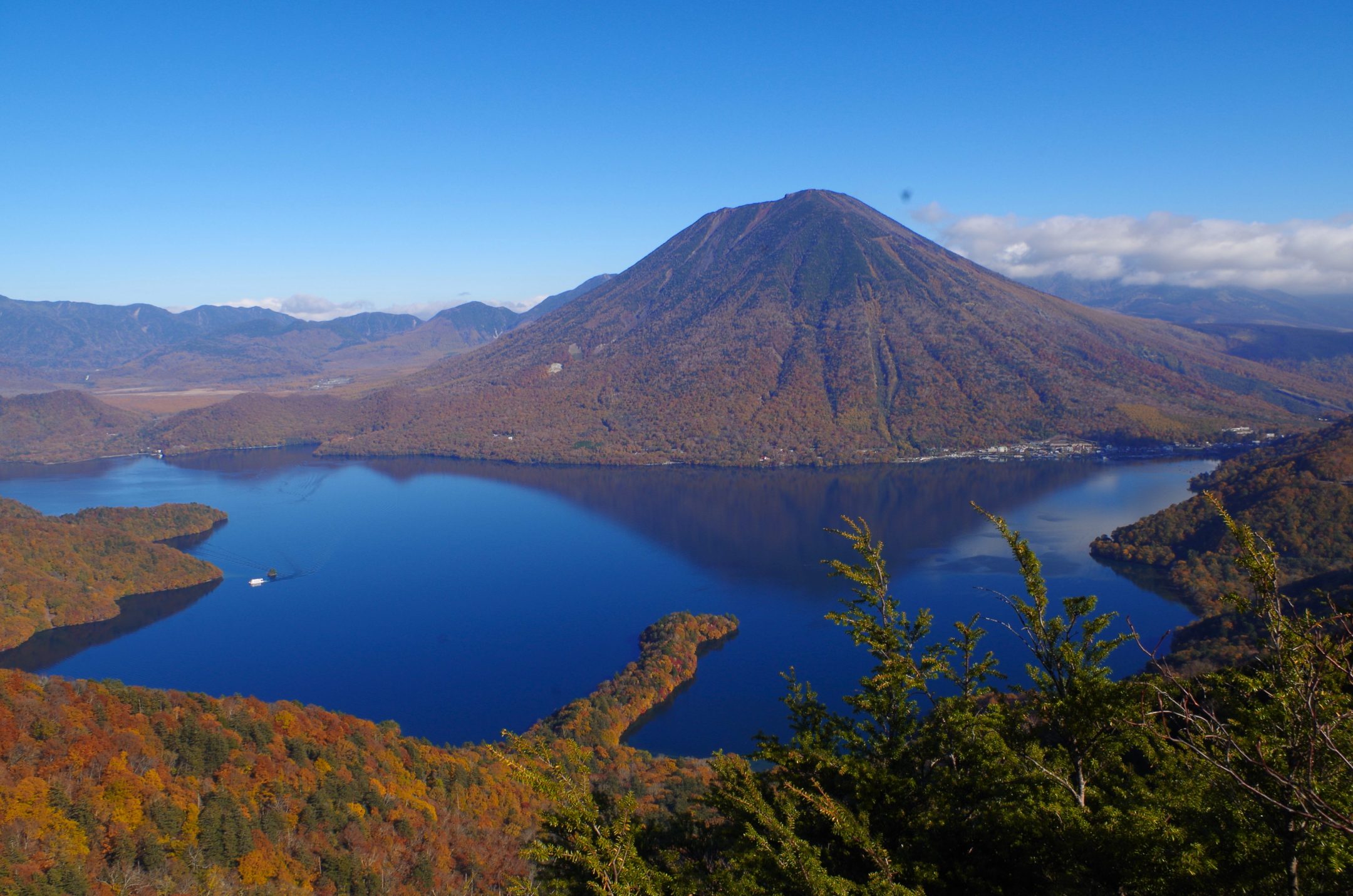
Lake Chuzenji is located in the area leading into Okunikko. It has a circumference of 25 km and the water reaches a depth of 163 m. It is said that lava from the eruption of Mount Nantai 20,000 years ago blocked the valley to create the initial form of the lake. Because of the spectacular view in each season, the lakeside area used to be a popular summer retreat for foreigners. That areas still features the Italian Embassy Villa Memorial Park and British Embassy Villa Memorial Park. The pleasure boat of the Tobu Chuzenjiko Cruise sails through the beautiful scenery and near these tourist destinations. In fall, you can see mountains covered in explosions of red, orange, and yellow from the lake. It is truly a picturesque view. The tour takes about 55 minutes in total, but there are tickets available for visitors to get on/off along the course.
"Nikko Waraku Odori" (folk dance) started in 1913 to commemorate the visit of their Majesties: the Taisho Emperor and Empress to the Nikko Copper Refinery, which was known as the predecessor of the present Nikko Works of Furukawa Electric Co., Ltd. It was the very first time that the Emperor visited a private plant. "Nikko Waraku Odori" started at the celebration after the visit. The plant workers were filled with so much emotion, that they started dancing spontaneously after carrying out such an important mission of welcoming their Majesties. Since then, this folk dance has been loved by people in Tochigi for over 100 years.
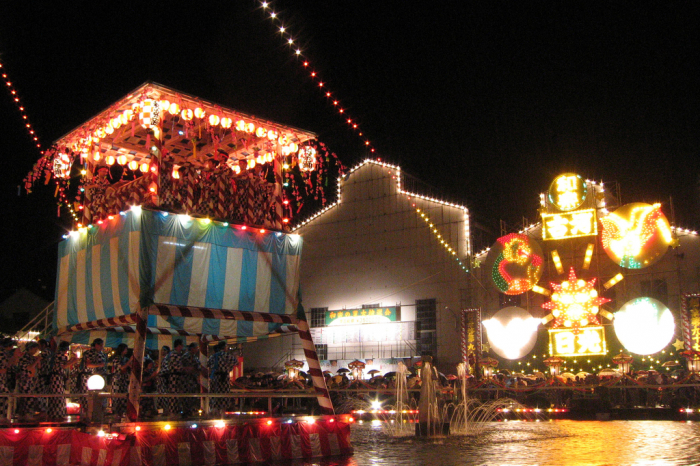
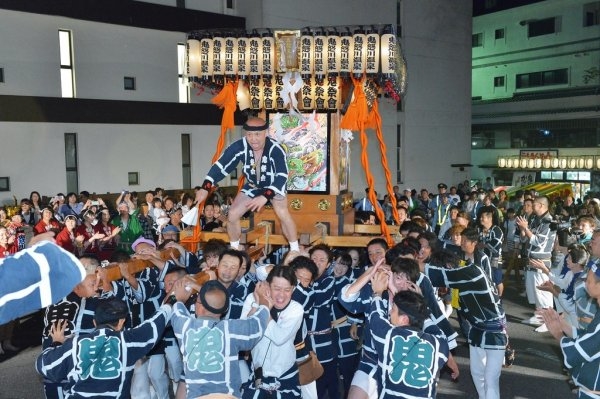
For the Ryuou Festival at Goryuo Shrine in Ryuokyo Canyon, a priest is invited from Nikko Toshogu Shrine to perform a Shinto ritual. Afterwards, in the evening, a grand festival is held in the hot spring towns of Kinugawa and Kawaji. At the main festival in Kinugawa Onsen, there is a procession of the magnificent Manto Mikoshi, or "Ten Thousand Lantern Mikoshi" (a mikoshi is a portable Shinto shrine), as well as the beautiful Onna-Taru Mikoshi, which is carried by women only. Additionally, there are folk entertainment performances, stalls, and for the grand finale, a brilliant fireworks display that lights up the night sky.
Lake Chuzenji is the largest lake in Tochigi, framed by 25 kilometres of incredible nature. The area used to be a popular summer resort for foreigners in the late 19th to early 20th centuries. The villas of French and Belgian embassies can still be found here. You can enjoy seasonal charms by the lake. Walking trails surround the water’s edge and there is an excursion boat available on the lake. The views from the lake are spectacular, particularly when the cherry blossoms or azaleas are blooming or when the autumn leaves are turning. The “Koyo-meguri” tour, enjoying autumn leaves reflecting on the lake, is highly recommended.
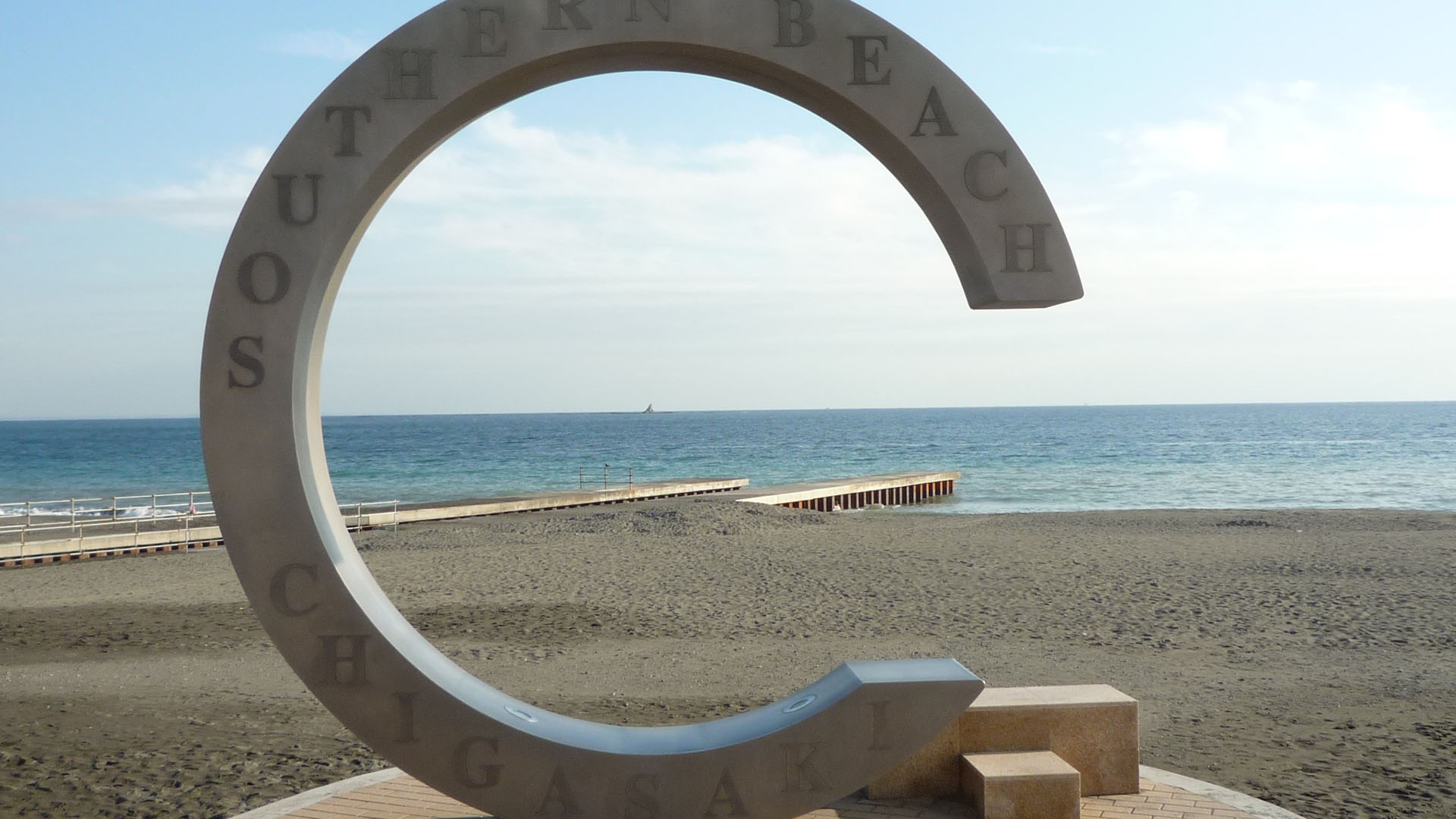
Chigasaki Southern C is the symbol of Southern Beach Chigasaki and has even fronted the Southern All Stars CD cover. This place is famous as a matchmaking (En-musubi) spot as when one stands at the right of the C, filling the gap in “C”, a circle (“En” in Japanese) will be formed, essentially tying fates (also “En” in Japanese) together. It is also famous for being a photo spot in Chigasaki where you can snap a shot with the Eboshi Rock in the middle of the C.
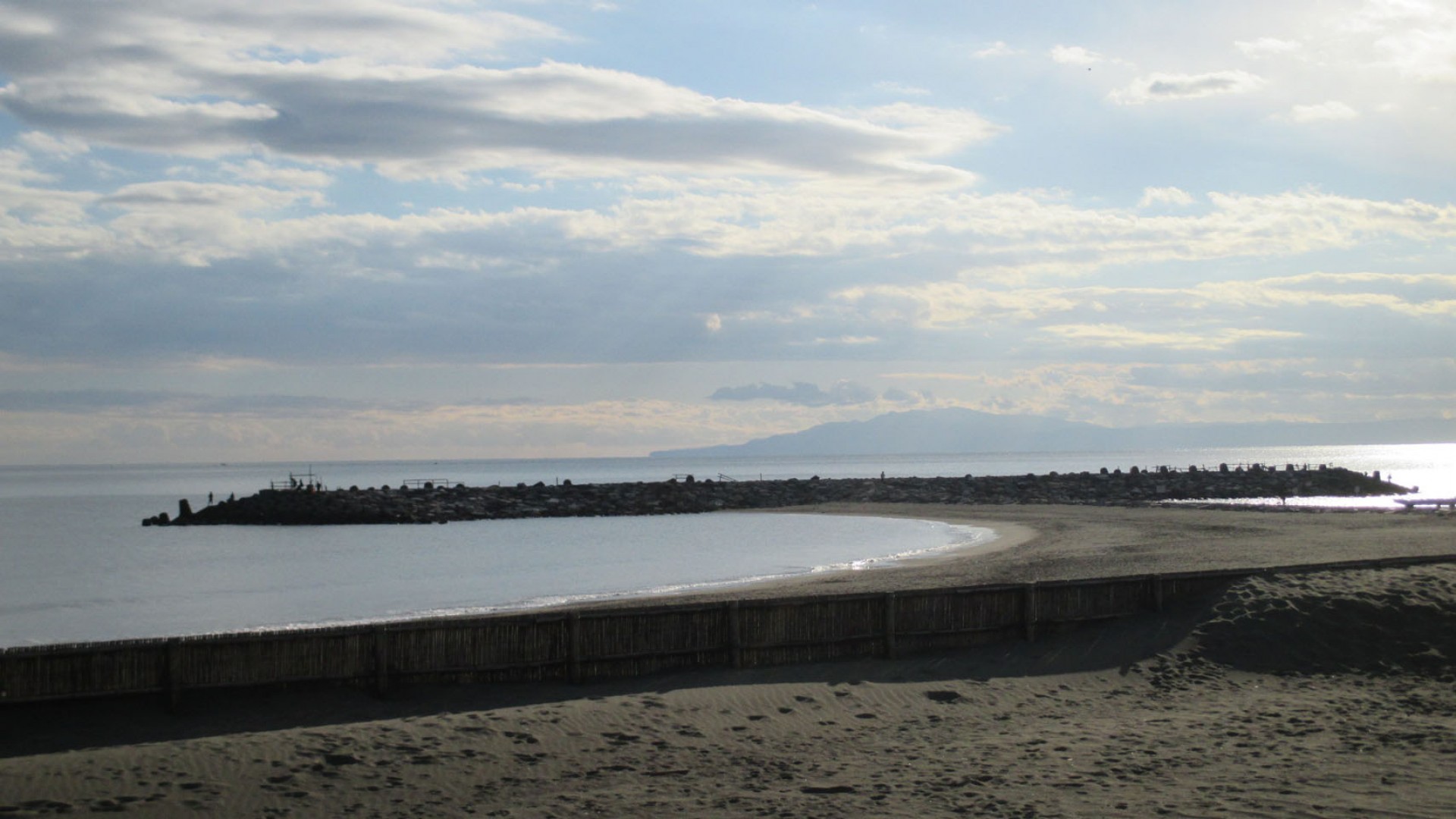
The Headland, a T-shaped pier and the Boardwalk, an estimated 1km long promenade, are places where the locals relax, have a walk or a jog. Here, you can enjoy the sea breeze while gazing at the magnificent scenery of the Sagami Bay. This is a place where you can also see the Eboshi Rock at its largest, and is a local recommendation to visitors of Chigasaki.
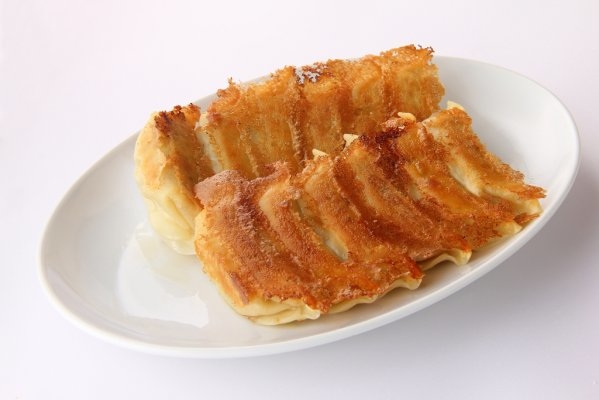
Utsunomiya is famous throughout Japan for its gyoza, and so it’s only fitting that an annual festival to the fried dumplings would be held in the city. The Utsunomiya Gyoza Festival has been held at the beginning of November since 1999, with members of the Utsunomiya Gyoza Committee setting up stalls to sell their famous dumplings. Visitors will be able to enjoy the subtle differences of dozens of dumplings as well as fill empty stomachs at a low cost: A three to five piece portion of gyōza, whether fried, boiled or steamed, will cost just 200 yen. During the two days of festivities, visitors can also watch music bands and comedians at Miyajazz Inn, or see other live concerts at nearby venues.
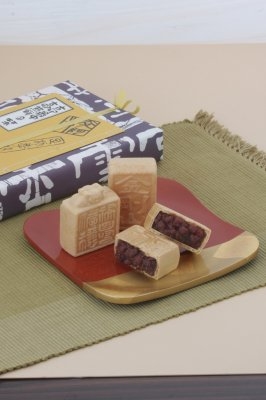
Although officially founded in 1868, the name of this venerable confectionary shop can be found in documents from the late Edo period. Its most famous offering is its Koin Monaka. These monaka (bean jam-filled wafer cakes) feature a motif inspired by the ancient official seals (Koin) of the Ashikaga Clan. Other popular items include its Koin Senbei (rice crackers), Takauji Senbei and Takauji (Dorayaki, bean jam filled pancake) , the latter of which was inspired by the character of the Ashikaga Takauji, the first Ashikaga shogun. Another popular item is their Monaka Gokko, which allows you to enjoy the classic flavor of monaka in a casual "make it yourself" style."
This plantation offers you the opportunity to taste strawberries grown in organic soil. The soil is rich in nutrients, giving the strawberries a rich sweetness with a refreshing acidity. “Tochiotome” and “Benihoppe (Red Cheek)” strawberries are available to pick between early January and early June. The homemade Strawberry Daifuku (2 for 600 yen, 3 for 900 yen) are made from their strawberries and are extremely popular, so pre-orders are a must. They also sell jam (800 yen). *Make sure to also give the adjacent Kayama Farm Cafe a try!
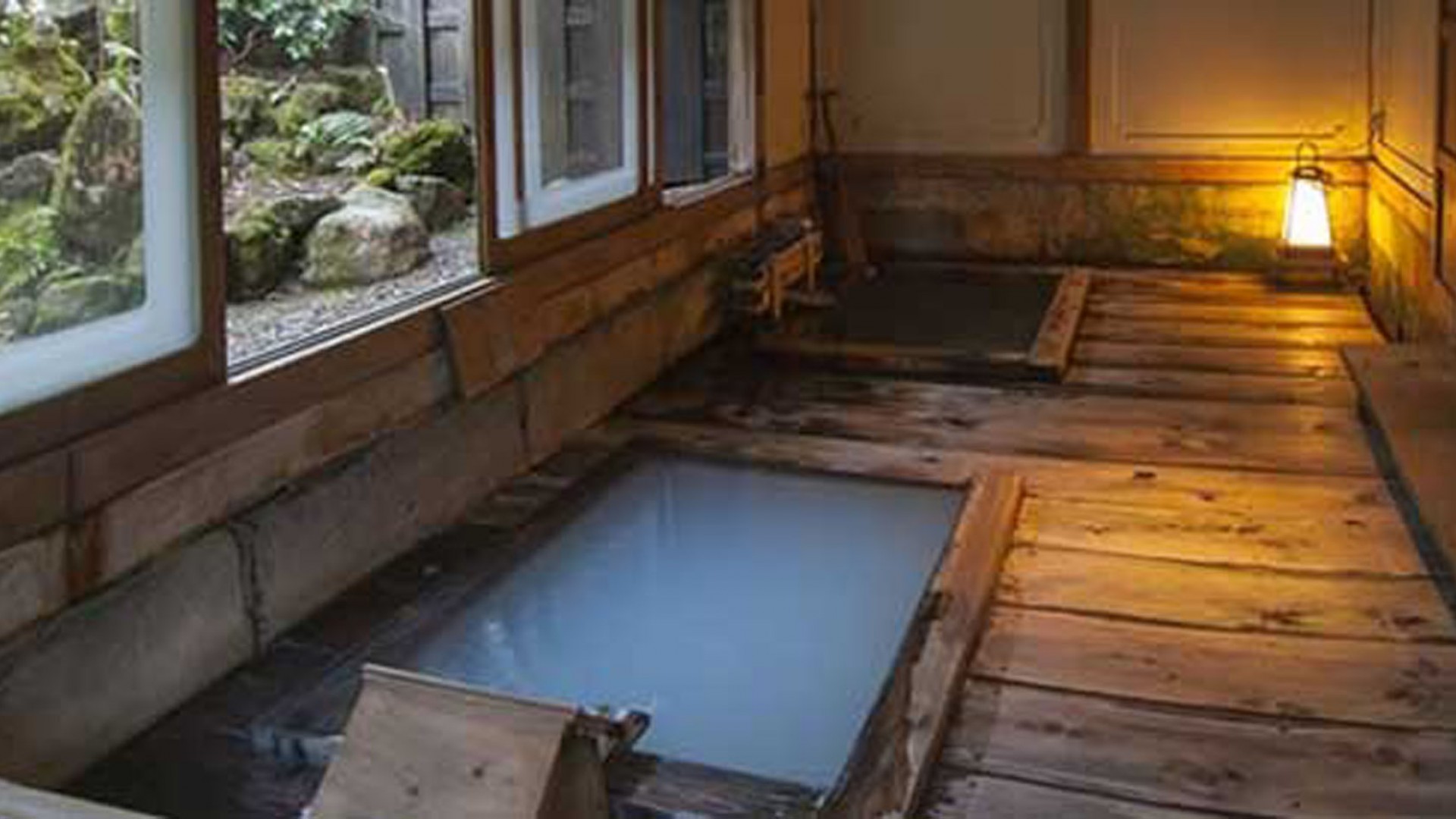
Back in the day, the biggest difficulty for those travelling on the Tokaido road was Hakone. The place of healing for them was Hakone Ashinoyu hotspring. More than 300 years ago, in 1715, "Kinokuniya" was born in Ashinoyu. Here you can enjoy the high quality hotsprings.
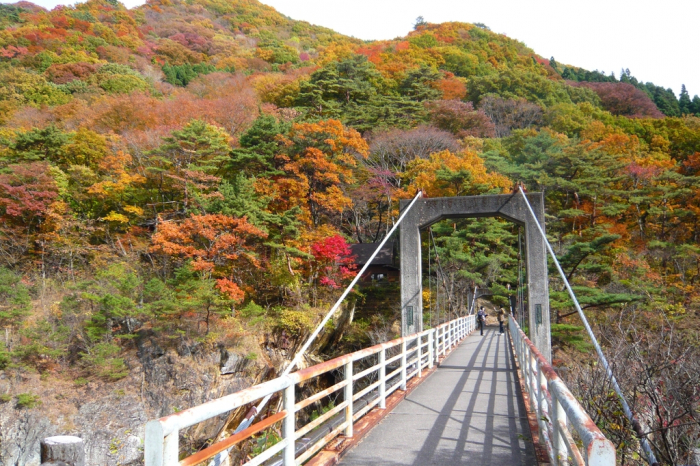
One of the most popular photo spots along the Ryuo Gorge hiking trail Musasabi Bridge is located along the mid-section of the Ryuo Gorge hiking trail in Nikko National Park, and is one of the suspension bridges connecting both sides of the gorge. The geology here belongs to “Hakuryu Gorge,” with the valley below the bridge formed of rhyolite. On both sides lies a well-preserved wetland ecosystem, where skunk cabbage blooms in spring, and in summer visitors can observe the rare forest green tree frog. Compared with Nijimi Bridge at the starting point, the area around Musasabi Bridge feels quieter and closer to nature. Standing on the bridge, away from the crowds, you can listen to the murmuring flow of the Kinugawa River and the rustling of leaves in the breeze—a perfect spot to calm your mind during the hike. Continuing upward from here, you can reach the Seiryu Gorge section, known for its unique rock formations, and enjoy many famous geological sights. It is a hiking journey that combines nature, geology, and tranquil moments.
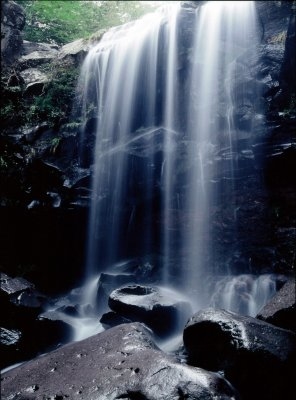
One of Yaita City’s Top 10 Waterside Scenic Spots — a quiet spot steeped in legend and devotion Located in the mountains of Yaita City, Akataki Falls is named for the reddish hue of the rock wall over which its waters cascade. The unusual landscape has long drawn attention. Since ancient times, this area has been considered a sacred site for ascetic waterfall training, giving the place a spiritual, shrine-like atmosphere. Akataki Falls is also listed among “Yaita City’s Top 10 Scenic Waterfalls.” Throughout the seasons, the emerald greenery, flowing water, and falling mist create picturesque, scroll-like scenery. This spot is also a hidden gem loved by photography enthusiasts and travelers seeking healing. It is said that Tetsuya Funamura, a composer born in the neighboring Shioya Town, often visited here during his childhood, leaving him with deep memories. On the way to the falls, visitors pass by a giant fir tree and a small shrine, making the trail itself a spiritual walking journey. Whether you come seeking the mystical power of the sacred site, or simply to enjoy the peaceful scenery, Akataki Falls is a memorable destination not to be missed.

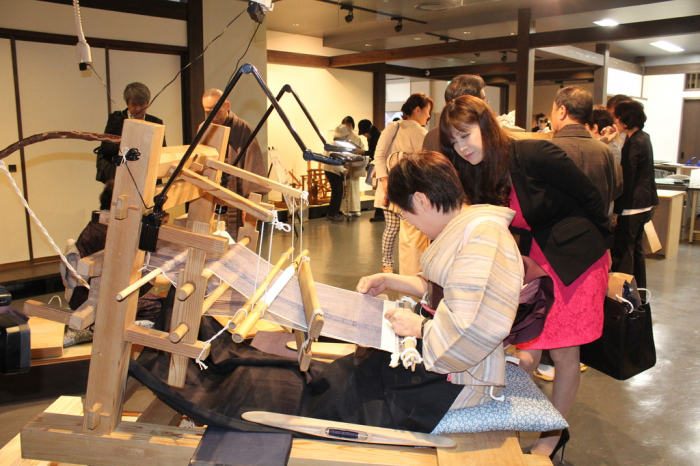
What is Yuki Tsumugi?Yuki Tsumugi is a traditional silk fabric originating from Oyama City in Tochigi Prefecture and Yuki City in Ibaraki Prefecture, with a history dating back to the Nara period. Once valued for its durability, it is now prized as a top-class handwoven silk for its light yet strong texture. Oyama Honba Yuki Tsumugi Craft MuseumHonba Yuki Tsumugi is entirely handcrafted and was inscribed on UNESCO’s Representative List of the Intangible Cultural Heritage of Humanity in 2010. The Oyama Honba Yuki Tsumugi Craft Museum is dedicated to promoting this traditional art and offers the following experiences: Craftsman Demonstrations: Watch up close as artisans spin silk threads and weave on looms. Hands-on Weaving Experience: Try your hand at weaving under staff guidance (advance reservation recommended). Kimono Experience: Select your favorite Yuki Tsumugi kimono pattern and stroll through the streets of Oyama (some accessories require an additional fee). Closed on Mondays and during the New Year holidays. Some activities require ID and advance booking.