
Greater Tokyo

See & Do

reset
Mahoroba no Yu Yushinkan

Mahoroba no Yu Yushinkan

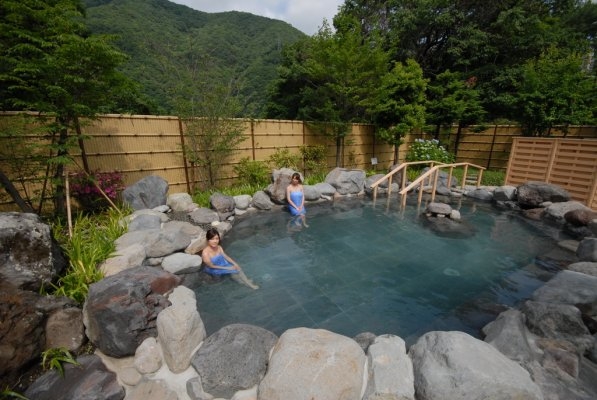
This day-trip hot spring is in Nasu County, Tochigi Prefecture. Along with an expansive indoor bath there's an open-air bath to enjoy while looking at the Nasu Mountain Range and listening to the Nakagawa River. The spring is a sodium - sulfate chloride spring and it is known to help with strokes. In addition to baths, Yushinkan has a large banquet hall and smaller halls, a relaxation corner, restaurant, snack corner and more.Do make sure to stop by for a visit."

Oshu kaido Nikko kaido TOCHIGI
Okada Memorial Museum

Okada Memorial Museum

This memorial museum celebrates the Okada family, a family whose history dates back over 550 years and which was once one of the leading families of Tochigi City. The museum's expansive grounds sprawl across some 13,000 square meters, inside, the museum displays treasures passed down through the generations in the Okada family. Said to have moved to the area from distant Sanjo in Kyoto, in the Edo period the family is said to have provided leadership in creating the foundations of daily life and to have contributed to the building of a stable community. Later, the Tokugawa clan gave the area the title of Kauemon Shinden Village, which then became Kauemon Shinden Town (now Kauemon-cho)."

Nikko kaido Oshu kaido TOCHIGI
Stone Museum in Ashino, Nasu

Stone Museum in Ashino, Nasu

This modern art museum was created by transforming an old rice stone warehouse, redesigned by internationally acclaimed architect Kengo Kuma. The building itself is a beautiful space composed of stone, water, and light, making it not only a cultural site but also a popular photo spot. In winter, as the daylight fades, the lights from each building—divided by a flowing waterway—create a magical and dreamy atmosphere, offering a breathtaking seasonal view. Kengo Kuma (born 1954) is one of Japan’s most celebrated architects, known for projects such as the Nezu Museum in Aoyama, Tokyo, and GINZA KABUKIZA. More recently, he gained worldwide recognition for designing the new National Stadium in Tokyo. His architectural style, which features natural materials and lattice designs, is highly praised both in Japan and abroad. After a renewal in November 2024, the museum reopened with several new features. A café now adjoins the entrance, offering drinks brewed by a professional barista using an espresso machine. The revamped “Stone Lounge” invites visitors to relax while enjoying furniture designed by Kengo Kuma. The roof of the main gallery—the largest of the museum’s three historical stone warehouses—has also been renovated using Ashino stone, the same material as the building’s exterior. The entrance area is freely accessible without an admission ticket, allowing guests to enjoy shopping or a casual drink even without entering the exhibition area.

Nikko kaido Oshu kaido TOCHIGI
Shiobara Onsen Yuppo no Sato

Shiobara Onsen Yuppo no Sato

Shiobara Onsen Yuppo no Sato has opened on August 1, 2006, as a base tourist facility to advertise the rich amount of the water of Shiobara hot springs and rich natural surroundings to visitors from home and abroad. It has a 60-meter long footbath which is the largest in Japan. In addition, visitors can enjoy hot shower-baths, Insendo hot spring spot, and an exhibition hall that teaches about the history of Shiobara Hot Spring. You can also stroll about the site while taking in the seasonal blooms and monuments to literary and poem-inscribed monuments."

Nikko kaido Oshu kaido TOCHIGI
Kanaya Hotel History House

Kanaya Hotel History House

In 1870, Dr. James C. Hepburn, an American medical missionary, visited Nikko and stayed at the house of Zenichiro Kanaya, who was a member of Gagaku (an ancient imperial court music) orchestra of the Toshogu Shrine. Foreseeing an increase in the number of foreign tourists to Nikko, Dr. Hepburn suggested that Kanaya open a hotel for foreigners. Following Hepburn’s advice, Zenichiro remodeled his house and opened “Kanaya Cottage Inn” in 1873.   Kanaya’s house was originally a residence of samurai warriors during the Edo period. For its unique architectural characteristics, Kanaya Cottage Inn was called “Samurai House” by its foreign guests.   In 1893, Zenichiro relocated his business and opened “Kanaya Hotel” on the top of the hill that overlooks the River Daiya. It was Japan’s first full-fledged western-style resort hotel and has been in operation at the same place to date.   The Kanaya Samurai House and warehouse were registered as a National Tangible Cultural Property in 2014 and opened to the public as the Kanaya Hotel History House in 2015.

Nikko kaido Oshu kaido TOCHIGI
Nasu World Monkey Park

Nasu World Monkey Park

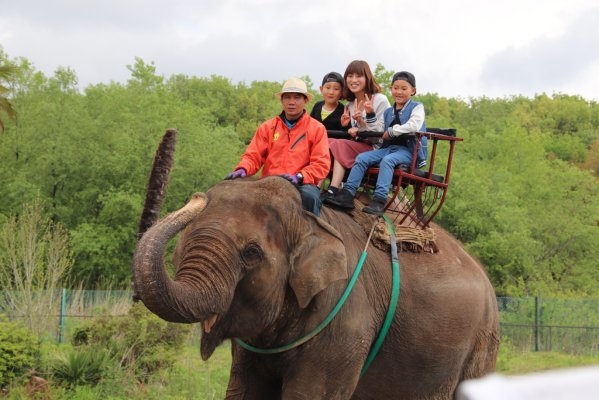
Nasu World Monkey Park is a monkey theme park with over 60 different types of rare monkeys from around the world. The plaza where guests can hold and take photos with the cute and rare monkeys is extremely popular. In addition to a petting area, there’s a “monkey theater” with variety shows featuring monkeys. And an “elephant forest” where visitors can ride elephants, along with many other experiences. You’ll also find restaurants that provide various Asian cuisine and shops that sell monkey-themed goods."

Nikko kaido Oshu kaido TOCHIGI
Subanazaka Park (Ikoikan, Fireflies)

Subanazaka Park (Ikoikan, Fireflies)

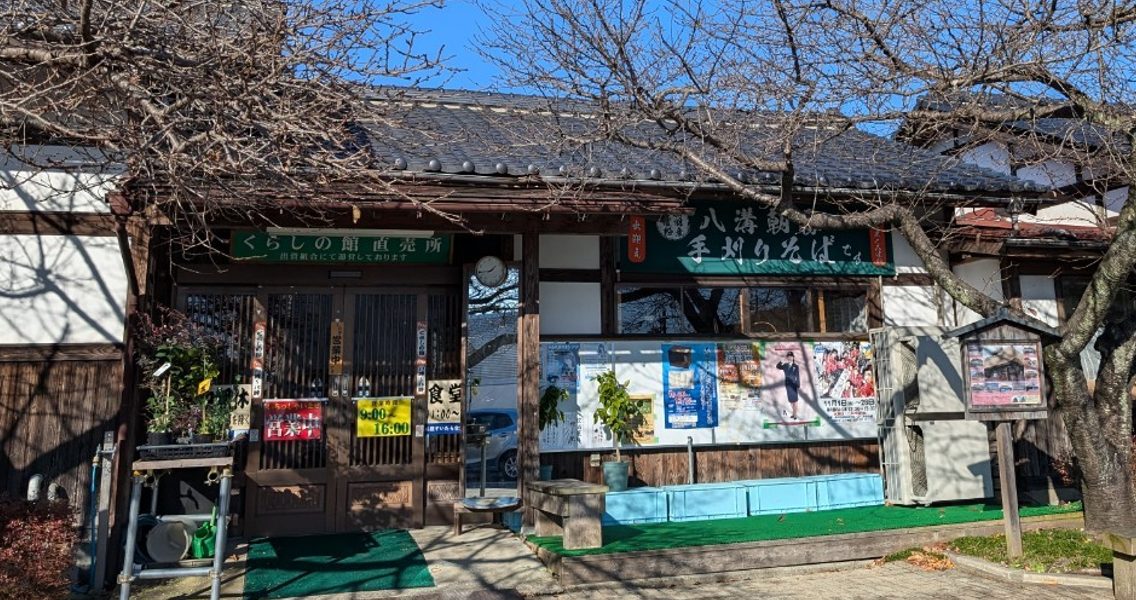
This restaurant is located inside Subanazaka Park, a nature park on the Subanazaka Hill. Situated near the central starting point for the park's hiking courses, here customers can enjoy handmade soba noodles made with an abundance of local buckwheat flour. The restaurant's traditional flavors, prepared by local housewives, are perfect for enjoying after a nature hike. The restaurant's manju steamed buns, which are made by hand starting from the filling, are also highly acclaimed. The surrounding area is a famous destination for viewing Genji fireflies, and when the fireflies appear in June, a variety of locally-operated food stalls also open up nearby. "

Nikko kaido Oshu kaido TOCHIGI
Tochigi Central Park

Tochigi Central Park

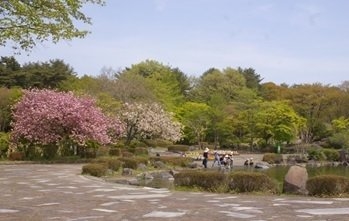
This park in Mutsumi-cho, Utsunomiya City has a theme of "Water, Greenery, and Culture." It's arranged like a strolling garden and has a Western style sunken garden centered on a pond, as well as a Japanese garden. Their Green Consultation Center holds horticultural exhibits and other events. The Tochigi Prefectural Museum is also on the grounds. Astroll through Central Park in Utsunomiya reveals the beauty of each season. For example, in March and April camellias and tulips bloom; in June, find roses, hydrangea and wisteria; April to mid-June brings peonies; November, deciduous trees light up the park with red, yellow and orange."

Nikko kaido Oshu kaido TOCHIGI
Ooyaji Temple(Ooya Kannon)

Ooyaji Temple(Ooya Kannon)

The beginning of Ooyaji Temple Nearby the Utsunomiya City, the Ooyaji Temple has been built surrounded by a cavern. Within the temple are 10 stone carvings of buddha carved directly into the cavern wall including Japan’s oldest statue of the goddess Kannon (the Oya thousand-armed Kannon).   It is said that long time ago, a venomous snake was living in the Oya area and every creatures were killed by its poison. In A.D. 810, a famous monk Kukai Daishi heard this story and stayed at this area for a few days. When he left, he told people that the snake would never come back again. People found that there was a Senju Kannon (also known as Ooya Kannon) carved into the cavern, and built this temple for thanking Kukai Daishi.   Symbol of Japan's Silk Road, the Ooya Kannon In recent study, scholars had found some similarities between Ooya Kannon and the Buddhas of Bamiyan. It is believed to be Japan’s Silk Road heritage carved by Afghan monks.   When you visit, please join your hands in prayer for world peace and happiness for people while reflecting on Kannon’s great heart.

Nikko kaido Oshu kaido TOCHIGI
Tachiki Kannon,Nikkosan Chuzenji Temple

Tachiki Kannon,Nikkosan Chuzenji Temple

This branch temple of Nikkosan Rinnoji Temple was founded in 784 by Shodo, the first head priest of Nikko. The wooden statue for which it’s named—which represents Kannon, the thousand-armed goddess of mercy—is said to have been carved by Shodo himself. The temple is also home to several historically significant Buddha statues. It is also the 18th stop on the 33 Kannon Temple Bando Pilgrimage route, so many pilgrims visit to see it."

Nikko kaido Oshu kaido TOCHIGI