

Greater Tokyo

See & Do

reset
Steam Locomotive Taiju

Steam Locomotive Taiju

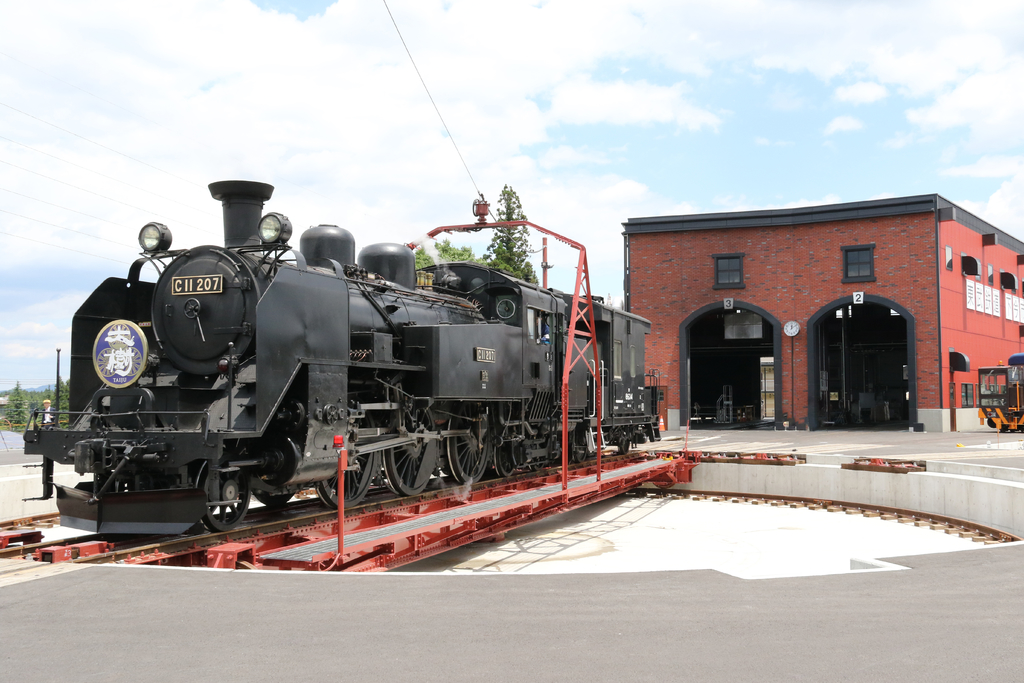
This steam locomotive, called “Taiju”, has been operating since August 2017. “Taiju” is also known as the other name of the Tokugawa Shogun, who is enshrined at Nikko Toshogu Shrine. Tobu Railway, with its network from the Asakusa area in Tokyo to this Kinugawa Onsen area, was once called one of the biggest “kingdoms of steam locomotives”, as it used to operate as many as 85 steam locomotives mainly for forwarding freight. How about enjoying a ride on Taiju on the way to your sightseeing destination? All seats on the Taiju are reserved and can be purchased at Tobu Tourist Information Center Asakusa on the first floor of Asakusa Station, website,or Tobu Railway Line Stations. Shimoimaichi Station and Kinugawa Onsen Station are equipped with railway turntables where you can enjoy watching a dynamic steam locomotive in front of you!

Nikko kaido Oshu kaido TOCHIGI

Tochigi Prefectural Central Park

Tochigi Prefectural Central Park

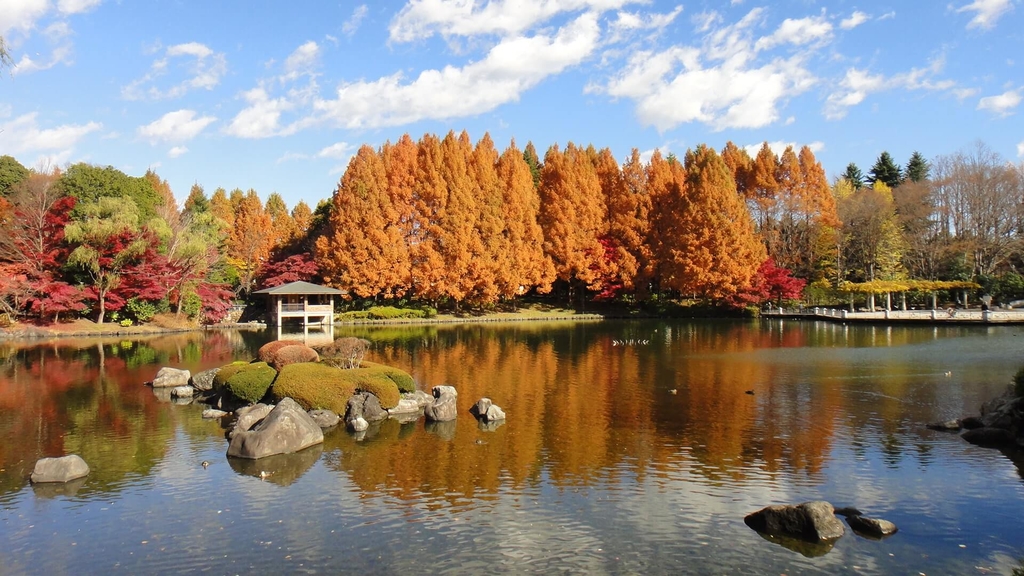
A prefectural park combining Japanese and Western garden design with nature, culture, and disaster-prevention functionsTochigi Prefectural Central Park is located in the center of Utsunomiya City and was created under the theme of “water, greenery, and culture.” Within the park are Western-style sunken gardens, Japanese-style ponds, and multipurpose plazas, which also interact with the neighboring Tochigi Prefectural Museum. Visitors can enjoy a wide variety of landscapes, including waterfalls, stone gardens, and the expansive Noh Stage Plaza with its modern fountain pool. Seasonal flowers and meticulously maintained lawns add to the park’s charm. The park also features the “Midori no Shōkansho” (Green Consultation Office), which regularly holds exhibitions and workshops, providing advice on gardening and tree care for citizens. This space serves as a multipurpose area for relaxation, recreation, and environmental education. As a disaster-prevention park, it also has emergency response functions, making it an important part of daily life for local residents.

Nikko kaido Oshu kaido TOCHIGI
WAIN – Vintage Rice Barn in Nasu

WAIN – Vintage Rice Barn in Nasu

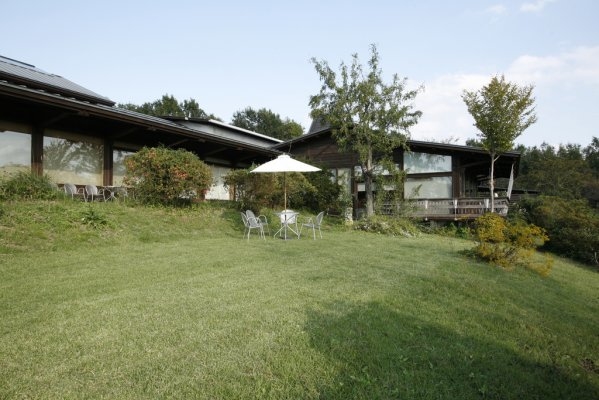
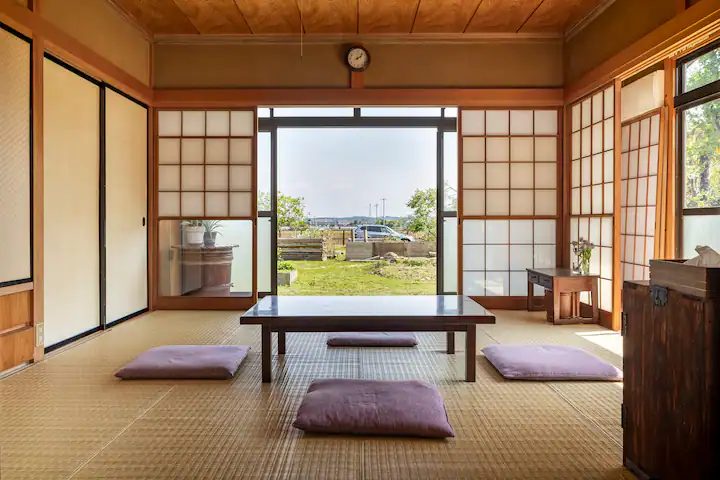
Originally built in the early Showa period, this traditional Japanese kura (storehouse) and barn were transformed into a warm and inviting guesthouse through extensive renovations in 2023, designed to comfortably accommodate up to two families (up to 8 guests). While preserving the nostalgic charm of the original architecture, we’ve thoughtfully modernized the facilities, adding two fully equipped bathrooms and kitchens to ensure a spacious and comfortable stay for our international guests. After relocating from Tokyo to embrace a sustainable lifestyle, we now cultivate organic, pesticide-free vegetables that we’re delighted to share with our guests. Set on a sprawling 2000-square-meter garden, the property invites you to enjoy open-air activities: play with our two friendly rescue dogs, explore the grounds, catch insects, or savor a barbecue amidst nature’s beauty. This is a space where modern comfort meets rustic tradition, offering a tranquil countryside retreat.

Nikko kaido Oshu kaido TOCHIGI

TENTAKA SHUZO Co., Ltd.

TENTAKA SHUZO Co., Ltd.

Tentaka Shuzo established itself in Otawara City, a nature-rich city suitable for sake brewing in Tochigi Prefecture. With a history of over 100 years, the brewery produces organic sake under the motto of “delicious, safe, and enjoyable” and is hosting brewery tours that include tasting. There are two brewery tour courses. One is the Standard Course that takes about 30 minutes, and the other one is the Special Course that requires about 60 minutes. In the Special Course, you can visit many rooms involved in sake production including the rice mill, rice steaming room, yeast growing room, sake brewing room, sake pressing room, and sake filtering room. Why don’t you join the tour and learn about Japanese sake production using the carefully selected ingredients, production method, equipment, and tools? ※Due to production preparation, there are no tours offered between the middle of December and the end of February.

Nikko kaido Oshu kaido TOCHIGI
Utsunomiya Joshi Park

Utsunomiya Joshi Park

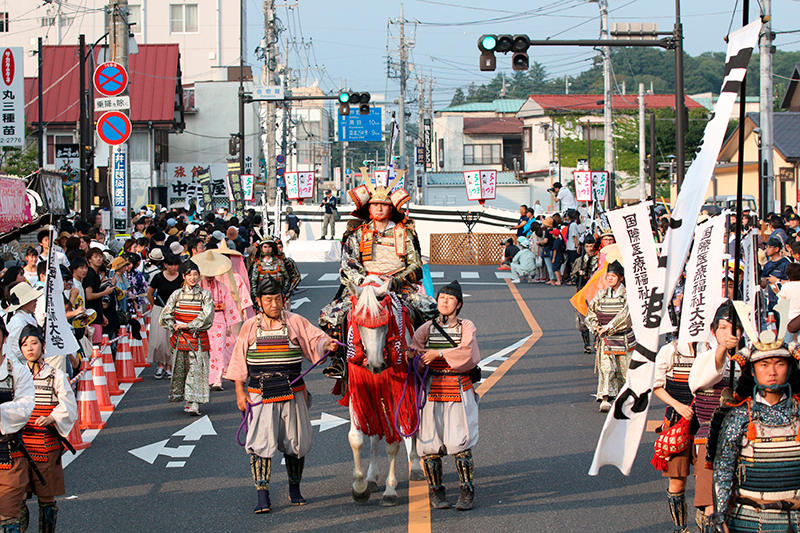
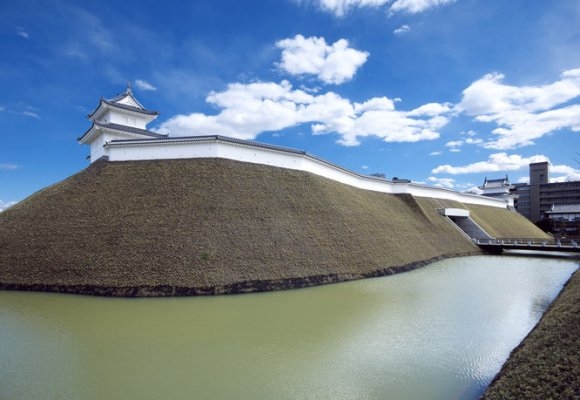
The History of Utsunomiya Castle Utsunomiya Castle is believed to have been originally built by the legendary Japanese warrior Fujiwara no Hidesato. During the medieval period, it served as the stronghold of the Utsunomiya clan for generations. After the Utsunomiya clan was stripped of its land by Toyotomi Hideyoshi, Utsunomiya Castle became the residence of fudai daimyō (samurai families who had pledged loyalty to the Tokugawa clan before the Battle of Sekigahara) during the Edo period. The castle also played an important role as a key stopover point for Tokugawa shoguns traveling to Nikkō Tōshō-gū to pay their respects. In 1868, the castle was engulfed in the flames of war during the Boshin War, a conflict between the new Meiji government forces and the remnants of the Tokugawa shogunate. Most of the original structures were destroyed in the battle. Today, the castle ruins have been transformed into a historical park, with efforts focused on reconstructing parts of the Edo-period (1600–1867) main keep (Honmaru) to preserve its legacy. Utsunomiya’s Earliest and Most Famous Cherry Blossom Viewing Spot From March to April, Utsunomiya Castle Ruins Park is adorned with beautiful cherry blossoms. The season begins in mid-to-late March with the early-blooming Kawazu-zakura, followed by Somei Yoshino, Shidare-zakura, and finally culminating in the Oyama-zakura in mid-April. For a full month, visitors can immerse themselves in a breathtaking sea of pink petals. During cherry blossom season, the park hosts the Utsunomiya Sakura Festival, featuring stage performances, local street food stalls, and festive activities in addition to stunning cherry blossoms. This makes it one of Utsunomiya’s most renowned hanami (cherry blossom viewing) spots.

Nikko kaido Oshu kaido TOCHIGI
Nagamine Park

Nagamine Park

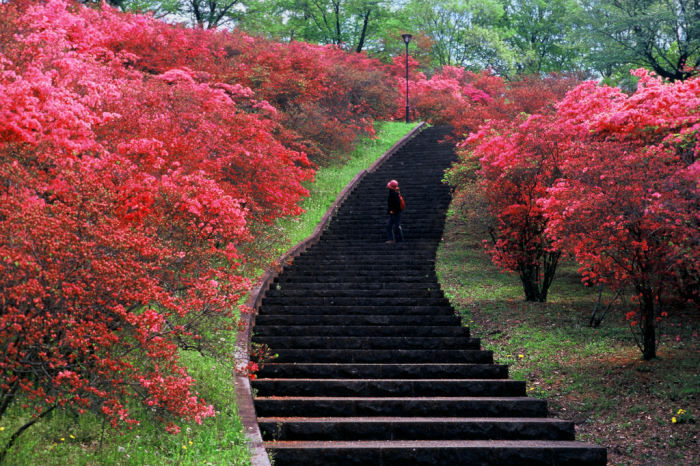
One of Japan's top 100 urban parks, the famous azalea viewing place in Kanto City, North Kanto City, about 5,000 azaleas in full bloom here, and every year in May will be held “azalea festival”, swarming with many people.   From early April to mid-May (the peak season for cherry blossoms and azaleas), the park is illuminated at night, and the dreamlike flower scene makes people linger.   There are also lawn parks and amusement facilities in the park, which are suitable for family picnics. On a clear day, you can see Mt. Takahara and Mt. Nikko from the observatory in the park.  

Oshu kaido Nikko kaido TOCHIGI
Kawaji Onsen Yakushi no Yu

Kawaji Onsen Yakushi no Yu

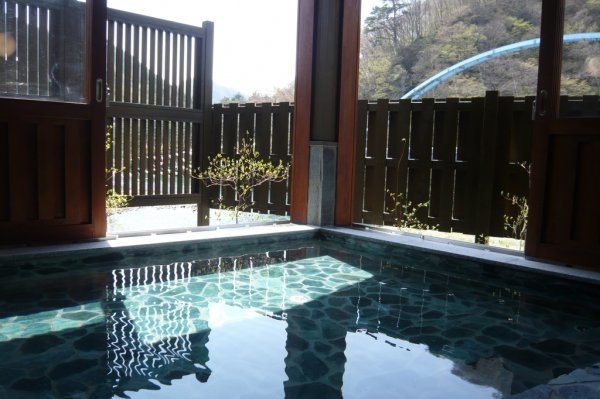
This day spa is located in Kawaji Onsen District in Nikko City, Tochigi Prefecture. Its simple weakly alkaline hot springs have earned it the nickname Bihada no Yu for supposedly giving people beautiful skin. It is also said to help with conditions such as nerve and joint pain. The facility features indoor baths and mixed gender open-air baths. The spa, which offers great views of the scenery of the Ojika River, is patronized mostly by locals but also by many tourists."

Nikko kaido Oshu kaido TOCHIGI
Kanuma City Kaboku Center

Kanuma City Kaboku Center

This large gardening shop complex is located on 400,000 meters of hilly land known by locals as "Moroyama." Its shop offers flowering plants, as well as garden trees, and landscaping and gardening supplies, with a particular focus on satsuki azalea. Some of its many facilities include a plum grove, the Wild Bird Forest, a tourist strawberry farm, and a hilltop barbequing space. It is a great place to enjoy spending a day surrounded by flowers and trees."

Nikko kaido Oshu kaido TOCHIGI