

Greater Tokyo

See & Do

reset
Shiobara Onsen’s Taketori Monogatari, Illumination by Bamboo Lanterns

Shiobara Onsen’s Taketori Monogatari, Illumination by Bamboo Lanterns

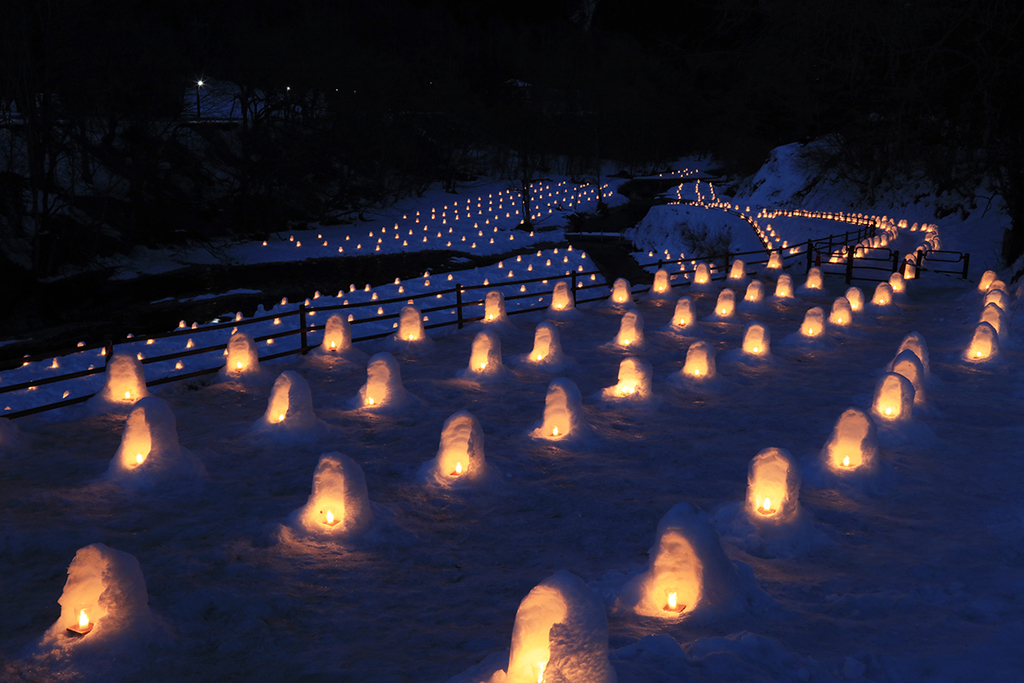
In the Monzen and Furumachi districts at the heart of Shiobara Onsen, bamboo lanterns line the main streets, casting a soft, dreamlike light that enhances the charm of the hot spring town at night. The lanterns installed along the bridge railings and pathways are handcrafted by local residents, with as many as 1,000 adorning the area. During the event period, they are lit from sunset until around 9:00 p.m., creating a retro, romantic atmosphere in the streets of Shiobara Onsen.

Nikko kaido Oshu kaido TOCHIGI
Kawaji Dam

Kawaji Dam

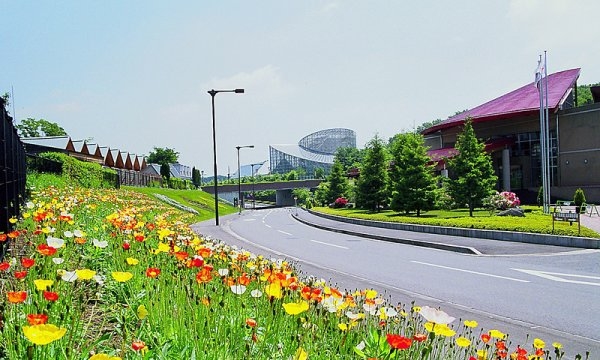
This dam is located along Prefectural Route 23 in Kawaji, Kawajionsen, Nikko City. Completed in 1983, the dam was built along the Kinu River for purposes such as flood control and irrigation. It is the fourth tallest concrete arch dam in Japan. It is considerable force at the time of drainage. At the Kawaji dam museum close to the damsite, it displays the topography model around the dam, a dam model, a construction tool. It has a dining room, the tea room."

Nikko kaido Oshu kaido TOCHIGI
Itamuro Kenko no Yu Green Green

Itamuro Kenko no Yu Green Green

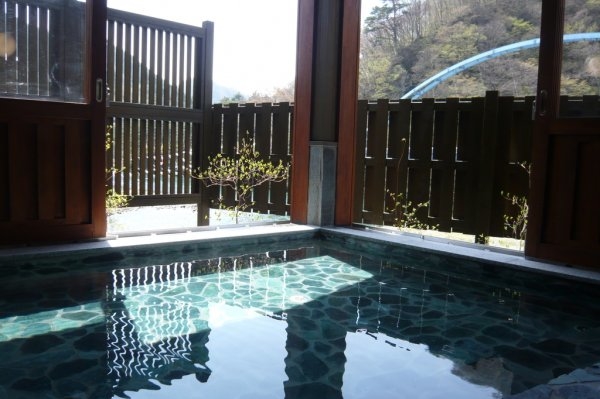
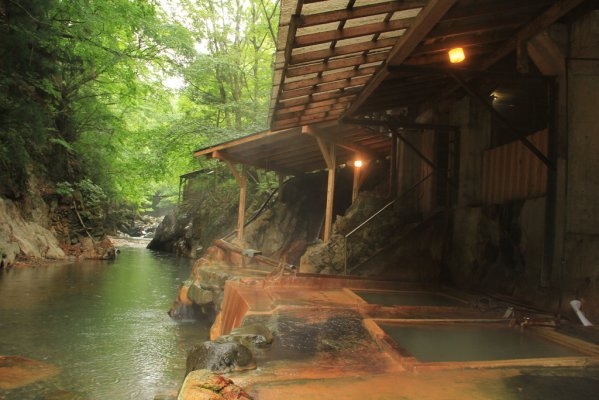
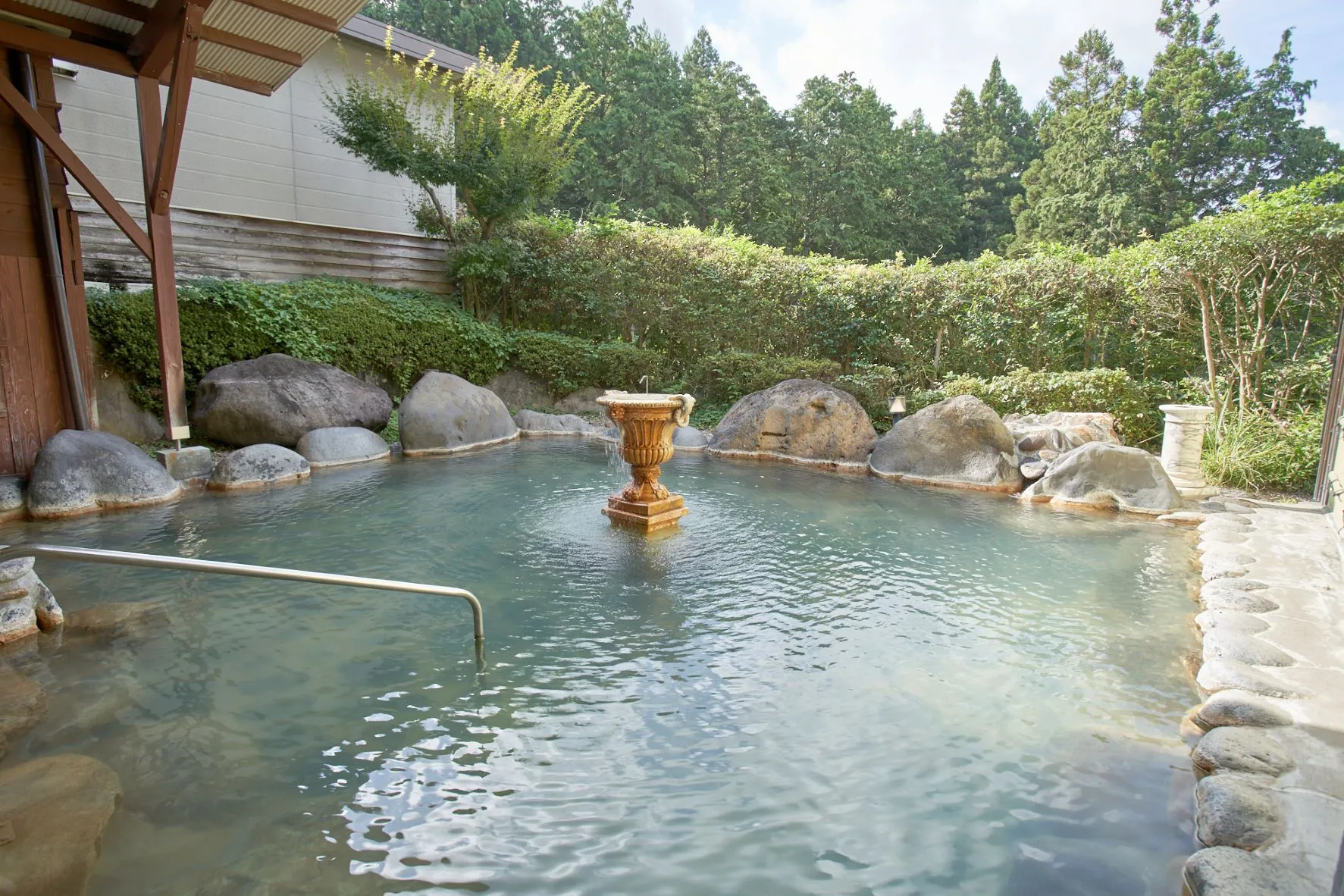
This day spa is located in Nasushiobara City. Its indoor baths leverage the vast amounts of hot spring water on hand while its open-air baths featuring transparent and colorless alkaline simple hot spring water are said to help with conditions such as nerve pain and muscle soreness. The Ami no Yu open-air baths, one of the spa's most notable features, allow bathers to soak in water deeper than their waists while holding on to ropes suspended from the rafters. The spa's different baths rotate between the two genders on a weekly basis."

Nikko kaido Oshu kaido TOCHIGI
Okada Memorial Museum

Okada Memorial Museum

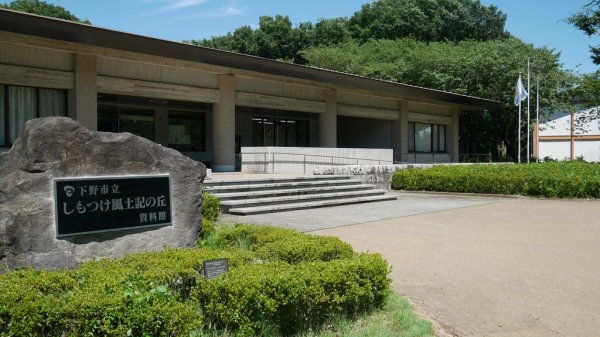
This memorial museum celebrates the Okada family, a family whose history dates back over 550 years and which was once one of the leading families of Tochigi City. The museum's expansive grounds sprawl across some 13,000 square meters, inside, the museum displays treasures passed down through the generations in the Okada family. Said to have moved to the area from distant Sanjo in Kyoto, in the Edo period the family is said to have provided leadership in creating the foundations of daily life and to have contributed to the building of a stable community. Later, the Tokugawa clan gave the area the title of Kauemon Shinden Village, which then became Kauemon Shinden Town (now Kauemon-cho)."

Nikko kaido Oshu kaido TOCHIGI
Nakagawa Aquatic Park

Nakagawa Aquatic Park

From the Nakagawa River, the best clear stream in the Kanto area, to rivers in the world (Amazon River), then to the Longing Sea (fish in coral reefs), are introduced in approx. 60 water tanks, in various sizes from small to large. The attraction of the river, which the sea does not have, is definitely the sunlight shining deep through the water. A large amount of sunlight is taken in at the aquatic park, recreating the scenic riverbed. As natural light shines through the water, the fish actively swim in the aquarium, which is an attractive part of this park which cannot be experienced at a marine aquarium. There are many interactive areas as well, including touching tanks where visitors can encounter crayfish and starfish directly."

Oshu kaido Nikko kaido TOCHIGI
Ryuzu Falls

Ryuzu Falls

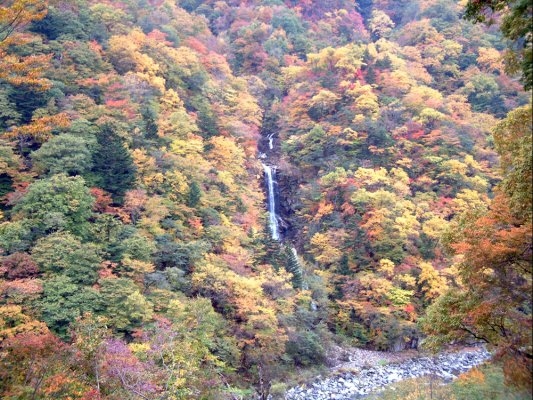
Ryuzu Falls cascades 210 metres down 10-metre wide terraces of volcanic rock from a historic eruption of Mount Nantai. The name “Ryuzu” (dragon’s head) comes from the presence at the base of the falls where a huge rock splits the waterfall in two. The area is popular for its stunning views of red and purple azalea blossoms from May to June as well as the autumnal red leaves in late September. The viewing platform offers the best view of the waterfall surrounded by the colours of the season. Ryuzu Falls is a popular location for visitors and is known as one of the five best falls in Nikko,along with Kegon Falls,Kirifuri Falls,Urami Falls, and Yudaki Falls.

Nikko kaido Oshu kaido TOCHIGI
Itamuro Onsen

Itamuro Onsen

A peaceful Onsen resort in the mountain ravines located in the western Nasu mountains. The clear alkaline hot spring water is known for its health benefits and the Onsen was designated as a “National Health Spa” by the Ministry of the Environment in 1971. Nestling into a natural landscape and surrounded by a richly preserved environment, most visitors come here for in search of the renowned health effects. Long known as a rustic therapeutic spa, the Onsen maintains its distinctive atmosphere. The temperature of the source of spring water is from 38℃ to 45℃, and its lukewarm water is gentle to the body.

Nikko kaido Oshu kaido TOCHIGI
Kawaji Onsen

Kawaji Onsen

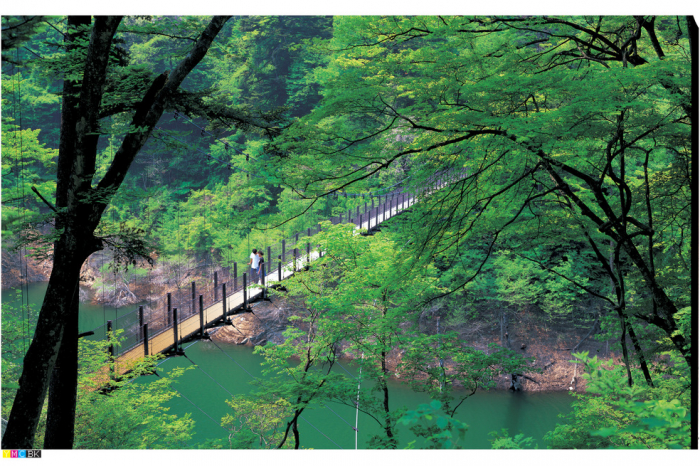
A tranquil Onsen-kyo nestled in the valley where the Kinugawa and Ojika Rivers meet. Since the 18th century when the spa was discovered, Kawaji has prospered as a post station and a therapeutic spa. The simple alkaline hot spring is an effective treatment for neuralgia, rheumatism and particularly for injuries. The nearby nature trail leading to the scenic “Ryuokyo gorge” offers a lovely way to take in the floral scents and the sounds of local streams.

Oshu kaido Nikko kaido TOCHIGI
Hunter Mountain Shiobara

Hunter Mountain Shiobara

A popular ski and snowboard resort with great accessibility from Tokyo. Well-equipped to cater for all levels, the resort boasts 12 trails including a full-scale 3km downhill, a half pipe and a slalom trail for the advanced, plus trails for beginners and children and a child-friendly area for sleighs and snow play. The resort also offers seasonal delights such as slopes of lilies in summer and coloured leaves in autumn that can each be viewed from the ropeway.

Nikko kaido Oshu kaido TOCHIGI
Nagamine Park

Nagamine Park

One of "Japanese city park best 100", the famous azalea viewing place in Kanto City, North Kanto City, about 5,000 azaleas in full bloom here, and every year in May will be held “azalea festival”, swarming with many people.   From early April to mid-May (the peak season for cherry blossoms and azaleas), the park is illuminated at night, and the dreamlike flower scene makes people linger.   There are also lawn parks and amusement facilities in the park, which are suitable for family picnics. On a clear day, you can see Mt. Takahara and Mt. Nikko from the observatory in the park.

Nikko kaido Oshu kaido TOCHIGI
Uzuma River Andon (Lantern) Festival

Uzuma River Andon (Lantern) Festival

The Uzuma River Andon (Lantern) Festival is being held July 1 - September 30 every year. Festival goers enjoy 135 historic Edo-style paper lanterns displayed along the Uzuma River, from the Kaiun to Korai bridges and around Uzuma Park. Each unique lantern is intricately and handsomely decorated with paper-cut designs of floats and traditional warehouses. Lighting time is 7:00 pm to 10:00 pm daily, adding an exotic and nostalgic atmosphere to the town post-sunset. On the first Sunday of August, the Hyaku Hatto Nagashi Festival is also held."

Nikko kaido Oshu kaido TOCHIGI