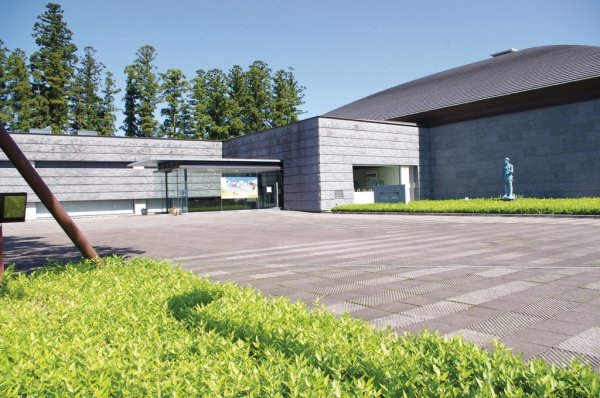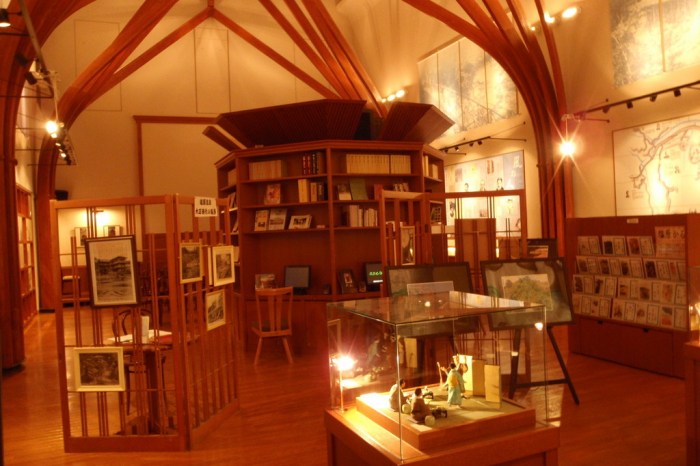


Former Villa of Aoki Shuzo
Total: 1715 items
Ryuka Falls is a famous waterfall which flows and falls over 3 drops, and is both beautiful and imposing. There is a viewing platform close to the waterfall basin where visitors can feel the force of the waterfall. Even among the many waterfalls of Shiobara, said to be as many as 100, this fall ranks in the top 10 most famous. There is a promenade which makes for an easy to walk course, which is only a short distance and with very little height variation, making it easy for even for families to enjoy the walk together."
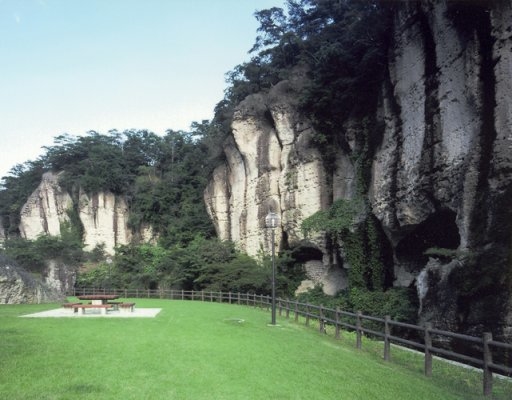
This Buddhist temple was the greatest in the Kanto provinces and was known for having one of the three most majestic ordination platforms in the country alongside the Todaiji temple and the Kanzeon-ji Temple. Built at the end of the seventh century, in the mid-eighth century, it is said to have been so prosperous. Today, a portion of the site of its ruins are maintained as a public park."
Visitors can enjoy the yuba making process, experience pulling up tofu skin, and tasting. *Japanese language only. Please come with an interpreter. *Approx. 30 minutes experience *Booking by Phone or FAX, 7 days before your visit niizuma@nikkoyuba.net
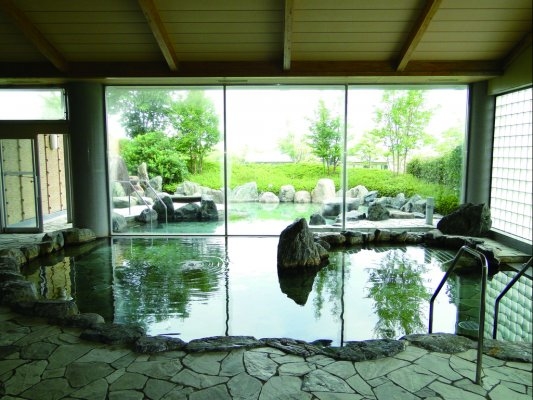
A peaceful Onsen resort in the mountain ravines located in the western Nasu mountains. The clear alkaline hot spring water is known for its health benefits and the Onsen was designated as a “National Health Spa” by the Ministry of the Environment in 1971. Nestling into a natural landscape and surrounded by a richly preserved environment, most visitors come here for in search of the renowned health effects. Long known as a rustic therapeutic spa, the Onsen maintains its distinctive atmosphere. The temperature of the source of spring water is from 38℃ to 45℃, and its lukewarm water is gentle to the body.
A tranquil Onsen-kyo nestled in the valley where the Kinugawa and Ojika Rivers meet. Since the 18th century when the spa was discovered, Kawaji has prospered as a post station and a therapeutic spa. The simple alkaline hot spring is an effective treatment for neuralgia, rheumatism and particularly for injuries. The nearby nature trail leading to the scenic “Ryuokyo gorge” offers a lovely way to take in the floral scents and the sounds of local streams.
Loved by many women for its skin-beautifying and health-promoting effects, this hot spring inn even produces its own “Shutsuyoku Bijin” facial lotion made from fresh spring water. To celebrate its 30th anniversary, Okunasu Taishomura Satinoyu Onsen restored its unique “Tsuna-no-Yu” bath in August 2014. This distinctive bathing style involves holding onto a rope tied to the beams of the bathhouse while standing in waist-deep water in a bath over one meter deep. Popular in the mid-1960s, it was believed to improve peripheral nerve function and promote blood circulation, attracting many visitors seeking relief from joint and nerve pain. The bath, paved with river stones, measures 4.3 meters long, 2.6 meters wide, and 1.25–1.4 meters deep. Hot spring water wells up from below, stimulating the soles of the feet and letting bathers fully enjoy the benefits of the high-quality spring water. Day-trip visitors can also try the Tsuna-no-Yu. It is available to men on Mondays, Wednesdays, and Fridays, and to women on Tuesdays, Thursdays, Saturdays, and Sundays.
Originally built in the early Showa period, this traditional Japanese kura (storehouse) and barn were transformed into a warm and inviting guesthouse through extensive renovations in 2023, designed to comfortably accommodate up to two families (up to 8 guests). While preserving the nostalgic charm of the original architecture, we’ve thoughtfully modernized the facilities, adding two fully equipped bathrooms and kitchens to ensure a spacious and comfortable stay for our international guests. After relocating from Tokyo to embrace a sustainable lifestyle, we now cultivate organic, pesticide-free vegetables that we’re delighted to share with our guests. Set on a sprawling 2000-square-meter garden, the property invites you to enjoy open-air activities: play with our two friendly rescue dogs, explore the grounds, catch insects, or savor a barbecue amidst nature’s beauty. This is a space where modern comfort meets rustic tradition, offering a tranquil countryside retreat.
Kinugawa Kanaya Hotel is John Kanaya’s beloved villa in the valley. This hotel embodies the style and atmosphere he sought: the spirit of hospitality and aesthetically refined dandyism. At the hotel, you can enjoy a modern, refined, and comfortable space that adds color to your everyday life, as well as the hospitality of the hotel staff. This is a place where you can spend time just for you and your someone special while enjoying the natural beauty created by the stream of the Kinu River and the untouched valley. Some guestrooms include a hot spring tub. If you plan to try a Japanese hot spring for the first time, these rooms may make you feel more comfortable. 【About the hot spring】 Water color: clear Spring water type: simple alkaline spring water Efficacy: alleviates nerve pains, sprains, sore muscles, sleeplessness, etc. Note: Kinugawa hot spring has a long history; it was discovered over 300 years ago, and only high-ranking people such as daimyo and monks could bathe here back then.
Founded in 1874, this brewery has been making delicious, quality-driven sake for over 140 years. Morito Brewery is a traditional sake brewery that places high value on the rice grown in-house in the vast rice plantations surrounding the brewery, the Shojinzawa water which has been chosen as one of Japan's top 100 water sources, and the handiwork of the local Toji brew master, ensuring the preservation of the traditional taste of their sake. The brewery offers a variety of sake flavors including their original sake made with a combination of the hand-produced sake brewing techniques of the past and the best parts of modern sake brewing technology.
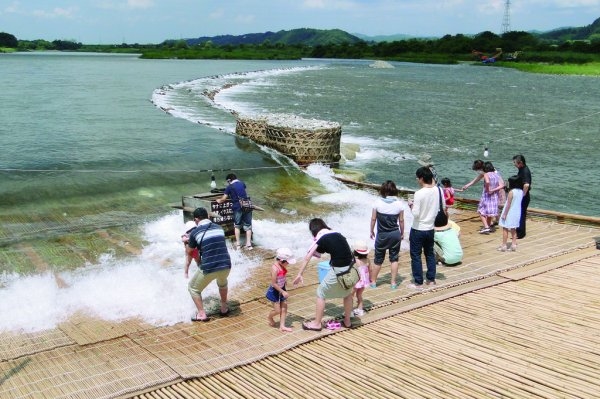
Iizukatei, the hotel renovated from a Registered Tangible Cultural Property of Japan, operates based on the notion that Iizukatei, a building having over 100 years of history renovated into a high quality accommodation using the latest technology and stylish equipment, together with restaurants and shops in town, make up the whole hotel stay experience. Guests are invited to try a new type of hotel stay in which they are immersed in the genuine Japanese lifestyle through interactions with town residents. Iizukatei has Hontaku (main building) and Shintaku (new buildings) and two Kura storehouses. Most of these buildings maintain what they were like at the time they were built. While equipped with items guaranteeing a pleasurable stay such as comfortable beds and a sofa as well as a modern kitchen, the accommodation still features both the new and old, allowing guests to experience the lifestyle of older times. During the stay, guests can customize their stay style by for example having meals delivered from a restaurant in town or visiting a farmer’s house to savor local food. The hotel also offers many activities including sweetfish fishing, pottery workshops, and biking.
This zoo in Utsunomiya City, Tochigi Prefecture has a theme of “Nature, Animals, and Kids.” You can see the animals up close and feed and pet some of the smaller ones. Pony rides are popular with the kids. There is also an amusement park on the grounds, a pool that’s open in summer, and a winter fishing pond. "
Grim Forest(Grim no Mori) is a park themed after a forest in the German Grim's Fairy Tales. The Grim no Kan building, which houses a multipurpose hall, is based on the Rottingen government building. The exterior walls are brick and tile, Inside are collections related to the Brothers Grim's fairy tales from all around the world.All of the lighting and other fixtures are German products."
At Mt. Ohira in Tochigi City, you can enjoy seasonal scenery such as a tunnel of cherry blossoms in spring, hydrangea slopes in early summer, and autumn leaves in autumn. Located in the center of Tochigi city, it is a prefectural natural park that was designated in March 1955. From Kenshin-daira near the summit, you can get a panoramic view of the Kanto Plain, and the majestic view of the peaks below floating in mist has earned it the nickname Matsushima on land. From the observation deck you can also see Mt. Tsukuba, and on clear, sunny days you can even see the skyscrapers of Tokyo's subcenter and Mt. Fuji in the distance.
This small rural elementary school is a place where people can experience life in the countryside. Originally opening in 1874, it was a place of learning for countless children for 124 years until it closed. The wooden schoolhouses, which are preserved just as they were, are still used today. Visitors can stay overnight at the school and cook their own meals in its outdoor cooking area or its classrooms."
Emperor’s Memorial Park is a recreation of the former Shiobara Imperial Villa which was used as a summer resort for the imperial family. The villa was originally owned by Michitsune Mishima, the Governor of Tochigi Prefecture at that time, and was later offered to the Imperial Household Ministry in 1904. It was visited by Imperial family members including Emperors Meiji, Taisho and Showa and Princes Chichibu, Takamatsu and Mikasa. During the World War II, Princesses of Emperor Showa evacuated from Tokyo to this villa. After the war the villa was transferred to the Ministry of Welfare. Today, the Tenno-no-ma room, which was relocated to the current location in 1981, is open to the public with its beautiful garden. In the building there are a variety of materials that show the life of the Imperial household such as their stationeries, documents and photographs along with furnishings."
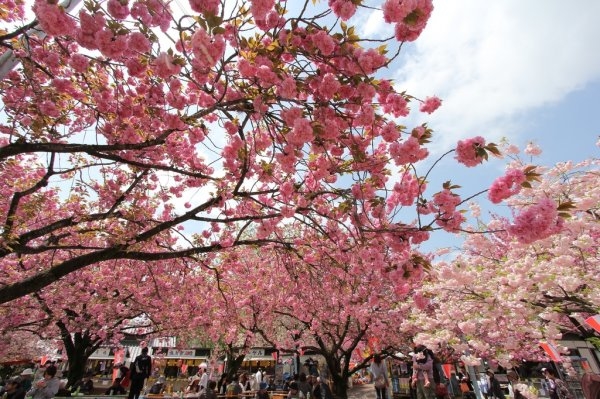
This park is famous for its cherry blossoms, azaleas, hydrangeas, and other flowers. Some of the park's attractions include a Japanese garden, a French garden, and a garden with all the prefectural trees from across the country. Visitors can also enjoy a sweeping view of Nasunogahara from the top of the hill. The best time to see the park's roughly 1300 Yoshino cherry trees is from early to mid-April each year."