
Greater Tokyo

See & Do

reset
Shiobara Onsen’s Taketori Monogatari, Illumination by Bamboo Lanterns

Shiobara Onsen’s Taketori Monogatari, Illumination by Bamboo Lanterns

In the Monzen and Furumachi districts at the heart of Shiobara Onsen, bamboo lanterns line the main streets, casting a soft, dreamlike light that enhances the charm of the hot spring town at night. The lanterns installed along the bridge railings and pathways are handcrafted by local residents, with as many as 1,000 adorning the area. During the event period, they are lit from sunset until around 9:00 p.m., creating a retro, romantic atmosphere in the streets of Shiobara Onsen.

Nikko kaido Oshu kaido TOCHIGI
Nagamine Park

Nagamine Park

One of "Japanese city park best 100", the famous azalea viewing place in Kanto City, North Kanto City, about 5,000 azaleas in full bloom here, and every year in May will be held “azalea festival”, swarming with many people.   From early April to mid-May (the peak season for cherry blossoms and azaleas), the park is illuminated at night, and the dreamlike flower scene makes people linger.   There are also lawn parks and amusement facilities in the park, which are suitable for family picnics. On a clear day, you can see Mt. Takahara and Mt. Nikko from the observatory in the park.

Nikko kaido Oshu kaido TOCHIGI
Nagaoka Hyakuana Tomb Group

Nagaoka Hyakuana Tomb Group

Nagaoka Hyakuana Tomb Group was built at first half of the 7th centry, and it was designated as a prefectual histric site.   It is said to be mass tomb like a family  tomb, hollowed out like a beehive on a hillside made of tuff. It is said that Hyakuana (one hundred hole ), but actually it has 52 holes. The various kinds of Kannon statues that were later carved into each horizontal tomb are said to have been created by the famous monk Kobo Daishi.

Nikko kaido Oshu kaido TOCHIGI
Isoyama Shrine Hydrangea Festival

Isoyama Shrine Hydrangea Festival

Isoyama Shrine in Kanuma City is a historic shrine that received a Goshuin (red seal) from the Tokugawa Shogunate, and is now known as one of the best known hydrangea viewing spots in the northern Kanto region.   The shrine is also known as one of the best places for viewing hydrangeas in the northern Kanto region. The 2,500 hydrangeas of 28 varieties planted along the approach to the shrine and around the shrine pavilions are in full bloom, creating a wonderful contrast with the green of the cedar trees. During the festival, from 6:00 p.m. to 8:00 p.m., lanterns are lit, and the hydrangeas reflected in the pale light create an ethereal atmosphere.   A "Chinoawa" or "ring of thatch," which is said to bring good health to those who pass through it, will also be set up.

Nikko kaido Oshu kaido TOCHIGI
Yaitaonsen Makotonoyu

Yaitaonsen Makotonoyu

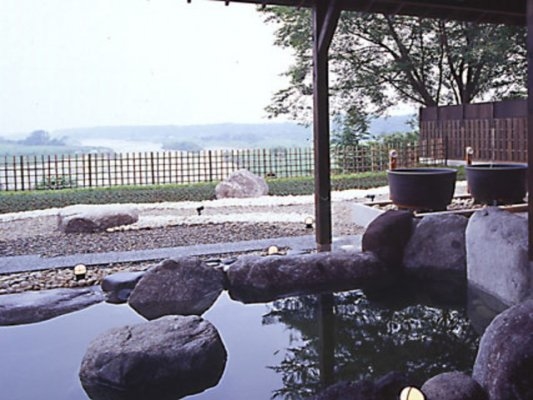
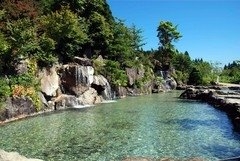
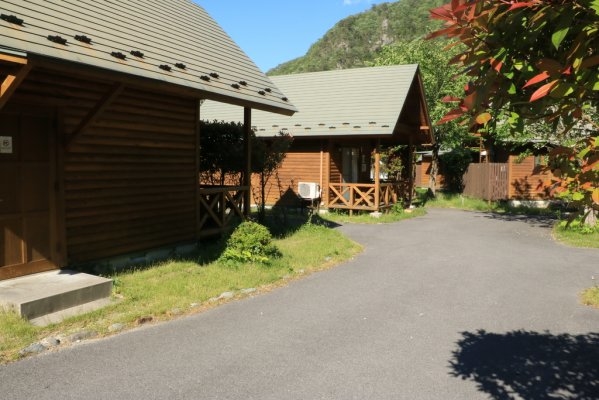
Yaita Onsen Makoto-no-Yu is a hot spring with abundance of top quality water flowing straight from the hot spring source. Every minute, approximately 370L of hot spring water gushes from 1,300m underground at a temperature of around 64℃. In addition to the selection of indoor and spacious outdoor baths, there is also a footbath, a restaurant, a cafe, barbecue facilities, and even a spot where you can make "onsen tamago", eggs boiled using hot spring water. The villas and newly opened mountain glamping facilities are the perfect place to escape the hectic fray of city life and relax in comfort while unwinding from the stresses of day-to-day life.

Nikko kaido Oshu kaido TOCHIGI
Itamuro Kenko no Yu Green Green

Itamuro Kenko no Yu Green Green

This day spa is located in Nasushiobara City. Its indoor baths leverage the vast amounts of hot spring water on hand while its open-air baths featuring transparent and colorless alkaline simple hot spring water are said to help with conditions such as nerve pain and muscle soreness. The Ami no Yu open-air baths, one of the spa's most notable features, allow bathers to soak in water deeper than their waists while holding on to ropes suspended from the rafters. The spa's different baths rotate between the two genders on a weekly basis."

Nikko kaido Oshu kaido TOCHIGI
Heiwa Kannon

Heiwa Kannon

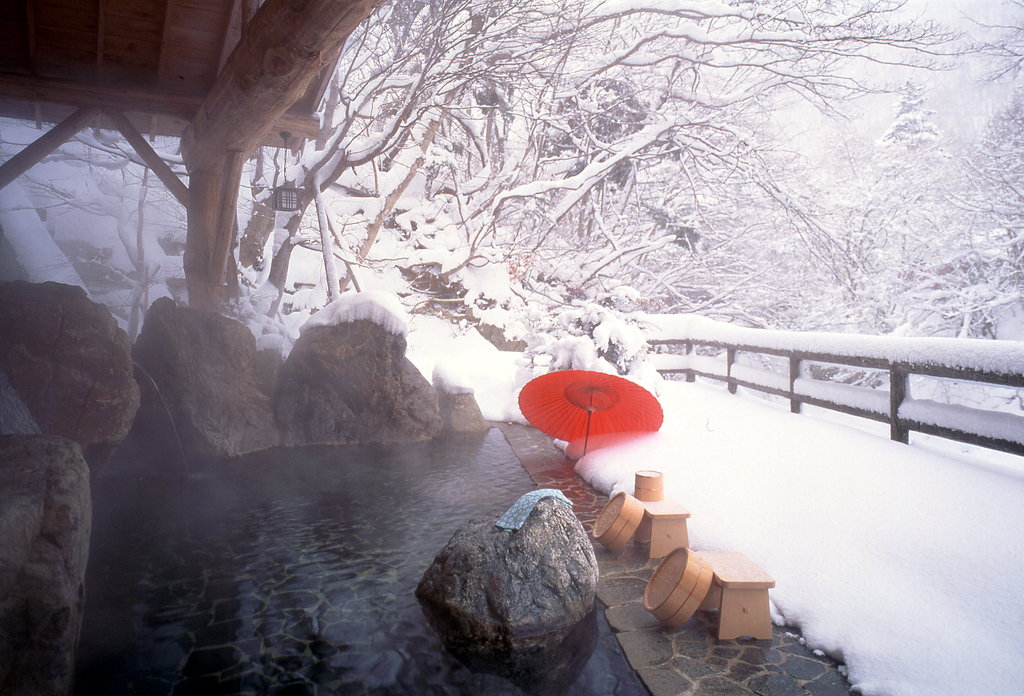
This huge statue of the goddess Kannon was carved into the wall of a former Oya stone quarry and stands 27 meters tall. It was entirely hand carved as a prayer for those who have fallen in battle and as a hope for world peace. There are well maintained paths and stairs around the statue and from the top you can see all across Oya. If you are visiting Heiwa Kannon, you might also want to check out the Oyaji Temple and the local history museum that are nearby."

Nikko kaido Oshu kaido TOCHIGI
Wakayama Farm Bamboo Forest

Wakayama Farm Bamboo Forest

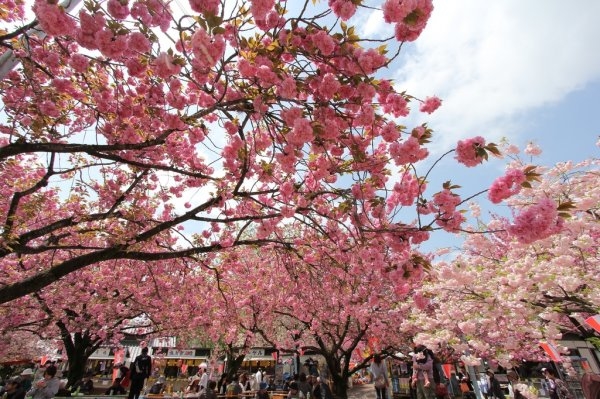
Wakayama Farm is a family farm that has been producing chestnuts, bamboo shoots, and bamboo seedlings over three generations. The spectacular bamboo forest that extends in the 24-hectare land is also popular as a filming location for movies and commercials. Farm visitors can try bamboo shoot harvest and bamboo craft creation in addition to a walk in the bamboo forest. On weekends and holidays, you can enjoy an out-of-ordinary experience including drinking matcha from a bowl made from bamboo and seeing the illuminated bamboo forest at night. The café offers meals that feature the flavor of ingredients grown by farmers in the neighborhood and drinks that are perfect to take on a walk. The farm also has a museum where visitors can learn about the ecology and use of bamboo and a gallery showcasing Japanese bamboo handicrafts. The shop sells agricultural products including bamboo shoots, chestnuts, and blueberries, and also the chestnuts sweet “Oh Kuri” made by thoroughly kneading the nuts of carefully grown chestnuts. You will also find the farm’s original bamboo shoot products such as jars of additive-free boiled bamboo shoots harvested in spring.  

Nikko kaido Oshu kaido TOCHIGI
Utsunomiya Joshi Park

Utsunomiya Joshi Park

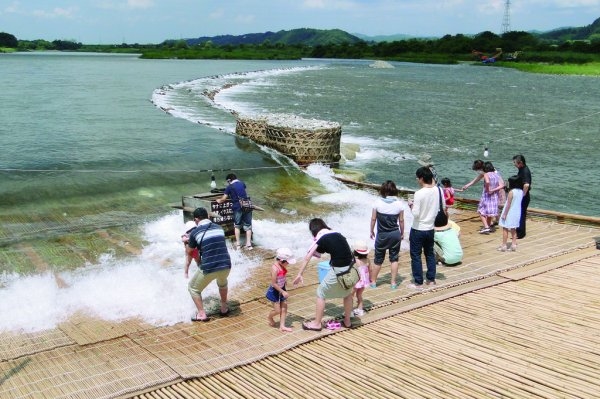
The History of Utsunomiya Castle Utsunomiya Castle is believed to have been originally built by the legendary Japanese warrior Fujiwara no Hidesato. During the medieval period, it served as the stronghold of the Utsunomiya clan for generations. After the Utsunomiya clan was stripped of its land by Toyotomi Hideyoshi, Utsunomiya Castle became the residence of fudai daimyō (samurai families who had pledged loyalty to the Tokugawa clan before the Battle of Sekigahara) during the Edo period. The castle also played an important role as a key stopover point for Tokugawa shoguns traveling to Nikkō Tōshō-gū to pay their respects. In 1868, the castle was engulfed in the flames of war during the Boshin War, a conflict between the new Meiji government forces and the remnants of the Tokugawa shogunate. Most of the original structures were destroyed in the battle. Today, the castle ruins have been transformed into a historical park, with efforts focused on reconstructing parts of the Edo-period (1600–1867) main keep (Honmaru) to preserve its legacy. Utsunomiya’s Earliest and Most Famous Cherry Blossom Viewing Spot From March to April, Utsunomiya Castle Ruins Park is adorned with beautiful cherry blossoms. The season begins in mid-to-late March with the early-blooming Kawazu-zakura, followed by Somei Yoshino, Shidare-zakura, and finally culminating in the Oyama-zakura in mid-April. For a full month, visitors can immerse themselves in a breathtaking sea of pink petals. During cherry blossom season, the park hosts the Utsunomiya Sakura Festival, featuring stage performances, local street food stalls, and festive activities in addition to stunning cherry blossoms. This makes it one of Utsunomiya’s most renowned hanami (cherry blossom viewing) spots.

Nikko kaido Oshu kaido TOCHIGI
Yunishigawa-onsen KAMAKURA Snow House Festival

Yunishigawa-onsen KAMAKURA Snow House Festival

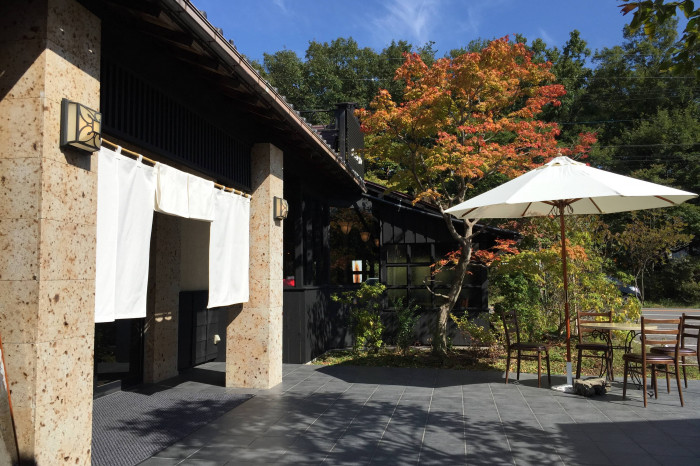
This feature festival of Yunishikawa Onsen is held from late January to early March every year. Hundreds of small snow houses (mini-kamakura) are built and lighted up by candle lights. During the day enjoy sleighing. This illuminated snow-filled town is simply mesmerising.   Yunishigawa Onsen Kamakura Snow House Festival 2026 ■Dates:January 30st-March 1nd,2026   Venue1:Sawaguchi Riverside ■Lighting Dates:Only on Fridays, Saturdays,and Sundays during January 30st-March 1nd,2026 ■Lighting Hours:5:30 p.m.-9:00 p.m. ■Admission:Free   Venue2:Heike-no-Sata Village ■Opening Hours:9:00 a.m. -9:00 p.m.(Last entry at 8:45 p.m.) ■Lighting Dates:January 30st - March 1nd ,2026 ■Lighting Hours:5:30 p.m.-9:00 p.m. ■Admission:1-day ticket(9:00 a.m.-9:00 p.m.):510 yen for adults / 250 yen for elementary and junior high school students(re-entry possible on the day)   Venue3:Yunishigawa Mizu-no-Sato Snow Park ■Closed:Wednesdays *Open on 2/11 (Wednesday, national holiday), closed on 2/12 (Thurs) ■Opening Dates:January 30st - March 1nd ,2026 ■Business Hours:10:00 a.m.-3:00 p.m.(Last reception 2:00 p.m.) ■Admission:1,200 yen for adults,600 yen for children(including sledding fee and hot spring bathing fee at Mizu-no-Sato.The hot spring open from 10:00 a.m. to 7:00 p.m.,last entrance 6:00 p.m.)

Nikko kaido Oshu kaido TOCHIGI
Kinugawa Onsen

Kinugawa Onsen

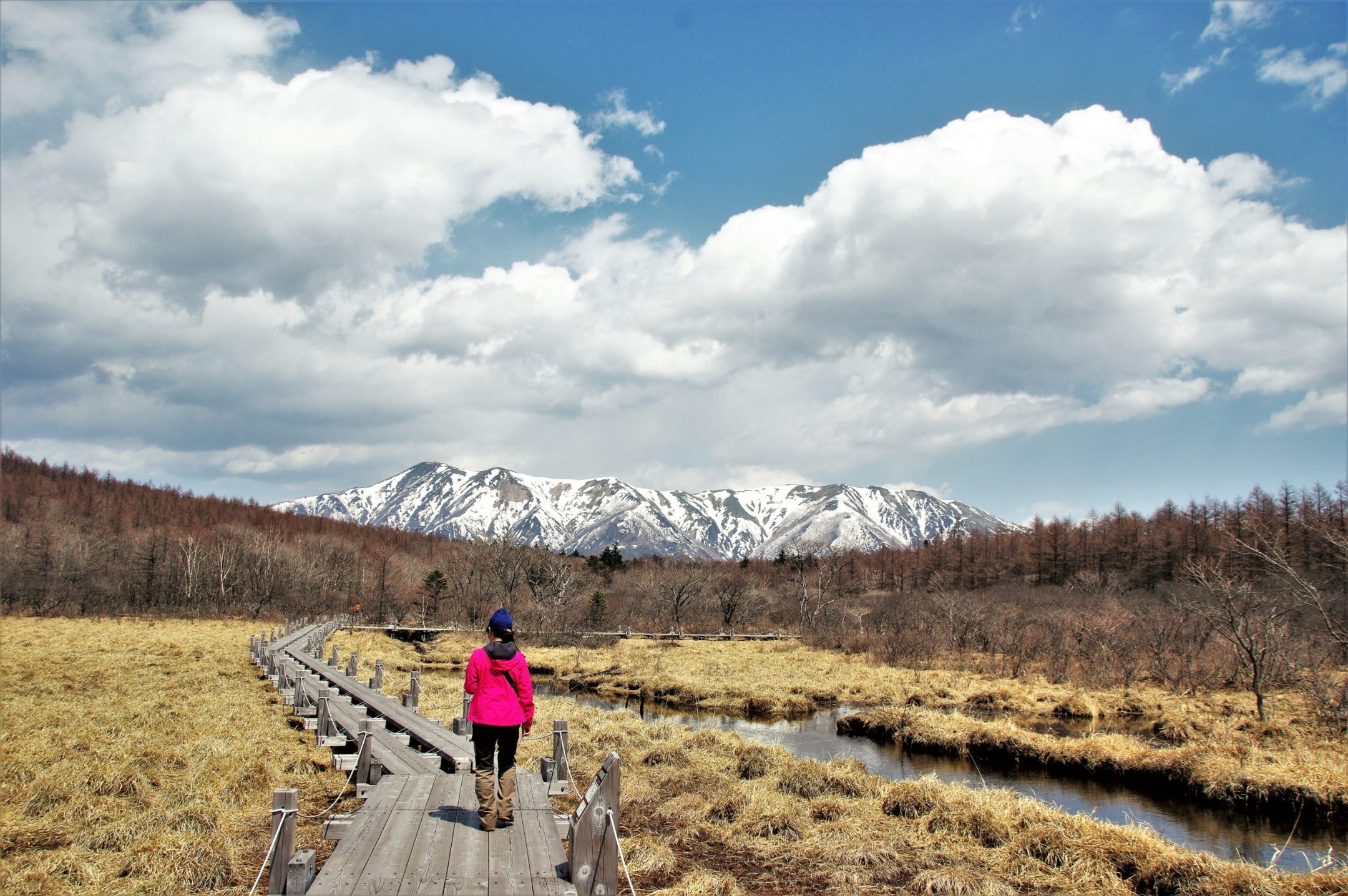
Discovered more than 300 years ago, these venerable Onsen were open only to monks and daimyo samurai visiting Nikko at that time. Since opening to the public in late 19th century, the hot springs have had many visitors and developed into a great spa resort. The hot spring water is smooth and gentle on the skin with a light alkalinity, and is thought to help nerve pain and stiff shoulders, relieve tiredness and promote good health. There srounded many theme parks or sightseeing spots, and good place for the base to go sightseeing in Nikko.

Nikko kaido Oshu kaido TOCHIGI
KINUGAWA ONSEN HOTEL

KINUGAWA ONSEN HOTEL

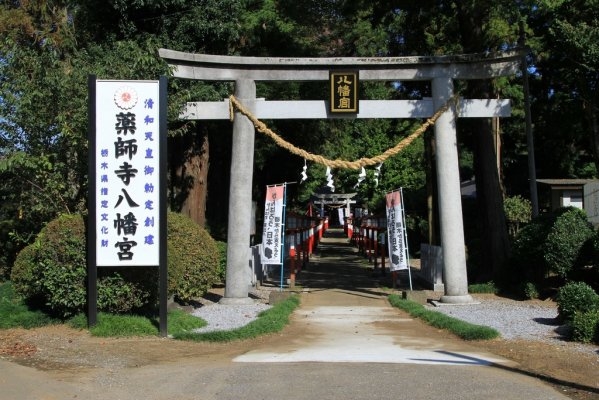
The Kinugawa Onsen Hotel in Nikko City, Tochigi Prefecture, is a long-established hot spring inn founded in 1931, with roots in Japan's oldest hotel. With the concept of “Yui-tabi” (bonding), we support memorable trips that deepen the bonds between family members and loved ones. Enjoy a buffet-style meal and choose from a variety of rooms to suit your preferences, and enjoy a relaxing hot spring trip to your heart's content.   【About the Hot Springs】 Kinugawa Onsen is renowned for its healing waters, often referred to as “wounds heal by the river, burns heal by the waterfall” (now known as Kinugawa Onsen). The alkaline simple spring water is known for its skin-soothing properties, making it gentle on children and those with sensitive skin. In addition to the large public bath, private baths (reservation required) are also available. Water color: Clear Water type: Simple hot spring Benefits: Neuralgia, muscle pain, joint pain, frozen shoulder, paralysis, joint stiffness, bruises, sprains, chronic digestive disorders, hemorrhoids, cold hands and feet, post-illness recovery, fatigue recovery, and overall health improvement.  

Oshu kaido Nikko kaido TOCHIGI