
Greater Tokyo

See & Do

reset
Koyasan Shingonsyu Kofukuji Temple

Koyasan Shingonsyu Kofukuji Temple

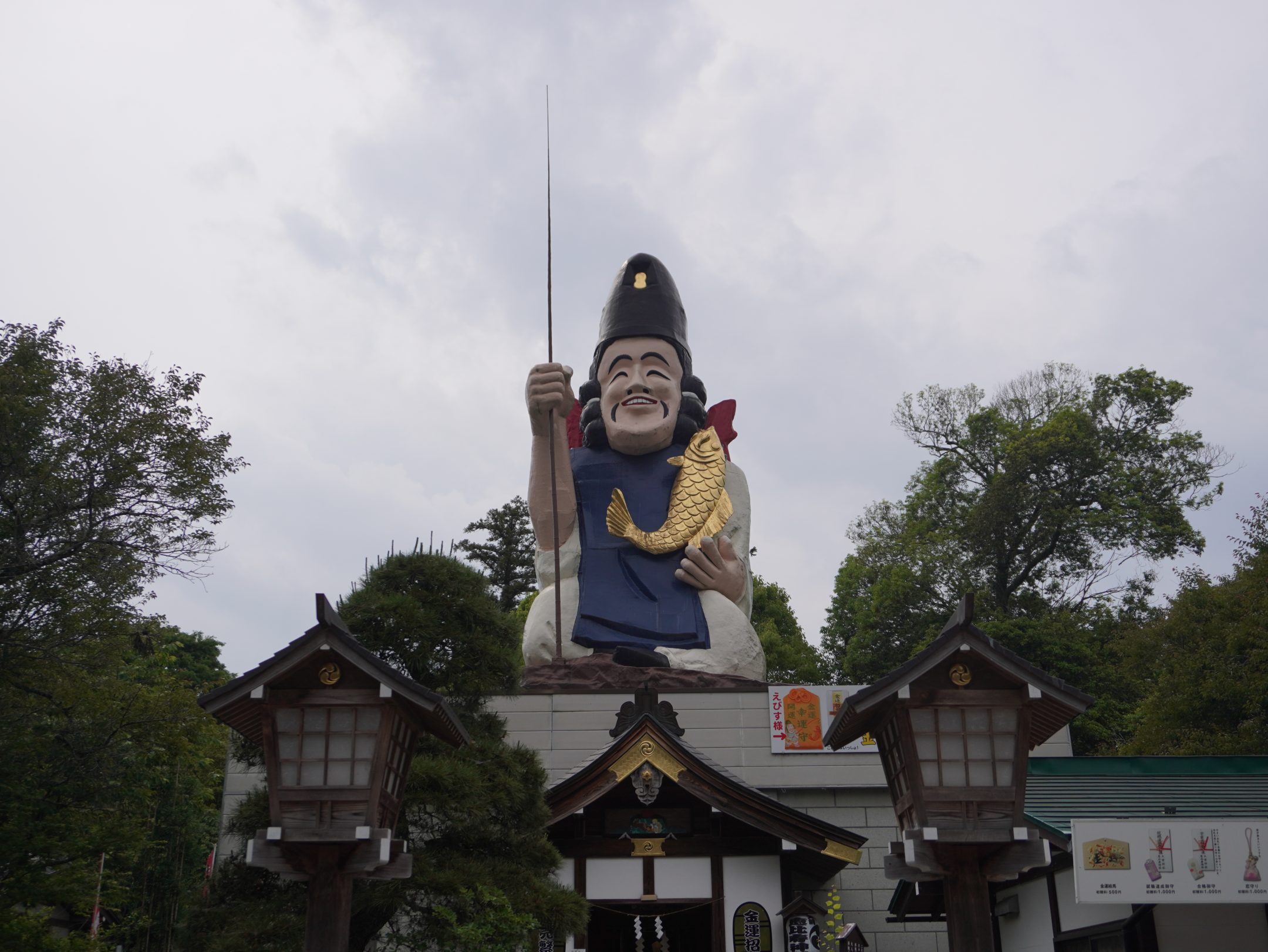
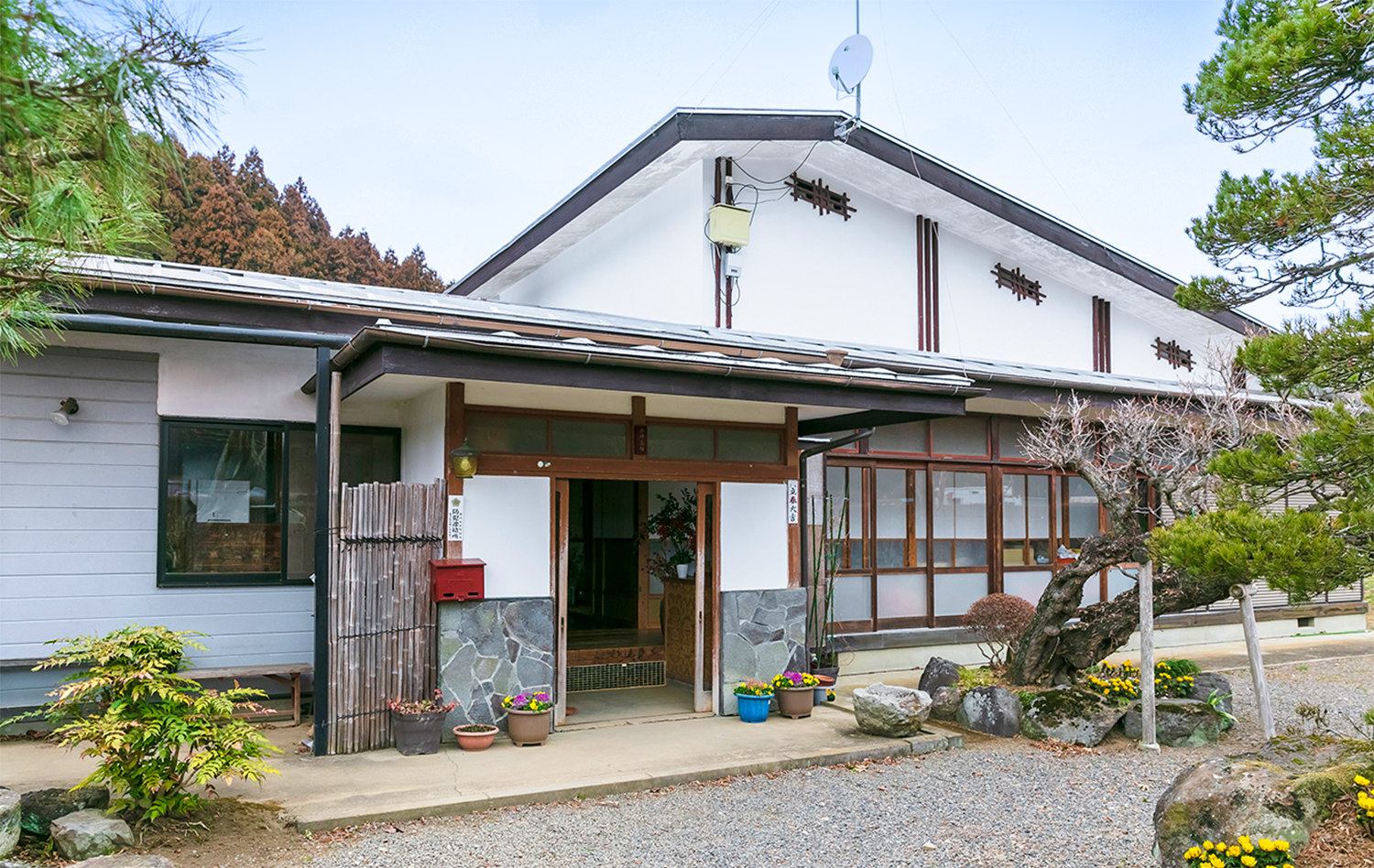
Kofukuji Temple in Nasu, Tochigi Prefecture, is a historic temple founded in 1460. For many years, it has been a beloved place of tranquility for local residents. The temple offers a variety of experiences, including traditional temple activities such as sutra copying and goma fire rituals, as well as more modern offerings like yoga (reservations are required) and lotus flower crafting. Everyone is welcome to participate. Despite its long history, Kofuku-ji Temple offers a warm and welcoming atmosphere, making it a perfect destination for those interested in experiencing Japanese culture.  

Oshu kaido Nikko kaido TOCHIGI
Shirasagi Shrine

Shirasagi Shrine

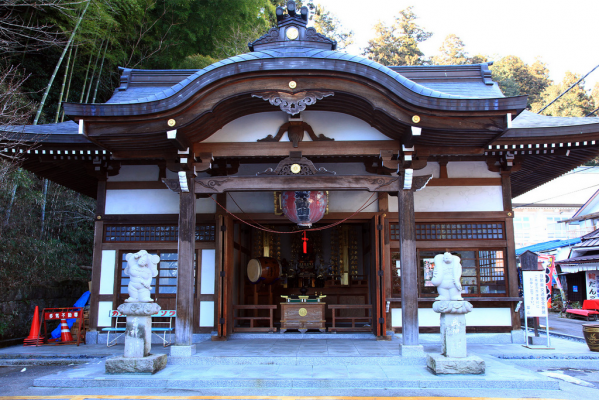
The Shirasagi Shrine enshrines Yamato Takeru, the son of the Emperor Keiko the 12th emperor of Japan who was enshrined in 783.During those ancient days, Yamato Takeru carried the sword Kusanagi and travelled throughout Japan, leading the country to peace. Legend says that as a result, his soul turned into a swan and he continues to protect peace still.The shrine is also home to Japan's largest votive picture at a width of 8m and a height of 4m, which is known a votive picture which grants wishes and bestows happiness."

Nikko kaido Oshu kaido TOCHIGI
Hachimanyama Park

Hachimanyama Park

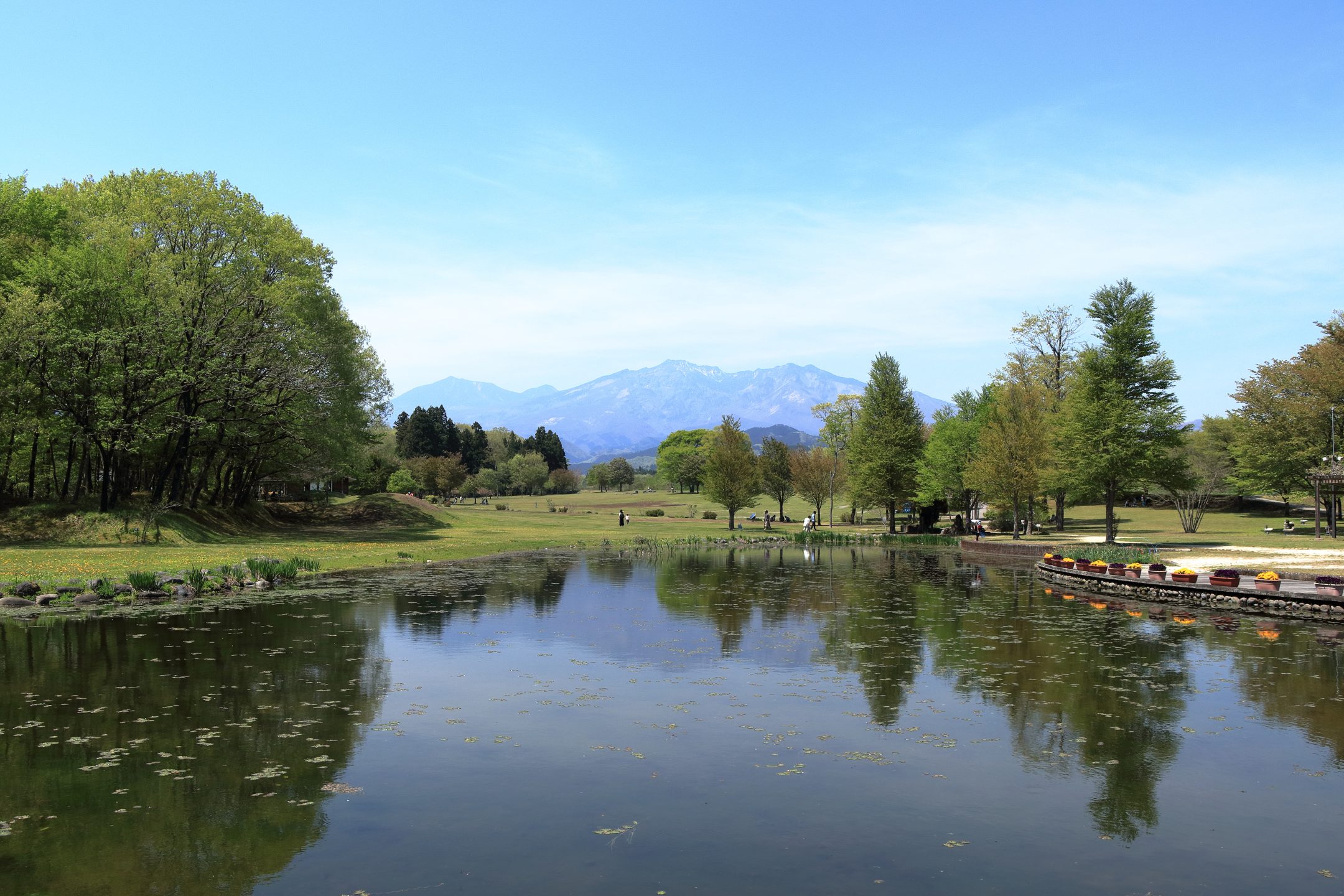
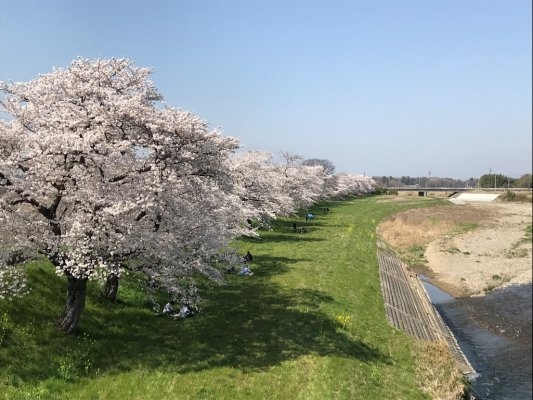
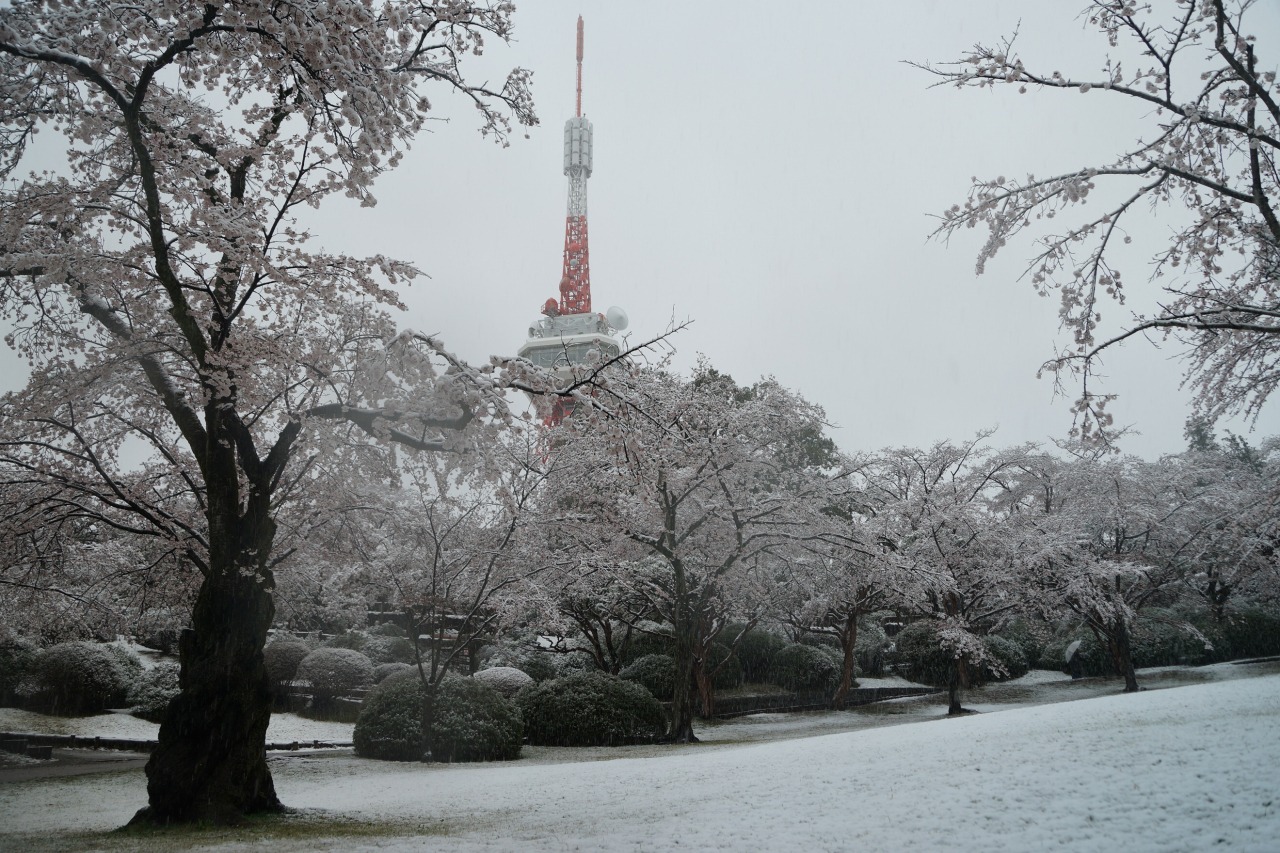
This park located in the center of Utsunomiya City. It numerous attractions include Utsunomiya Tower, which offers a sweeping view of the city, Adventure U playground, which features a large playground and go-kart track, a zoo, and more. Some 800 cherry blossoms trees and 700 azalea bushes have been planted in the park, making it a well-known destination for flower viewing. During the flower-viewing season, the park is illuminated with paper lanterns, Utsunomiya Tower is lit up, and vendors set up festival stalls in the park."

Nikko kaido Oshu kaido TOCHIGI
Omocha-no-Machi Bandai Museum

Omocha-no-Machi Bandai Museum

At the entrance of the Omocha-no-Machi Bandai Museum visitors are welcomed by a full-scale RX-78 Gundam bust (5.6 metres in height) and its pilot Amuro Ray. The museum’s collection includes a large selection of toys from home and abroad dating from the Edo period (1603-1867). Highlights are the world’s leading collection of Thomas Edison’s inventions and the old and rare steam car, the “Pendle Princess” (made in the U.K. in 1919). This is a great place to enjoy learning about the history of toys. Gundam fans shouldn’t miss the “Zaku’s Dream” and “White Base” exhibitions.

Nikko kaido Oshu kaido TOCHIGI
Itamuro Onsen

Itamuro Onsen

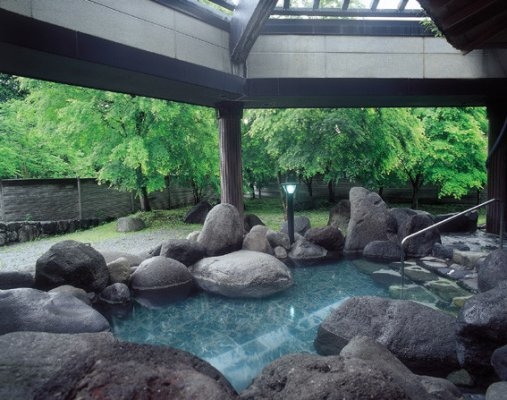
A peaceful Onsen resort in the mountain ravines located in the western Nasu mountains. The clear alkaline hot spring water is known for its health benefits and the Onsen was designated as a “National Health Spa” by the Ministry of the Environment in 1971. Nestling into a natural landscape and surrounded by a richly preserved environment, most visitors come here for in search of the renowned health effects. Long known as a rustic therapeutic spa, the Onsen maintains its distinctive atmosphere. The temperature of the source of spring water is from 38℃ to 45℃, and its lukewarm water is gentle to the body.

Nikko kaido Oshu kaido TOCHIGI
Tochigi Float Festival(Tochigi Autumn Festival)

Tochigi Float Festival(Tochigi Autumn Festival)

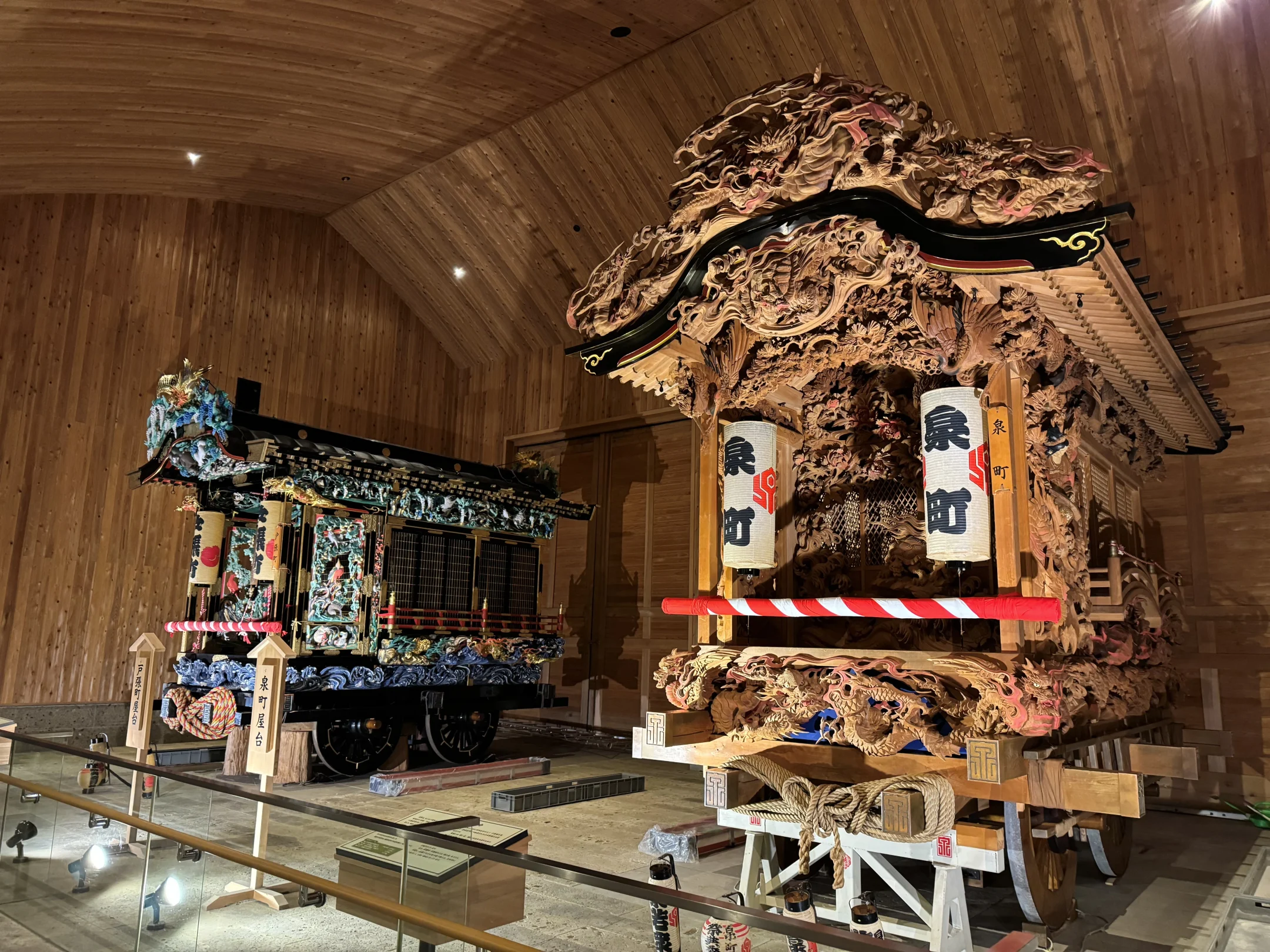
An autumn festival in Tochigi city held biennially. Lavishly decorated in detailed carvings, festive floats carrying figurines of deities and historical heroes are paraded through the streets.   For the many tourists coming from outside the region, special rail services from Tokyo are operated on the day of the festival. You can also visit an exhibition about the festival at the “Dashi Kaikan” (float museum) at any time of the year.

Nikko kaido Oshu kaido TOCHIGI
Kanuma Autumn Festival

Kanuma Autumn Festival

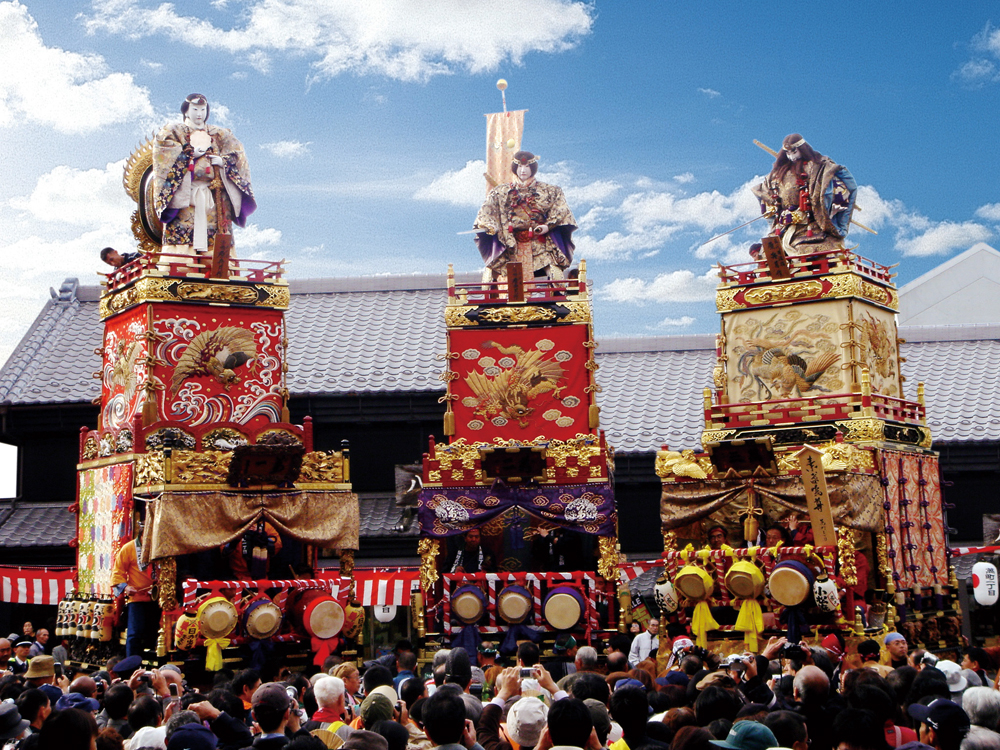
The Kanuma Autumn Festival, a UNESCO Intangible Cultural Heritage event, will be held in Kanuma, Japan, in grand style, bringing the tradition and elegance of the Edo Period festivals to the present day. The “Yatai Event of Kanuma Imamiya Shrine Festival,” the core of this festival, was designated as a National Important Intangible Folk Cultural Property in February 2003, and was also registered as a UNESCO Intangible Cultural Heritage on December 1, 2016 as one of the “Yama, Hoko, Yatai Event”.   For two days, 26 gorgeous yatai, which are also called “moving Yangmyongmon,” will parade through the streets of Kanuma in a heroic manner.   On the first day of the festival, “Nuriikomi” begins around noon, when 26 yatai pass through the torii gate and enter the precincts of Imamiya Shrine. At around 5:00 p.m., all the yatai will light lanterns and return to their respective neighborhoods with a musical accompaniment.   On the second day, after the “Citizens' Parade” of “marching bands” and “Mikoshi” in the morning, “Yatai Aligned Pulling (Yatai Parade)” will be held around 2:00 p.m., in which 26 yatai will simultaneously drive along the Kominehara Palace Road (commonly called “Festival Road”).   The highlight of the festival is a musical performance called “Buttsuke” in which three to seven yatai perform at a junction. The music of the festival is a spectacular sight to behold, and the sounds of the heroic “Buttsuke” music will echo through the night on both days of the festival.

Nikko kaido Oshu kaido TOCHIGI
Heike Taisai (Grand Festival of Heike)

Heike Taisai (Grand Festival of Heike)

A festival in order to in honor Heike Family The Taira Clan (also called Heike), one of the most powerful family in Heian period, dominated the imperal captain of Heian. However, after the death of their leader, Taira no Kiyomori, their rivals the Minamoto Clan (the Genji),which culminated in the Genpei War (1180-1185 AD). The five-year-long war concluded with a decisive Taira defeat in the naval Battle of Dan-no-Ura.   It is said many Heike family and their samurais ran away from Genji's army, and hided in Yunishigawa Onsen. In order to honor those samurai who fighting for the Heike family, people live in Yunishigawa Onsen hold the "Heike Taisai" every year.   Become a princess of Heike!  A traditional Yunishigawa festival held in early June, featuring Biwa (Japanese lute) performances, dances and theatrical plays. The highlight of the festival is the “Emaki Gyoretsu Procession”, where over 200 people dressed as heroic Samurais or elegant princesses parade through the town. Visitors can also apply to join the march.

Nikko kaido Oshu kaido TOCHIGI
Utamaro Festival

Utamaro Festival

Held in early October each year, the Utamaro Festival celebrates the legacy of Kitagawa Utamaro, a renowned ukiyo-e artist of the mid-Edo period who had close ties to Tochigi City. Many of his works were created here, and the city, with its well-preserved Edo-period architecture, is often called “Little Edo.” The festival’s highlight is the Utamaro Dōchū parade, where performers dressed in gorgeous kimono proceed slowly along Kuranomachi Ōdōri Street, recreating the elegance of the Edo era. The festivities also feature music performances, fireworks, street illuminations, and a handmade market, immersing the entire town in a joyful celebration of culture and tradition. Notably, Kitagawa Utamaro will also be featured in the 2025 NHK Taiga drama Unbound, bringing renewed attention and respect to this ukiyo-e master. Visiting the Utamaro Festival offers a rare opportunity to experience the fusion of historical culture and modern creativity. Strolling through the lantern-lit streets of Kuranomachi, you can enjoy the vibrant atmosphere of the parade and illuminations while discovering the timeless charm of Japanese traditional arts—an unforgettable highlight of any autumn trip.

Nikko kaido Oshu kaido TOCHIGI