Greater Tokyo

See & Do

reset
Kanuma Autumn Festival

Kanuma Autumn Festival

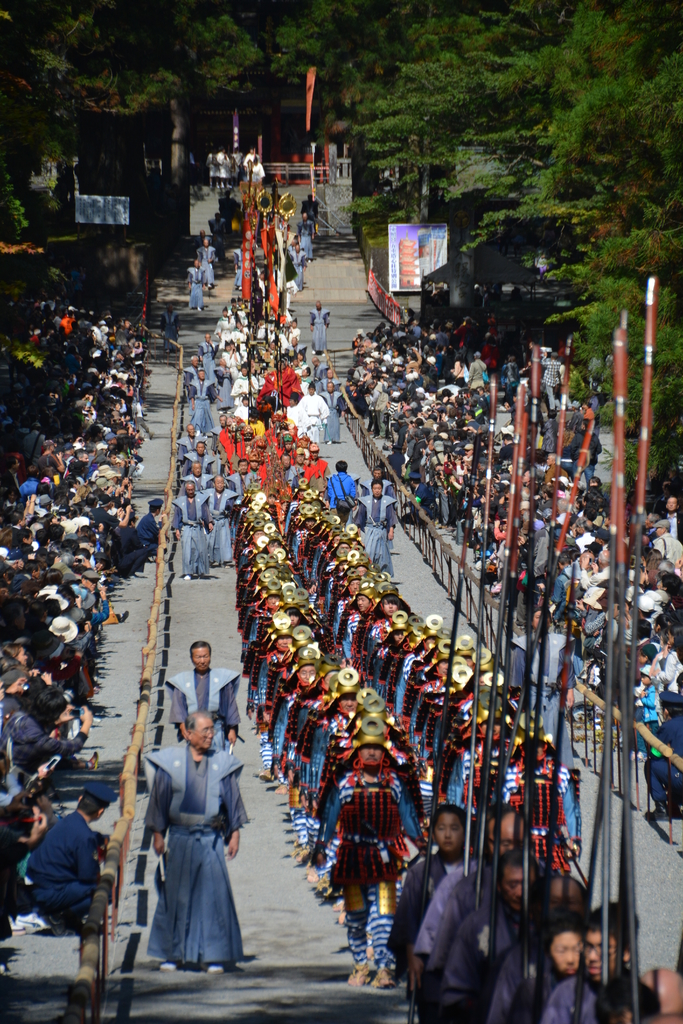
The Kanuma Autumn Festival, a UNESCO Intangible Cultural Heritage event, will be held in Kanuma, Japan, in grand style, bringing the tradition and elegance of the Edo Period festivals to the present day. The “Yatai Event of Kanuma Imamiya Shrine Festival,” the core of this festival, was designated as a National Important Intangible Folk Cultural Property in February 2003, and was also registered as a UNESCO Intangible Cultural Heritage on December 1, 2016 as one of the “Yama, Hoko, Yatai Event”.   For two days, 26 gorgeous yatai, which are also called “moving Yangmyongmon,” will parade through the streets of Kanuma in a heroic manner.   On the first day of the festival, “Nuriikomi” begins around noon, when 26 yatai pass through the torii gate and enter the precincts of Imamiya Shrine. At around 5:00 p.m., all the yatai will light lanterns and return to their respective neighborhoods with a musical accompaniment.   On the second day, after the “Citizens' Parade” of “marching bands” and “Mikoshi” in the morning, “Yatai Aligned Pulling (Yatai Parade)” will be held around 2:00 p.m., in which 26 yatai will simultaneously drive along the Kominehara Palace Road (commonly called “Festival Road”).   The highlight of the festival is a musical performance called “Buttsuke” in which three to seven yatai perform at a junction. The music of the festival is a spectacular sight to behold, and the sounds of the heroic “Buttsuke” music will echo through the night on both days of the festival.

Nikko kaido Oshu kaido TOCHIGI
Utamaro Festival

Utamaro Festival

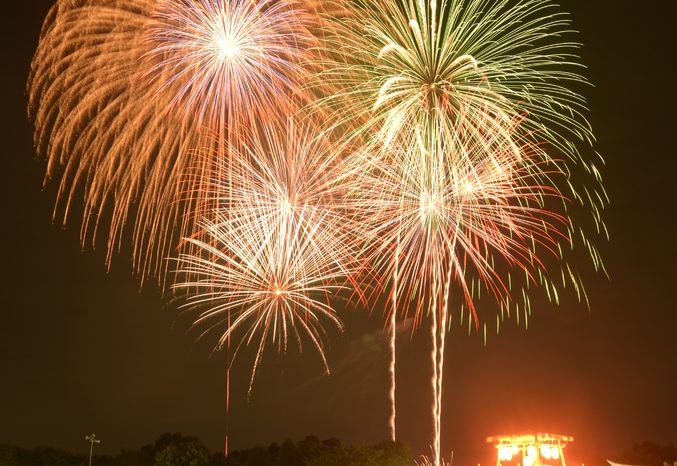
Held in early October each year, the Utamaro Festival celebrates the legacy of Kitagawa Utamaro, a renowned ukiyo-e artist of the mid-Edo period who had close ties to Tochigi City. Many of his works were created here, and the city, with its well-preserved Edo-period architecture, is often called “Little Edo.” The festival’s highlight is the Utamaro Dōchū parade, where performers dressed in gorgeous kimono proceed slowly along Kuranomachi Ōdōri Street, recreating the elegance of the Edo era. The festivities also feature music performances, fireworks, street illuminations, and a handmade market, immersing the entire town in a joyful celebration of culture and tradition. Notably, Kitagawa Utamaro will also be featured in the 2025 NHK Taiga drama Unbound, bringing renewed attention and respect to this ukiyo-e master. Visiting the Utamaro Festival offers a rare opportunity to experience the fusion of historical culture and modern creativity. Strolling through the lantern-lit streets of Kuranomachi, you can enjoy the vibrant atmosphere of the parade and illuminations while discovering the timeless charm of Japanese traditional arts—an unforgettable highlight of any autumn trip.

Oshu kaido Nikko kaido TOCHIGI
Okunasu Taishomura Sachinoyu Onsen

Okunasu Taishomura Sachinoyu Onsen

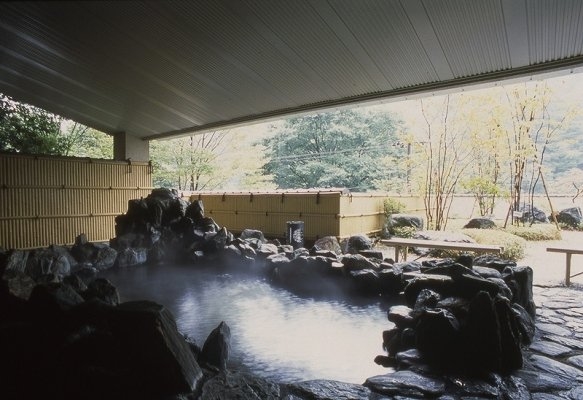
Loved by many women for its skin-beautifying and health-promoting effects, this hot spring inn even produces its own “Shutsuyoku Bijin” facial lotion made from fresh spring water. To celebrate its 30th anniversary, Okunasu Taishomura Satinoyu Onsen restored its unique “Tsuna-no-Yu” bath in August 2014. This distinctive bathing style involves holding onto a rope tied to the beams of the bathhouse while standing in waist-deep water in a bath over one meter deep. Popular in the mid-1960s, it was believed to improve peripheral nerve function and promote blood circulation, attracting many visitors seeking relief from joint and nerve pain. The bath, paved with river stones, measures 4.3 meters long, 2.6 meters wide, and 1.25–1.4 meters deep. Hot spring water wells up from below, stimulating the soles of the feet and letting bathers fully enjoy the benefits of the high-quality spring water. Day-trip visitors can also try the Tsuna-no-Yu. It is available to men on Mondays, Wednesdays, and Fridays, and to women on Tuesdays, Thursdays, Saturdays, and Sundays.

Nikko kaido Oshu kaido TOCHIGI
Kinugawa Grand Hotel Yume no Toki

Kinugawa Grand Hotel Yume no Toki

The hotel stands quietly on the hill of a hot spring resort town against the backdrop of mountains that change colors each season. It is an eight-minute-walk from Kinugawa-onsen Station and features a superb Japanese garden. Enjoy the seasonal multi-course kaiseki meal and relax in five uniquely designed private open-air baths. Free yourself from daily stress and indulge yourself in slow and luxurious time. The hotel offers the Wellness Escape Plan for one group a day. To ensure high-quality time to rest, the plan includes a high-end air purifier in the guest room, morning activities with an instructor, and breakfast featuring tasty rice porridge that is gentle on the stomach and intestines. Why don’t you plan a trip to improve your health from the inside out with hot springs, activities, and meals? *Reservation for the Wellness Escape Plan is accepted only through the official hotel website. 【About the hot spring】 Water color: clear Spring water type: simple alkaline spring water Efficacy: alleviates stiff shoulders, nerve pain, sprains, sore muscles, sleeplessness, etc.

Nikko kaido Oshu kaido TOCHIGI
Yugyo willow Tree

Yugyo willow Tree

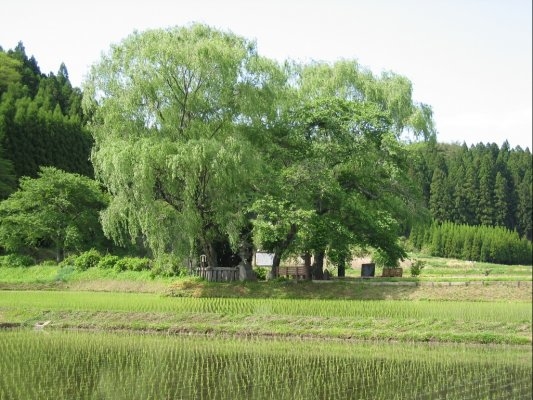
A huge willow tree standing amidst a tranquil, rural landscape. The renowned poet Saigyo spied willow while on a journey and wrote a haiku about standing in its shade on the side of the road amidst the pure waters flowing through the surrounding rice paddies. Later, the playwright Kanze Nobumitsu wrote a play based on this poem, making the willow famous. The famed poet Basho also wrote about this willow in his “Narrow Road to the Interior,” described its moving beauty. Monuments inscribed with poems by Saigyo, Basho, and Buson have been placed next to the tree."

Nikko kaido Oshu kaido TOCHIGI
Steam Locomotive Taiju

Steam Locomotive Taiju

This steam locomotive, called “Taiju”, has been operating since August 2017. “Taiju” is also known as the other name of the Tokugawa Shogun, who is enshrined at Nikko Toshogu Shrine. Tobu Railway, with its network from the Asakusa area in Tokyo to this Kinugawa Onsen area, was once called one of the biggest “kingdoms of steam locomotives”, as it used to operate as many as 85 steam locomotives mainly for forwarding freight. How about enjoying a ride on Taiju on the way to your sightseeing destination? All seats on the Taiju are reserved and can be purchased at Tobu Tourist Information Center Asakusa on the first floor of Asakusa Station, website,or Tobu Railway Line Stations. Shimoimaichi Station and Kinugawa Onsen Station are equipped with railway turntables where you can enjoy watching a dynamic steam locomotive in front of you!

Nikko kaido Oshu kaido TOCHIGI