
Greater Tokyo

See & Do

reset
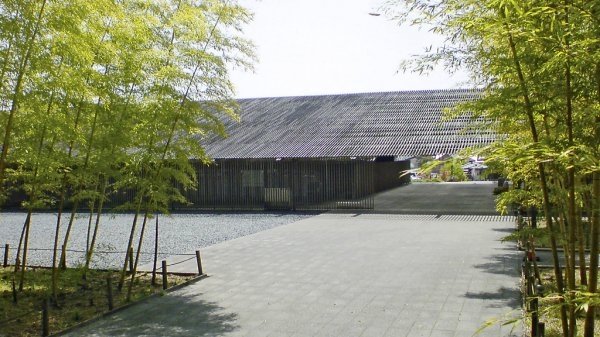
Nakagawa-machi Bato Hiroshige Museum of Art (Batoh)

Nakagawa-machi Bato Hiroshige Museum of Art (Batoh)

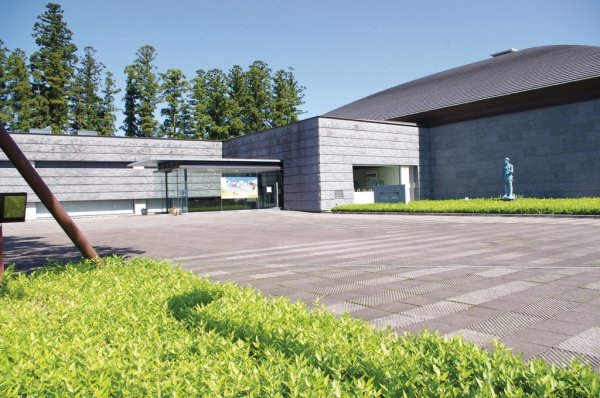
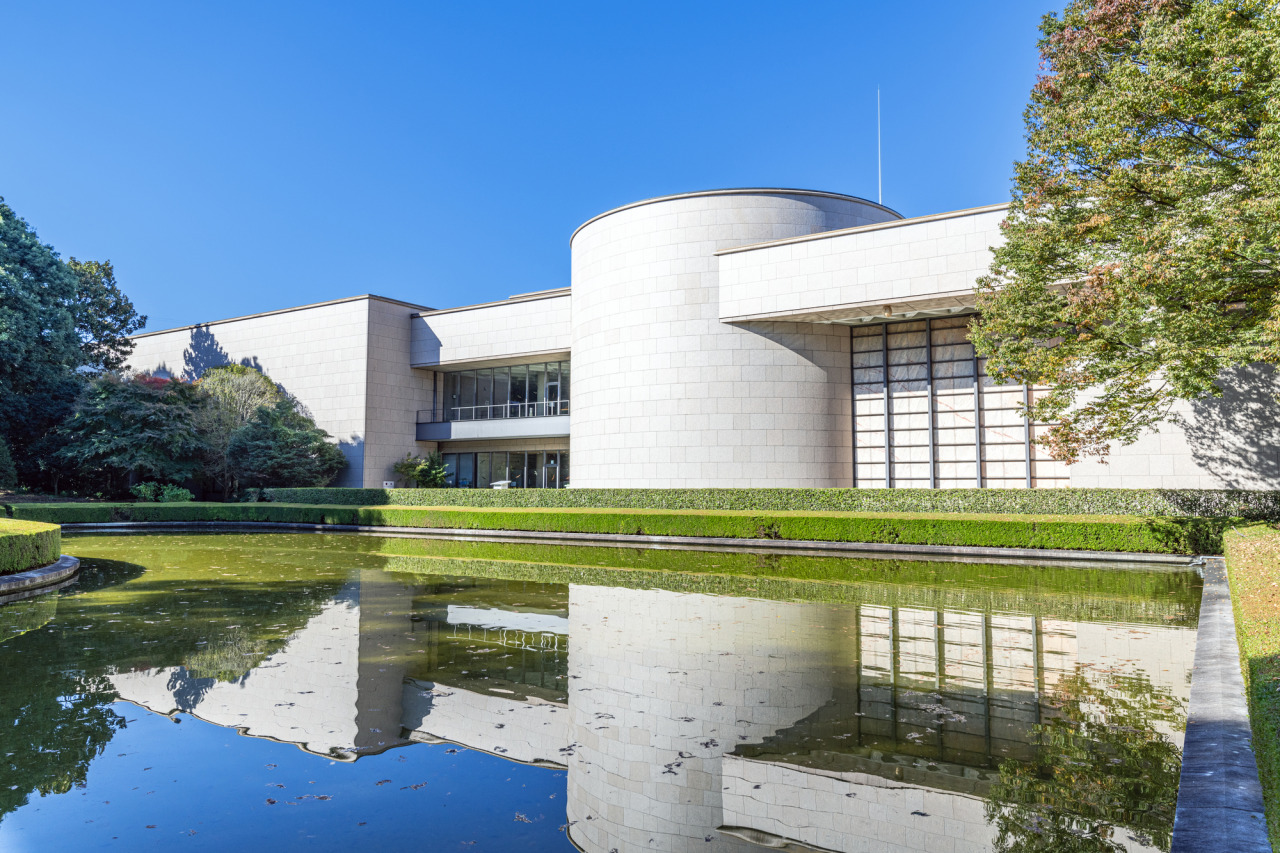
A museum dedicated to the works of Hiroshige Utagawa, an Ukiyo-e artist of the Edo period. You can get a glimpse of Japanese culture of the 19th century through his original drawings and Hanga (woodblock prints). The entire museum is made of local cedar and washi (handcrafted paper) designed by the global architect, Kengo Kuma, with a concept of “the traditional and serene appearance that expresses the artistry and tradition of Hiroshige”. Many visitors also come here to study design.

Nikko kaido Oshu kaido TOCHIGI
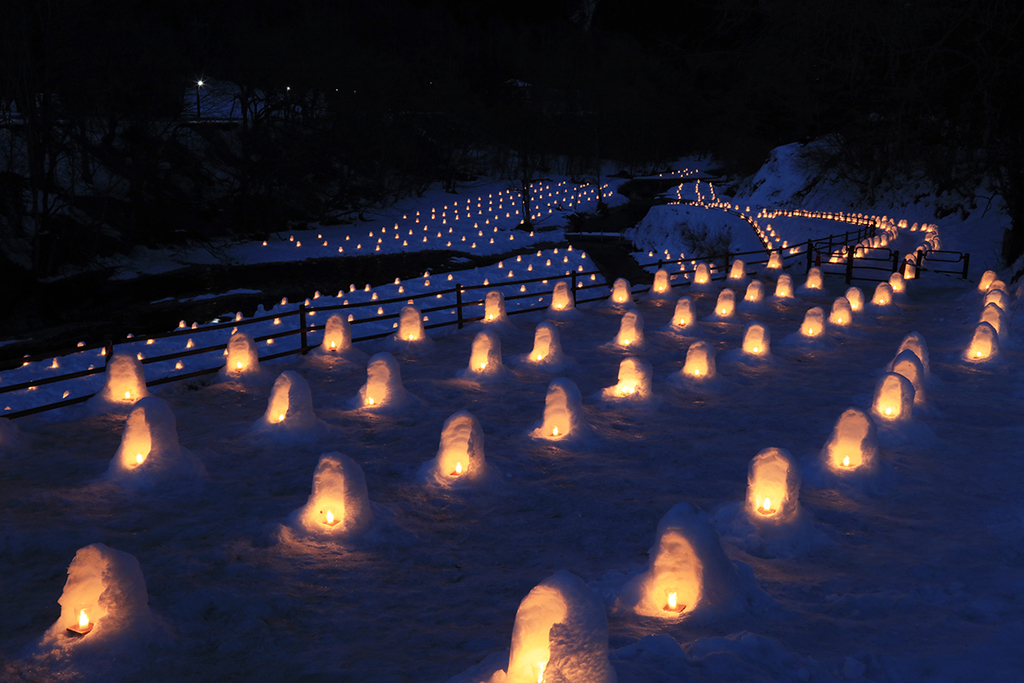
Yunishigawa-onsen KAMAKURA Snow House Festival

Yunishigawa-onsen KAMAKURA Snow House Festival

This feature festival of Yunishikawa Onsen is held from late January to early March every year. Hundreds of small snow houses (mini-kamakura) are built and lighted up by candle lights. During the day enjoy sleighing. This illuminated snow-filled town is simply mesmerising.   Yunishigawa Onsen Kamakura Snow House Festival 2026 ■Dates:January 30st-March 1nd,2026   Venue1:Sawaguchi Riverside ■Lighting Dates:Only on Fridays, Saturdays,and Sundays during January 30st-March 1nd,2026 ■Lighting Hours:5:30 p.m.-9:00 p.m. ■Admission:Free   Venue2:Heike-no-Sata Village ■Opening Hours:9:00 a.m. -9:00 p.m.(Last entry at 8:45 p.m.) ■Lighting Dates:January 30st - March 1nd ,2026 ■Lighting Hours:5:30 p.m.-9:00 p.m. ■Admission:1-day ticket(9:00 a.m.-9:00 p.m.):510 yen for adults / 250 yen for elementary and junior high school students(re-entry possible on the day)   Venue3:Yunishigawa Mizu-no-Sato Snow Park ■Closed:Wednesdays *Open on 2/11 (Wednesday, national holiday), closed on 2/12 (Thurs) ■Opening Dates:January 30st - March 1nd ,2026 ■Business Hours:10:00 a.m.-3:00 p.m.(Last reception 2:00 p.m.) ■Admission:1,200 yen for adults,600 yen for children(including sledding fee and hot spring bathing fee at Mizu-no-Sato.The hot spring open from 10:00 a.m. to 7:00 p.m.,last entrance 6:00 p.m.)

Nikko kaido Oshu kaido TOCHIGI
Iwashita New Ginger Museum

Iwashita New Ginger Museum

A museum dedicated to Iwashita Young Ginger (pickled ginger), which is commonly eaten across Japan. The inside of the museum is a soft pink, matching the distinct color of the products. There are also plenty of playful photo spots at the museum for you to have fun and enjoy yourself, such as the "Ginger Jinja" (Ginger Shrine) that's said to give you good luck in love, and a giant, 5-meter tall young ginger "hat" that you can try on. There is also a museum shop and cafe, so the museum is great for buying souvenirs and having a light meal too.

Nikko kaido Oshu kaido TOCHIGI
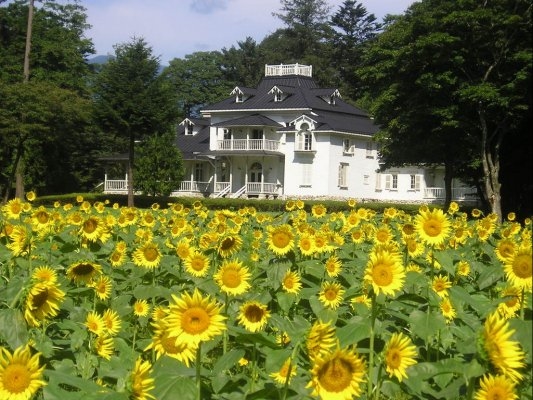
Onsen Health and Recreation Center 「Yashio no Yu」

Onsen Health and Recreation Center 「Yashio no Yu」

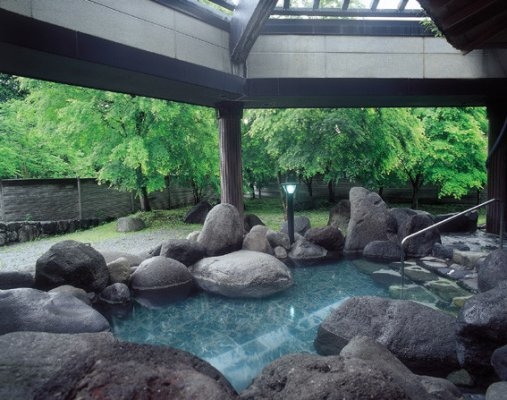
*In order to contain the spread of COVID-19 infections,sauna cannot be used. Thank you for your understanding and cooperation. The baths in this hot spring bathhouse in Nikko City, Tochigi Prefecture are fed from a straightforward alkaline simple spring and the viscous transparent water is said to be good for nerve pain as well as muscle soreness and joint pain. Come enjoy the huge indoor bath with large windows that let in a lot of light or look over the mountain scenery from the stone-lined open-air outdoor bath. The transparent and colorless water is a simple alkaline hot spring and is appreciated by female visitors for making skin smooth."

Nikko kaido Oshu kaido TOCHIGI
Tochigi Prefectural Museum

Tochigi Prefectural Museum

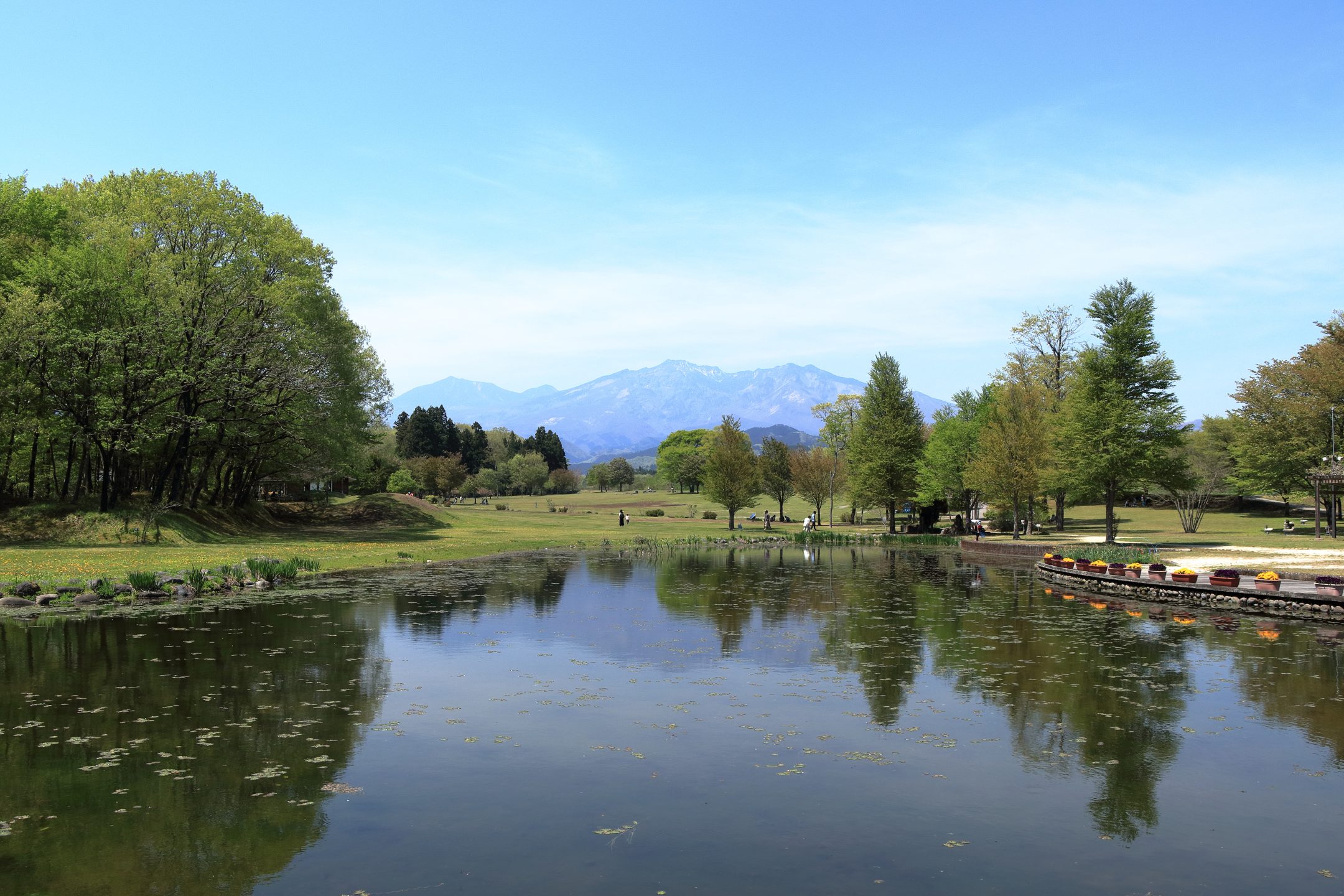
The Tochigi Prefectural Museum in Utsunomiya City is located in Tochigi Central Park and collects, preserves, and researches materials relating to Tochigi's nature and culture. This museum was opened as a general museum aimed at deepening understanding of Tochigi's nature and culture in October of 1982. The 72m spiral slope flora and fauna of Nikko, Tochigi's most famous area, exhibit is a site to see.The exhibition displays the animals in order of elevation and environment from the 600m elevation of the area around the Shinkyo Bridge to the 2578m elevation of the peak of Mt. Shirane. The exhibition rooms introduce the history of Tochigi from its geological age to the present, with themes on each era in chronological order, making the history easy to understand.The museum also hosts a variety of other themed exhibitions and planned exhibits as well as exhibits on nature, geology, plants and animal introductions."

Oshu kaido Nikko kaido TOCHIGI
Nikko Daiyagawa Park

Nikko Daiyagawa Park

This is a spacious park along both banks of the Daiya River, which runs through the city. It was built around the concept of appreciating the natural beauty of Nikko. The park includes auto camping grounds, sports fields, athletic training areas, a small restaurant serving local vegetables and natural features such as ponds and streams. Daiya-taiken-kan display a model of Nikko Toshogu (1/10 scale). Buildings, paintings and sculptures are finely expressed. "

Nikko kaido Oshu kaido TOCHIGI
Utsunomiya Joshi Park

Utsunomiya Joshi Park

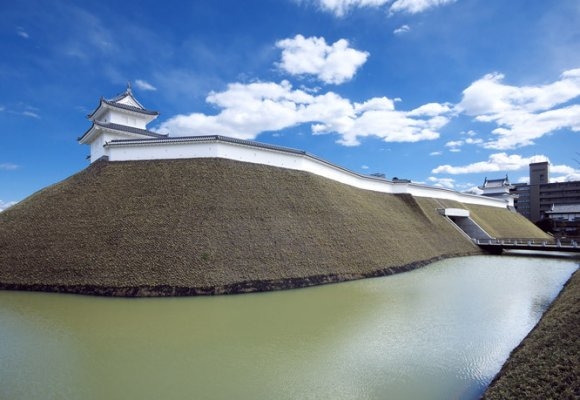
The History of Utsunomiya Castle Utsunomiya Castle is believed to have been originally built by the legendary Japanese warrior Fujiwara no Hidesato. During the medieval period, it served as the stronghold of the Utsunomiya clan for generations. After the Utsunomiya clan was stripped of its land by Toyotomi Hideyoshi, Utsunomiya Castle became the residence of fudai daimyō (samurai families who had pledged loyalty to the Tokugawa clan before the Battle of Sekigahara) during the Edo period. The castle also played an important role as a key stopover point for Tokugawa shoguns traveling to Nikkō Tōshō-gū to pay their respects. In 1868, the castle was engulfed in the flames of war during the Boshin War, a conflict between the new Meiji government forces and the remnants of the Tokugawa shogunate. Most of the original structures were destroyed in the battle. Today, the castle ruins have been transformed into a historical park, with efforts focused on reconstructing parts of the Edo-period (1600–1867) main keep (Honmaru) to preserve its legacy. Utsunomiya’s Earliest and Most Famous Cherry Blossom Viewing Spot From March to April, Utsunomiya Castle Ruins Park is adorned with beautiful cherry blossoms. The season begins in mid-to-late March with the early-blooming Kawazu-zakura, followed by Somei Yoshino, Shidare-zakura, and finally culminating in the Oyama-zakura in mid-April. For a full month, visitors can immerse themselves in a breathtaking sea of pink petals. During cherry blossom season, the park hosts the Utsunomiya Sakura Festival, featuring stage performances, local street food stalls, and festive activities in addition to stunning cherry blossoms. This makes it one of Utsunomiya’s most renowned hanami (cherry blossom viewing) spots.

Nikko kaido Oshu kaido TOCHIGI
Heike Taisai (Grand Festival of Heike)

Heike Taisai (Grand Festival of Heike)

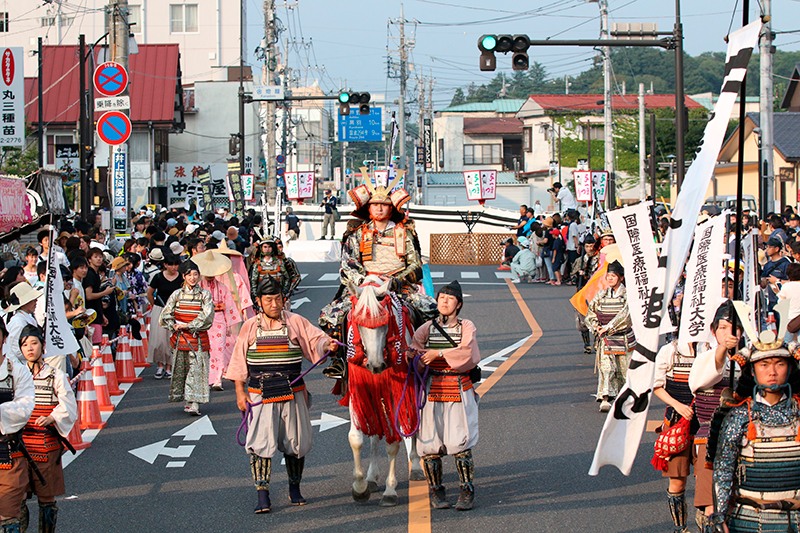
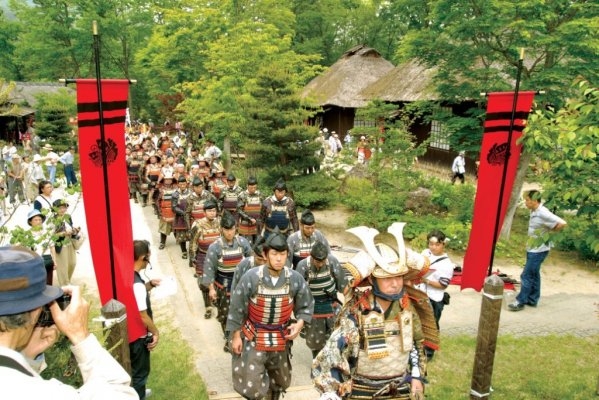
A festival in order to in honor Heike Family The Taira Clan (also called Heike), one of the most powerful family in Heian period, dominated the imperal captain of Heian. However, after the death of their leader, Taira no Kiyomori, their rivals the Minamoto Clan (the Genji),which culminated in the Genpei War (1180-1185 AD). The five-year-long war concluded with a decisive Taira defeat in the naval Battle of Dan-no-Ura.   It is said many Heike family and their samurais ran away from Genji's army, and hided in Yunishigawa Onsen. In order to honor those samurai who fighting for the Heike family, people live in Yunishigawa Onsen hold the "Heike Taisai" every year.   Become a princess of Heike!  A traditional Yunishigawa festival held in early June, featuring Biwa (Japanese lute) performances, dances and theatrical plays. The highlight of the festival is the “Emaki Gyoretsu Procession”, where over 200 people dressed as heroic Samurais or elegant princesses parade through the town. Visitors can also apply to join the march.

Nikko kaido Oshu kaido TOCHIGI
Kinugawa Onsen

Kinugawa Onsen

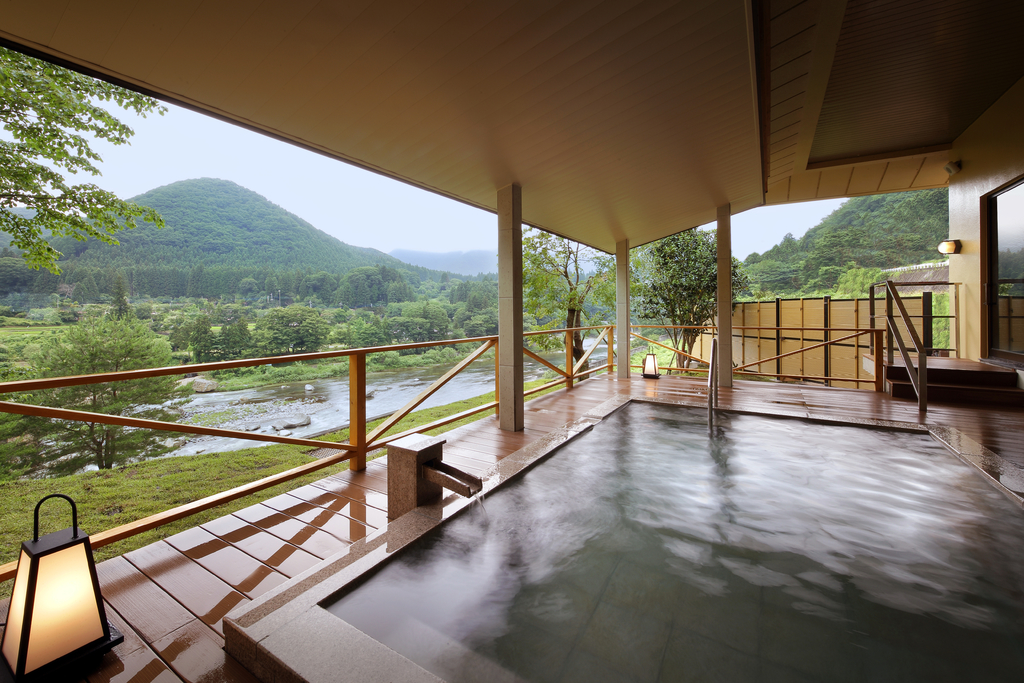
Discovered more than 300 years ago, these venerable Onsen were open only to monks and daimyo samurai visiting Nikko at that time. Since opening to the public in late 19th century, the hot springs have had many visitors and developed into a great spa resort. The hot spring water is smooth and gentle on the skin with a light alkalinity, and is thought to help nerve pain and stiff shoulders, relieve tiredness and promote good health. There srounded many theme parks or sightseeing spots, and good place for the base to go sightseeing in Nikko.

Oshu kaido Nikko kaido TOCHIGI
Koyasan Shingonsyu Kofukuji Temple

Koyasan Shingonsyu Kofukuji Temple

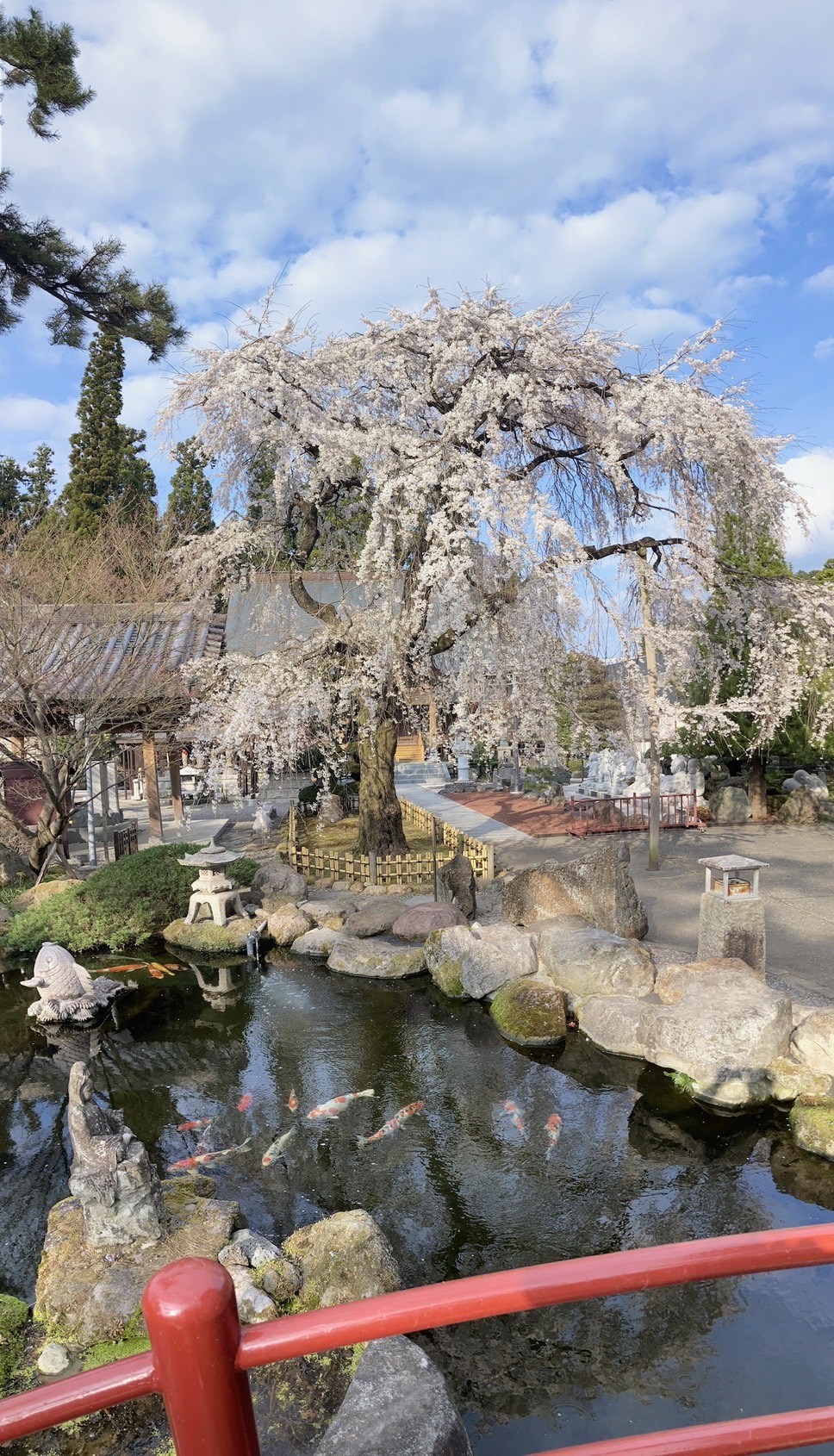
Kofukuji Temple in Nasu, Tochigi Prefecture, is a historic temple founded in 1460. For many years, it has been a beloved place of tranquility for local residents. The temple offers a variety of experiences, including traditional temple activities such as sutra copying and goma fire rituals, as well as more modern offerings like yoga (reservations are required) and lotus flower crafting. Everyone is welcome to participate. Despite its long history, Kofuku-ji Temple offers a warm and welcoming atmosphere, making it a perfect destination for those interested in experiencing Japanese culture.  

Nikko kaido Oshu kaido TOCHIGI
Kinugawa Grand Hotel Yume no Toki

Kinugawa Grand Hotel Yume no Toki

The hotel stands quietly on the hill of a hot spring resort town against the backdrop of mountains that change colors each season. It is an eight-minute-walk from Kinugawa-onsen Station and features a superb Japanese garden. Enjoy the seasonal multi-course kaiseki meal and relax in five uniquely designed private open-air baths. Free yourself from daily stress and indulge yourself in slow and luxurious time. The hotel offers the Wellness Escape Plan for one group a day. To ensure high-quality time to rest, the plan includes a high-end air purifier in the guest room, morning activities with an instructor, and breakfast featuring tasty rice porridge that is gentle on the stomach and intestines. Why don’t you plan a trip to improve your health from the inside out with hot springs, activities, and meals? *Reservation for the Wellness Escape Plan is accepted only through the official hotel website. 【About the hot spring】 Water color: clear Spring water type: simple alkaline spring water Efficacy: alleviates stiff shoulders, nerve pain, sprains, sore muscles, sleeplessness, etc.

Nikko kaido Oshu kaido TOCHIGI
Nagaoka Hyakuana Tomb Group

Nagaoka Hyakuana Tomb Group

Nagaoka Hyakuana Tomb Group was built at first half of the 7th centry, and it was designated as a prefectual histric site.   It is said to be mass tomb like a family  tomb, hollowed out like a beehive on a hillside made of tuff. It is said that Hyakuana (one hundred hole ), but actually it has 52 holes. The various kinds of Kannon statues that were later carved into each horizontal tomb are said to have been created by the famous monk Kobo Daishi.

Nikko kaido Oshu kaido TOCHIGI