Greater Tokyo

See & Do

reset
Utsunomiya Joshi Park

Utsunomiya Joshi Park

The History of Utsunomiya Castle Utsunomiya Castle is believed to have been originally built by the legendary Japanese warrior Fujiwara no Hidesato. During the medieval period, it served as the stronghold of the Utsunomiya clan for generations. After the Utsunomiya clan was stripped of its land by Toyotomi Hideyoshi, Utsunomiya Castle became the residence of fudai daimyō (samurai families who had pledged loyalty to the Tokugawa clan before the Battle of Sekigahara) during the Edo period. The castle also played an important role as a key stopover point for Tokugawa shoguns traveling to Nikkō Tōshō-gū to pay their respects. In 1868, the castle was engulfed in the flames of war during the Boshin War, a conflict between the new Meiji government forces and the remnants of the Tokugawa shogunate. Most of the original structures were destroyed in the battle. Today, the castle ruins have been transformed into a historical park, with efforts focused on reconstructing parts of the Edo-period (1600–1867) main keep (Honmaru) to preserve its legacy. Utsunomiya’s Earliest and Most Famous Cherry Blossom Viewing Spot From March to April, Utsunomiya Castle Ruins Park is adorned with beautiful cherry blossoms. The season begins in mid-to-late March with the early-blooming Kawazu-zakura, followed by Somei Yoshino, Shidare-zakura, and finally culminating in the Oyama-zakura in mid-April. For a full month, visitors can immerse themselves in a breathtaking sea of pink petals. During cherry blossom season, the park hosts the Utsunomiya Sakura Festival, featuring stage performances, local street food stalls, and festive activities in addition to stunning cherry blossoms. This makes it one of Utsunomiya’s most renowned hanami (cherry blossom viewing) spots.

Nikko kaido Oshu kaido TOCHIGI
Omocha-no-Machi Bandai Museum

Omocha-no-Machi Bandai Museum

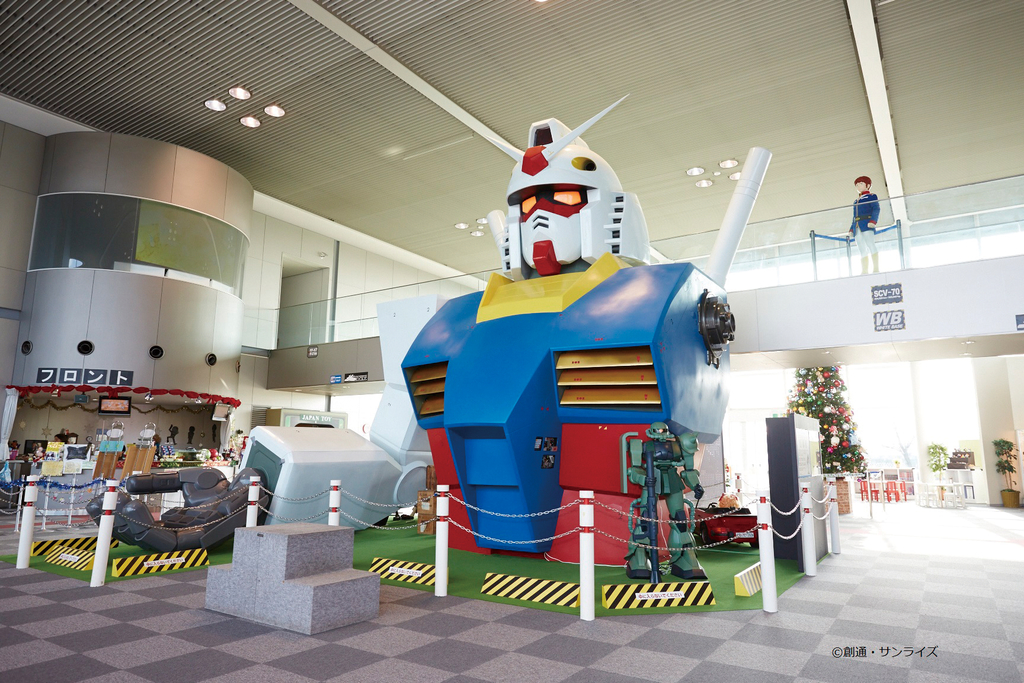
At the entrance of the Omocha-no-Machi Bandai Museum visitors are welcomed by a full-scale RX-78 Gundam bust (5.6 metres in height) and its pilot Amuro Ray. The museum’s collection includes a large selection of toys from home and abroad dating from the Edo period (1603-1867). Highlights are the world’s leading collection of Thomas Edison’s inventions and the old and rare steam car, the “Pendle Princess” (made in the U.K. in 1919). This is a great place to enjoy learning about the history of toys. Gundam fans shouldn’t miss the “Zaku’s Dream” and “White Base” exhibitions.

Nikko kaido Oshu kaido TOCHIGI
Michi-no-Eki(Roadside Rest Stops)  Utsunomiya Romantic Village

Michi-no-Eki(Roadside Rest Stops) Utsunomiya Romantic Village

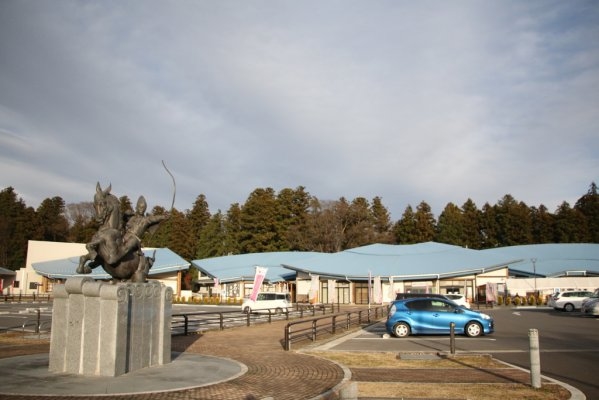
This Roadside Rest Stops offering a farming and forest experience, dog park, hot spring, pool, and accommodation. Tochigi Prefecture has the largest production of two-rowed barley – an ingredient used to make beer. Romantic village's brewery has a full lineup of beers including staple original beers, the Mugitaro brand, and Gyoza Roman, a beer that pairs well with Gyoza .Be sure to try a freshly brewed one!

Oshu kaido Nikko kaido TOCHIGI
Heike Taisai (Grand Festival of Heike)

Heike Taisai (Grand Festival of Heike)

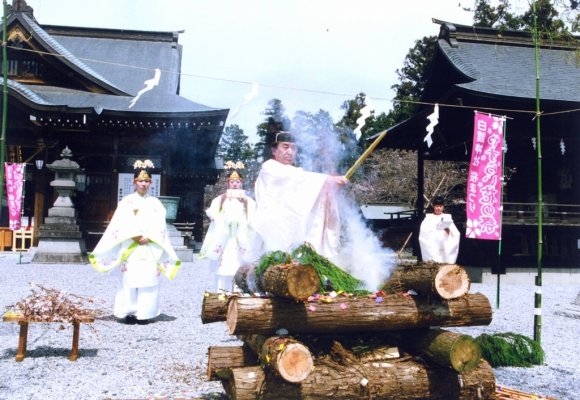
A festival in order to in honor Heike Family The Taira Clan (also called Heike), one of the most powerful family in Heian period, dominated the imperal captain of Heian. However, after the death of their leader, Taira no Kiyomori, their rivals the Minamoto Clan (the Genji),which culminated in the Genpei War (1180-1185 AD). The five-year-long war concluded with a decisive Taira defeat in the naval Battle of Dan-no-Ura.   It is said many Heike family and their samurais ran away from Genji's army, and hided in Yunishigawa Onsen. In order to honor those samurai who fighting for the Heike family, people live in Yunishigawa Onsen hold the "Heike Taisai" every year.   Become a princess of Heike!  A traditional Yunishigawa festival held in early June, featuring Biwa (Japanese lute) performances, dances and theatrical plays. The highlight of the festival is the “Emaki Gyoretsu Procession”, where over 200 people dressed as heroic Samurais or elegant princesses parade through the town. Visitors can also apply to join the march.

Nikko kaido Oshu kaido TOCHIGI
Kawaji Onsen

Kawaji Onsen

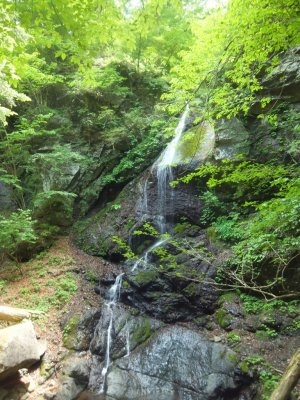
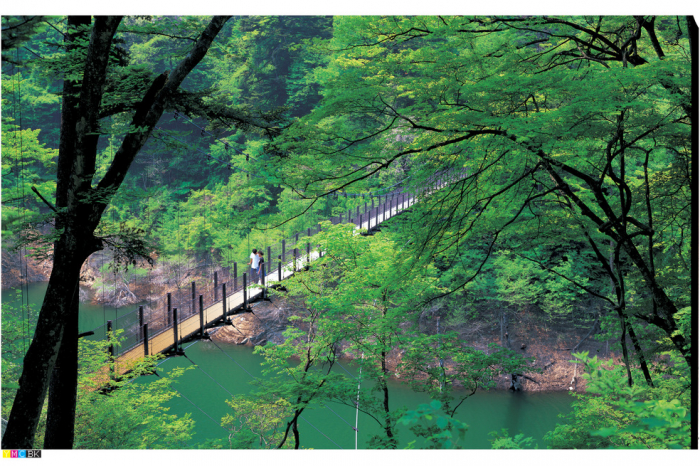
A tranquil Onsen-kyo nestled in the valley where the Kinugawa and Ojika Rivers meet. Since the 18th century when the spa was discovered, Kawaji has prospered as a post station and a therapeutic spa. The simple alkaline hot spring is an effective treatment for neuralgia, rheumatism and particularly for injuries. The nearby nature trail leading to the scenic “Ryuokyo gorge” offers a lovely way to take in the floral scents and the sounds of local streams.

Nikko kaido Oshu kaido TOCHIGI
Nasu Kogen Rindo Lake Family Ranch

Nasu Kogen Rindo Lake Family Ranch

A leisure facility covers 300,000 square metres surrounded by abundant nature around a lake. The interactive farm especially delight children through the experiences such as feeding lovely animals, riding horses and milking cows by hands. Other popular attractions are pleasure boats viewing Nasu mountain ranges and park itself from the lake, the Swiss railway running alongside the lake and the nation’s longest “Zip Line” where you zip along a wire over the lake. Refresh yourself with ice creams and daily products made with Jersey milk for a break!

Nikko kaido Oshu kaido TOCHIGI
Irohazaka

Irohazaka

Irohazaka is a pair of winding roads (ascending and descending) connecting Nikko-city and the mountainous Lake Chuzenji area. The roads are named after the 48 syllables of the Japanese alphabet (kana) as they contain 48 hairpin turns while rising and falling 440 metres in elevation. The best viewing spot is the Akechidaira observatory on the descending road. The picturesque landscape is known as the most beautiful place to celebrate autumn leaves in Nikko, and it is well worth putting up with the traffic on the roads at this popular time.

Oshu kaido Nikko kaido TOCHIGI
Motegi Showa Museum

Motegi Showa Museum

This is a mini theme park with a ""Showa Retro"" theme. Inside, you'll find thousands of retro items densely displayed, including classic enamel signs, old cigarette vending machines, and everyday household goods from the Showa era. The moment you step inside, you'll feel as if you've been transported back in time to the Showa era. Building No. 2 features exhibits of retro stationery and toys, and also has a shop selling dagashi. It's a place that transcends generations, offering a fun experience for young people who find the Showa style refreshingly new, and for older visitors who feel a deep sense of nostalgia. ※ ""Showa Retro"" is a term that refers to the culture, design, and atmosphere of Japan from the 1950s through the 1980s. It is characterized by a nostalgic and warm feeling. This aesthetic is popular across all generations, feeling new and fresh to younger people while evoking a sense of deep nostalgia for the older generation.

Nikko kaido Oshu kaido TOCHIGI
Tochigi Edo Cuisine

Tochigi Edo Cuisine

Koedo Tochigi, where Edo atmosphere still lingersDuring the Edo period, Tochigi City flourished as a lodging town along the Nikko Kaido highway and as a hub of river transport. Preserving much of its Edo-period charm, it is often referred to as “Koedo” (Little Edo), alongside Kawagoe and Sawara. A fusion of tradition and innovation – Tochigi Edo CuisineTo let visitors enjoy the unique taste of Edo-style dishes, experts have been researching recipes from the Edo period since 2015, adapting them by blending with local ingredients and techniques. The result is “Tochigi Edo Cuisine,” a modern yet traditional dining experience. On your next visit to Tochigi’s Kurano-machi (Warehouse District), in addition to sightseeing and enjoying a boat ride that recalls the Edo atmosphere, you can also savor Tochigi Edo Cuisine, offering a refined taste of history. For a list of restaurants serving Tochigi Edo Cuisine: https://tochigi-edo.jp/shop

Nikko kaido Oshu kaido TOCHIGI
Mount Nantai

Mount Nantai

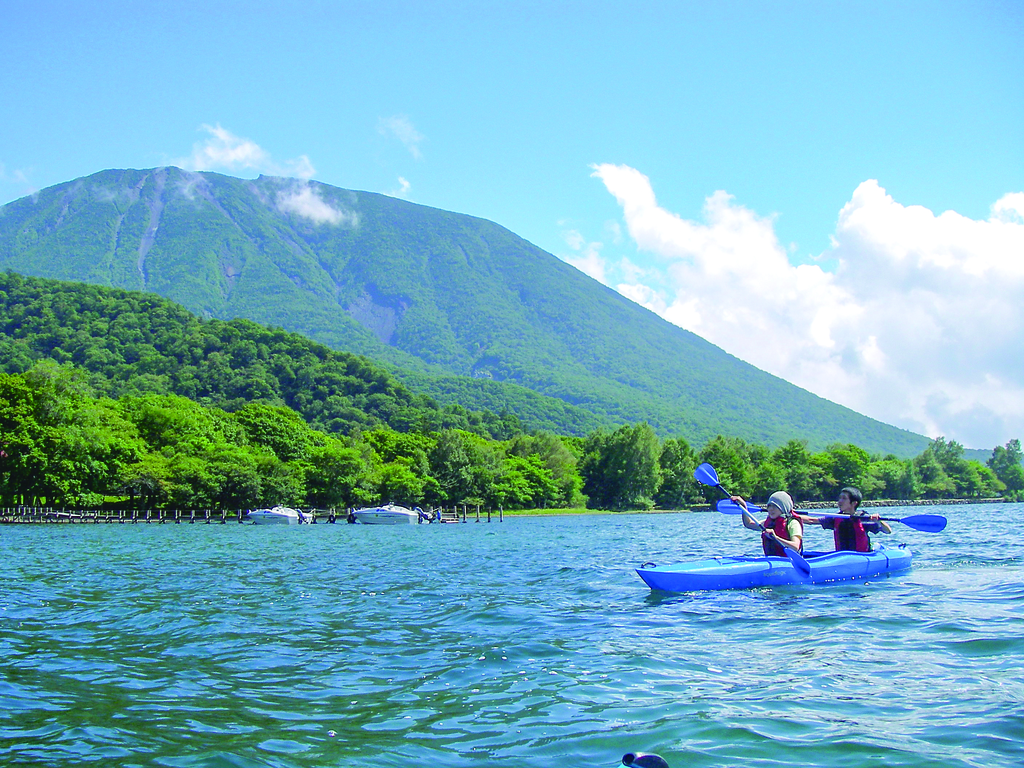
Mount Nantai is one of the representative peaks of the Nikko Mountains, standing at 2,486 meters. Towering over the northern shore of Lake Chuzenji, it offers magnificent scenery. Since ancient times, the mountain has been revered as a sacred object of worship. At its summit stands the Okumiya Shrine of Futarasan Shrine. Mount Nantai is also called “Futarasan.” The name “Futarasan” originates from the Buddhist term “Fudaraku.” Every year, a mountain-opening festival is held on July 31, and from midnight on August 1, many worshippers begin their pilgrimage from Futarasan Shrine’s Chugu Shrine, heading toward the summit to greet the sunrise. In addition, Lake Chuzenji, Kegon Falls, Ryuzu Falls, and the surrounding grasslands and fields at the foot of Mount Nantai were all formed by volcanic activity of the mountain. The official climbing season runs annually from April 25 to November 11. Starting from Futarasan Shrine’s Chugu Shrine, the climb to the summit takes about 6 to 8 hours round-trip. ※Climbing fee is 1,000 yen per person.※Reception hours are from 6:00 a.m. to 12:00 noon.※Entry is not permitted after 12:00 noon.※Please bring your own bear bell.

Nikko kaido Oshu kaido TOCHIGI
Utamaro Festival

Utamaro Festival

Held in early October each year, the Utamaro Festival celebrates the legacy of Kitagawa Utamaro, a renowned ukiyo-e artist of the mid-Edo period who had close ties to Tochigi City. Many of his works were created here, and the city, with its well-preserved Edo-period architecture, is often called “Little Edo.” The festival’s highlight is the Utamaro Dōchū parade, where performers dressed in gorgeous kimono proceed slowly along Kuranomachi Ōdōri Street, recreating the elegance of the Edo era. The festivities also feature music performances, fireworks, street illuminations, and a handmade market, immersing the entire town in a joyful celebration of culture and tradition. Notably, Kitagawa Utamaro will also be featured in the 2025 NHK Taiga drama Unbound, bringing renewed attention and respect to this ukiyo-e master. Visiting the Utamaro Festival offers a rare opportunity to experience the fusion of historical culture and modern creativity. Strolling through the lantern-lit streets of Kuranomachi, you can enjoy the vibrant atmosphere of the parade and illuminations while discovering the timeless charm of Japanese traditional arts—an unforgettable highlight of any autumn trip.

Nikko kaido Oshu kaido TOCHIGI
KINUGAWA ONSEN HOTEL

KINUGAWA ONSEN HOTEL

The Kinugawa Onsen Hotel in Nikko City, Tochigi Prefecture, is a long-established hot spring inn founded in 1931, with roots in Japan's oldest hotel. With the concept of “Yui-tabi” (bonding), we support memorable trips that deepen the bonds between family members and loved ones. Enjoy a buffet-style meal and choose from a variety of rooms to suit your preferences, and enjoy a relaxing hot spring trip to your heart's content.   【About the Hot Springs】 Kinugawa Onsen is renowned for its healing waters, often referred to as “wounds heal by the river, burns heal by the waterfall” (now known as Kinugawa Onsen). The alkaline simple spring water is known for its skin-soothing properties, making it gentle on children and those with sensitive skin. In addition to the large public bath, private baths (reservation required) are also available. Water color: Clear Water type: Simple hot spring Benefits: Neuralgia, muscle pain, joint pain, frozen shoulder, paralysis, joint stiffness, bruises, sprains, chronic digestive disorders, hemorrhoids, cold hands and feet, post-illness recovery, fatigue recovery, and overall health improvement.  

Nikko kaido Oshu kaido TOCHIGI
Fairfield by Marriott Tochigi Utsunomiya

Fairfield by Marriott Tochigi Utsunomiya

The hotel is located in a quiet countryside area just outside the city centre. Away from the hustle and bustle of the city, you can spend a relaxing time while enjoying the natural scenery that is so typical of Japan. Next to the hotel is the roadside station "Utsunomiya Romantic-mura" where you can enjoy local products and local delicacies such as Utsunomiya Gyoza®, and enjoy shopping and dining. The roadside station also has a natural hot spring and a heated pool, so you can relax and refresh after your trip. Nearby tourist spots include the "Oya History Museum," with its underground temple-like space, and the "Wakayama Farm Bamboo Forest," with its vast bamboo forest as far as the eye can see. With easy access to Nikko, this hotel is the perfect base for sightseeing.

Nikko kaido Oshu kaido TOCHIGI