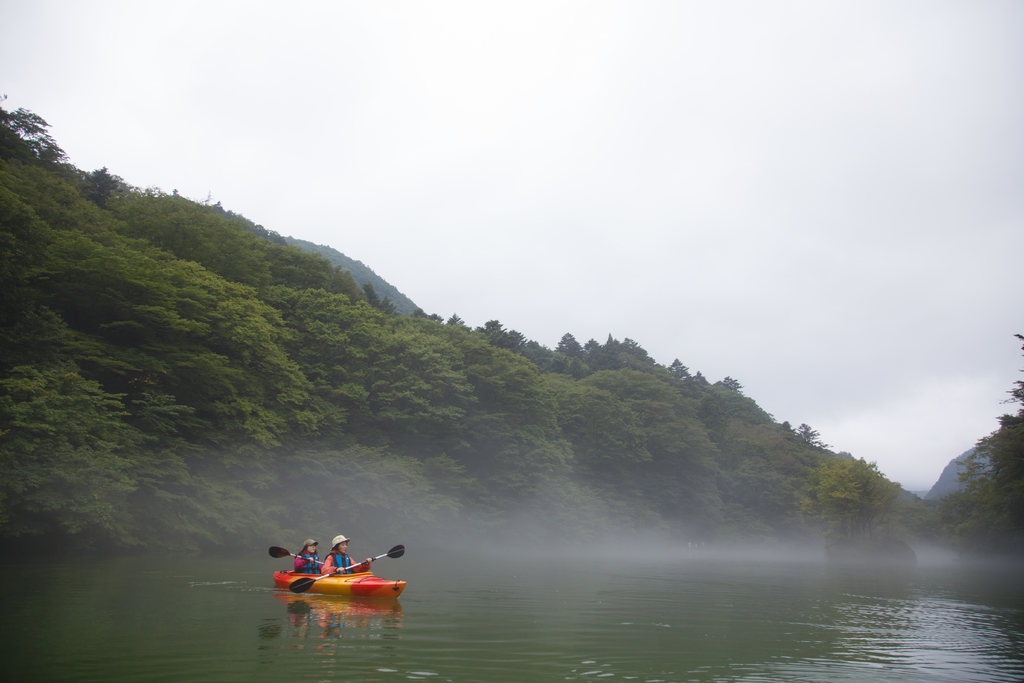
Canoeing on Itamuro Dam Lake
The relaxed pace of a Nature Planet tour is perfect for shaking off the stress of day-to-day life. Take it slow for a while and let your worries float away.
Total: 1715 items
The relaxed pace of a Nature Planet tour is perfect for shaking off the stress of day-to-day life. Take it slow for a while and let your worries float away.
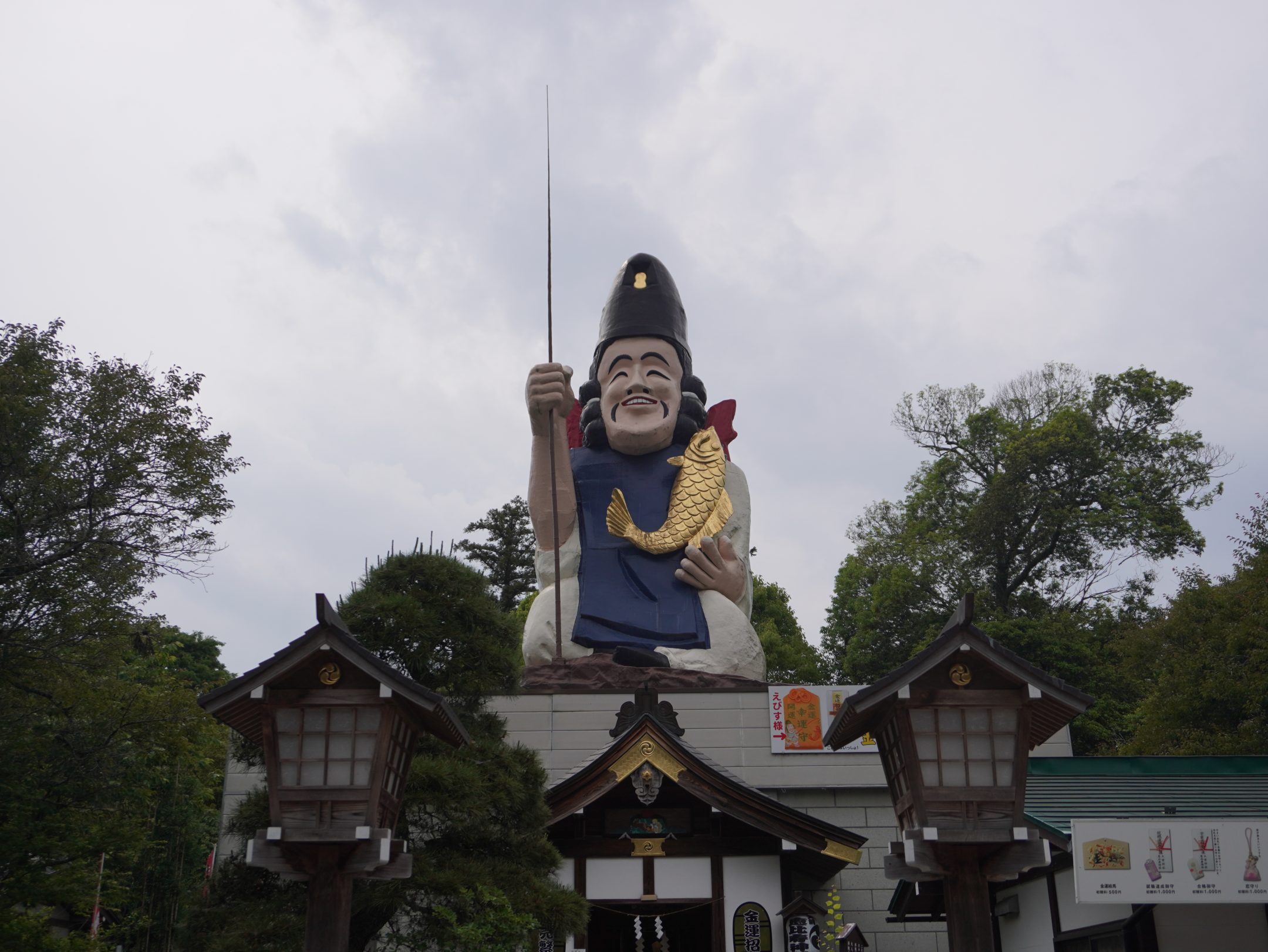
An ancient shrine rebuilt in the Nara era and included in the Engi-Shiki (set of ancient Japanese governmental regulations), it is also a famous place in Kanto for the first shrine visit of the New Year (hatsumode). The main shrine building, which is a prefectural cultural property, is a masterwork of Genroku-era carpenter Sezaemon Sakurai and sculptor Entetsu Shimamura.
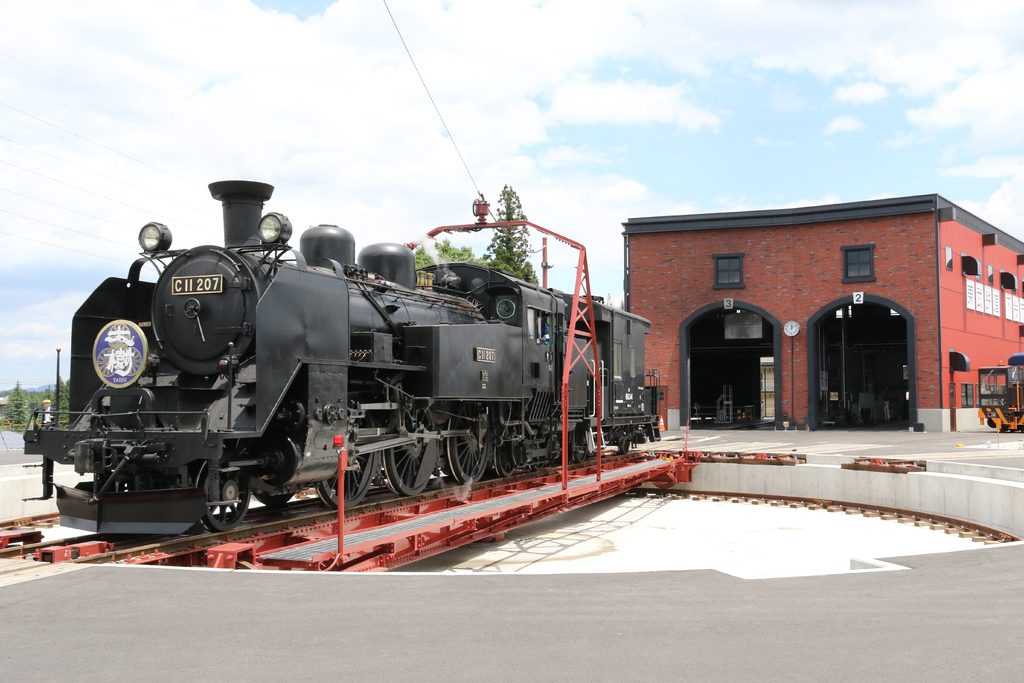
This steam locomotive, called “Taiju”, has been operating since August 2017. “Taiju” is also known as the other name of the Tokugawa Shogun, who is enshrined at Nikko Toshogu Shrine. Tobu Railway, with its network from the Asakusa area in Tokyo to this Kinugawa Onsen area, was once called one of the biggest “kingdoms of steam locomotives”, as it used to operate as many as 85 steam locomotives mainly for forwarding freight. How about enjoying a ride on Taiju on the way to your sightseeing destination? All seats on the Taiju are reserved and can be purchased at Tobu Tourist Information Center Asakusa on the first floor of Asakusa Station, website,or Tobu Railway Line Stations. Shimoimaichi Station and Kinugawa Onsen Station are equipped with railway turntables where you can enjoy watching a dynamic steam locomotive in front of you!
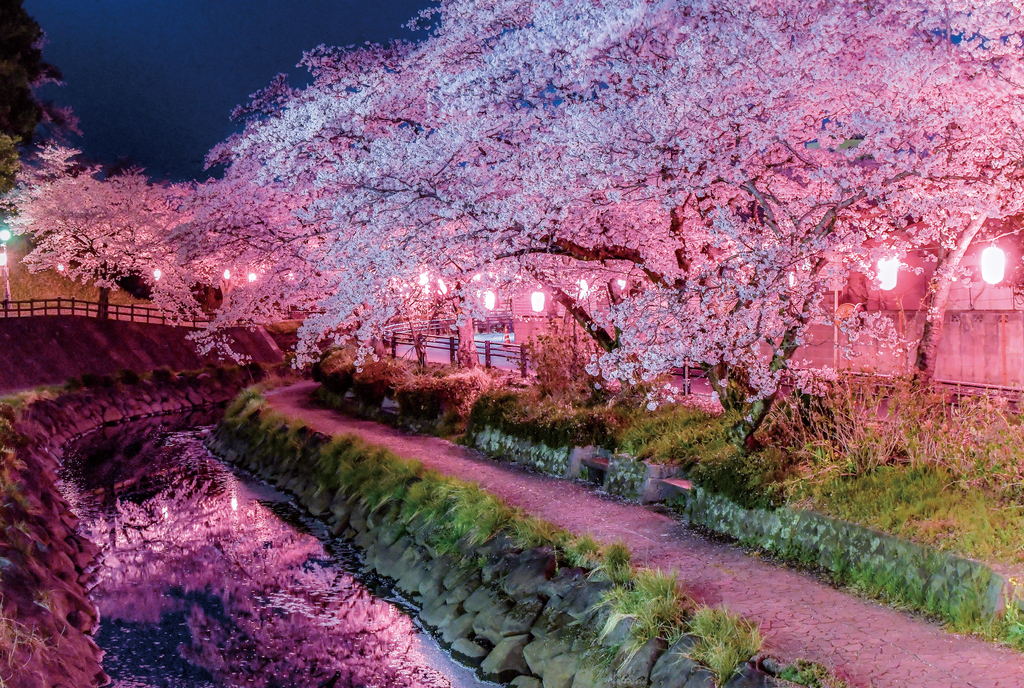
This is a cherry blossom festival held from late March to early April every year. Various events are held in places around Mooka during this period. You can admire the cherry blossoms with cherry blossom viewing dumplings in one hand and appreciate the cherry trees lit up in the evening. Enjoy spring in Mooka when the city is colored with the color of cherry blossoms from ten thousand cherry trees. ☆
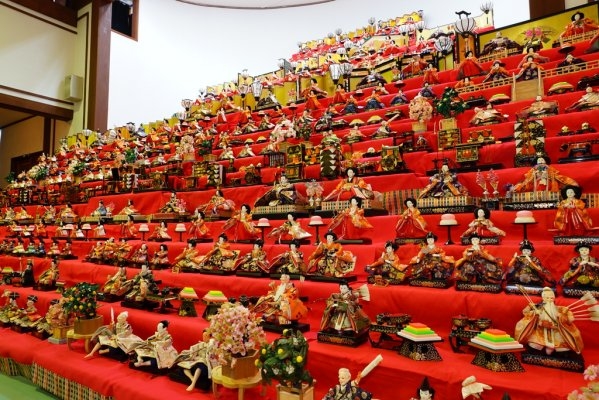
March 3 is celebrated in Japan as Girls’ Day, when hina dolls dressed in luxurious kimono are displayed throughout the country. From early February until Girls’ Day, Moka City hosts the month-long “Moka Romantic Hina Doll Display.” At the Okabe Memorial Hall “Kinreisō,” a Tochigi Prefecture-designated cultural property, visitors can admire a spectacular 26-tier hina doll display—about 6 meters high—featuring imperial dolls and more. The exhibition also includes over 30 hanging hina decorations, a rare sight not to be missed. This season is also perfect for enjoying strawberry picking in the Moka area. Don’t forget to try Tochigi’s new strawberry variety, Tochiaika!
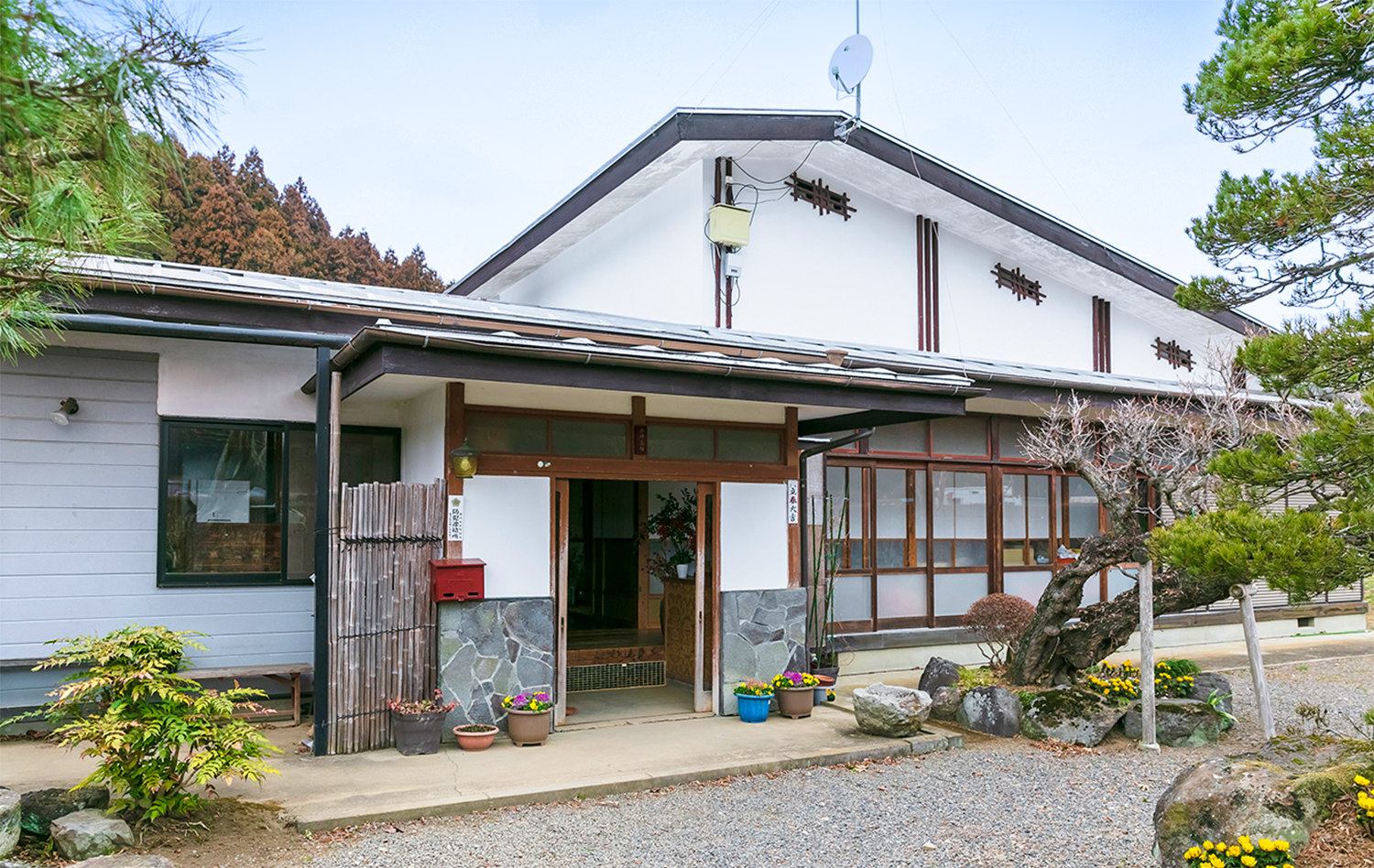
Yui is a farm stay built in a place where guests can experience rural village living. It serves fermented foods, mainly vegetables, prepared with spices using rice koji. It also has a container home where guests can work remotely during the day and a sauna tent in natural surroundings.
Join a tour of the factory manufacturing the popular local rice cracker “Nikko Jingoro Senbei”! This traditional Senbei is named after Jingoro Hidari, an artist who made the famous wood carving of the sleeping cat at the Nikko Toshogu Shrine.
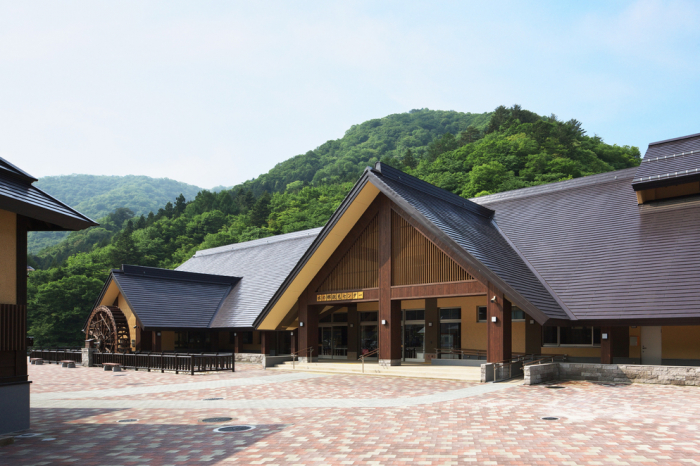
This recently-opened facility boasts everything Yunishigawa has to offer — an open-air bath fed with free-flowing spring water, unforgettable food, and great souvenir shops. Enjoy an extensive menu including Yunishigawa specialties such as handmade soba and other local dishes.
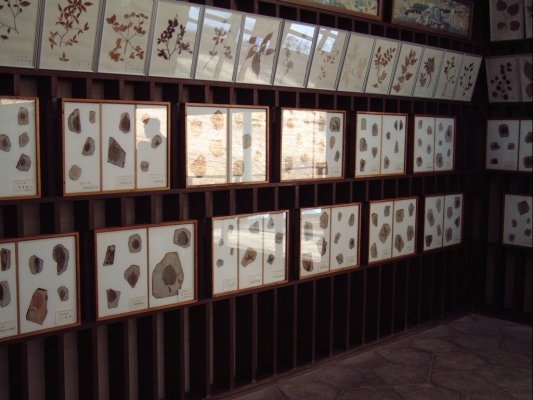
This outdoor science museum is located in Nasushiobara City, Tochigi Prefecture. First opened in 1905, the museum preserves and displays the fossils that have been excavated on its grounds. The exhibit room displays a wide variety of fossils and minerals collected from around the world, mostly notably the many fossils produced locally in the Shiobara area. "
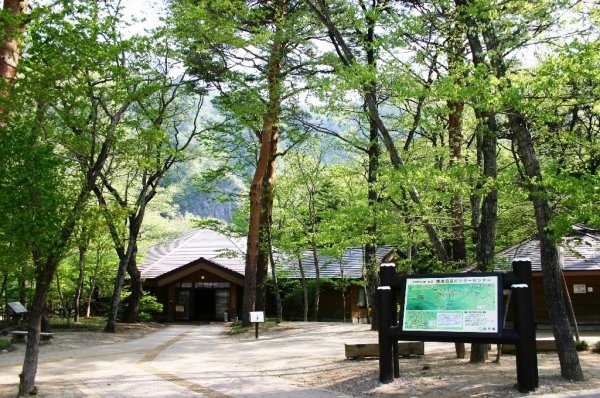
This tourist information center located in Nasushiobara City, Tochigi Prefecture provides explanations and guidance for the nature and promenade in Shiobara, and operates various walking plans. For example, it coordinates nature walking plans corresponding to the season and members, hikes with park conductors and nature learning activities. In addition, the visitor center has a rest corner where you can rest yourself after walking."
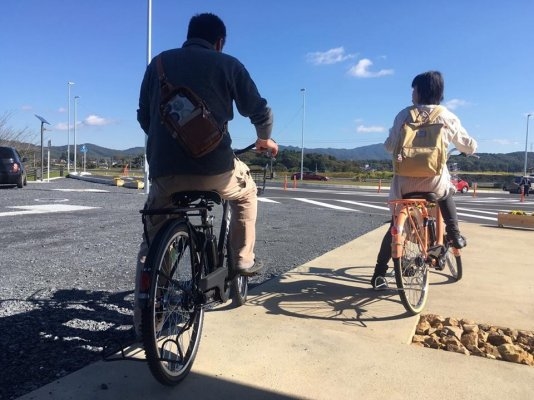
Why not enjoy cycling through the historic town of Mashiko and its natural surroundings? The local railway journey to Mashiko passes through picturesque countryside. On arrival the town of Mashiko offers bike rental to tourists at several bike stations including Yoshimura Farm, Michi-no-Eki Mashiko and the Mashikoyaki Pottery Sales Centre. Mashiko station is also available for returns only. Hire a bike and explore the streets of the old town lined with cafes and art galleries. All the rental bikes are Pedelecs (electrically assisted pedal cycles) and perfect for cycling around this hilly town. Enjoy exploring the town’s narrow streets and find your hidden gems!
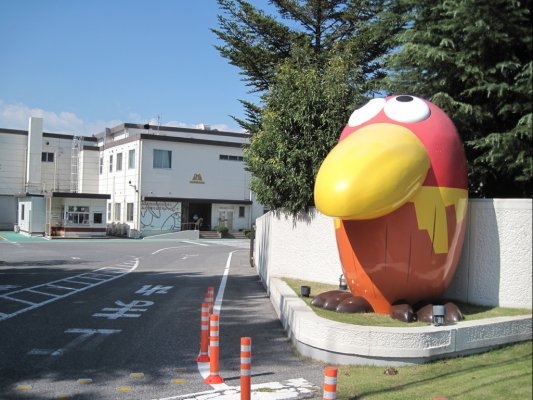
Come and take a look at the manufacturing process of familiar sweets such as “Chocoball” and “Angel Pie”. The factory tour is popular so reservations are essential!
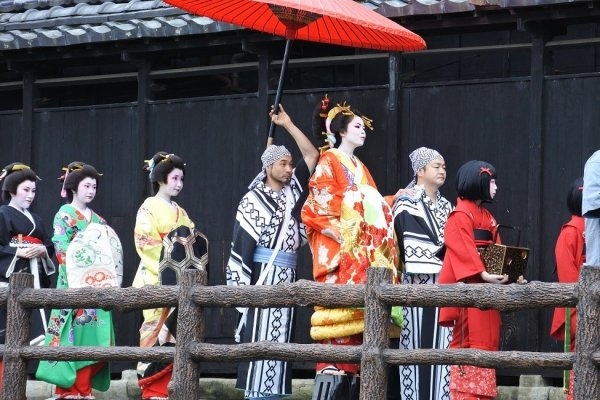
Held in early October each year, the Utamaro Festival celebrates the legacy of Kitagawa Utamaro, a renowned ukiyo-e artist of the mid-Edo period who had close ties to Tochigi City. Many of his works were created here, and the city, with its well-preserved Edo-period architecture, is often called “Little Edo.” The festival’s highlight is the Utamaro Dōchū parade, where performers dressed in gorgeous kimono proceed slowly along Kuranomachi Ōdōri Street, recreating the elegance of the Edo era. The festivities also feature music performances, fireworks, street illuminations, and a handmade market, immersing the entire town in a joyful celebration of culture and tradition. Notably, Kitagawa Utamaro will also be featured in the 2025 NHK Taiga drama Unbound, bringing renewed attention and respect to this ukiyo-e master. Visiting the Utamaro Festival offers a rare opportunity to experience the fusion of historical culture and modern creativity. Strolling through the lantern-lit streets of Kuranomachi, you can enjoy the vibrant atmosphere of the parade and illuminations while discovering the timeless charm of Japanese traditional arts—an unforgettable highlight of any autumn trip.
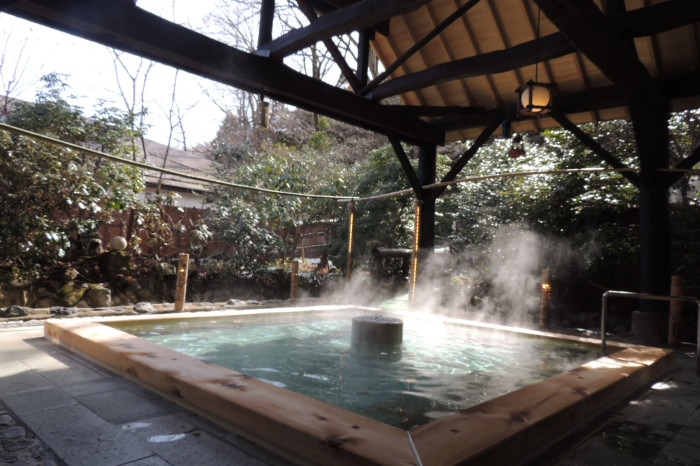
Loved by many women for its skin-beautifying and health-promoting effects, this hot spring inn even produces its own “Shutsuyoku Bijin” facial lotion made from fresh spring water. To celebrate its 30th anniversary, Okunasu Taishomura Satinoyu Onsen restored its unique “Tsuna-no-Yu” bath in August 2014. This distinctive bathing style involves holding onto a rope tied to the beams of the bathhouse while standing in waist-deep water in a bath over one meter deep. Popular in the mid-1960s, it was believed to improve peripheral nerve function and promote blood circulation, attracting many visitors seeking relief from joint and nerve pain. The bath, paved with river stones, measures 4.3 meters long, 2.6 meters wide, and 1.25–1.4 meters deep. Hot spring water wells up from below, stimulating the soles of the feet and letting bathers fully enjoy the benefits of the high-quality spring water. Day-trip visitors can also try the Tsuna-no-Yu. It is available to men on Mondays, Wednesdays, and Fridays, and to women on Tuesdays, Thursdays, Saturdays, and Sundays.

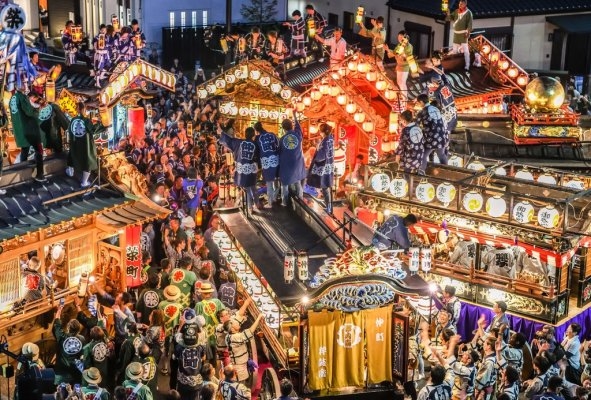
The floats, intricately carved with flowers, birds, lions, and other designs, are well worth seeing. The climax of the festival can be said to be the Buttsuke (a musical ensemble) performance by nine floats with golden lanterns.
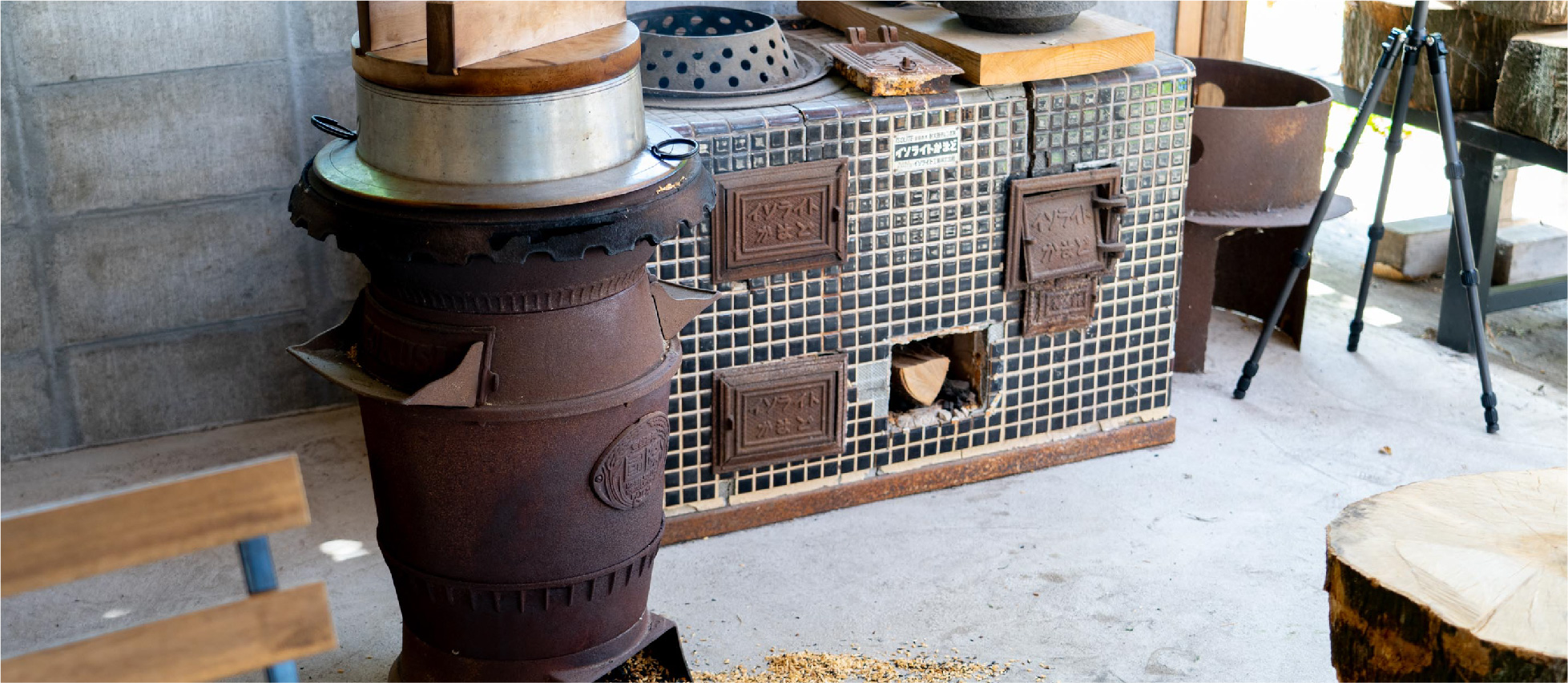
Hanazono sou is a farm stay operated by a farming family making rice for 15 generations in Hanazono, Ohtawara City. It is a lodging where guests can indulge themselves in the slow flow of time and the scenery of the vast countryside as well as the starry sky at night. For dinner, guests can cook for themselves in the shared kitchen or with the BBQ equipment. You can harvest chemical-free vegetables from the field and use them for dinner. They also serve home-grown rice freshly steamed on the rice-husk stove. After the meal, you are invited to enjoy Hanazono sou’s original Japanese sake for a relaxing time. In the morning, you will choose a Japanese or Western breakfast and cook it with the farm stay staff. The Japanese breakfast is freshly cooked rice on the rice-husk stove, miso soup with homemade miso, and a dish of seasonal vegetables. The Western breakfast is pancakes using homemade rice flour and soup featuring seasonal vegetables.
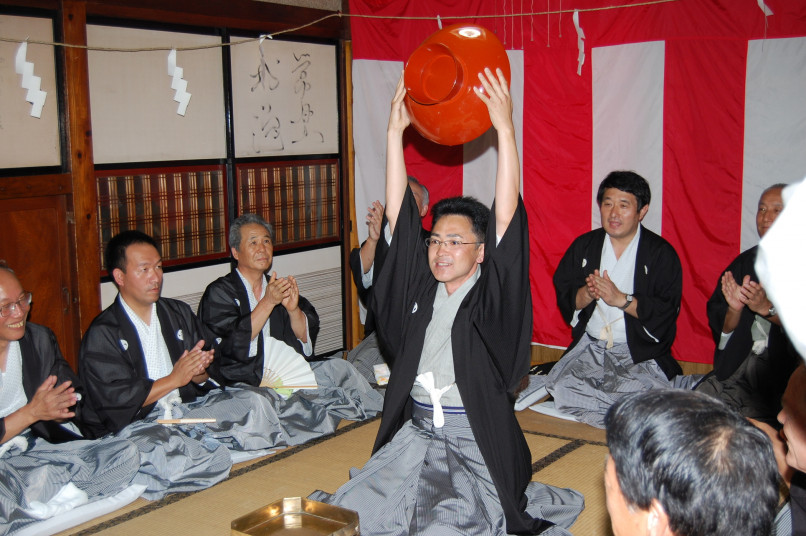
Mashiko Gion Festival began in 1705, when an epidemic of infectious diseases killed many people and pests infested crops, people pray to Tenno for illnesses and harvest. Five towns take turns organizing the festival. The organizer sets up a mikoya and carries the mikoshi out of the shrine for the first day and last day of the festival. On the second day of the festival, a traditional event call “Sake Topping Festival(Omiki Cho-dai Shiki)” is held on organizer’s town. Male worshippers in formal kimonos drink hot sake under the scorching heat to pray for a good harvest and health. After the organizer side finished their drinks, 10 men from next organize town also need to challenge it. This festival is one of the “Top 3 Strange Festivals of Kanto Area”. Also, on the first night of the festival, people will set off Tezutsu-hanabi with majestic yells is breathtaking.
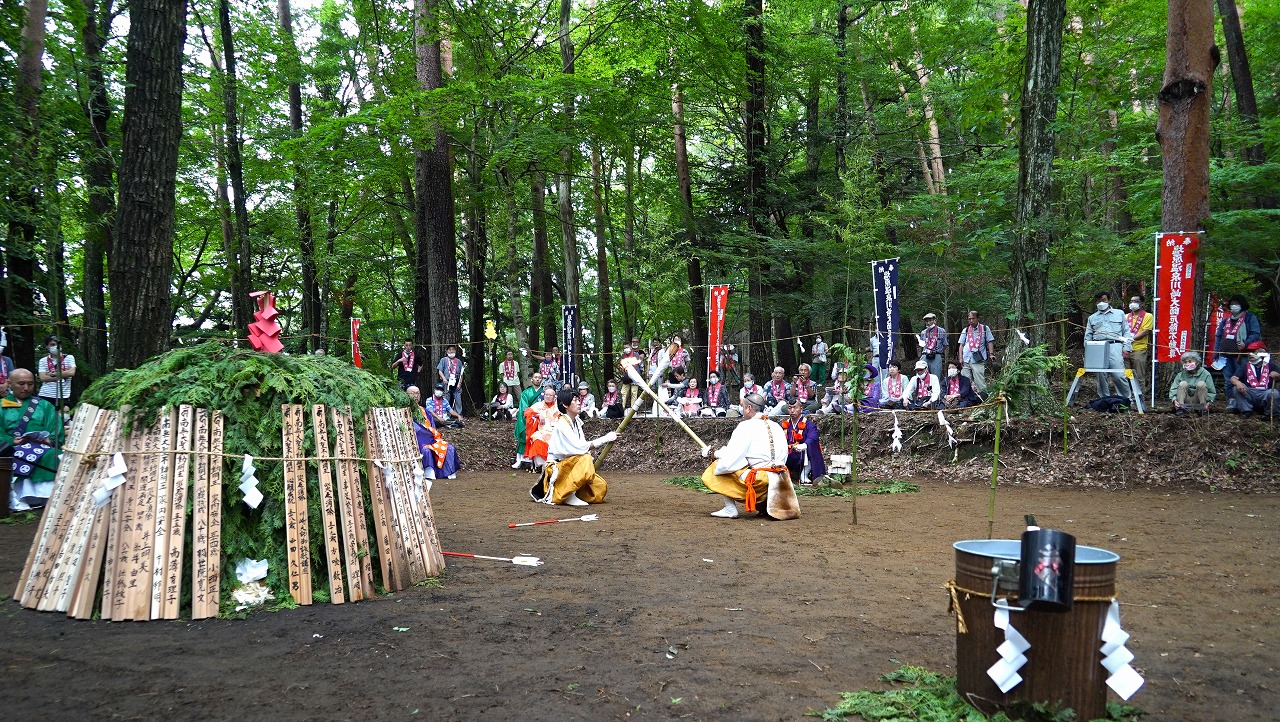
This is very special tour to experience an annual grand Buddhist ceremony in the breathtaking nature of Nasushiobara. This historical event, where tradition, culture, and nature merge, features monks in dazzling attire performing captivating rituals. It's an unmissable spectacle full of unforgettable highlights! There are day trip and overnight options available. The both courses will follow the same schedule on the first day. Please be sure to check the official website below..